
Reviewed · WALKING TOURS
Kyoto Custom Private Walking Tour with A Guide (Private Tour)
Kyoto is easier to understand when someone helps you read the city as you walk. This private tour builds the day around your interests, with possible stops in Gion, Maruyama Park, Nishiki Market, temples, shrines, quieter back streets, and even a museum if you arrange it in advance.
I like the one-group-only format, which lets you set the pace and ask all the questions you want. I also like the guide’s practical role: past guides such as Kokoro, Ian, Emma, and Alessandro have helped with route planning, local food suggestions, train directions, and less crowded places.
The main caution is consistency. Most feedback is very positive, but a few people received guides with weak site knowledge, poor communication, or little energy. Attractions, meals, and public transportation cost extra, so the low headline price is not the full cost of a sightseeing day.
In This Review
- Key things to know before booking
- A private way to make sense of Kyoto
- Gion and Maruyama Park: a useful first look at old Kyoto
- Nishiki Market: food, errands, and everyday Kyoto
- Temples and shrines, with room for real questions
- Quieter streets and less crowded stops
- Museums and planned visits require advance notice
- How the two to eight hour timing affects value
- The guides can make or break the day
- Who will get the most from this Kyoto walk
- Practical details to settle before the meeting
- Should you book this private Kyoto tour?
- FAQ
- How long does the Kyoto private walking tour last?
- Is this a private tour?
- Can the guide meet me at my accommodation?
- Are attraction and museum tickets included?
- Does the price include food, drinks, or transportation?
- Can families or people with limited mobility participate?
- What is the cancellation policy?
Key things to know before booking
- Your route is built around your interests: Tell the guide what you want to see, how fast you walk, and what matters to your group.
- The tour can last 2 to 8 hours: A short outing works for an introduction, while a longer booking gives you time for several districts.
- The tour is private: Only your group participates, so families and couples can avoid a fixed group schedule.
- Popular areas can be mixed with quieter stops: Gion, Nishiki Market, temples, and less visited streets have all featured in past routes.
- Museum and attraction tickets are extra: The company can help arrange tickets, but admission is not included.
- Walking and public transport costs are separate: This is not a private car tour, and local transportation is not included.
A private way to make sense of Kyoto
Kyoto can look simple on a map and still be hard to use well. A temple may be a short distance from a market, yet the best route depends on opening times, crowds, your energy, and your interest in religious or cultural sites.
That is the useful part of this experience. You do not receive a fixed march through a standard list of sights. The guide contacts you before the tour to learn what you like. You can explain that you want gardens, Buddhist temples, Shinto shrines, food, local neighborhoods, photography, Japanese history, or a gentle pace.
You can also use the time to get your bearings for the rest of your stay. Emma, for example, helped plan later sightseeing and suggested vegetarian restaurants, shops, bars, and places of cultural interest. That kind of advice can be worth as much as the walk itself, especially if Kyoto is your first stop in Japan.
The guide’s role is part historian, part city companion, and part logistics helper. Strong guides have helped families manage a busy day, assisted with train connections, and adjusted plans for limited mobility. You should still explain your needs before the tour, since the quality of the experience depends heavily on the individual guide assigned.
Other walking tours we've reviewed in Kyoto
Gion and Maruyama Park: a useful first look at old Kyoto
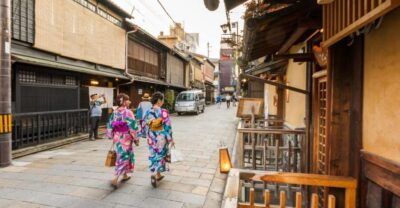
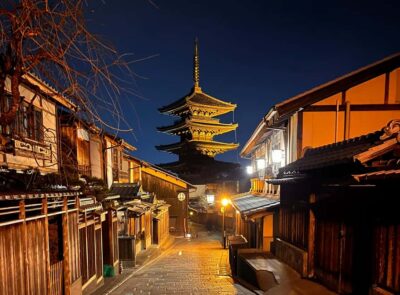
A route through Gion and Maruyama Park gives you a good introduction to Kyoto’s traditional side. Gion is known for old wooden buildings, narrow streets, shrines, and the atmosphere of the city’s former entertainment quarter. Maruyama Park provides a change of pace, with room to walk between temple and shrine areas.
The value of a guide here is not simply pointing out buildings. You can ask how a shrine differs from a Buddhist temple, what people do when they visit, and how the area fits into everyday life. One successful route continued from Gion through Maruyama Park and nearby streets before ending at Nishiki Market.
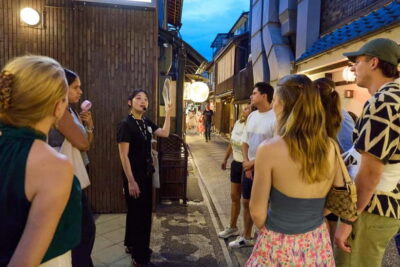
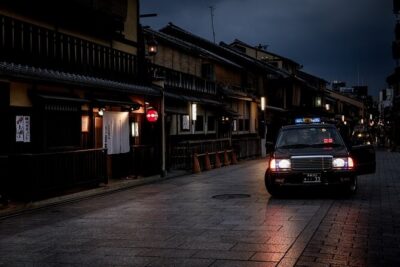
This part of town can also be a good fit for an evening tour. One guide helped with local attractions, food, and drinks, adapting the outing to the group’s requests. The exact evening plan is not guaranteed, but the private format gives you more say than a fixed group walk.
There is a practical drawback. Gion involves walking, and a full day that combines Gion with markets and temples can become tiring. Tell your guide if you need regular breaks or shorter distances. One family received a route adjusted for a member with limited mobility, but you should not assume every route will suit every physical need without advance planning.
Nishiki Market: food, errands, and everyday Kyoto
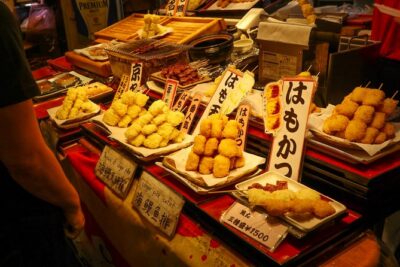
Nishiki Market is one of the clearest places to add local flavor to a city walk. It is more than a place for quick snacks. The covered market offers a window into Kyoto food traditions, shopping habits, and the small details that are easy to miss when you walk alone.
A guide can help explain unfamiliar foods, point out useful stops, and give context to what you are seeing. On one route, the market served as the finish after Gion, Maruyama Park, temples, and shrines. That order makes sense: the day moves from historic streets and religious sites toward food and shopping.
You can also use the market as a planning point for the rest of your trip. Ask about foods you want to try, places suitable for vegetarians, or neighborhoods worth visiting later. Emma was specifically praised for restaurant and shopping suggestions, but remember that a recommendation is personal advice, not a guarantee that every business will suit you.
Market areas may be crowded and noisy. If you prefer calm streets and long conversations, say so before the tour. Ian and Paul were praised for taking people to quieter temple areas and back routes, showing how much the experience can change when you explain your preferences clearly.
Temples and shrines, with room for real questions
Kyoto’s religious buildings are more rewarding when you know what you are looking at. A guide can explain the difference between Shinto and Buddhist spaces, the purpose of gates and offering areas, and the customs that shape a visit.
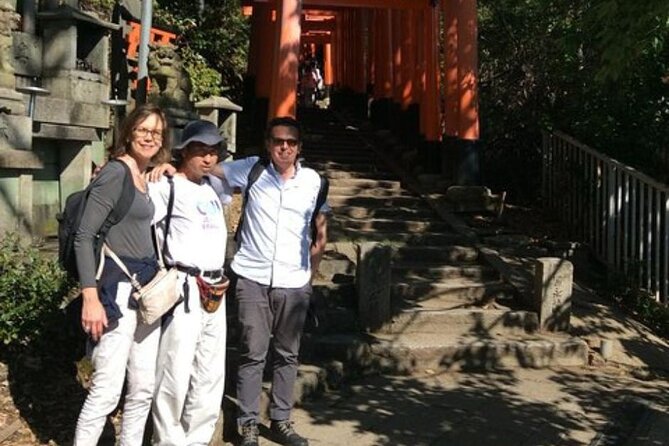
Several guides received strong praise for explaining Japanese culture, religion, and local history. Francisco brought a particular interest in Buddhism, while other guides were valued for explaining the old city and the meaning of the places along the route. This is where the tour can become more than a photo stop.
You can ask basic questions without feeling rushed. Why is a certain building painted that way? What is the correct way to approach a shrine? Why are some temples peaceful and others full of activity? A good guide should welcome these questions and adjust the depth of the explanation to your group.
Still, this is the area where guide quality matters most. A few people found that their guide could locate the sights but could not explain their cultural importance. One guide relied heavily on Google Maps, and another gave information that was described as inaccurate. If learning about Japanese history and religion is your main reason for booking, make that clear before the day begins.
The tour normally focuses on the exterior of monuments and museums. If you want to enter a museum or another attraction, tell the company ahead of time. Tickets are optional and not included, although the team can help with booking the visits you choose.
Quieter streets and less crowded stops
The best use of a private guide may be getting away from the most obvious route. Ian was praised for finding peaceful temples and shrines, while Paul was valued for knowing back routes that avoided the largest crowds. These details matter in Kyoto, where a short turn can change the feel of a walk.
You should be specific about what less touristy means to you. It might mean a quiet temple, a residential street, a small local shopping area, or simply a pause away from a famous landmark. The guide cannot promise a secret place or an empty city, but the private format makes it easier to shift the plan when a major area feels too busy.
This flexible routing also works well for repeat visitors. You may have already seen the main sights and want a better sense of daily life. A local guide can help connect the famous areas with streets and places you might otherwise pass without understanding.
The tradeoff is that a flexible route may not include every major attraction. If you have a strict checklist, send it in advance and rank your priorities. A two-hour booking cannot cover the same ground as an eight-hour day, especially when you are walking and stopping to talk.
Other guided tours in Kyoto

Museums and planned visits require advance notice
The tour can be adapted to include a museum, but this needs planning. The guide can help your group book tickets for desired visits, while admission fees remain your responsibility.
This option is useful if you have a clear subject in mind, such as art, religion, crafts, or local history. A guide can connect what you see inside with the streets and monuments outside. It also lets you avoid spending your limited Kyoto time on a museum that does not match your interests.
Do not leave this request until the meeting point. The company specifically asks you to share museum plans ahead of time, and ticket availability may affect the route and timing. If you prefer an entirely outdoor walk, say that as well.
How the two to eight hour timing affects value
The listed price is $53.15 per person, with group discounts offered. That is a reasonable starting price for a private service, but you need to look at what is and is not included.
The tour includes a private walking guide, route customization, a meeting at your city accommodation when available, and help arranging tickets. It does not include attraction admission, food, drinks, tips, or local transportation. If you choose a museum, take trains between districts, or stop for lunch, your spending will rise.
For two hours, think of this as a focused introduction. You might concentrate on one area, learn the basic customs, and collect advice for the following days. This can work well after arriving in Kyoto, when you want a local orientation without committing to a full day.
A six-hour booking gives you more room for several neighborhoods, a market, religious sites, and breaks. It also makes the guide’s local route planning more valuable. One family used a longer custom outing to balance several adults and six children, while another group used the guide to see key sights in a limited amount of time.
Eight hours is best only if your group enjoys walking and can handle a full day. You may still need public transportation, since the guide does not provide a car. Ask in advance how much of the route will be on foot and how transportation fits into your plan.
The guides can make or break the day
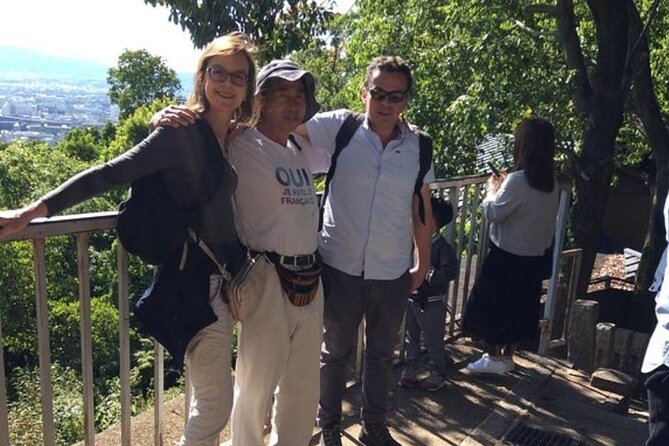
The strongest feedback centers on the people. Kokoro was repeatedly praised for his energy, care, cultural knowledge, flexibility, and ability to add unexpected stops. Ian was appreciated for thoughtful planning, patience, and quieter temple visits. Qianyu, also referred to as Ian in one account, was praised for building a route around group interests and mobility needs.
Andy was described as patient and enthusiastic, while Keiko received praise for communication and planning. Alessandro was valued for friendliness and a clear enjoyment of his work. Emma added practical restaurant and itinerary advice, and Bamah successfully managed a large family group with six children.
You cannot assume you will receive one of these specific guides. Names are useful examples of the service at its best, not a promise about assignment. The company contacts you before the tour, so use that opportunity to state your priorities and ask how the proposed guide fits them.
There are also serious weak points. Some bookings suffered from late guide changes, poor communication, or a guide who did not arrive. Other problems included a fast walking pace, limited English clarity, little historical background, and reluctance to stop for lunch during a six-hour outing.
That range explains the overall rating of 4.5 from 78 ratings. The service often works very well, but it is not as predictable as a tour led by a single specialist guide. If your day depends on precise timing, confirm the meeting point and start time carefully.
Who will get the most from this Kyoto walk
I would consider this tour for several types of visitors:
- First-time visitors who want help understanding Kyoto before exploring alone.
- Families that need a flexible pace and a route shaped around children.
- Couples and solo visitors who want conversation rather than a large group lecture.
- People with a short stay who need to connect several interests in one outing.
- Repeat visitors who have already seen the famous sights and want quieter areas.
- Visitors who care about food and daily life, especially if they want market and restaurant advice.
It may not suit you if you want a guaranteed specialist in Japanese religious history, a fixed list of major attractions, or private vehicle transportation. It is also a poor fit if you dislike walking or do not want to pay separately for admissions and trains.
Practical details to settle before the meeting
You receive confirmation when booking, and the tour is private for your group. Pickup is offered at your accommodation if it is located in Kyoto city. Otherwise, confirm the meeting point carefully before the day.
Service animals are allowed, and most people can participate. The tour requires good weather. If poor weather causes cancellation, you are offered another date or a full refund.
Free cancellation applies when you cancel at least 24 hours before the local start time. Cancellations or changes inside that window are not refunded or accepted, so keep the deadline in mind.
Wear shoes you can walk in and bring water, though food and drinks are not included. Since this is a walking experience, ask for a gentler route if needed. Also explain your preferred pace, lunch needs, museum plans, and must-see areas before the tour begins.
Should you book this private Kyoto tour?
Book it if you value flexibility more than a fixed script. At $53.15 per person, the price can be good for a private introduction, especially when your group wants different things from a standard sightseeing route. The best guides add context, local suggestions, quieter stops, and useful help with trains and later planning.
I would be more cautious if expert historical interpretation is your top priority. The gap between excellent and disappointing guide experiences is clear. Send a detailed request before booking, confirm the meeting arrangements, and make your must-see sites and learning goals explicit.
For a family, couple, solo visitor, or first-timer who wants a friendly local orientation, this can be a smart start to Kyoto. Just treat the price as the cost of the guide only, not a complete day of sightseeing, and leave enough room in your plans for walking, tickets, and transport.
FAQ
How long does the Kyoto private walking tour last?
The tour lasts approximately 2 to 8 hours. You should choose the length based on how many areas you want to visit and how much walking your group can manage.
Is this a private tour?
Yes. Only your group participates, so the guide can adjust the route, pace, and subjects to your interests.
Can the guide meet me at my accommodation?
Pickup is offered at your accommodation if it is located within Kyoto city. Confirm the exact meeting place before the tour.
Are attraction and museum tickets included?
No. Attraction tickets are optional and not included in the price. The team can help your group book tickets for planned visits, and you should request museum stops ahead of time.
Does the price include food, drinks, or transportation?
No. Food, drinks, tips, and local or public transportation are not included. This is a walking tour, and car transportation is not provided.
Can families or people with limited mobility participate?
Most people can participate, and one documented family route was adjusted for a member with limited mobility. Explain your group’s needs in advance so the route and pace can be discussed.
What is the cancellation policy?
You can cancel at least 24 hours before the local start time for a full refund. Cancellations or changes made less than 24 hours before the start are not refunded or accepted. If poor weather cancels the tour, you are offered another date or a full refund.
More Private Tours in Kyoto
More Guided Tours in Kyoto
More Walking Tours in Kyoto
More tours in Kyoto we've reviewed



Walking Tours, compared.
 ★ 4.7Kyoto Geisha Walking Tour: Gion District & Hidden GemsFrom $252 hours
 ★ 4.7Kyoto: Gion Geisha District Walking Tour – Stories of GeishaFrom $202 hours
 ★ 4.5Night Walk in Gion: Kyoto’s Geisha DistrictFrom $211h 40m
 ★ 5.0Kyoto Gion Geisha District Walking Tour – The Stories of GeishaFrom $25
 ★ 5.0Nishiki Market Brunch Walking Tour (7 Tastings + Brunch)From $68
 ★ 4.9Kyoto: Gion Magical Night Walking Tour with Geisha InsightsFrom $34