
Reviewed · WALKING TOURS
Peaceful Kyoto Walking Tour
Kyoto’s best sightseeing often happens at walking pace, and this tour follows one of the city’s loveliest routes. You move from Nanzenji Temple to Eikando, along the Philosopher’s Path, and finish at Ginkakuji, with gardens and quiet lanes doing most of the talking.
I like the thoughtful route and the chance to see three important temple compounds without wrestling with Kyoto’s busy central streets. I also like the short break at Blue Bottle Coffee, set inside a 100-year-old townhouse. The main caution is simple: four hours on foot is a real commitment, and the route may not suit anyone with mobility limitations.
- Nanzenji opens the tour with a grand gate, Zen garden, and historic canal aqueduct.
- A townhouse coffee stop adds a modern Kyoto pause between temple visits.
- Eikando is especially appealing in autumn, when its maple trees change color.
- The Philosopher’s Path links the temples with a quiet canal walk and seasonal flowers.
- Ginkakuji provides a refined finish, with its famous sand garden and moss-covered grounds.
- The $61 price covers guiding, but you should budget another JPY 1,700 for temple admissions, plus your drink.
In This Review
- Why This Four-Hour Route Works So Well
- Starting at Nanzenji’s Sanmon Gate
- A Short Pause at Blue Bottle Coffee Kyoto
- Eikando and Its Pond Garden
- Walking the Philosopher’s Path
- Finishing at Ginkakuji, the Silver Pavilion
- What the Guide Adds
- The Real Cost and Practical Value
- Who Should Book This Kyoto Walk
- FAQ
- How long does the Peaceful Kyoto Walking Tour last?
- Where does the tour start?
- Where does the tour finish?
- Which language is the tour offered in?
- Are temple admission fees included?
- Is coffee included at Blue Bottle Coffee Kyoto?
- What should I bring?
- Should You Book It?
Why This Four-Hour Route Works So Well
This is a temple-and-garden walk rather than a checklist tour of Kyoto’s headline sights. You will not visit Kiyomizudera, Fushimi Inari, or Kinkakuji. Instead, the route concentrates on the northeastern Higashiyama area, where Zen temples, water, trees, and narrow streets create a calmer side of the city.
The four-hour schedule gives you enough time to understand the places you see. An English-speaking guide explains the buildings, gardens, Buddhist traditions, and local background, then answers questions as you go. Eiko and Ayoko are names associated with this experience, and the available feedback gives particular attention to their clear English, care with guests, and broad understanding of Kyoto culture.
I would choose this tour early in a Kyoto visit if I wanted a gentle introduction to Japanese temple design. You get useful context for the gardens instead of simply taking photographs and moving on.
The pace is not described as strenuous, but the route includes several temple compounds and about 45 minutes along the Philosopher’s Path. Wear proper walking shoes, carry water, and think carefully about your mobility needs. The information describes the activity as wheelchair accessible, yet also says it is not suitable for people with mobility impairments. That is an important conflict to clarify before booking.
Starting at Nanzenji’s Sanmon Gate
The meeting point is Keage Station, a practical starting place for reaching Nanzenji. From there, the tour begins at one of Kyoto’s major Zen temple complexes, founded in the northern Higashiyama area and known for its imposing entrance and carefully ordered grounds.
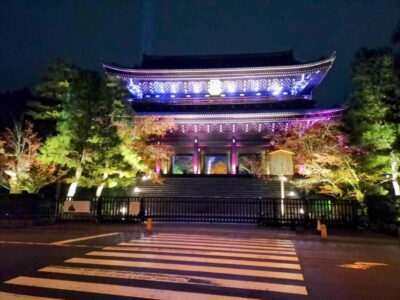
Your first hour focuses on Nanzenji. The Sanmon Gate gives the visit a strong opening. Its scale makes an immediate impression, but the guide helps you look past the size and notice how the gate frames the temple approach.
The Hojo Garden is another key stop. Japanese dry gardens use rocks, gravel, moss, and empty space to suggest scenes from nature without trying to copy them literally. With a guide, you can better understand why the arrangement feels balanced and why the open space matters as much as the planted areas.
Nanzenji also has a striking brick aqueduct connected with the Lake Biwa Canal. It is an unusual sight within a temple setting, combining industrial-era engineering with traditional religious architecture. This contrast gives the visit more range than a simple procession of wooden halls and gardens.
You have about an hour here, so the guide can cover both the visual details and the temple’s place in Kyoto’s spiritual life. The only limitation is that the tour cannot linger everywhere. Nanzenji is large, and a guided hour gives you a useful introduction rather than a full exploration of every corner.
The admission fee is JPY 600, paid separately. Add that cost to your budget before comparing this tour with other Kyoto walking experiences.
Other walking tours we've reviewed in Kyoto
A Short Pause at Blue Bottle Coffee Kyoto
After Nanzenji, you stop at Blue Bottle Coffee Kyoto Cafe for about 25 minutes. The description also refers to a 15-minute coffee break, so the exact time may vary with the day’s pacing. Either way, this is a short rest, not a leisurely cafe visit.
The cafe occupies a 100-year-old townhouse, making it more interesting than a standard modern coffee shop. You get a glimpse of how Kyoto pairs old buildings with current cafe culture without turning the stop into a formal cultural lesson.
Coffee and tea are not included. You pay individually for your drink, so bring enough yen or be prepared to use the payment method accepted at the cafe. Since the break is brief, I would treat it as a chance to sit, refresh, and use the pause wisely rather than order a full meal.
This stop also breaks up the temple visits. Four hours of gardens can blur together, especially if you are still adjusting to Kyoto’s visual language. A warm drink in a traditional townhouse gives your feet a rest and resets your attention before Eikando.
Eikando and Its Pond Garden
Eikando, also called Zenrinji, receives about 30 minutes of guided visiting time. It is best known for its autumn foliage, but the grounds have something to offer in every season through the combination of trees, water, temple buildings, and garden views.
The Amida Buddha statue is one of the points highlighted during the visit. The pond garden provides a quieter counterpoint to Nanzenji’s large gate and aqueduct. Here, you are encouraged to notice reflections, planting, and the way the buildings sit within the garden rather than simply move from one landmark to the next.
Autumn is the special season at Eikando. The changing maple leaves can make the temple particularly memorable, though you should expect seasonal conditions to affect the exact appearance. Spring brings cherry blossoms along nearby paths, while other seasons offer their own colors and textures.
Thirty minutes is enough for a focused look, but it is not a long independent visit. If Eikando is your main reason for coming, you may prefer more time here than this tour allows. For a traveler who wants to connect several major sights in one morning or afternoon, the shorter stop works well.
The separate entrance fee is JPY 600. The guide’s role matters here because Eikando’s appeal is not only visual. Explanations about the statue, pond garden, and temple setting help turn a quick visit into a more meaningful one.
Walking the Philosopher’s Path
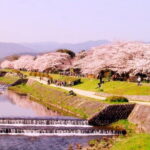
The route then heads north along the Philosopher’s Path for about 45 minutes. This is the connective tissue of the tour, linking Eikando with Ginkakuji through a canal-side walk lined with cherry trees and seasonal flowers.
The path is associated with Kitaro Nishida, a philosopher said to have walked here while thinking. You do not need to know his work to enjoy the route. The useful point is that the walk encourages a slower frame of mind. You leave the enclosed temple grounds and continue through an open urban setting where water, trees, and Kyoto homes share the scene.
Spring is the famous time for this path because of the cherry trees. Still, the route is not limited to blossom season. The supplied details note seasonal flowers, so the character changes through the year. Avoid treating the cherry trees as a guarantee of peak blooms on your particular date.
The schedule allows roughly 45 minutes, which should give you time to walk at an easy pace and pause for photographs. This is not presented as a shopping excursion, despite shopping appearing in the itinerary description. The main value is the walk itself and the continuous change in views between Eikando and Ginkakuji.
This section is also where comfortable shoes matter most. The tour involves a fair amount of walking, and a thin-soled fashion shoe will make the final temple visit less pleasant. Water is worth carrying, especially in warmer weather.
Finishing at Ginkakuji, the Silver Pavilion
The final stop is Ginkakuji, formally Jishoji, often called the Silver Pavilion. It is a UNESCO World Heritage Site and is commonly discussed alongside Kinkakuji, the Golden Pavilion. The comparison is useful, but do not expect silver-covered walls here. Ginkakuji’s appeal lies in restraint, texture, and careful garden design.
You have about 30 minutes with the guide. The white sand garden, known as Ginsadan, is the most immediately recognizable feature. Its raked surface and large sand mound create a formal, almost sculptural view.
The moss garden offers a different mood. Its softer surfaces and shaded planting make the grounds feel less stark than the sand court. Together, the two gardens show the Japanese preference for contrast: order beside softness, bright gravel beside dark moss, and carefully maintained forms beside natural growth.
The tour also highlights the serene study hall. This helps place Ginkakuji in the world of refined living and contemplation rather than presenting it as just another photogenic temple.
The JPY 500 entrance fee is not included. Thirty minutes gives you a clear introduction to the main sights, but you will not have unlimited time to wander. If Ginkakuji is high on your personal list, keep your expectations realistic and focus on the principal garden views.
The tour finishes at Higashiyama Jishoji, the site associated with Ginkakuji. That ending is useful because you can continue exploring the area afterward if your schedule permits, though no additional activities are included in the tour.

What the Guide Adds
The strongest part of this experience is the human explanation. A good guide can show you how to read a Zen garden, explain why a canal aqueduct appears beside a temple, and connect Kyoto’s buildings with everyday life in the city.
The written feedback attached to this activity gives special attention to Eiko’s detailed explanations and Ayoko’s clear, easy-to-understand English. It also notes that the guide answered questions, paid close attention to individual needs, and discussed life in Kyoto beyond the formal temple facts.
That matters because these sites can feel quiet but opaque. Without context, Ginsadan is a white gravel garden, the Hojo Garden is a pattern of stones and moss, and the Amida Buddha is a statue you photograph before moving on. With good guiding, you gain a framework for understanding what you are seeing.
The tour also appears to be well suited to questions. If you want to know about Japanese history, Buddhist ideas, garden design, or modern Kyoto life, an English guide gives you a chance to ask as you walk.
The Real Cost and Practical Value
The listed cost is $61 per person. That covers the four-hour guided walk in English, but not the three temple admissions or your cafe drink.
The admission fees total JPY 1,700:
- Nanzenji: JPY 600
- Eikando: JPY 600
- Ginkakuji: JPY 500
You should also budget for coffee or tea at Blue Bottle Coffee Kyoto. The added costs are not excessive, but they make the true price higher than the headline figure.
I think the value is strongest if you want interpretation and a carefully planned route. You could visit these places independently, but you would need to arrange the sequence, find the entrances, manage timing, and research what makes each garden significant. The tour bundles that work into one focused experience.
It is less compelling if you prefer long, unstructured temple visits. The schedule gives each site a clear purpose, but Eikando and Ginkakuji receive only 30 minutes each. Independent visitors can stay longer, return to a favorite garden, or skip the cafe break.
The current rating is 4.9 from six ratings, with repeated praise for the guides’ explanations, kindness, and attention. One rating gave four stars and described the morning as meditative and peaceful, while noting that the guide answered questions and explained each site. That feels like a fair picture: this is a calm, well-guided introduction, not an exhaustive study tour.
Who Should Book This Kyoto Walk
I would recommend this experience to you if you want:
- A quieter Kyoto route away from the city center
- Temple gardens explained in clear English
- A balanced mix of guided visits and outdoor walking
- A strong autumn option centered on Eikando
- A spring route with cherry trees along the Philosopher’s Path
- A half-day activity that includes both major sights and local atmosphere
You should think twice if you dislike walking, need extensive rest periods, or want to spend an hour or more inside each temple. The tour description says it is not suitable for people with mobility impairments, despite also identifying it as wheelchair accessible. Ask the provider for current route details before booking if accessibility is important to you.
Free cancellation is available up to 24 hours in advance, and you can reserve now and pay later. Those policies help if your Kyoto schedule is still shifting, but they do not change the physical demands of the route.
FAQ
How long does the Peaceful Kyoto Walking Tour last?
The tour lasts four hours.
Where does the tour start?
The starting location is Keage Station.
Where does the tour finish?
The tour finishes at Higashiyama Jishoji, the location associated with Ginkakuji Temple.
Which language is the tour offered in?
The tour is offered in English with a live English-speaking guide.
Are temple admission fees included?
No. You pay JPY 600 for Nanzenji, JPY 600 for Eikando, and JPY 500 for Ginkakuji separately.
Is coffee included at Blue Bottle Coffee Kyoto?
No. Coffee and tea are not included, and you pay individually for your drink.
What should I bring?
Bring comfortable walking shoes, water, and a camera.
Should You Book It?
Book this tour if you want Kyoto’s quieter side explained by a capable English guide, with three major temple grounds connected by one scenic walk. Eiko and Ayoko are noted for clear explanations and considerate guiding, and the route gives you a satisfying look at Zen gardens without spending a full day on temple visits.
Skip it if you want complete freedom, long stops, or a low-cost self-guided outing. For most visitors who value context, a calm pace, and an efficient route from Nanzenji to Ginkakuji, the $61 fee is reasonable once you understand what is and is not included.
More Walking Tours in Kyoto
More tours in Kyoto we've reviewed



Walking Tours, compared.
 ★ 4.7Kyoto Geisha Walking Tour: Gion District & Hidden GemsFrom $252 hours
 ★ 4.7Kyoto: Gion Geisha District Walking Tour – Stories of GeishaFrom $202 hours
 ★ 4.5Night Walk in Gion: Kyoto’s Geisha DistrictFrom $211h 40m
 ★ 5.0Kyoto Gion Geisha District Walking Tour – The Stories of GeishaFrom $25
 ★ 5.0Nishiki Market Brunch Walking Tour (7 Tastings + Brunch)From $68
 ★ 4.9Kyoto: Gion Magical Night Walking Tour with Geisha InsightsFrom $34