
Reviewed · ARASHIYAMA & BAMBOO TOURS
Private Tour to Monkey Park and Arashiyama Highlights
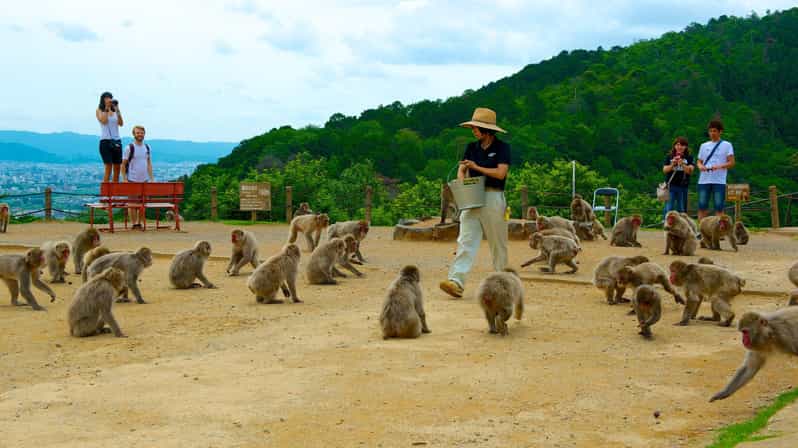
The monkeys are the main event here. At Iwatayama Monkey Park, Japanese macaques wander freely through the trees and around the rest area, where you feed them safely from inside. Then the tour brings you down into Arashiyama’s famous bamboo grove, Tenryuji Temple, and the riverside Togetsukyo Bridge.
I like the private format, which lets guide Masahiko, or Masa, set a comfortable walking pace and take photos at the best spots. I also like the mix of wildlife, Zen gardens, bamboo, and river views in one compact outing. The catch is the uphill walk: reaching the monkey park takes about 20 minutes, and this is not a good choice if you have low fitness or limited mobility.
In This Review
- Key points at a glance
- Why the monkeys make this Arashiyama tour different
- The 20-minute climb to Iwatayama Monkey Park
- Feeding Japanese macaques without crossing the line
- Tenryuji Temple and its calm Zen garden
- Walking through Arashiyama’s bamboo path
- Togetsukyo Bridge and the Oi River
- What the private guide adds
- Is $38 good value for three hours?
- Who should book this Arashiyama outing?
- FAQ
- Where does the tour meet?
- How long is the tour?
- How difficult is the walk to the monkey park?
- Can I feed the monkeys?
- Is the bamboo forest open all day?
- Is transportation included?
- Should you book it?
Key points at a glance
- Feed monkeys safely from inside the rest area: The macaques roam free, but feeding is allowed only through the protected area.
- A steep climb brings Kyoto into view: The uphill trail takes about 20 minutes and rewards you with a broad view over the city and surrounding mountains.
- Masa adds local detail and a human touch: He explains monkey behavior, Zen traditions, Kyoto life, and the sights along the way.
- Three classic Arashiyama stops fit into one private visit: Tenryuji Temple, the bamboo forest path, and Togetsukyo Bridge each offer a different side of the district.
- The $38 price is strong for a private tour: Admissions, monkey food, and an English-speaking guide are included, but transportation between attractions is not.
- Check the boat detail before booking: A boat ride is listed among the highlights, but the detailed schedule does not clearly show when it takes place or confirm that it is included.
Why the monkeys make this Arashiyama tour different
Arashiyama is famous for its bamboo, temples, and river, but the monkey park gives your visit a more unusual start. You hike uphill through a wooded area to reach Japanese macaques living in their own park habitat. The animals are not in cages waiting for visitors. They move through the trees, climb around the huts, and come close to the feeding area on their own terms.
That makes the experience exciting, but it also calls for care. You do not feed the monkeys by hand or carry food around the park. Instead, you buy a small food bag, often for 100 yen, and feed them from inside the rest area. Keep your fingers and personal snacks out of the way, and follow the guide’s instructions.
Masa uses the walk up to explain the monkeys’ social behavior. This is a useful touch because it gives the encounter some context instead of turning it into a quick animal photo stop. You may see macaques sitting in groups, grooming one another, or moving through the trees while you learn how to watch them without disturbing them.
The park also earns its place for the view. From the top, Kyoto spreads out below, with mountains around the city. If the climb leaves you warm, the outlook gives you a good reason to pause and catch your breath.
A few more Kyoto tours and experiences worth a look
The 20-minute climb to Iwatayama Monkey Park
The tour meets at Hankyu-Arashiyama Station, not the Randen or JR station. Your guide waits outside the ticket gates in the plaza with a sign bearing your name. That detail matters in Arashiyama, where several stations serve the same district and can leave you on the wrong side of the sightseeing area.
From the meeting point, the route leads toward the monkey park and then uphill. The walk takes around 20 minutes, and the trail is the physical test of the tour. Comfortable walking shoes are essential. High heels are not allowed, and the outing is not suitable for wheelchair users, people with mobility impairments, or visitors who struggle with steep paths.
Masa can adjust the pace. One useful part of his guiding style is that he does not treat the climb as a race. You can stop for water, listen to his short quizzes and explanations, and enjoy views along the way. Bring water and a snack for yourself, but do not take food into the monkey rest area.
At the top, the monkeys may be anywhere around the trees and rest area. The best approach is to watch first. The park is more enjoyable when you notice how the macaques interact rather than focusing only on getting a close photograph.
The feeding area is the safest and most controlled part of the visit. Food is provided for the monkeys, and the feeding fee is included in the tour. The animals may come right up to the other side of the opening, giving you a close look without encouraging direct contact.
Feeding Japanese macaques without crossing the line
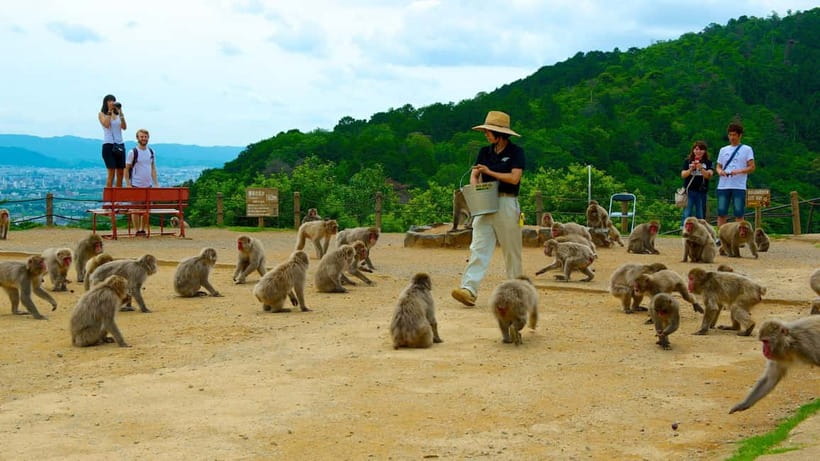
This is not a petting zoo. That distinction is important. The monkeys roam around the park, and they are accustomed to food being offered from the rest area, but you should not touch them, chase them, stare aggressively, or wave food outside the approved area.
You also cannot bring your own food into the rest area. Keep your snacks packed until you leave the feeding spot. The rules may feel strict, but they protect both you and the animals.
The encounter works best for families with older children, couples, and anyone who enjoys wildlife but wants a guided introduction. It is less suitable if you have an animal allergy, a fear of heights, or discomfort around free-roaming animals. The tour also lists pregnancy, age over 75, and weight above 130 kilograms as restrictions, so check those conditions before booking.
Do not expect a long wildlife session. The monkey park portion is described as about one hour, including the climb and time at the top. That is enough for feeding, photographs, and a look at the view, but the schedule is not built around waiting for rare animal behavior.
Tenryuji Temple and its calm Zen garden
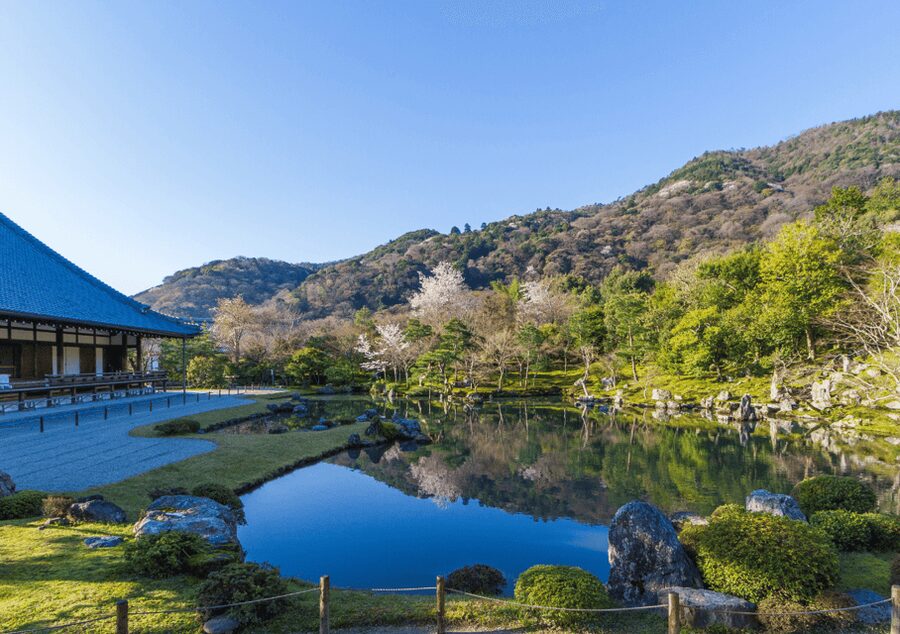
After the monkey park, the tour shifts from wildlife to Kyoto culture. Tenryuji Temple is one of Arashiyama’s major Buddhist sites and a UNESCO World Heritage Site. Its appeal comes from the way the temple buildings, pond, garden, and surrounding hills work together.
The garden is the highlight for many visitors. Instead of treating nature as a backdrop, traditional Japanese garden design frames it as part of the composition. Water, stones, trees, and borrowed views from the surrounding hills create a quiet place to slow down after the monkey park.
Masa explains the temple’s past, its architecture, and the Zen ideas connected with the site. This kind of guidance is valuable because a Zen garden can look simple at first glance. With context, you begin to notice the spacing, the restrained design, and the way the setting encourages stillness.
Tenryuji is also a good place to ask questions about Japanese customs and everyday life in Kyoto. Masa’s background as a local guide gives the temple visit a wider frame, connecting the formal site to the city around it.
The tradeoff is time. A three-hour tour has to move along, and Arashiyama contains far more temples, lanes, shops, and gardens than one short outing can cover. You will see the main elements of Tenryuji, but you should not expect an unhurried study of every building.
Walking through Arashiyama’s bamboo path
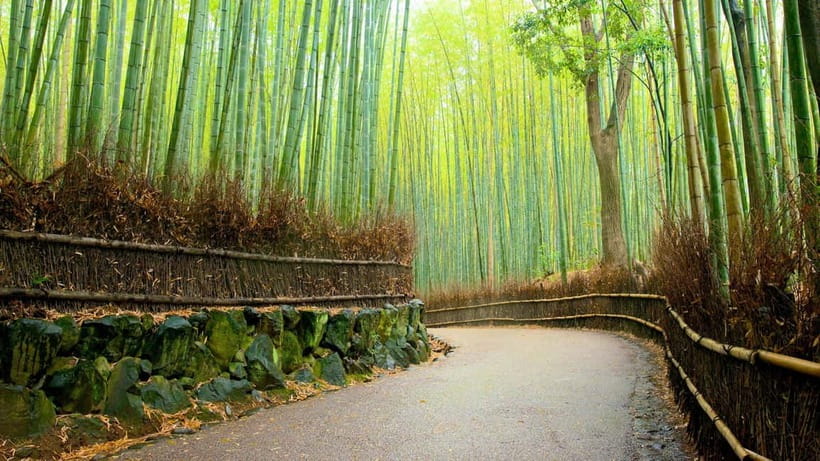
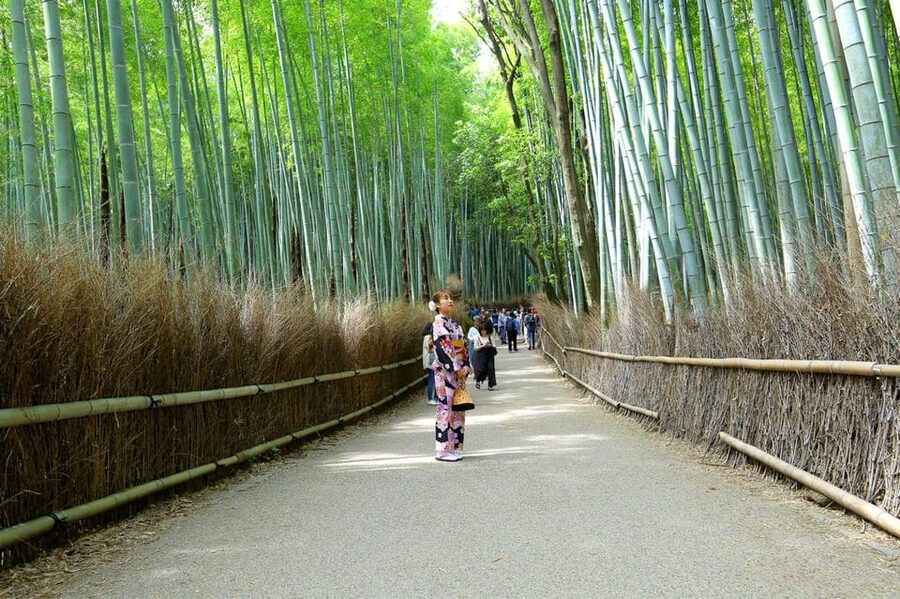
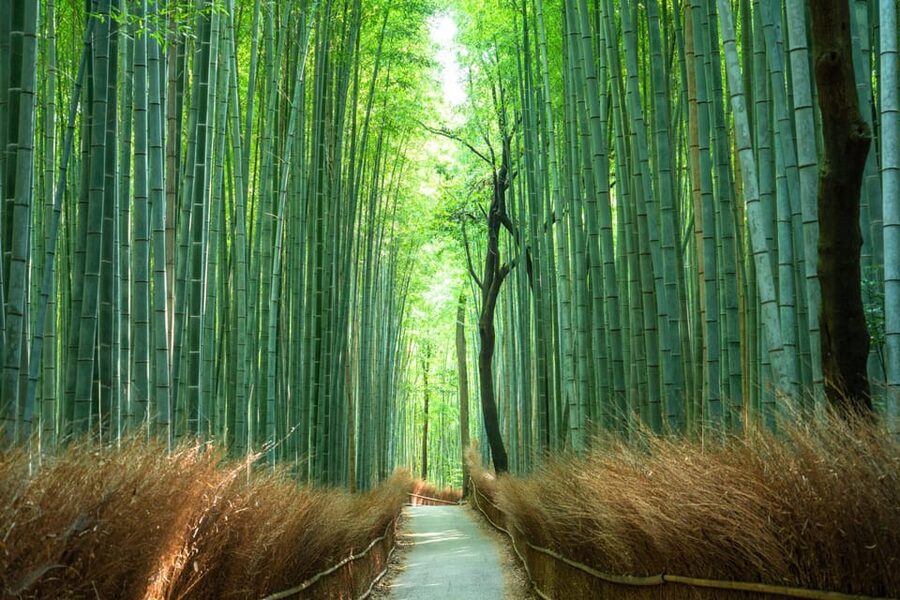
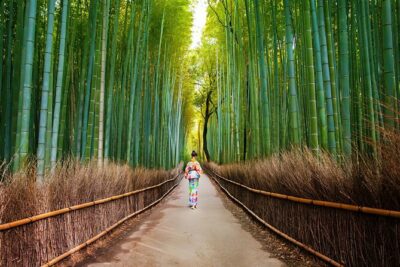
The bamboo forest is one of Kyoto’s most recognizable sights. Tall bamboo stalks line the path and filter the light, creating a cool, enclosed walk that feels very different from the open riverfront and the bright city views above the monkey park.
The path is free and open from 9:00 to 17:00. The tour information also lists admission to the Bamboo Forest, so confirm the exact ticket arrangement when you book, since the path itself is described as free. Either way, the value here is not a paid attraction so much as the convenience of reaching it with a guide who knows how to connect it to the rest of the route.
Bring a camera, but leave room to simply look around. The bamboo is tall and repetitive by design, so the experience is more about the sound, height, and filtered light than about a long list of sights. The path can also feel busy at popular times, although no crowd conditions are promised for this tour.
This is where the private format helps. You can pause for photographs without worrying about holding up a large group. Masa has also been willing to take photos of visitors at good spots, a small service that is especially useful for couples or families who want a picture together.
Other private tours in Kyoto
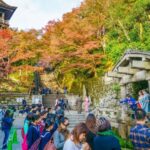
Togetsukyo Bridge and the Oi River
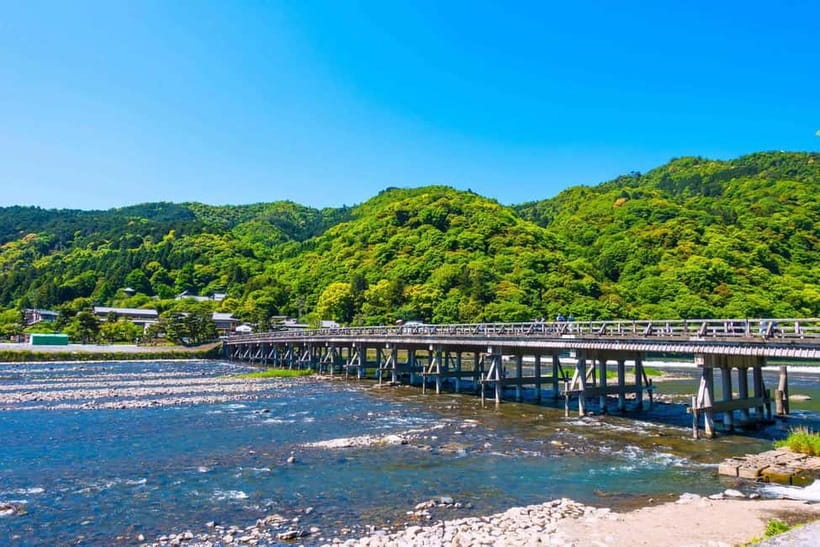
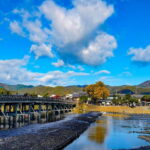
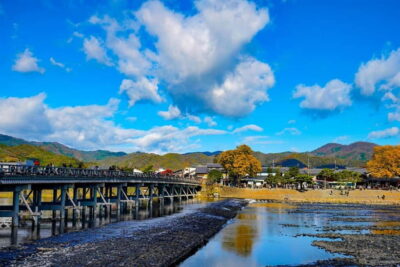
Togetsukyo Bridge gives the tour a broad final view. The bridge crosses the Oi River, with Arashiyama’s hills and seasonal plants around it. Spring brings cherry blossoms, while autumn brings colorful foliage. The river itself flows gently, making the area feel open after the enclosed bamboo path.
You get time here to take photographs, sit by the water, or simply enjoy the setting. The bridge is a symbol of Arashiyama, but it is not only a photo backdrop. It helps you understand the district’s layout, with the river separating the central sightseeing streets from the wooded hills.
The supplied highlights also mention a leisurely boat trip on the Oi River. However, the detailed description focuses on the monkey park, Tenryuji, bamboo grove, and Togetsukyo Bridge, and transportation is not included. If the boat ride is important to you, ask the provider to confirm whether it is part of your booked schedule, an optional activity, or a general Arashiyama possibility rather than a guaranteed stop.
What the private guide adds
A private guide changes the rhythm of this outing. You are not simply being led from one photo stop to another. Masa can explain the macaques during the climb, slow down when you need a break, and give more attention to your questions at Tenryuji.
His English is described as strong, and his style includes humor, quizzes about the monkeys, advice about food, and broader comments about life in Kyoto and Japan. That mix suits visitors who want history without a formal lecture.
The photo help is another practical advantage. At the monkey park, bamboo path, temple, and riverside, a guide can take pictures of your whole group instead of leaving someone out. This is not a major sightseeing feature, but it can make a private tour feel more personal.
You should still remember that a private guide cannot remove the physical demands of the route. The hill remains steep, and the three-hour schedule remains fairly tight. If you want extended shopping, a long temple visit, or a relaxed river cruise, a self-guided day in Arashiyama may give you more freedom.
Is $38 good value for three hours?
At $38 per person, the price is appealing for a private English-language tour. The package includes entry to Iwatayama Monkey Park, the monkey feeding fee, Tenryuji admission, and the guided walk through the main Arashiyama sights.
Transportation to and from the attractions is not included. That is less of a problem here because the route is designed around walking, but you still need to reach Hankyu-Arashiyama Station yourself. Make sure you arrive at the correct station, since JR-Arashiyama and Randen-Arashiyama are different locations.
The strongest value comes from the guide. If you already know Arashiyama well and feel comfortable handling the monkey park rules, you can visit some of these places independently. But Masa adds pace control, local explanations, photo help, and a clear route through a district that can feel confusing on a first visit.
Free cancellation up to 24 hours before the start and the option to reserve now and pay later add flexibility. They do not change the sightseeing itself, but they are useful if your Kyoto schedule is still shifting.
Who should book this Arashiyama outing?
I would choose this tour if you want to combine animals and classic Kyoto sights in one compact morning or afternoon. It suits first-time visitors, couples, families with children who can manage the climb, and anyone who prefers a private guide to a large group.
It is also a good match if you want help with photographs or if you like learning small details as you walk. The combination of monkey behavior, Zen design, bamboo, and river scenery gives the outing more variety than a temple-only visit.
I would look elsewhere if you have low fitness, limited mobility, are pregnant, are over 75, have an animal allergy, or are uncomfortable around free-roaming monkeys. The tour also lists people with lactose intolerance among those for whom it is not suitable, though no specific reason is provided in the activity details.
Bring rain gear, water, snacks, and comfortable shoes. Do not bring a stroller, baby carriage, electric wheelchair, fireworks, or anything used to make fire. Touching plants is also prohibited.
FAQ
Where does the tour meet?
The meeting point is Hankyu-Arashiyama Station. Meet your guide in the plaza just outside the station ticket gates. The meeting point is not at Randen-Arashiyama or JR-Arashiyama Station.
How long is the tour?
The advertised duration is three hours. The monkey park visit is described as about one hour, followed by Arashiyama highlights including Tenryuji Temple, the bamboo path, and Togetsukyo Bridge.
How difficult is the walk to the monkey park?
You should expect about a 20-minute uphill walk to reach Iwatayama Monkey Park. Comfortable walking shoes, water, and a reasonable level of fitness are important.
Can I feed the monkeys?
Yes. Monkey feeding is included, and food is provided for the activity. Feeding is allowed only from inside the rest area, and you should not bring your own food into that area.
Is the bamboo forest open all day?
The Bamboo Forest Path is free and open from 9:00 to 17:00. The tour information also lists bamboo forest admission as included, so confirm the exact ticket details when booking.
Is transportation included?
No. Transportation to and from the attractions is not included. The activity begins at Hankyu-Arashiyama Station, and the main stops are visited on foot.
Should you book it?
Book this tour if the monkey park is high on your Kyoto wish list and you want Tenryuji, the bamboo path, and Togetsukyo Bridge handled in the same visit. At $38 per person, the private guide, included admissions, monkey food, steady pace, and photo help make it a good deal.
Skip it if the uphill climb is a concern, or if you want a slow day with lots of free time. Before paying, confirm the boat trip, since it appears in the highlights but is not clearly included in the detailed route. For an active visitor who wants a friendly local guide and a quick, varied look at Arashiyama, this is a smart three-hour choice.
More Private Tours in Kyoto
More Arashiyama & Bamboo Tours in Kyoto
More tours in Kyoto we've reviewed
Arashiyama & Bamboo Tours, compared.
 ★ 4.8Kyoto: Fushimi Inari, Kinkakuji, Bamboo Grove 1 Day Bus TourFrom $122510 minutes - 9 hours
 ★ 4.1Osaka/Kyoto:Kinkakuji,Arashiyama,FushimiInariShrine,NaraParkFrom $66
 ★ 4.7Kyoto/Osaka: Nara, Fushimi Inari Taisha, Arashiyama Bus TourFrom $529 - 10 hours
 ★ 5.0Kyoto Arashiyama Walking Tour: Bamboo, Monkeys, Gardens & SecretsFrom $65
 ★ 4.8Arashiyama Bamboo, Temple, Monkeys, or Secret Sake BreweryFrom $875 hours - 330 minutes
 ★ 4.4Osaka/Kyoto: Arashiyama, Nara & Fushimi Inari Shrine w/LunchFrom $61