
Reviewed · TEA CEREMONY EXPERIENCES
Kyoto Japanese Tea Ceremony Experience in Ankoan
The heart of this Kyoto experience is not simply drinking matcha. It is learning how tea becomes an act of welcome, care, and exchange. Yuka begins with a welcome tea and conversation, then shows you the gestures, tools, phrases, and quiet purpose behind the ceremony before you prepare matcha yourself.
I like the personal instruction and the chance to serve tea to another participant, rather than only watching a staged performance. I also like the friendly conversation about Japanese life and culture, which gives the ritual a human setting. The main consideration is the floor-based format: it is not recommended if you have knee pain, and the actual timing may run longer than the advertised one hour.
In This Review
- Key points
- What this Kyoto tea ceremony actually offers
- A gentle welcome before the formal tea
- Watching the matcha demonstration
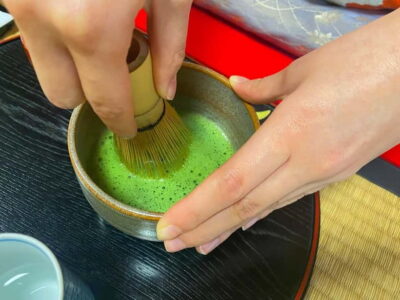
- Preparing your own bowl of matcha
- Serving tea to another person
- Why the conversation adds real value
- A small group, with room to participate
- Timing: one hour on paper, longer in practice
- Price and value at $32.84
- Who will enjoy this experience most
- Booking and cancellation details
- Should you book the ANKOAN tea ceremony?
- FAQ
- Where does the Kyoto tea ceremony take place?
- How long does the tea ceremony last?
- How many people can join?
- Is the experience conducted in English?
- Do I prepare matcha myself?
- Can children participate?
- Can I take photographs inside?
- Is cancellation free?
Key points
- Yuka’s welcoming teaching style: Expect clear English explanations, easy conversation, and patient step-by-step guidance.
- You make your own matcha: After watching the demonstration, you whisk tea yourself with the teacher nearby.
- Serving others is part of the lesson: Your bowl is offered to another participant, helping you understand the ceremony as an exchange.
- A small studio setting: The group is capped at eight people, allowing more room for questions and personal help.
- Tea comes with wagashi: The Japanese sweet balances matcha’s bitter edge and forms part of the tasting.
- Allow extra time: The listed duration is about one hour, while the fuller description says 90 minutes and some sessions have lasted around two hours.
What this Kyoto tea ceremony actually offers
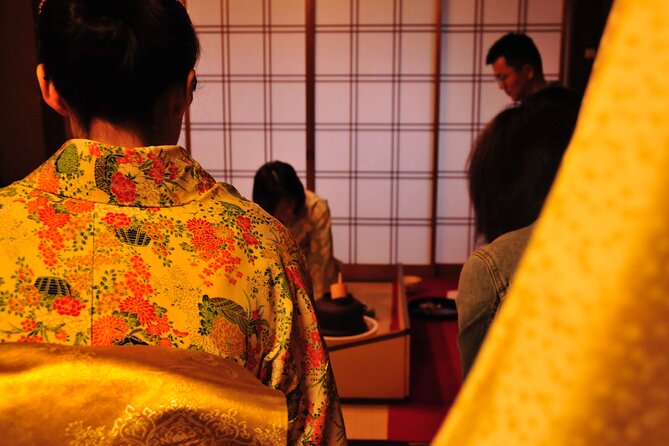
This is a hands-on introduction to Japanese tea culture at ANKOAN in Kyoto’s Kita Ward. You do not simply sit in silence while an expert performs a formal ritual. You watch, listen, ask questions, and then copy the essential movements yourself.
The session is designed for people who may know little about matcha or tea etiquette. Yuka explains the main ideas and manners first, so you are not left guessing which way to turn a bowl, how to receive tea, or why certain gestures matter.
That makes this a good first encounter with the ceremony. It gives you enough structure to feel the formality, but it also leaves room for relaxed talk. You can ask about tea, Japanese customs, daily life, and the meaning of the actions taking place in front of you.
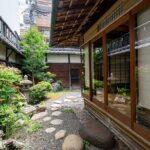
The setting is a studio at 63 Murasakino Monzenchō, in Kyoto’s Kita Ward. It is near public transportation, and the activity begins and ends at the same location. The area also has temples nearby, making it practical to pair this appointment with sightseeing in the surrounding district.
A few more Kyoto tours and experiences worth a look
A gentle welcome before the formal tea
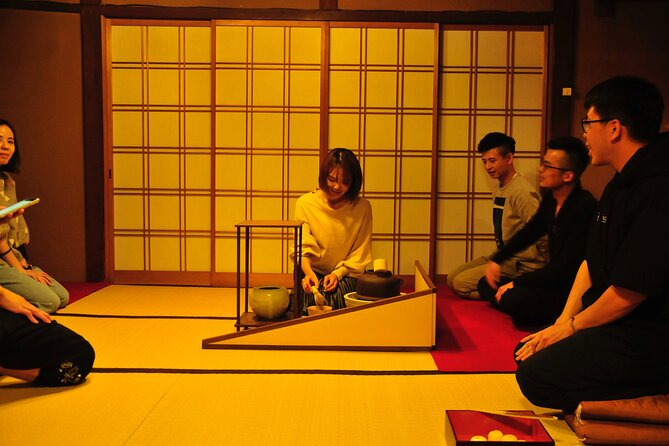
The session starts with a welcome tea prepared by Yuka. This opening matters because it gives you time to settle in after the trip from your hotel and to get used to the room before the more formal matcha portion begins.
The first conversation is informal. You can talk about the tea ceremony or ask broader questions about Japan. This is where the experience differs from a strict demonstration with little explanation. You are given a chance to connect the objects and gestures with ordinary human ideas such as hospitality, attention, and respect.
The welcome drink is listed as coffee and/or tea, so the exact drink service may vary. The central focus remains the Japanese tea ceremony and matcha preparation.
I would use this opening to ask questions. If you have wondered why matcha is whisked, why guests handle the bowl in a particular way, or how Japanese tea customs developed, this is the right moment to speak up. The atmosphere is meant to be welcoming rather than intimidating.
Watching the matcha demonstration
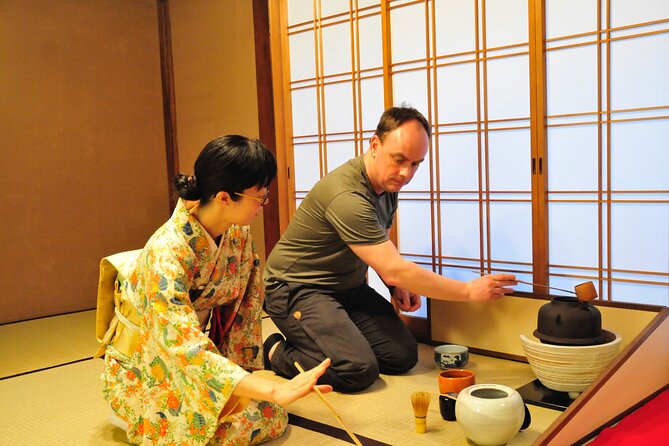
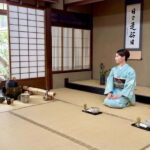
After the introduction, you move to another matcha tea room within the studio. Here, Yuka demonstrates how matcha is made and served. She explains the specific parts of the ceremony, including the manners and ideas that shape the procedure.
The value of this demonstration is its pace. You first see the complete process before trying it yourself. That watch, copy, teach approach helps you understand the sequence without having to learn every movement at once.
The ceremony has a calm, careful rhythm. The host’s actions are not random decoration. The way tea is prepared, presented, received, and tasted helps create the shared atmosphere of the room. You will not master every detail in one short visit, but you will leave with a practical sense of what the ritual asks from both host and guest.
The instruction is available in English, and the host has also been praised for clear English conversation. A French-speaking participant noted that the explanations were given in English and still found the process easy to follow. If you are nervous about etiquette, the teacher stays nearby and explains what to do.
Preparing your own bowl of matcha
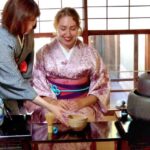
The most important part for many people comes after the demonstration: you prepare matcha personally. Yuka guides you through the procedure and remains close enough to correct or explain each step.
This is more useful than simply taking a photograph of a tea master at work. You feel the process in your own hands. You learn that matcha preparation is not just about mixing powdered tea with water. It involves attention to the bowl, the whisk, the movements, and the person who will drink it.
The activity is suitable for families as well as adults. Children as young as eight have taken part, and two small children in one family were able to participate. The teacher adjusts her guidance so younger participants can join rather than only watch.
You should expect some gentle correction. That is part of the point. The experience is not a test, and you do not need prior knowledge of Japanese tea ceremony customs. The teacher’s role is to help you perform the key steps and understand why they are done.
Serving tea to another person
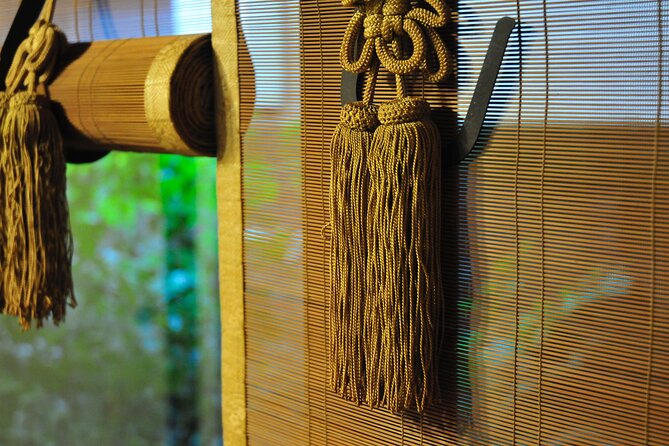
One of the most meaningful details is that you taste the matcha made by yourself, while also offering tea to another participant. This creates the harmonious, shared tea space the activity is trying to explain.
Serving someone else changes the mood. You are no longer focused only on making a drink correctly. You begin to think about the other person’s comfort and the care shown through the act of serving.
The exchange also gives the ceremony a social purpose. The tea is not treated as a private performance or a decorative photo opportunity. It becomes a small act between people from different cultures.
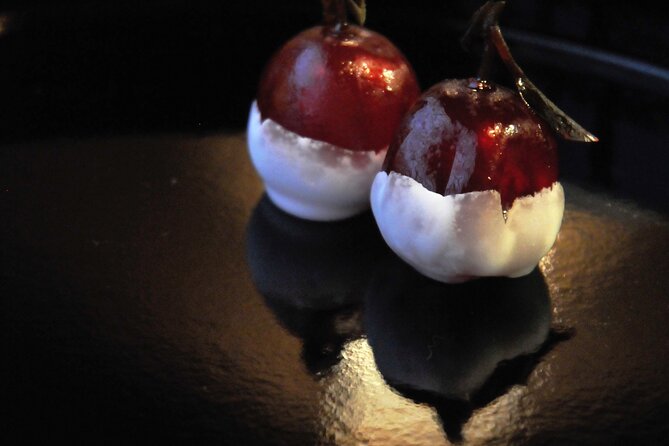
The matcha is accompanied by wagashi, a Japanese sweet traditionally served with tea. Its sweetness provides a useful contrast to matcha’s earthy, slightly bitter taste. If you are new to powdered green tea, the wagashi makes the tasting easier and gives you another small piece of Japanese food culture to discuss.

Why the conversation adds real value
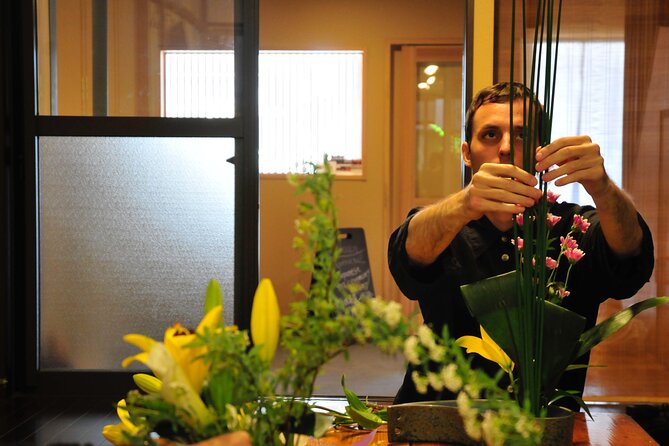
A formal ceremony can look mysterious if you see only the movements. The conversation at ANKOAN helps explain what those movements mean and how they connect with Japanese ideas of hospitality and daily life.
You can ask how Japanese people live, how cultural practices developed, and what certain phrases or symbols mean during tea. The teaching is not limited to a memorized list of rules. It links the tea room to broader customs and ways of thinking.
That informal discussion is one of the strongest reasons to choose this session over a simple matcha tasting. You are not only learning how to whisk tea. You are learning why the ceremony values patience, order, awareness, and generosity.
The tone also seems well suited to people who want cultural context without a long academic lecture. The host is described as friendly, fun, and easy to talk with, while still embodying the calm and grace expected in the ceremony. That balance matters. Too much formality can make a beginner uncomfortable, while too little would reduce the ceremony to a craft lesson.
A small group, with room to participate
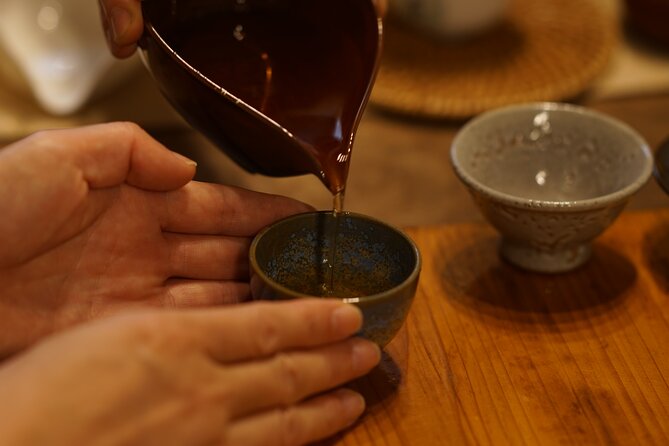
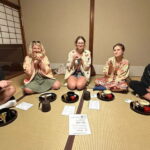
The maximum group size is eight people. That is not a private lesson, but it is small enough for the teacher to keep an eye on each person while they prepare matcha.
For a hands-on activity, group size affects the experience more than it does on a bus tour. With eight or fewer participants, you should have a better chance to see the demonstration clearly and receive individual instruction. It also gives the serving exercise a natural social setting.
The group format may be especially helpful if you are traveling alone. You have people to serve and talk with, but the session is still focused on one shared activity. Couples and families can participate together, although each person may need to take a turn depending on the group schedule.
Indoor photography is allowed. You can take pictures freely inside, but try to keep the camera from becoming the main event. The most useful photographs will usually be taken during the demonstration or after you have finished the careful movements, not while you are trying to whisk tea.
Timing: one hour on paper, longer in practice
The headline duration is approximately one hour. The detailed schedule describes a 90-minute service, and one participant found the experience lasted around two hours.
I would plan for at least 90 minutes and avoid booking a tight connection immediately afterward. The opening conversation, demonstration, questions, personal tea preparation, tasting, and group exchange can naturally stretch beyond the shortest advertised time.
This is not necessarily a problem. A longer session gives you more time to ask questions and repeat the process. Still, the difference matters if you are building a busy Kyoto sightseeing day.
The activity starts and finishes at the ANKOAN meeting point. Private transportation is not included, so you need to make your own way to 63 Murasakino Monzenchō, Kyoto, in the Kita Ward. The location is near public transportation, and nearby temples can help you build a half-day plan around the appointment.
Price and value at $32.84
At $32.84 per person, this is a reasonably priced cultural activity, especially because you receive both a demonstration and active instruction. You are paying for access to a teacher, the use of the tea room and equipment, tea, wagashi, and time for cultural discussion.
The value is strongest if you want to understand what you are seeing. A quick cup of matcha may cost less, but it will not usually teach you how to prepare, serve, and receive tea. A highly formal ceremony may cost more while giving you less chance to participate.
Families should calculate the total cost for each person, since the price is per participant. The opportunity for children to take part can make the expense worthwhile if your family prefers activities that involve doing rather than only looking.
The price also makes sense for first-time visitors who are unsure if tea ceremony is for them. You get a compact introduction without committing to a long workshop. Just keep the variable timing in mind, since a session that runs close to two hours offers more value but requires more space in your schedule.
Who will enjoy this experience most
I would recommend ANKOAN to you if you want a cultural activity that is calm, social, and practical. It suits first-time matcha drinkers, couples, families with children, and anyone who wants more context than a standard sightseeing stop provides.
It is also a good fit if you enjoy learning by doing. Watching the host is useful, but the strongest part is making your own tea and offering it to someone else. If you have wanted to learn the ritual for years, this gives you a friendly entry point.
You may want to choose another activity if you are looking for a grand, highly formal performance with no audience participation. This session is built around conversation and practice, not silent observation alone.
Knee pain is an important concern. The activity is not recommended for people with knee problems, so ask yourself honestly if sitting and working at floor level will be comfortable. The experience is also less suitable if you have only a narrow gap between other bookings.
Booking and cancellation details
Confirmation is sent within 48 hours of booking, subject to availability. The activity is capped at eight participants, so booking about 12 days ahead matches the usual planning pattern and may be sensible during a busy Kyoto visit.
Free cancellation is available if you cancel at least 24 hours before the local start time. Changes made less than 24 hours in advance are not accepted, and the payment is not refunded for a late cancellation.
The stated policy also says the activity requires good weather. If poor weather causes cancellation, you are offered another date or a full refund. Since the ceremony takes place indoors, check the provider’s message if weather conditions are uncertain.
Should you book the ANKOAN tea ceremony?
Book it if you want to make matcha, learn the etiquette behind the movements, and talk with a warm English-speaking host about Japanese culture. Yuka’s patient guidance, the small group, the wagashi tasting, and the chance to serve another participant give this short activity more substance than a simple tea stop.
I would be especially happy to recommend it for families and curious first-time visitors. Allow 90 minutes or more, plan your transport to the Kita Ward studio, and avoid it if floor seating may trouble your knees.
At $32.84, this is a fair way to add a thoughtful, hands-on cultural lesson to your Kyoto schedule. It is not a full apprenticeship in tea ceremony, but it gives you the essential idea: prepare carefully, offer generously, and pay attention to the moment.
FAQ
Where does the Kyoto tea ceremony take place?
The activity starts and ends at Tea ceremonyJapan, ANKOAN, at 63 Murasakino Monzenchō, Kita Ward, Kyoto, Japan, postal code 603-8216.
How long does the tea ceremony last?
The tour summary lists approximately one hour. The fuller activity description says 90 minutes, while one session was reported to last around two hours. Allow extra time in your schedule.
How many people can join?
The maximum group size is eight participants.
Is the experience conducted in English?
Yes. The host provides explanations in English, and the activity information says Chinese and English are supported.
Do I prepare matcha myself?
Yes. You first watch the teacher’s demonstration, then prepare matcha yourself with the teacher nearby to guide and explain the steps.
Can children participate?
Yes. Families with small children have taken part, and an eight-year-old was able to make tea during a session.
Can I take photographs inside?
Yes. Indoor photography is allowed freely.
Is cancellation free?
You can cancel for a full refund up to 24 hours before the local start time. Cancellations or changes made less than 24 hours before the experience are not accepted for a refund.
More Tea Ceremony Experiences in Kyoto
More tours in Kyoto we've reviewed



Tea Ceremony Experiences, compared.
 ★ 4.9Kyoto: Tea Ceremony in a Traditional Tea House in KiyomizuFrom $4945 min
 ★ 4.9Kyoto: Tea Ceremony Ju-An at Jotokuji TempleFrom $291h 10m
 ★ 4.3Kyoto: 45-Minute Tea Ceremony Lesson ExperienceFrom $2245 min
 ★ 5.0World Heritage Kyoto & Nara Uji Authentic Matcha ExperienceFrom $129
 ★ 4.9Kyoto: Table-Style Tea Ceremony at a Kyo-MachiyaFrom $451h 30m
 ★ 5.0Kimono Tea Ceremony at Kyoto Maikoya, NISHIKIFrom $65