
Reviewed · PRIVATE
SHIRAKAWA Japanese Culture Experiences with private English staff
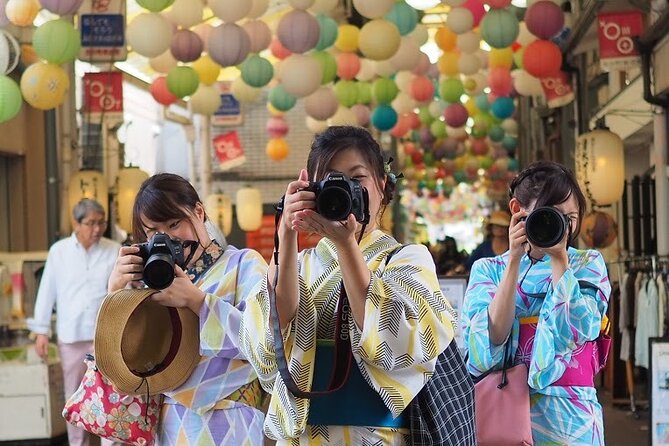
Kyoto’s Furukawacho Shopping Arcade is not a stage set for tourists. It is a working neighborhood market, lined with local shops and lanterns beneath its roof. Here, you choose two hands-on lessons: sharpen a knife, cook obanzai, or practice calligraphy. I like the local setting and the private English-speaking staff, who stays with your group throughout. I also like that the activities connect you with everyday Japanese skills rather than just giving you something to watch.
The main catch is that your preferred workshops depend on availability, and the price is not refundable if you cancel. At $98.53 per person, this is a good value for two private lessons, but only if your group has two to six people and you are ready to commit.
In This Review
- Key points at a glance
- Why Furukawacho is the right setting
- Choosing two workshops from three
- Knife sharpening with a 26-year artisan
- Obanzai cooking with a Kyoto family recipe
- Calligraphy and your personalized hanging scroll
- What the private English support adds
- Is $98.53 per person good value?
- Timing, confirmation, and the cancellation catch
- Who should book this experience?
- My best workshop pairings
- Should you book it?
- FAQ
- How long does the experience last?
- How many workshops can I choose?
- Is an English-speaking guide included?
- How many people can participate?
- Where does the activity start and finish?
- Is transportation included?
- What happens if my preferred workshop is unavailable?
Key points at a glance
- Choose two of three practical workshops: Knife sharpening, obanzai cooking, and calligraphy offer three very different ways to meet Japanese culture.
- Work inside a local shopping arcade: Furukawacho is described as the kitchen and daily base of the surrounding community, not a purpose-built attraction.
- Receive private English support: An English-speaking staff member attends every workshop and helps your group follow along.
- Learn from working specialists: A knife-sharpening artisan with 26 years of experience leads the knife session, while the owner-chef of Kyo-gohan Nishimura teaches obanzai.
- Expect about three hours: Each workshop lasts between 70 and 90 minutes, with two included in the booking.
- Plan carefully before paying: The activity is limited to groups of 2 to 6, workshop choices are subject to availability, and cancellations are non-refundable.
Why Furukawacho is the right setting
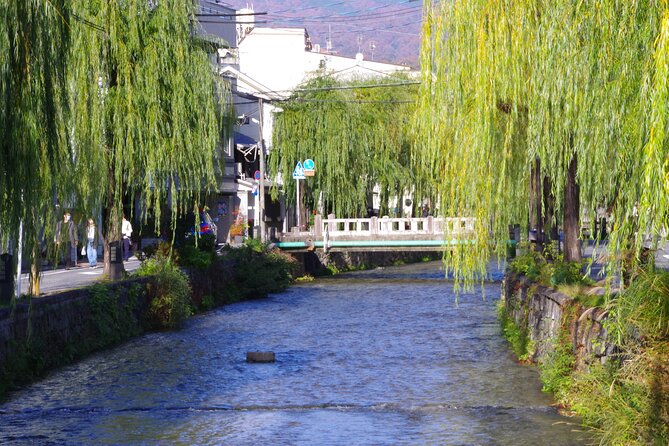
The location does much of the storytelling. Furukawacho Shopping Arcade sits in Kyoto’s Shirakawa area, near public transportation, with lanterns hanging from the roof and small shops serving local needs. Its stated character is retro and modern, a useful description for a place where traditional food and crafts continue inside an ordinary shopping street.
I like this choice of setting because you are not simply placed in a classroom. For the obanzai session, you buy ingredients from shops in the arcade before cooking. That small step matters. You see the food culture in its everyday setting, then use those ingredients in a kitchen lesson.
The arcade also gives the experience a strong sense of place. Kyoto has plenty of polished cultural activities, but this one takes you into a neighborhood market that functions as part of local life. You should still keep expectations sensible: the tour is centered on two workshops, not a long guided walk through the whole Shirakawa area.
Your meeting point is Furukawacho, at 古川趣蔵 Furukawashuzo, located at 546-1 Furukawachō, Higashiyama Ward, Kyoto, postal code 605-0026. The activity ends back at the same place. Private transportation is not included, so you will need to make your own way there.
Other private tours in Kyoto
Choosing two workshops from three
The biggest decision comes before the day begins. You can select two of the following three activities:
- Knife sharpening, about 90 minutes
- Obanzai cooking, about 70 minutes
- Calligraphy, about 90 minutes
The sessions are not variations of the same class. Knife sharpening is a practical craft, obanzai is about Kyoto’s home cooking, and calligraphy is a quiet brush-based art. Think about what you want to bring home from the experience. A useful skill points toward knife sharpening. A food-focused visit points toward obanzai. A personal keepsake points toward calligraphy.
You are asked to send your workshop preferences by message. Availability is not guaranteed, so do not assume that your first choices are locked in until the operator confirms them. If the workshop you want cannot be arranged, the prepaid fee for that unavailable option is refunded to the credit card used for payment.
That arrangement gives you some protection, but it also means you should book with a flexible attitude. If one workshop is essential, contact the provider as early as possible. The activity is commonly booked well ahead, with an average lead time of about 39 days.
Knife sharpening with a 26-year artisan
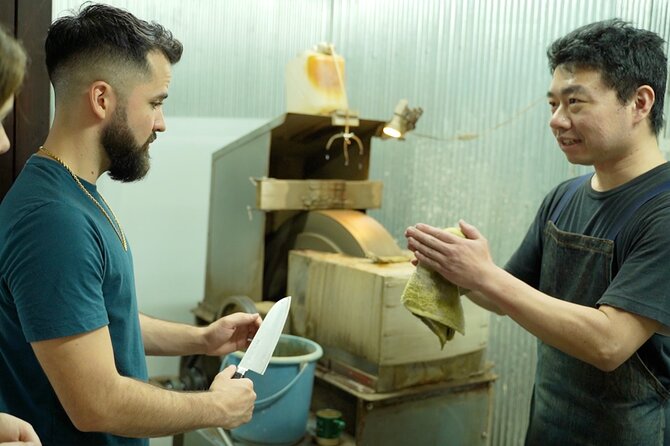
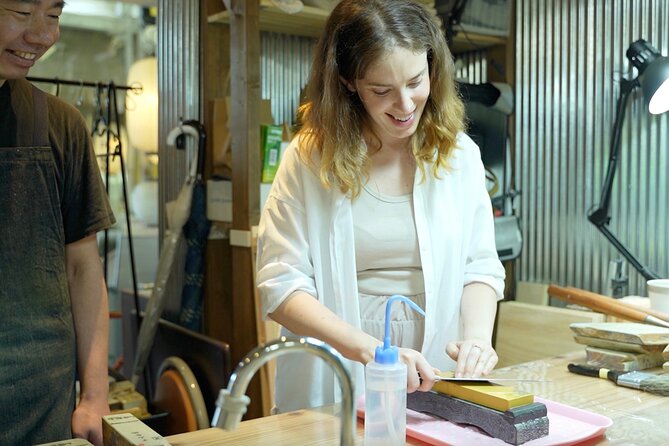
The knife lesson is the most practical choice. You work with a whetstone at a shop specializing in sharpening cutting tools, under the instruction of an artisan with 26 years of experience. This is not simply a demonstration of a traditional technique. You learn how to sharpen a knife properly yourself.
That hands-on element is the real value. A knife is an everyday tool, and a skill that improves its care can continue to be useful after your Kyoto visit. The lesson connects craft with ordinary home life, which is more rewarding than receiving a quick explanation and moving on.
The session lasts about 90 minutes, making it the longest of the three options. That gives the instruction room to be more than a brief introduction, though the supplied details do not specify which type of knife you use or whether you take one home. You should not book this expecting a shopping package. The clear promise is instruction on a whetstone from an experienced specialist.
I would pair knife sharpening with obanzai if you cook at home or have a strong interest in Japanese food. The two fit together naturally: one teaches you how to care for a kitchen tool, the other shows you how Kyoto families use food in daily cooking.
Obanzai cooking with a Kyoto family recipe
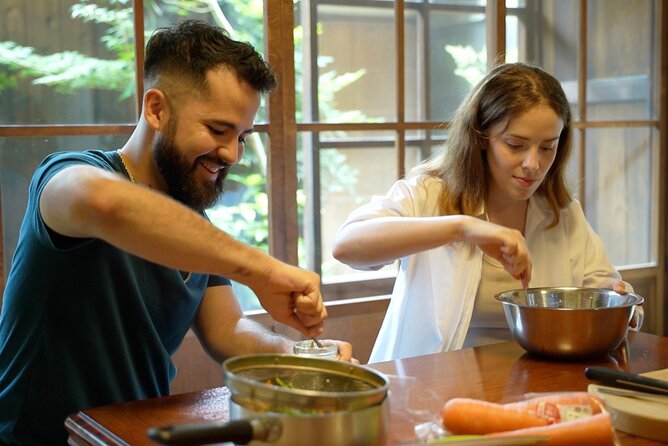
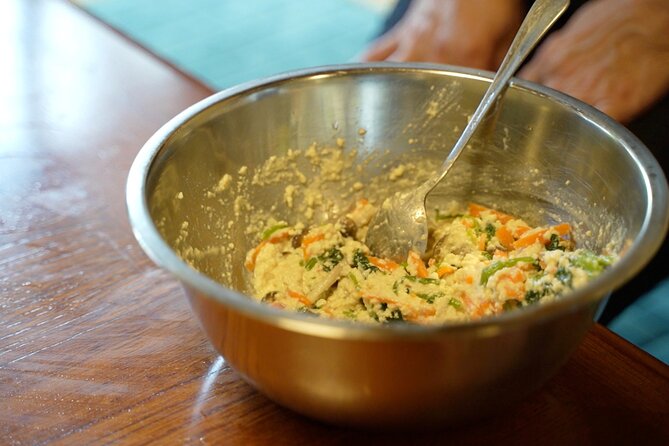
Obanzai is a Kyoto term for home-cooked dishes, often based on recipes passed down within families. This session is led by the owner-chef of Kyo-gohan Nishimura, an obanzai shop in the arcade.
The lesson begins with shopping for ingredients at stores in Furukawacho. That makes it different from a standard cooking class where everything has already been measured and laid out. You see the local food market first, then work with the chef-owner to prepare the dishes.
At about 70 minutes, obanzai is the shortest option. The time includes shopping and cooking, so the pace may be fairly focused. I would choose it for the cultural context rather than expecting a long, multi-course culinary course.
The family-recipe angle gives the session its strongest appeal. Obanzai is not presented as a restaurant specialty alone. It is tied to home kitchens and generations of cooking in Kyoto. You get a look at how local food traditions can remain part of daily life.
This is likely the best match for you if food is central to your trip. It is also the option most closely tied to the arcade itself, since the ingredients come from shops there and the instructor runs an obanzai store in the same neighborhood.
Calligraphy and your personalized hanging scroll
The calligraphy workshop lasts about 90 minutes. You learn the shape of kanji, how to handle the brush and ink, and how to use a suzuri, the traditional inkstone. Then you practice writing by brush and ask the instructor how to write your name in kanji.
The finished piece is a one-of-a-kind hanging scroll. That gives this option a clear souvenir advantage. Instead of simply watching an artist work, you create something tied to your visit and your own name.
Calligraphy requires patience and attention more than physical effort. If you prefer a quieter activity, it may balance well with the more practical knife session. The English-speaking staff can attend and assist, but the supplied details do not identify the calligraphy instructor by name or describe the exact design of the finished scroll.
You should also know what this class does not promise. It is an introduction, not a claim that you will master Japanese calligraphy in one sitting. The useful goal is to understand the tools, learn basic form, and produce a personal piece under guidance.
What the private English support adds
Every group has a private English-speaking staff member attending all workshops. This is a major part of the price. You are not placed in a large mixed group and left to follow a lesson through gestures or partial translation.
Private support matters most in the knife and cooking sessions, where small instructions affect the result. It also helps during calligraphy, when brush position, ink, and kanji form require clear explanation. You can ask questions as they arise instead of waiting for a general translation.
The format is private for your group only, with a limit of two to six people. That makes the activity easier to share with family or friends, and the cost becomes more reasonable when everyone in the group is interested in the same two lessons.
The group limit is also important. Solo visitors cannot book this course as described, and a group larger than six will need another arrangement. Before paying, count the people in your party and make sure everyone agrees on the workshop choices.
Is $98.53 per person good value?
At $98.53 per person, this is not a bargain-basement activity. You are paying for roughly three hours, two workshops, private English support, and access to specialists in a working Kyoto shopping arcade.
The value is strongest for a group of two to six that wants active instruction. Knife sharpening includes a 26-year artisan. Obanzai includes shopping for ingredients and cooking with the owner-chef of Kyo-gohan Nishimura. Calligraphy includes practice and a personalized hanging scroll. Those details make the fee easier to justify than a short cultural demonstration.
The value is weaker if you mainly want sightseeing. This is not a transportation tour, and private transport is not included. You meet at the arcade, take part in your two selected sessions, and finish at the same meeting point.
I would also avoid comparing the price only with a standard cooking class. You are buying variety and private language support, not just a single lesson. If you select obanzai and calligraphy, for example, you receive both a food activity and a craft activity in one booking.
The current rating is 5 out of 5 from 16 ratings, with a 100 percent recommendation rate. That is a positive signal, though the sample is small. I would give more weight to whether the format fits your interests than to the score alone.
Timing, confirmation, and the cancellation catch
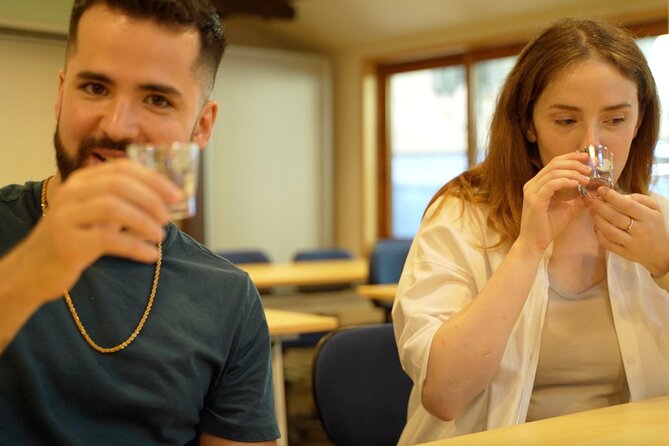
The advertised duration is about three hours. The listed workshop lengths total between 160 and 180 minutes, depending on your choices, so the schedule is built around two substantial sessions rather than a full-day program.
Confirmation is subject to availability. The booking information says confirmation should arrive within 48 hours, while the activity notes say the operator will contact you by email or message within three business days after application and payment. Allow a little breathing room for that response, especially if you are booking close to your Kyoto dates.
The cancellation rule is strict. This experience is non-refundable and cannot be changed for any reason. If you cancel or request an amendment, the amount paid is not returned.
That policy makes early planning important, but do not book too far ahead without checking your schedule. The operator does provide a refund to the original card if your requested workshop cannot be arranged because of availability. That is different from a refund because you change your mind.
Who should book this experience?
I would recommend it to you if you want to get beyond major Kyoto sights and spend time with ordinary food, tools, and writing traditions. It suits couples, families, or small groups of friends who can agree on two workshops.
It is especially well matched to:
- Home cooks who want a practical knife lesson or Kyoto food experience
- Visitors looking for a personal souvenir rather than a shop-bought item
- Families seeking an activity that works across different interests
- People who prefer private instruction and English support
- Repeat Kyoto visitors who have already seen the major temples and districts
I would be more cautious if you want a flexible drop-in activity, need to book for one person, or dislike committing to a non-refundable reservation. You should also think twice if none of the three workshops appeals to you. The arcade is part of the charm, but the lessons are the main event.
My best workshop pairings
For a food-minded group, choose knife sharpening and obanzai. You learn to maintain a kitchen tool, shop for ingredients, and prepare Kyoto-style home cooking. This pairing gives you the most practical connection to everyday life.
For a keepsake-focused visit, choose calligraphy and obanzai. You get a personal hanging scroll plus a taste of local food culture. The combination also gives you two very different activities within the same three-hour visit.
For a hands-on craft day, choose knife sharpening and calligraphy. One lesson is physical and practical, while the other is careful and artistic. This pairing avoids cooking and may suit you if food is not a priority.
You cannot guarantee your preferred pair until availability is confirmed. Send your choices by message, then wait for confirmation before building your plans around a particular workshop.
Should you book it?
Book this if you want a small, private cultural activity rooted in a real Kyoto shopping arcade. The strongest reasons are the local setting, private English support, and access to specialists who teach skills rather than perform a short show.
At $98.53 per person, I see fair value for two people or a small group, provided you take both workshops seriously and accept the strict cancellation policy. My first choice would be obanzai paired with either knife sharpening or calligraphy, since cooking connects you most directly with the arcade and Kyoto home life.
Skip it if you need guaranteed workshop choices, flexible cancellation, private transport, or a one-person booking. For everyone else, this is a thoughtful way to trade a few hours of standard sightseeing for food, craft, and conversation in a neighborhood setting.
FAQ
How long does the experience last?
The activity lasts approximately three hours. You choose two workshops, each lasting about 70 or 90 minutes.
How many workshops can I choose?
You can choose two from three options: knife sharpening, obanzai cooking, and calligraphy.
Is an English-speaking guide included?
Yes. A private English-speaking staff member attends all of the workshops for your group.
How many people can participate?
The course accepts groups of 2 to 6 people only. It is a private activity for your group.
Where does the activity start and finish?
It starts at 古川趣蔵 Furukawashuzo, at 546-1 Furukawachō, Higashiyama Ward, Kyoto, postal code 605-0026. The activity ends back at the meeting point.
Is transportation included?
No. Private transportation is not included. The meeting point is near public transportation.
What happens if my preferred workshop is unavailable?
You may not receive your first-choice workshop because participation depends on reservation availability. If the requested workshop cannot be arranged, the prepaid fee is refunded to the credit card used for payment.
More Private Tours in Kyoto
More tours in Kyoto we've reviewed
Private, compared.
 ★ 5.0Fushimi Inari Hidden Hiking Tour (Private Option Available)From $63
 ★ 5.0Private Kyoto Tour with a Local, Highlights & Hidden Gems, PersonalisedFrom $102
 ★ 5.0Kyoto 6hr Private Tour with Government-Licensed GuideFrom $155
 ★ 5.010 Must-see Spots in Kyoto One Day Private Tour (up to 7 people)From $179
 ★ 5.0Kyoto 4hr Private Tour with Government-Licensed GuideFrom $109
 ★ 4.8Kyoto: Private Tour with Local Licensed GuideFrom $1064 - 8 hours