
Reviewed · TEA CEREMONY EXPERIENCES
The Art of Mindful Living: Tea Ceremony in Kyoto
Kyoto’s tea culture makes the most sense when you take part, not just watch from the sidelines. At this one-hour session in a traditional Japanese residence, Naomi explains the ceremony, serves organic Uji matcha and Japanese sweets, then lets you whisk your own bowl. I like the quiet garden setting and the fact that the experience teaches the meaning behind each step rather than treating tea as a photo prop.
I also like the practical touches: vegan and allergy-friendly sweets can be arranged, and children can have cocoa instead of matcha. The main drawback is the location. This home is in Ukyo Ward, in the direction of Kinkakuji and Arashiyama, so it is not a convenient downtown stop. Allow extra time to reach it.
In This Review
- Key Points to Know Before Booking
- A Quiet Tea Lesson in a Kyoto Home
- What Naomi Explains Before the Tea
- Watching the Ceremony, Then Whisking Your Own Bowl
- Japanese Sweets, Vegan Choices, and Food Allergies
- The Garden and Photograph Opportunities
- Kimono Rental: Worth the Extra Cost?
- Private Sessions and Group Size
- Access, Timing, and Practical Details
- Is $44.42 a Fair Price?
- Who Will Get the Most From This Tea Ceremony?
- Should You Book It?
- FAQ
- How long does the tea ceremony last?
- Where does the tea ceremony take place?
- Is matcha included in the price?
- Can I make my own matcha?
- Are vegan and allergy-friendly options available?
- Is kimono rental available?
- Can I cancel for a full refund?
Key Points to Know Before Booking
- You make your own matcha: The session moves from demonstration to hands-on whisking, so you are not only watching a formal ritual.
- Organic Kyoto Uji matcha is served: You taste the tea alongside a Japanese sweet, with the option to add a second sweet for ¥500.
- Naomi leads the session: She explains the history, types of Japanese tea, effects of matcha, and proper drinking technique in English.
- The garden adds a calm setting: You can take photographs in the garden before the ceremony and during the session.
- Kimono rental is optional: A kimono costs ¥4,000, hakama costs ¥8,000, baby romper-style kimono costs ¥600, and an undershirt costs ¥200.
- Small groups keep it personal: Group sessions hold up to six people, with larger groups possible by arrangement and private sessions available if requested before booking.
A Quiet Tea Lesson in a Kyoto Home
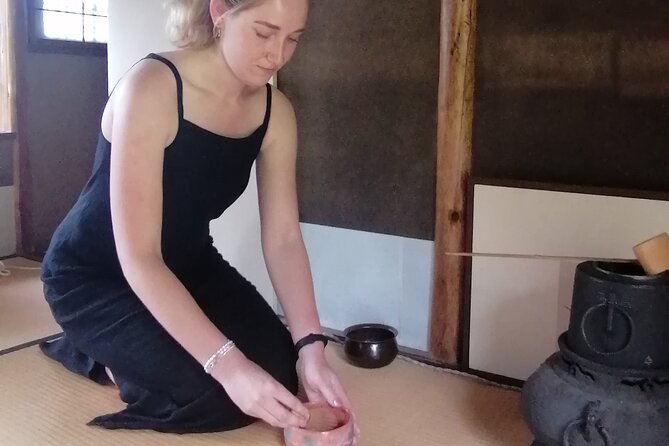
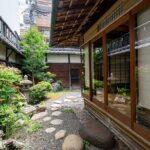
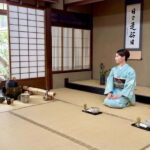
The setting does much of the work here. You meet at Kaze no Waon, a Japanese old house at 14 Utanokitanoinchō in Kyoto’s Ukyo Ward. Inside is a room used for tea ceremony, while a garden behind the house gives you a peaceful place to pause and take photographs.
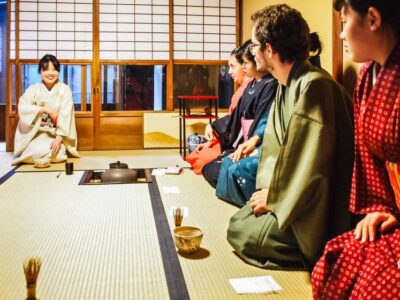
This is not a large cultural center with a revolving crowd. The normal group limit is six people, which gives Naomi room to explain the details and help each person with the tea-making portion. A larger group may be accommodated, but you should arrange that in advance.
I like the scale of the setting. A tea ceremony can feel stiff if you are worried about making a mistake. Here, the teaching approach is designed to make the customs understandable and approachable. You learn what to do, why you do it, and then try it yourself.
The house is near public transportation, but it is not close to central Kyoto’s most concentrated sightseeing area. The location is in the direction of Kinkakuji Temple and Arashiyama. That can be a drawback if you are trying to squeeze this into a tight schedule from Gion or Kyoto Station, but it can also work well on a day built around western Kyoto sights.
A few more Kyoto tours and experiences worth a look
What Naomi Explains Before the Tea
The session starts with an introduction to the Japanese tea ceremony and the way matcha is prepared and enjoyed. Naomi covers the history of the ceremony, the effects of matcha, different kinds of matcha and Japanese tea, and the proper way to drink it.
That background matters. Without it, the gestures can look like a series of mysterious movements. With a little context, you begin to see the ceremony as a careful exchange between host and visitor. The bowl, sweets, whisk, and movements all have a place, but the lesson does not require you to arrive with prior knowledge.
The focus is on understanding rather than memorizing rules. You learn enough to appreciate the formality, while still having permission to ask questions and participate. Several parts of the session are described as calm and meditative, and the short format helps keep that mood from becoming heavy.
The matcha comes from Uji in Kyoto and is organic. It is not presented as a famous brand, but the tea is selected for quality. That is useful to know if you are comparing this with a simple matcha drink at a café. You are tasting the tea as part of a cultural lesson, not just ordering a sweetened beverage.
Watching the Ceremony, Then Whisking Your Own Bowl
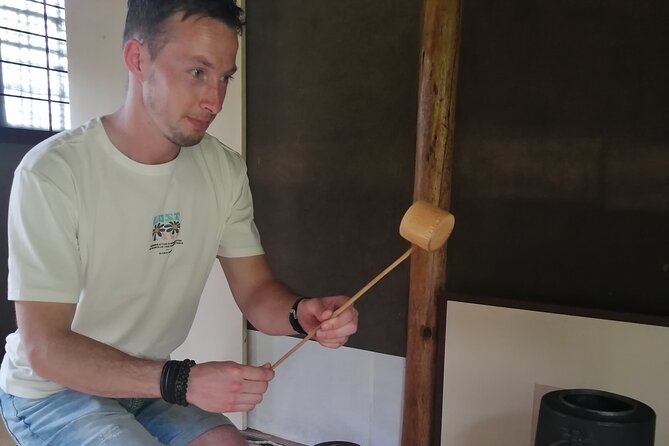
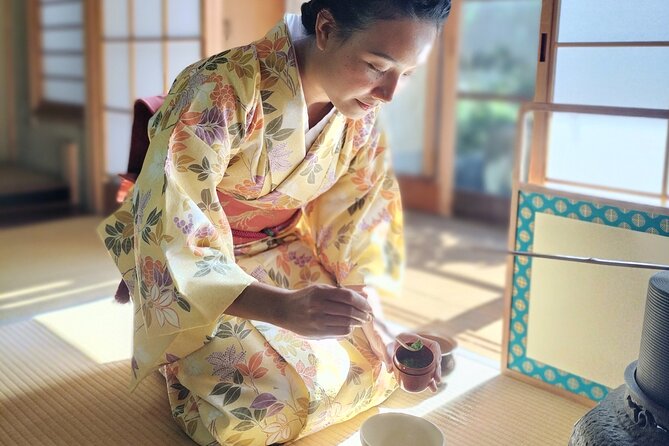
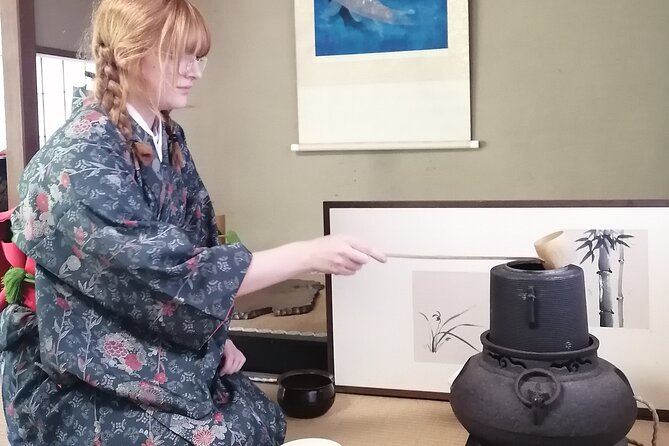
After the explanation, Naomi performs the tea ceremony. You watch the preparation and see how the host handles the tea and serves it with the sweet.
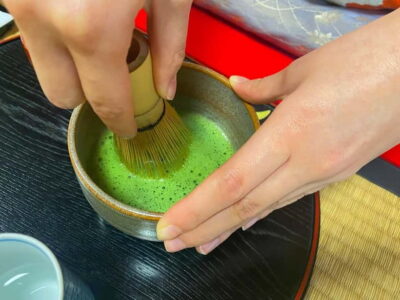
Then the roles change. You make matcha yourself. This is the strongest part of the format because the whisking gives you something physical to remember. You can follow the method Naomi demonstrates, ask for help, and taste the result of your own work.
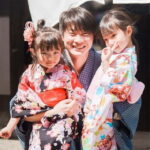
The hands-on part also keeps the session suitable for families. Children may not want to sit through a highly formal ceremony, but making tea gives them a clear activity. Cocoa is available for children instead of matcha, so a young child can take part without drinking the green tea.
The ceremony lasts about one hour. That is enough time for an introduction, a demonstration, a sweet, a bowl of matcha, and your own preparation without turning the visit into a half-day commitment. If you want a long, highly formal tea school lesson, this may feel brief. If you want a clear first introduction during a busy Kyoto visit, the length is sensible.
Japanese Sweets, Vegan Choices, and Food Allergies
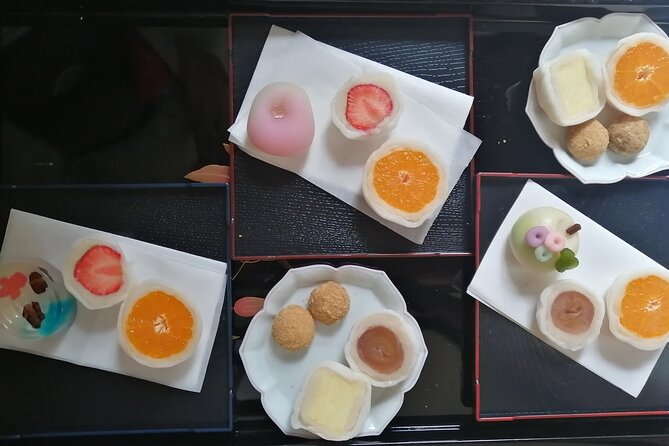
One Japanese sweet is included with the experience. You can choose between a traditional bean-paste sweet and a fresh-fruit daifuku. The daifuku adds a softer, fruit-based option, while the bean-paste choice gives you a more classic pairing for matcha.
If you want to try both, the additional cost is ¥500 per person. That is a modest extra charge, but the included serving is enough for the basic session. You do not need to add the second sweet unless sampling both matters to you.
Food allergies and vegan diets can be accommodated. Contact the provider before booking so the right arrangement can be made. The same advice applies if you have a very specific dietary concern, since the information provided does not list every ingredient or possible substitution.
The sweet is not an afterthought. In the tea ceremony, the food balances the bitterness of matcha and prepares your palate for the tea. That small pairing helps you understand why the sweet is served before or with the drink rather than treating it as a separate dessert course.
The Garden and Photograph Opportunities
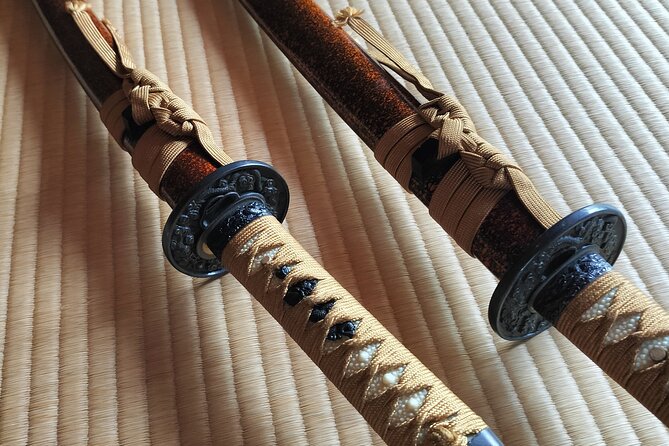
The garden is one of the most appealing parts of the visit. You can take photographs there before the ceremony, and photographs are also allowed during the tea session.
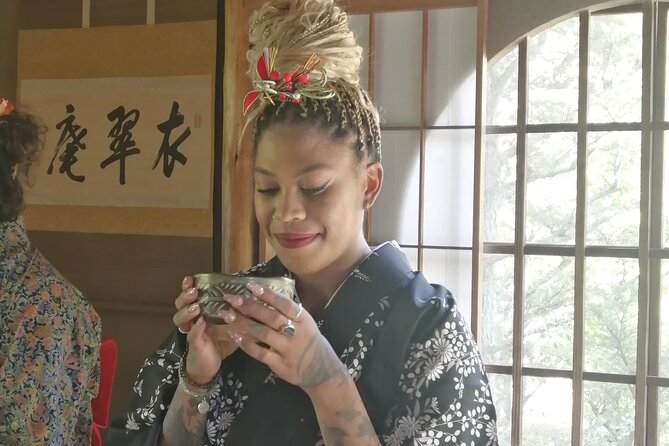
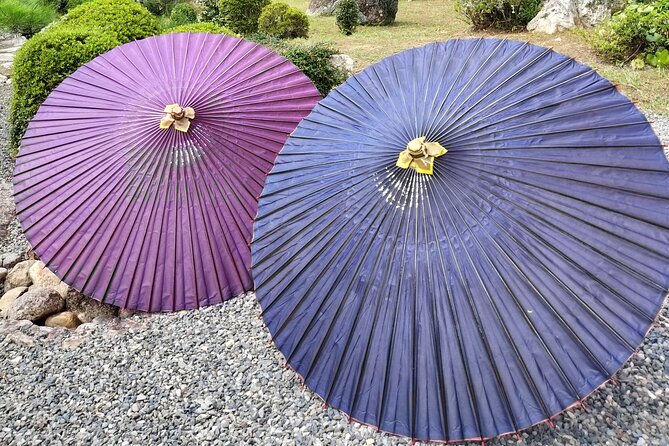
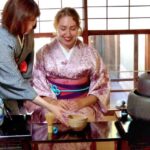
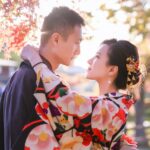
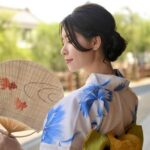
The garden gives you a change of pace before entering the tea room. If you rent a kimono, it also provides a setting for photographs in traditional clothing. The special private-session option includes use of a Japanese traditional umbrella and an imitation sword for pictures only. These are props, not part of the tea ceremony, and the sword cannot be used for anything beyond photography.
Rain changes the photography plan. You can take pictures while holding an umbrella, but you should not expect to pose outside in a kimono without cover during wet weather. The activity requires good weather, and a cancellation caused by poor conditions results in a choice of another date or a full refund.
The photography is a useful extra, but it should not be the only reason you book. The central offering is the tea lesson and the chance to prepare matcha. If you want a full photo shoot with professional styling, this is not that kind of service.


Kimono Rental: Worth the Extra Cost?
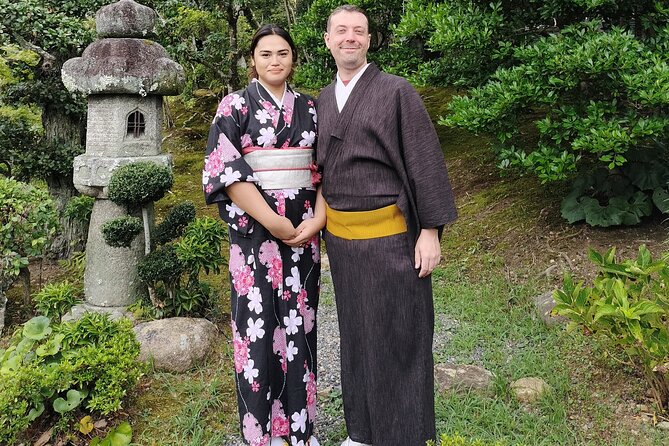
Kimono rental is available during the tea ceremony for ¥4,000. Hakama rental costs ¥8,000. A baby romper-style kimono costs ¥600, and an undershirt rental costs ¥200.
The rental can add visual appeal to the garden photographs and make the cultural setting feel more complete. It also takes time to put on a kimono, so factor that into your expectations. One practical point is easy to miss: hair styling and makeup are not provided.
Hair accessories are available for you to use freely if you rent a kimono. You will need to handle your own hairstyle and makeup, so arrive prepared if photographs are important to you.
I would treat the kimono as an optional add-on, not a required part of the booking. It makes sense for a special occasion, family photographs, or anyone who specifically wants to wear Japanese clothing. If your main interest is tea, the basic ticket already includes the core activity.
Private Sessions and Group Size
The regular group size is capped at six people. That is small enough for direct help during the tea-making portion and for questions during the explanation.
Private sessions are available, but you need to contact the provider before booking. Do not assume that a standard reservation automatically becomes private or that a private upgrade is included in the advertised price. Confirm the arrangement and cost clearly before you pay for extras.
A private session may be useful for a couple, a family with young children, or anyone who wants more control over the pace. It may also suit a larger family group that wants to keep the visit together. For a normal party of two to six, the regular format should provide a personal setting without requiring a private booking.
The host has also accommodated groups larger than six by arrangement. That flexibility is helpful, but large groups may change the quiet feel of the room. Ask about the exact format before committing if atmosphere is your main reason for choosing this activity.
Access, Timing, and Practical Details
The meeting and ending point are the same: Kaze no Waon, 14 Utanokitanoinchō, Ukyo Ward, Kyoto, postal code 616-8201. The activity lasts approximately one hour and uses a mobile ticket.
You can enter the premises with a stroller, but the stroller cannot go inside the building. That matters for families with small children, since you will need to manage the transition from the entrance to the tea room.
Confirmation is sent within 48 hours of booking, subject to availability. Since the activity is booked an average of 13 days ahead, reserve early if your Kyoto dates are fixed, especially if you want a private session or kimono rental.
The cancellation policy is generous up to 24 hours before the start time, when you can receive a full refund. Changes or cancellations within 24 hours are not accepted for a refund. If poor weather or an insufficient number of participants causes cancellation, you are offered another date, another activity, or a full refund.
Is $44.42 a Fair Price?
At $44.42 per person, the basic price covers more than a bowl of tea. You receive the one-hour instruction, the ceremony demonstration, organic Uji matcha, one Japanese sweet, and the chance to make your own matcha.
The value is strongest if you want cultural context and participation. A café visit will cost less and may give you a larger drink, but it will not explain tea customs, demonstrate the ceremony, or give you the chance to whisk your own bowl in a traditional home.
The price becomes less simple if you add extras. Kimono rental is another ¥4,000, hakama is ¥8,000, and trying both sweets adds ¥500. Those costs are optional, so compare the base experience first, then decide if clothing or extra food adds enough value for you.
For a short Kyoto activity, I consider the price reasonable if the setting and instruction matter to you. It is less compelling if you only want to taste matcha or take costume photographs. The best value comes from treating it as a small cultural lesson with a hands-on finale.
Who Will Get the Most From This Tea Ceremony?
I would recommend this for first-time visitors who want a gentle introduction to Japanese tea customs. It also fits families, since children can drink cocoa and take part in the activity without needing to enjoy matcha.
The session suits people who like quiet cultural activities, small groups, garden settings, and direct instruction. It is also a good choice if you want an experience that feels more personal than a large scheduled demonstration.
You may want to choose something else if your itinerary is packed around central Kyoto. The Ukyo Ward address is not near the main downtown cluster, and the trip can take time. It is best placed alongside sightseeing in the Kinkakuji or Arashiyama direction rather than treated as a quick stop between Gion and Kyoto Station.
People with mobility concerns should note that the ceremony takes place inside an old Japanese house, although chairs are provided. Chairs make the session easier for anyone who cannot sit comfortably on the floor. If you need a specific arrangement, contact the provider before booking.
Should You Book It?
Book this tea ceremony if you want to learn the meaning behind matcha, watch Naomi demonstrate the ritual, and then prepare tea yourself in a traditional home. The garden, small group size, food flexibility, and calm pace give the visit more substance than a quick tea tasting.
Think carefully about the location and the optional costs. The house is outside the main downtown sightseeing zone, and kimono rental, extra sweets, and private sessions cost more. For a quiet, participatory Kyoto activity that fits well with western Kyoto sightseeing, the basic booking offers good value. For a central, formal, or photography-first event, it may not be the right match.
FAQ
How long does the tea ceremony last?
The activity lasts approximately one hour.
Where does the tea ceremony take place?
It takes place at Kaze no Waon, 14 Utanokitanoinchō, Ukyo Ward, Kyoto, 616-8201, Japan.
Is matcha included in the price?
Yes. The session includes matcha and one Japanese sweet, along with the tea ceremony instruction and hands-on tea making.
Can I make my own matcha?
Yes. Naomi first explains and demonstrates the ceremony, then you can try preparing matcha yourself.
Are vegan and allergy-friendly options available?
Yes. Food allergies and vegan requirements can be accommodated. Contact the provider before booking to arrange the appropriate option.
Is kimono rental available?
Yes. Kimono rental costs ¥4,000, hakama rental costs ¥8,000, a baby romper-style kimono costs ¥600, and an undershirt rental costs ¥200. Hair styling and makeup are not provided, but hair accessories are available for rental-kimono users.
Can I cancel for a full refund?
Yes, if you cancel at least 24 hours before the local start time. Cancellations or changes made less than 24 hours before the start time are not eligible for a refund.
More Tea Ceremony Experiences in Kyoto
More tours in Kyoto we've reviewed


Tea Ceremony Experiences, compared.
 ★ 4.9Kyoto: Tea Ceremony in a Traditional Tea House in KiyomizuFrom $4945 min
 ★ 4.9Kyoto: Tea Ceremony Ju-An at Jotokuji TempleFrom $291h 10m
 ★ 4.3Kyoto: 45-Minute Tea Ceremony Lesson ExperienceFrom $2245 min
 ★ 5.0World Heritage Kyoto & Nara Uji Authentic Matcha ExperienceFrom $129
 ★ 4.9Kyoto: Table-Style Tea Ceremony at a Kyo-MachiyaFrom $451h 30m
 ★ 5.0Kimono Tea Ceremony at Kyoto Maikoya, NISHIKIFrom $65