
Reviewed · GUIDED
Tour in Kyoto with a Goverment Certified Tour Guide
Kyoto’s biggest sights are spread across the city, and this tour tries to connect nine of them in one long day. I like the customizable itinerary, which lets you focus on temples, food, old neighborhoods, or practical help such as buying bullet-train tickets. I also like the chance to work with guides such as Andrea and Roberto, both praised for making the day personal and explaining local customs clearly.
The catch is serious: nine stops in 6 to 8 hours is an ambitious target, especially during cherry-blossom season or other busy periods. Some bookings have reportedly suffered from late starts, unclear meeting arrangements, guide no-shows, short-notice changes, and private groups being combined. You should confirm the plan in writing before committing a precious Kyoto day.
In This Review
- Key points to know before booking
- What the $110 price really buys
- Fushimi Inari and Kiyomizu-dera set the tone
- Nijo Castle adds history without a mountain climb
- Gion and Nishiki Market bring Kyoto down to street level
- Kinkaku-ji and Ginkaku-ji show two very different ideas of beauty
- Arashiyama and Tenryu-ji need more than a quick photo
- The guides can make this day work
- Timing and group size are the real risk
- Cultural activities are possible, but not guaranteed
- Cancellation and practical details
- Who should book this Kyoto day?
- Should you book it?
- FAQ
- How long does the Kyoto tour last?
- What places are included in the route?
- Is hotel pickup offered?
- Is this a private tour?
- Are transportation costs included?
- Are admission tickets included?
- Can the tour be customized?
Key points to know before booking
- Nine famous Kyoto sights in one day: The route covers Fushimi Inari, Kiyomizu-dera, Nijo Castle, Gion, Nishiki Market, Kinkaku-ji, Ginkaku-ji, Arashiyama, and Tenryu-ji.
- A guide can reshape the day: You can ask to spend more time on temples, food, shopping, cultural activities, or particular neighborhoods.
- Guides Andrea and Roberto receive strong praise: Their best work includes patient explanations, cultural context, disability accommodations, and help with train tickets.
- The schedule may be too full: At a relaxed pace, this is better treated as a selection of major sights than a promise to thoroughly visit all nine.
- Extra costs add up: Guide transport costs about $5 to $8, food and drinks are separate, and Ginkaku-ji admission is listed at $8 per person.
- Confirm pickup and group size: Pickup is offered, but some bookings have involved station meetings, public transport, merged groups, or unclear instructions.
What the $110 price really buys
The cost is $110 per person, with a guide included and the option to adjust the day to your interests. For a couple or small private group that receives a full day of useful explanations and efficient routing, this can be fair value. Kyoto is not a simple city to cover, and a good guide can save you from wasting time on trains, buses, and confusing temple approaches.
The value drops sharply if the day begins late or the group is enlarged. Some people received only part of the planned route, then paid additional transport and admission costs themselves. A few accounts describe groups of more than 30 people, despite expecting a private outing.
I would budget beyond the headline price. Guide transport costs are listed at about $5 to $8. Food, drinks, general transportation, and some admissions are extra. Ginkaku-ji admission is specifically listed at $8 per person, while Nijo Castle and Tenryu-ji also show admission charges in the route details, so ask exactly what is included before departure.
The tour is most useful if you want a human guide to connect the dots between Kyoto’s religious sites, food culture, old streets, and modern transport system. It is less attractive if your priority is a slow visit inside each temple. In that case, two shorter days will give you more time and less rushing.
Other guided tours in Kyoto
Fushimi Inari and Kiyomizu-dera set the tone
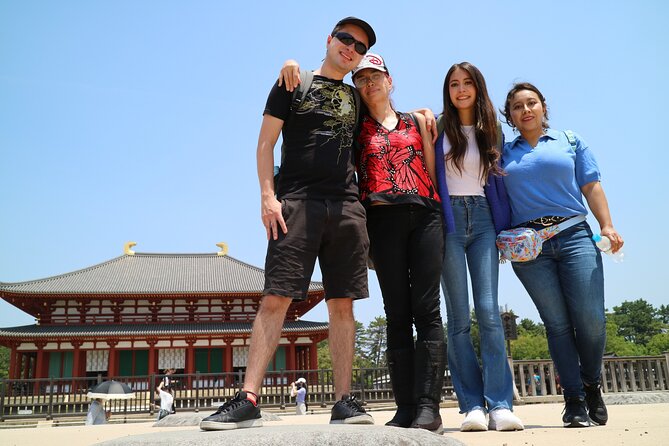
Fushimi Inari-taisha is a strong first stop. Its long corridors of orange torii gates climb into wooded hills behind the main shrine, creating one of Kyoto’s most recognizable scenes. The listed visit is about one hour and admission is free.
That hour gives you enough time to see the main shrine area and walk beneath part of the gates. It will not allow a leisurely climb through the entire hillside network. If you want quiet photographs or a longer walk, tell the guide early and accept that another stop may need to go.
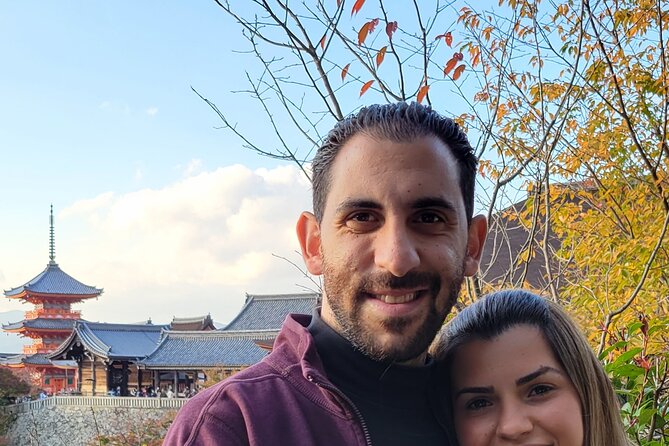
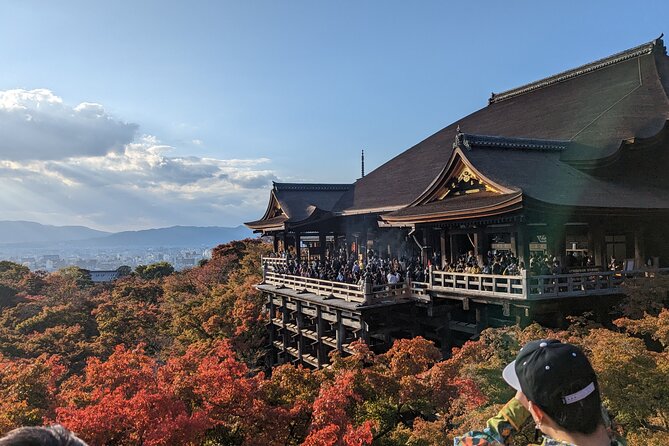
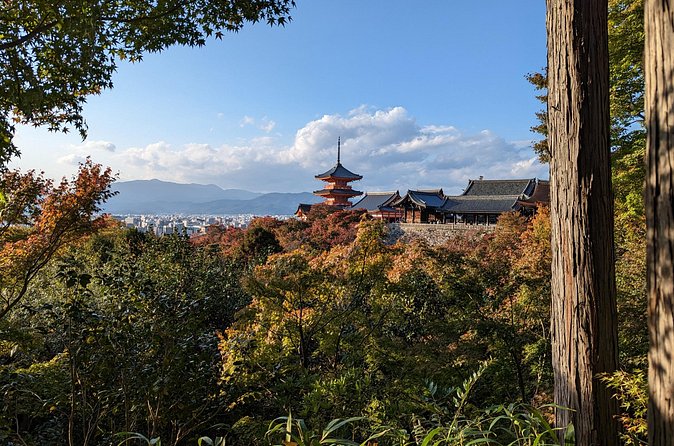
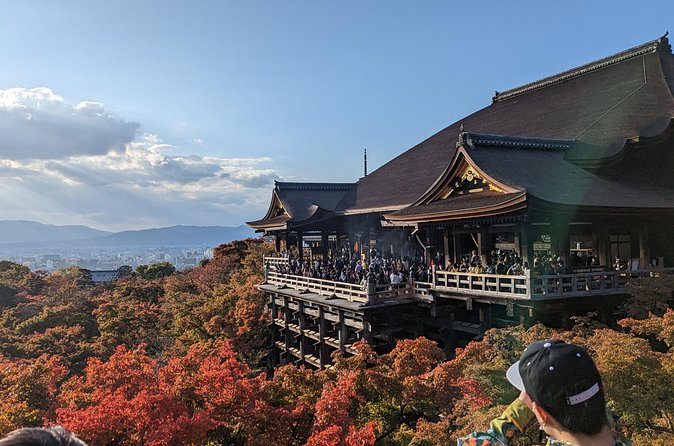
Kiyomizu-dera brings a different mood. The Buddhist temple sits on the Higashiyama hills and is known for its broad wooden stage and views over Kyoto. The approach is part of the experience, with traditional streets and shops leading uphill toward the temple grounds.
Again, one hour is a useful introduction, not a complete visit. Crowds can slow the walk, and the slope matters if you have mobility concerns. One of the strongest aspects of the guiding service is that Andrea has been praised for adjusting the day around disabilities, but you should explain your needs before the meeting time.
Nijo Castle adds history without a mountain climb
Nijo Castle gives the route a welcome change from shrines and hill temples. Built in the 17th century, it served as a residence and power center for the shogunate. The grounds, gates, halls, and decorative interiors offer a look at political Japan rather than only religious Kyoto.
Admission is not included in the route details, so ask for the current charge and payment method. A one-hour allocation can work, but the castle deserves more time if you want to examine its interiors and gardens carefully.
This is also one of the stops most vulnerable to a delayed start. If your tour begins an hour or more late, Nijo Castle may be shortened or removed. I would rank it high if you care about samurai-era government and architecture, and lower if your main goal is food and traditional neighborhoods.
Gion and Nishiki Market bring Kyoto down to street level
Gion is where the tour shifts from formal monuments to old Kyoto streets. Its wooden facades, narrow lanes, tea houses, and links to geisha culture give you a sense of how the city presents its traditional side. A guide can explain the difference between a historic entertainment district and the exaggerated movie version of geisha life.
Please keep expectations sensible. A walk through Gion does not guarantee a meeting with a geisha or maiko, and you should behave quietly and respectfully around private homes and working businesses. The tour description also promises tales of samurai and geisha, but the actual depth will depend on your guide and the time available.
Nishiki Market is the food stop. The covered market stretches across several blocks and sells local ingredients, prepared snacks, traditional goods, and sweets. It is a good place to try small portions instead of committing to a long restaurant meal.
Food is not included, so carry a little spending money. The market can be crowded, and eating while walking may not be permitted at every stall. One hour is enough for a first look and a few tastes, but not for careful shopping at every counter.
Kinkaku-ji and Ginkaku-ji show two very different ideas of beauty
Kinkaku-ji, the Golden Pavilion, is one of Kyoto’s most photographed sites. The gold-covered structure reflects in the pond, and the surrounding grounds frame it from several angles. The main viewing route is straightforward, making this a practical stop when time is tight.
The drawback is that the pavilion is a photo stop for many people, not a quiet place for contemplation. You generally view it from outside rather than wander through the building. If the route is running late, you may get the classic view and little else.
Ginkaku-ji, despite its name, is not covered in silver. This Zen temple is valued for its restrained design, gardens, and calm atmosphere. It provides a useful contrast with Kinkaku-ji: one is showy and reflective, the other is subtle and controlled.
The listed admission is $8 per person, and it is not included. Ginkaku-ji also sits in the eastern part of Kyoto, while Kinkaku-ji is in the northwest, so moving between them takes time. If you must cut one temple, ask the guide to explain which better fits your interests rather than simply following the advertised order.

Arashiyama and Tenryu-ji need more than a quick photo
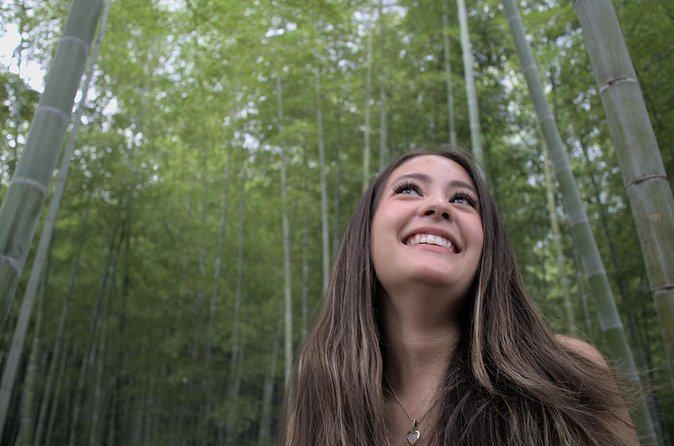
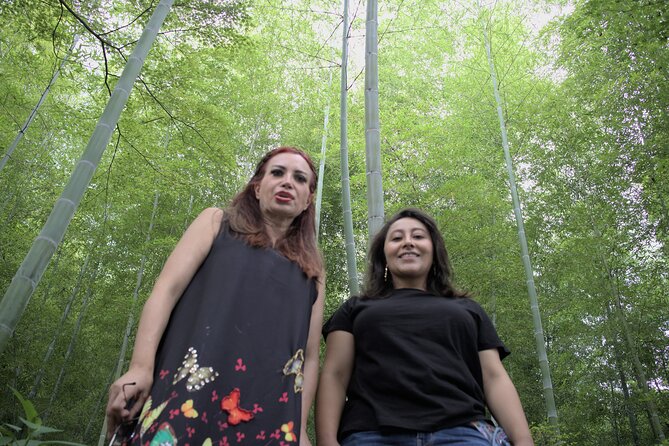
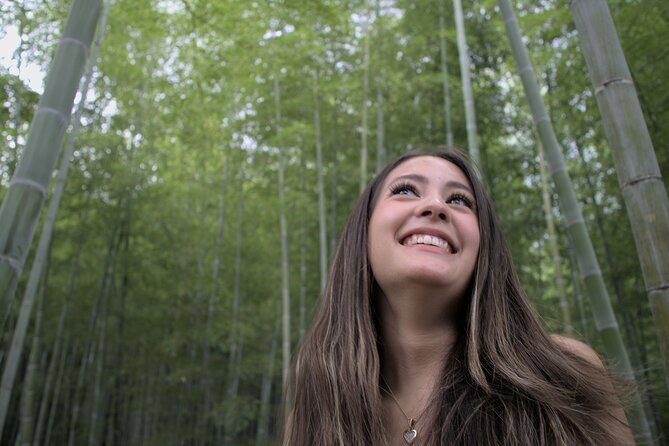
Arashiyama is the western district best known for its bamboo grove and mountain setting. The bamboo path can be beautiful, but the short 30-minute allocation makes this a quick walk. You may reach the most famous section, take photographs, and leave before the area feels calm.
One highly praised guide also took a party toward the mountain and monkey park, an experience that was not part of every account of the route. If the monkey park interests you, ask if it can be substituted for another stop. Do not assume it is included.
Tenryu-ji is a major Zen temple in Arashiyama and a UNESCO World Heritage site. Its garden gives you a more complete sense of the district than the bamboo grove alone, but the planned 30 minutes is tight. Admission is not included.
Arashiyama is the clearest example of the tour’s central problem. The district deserves a half-day on its own, yet this plan gives it about an hour when the forest and temple are combined. I would ask for a realistic priority list before setting out.
The guides can make this day work
The best version of this experience depends heavily on the individual guide. Andrea has received strong praise for being patient, friendly, attentive, and willing to shape the day around a group’s needs. She has also been credited with explaining details carefully and helping make a demanding schedule feel manageable.
Roberto has been praised for guiding people for more than six hours, explaining religion, mythology, and history, and taking them to places that matched their interests. Another account describes a guide helping with bullet-train tickets, a small but useful service when you are trying to manage a larger Japan trip.
English ability appears to vary by guide, but fluent English has been specifically praised. One guide was described as eager to help and patient. You should state your preferred language and interests when booking, then repeat your priorities when the guide contacts you.
The phrase government-certified guide sounds reassuring, but certification does not solve scheduling or communication problems. The guide may be excellent while the dispatch process is poor. That distinction matters here.
Timing and group size are the real risk
The advertised duration is about 6 to 8 hours. A route containing nine major places, plus meals, transport, walking, ticket queues, and explanations, cannot reliably be completed in full at a relaxed pace. Even a strong guide cannot control crowds or traffic.
Some parties began more than an hour late, and one account describes a start roughly three hours behind schedule. Others covered only three or four of the planned locations. There have also been reports of solo bookings or couples being combined with other groups, sometimes into a much larger outing.
That does not mean every departure will go badly. Several people had a full, enjoyable day with a guide who adapted well. It does mean you should protect yourself with clear questions:
- Is the tour still private for my date?
- Where exactly is the meeting point?
- Is hotel pickup available from my hotel?
- Which six or seven stops are realistic?
- What happens if the guide is delayed?
- Are guide transport and temple admissions extra?
Get the answers through the booking message system and save them. If you are staying outside Kyoto, especially in Osaka, do not assume pickup is available. The stated service is centered on Kyoto, and at least one dispute involved someone waiting in Osaka after misunderstanding the pickup area.
Cultural activities are possible, but not guaranteed
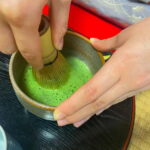
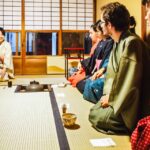
The tour description includes calligraphy, kimono dressing, tea houses, street food, hidden art studios, rickshaw rides, and illuminated temples at night. These sound appealing, but the nine-stop route does not leave much room for all of them.
Think of these as possible additions to a customized day, not guaranteed parts of the standard schedule. A tea stop or kimono activity takes time. A rickshaw ride also requires a separate arrangement and cost unless the operator confirms otherwise.
The strongest way to use the customization option is to choose a theme. Ask for temples and gardens if this is your first Kyoto visit. Choose Gion, Nishiki Market, and a tea experience if food and traditional neighborhoods matter more. For a family or someone with limited mobility, reduce the number of hills and allow longer breaks.
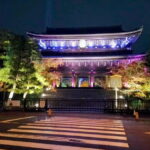
The promise of illuminated temples at night also deserves clarification. The core route is described as a 6 to 8 hour day, but a night visit may require a late finish, seasonal opening, or a separate plan. Ask before assuming it will happen.
Cancellation and practical details
You receive confirmation at booking, and mobile tickets are supported. The experience is near public transportation, and most people can participate, but long walks, slopes, crowded approaches, and standing time are part of the day.
Free cancellation is available up to 24 hours before the start time. Within 24 hours, changes and cancellations are not accepted for a refund. If the minimum number is not met and the operator cancels, you should be offered another date or experience, or a full refund.
The operational complaints make timing especially important. Keep all contact details, check messages the day before, and confirm the meeting point rather than relying on a vague reference to Kyoto Station. If you cannot locate the guide, contact the operator promptly and keep records of calls and messages.
Who should book this Kyoto day?
I would consider it for a couple, family, or small group that wants a guide’s interpretation and accepts a flexible route. It can be especially useful for a first day in Kyoto, when you want to see several districts before choosing where to return independently.
It may suit you if you value personal help more than slow sightseeing. Strong guides have assisted with disabilities, explained religious customs, offered practical advice, and helped with train tickets. Those services can be worth more than a simple list of monuments.
I would not choose it for a once-in-a-lifetime visit built around quiet temple time. I would also hesitate if your hotel is outside Kyoto, if you need guaranteed private transport, or if missing one major site would ruin your day.
Should you book it?
This is a potentially useful but uneven Kyoto overview. The itinerary is broad, the price can be reasonable with a small group, and guides such as Andrea and Roberto have delivered thoughtful, personal days. The tour’s best feature is flexibility, not the sheer number of stops.
The risks are too important to ignore. No-shows, late cancellations, unclear meeting instructions, merged groups, and shortened routes have affected some bookings. I would book only after confirming pickup, group size, guide contact, realistic stops, and all extra costs in writing.
If those answers are clear and you want a guide-led introduction, it may work well. If you want certainty, privacy, and enough time at each temple, split Kyoto into two days and arrange smaller focused visits instead.
FAQ
How long does the Kyoto tour last?
The tour lasts approximately 6 to 8 hours.
What places are included in the route?
The route includes Fushimi Inari-taisha Shrine, Kiyomizu-dera Temple, Nijo Castle, Gion, Nishiki Market, Kinkaku-ji, Ginkaku-ji, Arashiyama Forest, and Tenryu-ji Temple.
Is hotel pickup offered?
Pickup is offered, but you should confirm that it is available from your specific Kyoto hotel. The service does not advertise pickup from Osaka’s Tempozan area.
Is this a private tour?
It is described as a private activity for your group, but some bookings have involved combined groups. Confirm the group arrangement for your date before booking.
Are transportation costs included?
No. Guide transportation costs are listed at about $5 to $8, and transportation fees are otherwise excluded. Ask what transport you will use and what you will pay.
Are admission tickets included?
Some listed stops have free admission, but admission fees are not universally included. Ginkaku-ji is listed at $8 per person, and Nijo Castle and Tenryu-ji also show admission charges in the route details.
Can the tour be customized?
Yes. You can customize the tour around your interests and the time available. Ask the guide to set a realistic priority list because visiting all nine places in one day may require a fast pace.
More Guided Tours in Kyoto

More tours in Kyoto we've reviewed










Guided, compared.
 ★ 5.0Kyoto Early Morning Tour with English-Speaking GuideFrom $68
 ★ 5.0Kyoto 6hr Private Tour with Government-Licensed GuideFrom $155
★ 4.9Kyoto: Early Morning Tour with English-Speaking GuideFrom $1015h 30m
★ 5.0Kyoto 6hr Private Tour with Government-Licensed GuideFrom $155
★ 4.9Kyoto: Early Morning Tour with English-Speaking GuideFrom $1015h 30m
 ★ 4.7Kyoto: Nijo-jo Castle and Ninomaru Palace Guided TourFrom $161 hour
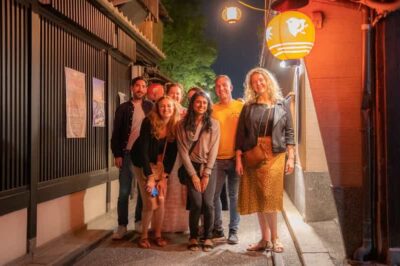 ★ 4.9Kyoto: Izakaya Bars Guided Walking TourFrom $253 hours
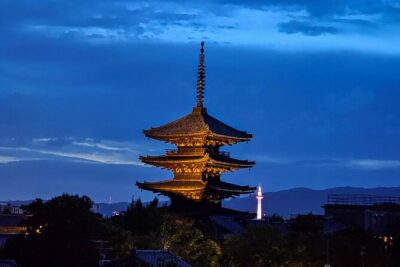 ★ 5.0Kyoto Gion Night Walk & Geisha District Guided TourFrom $18