
Reviewed · GION & GEISHA WALKS
Kyoto: 2-Hour Maiko Makeover and Photo Studio Shoot
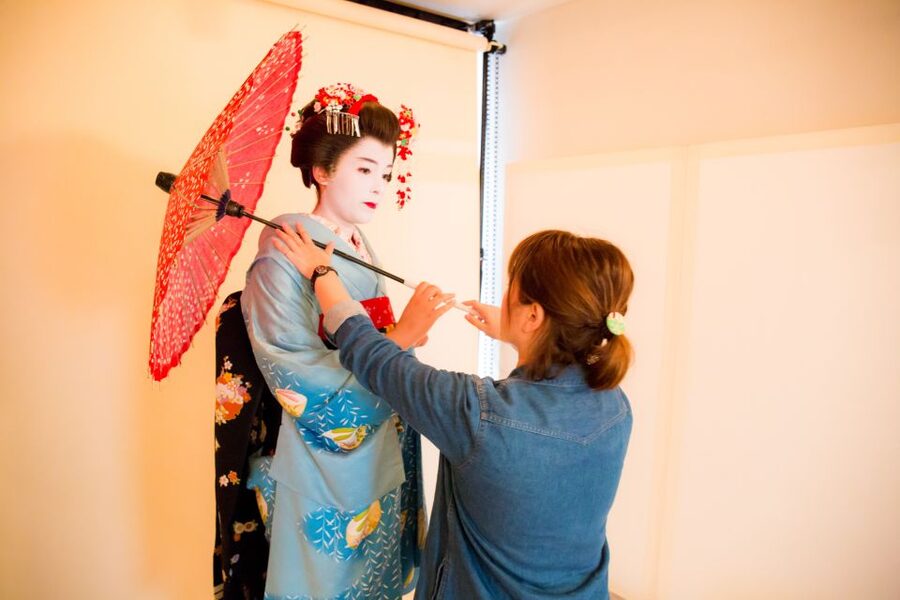
The striking part of this Kyoto experience is the full transformation. You begin in ordinary clothes and finish in a seasonal kimono, white maiko makeup, wig, and hair ornaments, looking like an apprentice geiko from Kyoto’s Gion district. The makeover uses the same type of cosmetics associated with real maiko and includes the traditional unpainted neck style.
I love the careful dressing process, since the staff explain each stage and adjust the costume for comfort. I also like that the photo session takes place in an air-conditioned indoor studio, a real advantage when Kyoto is hot, humid, or rainy. The main drawback is that the professional shoot itself can be brief, with one participant reporting roughly 10 minutes in front of the camera.
In This Review
- Key points to know before booking
- From Gojo Shop to a full maiko transformation
- Choosing a kimono with seasonal details
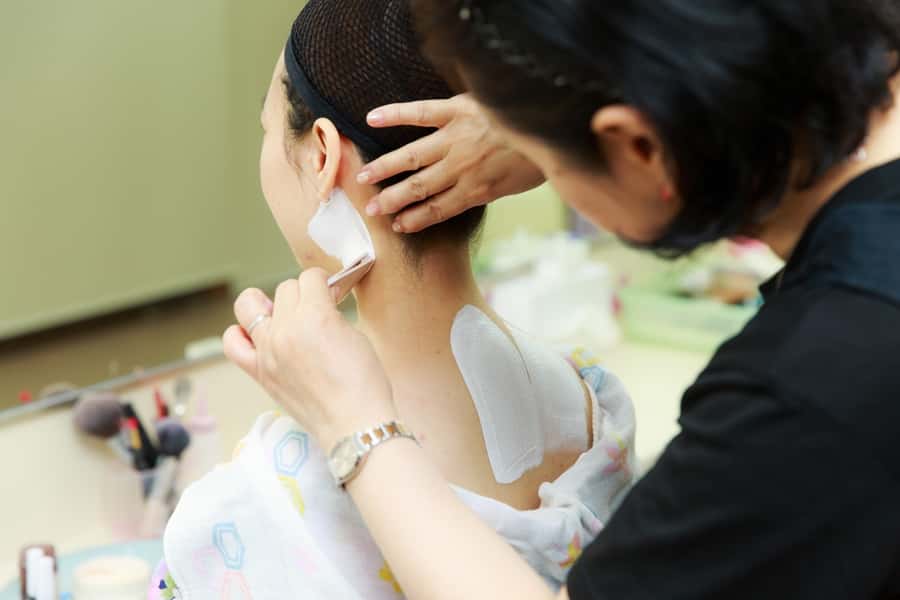
- The makeup: white face, red accents, and an unpainted neck
- Wig, hair ornaments, and the moment the look comes together
- Learning to pose before the studio photographs
- What the five digital photos are worth
- Comfort, clothing, and practical limits
- Who will enjoy this Kyoto activity most
- Should you book the Yumeyakata maiko makeover?
- FAQ
- How long does the maiko makeover and photo shoot take?
- Where do I meet the staff?
- What is included in the price?
- Are printed photographs included?
- Can men take part?
- Which languages are supported?
- Who cannot take part?
Key points to know before booking
- Traditional two-stripe neck makeup: The back of your neck is left partly unpainted in a classic style considered especially graceful.
- Seasonal kimono choices: Costumes feature traditional colors and patterns, including floral designs linked to the time of year.
- Former maiko instructors: Staff with maiko experience help with makeup, dressing, posture, and posing.
- Five digital photos included: You receive five professional images, while printed photos cost extra.
- Indoor studio comfort: You avoid walking outdoors in heavy makeup and layered kimono during Kyoto’s heat or humidity.
- Adults only: The experience is not suitable for children under 18, pregnant women, wheelchair users, or people with mobility or visual impairments.
From Gojo Shop to a full maiko transformation
You meet at the Yumeyakata Gojo Shop in Kyoto. The studio is only about a one-minute walk away, so the start is simple, though you should allow time to find the correct shop and arrive ready for the appointment. One person reported confusion caused by an incorrect address, so I would check the current meeting-point details carefully before leaving your hotel.
The experience lasts two hours. That sounds generous, but the time includes choosing a kimono, removing your makeup, applying the new makeup, dressing, fitting the wig, posing, and taking photographs. This is not a quick costume rental where you put on a robe and snap a phone picture. The appeal lies in seeing the whole process and learning why the finished look has so many layers.
The activity is described as a small-group experience limited to one participant, though the supplied experiences also include people attending with sisters, wives, and friends. If you want to attend with another person, confirm how the booking handles multiple reservations. The staff support English, Japanese, Chinese, Traditional Chinese, and Korean, which helps when you need to discuss makeup preferences or costume fit.
A few more Kyoto tours and experiences worth a look

Choosing a kimono with seasonal details
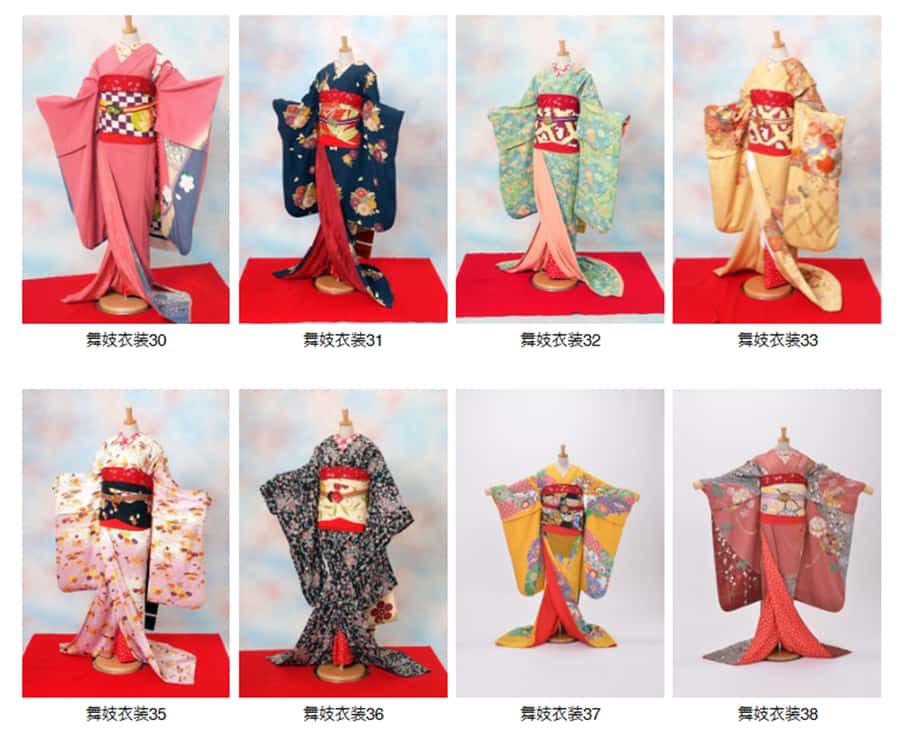
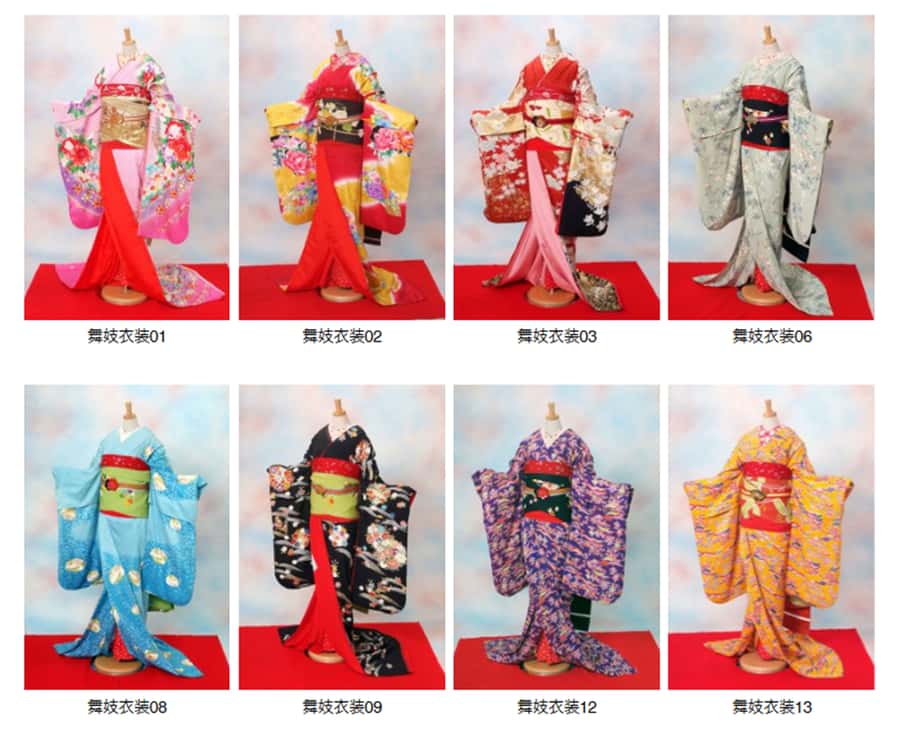
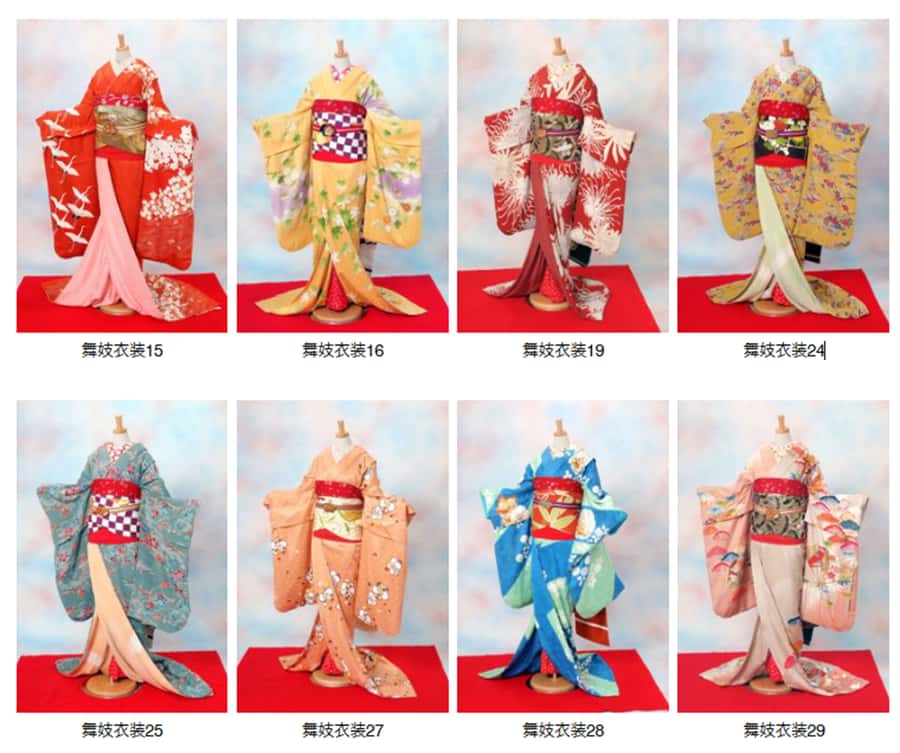
Your first major choice is the kimono. Yumeyakata keeps a selection of authentic costumes, including pieces that were used by real maiko. Designs change with the seasons in the traditional manner. You might find floral patterns that suit spring, summer, autumn, or winter, along with different colors and levels of ornament.
This choice matters because the kimono dominates the final photograph. A bright pattern can create a playful maiko look, while a quieter design may appear more formal. You can choose your preferred color and design, and the staff help make the complete outfit work as a whole.
The clothing is not simply wrapped around you. Traditional kimono dressing involves several layers and careful adjustments. Two sisters described being amazed by how many steps were needed, and that is part of the value. You see how much skill goes into getting the sleeves, collar, obi, and fabric to sit correctly.
The outfit is also warm and restrictive compared with ordinary sightseeing clothes. The studio setting helps because you are not expected to walk around Kyoto in full makeup and heavy costume. You should still plan to spend most of the two hours sitting, standing, and posing in formal clothing.
The makeup: white face, red accents, and an unpainted neck
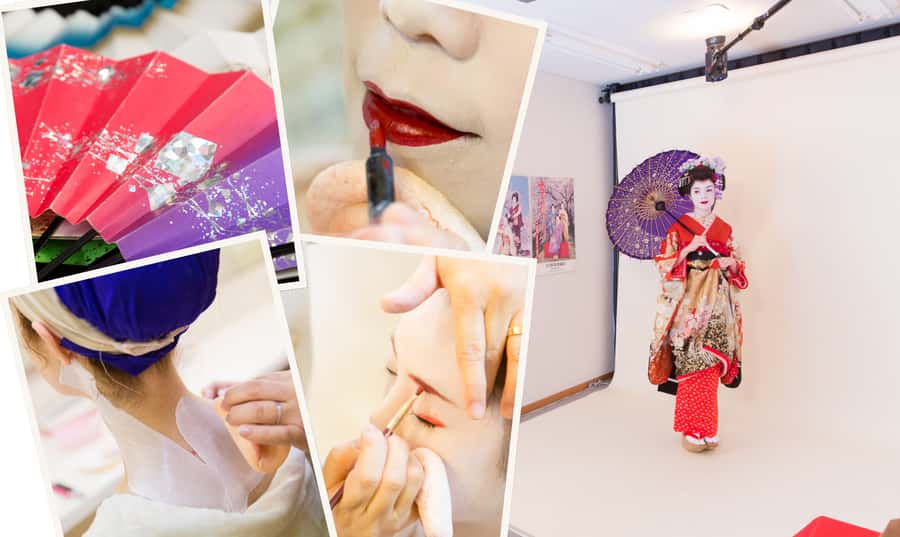
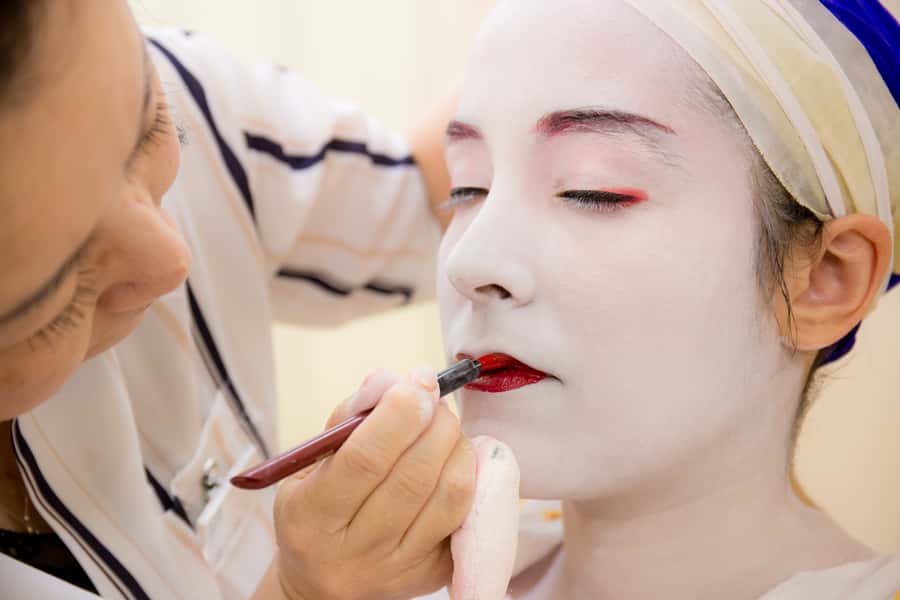
Before the makeup begins, you remove your own cosmetics. A professional makeup artist then applies the distinctive white base associated with maiko. It can look unusual halfway through the process, especially before the wig and kimono are in place. The complete transformation only becomes clear when all the pieces are together.
The makeup has several specific elements:
- A white face creates the traditional foundation.
- Pink around the eyes and the sides of the nose softens the expression.
- Red at the outer corners of the eyes has a protective symbolic meaning.
- A touch of red is added to the eyebrows.
- Eyeliner makes the eyes look more defined.
- The back of the neck remains partly unpainted in the two-stripe style.
That open neck is not an accidental gap. It is a traditional detail that adds elegance and lets the kimono collar frame the face. The staff also explain the difference between maiko and geiko makeup. Maiko makeup aims for a young, soft, cute appearance, while geiko makeup is clearer and heavier around the eyebrows, eyes, and lips.
The lipstick tradition is particularly interesting. A new maiko may wear color only on the lower lip during the early period after her debut. The exact length of that period varies by lodging house and hanamachi, so the experience presents this as a traditional rule with local differences rather than one fixed standard.
You do not need to be a teenager to take part. Real maiko are generally between 15 and 20, but this makeover is designed for adults who want to experience the clothing, makeup, and art form. The listed age rules are strict in another direction: it is not suitable for anyone under 18.
Wig, hair ornaments, and the moment the look comes together
Once the makeup is complete, the wig is placed and decorated with hair accessories. This is the point when the face, costume, and hairstyle finally read as one character. Until then, the white makeup can feel theatrical. Once the wig and kimono are added, the appearance becomes far more convincing in photographs.
The staff include former maiko who teach aspects of the process. Their role goes beyond making you look the part. They can explain traditional posture, how to hold yourself, and how a maiko moves. That background gives the activity more substance than a standard dress-up session.
You should not expect to recreate an entire maiko apprenticeship in two hours. Real maiko train in dance and other traditional arts, and future geiko learn additional skills such as shamisen, singing, and other performances. Here, you get an introduction to the visual presentation and a small taste of the manner and movement involved.
Learning to pose before the studio photographs
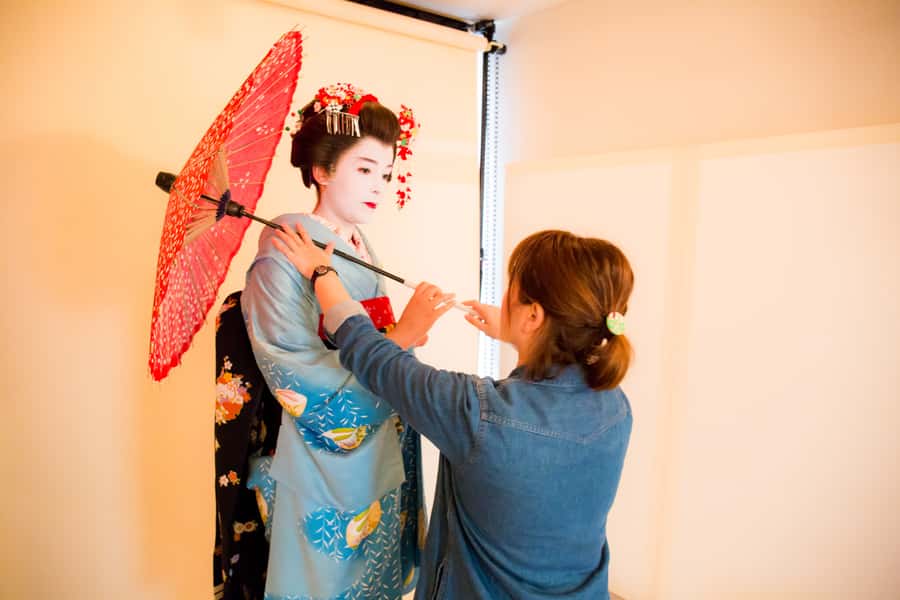
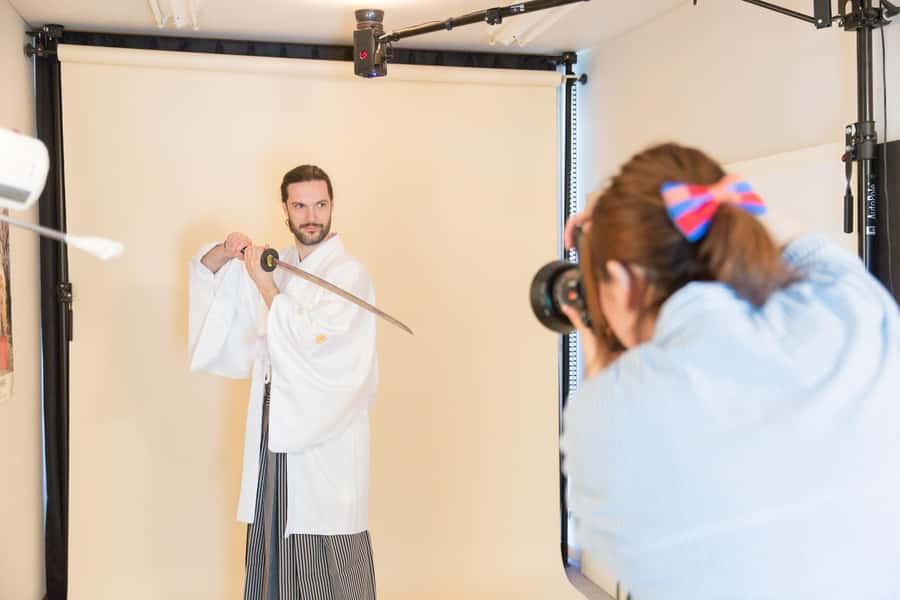
The photo session takes place indoors in a professional studio. You learn how to pose and walk in the costume, then work with the photographer to create the final images. This instruction is useful because the kimono, wig, and makeup change the way you naturally stand and turn.
The photographer gives clear directions, so you do not need modeling experience. The supplied experiences repeatedly praise the staff’s friendly, calming approach and the photographer’s ability to help people feel comfortable. That is important here. A formal pose can feel stiff at first, especially when you are unsure where to place your hands or how far to turn your head.
The professional session may be shorter than you expect. One man estimated that the studio photography took about 10 minutes, although staff also offered to take extra personal pictures with his phone. If you want a long portrait session with many outfit changes or dozens of poses, this may feel limited. If your goal is a polished souvenir and the pleasure of the transformation, the included session should meet it.
Professional cameras are not allowed, and video and audio recording are also prohibited. You can ask about personal phone photographs, since staff have taken phone pictures for some participants, but do not assume that independent filming will be permitted. Printed photos are not included. The package provides five digital files.
A few more Kyoto tours and experiences worth a look
What the five digital photos are worth
At $139 per person, this is not the cheapest way to put on a kimono in Kyoto. You are paying for makeup, wig and accessories, costume rental, dressing, instruction, studio space, and five professional digital photos. The former maiko staff and the use of authentic costumes add value for anyone who wants more than a simple rental.
The five images also make the price easier to judge. A professional portrait can become a lasting record of the experience, and the digital files are simple to store and share. Some people received their images earlier than expected, though the exact delivery timing is not specified as a fixed part of the activity.
The value depends on your priorities. If you mainly want to walk through Kyoto in a kimono, a regular rental may cost less and give you more time outdoors. If you want the makeup transformation, elaborate dressing, controlled lighting, and finished portraits, this package offers a more focused experience.
Printed photographs cost extra, so budget for that only if you want physical copies. The activity also does not include makeup afterward. Plan to remove the maiko makeup at the end and allow time before your next meal, museum visit, or evening reservation.
Comfort, clothing, and practical limits
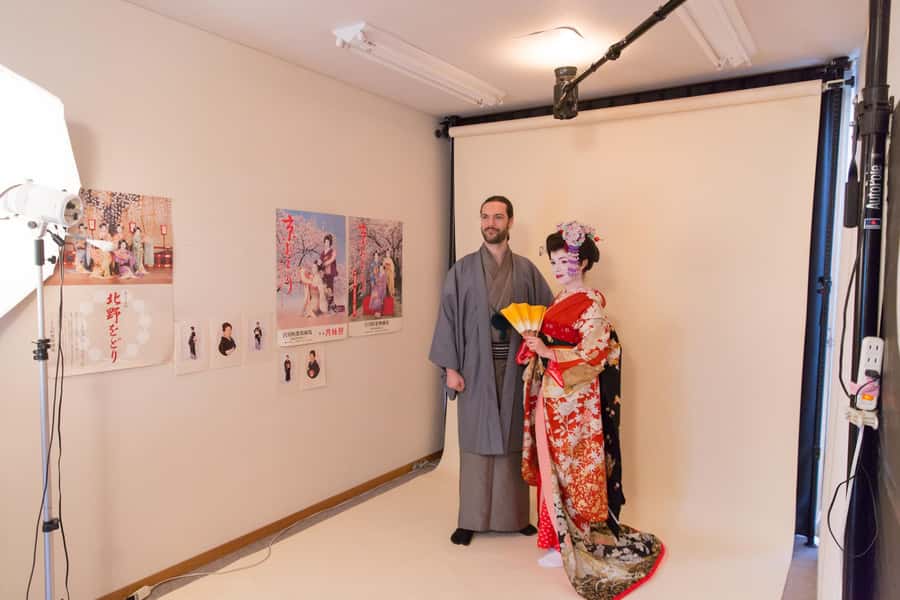
The indoor studio is one of the smartest features. Kyoto’s weather can make heavy makeup and layered clothing uncomfortable, especially in the warmer months. You get the visual effect without spending the rest of the day walking in a restrictive costume.
Shoes are not allowed indoors, and smoking, strong fragrances, pets, costumes brought from outside, professional cameras, video recording, and audio recording are prohibited. Avoid perfume or strongly scented hair products. Wear something that makes changing easy, although the information provided does not specify a required outfit.
The experience is not suitable for pregnant women, wheelchair users, people with mobility impairments, or people with visual impairments. It also has a weight limit of 220 pounds, or 100 kilograms. These restrictions matter because the activity includes dressing, a wig, traditional cosmetics, and movement in formal clothing.
The makeup process may be especially important for people with sensitive skin. The studio uses cosmetics like those associated with real maiko, but the supplied details do not describe allergy testing or special products. If you have a cosmetic concern, contact the provider before booking rather than waiting until the appointment.
Who will enjoy this Kyoto activity most
I would recommend it to adults who enjoy Japanese traditional arts, costume, photography, or unusual cultural activities. It also works well for a special occasion, a couple’s trip, sisters traveling together, or anyone who wants a Kyoto souvenir that is more personal than another temple photograph.
You do not need prior knowledge of maiko customs. The staff guide you through the process, and the instructions are available in several languages. You also do not need to be female. Men have taken part and been transformed into maiko, with staff treating the process seriously and kindly. Men’s kimono, samurai hakama, and montsuki hakama are available as add-ons, but those are separate options rather than part of the standard maiko package.
This is less suitable if you dislike makeup, cannot sit or stand comfortably in layered clothing, or want to spend the session outdoors. It is also not the right choice for someone looking for a historically exact training course. Think of it as a carefully guided portrait experience based on the appearance and customs of maiko.
Should you book the Yumeyakata maiko makeover?
Book it if you want the transformation itself, not just a kimono rental. The makeup details, authentic costumes, former maiko instruction, and professional portraits make this a memorable two hours, and the air-conditioned studio is a practical refuge from Kyoto’s weather.
Skip it if you want a full day in costume, a long outdoor photo walk, or a low-cost dress-up option. Also check the meeting address, confirm arrangements if you are booking with companions, and remember that only five digital photos are included.
With a 4.7 rating from 117 experiences and a price of $139, I see it as a fair splurge for a distinctive Kyoto keepsake. Free cancellation is available up to 24 hours before the appointment, and you can reserve now and pay later, which helps if your Kyoto schedule is still changing.
FAQ
How long does the maiko makeover and photo shoot take?
The activity lasts two hours, with available starting times shown when you check the schedule.
Where do I meet the staff?
You meet at the Yumeyakata Gojo Shop in Kyoto. The studio is about a one-minute walk from the shop, and the activity ends back at the meeting point.
What is included in the price?
The package includes a maiko kimono rental, maiko makeup, a maiko wig and hair accessories, an indoor photo studio session, and five digital images.
Are printed photographs included?
No. Printed photos are not included in the standard package.
Can men take part?
Yes. Men can take part in the maiko experience. Men’s kimono, samurai hakama, and montsuki hakama are available when selected as add-ons.
Which languages are supported?
Instruction is available in English, Japanese, Chinese, Traditional Chinese, and Korean.
Who cannot take part?
The activity is not suitable for pregnant women, wheelchair users, people with mobility or visual impairments, children under 18, or people over 220 pounds, or 100 kilograms. Pets, smoking, professional cameras, video recording, audio recording, strong fragrances, and outside costumes are not allowed.
More 2-Hour Experiences in Kyoto
More Gion & Geisha Walks in Kyoto

More tours in Kyoto we've reviewed




Gion & Geisha Walks, compared.
 ★ 4.7Kyoto Geisha Walking Tour: Gion District & Hidden GemsFrom $252 hours
 ★ 4.7Kyoto: Gion Geisha District Walking Tour – Stories of GeishaFrom $202 hours
 ★ 4.9Best of Kyoto: Gion, Geisha, Pagodas & CobblestonesFrom $242 hours
 ★ 4.5Night Walk in Gion: Kyoto’s Geisha DistrictFrom $211h 40m
 ★ 5.0Kyoto Night Foodie Tour in Gion (9+ dishes + 6 Sake tastings)From $163
 ★ 5.0Kyoto Gion Geisha District Walking Tour – The Stories of GeishaFrom $25