
Reviewed · WALKING TOURS
Welcome to Kyoto: Private Walking Tour with a Local
Kyoto can feel confusing on day one, with buses, train lines, temples, markets, and neighborhoods spread across the city. This private walk gives you a local partner for practical city advice, not just a quick parade past famous sights. I like that your guide can meet you at your hotel and explain the nearby grocery shops, cafés, buses, and streets you are likely to use all week. I also like the personal planning: guides such as Maha, Toan, Nicolo, Kokoro, and Cristobal have shaped walks around food, children, limited mobility, first-day transport, and specific temples.
The main tradeoff is that this is not a fixed sightseeing route. Your experience depends on the guide, your interests, your starting point, and the time you choose. Transportation, meals, attraction tickets, and personal costs are extra, so a two-hour orientation may be excellent value, while a longer tour that includes several paid sights can cost more than the headline price.
In This Review
- Key points before you book
- A first walk through your Kyoto neighborhood
- How the private format changes the day
- What a two-hour orientation can cover
- What changes during a four-to-six-hour walk
- Temples, shrines, and markets on your terms
- Food, groceries, and the useful details guidebooks skip
- Getting around Kyoto without wasting the day
- Mobility, babies, and the walking requirement
- Is $55 per person a fair price?
- Who should book this Kyoto walk?
- FAQ
- How long does the private Kyoto walking tour last?
- Where can I meet the guide?
- Is transportation included?
- Are attraction entrance fees included?
- Can children join the tour?
- Can the route be adapted for a wheelchair or limited mobility?
- Should you book it?
Key points before you book
- Your hotel can be the starting point: City-center hotel and Airbnb pickup is available, which saves time and helps you learn your own neighborhood first.
- The route is built around you: Ask for temples, markets, food, groceries, buses, quieter areas, family needs, or a wheelchair-friendly plan.
- Guides offer useful first-day help: Past guides have helped with supermarket shopping, transport planning, restaurant choices, and speaking practice.
- Two hours can be enough for orientation: A short booking works well if you mainly need help with Kyoto’s layout and your next few days.
- Longer walks can link major sights: Possible stops have included Fushimi Inari, Higashi Honganji Temple, Nishiki Market, shrines, and lesser-visited temples.
- The $55 price buys privacy, not an all-inclusive day: Entrance fees, taxis, public transport, food, and drinks are not covered.
A first walk through your Kyoto neighborhood
The most useful part of this tour may happen before you reach a famous temple. Meet your English-speaking guide in your hotel lobby or outside your city-center Airbnb, then start with the streets around you. You can ask where to buy breakfast, which supermarket is easiest, how to reach the nearest station, and which bus route makes sense for your plans.
That local orientation matters in Kyoto. A map can show you a train station, but it cannot tell you how useful that station is for your hotel, or where you can buy simple groceries after a long day. One guide helped a visitor shop at a supermarket, while another pointed out a small café that became a regular stop during the stay.
You can also ask for help with your wider schedule. If you have already chosen several temples, your guide can explain how to connect them. If you are unsure what to do next, the guide can suggest a route based on your interests, available time, and walking ability.
Do not expect a formal lecture from the first minute. This is meant to feel like a friendly introduction to the city. Guides have included Maha, Nicolo, Kokoro, Toan, Iago, Cristobal, Ahmed, Jason, and Ricardo, though you cannot assume a particular guide will be assigned unless that is arranged in advance.
Other walking tours we've reviewed in Kyoto
How the private format changes the day
A private group is a real advantage here. You do not need to follow a stranger’s pace, wait while a large group gathers, or spend time at sights that do not interest you. You can stop for a practical question, change the route, or use part of the time to plan the rest of your Kyoto stay.
This works especially well for mixed-age families. Maha adjusted a tour around a five-month-old baby and showed care with the family’s pace. Another visit included a 13-year-old who practiced French with her, adding a pleasant personal touch to the walk. Children under three can join free, and children aged three to twelve receive a 50 percent discount.
The private setup also helps if you have a clear wish list. One three-hour route was planned around a supplied list and covered as much as possible in the available time. That kind of focused planning is far more useful than trying to squeeze every famous sight into one hurried circuit.
There is a limit, though. Private does not mean unlimited. If you want to cover distant parts of Kyoto, you may need a bus, train, or taxi. You pay those costs yourself, and time spent getting across the city reduces time on foot. Ask for a sensible route rather than naming sights scattered across town.
What a two-hour orientation can cover
A two-hour booking is best treated as a city lesson with a short sightseeing component. Your guide might walk you around the area near your accommodation, explain public transport, point out places to eat and shop, and accompany you to a first attraction.
Cristobal used a short visit to help with Kyoto sightseeing and transport planning, then went with the visitor to a first attraction while explaining Japanese culture along the way. That is a smart use of limited time. You finish with a better idea of how to continue on your own, rather than spending the entire booking simply ticking off sights.
Two hours will not give you a full tour of Kyoto. It is enough to answer urgent questions and test your plans. If this is your first morning in town, it can prevent costly mistakes, such as crossing the city repeatedly or choosing a bus route that does not fit your day.
A two-hour walk also suits independent visitors who do not want a guide for the whole trip. Pay for help at the start, then use the rest of your holiday to explore alone.
What changes during a four-to-six-hour walk
With more time, the tour can become a proper sightseeing day, but only if the route is planned carefully. A longer walk might combine a temple, a shrine, a market, a neighborhood, and food advice. Toan led a route that included the climb toward Fushimi Inari Shrine, Higashi Honganji Temple, and Nishiki Market.
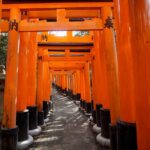
Those places offer different views of Kyoto. Fushimi Inari is famous for its shrine path and thousands of torii gates, but reaching the upper sections requires sustained walking and stairs. Higashi Honganji gives you a major temple setting closer to the city center. Nishiki Market adds food, shopping, and everyday street life. Together, they create a more varied day than visiting temples alone.
Maha also took visitors to a temple and shrine that were not part of more standard routes, then to a favorite restaurant in a riverside village. The food choice included sashimi, but meals are not included in the tour price. You should also expect to pay attraction fees for yourself and, if a paid attraction is part of the plan, your guide’s entrance fee as well.
A six-hour walk can cover a lot, but Kyoto is not a compact theme park. Walking distances, queues, steps, weather, and transport can all affect the pace. You will get more from a longer booking if you choose one area or a logical line through the city, rather than trying to collect every headline sight.
Temples, shrines, and markets on your terms
You can request a classic Kyoto focus, but the value of this walk comes from choosing what classic means to you. You might want shrine customs, temple architecture, food stalls, neighborhood life, shopping help, or a first look at places away from the busiest routes.
Fushimi Inari is a strong choice if you want a famous Kyoto sight and do not mind hills. A guide can help you understand the setting and pace the walk, but the route is still physically demanding in places. Comfortable shoes are essential for any version of this tour.
Higashi Honganji works well for visitors staying near Kyoto Station or the central districts. It is easier to pair with city-center plans than a far-flung temple, and it can help you understand how Kyoto’s major religious sites fit into the urban layout.
Nishiki Market brings a different energy. You can ask about local foods and shopping customs, though you should budget for anything you buy. Markets are not simply free attractions, and your guide cannot include tastings or purchases in the tour price.
The route may also include a quieter shrine or temple selected by your guide. That can be the most memorable part of a custom walk, but ask what is realistic for your time. Since there is no fixed itinerary, the quality of the route depends on clear communication before the meeting.
Other private tours in Kyoto

Food, groceries, and the useful details guidebooks skip
I like this tour most when it treats Kyoto as a place where you live briefly, not just a collection of photographs. Ask your guide to explain where to buy groceries, how to find a café near your accommodation, and which food areas fit your budget and comfort level.
Ahmed has helped with local customs and food suggestions. Iago helped with a supermarket visit. These are small services, but they can save you time and reduce the stress of ordering, shopping, or finding a meal after a tiring sightseeing day.
You can also ask about restaurants. Maha took visitors to a favorite restaurant in a nearby riverside village, where they enjoyed sashimi. That does not mean every booking includes a restaurant stop, and it does not guarantee a particular meal. It does show the sort of personal recommendation you can request.
Food expenses are yours, and the same applies to drinks. Tell your guide in advance if you want markets, affordable meals, vegetarian choices, family-friendly stops, or grocery shopping. The clearer you are, the more useful the walking plan will be.
Getting around Kyoto without wasting the day
Kyoto’s transport system rewards a little preparation. Your guide can explain buses, trains, and the best way to move between the places you care about. A guide who meets you at your hotel can make that advice specific to your actual location, rather than giving you general instructions from a map.
Public transportation or a taxi may be used during the walk, but you pay those fares. If you want a private car included, you need to request it. A car may help with mobility or distant stops, but it changes the cost and the feel of the experience.
I would use this tour to learn one or two routes you will repeat during your stay. For example, ask how to reach a major sightseeing area from your accommodation, then practice the route with the guide. That makes the rest of your trip easier than simply being driven from one sight to another.
Keep the geography in mind when you make requests. A private guide can adjust the route, but Kyoto’s size and traffic still set limits. A short walk near your hotel may deliver more practical value than a rushed citywide trip.
Mobility, babies, and the walking requirement
This is a walking tour, so comfortable shoes are a must. Some routes include temple grounds, uneven surfaces, stairs, or a climb, especially if Fushimi Inari is included. Tell the guide about limited mobility, a stroller, or a baby before the tour begins.
Maha prepared a Kyoto visit for someone using a wheelchair with limited mobility. That is encouraging, but you should still discuss the exact route in advance. A customized booking gives you room to ask for adjustments, but it does not make every temple, market, or shrine fully accessible.
The same principle applies to families. A private guide can work around a baby’s needs more easily than a large scheduled group. The tour can also be shaped around children’s attention spans, though the total walking distance and attraction choices should be agreed on beforehand.
Is $55 per person a fair price?
At $55 per person, this is a reasonable price for a private orientation, especially if you are visiting Kyoto for the first time. You are paying for personal attention, route planning, local advice, and the ability to ask questions that a standard group tour may not cover.
The value rises when you use the guide for practical decisions. A short visit that helps you understand buses, choose a supermarket, plan temple visits, and reach your first attraction can save hours later. It is less valuable if you want only a polished historical tour with guaranteed sights and a fixed script.
Remember the added costs. Entrance tickets are not included. Neither are meals, drinks, taxis, public transport, optional activities, or the guide’s entrance fee when you choose to visit a paid attraction. Ask for a cost-aware route if your budget is tight.
Free cancellation up to 24 hours before the tour and the option to reserve now and pay later make the booking less rigid. You can also request a particular start time, subject to availability.
Who should book this Kyoto walk?
I would recommend it to first-time visitors who want to get oriented quickly, families who need a flexible pace, and independent people who prefer local advice over a fixed sightseeing program. It also suits visitors with a short Kyoto stay who want help making one day count.
It is a good match if you care about groceries, cafés, public transport, local food, and neighborhood details as much as temples. It can also work well for a return visitor who has already seen the major sights and wants a more personal route.
I would hesitate if you want a guaranteed list of attractions, a fully prepaid day, or a guide who handles every transport and entrance cost. Confirm the route, walking level, meeting place, desired language, and likely expenses before you book.
FAQ
How long does the private Kyoto walking tour last?
The tour lasts from two to six hours. Available starting times depend on the date you select, and you can request a specific time.
Where can I meet the guide?
Pickup is possible from the lobby of your city-center hotel or outside your city-center Airbnb. You can also arrange to meet at a central landmark or intersection.
Is transportation included?
No. You may choose to use public transportation or a taxi during the walk, but you pay those costs yourself. You can request a private car, which is also not included by default.
Are attraction entrance fees included?
No. You pay entrance fees for yourself. If you want to include a paid attraction, you also need to cover the local guide’s entrance fee.
Can children join the tour?
Children under three years old can join free of charge. Children between three and twelve years old receive a 50 percent discount.
Can the route be adapted for a wheelchair or limited mobility?
The route is customized, and a guide has prepared a visit for a person using a wheelchair with limited mobility. Tell the provider about your needs in advance, since this remains a walking tour and some sights may involve steps or uneven ground.
Should you book it?
Book this tour if you want a friendly Kyoto head start rather than a fixed parade of famous places. The best use of your time is to meet near your accommodation, explain your priorities, and ask for practical help with transport, food, groceries, and a sensible sightseeing route.
Choose two hours for orientation and trip planning. Choose four to six hours if you want several sights and a more personal day on foot. At $55 per person, it is a solid buy for a private introduction, provided you remember that tickets, food, and transportation come separately.
More Private Tours in Kyoto
More Walking Tours in Kyoto
More tours in Kyoto we've reviewed



Walking Tours, compared.
 ★ 4.7Kyoto Geisha Walking Tour: Gion District & Hidden GemsFrom $252 hours
 ★ 4.7Kyoto: Gion Geisha District Walking Tour – Stories of GeishaFrom $202 hours
 ★ 4.5Night Walk in Gion: Kyoto’s Geisha DistrictFrom $211h 40m
 ★ 5.0Kyoto Gion Geisha District Walking Tour – The Stories of GeishaFrom $25
 ★ 5.0Nishiki Market Brunch Walking Tour (7 Tastings + Brunch)From $68
 ★ 4.9Kyoto: Gion Magical Night Walking Tour with Geisha InsightsFrom $34