
Reviewed · GION & GEISHA WALKS
Authentic Kyoto Gion Geisha/Maiko Cultural Experience
A quiet tatami room in Gion, a maiko or geiko performing traditional dance, and a cup of matcha make this much more than a quick photo stop. You get a close look at a Kyoto tradition that is normally difficult to encounter, with an English-speaking guide explaining what you are seeing.
I like the small group of up to 10 people, which gives the room a more personal feel. I also like the short walk along Hanamikoji Street, since it adds useful context before you enter the teahouse. The main consideration is price: at $155.22 per person, this is a special splurge, not a casual afternoon activity.
In This Review
- Key Points Before You Book
- Starting at Gion-Shijo Station
- Hanamikoji Street Sets the Scene
- Inside the Gion Teahouse
- Traditional Dance and Music
- Matcha, Sweets, and the Tea Ritual
- Why the Guide Matters
- Is $155.22 a Fair Price?
- Timing, Meeting Point, and Practical Details
- Tatami Etiquette and Clothing Tips
- Who Will Enjoy This Most?
- Should You Book the Gion Maiko Experience?
- FAQ
- Where does the experience begin?
- Where does the experience end?
- How long does the experience last?
- Will I meet a maiko or a geiko?
- How large is the group?
- What should I wear or bring?
Key Points Before You Book
- Meet inside a real Gion teahouse: The experience takes place in a tatami room rather than a large stage or general tourist venue.
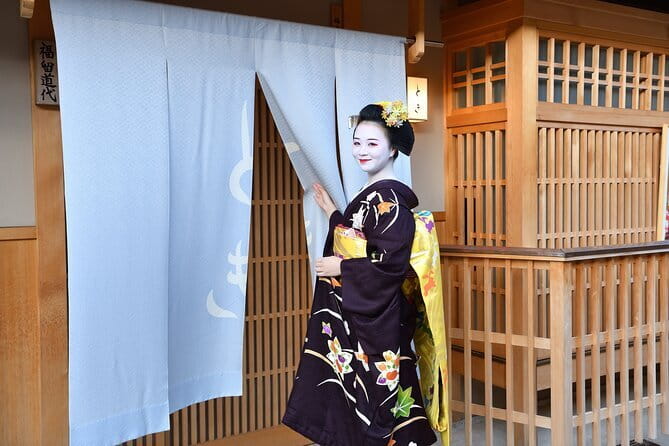
- Expect a maiko or geiko: You cannot choose which one appears, and the person present depends on the day.
- See traditional dance and music: The program includes live performance, with music supplied by the owner, a former geiko, on some occasions.
- Get English explanations: Your guide translates questions and explains Gion customs, etiquette, and the work of geisha.
- Plan for a 90-minute visit: About 15 minutes is spent walking from Gion-Shijo Station, followed by roughly an hour at the teahouse.
- Bring clean, dry socks: Shoes come off in tatami areas, and wet feet, clothing, or bags must be dried before entry.
Starting at Gion-Shijo Station
The meeting point is outside Gion-Shijo Station at 1 Chome Miyagawasuji. From there, your English-speaking guide leads you through Gion toward the teahouse.
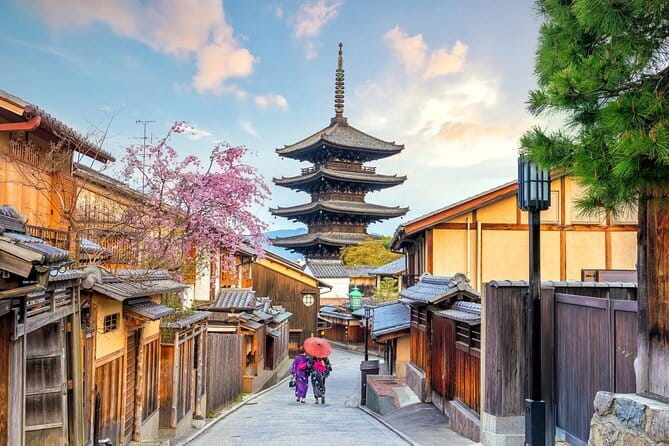
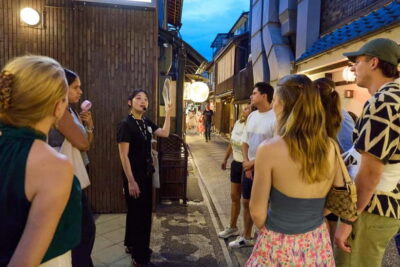
This opening walk lasts about 15 minutes. It is short, but it matters. Gion can look like a collection of pretty wooden buildings if you do not know what you are seeing. The guide points out details along the way and talks about the district’s place in Kyoto’s entertainment culture.
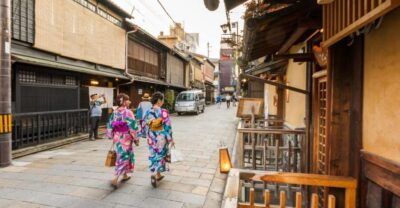
Hanamikoji Street is the key stretch. Its traditional facades and narrow lanes create the right setting for what follows, but this is not a long sightseeing walk. You will not get a full tour of Gion, and the guide does not promise a parade of maiko on the street. Think of the walk as an introduction, not a separate attraction.
That is a good arrangement. Street spotting can be hit or miss, and chasing after a maiko is neither respectful nor reliable. Here, your time is reserved for a scheduled cultural meeting in a proper teahouse.
A few more Kyoto tours and experiences worth a look


Hanamikoji Street Sets the Scene
The walk helps explain why Gion is different from an ordinary restaurant district. The teahouses are tied to a long tradition of music, dance, conversation, and hospitality, with access often limited to established connections.
Your guide gives you practical background before you arrive. This is useful because the customs can otherwise feel mysterious. You learn how to behave in the room, what to expect from the performers, and how to take part without treating the setting like a stage show.
Guides named in accounts of the experience include Yuko, Youko, Yoshi, and Tomato-San. The guide assigned to you will depend on the departure, but the important feature is the English translation and local explanation. Personal stories about growing up in Kyoto and familiarity with geisha traditions can make the short walk especially helpful.
Keep your pace moderate and arrive ready to listen. Gion’s lanes are atmospheric, but the real value begins once you step indoors.
Inside the Gion Teahouse
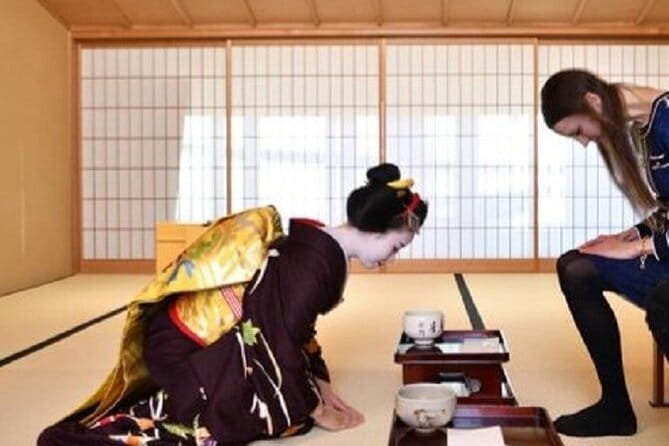
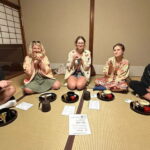
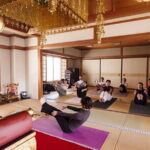
The main visit takes place in a small tatami room with a maximum group size of 10. You remove your shoes, sit in the traditional setting, and meet either a maiko or geiko, along with a tea master depending on the day.
The room may be newly built, but it is designed in the traditional style. That can be a plus for comfort and cleanliness. You get the visual feel of a Japanese teahouse without sacrificing basic upkeep.
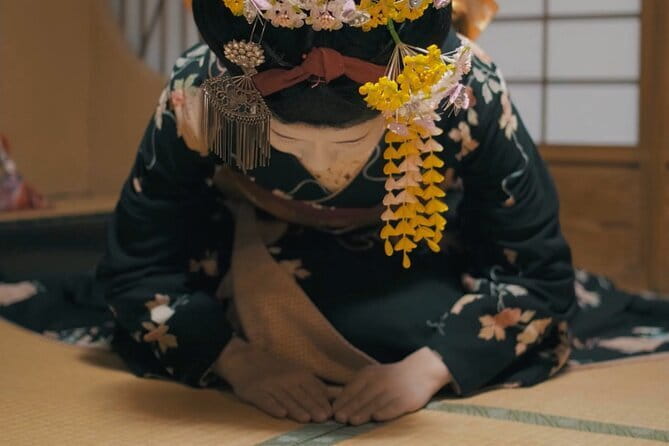
Do not expect to select the performer. The booking includes either a maiko or geiko, and the choice depends on who is available that day. A maiko is an apprentice, while geiko is the Kyoto term used for a fully trained geisha. Both represent different points in the same demanding tradition.
The conversation is one of the strongest parts of the visit. You can ask questions directly, with the guide translating between English and Japanese. Topics may touch on training, performance, daily work, clothing, and the customs of the profession, though the exact conversation will vary.
This direct exchange gives the experience more substance than watching a dance from a distance. You are not simply looking at a costume. You are hearing explanations and seeing how formal hospitality works in a setting built for conversation.
Traditional Dance and Music
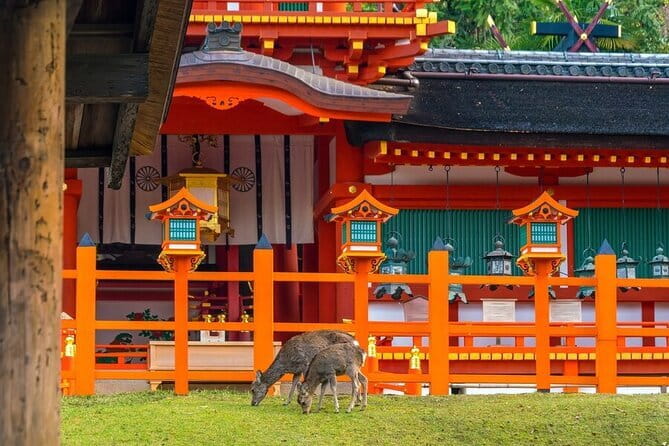
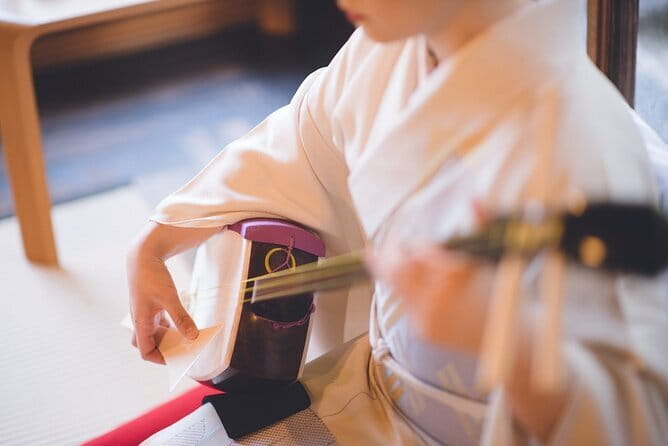
The performance includes traditional dance, and some sessions also feature music played by the teahouse owner, a former geiko. The dance is controlled and precise, with gestures that can seem small if you are used to large Western stage performances.
That restraint is part of the point. Watch the hands, posture, fan work, and changes in expression. Your guide provides context so the movements do not blur into a general idea of Japanese tradition.
The program has included two dances on some occasions, but the exact performance should not be treated as fixed. The maiko or geiko present, the tea master, and the day’s program can vary.
Photography is allowed during the experience, including pictures of the performer and, when appropriate, pictures with her. Listen carefully to the guide’s instructions. A photo opportunity is a pleasant part of the visit, but it should follow the room’s etiquette rather than interrupt the performance.
Matcha, Sweets, and the Tea Ritual
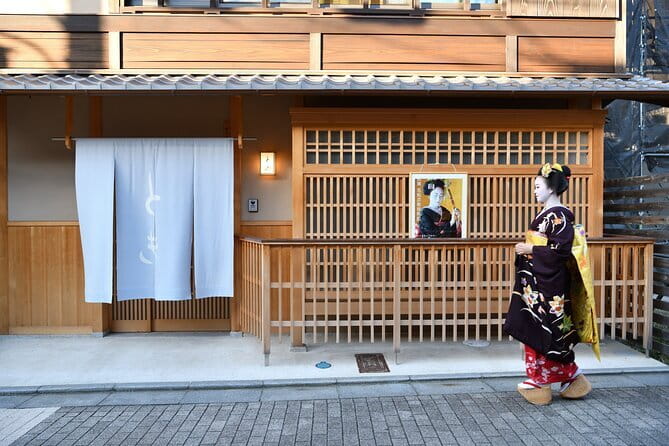
After or around the performance, you take part in a matcha tea experience. You may receive matcha, a traditional flour sweet, dessert, or matcha ice cream, depending on the day’s arrangements.
This is not presented as a lengthy formal tea ceremony course. It is a compact introduction within a broader cultural visit. You get to taste the tea, observe the careful service, and see how sweets fit with the bitter matcha.
The food is a welcome touch, especially because the experience is short and focused. It also gives you a quiet moment after the dance and conversation. Do not book this as a meal, though. The tea and sweets add to the visit, but they are not meant to replace lunch or dinner.


Why the Guide Matters
An English-speaking guide is included, and that changes the experience considerably. Without translation, you would see the dance and perhaps understand the basic tea ritual, but you would miss much of the conversation.
The guide also helps with manners. Before entering, you receive instructions about proper behavior in the teahouse. That is important in a tatami room, where small actions such as how you sit, where you place belongings, and how you handle wet items matter.
Several guides have been singled out by name for their friendly and clear style, including Yoshi, Yuko, Youko, and Tomato-San. One guide, Yoshi, was praised for sharing personal insight into Kyoto and geisha tradition. You should not assume you will receive a particular guide, but the format gives your guide an active role rather than leaving you to watch silently.
The best questions are respectful and specific. Ask about training, performance, the difference between maiko and geiko, or the meaning of a gesture in the dance. The guide can help you frame questions that fit the setting.
Is $155.22 a Fair Price?
At $155.22, this is expensive compared with a standard museum visit or a basic walking tour. You are paying for limited capacity, a private-style setting, a live performer, translation, tea service, and access to a cultural space that is not usually open for casual drop-ins.
The value improves if geisha culture is one of your main reasons for visiting Kyoto. You get several elements in one compact appointment:
- A guided walk through Gion
- Entry to a teahouse
- Conversation with a maiko or geiko
- Live traditional dance
- Possible music performance
- Matcha and sweets
- Photos
- English translation and cultural context
The small group is central to the price. With no more than 10 people, questions are possible and the room does not feel like a packed theater. If the group is smaller on your date, the conversation may feel even more personal, but that cannot be guaranteed.
I would compare this with the cost of other premium cultural activities in Kyoto, not with a regular sightseeing tour. It is a good use of money for someone who values access and explanation. It is poor value if you mainly want a quick photo with someone in traditional dress.
Timing, Meeting Point, and Practical Details
The full experience lasts about 1 hour and 30 minutes. The walk from Gion-Shijo Station takes about 15 minutes, and the teahouse portion lasts about an hour. The remaining time allows for entering, settling in, instructions, photos, and transitions.
The tour ends at the teahouse in Gion, not back at the station. This is convenient if you plan to continue exploring Hanamikoji Street, Yasaka Shrine, or nearby Gion lanes, but you need to arrange your next stop yourself.
The mobile ticket makes arrival simple. Confirmation is sent within 48 hours, subject to availability. Since the experience is often reserved about 17 days ahead, book early if your Kyoto schedule is tight.
A minimum of two participants is required. If that number is not reached 10 days before the date, the departure may be canceled. Free cancellation is available up to 24 hours before the start time, while cancellations or changes made inside that window are not refunded or accepted.
Tatami Etiquette and Clothing Tips
Wear socks. This is the most useful practical instruction in the entire booking information. You will enter a tatami room, and bare feet are not suitable for the setting.
Rain creates another concern. If your socks, clothing, or bag are wet, dry them with a towel before entering. The request is simple: keep the tatami clean.
Wear clothes that let you sit comfortably on the floor. The provided information does not promise chairs, so you should be prepared for a traditional sitting arrangement. Keep your bag compact and easy to manage.
Children under six cannot join. Participants under 18 need written parental permission, and anyone under 15, or not yet enrolled in middle school, must be accompanied by a parent or guardian.
Most people can participate, but the experience does require following tatami etiquette and sitting in a traditional room. If that could be difficult for you, check your comfort level before paying.
Who Will Enjoy This Most?
I would recommend this to you if you have a real interest in Japanese performance, tea customs, or the history of Gion. It suits first-time visitors who want a clear introduction, as well as returning visitors who missed the chance to enter a teahouse on an earlier trip.
It is also a strong choice for a birthday, anniversary, or other special occasion. The small room, direct conversation, and photo opportunity give it a sense of occasion without requiring a full evening.
Families with older children may enjoy it, provided they follow the age and permission rules. Very young children cannot attend, and restless behavior would be a poor match for the setting.
You may want to skip it if your budget is tight, you dislike formal cultural activities, or you expect a long performance with a large production. This is intimate and educational, not flashy.
Should You Book the Gion Maiko Experience?
Book it if you want a respectful, guided look at geisha culture rather than a street photo hunt. The combination of Hanamikoji Street, an authentic-style teahouse, live dance, matcha, and translated questions gives you a fuller picture than any one of those pieces could provide alone.
The price is the sticking point, and the performer cannot be chosen. Still, the group cap of 10 and the chance to speak directly with a maiko or geiko make the cost easier to justify. Wear socks, keep your expectations measured, and reserve well ahead of time.
For many visitors, this can become one of the most memorable 90 minutes in Kyoto. For a budget-focused schedule, it is a luxury. Make the call based on how much this particular corner of Japanese culture matters to you.
FAQ
Where does the experience begin?
It begins at Gion-Shijo Station, at 1 Chome Miyagawasuji in Kyoto’s Higashiyama Ward.
Where does the experience end?
The tour ends at the teahouse in Gion, in Gionmachi Minamigawa.
How long does the experience last?
The experience lasts approximately 1 hour and 30 minutes. The walk takes about 15 minutes, followed by roughly one hour at the teahouse.
Will I meet a maiko or a geiko?
You will be accompanied by either a maiko or geiko, depending on the day. You cannot select which one will be present.
How large is the group?
The maximum group size is 10 people. At least two participants are needed for the tour to operate.
What should I wear or bring?
You must wear socks for the tatami room. If your feet, clothing, or bag become wet, dry them before entering. Mobile tickets are accepted.
More Gion & Geisha Walks in Kyoto


More tours in Kyoto we've reviewed








Gion & Geisha Walks, compared.
 ★ 4.7Kyoto Geisha Walking Tour: Gion District & Hidden GemsFrom $252 hours
 ★ 4.7Kyoto: Gion Geisha District Walking Tour – Stories of GeishaFrom $202 hours
 ★ 4.9Best of Kyoto: Gion, Geisha, Pagodas & CobblestonesFrom $242 hours
 ★ 4.5Night Walk in Gion: Kyoto’s Geisha DistrictFrom $211h 40m
 ★ 5.0Kyoto Night Foodie Tour in Gion (9+ dishes + 6 Sake tastings)From $163
 ★ 5.0Kyoto Gion Geisha District Walking Tour – The Stories of GeishaFrom $25