
Reviewed · SAMURAI & KENDO EXPERIENCES
Ninja 2-hour Hands-on Lesson by Japanese master in Kyoto -Medium
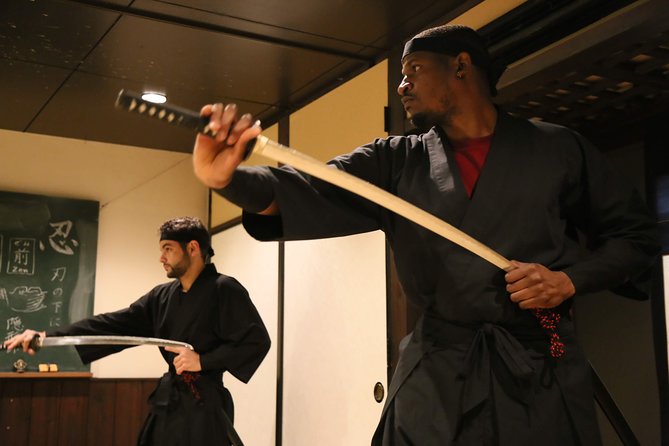
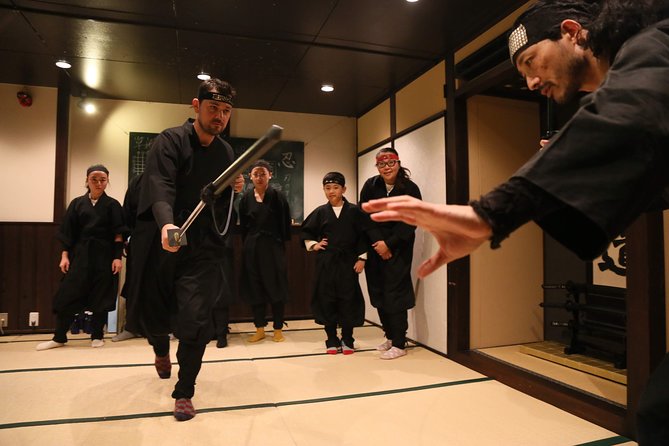
The best part of this Kyoto experience is that you do not just watch a staged ninja show. You put on rented ninja clothing, sit through Kuji-In meditation, learn ninja breathing and walking, then handle training weapons under an English-speaking Japanese Sensei. The lesson feels part cultural introduction, part playful martial-arts workshop.
I like the small group of six or fewer, since the instructor can correct movements and keep children involved. I also like the wide range of activities, from sword work and rope techniques to throwing shuriken and using a blowgun. The main consideration is price: at $95.51 per person, this is a special-interest activity rather than a cheap way to fill two hours.
In This Review
- Key points at a glance
- Starting at Ninja Dojo and Store Kyoto
- Changing into full ninja clothing
- Meditation, breathing, and the ninja mindset
- The ninja trick house and its hidden mechanisms
- Sword training and the first weapons
- Shuriken, ropes, sickles, and blow darts
- Why the small class improves the lesson
- Is $95.51 a fair price?
- Who will enjoy it most?
- Practical details before you book
- Should you book the Kyoto ninja lesson?
- FAQ
- Where does the ninja lesson take place?
- What time does the activity start?
- How long does the ninja lesson last?
- How many people can join the class?
- Is ninja clothing included?
- Is the lesson taught in English?
- What weapons and techniques are included?
- Can I cancel for a full refund?
Key points at a glance
- Small class, personal instruction: The group is limited to six people, giving beginners more direct help.
- More than sword practice: The lesson covers meditation, breathing, ninja walking, traps, ropes, kunai, shuriken, sickles, and blow darts.
- Ninja clothing included: You change into rented ninja attire before training, making the photos much more fun.
- English-speaking Japanese Sensei: The instructors demonstrate and explain each technique in English.
- Good for families and adults: Children as young as five have taken part, while middle-aged couples and solo visitors have also enjoyed the class.
- Photos and videos may be provided: Staff have taken professional-looking pictures and videos during sessions and sent them by email afterward.
Starting at Ninja Dojo and Store Kyoto
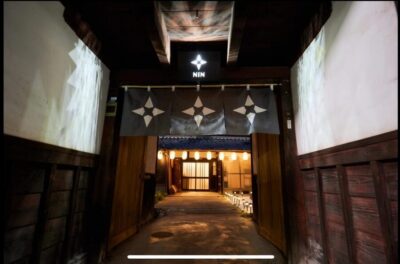
Your meeting point is Ninja Dojo and Store Kyoto, at 528 Hakurakutencho, 2F, in Kyoto’s Shimogyo Ward. The start time given for this experience is 10:00 a.m., and the class finishes back at the same place.
Plan to arrive about 15 minutes early. You will leave your shoes at the entrance, use the provided slippers, and go upstairs to the dojo. That small change of footwear helps set the mood. You are leaving ordinary Kyoto sightseeing behind and entering a room built for practice, demonstrations, and photos.
Sho has welcomed some classes at the door, along with other staff members who help with clothing and photography. The Sensei leads the training. The exact instructor may vary, so you should not book this expecting one named teacher every time, but the teaching team is described as patient, funny, and comfortable working in English.
The dojo also has a store. You can look around before or after class, and it gives you a chance to buy a ninja-themed souvenir without adding another stop to your day. Since the class ends where it begins, it is easy to continue sightseeing in central Kyoto afterward.
A few more Kyoto tours and experiences worth a look

Changing into full ninja clothing
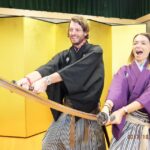
The clothing rental is included in the price, and it is a key part of the experience rather than a minor extra. You dress in the dojo’s ninja attire before the lesson begins. Staff members assist when needed, which is useful if you are bringing children or have never handled this sort of costume before.
The outfit makes the class feel more like an event and gives your family or group a clear visual memory of the day. Several people have also appreciated photos and short videos taken during the training. In some cases, these were sent to an email address through Google Photos on the same day.
I would still treat the photography as a welcome possibility, not the main reason to book. The supplied details do not promise a photo package, and the focus of the class is hands-on instruction. Bring an email address you can access if staff offer to send images.
Meditation, breathing, and the ninja mindset
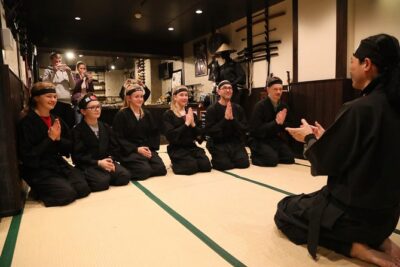
The lesson begins with quieter skills. You learn about ninja meditation, known as Kuji-In, along with breathing techniques. This gives the class more depth than a simple costume session with foam swords.
You also practice ninja walking. That may sound amusing, and it is, but it helps explain how movement, balance, quiet steps, and body control fit into the traditional image of the ninja. The Sensei demonstrates the movements before you try them, so complete beginners can take part without prior martial-arts training.
This opening section is especially useful for adults who want some cultural context. It also gives younger children a calmer start before the more exciting target activities. One limitation is that the supplied information does not set out a detailed historical lecture. If ninja history is your main interest, ask questions during the class, since the experience gives you techniques and philosophy but may not cover every historical topic in depth.
The ninja trick house and its hidden mechanisms
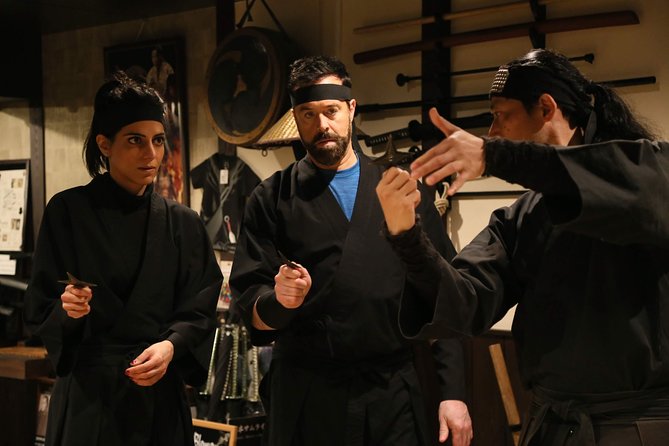
A portion of the class introduces the gimmicks and traps associated with a ninja trick house. This is one of the more unusual parts of the program because it shifts your attention from weapons to the design of the ninja environment.
You get an introduction to how such tricks and traps work. The information provided does not describe every mechanism or say how long this section lasts, so expect an overview rather than a full visit to a large maze of secret rooms. Still, it adds variety and helps connect the physical skills to the popular image of ninja strategy.
For children, this can be one of the easiest sections to understand. For adults, it offers a useful reminder that ninja training was not only about fighting. Concealment, movement, timing, and clever use of a space are also part of the story.
Sword training and the first weapons
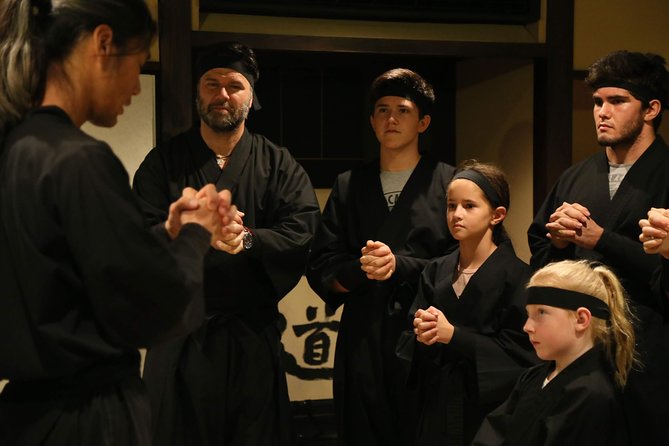
The sword segment is one of the central activities. The Sensei explains how to wield a ninja sword, demonstrates the movement, and gives you time to practice. You should expect instruction aimed at beginners, not a formal martial-arts qualification.
The class also introduces the kunai, a dagger-shaped tool associated with ninja culture. You have the chance to handle and practice with the equipment under supervision. The exact setup for each weapon can vary, but the experience is built around demonstrations followed by your own attempts.
This is where the small class matters most. With no more than six people, the instructor has a better chance to see your stance and offer corrections. A large group would make this kind of activity slower and less personal.
The equipment is described in the supplied material as authentic weapons rather than toys, so you should listen carefully and follow every safety instruction. That detail is important for families. The class is designed to be fun, but the tools still deserve respect.
A few more Kyoto tours and experiences worth a look



Shuriken, ropes, sickles, and blow darts
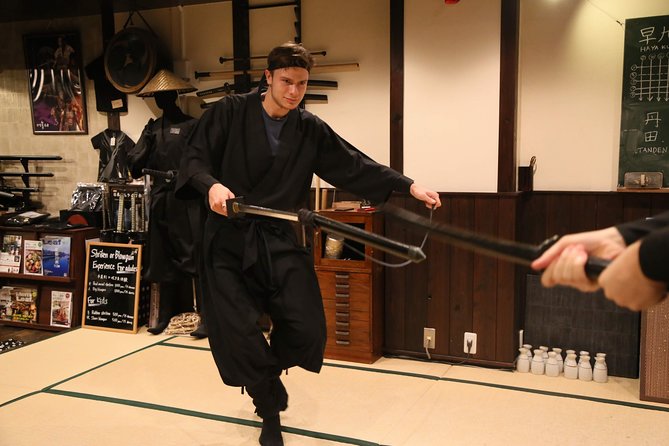
The lesson covers an unusually long list of techniques for a two-hour class. You may work with:
- Ninja sword
- Shuriken, or ninja stars
- Kunai
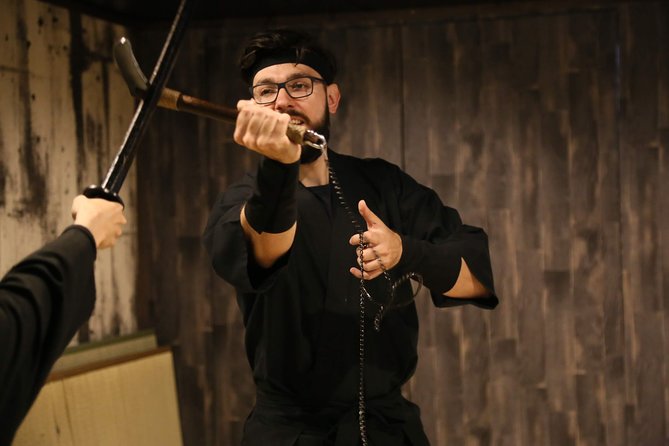
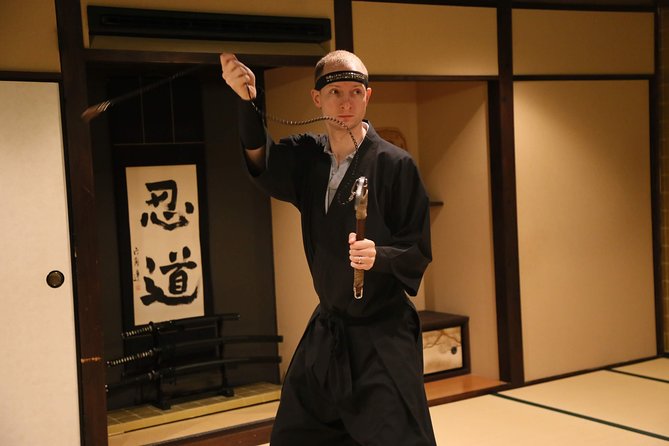
- Kusarigama, a sickle with a chain
- Rope techniques
- Kunai with rope
- Stick-type shuriken
- Ninja blowgun and blow darts
- Ninja sword combined with shuriken practice
You should not expect the same amount of time with every item. The class needs to demonstrate each technique, explain safe handling, and allow participants to try it. The value comes from the variety and the chance to see how different tools were used, not from mastering any single weapon in two hours.
The target work with shuriken and blow darts is likely to be a favorite for many families and first-time participants. It gives you a clear goal and immediate feedback. The sword and rope sections require more body control, while the throwing and blowgun activities offer a satisfying change of pace.
The kusarigama is especially memorable because it looks and moves unlike the other equipment. It is also the sort of tool that demands careful instruction. You will be shown what to do, but you should not rush through the movements or treat the equipment as a toy.
Why the small class improves the lesson
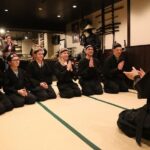
A maximum of six participants is a real advantage here. The class can include a solo visitor, a couple, or a family group, and the smaller size helps the Sensei keep the session active instead of turning it into a demonstration from the back row.
Families with children from about five to twelve have taken part, and older children and teenagers also fit the format. Adults should not assume this is only for boys or young children. Couples in their 50s have enjoyed it, and the class can be accessible even if you are not especially limber.
That said, you will be moving, kneeling, balancing, and handling equipment. The activity is not presented as a strenuous fitness class, but it is still more physical than watching a performance. If you have mobility concerns, check your own comfort level before booking. The provided information says most people can participate, and service animals are allowed.
The instructor’s style seems to be an important part of the experience. The teaching balances humor with discipline, which keeps the class from feeling either stiff or careless. Good English instruction also matters because the activities depend on understanding movement and safety directions.
Is $95.51 a fair price?
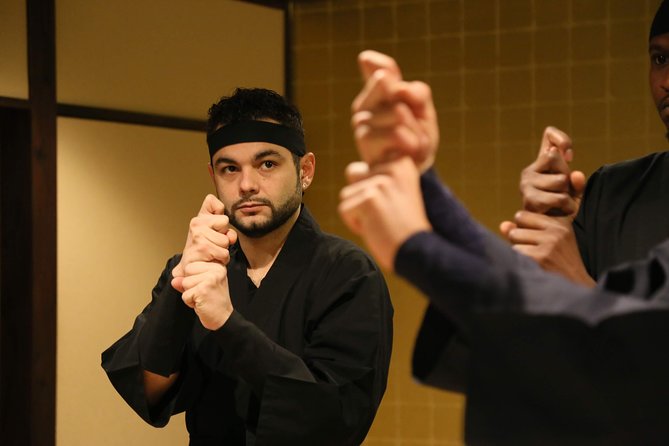
At $95.51 per person, this is not a bargain activity. A family of four will spend more than $380 before food or transportation, so you should compare it with other paid attractions in your Kyoto schedule.
The price makes more sense if you value direct participation. You are paying for a two-hour small-group lesson, English instruction from a Japanese Sensei, clothing rental, admission, access to a broad selection of training tools, and the use of the dojo. If staff provide photos and videos, those add extra value, though they should not be assumed as a guaranteed inclusion.
I would recommend it more readily for people who are fascinated by ninja culture, families seeking one special shared activity, and solo visitors who want something different from temples and museums. If you only want a quick costume photo, the price may feel high. If you want to learn movements, try several weapons, and take home a memorable story, the cost is easier to justify.
Who will enjoy it most?
This lesson works best for:
- Families with children and teenagers
- Couples who want a playful activity between cultural sights
- Solo visitors looking for a social class
- First-time participants with no martial-arts background
- People interested in ninja tools, movement, and meditation
- Anyone who wants photos in full ninja clothing
The class is not limited to children. Adults can enjoy the humor and the technical explanations, especially if they approach it as a cultural workshop rather than a theme-park ride.
The main mismatch would be someone seeking an academic course on ninja history. You will learn about techniques and the ninja way of thinking, but the listed program gives more space to practice than to a long historical talk. One participant wanted more history, so you may need to ask questions to get the background you want.
Practical details before you book
The activity lasts approximately two hours and uses a mobile ticket. Confirmation is provided at booking. The meeting point is near public transportation, but hotel pickup and drop-off are not included, so you need to reach the dojo on your own.
Food and drinks are also not included. The morning start means you should eat beforehand or plan a meal afterward. Since the activity ends back at the dojo, you can combine it with nearby sightseeing without arranging a second pickup point.
Free cancellation is available if you cancel at least 24 hours before the local start time. Cancellations inside 24 hours are not refunded, and changes inside that period are not accepted. The activity can also be canceled if the minimum number is not reached or if poor weather affects operation. In those cases, you are offered another date or experience, or a full refund.
The experience is listed as suitable for most people, and service animals are allowed. No separate age limit is provided, but children as young as five have participated successfully according to the supplied details.
Should you book the Kyoto ninja lesson?
Book this if you want an active, funny, highly visual break from Kyoto’s temples and gardens. The clothing, small class, patient English instruction, and wide range of techniques give the two hours a clear sense of purpose. You are not simply posing with a plastic sword. You learn meditation, movement, weapon handling, and a little about the ninja mindset.
I would especially choose it for a family that wants one shared memory. It also works well for a solo visitor because the small group gives you company without the feel of a large tour. At $95.51, it is a splurge, but the personal instruction and hands-on format make it easier to defend than a short photo-only attraction.
Skip it if your priority is a detailed study of ninja history, a low-cost activity, or a quiet Kyoto morning. For everyone else, this is a lively and unusual way to spend two hours, with enough substance to make the fun feel worthwhile.
FAQ
Where does the ninja lesson take place?
The lesson takes place at NINJA Dojo and Store Kyoto, 528 Hakurakutencho, 2F, in Kyoto’s Shimogyo Ward, postal code 600-8422.
What time does the activity start?
The listed start time is 10:00 a.m.
How long does the ninja lesson last?
The activity lasts approximately two hours.
How many people can join the class?
The class has a maximum of six participants.
Is ninja clothing included?
Yes. Ninja clothing rental during the training is included in the price.
Is the lesson taught in English?
Yes. A Japanese Sensei who has trained in ninja arts teaches the lesson in English.
What weapons and techniques are included?
The program includes ninja meditation, breathing, walking, a trick-house introduction, sword training, kunai, kusarigama, rope techniques, shuriken, stick-type shuriken, and a blowgun with darts.
Can I cancel for a full refund?
Yes, if you cancel at least 24 hours before the experience start time. Cancellations made less than 24 hours before the start time are not refunded.
More 2-Hour Experiences in Kyoto



More Workshops & Classes in Kyoto
More Samurai & Kendo Experiences in Kyoto
More tours in Kyoto we've reviewed











Samurai & Kendo Experiences, compared.
 ★ 5.0Kyoto Samurai ExperienceFrom $119
 ★ 4.9Kyoto: Kendo and Samurai Experience with Uniform and GearFrom $1032 hours
 ★ 4.5Skip the lines Basic Ticket at SAMURAI NINJA MUSEUM KYOTOFrom $28
 ★ 4.9Kyoto: Samurai Class, Become a Samurai WarriorFrom $70
 ★ 5.0Ninja 1-hour Hands-on Lesson by Japanese master in Kyoto -EntryFrom $80
 ★ 4.8Kyoto: Ninja Weapon Forging ExperienceFrom $1482h 30m