
Reviewed · SAMURAI & KENDO EXPERIENCES
Kyoto 2 Hours Genuine Kendo / Samurai Experience In Japan
Kendo is more than hitting with a bamboo sword. In this two-hour Kyoto dojo class, you learn the bowing, footwork, rules, armor, and discipline behind the Japanese art. Instructor Takahiro Hayashi and other experienced teachers explain each step in English, making this a practical introduction rather than a quick photo session.
I like the easy meeting point at Hanazono Station and the short walk to the dojo. I also like that the class moves from warm-up and basic movements to strikes on a dummy and, when suitable, a friendly match. The main consideration is physical effort: kendo armor gets hot, and you should have moderate fitness for the workout.
In This Review
- Key points
- Meeting at Hanazono Station at 10:00
- Starting with manners instead of movie-style swordplay
- Warm-up and footwork before the armor
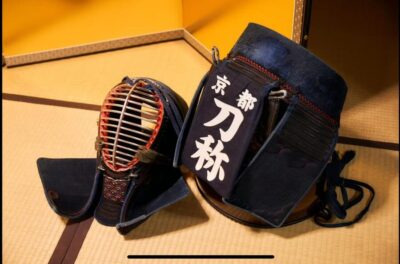
- Putting on kendo armor and learning the equipment
- From dummy practice to a friendly match
- Learning from Takahiro Hayashi and an experienced kendo school
- What the two-hour schedule gives you for $118.89
- Why the etiquette and history matter
- What to wear and bring to Hanazono
- Who will enjoy this Kyoto kendo class
- Cancellation and planning details
- Should you book this kendo experience?
- FAQ
- Where does the kendo experience start?
- What time does the class begin?
- How long does the kendo experience last?
- Where does the experience end?
- Is equipment included?
- Is a towel provided?
- Is bottled water included?
- Is hotel pickup included?
- Is food included?
- What level of fitness is needed?
- How many people can join the class?
- Can I cancel for a refund?
Key points
- Meet at Hanazono Station: Your instructor meets you at the station, then walks less than five minutes to the dojo.
- Learn the culture behind kendo: Bowing, manners, terminology, rules, and the idea of lifelong practice are part of the lesson.
- Use real protective equipment: Armor and bamboo swords are supplied, so you do not need to bring special gear.
- Practice in a clear progression: Expect warm-up exercises, footwork, basic strikes, dummy practice, and possibly a match.
- Learn from experienced teachers: The school has more than 40 years of kendo experience, and a 7th Dan master leads instruction.
- Plan for heat: Water and a towel are included, but breathable clothing and extra personal water are sensible choices.
Meeting at Hanazono Station at 10:00
The class begins at 10:00 am at Hanazono Station on the San-In Line. This is a useful meeting point because you do not have to hunt for an unfamiliar dojo on your own. Your instructor meets you at the station and walks with you to the training hall, which is less than five minutes away.
That short walk matters. Kyoto has plenty of activities where the hardest part is finding the entrance. Here, the handoff from train station to dojo is simple, and the route is close enough to keep the morning relaxed. The experience ends back at the same meeting point, so you can continue sightseeing without arranging a separate return transfer.
There is no hotel pickup or drop-off. You pay for your own transportation to Hanazono Station, and food is not included. If you are staying elsewhere in Kyoto, check the rail route before booking and allow time to reach the station. The class has a maximum of 30 people, so the possible group size is worth noting if personal coaching is important to you.
A few more Kyoto tours and experiences worth a look
Starting with manners instead of movie-style swordplay
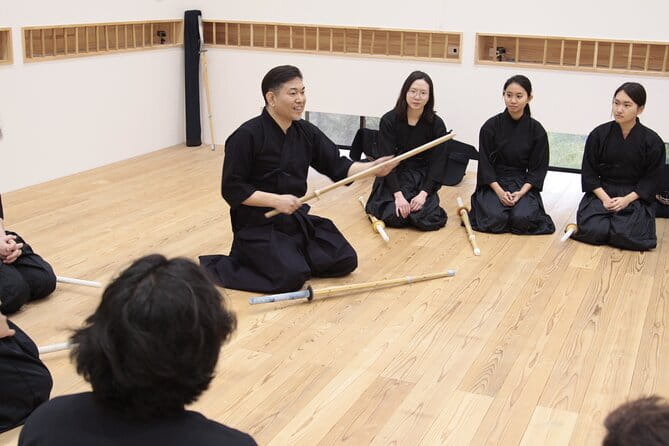
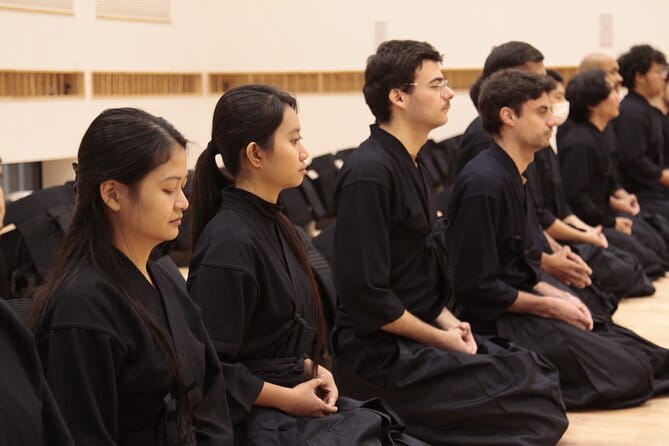
Kendo is often presented in films as fast sword fighting. The real lesson starts more quietly. You learn how to bow, how to behave in the dojo, and why manners matter before you begin swinging a sword.
The class also introduces basic kendo terms and rules. This gives the movements a purpose. You are not simply copying a pose for a photograph. You begin to understand how spirit, skill, and body work together in practice.
The school describes kendo through three ideas: unifying your spirit, maintaining manners, and following a lifelong path of practice. Those themes may sound grand for a two-hour introduction, but they help explain why the class includes etiquette and discipline along with physical technique.
I especially like this part for first-time visitors. You get a small piece of Japanese martial-arts culture, not just a costume and a staged performance. The lesson keeps the cultural background connected to what you are doing with your feet, hands, and voice.
Warm-up and footwork before the armor
Expect a warm-up before you handle the bamboo sword. The exercises prepare you for the movement and help the teacher see how comfortably you follow instructions.
Footwork comes early, and that is a good choice. Kendo technique depends on movement, balance, timing, and posture. If you begin with the sword alone, it is easy to focus on the object and ignore the rest of your body.
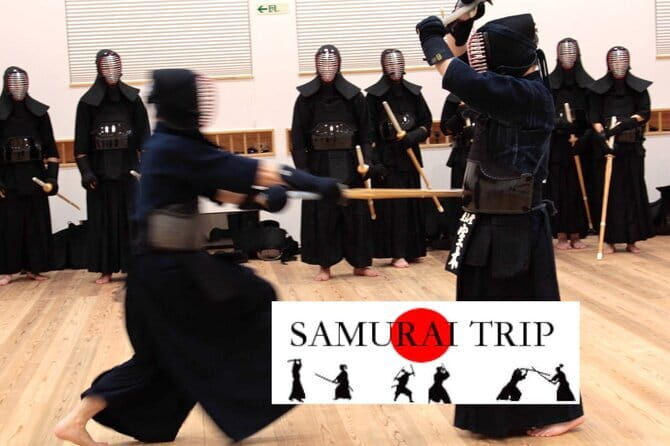
The teaching progression is clear. You start with the basic movements, then learn how to use the weapon on a practice dummy. This gives you time to understand the motion before facing another person.
You should not expect a relaxed sightseeing activity. The class is short, but it is still a workout. The outfit and armor can become hot, especially as the session continues. The provided towel and bottled water are useful, and you may want to bring a second towel or extra water for comfort.
Putting on kendo armor and learning the equipment
Equipment rental is included, which makes booking easier. You do not need to pack protective gear or know what to rent. The instructors guide you through the equipment and explain how it is used.
For many people, putting on the armor is one of the most memorable parts of the class. It changes the activity from watching a martial art to taking part in one. The armor also gives you a better sense of why posture, controlled movement, and correct strikes matter.
You will use a bamboo sword rather than a sharp weapon. That makes this suitable as an introduction, though you still need to listen closely and follow the teacher’s instructions. Kendo is controlled practice, not free-form play.
The equipment also adds some practical weight and heat. If you are sensitive to warm clothing or intense exercise, keep that in mind. The requirement for moderate physical fitness is not just fine print. You will be moving, sweating, and wearing gear.
From dummy practice to a friendly match
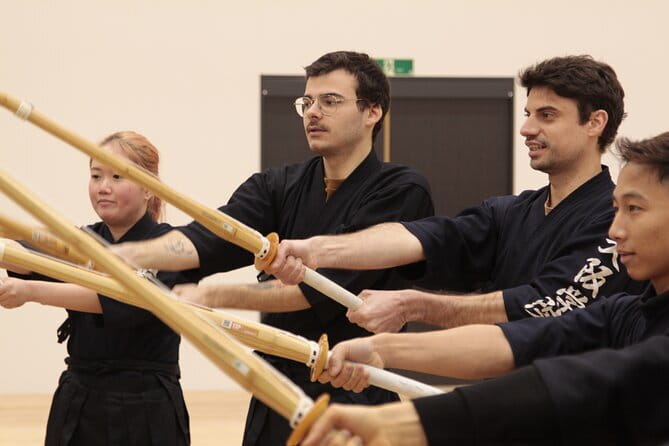
Once you have learned the basic technique, the class can move to practice against a dummy. This is a useful bridge between instruction and sparring. You can work on the movement without worrying about another person’s timing.
The final stage may include a match against another participant or the instructor. Several visitors had the chance to face the sensei, and that can be an exciting part of the session when the group and lesson pace allow it. It also gives you a taste of kendo’s competitive side without pretending that two hours makes you an expert.
The match should be viewed as a guided finale, not a serious tournament. You are still learning the rules and fundamental techniques. The teacher’s role is to keep the exercise safe, clear, and fun.
This progression is one of the strongest reasons to book the experience. You begin with manners and footwork, add the sword, use a dummy, and then test your new skills in a controlled setting. Each stage prepares you for the next.
A few more Kyoto tours and experiences worth a look

Learning from Takahiro Hayashi and an experienced kendo school
Instructor Takahiro Hayashi is named as one of the teachers, and his upbeat approach works well for families and beginners. He is described as friendly, patient, and willing to help with photos and videos, which is useful if you want a record of the experience without turning the whole class into a photo stop.
The teaching team has more than 40 years of kendo history, and a 7th Dan master is part of the instruction. That level of experience gives the lesson a firm connection to serious practice. At the same time, the class is designed for people who may never have held a shinai, the bamboo sword used in kendo.
English instruction is a major practical benefit. Kendo terms and etiquette can be difficult to understand through gestures alone. Here, the instructor has experience teaching in English and can break down the concepts in simple terms.
You should still expect some new vocabulary and unfamiliar movements. The class is an introduction, not a complete language lesson or certification course. Ask questions when you need help, and do not worry about looking awkward at first. Everyone has to learn the footwork somewhere.
What the two-hour schedule gives you for $118.89
At $118.89 per person, this is not a cheap add-on activity. Its value depends on what you want from Kyoto. If you only want to hold a sword for a few minutes, the price will feel high. If you want instruction, equipment, cultural context, and a real practice session, the cost is easier to justify.
The fee includes all kendo equipment, a towel, and bottled water. You are paying for the teacher’s time, the dojo setting, and a structured lesson rather than simply renting gear. The two-hour duration is long enough to move beyond a demonstration while still fitting into a sightseeing day.
The value is also stronger if you are traveling with family or friends who want to do something together. One family described the class as a highlight of the trip, and the activity can work for different ages as long as everyone has moderate fitness and can follow instructions.
The possible weakness is the group cap of 30. A full class could mean less individual attention than a private lesson. The available feedback includes experiences with small groups, but you should not assume every date will have the same number of people. If one-to-one coaching is your main goal, ask the provider about the expected group size before booking.
Why the etiquette and history matter
Kendo grew from Japanese sword traditions, but the class is not simply about recreating samurai combat. The bowing, rules, and controlled behavior are part of the art itself.
That cultural context makes the physical practice more meaningful. When you learn why you bow and how you address the space, you see that kendo places as much weight on conduct as on winning. The idea of lifelong kendo also shifts the focus away from a quick victory.
You will not master those ideas in one morning. You can, however, leave with a better understanding of why a kendo practice looks so formal and why teachers emphasize manners. That is a worthwhile souvenir, especially if you have already seen temples, gardens, and historic streets and want a more active way to connect with Japanese culture.
What to wear and bring to Hanazono
The supplied equipment covers the important items, but you should dress for movement and heat. Moderate fitness is expected, and the armor can become warm during practice.
Water is provided, along with a kendo towel. Bring your own towel if you prefer a larger one, and consider carrying additional water for before or after class. You do not receive food, so eat before the 10:00 am start if you need a proper breakfast.
A mobile ticket is provided, making the booking record easy to carry on your phone. Confirmation is received at booking. Keep the meeting details available so you can find Hanazono Station without delay.
The activity is near public transportation, but hotel transport is not included. Plan your rail journey ahead of time, especially if you are crossing Kyoto from the opposite side of the city.
Who will enjoy this Kyoto kendo class
I would choose this experience if you want a hands-on cultural activity with clear instruction. It suits first-time visitors, families, couples, and anyone curious about Japanese martial arts but unsure where to begin.
It is also a good match for people who value authentic settings over theatrical shows. You practice in a dojo, learn etiquette, and use the same basic training structure that begins with body control and manners.
You may want to skip it if you dislike exercise, heat, or structured instruction. This is not a passive cultural talk. It asks you to move, wear armor, handle a bamboo sword, and pay attention to rules.
It may also be less appealing if you want a long history lecture or advanced combat training. The history and spiritual ideas are included, but the main focus is an active beginner lesson over about two hours.
Cancellation and planning details
You can cancel for a full refund up to 24 hours before the local start time. Cancellations or changes made less than 24 hours before the experience are not accepted for a refund.
Because the class begins at a fixed time and the instructor meets you at the station, arrive with enough time to find the correct platform and meeting point. The activity ends at Hanazono Station, so you can plan another Kyoto stop afterward.
Should you book this kendo experience?
Book it if you want to do more than look at samurai history from the outside. The class gives you a real introduction to kendo through bowing, footwork, armor, bamboo-sword drills, and a possible match.
The best reasons to choose it are the English-friendly instruction, the station meeting point, the included equipment, and the step-by-step teaching. Takahiro Hayashi’s patient, lively style also makes the class less intimidating for beginners.
Think twice if you want a quiet morning or a private lesson. The armor gets hot, the activity requires moderate fitness, and the group can reach 30 people. For most visitors seeking an active and respectful cultural experience near central Kyoto, though, the $118.89 price buys far more than a staged samurai photo.
FAQ
Where does the kendo experience start?
The experience starts at Hanazono Station, Hanazonoteranouchicho, Ukyo Ward, Kyoto, 616-8043, Japan.
What time does the class begin?
The scheduled start time is 10:00 am.
How long does the kendo experience last?
The activity lasts approximately two hours.
Where does the experience end?
The activity ends back at the meeting point at Hanazono Station.
Is equipment included?
Yes. All kendo equipment is included in the price.
Is a towel provided?
Yes. A free kendo towel is included.
Is bottled water included?
Yes. Bottled water is provided during the experience.
Is hotel pickup included?
No. Hotel pickup and drop-off are not included. You meet the instructor at Hanazono Station.
Is food included?
No. Food is not included in the activity.
What level of fitness is needed?
Participants should have a moderate level of physical fitness. The class includes movement and can become hot while wearing the kendo outfit and armor.
How many people can join the class?
The maximum group size is 30 people.
Can I cancel for a refund?
Yes. You can cancel at least 24 hours before the local start time for a full refund. Cancellations or changes made less than 24 hours before the start time are not accepted for a refund.
More 2-Hour Experiences in Kyoto
More Samurai & Kendo Experiences in Kyoto
More tours in Kyoto we've reviewed



Samurai & Kendo Experiences, compared.
 ★ 5.0Kyoto Samurai ExperienceFrom $119
 ★ 4.9Kyoto: Kendo and Samurai Experience with Uniform and GearFrom $1032 hours
 ★ 4.5Skip the lines Basic Ticket at SAMURAI NINJA MUSEUM KYOTOFrom $28
 ★ 4.9Kyoto: Samurai Class, Become a Samurai WarriorFrom $70
 ★ 5.0Ninja 1-hour Hands-on Lesson by Japanese master in Kyoto -EntryFrom $80
 ★ 4.8Kyoto: Ninja Weapon Forging ExperienceFrom $1482h 30m