
Reviewed · TEA CEREMONY EXPERIENCES
Kyoto: Arashiyama Bamboo, Matcha, Monkeys & Temple Tour
Arashiyama packs Kyoto’s best contrasts into one walk: Zen gardens and temple roofs, towering bamboo, a sweet matcha break, and wild macaques above the city. This four-hour tour is a smart way to cover the district’s main sights without spending half your day figuring out the route.
I like the blend of culture and nature, especially Tenryu-ji’s garden followed by the Bamboo Grove. I also like the guides’ practical touch, from taking group photos to swapping matcha for ice cream or hot chocolate when available. The main drawback is the uphill walk to Monkey Park, which takes about 20 minutes and can feel tough in warm weather or for anyone with mobility limits.
In This Review
- Key points to know before booking
- Starting beside Randen Arashiyama Station
- Tenryu-ji begins the cultural side
- The Bamboo Grove, beautiful but busy
- Nonomiya Shrine adds a quieter pause
- Matcha, with room for a change
- Crossing Togetsu-kyo Bridge
- Monkey Park Iwatayama requires effort
- Guides make the difference
- Is $51 a fair price?
- Who should book this Arashiyama walk?
- Should you book it?
- FAQ
- Where does the Arashiyama tour meet?
- How long does the tour last?
- What does the price include?
- Is the tour offered in Italian?
- How difficult is the Monkey Park walk?
- Is the tour suitable for wheelchair users or baby strollers?
Key points to know before booking
- Early starts make the bamboo grove far more pleasant: The 8:30 tour has been praised for avoiding the heaviest crowds.
- The Monkey Park climb is real: Expect a short but steady uphill hike, not a flat stroll through an animal enclosure.
- Guides add much more than directions: Tim, Shin, Nay, Chelsea, Gabriele, and others are praised for clear stories, local knowledge, and help with photos.
- Your $51 includes useful admissions: Tenryu-ji, Monkey Park, and one Uji matcha drink are covered.
- Arashiyama is excellent for before or after-tour browsing: Save shopping for afterward so you do not carry purchases up to the monkeys.
- This is a walking tour, not a mobility-friendly outing: Stairs at temple and shrine areas, plus the Monkey Park climb, make comfortable shoes essential.
Starting beside Randen Arashiyama Station
You meet in front of Tully’s Coffee at the Randen Arashiyama Station Shop. That is a clear landmark in a busy sightseeing district, but give yourself time to find it, especially if you arrive by a different rail line or bus.
The tour returns to the same spot, which makes the morning easy to plan. You can continue exploring Arashiyama afterward, shop for crafts and snacks, or settle into a restaurant without needing to work out a second meeting point.
The official duration is four hours, though one solo visitor described covering the main sights in closer to three hours. The actual pace depends on the group, photo stops, questions, and how long the guide spends at each site. Think of this as a focused half-day introduction rather than a slow, private tour.
A few more Kyoto tours and experiences worth a look
Tenryu-ji begins the cultural side
The first major stop is Tenryu-ji Temple, where the entry fee is included. You get about 30 minutes with the guide, enough to see the key areas and understand why this temple matters without turning the visit into a long lecture.
The real pleasure here is the Zen garden. Its carefully arranged pond, rocks, trees, and borrowed mountain views give you a quiet opening before the crowds and photo stops of the Bamboo Grove. Your guide can also explain the religious ideas and visual choices behind the temple grounds, details that are easy to miss when walking alone.
I would not expect 30 minutes to cover every corner of Tenryu-ji. If you want a thorough temple visit, return after the tour and spend more time on your own. Still, as an introduction, this stop gives the rest of the walk useful context.
Guides have different styles, and that can shape the experience. Tim is repeatedly praised for stories, patience, and helping people feel like a group. Shin is noted for answering questions in an easygoing way, while Gabriele has been praised for keeping the pace comfortable and waiting for everyone before explaining the next point.
The Bamboo Grove, beautiful but busy
From Tenryu-ji, the route moves into Arashiyama and then the famous Bamboo Forest. The guided portion in Arashiyama lasts about 20 minutes, followed by roughly 45 minutes for photos and sightseeing in the bamboo.
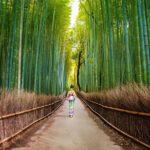
The bamboo is tall, graceful, and genuinely striking. Sunlight filters between the green stalks, and the narrow path gives the scene a calm look even when many people are present. You will have time for photographs, and several guides are praised for taking pictures instead of leaving couples and solo visitors to rely on selfies.
Here is the practical truth: the grove is one of Kyoto’s busiest photo spots. The earliest available start is the best choice. A visitor who took the 8:30 departure found it much quieter at the beginning, with crowds building by the time the group finished. Another guide knew a less crowded bamboo section that worked especially well for photographs.
Do not expect the entire forest to be empty. The value of the guide is knowing where to pause, how to move through the area, and what details to notice. You may hear about local beliefs, mythological creatures, and the cultural meaning of the sites around the grove, rather than simply walking through a photogenic corridor.
The route is mostly gentle at this point, but you are on your feet for much of the tour. Wear shoes that can handle several hours of pavement, temple grounds, and the later hill to Monkey Park.
Nonomiya Shrine adds a quieter pause
Nonomiya Shrine is a small, tranquil stop after the bamboo. The visit lasts about 15 minutes, so you will not linger for a long independent exploration. Instead, the guide explains what makes the shrine important and points out details you might pass without noticing.
This is a good change of rhythm. Tenryu-ji gives you a broad temple garden, the bamboo gives you the iconic scenery, and Nonomiya offers a more intimate shrine setting. The short visit also keeps the tour moving toward the food and nature portions.
The tour’s cultural explanations are one of its strongest features. Chelsea has been praised for explaining Japanese culture and history clearly, while Nay is noted for strong English and enthusiastic delivery. If you like asking questions about religion, folklore, or daily life in Japan, this is the part of the tour where a good guide can add real value.
Matcha, with room for a change
The included refreshment is one Uji matcha drink. It gives you a chance to try a major Kyoto specialty during the walk rather than adding another café stop to your schedule.
Matcha is not for everyone. Some people enjoy its grassy, slightly bitter taste, while others prefer something sweeter. In several cases, guides allowed participants who did not like matcha to change the drink for ice cream, hot chocolate, shaved ice, or another treat. That flexibility is useful, but it is not guaranteed as a formal inclusion, so ask your guide on the day.
The food stop also helps break up the sightseeing. You have already visited a temple, walked through bamboo, and stopped at a shrine. A drink or small sweet gives you a moment to rest before crossing the bridge and tackling the hill.
Some tour descriptions and individual experiences also include food tasting or local shop visits. The confirmed inclusion is one Uji matcha drink, so treat additional tastings as possible extras rather than part of the fixed promise.
A few more Kyoto tours and experiences worth a look
Crossing Togetsu-kyo Bridge
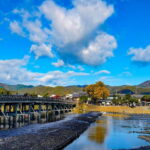
The route includes Togetsu-kyo Bridge, one of Arashiyama’s best-known landmarks. The bridge gives you an open view after the enclosed bamboo paths and temple gardens.
This is a simple stop, but it helps you understand the district’s layout. Arashiyama is not only a bamboo grove. It is a broad sightseeing area with temples, shrines, shops, food stalls, a river crossing, and the Monkey Park on the opposite side.
You will have time for photographs, but the tour is designed to keep moving. If the bridge view grabs you, note where you are and return after the tour. The area around the meeting point is worth extra time for souvenirs, food, and crafts.
Monkey Park Iwatayama requires effort
Monkey Park is the finale, and for many people it is the tour’s most memorable stop. The admission fee is included, and you spend about an hour at the park with the guide.
The important detail is the climb. The walk uphill takes roughly 20 minutes and has been described as challenging. It is not an extreme mountain hike, but it is enough to make you sweat, especially in summer or if you have already spent the morning walking. Bring water, wear comfortable shoes, and pace yourself.
At the top, you can see Japanese macaques in their natural setting and enjoy broad views over Kyoto. The monkeys are wild animals, so follow the park’s instructions and keep a sensible distance. The experience feels different from a zoo because the climb and open setting are part of the visit.
Mobility matters here. The tour is not suitable for wheelchair users, and it may be awkward with a baby stroller. A stroller must be left near the entrance before the climb, and temple and shrine areas also have some stairs. If hills or uneven walking are a concern, you may enjoy the first half but find the final stop demanding.
One useful planning tip is to shop after the tour. Carrying souvenirs up the Monkey Park hill is needless work. Since the tour returns to Tully’s Coffee, you can browse Arashiyama’s shops afterward with lighter hands.
Guides make the difference
The experience uses English-speaking guides, with Italian guide availability requiring a message to the provider. The names appearing in guest feedback include Tim, Shin, Nay, Chelsea, Gabriele, Sophie, Amelie, Amy, Mehrab, Yuvia, Kenta, Thunder, Pedro, and others.
The strongest pattern is not one particular guide but the service style. Guides are praised for explaining temple history, answering questions, keeping the group together, adjusting the pace, and taking photos. Several have helped people who were late or lost, though you should still arrive at the meeting point on time.
The tour can feel relaxed even though it covers a lot. One guide waited for slower walkers before speaking, and another adjusted the pace to suit the group. That matters on a route with both sightseeing stops and a hill climb.
Do keep expectations realistic. A shared walking tour cannot offer unlimited time at each site. If your group is especially interested in photography, shopping, or temple architecture, you may want to return independently after the main route.
Is $51 a fair price?
At $51 per person, the tour offers solid value if you want a guided overview of Arashiyama. The price includes Tenryu-ji admission, Monkey Park admission, and a matcha drink. It also saves you the time and effort of connecting the major sights yourself.
The value depends on what you normally do in Kyoto. If you are happy reading signs and navigating on your own, you can visit the bamboo grove, bridge, shrine, and surrounding streets without booking a tour. You would then have more control over timing and could spend longer at Tenryu-ji or shop whenever you wish.
I would pay for this tour if Arashiyama is your first visit, your schedule is tight, or you want cultural explanation rather than a string of photographs. The guide’s stories, local tips, and photo help are the main reasons to book, not transportation. This is a walking tour, and you are responsible for getting to the starting point.
Free cancellation up to 24 hours ahead and the option to reserve now and pay later make it easier to fit into a changing Japan itinerary. Starting times vary, so check the available departures and choose the earliest one you can manage.
Who should book this Arashiyama walk?
This tour suits first-time Kyoto visitors who want several major sights in one half-day. It also works well for solo visitors, couples who want proper photos, and anyone who prefers a guide to explain religious sites and local customs.
Families with older children may enjoy the monkeys and the variety of stops. Very young children in strollers may have a harder time because of stairs and the Monkey Park climb.
You should be comfortable walking for four hours, standing at sightseeing stops, and climbing uphill. Anyone with mobility issues should consider skipping the tour or confirming in advance whether the Monkey Park section can be omitted.
Should you book it?
Book this tour if you want efficient coverage of Arashiyama with temple context, bamboo scenery, matcha, and monkeys in one outing. Choose an early departure, carry water, and save shopping for afterward.
Skip it if you prefer a slow private visit, dislike hills, or want extended time inside each temple. For most first-time visitors who can manage the walk, the combination of included admissions, thoughtful guides, and a strong mix of culture and nature makes $51 a sensible Kyoto spend.
FAQ
Where does the Arashiyama tour meet?
Meet in front of Tully’s Coffee Randen Arashiyama Station Shop. The tour also returns to this location.
How long does the tour last?
The scheduled duration is four hours. The pace can vary depending on the group, stops, questions, and photo time.
What does the price include?
The price includes an English-speaking guide, entry to Tenryu-ji Temple, one Uji matcha drink, and admission to Monkey Park.
Is the tour offered in Italian?
English is the confirmed tour language. Italian-speaking guide availability must be checked with the provider before booking.
How difficult is the Monkey Park walk?
The uphill walk to Monkey Park takes about 20 minutes and can be challenging. Comfortable shoes and water are recommended.
Is the tour suitable for wheelchair users or baby strollers?
The tour is not suitable for wheelchair users. Baby strollers may also be difficult because of stairs at temple and shrine areas, and strollers must be left near the Monkey Park entrance before the uphill walk.
More Golden Pavilion & Temple Tours in Kyoto
More Arashiyama & Bamboo Tours in Kyoto
More Tea Ceremony Experiences in Kyoto
More tours in Kyoto we've reviewed


Tea Ceremony Experiences, compared.
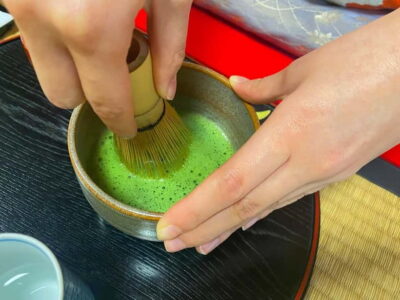 ★ 4.9Kyoto: Tea Ceremony in a Traditional Tea House in KiyomizuFrom $4945 min
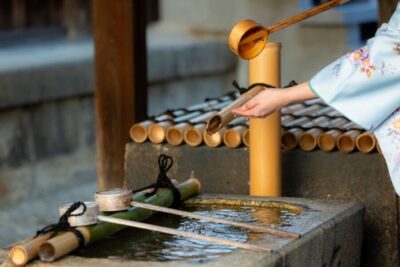 ★ 4.9Kyoto: Tea Ceremony Ju-An at Jotokuji TempleFrom $291h 10m
 ★ 4.3Kyoto: 45-Minute Tea Ceremony Lesson ExperienceFrom $2245 min
 ★ 5.0World Heritage Kyoto & Nara Uji Authentic Matcha ExperienceFrom $129
 ★ 4.9Kyoto: Table-Style Tea Ceremony at a Kyo-MachiyaFrom $451h 30m
 ★ 5.0Kimono Tea Ceremony at Kyoto Maikoya, NISHIKIFrom $65