
Reviewed · GUIDED
Kyoto Highlights 7-Hour Private Guided Tour
Kyoto is easiest to understand when someone helps you connect the dots, and this private seven-hour tour does just that. You can spend the day among bamboo, Zen gardens, golden temple roofs, castle rooms, sake breweries, and shrine gates without trying to solve Kyoto’s transport puzzle alone. Guides including Mie, Choco, Choca, and Mei have been praised for clear English, useful cultural context, and friendly help along the way.
I like the choice between two routes, since you can focus on either Kyoto’s northwest sights or its southeast temples and sake district. I also like that transport, temple admission, and a one-day bus pass are included. The main catch is simple: you must choose one route when booking, and four major stops in seven hours still requires a steady pace.
In This Review
- Key points to know before booking
- Why a private guide helps in Kyoto
- Choosing the northwest route
- Choosing the southeast route
- What seven hours really gives you
- Transport, meeting point, and what is included
- Is $215 per person a fair price?
- Who should choose this Kyoto tour?
- Final verdict: book one route, or try for both?
- FAQ
- Where does the tour begin?
- How long does the tour last?
- Which routes can I choose?
- What does the northwest route include?
- What does the southeast route include?
- Is transportation included?
- Are meals included?
- Is hotel pickup available?
- What is the cancellation policy?
Key points to know before booking
- Two distinct routes: Choose bamboo, Zen gardens, the Golden Pavilion, and a castle or market in the northwest, or sake, Fushimi Inari, Sanjusangendo, Kiyomizudera, and old Kyoto slopes in the southeast.
- Private guiding makes the difference: You can ask questions, adjust the conversation, and get help with local transport instead of following a large group.
- A strong cultural focus: Guides explain temples, gardens, shrines, castle history, sake production, and daily customs rather than simply pointing out buildings.
- Useful starting point: The tour begins at 9:00 from the Hotel Granvia Kyoto in the JR Kyoto Station building.
- Good transport value: Temple admission, transportation during the tour, and a one-day bus pass for later use are included.
- Plan your route carefully: Taking both routes lets you see eight locations at a slower pace, but the information provided does not clearly explain how the second tour is scheduled, so confirm that arrangement before paying.
Why a private guide helps in Kyoto
Kyoto’s major sights are spread across different parts of the city. The Bamboo Grove is far from Fushimi Inari, which is far from Kiyomizudera, and a day spent linking them by yourself can turn into a series of station changes, bus waits, and map checks.
A private guide gives you a person to handle that practical side. You can ask why a garden uses carefully placed stones, what makes a Shinto shrine different from a Buddhist temple, or how Kyoto’s castle relates to the Edo period. That one-on-one setting is especially helpful if this is your first visit to Japan or if you want more than a quick photograph at each stop.
The guides are also a key part of the experience. Mie has been praised for adding historical context and keeping the pace relaxed. Choco and Choca are noted for making the day easy and enjoyable, with Choca also helping guests manage local transport and even pointing out a good ramen place for lunch. Mei is described as lively, informative, and memorable.
Those details matter because Kyoto can feel visually overwhelming. A private guide helps you notice what you are looking at, not just where you are standing.
Other guided tours in Kyoto
Choosing the northwest route
The northwest itinerary has the broadest mix of scenery and famous monuments. It brings together the Bamboo Grove, Ryoanji Temple’s Rock Garden, Kinkakuji, commonly called the Golden Pavilion, and either Nijo Castle or Nishiki Market.
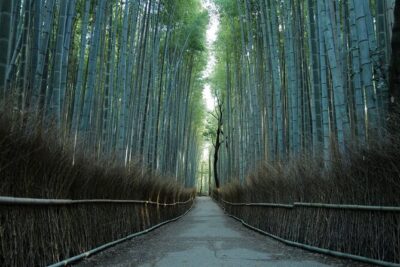
You begin with the Bamboo Grove, one of Kyoto’s most recognizable sights. Tall bamboo creates a narrow green corridor, and the appeal comes from the feeling of entering a different kind of space within the city. It is a strong opening stop because it offers an immediate visual change from the urban streets around Kyoto Station.
The grove is also the part of the route most likely to feel hurried if you linger too long. You have several major stops still ahead, so I would treat it as a focused walk rather than an open-ended wander. Your guide can help keep the timing under control while explaining how the area fits into Kyoto’s broader temple district.
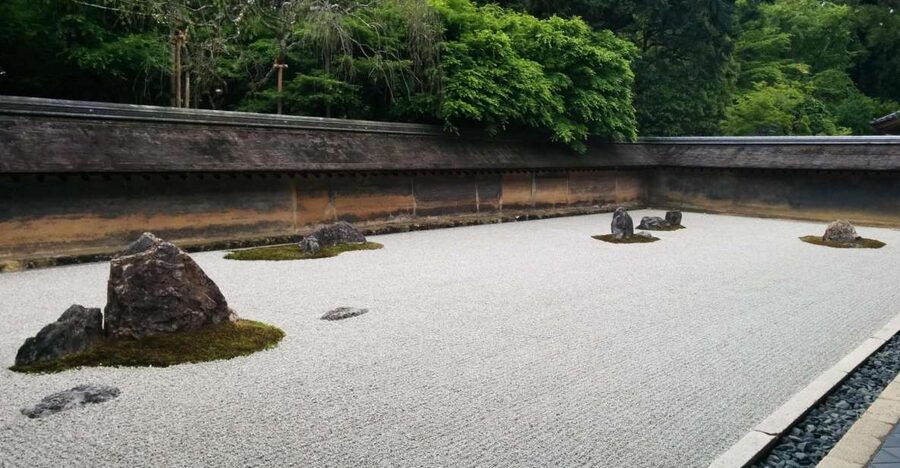
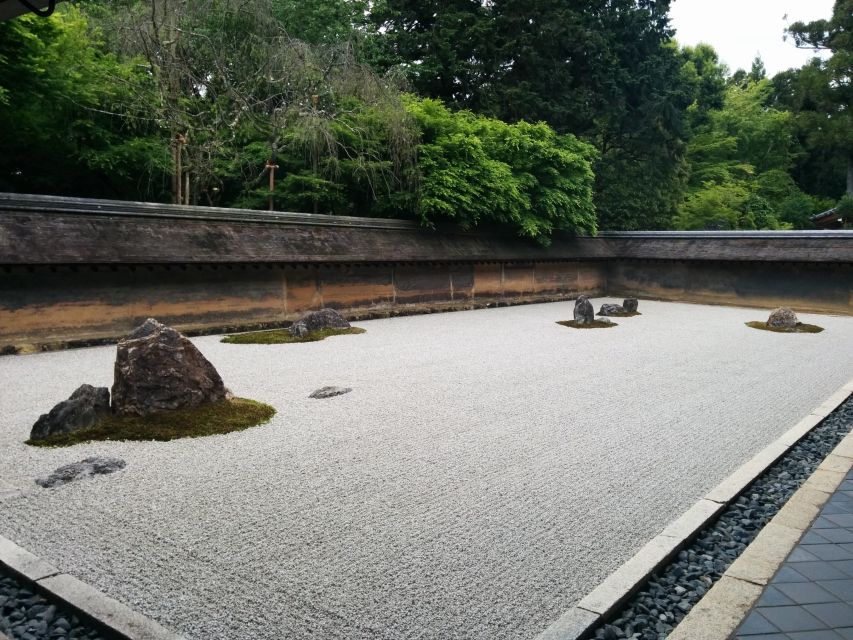
Next comes Ryoanji Temple, known for its dry garden of stones and gravel. This is not a garden built around flowers or sweeping views. Its effect comes from restraint, empty space, and the way the stones invite you to pause and look again.
The Rock Garden is a good place to ask questions. Its meaning is not reduced to a single simple answer, and a guide can help you approach it with more patience. One of the best details from the experience is the relaxed pace reported on the northwest route, which suits a garden where five rushed minutes are not enough.
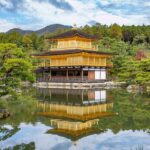
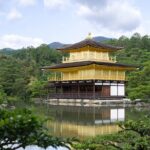
The Golden Pavilion provides a sharp contrast. Its bright exterior and pond setting are among Kyoto’s most familiar sights, and the building is easy to appreciate even if you have little background in Japanese architecture. The grounds give you a clear, memorable stop after the quiet simplicity of Ryoanji.
The drawback is that the Golden Pavilion is famous for good reason, so it is a place where your time may feel limited. You are there to see the pavilion and grounds, not to spend half a day exploring every corner. A private guide helps by giving you the important context without requiring you to read every sign yourself.
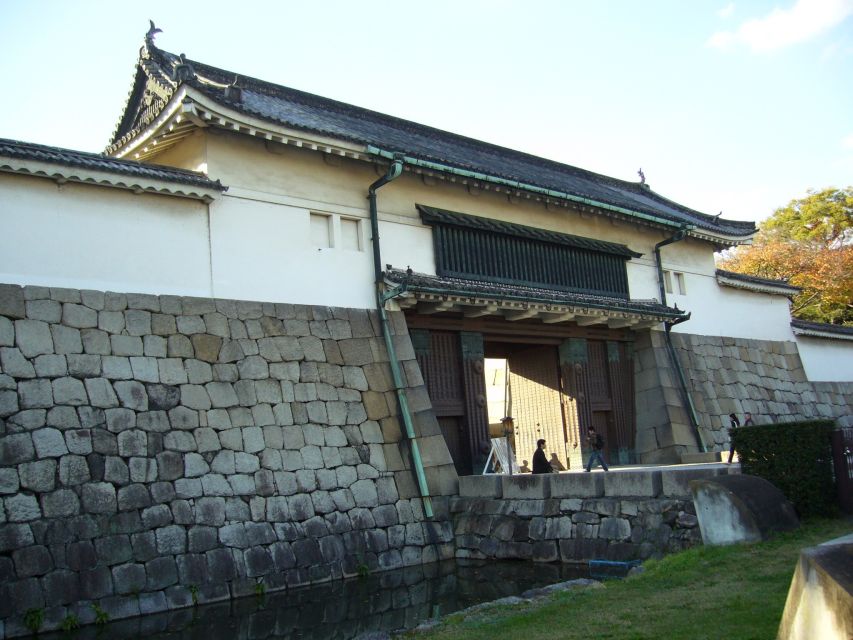
The final northwest choice is important. Nijo Castle gives the route a political and historical focus. It is linked with the shogunate and the Edo period, and its rooms and design help explain how power worked in old Japan. The castle makes the route feel more complete because you are not seeing only religious sites and gardens.
Nishiki Market offers a different kind of Kyoto. Instead of castle walls or temple courtyards, you get a food-centered street with local products and everyday commercial life. Food and drinks are not included, so bring money if you want to buy something. The market may suit you better than the castle if you prefer tasting and browsing to formal history.
The information allows Nijo Castle or Nishiki Market as the final choice, so confirm which one is included in your selected version. The choice changes the character of the day: Nijo is better for history and architecture, while Nishiki is better for food and street atmosphere.
Choosing the southeast route
The southeast route has a more distinctly spiritual and traditional Kyoto feel. It includes a sake brewery, Fushimi Inari Taisha, Sanjusangendo Temple, Kiyomizudera Temple, and either the Ninenzaka or Sannenzaka slope.
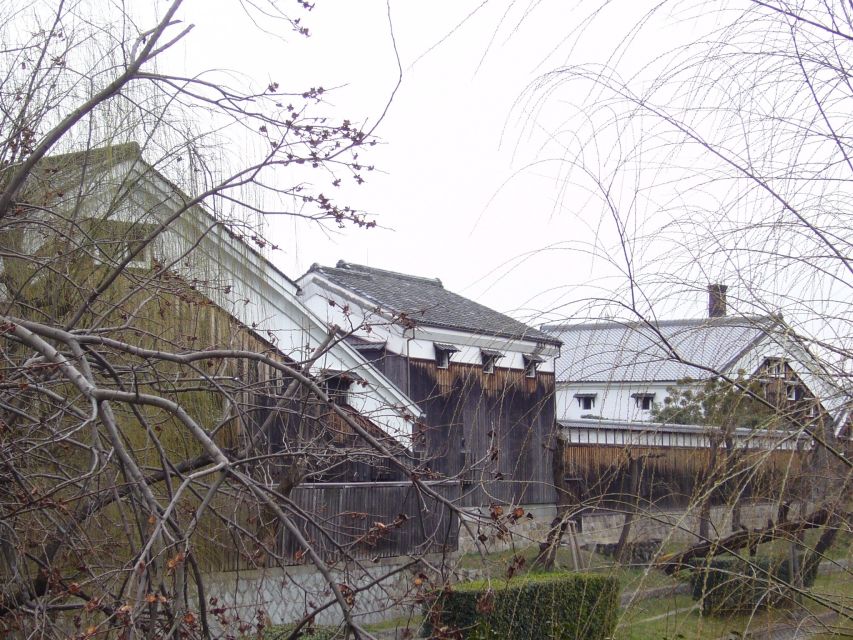
A sake brewery stop gives you something that temples alone cannot. Kyoto’s cultural identity is tied not only to shrines and historic buildings but also to food, drink, and local craft. The brewery visit adds a practical side to the day, showing how sake fits into Japanese culture.
Food and drinks are not included, so do not assume a tasting or meal comes with the tour. The supplied details confirm a stop at a sake brewery, but they do not specify the exact brewery or whether sampling is part of the visit. If sake is a major reason for choosing this route, ask for those details before booking.
Fushimi Inari Taisha is one of Kyoto’s most recognizable shrines. Its repeated red torii gates create a powerful walking route and make it easy to understand why this is one of the city’s essential stops. Your guide can explain the shrine’s religious setting and help you read the site as more than a long line of photogenic gates.
The practical question here is how far you will walk. The tour includes Fushimi Inari, but the supplied information does not promise a full hike through the entire torii route. With several other stops in the same day, expect the guide to manage the visit around the overall schedule rather than take you to every gate.
Sanjusangendo Temple offers a different kind of visual experience. Its long temple hall and religious sculptures create a strong sense of scale and repetition. This stop gives the southeast route more variety, since you move from an open shrine setting to a more controlled indoor temple space.
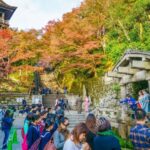
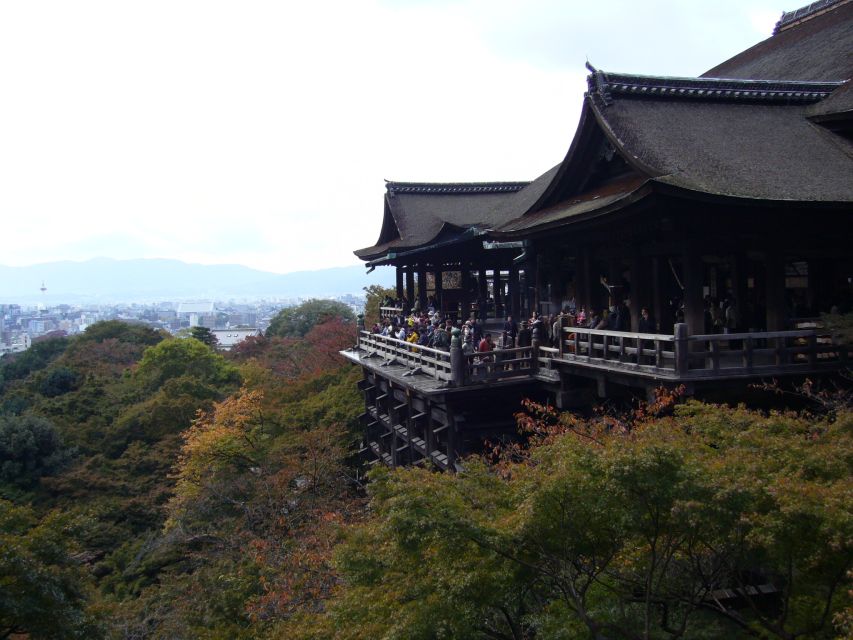
Then comes Kiyomizudera Temple, one of Kyoto’s best-known historic sites. The temple is associated with a broad view over the city and with the old streets leading toward it. It is the kind of place where a guide’s explanation helps you understand why the buildings, approach roads, and religious traditions belong together.
The day ends around Ninenzaka or Sannenzaka, sloping streets lined with traditional-looking buildings and shops. These streets are a pleasant bridge between major monuments and the Gion area. You can finish the formal sightseeing portion of the tour while still feeling connected to old Kyoto.
This route involves several religious sites, so it may feel less varied if you mainly want gardens, castles, or food. It is the better choice for you if shrine architecture, Buddhist temples, sake, and historic streets are your main interests.
What seven hours really gives you
The schedule runs from 9:00 to 16:00. That is long enough to see four major attractions with a guide, but it is not enough for slow, independent exploration at every stop.
The tour is designed around four major locations, with the exact sites depending on your route and option. This makes it a useful first look at Kyoto. You get a broad introduction, then you can return later to the places that deserve more time.
The pace appears to be one of the tour’s strengths. Several guides are praised for making the day feel leisurely while still covering a lot of ground. That balance is valuable in Kyoto, where temple fatigue can arrive quickly if every stop becomes a race.
Still, do not mistake leisurely for unstructured. You will need to stay aware of meeting times, especially at large sites such as Fushimi Inari and Kiyomizudera. If you want long photography sessions, extended shopping, or a full meal, you may need to give up another stop or continue exploring after the tour.
Lunch is not included. One guide helped arrange a local ramen stop, but that appears to depend on the guide and the day rather than being a guaranteed part of the package. Ask your guide about the lunch plan early in the morning.
Transport, meeting point, and what is included
The tour begins at 9:00 at the Hotel Granvia Kyoto in the JR Kyoto Station building, although the meeting point may vary by option. Check the final meeting instructions carefully rather than assuming every route uses exactly the same spot.
Transportation during the tour is included, along with temple entrance fees. That removes two common sources of friction in Kyoto. You do not need to keep buying separate tickets for each included temple, and your guide can help you use the local system.
The included one-day bus pass is useful after the tour as well. That adds value beyond the seven-hour schedule, especially if you plan to visit another Kyoto site on the same day. The information does not specify the exact bus network covered, so keep the pass details available and ask your guide how it works.
Hotel pickup and drop-off are not included. You need to reach the central meeting point yourself, and you should allow time to find the Hotel Granvia location inside the JR Kyoto Station building.
There is one detail to clarify before booking. The itinerary says the tour ends near Gion, while the meeting-point information says the activity ends back at the meeting point. Since those instructions do not match, confirm the final drop-off location for your chosen route.
Other private tours in Kyoto
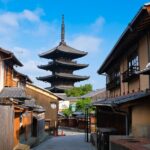
Is $215 per person a fair price?
At $215 per person, this is not a budget sightseeing option. The price makes more sense if you value personal attention, a licensed guide, included transport, temple admission, and the ability to ask questions throughout the day.
A private tour can also be good value for two or more people traveling together, since you share the guide rather than each paying for separate private arrangements. The supplied information does not state the maximum group size, so ask how many people can join your booking.
The strongest value is educational. You are paying to understand Kyoto while seeing it, and to avoid spending precious holiday time sorting out routes between distant districts. If you already know Kyoto well and mainly want a cheap way to move between sights, the price may feel high.
For a first Kyoto visit, I think the cost is easier to justify. The tour covers the city’s major themes in one day: Zen design, imperial and shogunal power, Shinto worship, Buddhist temples, sake, traditional streets, and local transport.
Who should choose this Kyoto tour?
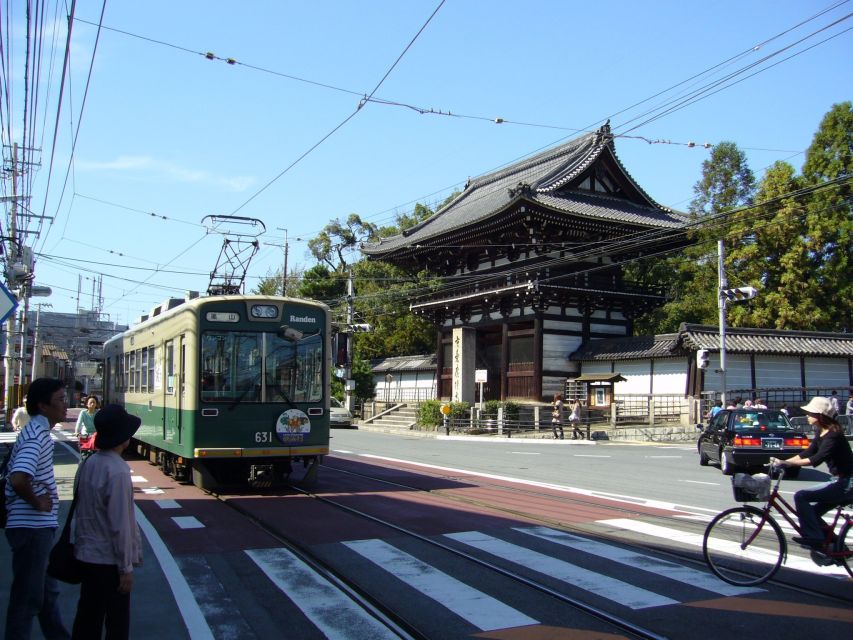
I would recommend it to first-time visitors who want a clear introduction without joining a large group. It also suits couples, families, and small groups who prefer to set the tone of the day through conversation with one guide.
The northwest route is best for you if you want:
- Bamboo and gardens
- The Golden Pavilion
- Zen architecture
- A castle or food market
- A mix of nature, temples, and history
The southeast route is best for you if you want:
- A sake brewery
- Fushimi Inari’s torii gates
- Several important temples
- Kiyomizudera
- Traditional slopes and streets near Gion
You should think twice if you want a slow, unplanned day. The tour covers a lot, and the private format does not change the fact that the city is spread out. You should also confirm the exact route, final meeting point, lunch plan, and sake-brewery details before committing.
Final verdict: book one route, or try for both?
I would book this tour if you want a well-organized first day in Kyoto and care about cultural explanation as much as sightseeing. The combination of a private English-speaking guide, included transport, temple admission, and a later-use bus pass gives the $215 price a practical foundation.
Choose the northwest route for the broadest mix of gardens, bamboo, temples, the Golden Pavilion, and either a castle or market. Choose the southeast route for shrine gates, sake, temples, Kiyomizudera, and old Kyoto streets.
Taking both routes could give you eight locations at a slower pace, but the available details do not explain the booking arrangement clearly. Ask the operator how both seven-hour tours are scheduled before choosing that option. For most people, one route with time to listen, ask questions, and enjoy the stops is the wiser choice.
The overall rating is 4.9 from 42 reviews, and the most consistent praise centers on the guides’ warmth, English, cultural explanations, and help with transport. That is exactly where this experience earns its keep. You are not simply collecting famous Kyoto photographs. You are getting a guide who can help you understand why those places matter.
FAQ
Where does the tour begin?
The tour starts at 9:00 from the Hotel Granvia Kyoto in the JR Kyoto Station building. The exact meeting point may vary depending on the option booked.
How long does the tour last?
The scheduled tour runs for seven hours, from 9:00 until 16:00.
Which routes can I choose?
You can choose a northwest-bound route or a southeast-bound route when booking.
What does the northwest route include?
The northwest route includes the Bamboo Grove, Ryoanji Temple’s Rock Garden, the Golden Pavilion, and either Nijo Castle or Nishiki Market.
What does the southeast route include?
The southeast route includes a sake brewery, Fushimi Inari Taisha, Sanjusangendo Temple, Kiyomizudera Temple, and either the Ninenzaka or Sannenzaka slope.
Is transportation included?
Yes. Transportation during the tour and a one-day bus pass for use after the tour are included.
Are meals included?
No. Food and drinks are not included. The tour information also does not confirm a fixed lunch stop or a guaranteed sake tasting.
Is hotel pickup available?
No. Hotel pickup and drop-off are not included. You need to make your own way to the central meeting point.
What is the cancellation policy?
The information provided says you can cancel up to 24 hours in advance for a full refund, but it also lists a 50 percent charge two days before the tour and a 100 percent charge one day before or on the same day. Confirm the exact cancellation terms at booking.
More Private Tours in Kyoto
More Guided Tours in Kyoto
More tours in Kyoto we've reviewed

Guided, compared.
 ★ 5.0Kyoto Early Morning Tour with English-Speaking GuideFrom $68
 ★ 5.0Kyoto 6hr Private Tour with Government-Licensed GuideFrom $155
★ 4.9Kyoto: Early Morning Tour with English-Speaking GuideFrom $1015h 30m
★ 5.0Kyoto 6hr Private Tour with Government-Licensed GuideFrom $155
★ 4.9Kyoto: Early Morning Tour with English-Speaking GuideFrom $1015h 30m
 ★ 4.7Kyoto: Nijo-jo Castle and Ninomaru Palace Guided TourFrom $161 hour
 ★ 4.9Kyoto: Izakaya Bars Guided Walking TourFrom $253 hours
 ★ 5.0Kyoto Gion Night Walk & Geisha District Guided TourFrom $18