
Reviewed · GUIDED
Kyoto Japanese Garden Lover’s Private Tour with Government-Licensed Guide
Kyoto’s finest gardens are not all cut from the same cloth. One uses clipped pines and a mirror pond, another offers only rocks and pale gravel, while a third lets moss, trees, and silence do the work. This private tour lets you choose three or four sites and have a government-licensed guide explain what you are seeing.
I like the freedom to change the plan, and I like the chance to pair famous places such as Kinkakuji with quieter gardens such as Honen-in or Taizo-in. Guides including Kaeko and Shun have shown real flexibility, even handling late changes to the day. The main catch is practical: transportation, admission, lunch, and personal expenses are extra, and you walk or use public transit rather than riding in a private car.
In This Review
- Key points to know
- What this six-hour private garden day really offers
- Choosing between Kyoto’s famous gardens
- Quiet moss, sand, and temple corners
- Imperial villas and Kyoto’s grand garden design
- Arashiyama by bridge, bamboo, and villa garden
- The far-flung choices: Botanical Garden and Byodoin
- How the private format changes the day
- What is included, and what is not
- Who should book this Kyoto garden tour?
- Should you book it?
- FAQ
- How long does the tour last?
- How many sites can I choose?
- Is the itinerary fixed?
- Is transportation included?
- Are entrance fees included?
- Is lunch included?
- Is this a private tour?
- Can I cancel for a full refund?
Key points to know
- Choose three or four gardens: Build your day around Zen gardens, imperial villas, moss gardens, or famous Kyoto sights.
- Six hours with a private guide: Only your group takes part, so the pace and questions are yours.
- Licensed cultural interpretation: The guide certification requires knowledge of Japanese culture and history, not just basic sightseeing facts.
- Public transport is part of the day: Meet on foot in the designated Kyoto area, then pay your own fares as you move around.
- Mix famous and quiet places: Pair Kinkakuji or Ryoanji with Honen-in, Taizo-in, or another less imposing garden.
- Plan around the season: Tofukuji is famous for autumn color, while moss gardens can be especially appealing in damp weather.
What this six-hour private garden day really offers
The appeal here is not checking 18 places off a list. That would be impossible in a sensible six-hour outing. The useful part is choosing a small set of places that fit your interests, then letting a licensed local guide connect their design, religious purpose, and history.
You can select three or four sites from the large menu. The choices range from the Golden Pavilion and Kyoto Imperial Palace to dry Zen gardens, imperial villas, Arashiyama scenery, and even Byodoin in Uji. You may also add a famous Kyoto sight that is not strictly a garden.
This makes the tour best understood as a custom private day about Kyoto’s garden tradition, rather than a fixed bus route. You are paying for the guide’s time and judgment, along with the convenience of having one person help you make sense of very different places.
The listed price is $153.11 per person. That is not a bargain if you are a solo visitor who enjoys wandering with a guidebook. For a private group, though, the price can make sense, especially if you value a flexible plan and cultural explanation. Group discounts are available, but the exact saving is not provided, so check the total before booking.
Other guided tours in Kyoto

Choosing between Kyoto’s famous gardens
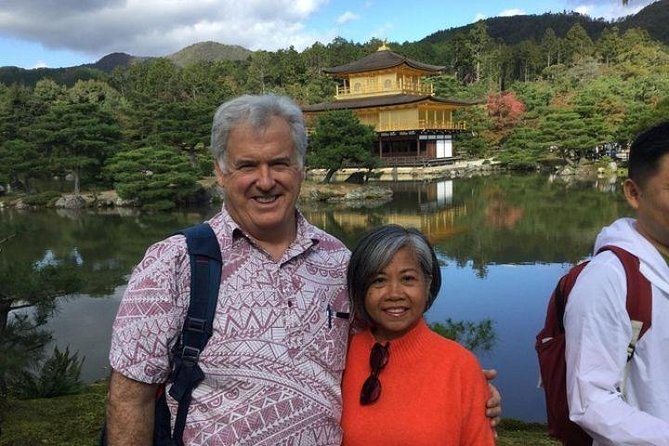
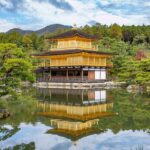
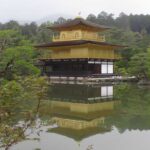
A good plan begins with the mood you want. Kinkakuji, or the Golden Pavilion, gives you Kyoto’s most instantly recognizable view: a Zen temple whose top two floors are covered in gold leaf, reflected beside its pond. You spend about 20 minutes there in the suggested schedule, and admission is not included.
Kinkakuji is a strong choice for a first visit because the image is so clear and memorable. The drawback is that it is famous for a reason, so it can feel more like a major sight than a quiet garden appointment. Pair it with a calmer stop rather than building the whole day around it.
Ginkakuji, the Silver Pavilion, sits along Kyoto’s eastern mountains. Although its name suggests a silver counterpart to Kinkakuji, its appeal comes from the temple grounds and garden design rather than a silver-covered building. The site began as the retirement villa of shogun Ashikaga Yoshimasa in 1482.
Ryoanji offers a completely different experience. Its rock garden is Japan’s most famous, with carefully placed stones set in pale gravel. The arrangement invites you to sit, look, and decide what you think it means. A short visit can be enough for the main garden, but the 20-minute suggested stop leaves little room for a slow look around.
At Nanzenji, you get a major Zen temple complex at the foot of Kyoto’s forested eastern hills. The Suirokaku aqueduct is a distinctive structure within the grounds, adding a touch of brickwork and engineering to the temple setting. Nanzenji works well for you if you want temple scale as well as garden views.
Kennin-ji is near Hanamikoji and Shijo streets, but its grounds offer a calmer place to walk. It has two dry gardens, making it a useful choice if you want a garden visit without spending much of the day reaching a distant district. The suggested itinerary gives it only one minute, which is plainly not enough for a meaningful stop, so confirm the actual timing with your guide.
Quiet moss, sand, and temple corners
Honen-in begins with a scenic approach and a moss-covered gate. Inside, two sand mounds sit near the path, and the whole place has a gentle, restrained feel. I would choose it for atmosphere rather than a single famous view.
Taizo-in is one of the subtemples of Myoshin-ji and is known for its garden in every season. It can be a smart alternative to the biggest temple compounds because the garden itself is the reason to go. One account of this tour describes arriving before a group and having the garden nearly empty for a short time, a reminder that timing can change the feel of a place.
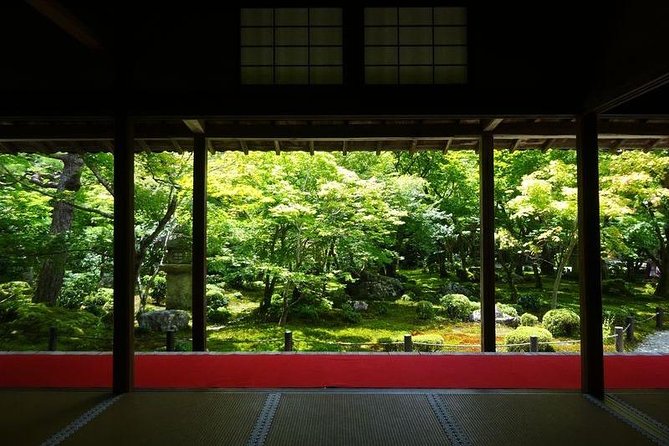
Daitoku-ji is a large Zen temple complex where the main attraction is really a group of temples within one larger setting. Its meditative gardens reward explanation, since the stones, gravel, plants, and empty space are not arranged at random. Ask your guide which subtemple is available and best suited to your interests.
Tofuku-ji is especially known for autumn color. If red and orange maple leaves are your priority, it deserves serious consideration, though the tour does not promise a particular seasonal display. In another season, you may prefer it for its Zen setting and temple grounds rather than foliage.
Gio-ji is a small forest temple known for its moss garden, tall maple trees, thatched entrance gate, and thatched main hall. It has a more enclosed, woodland character than the grander temple compounds. The suggested visit is 30 minutes, which gives you more breathing room than the 20-minute stops.
Imperial villas and Kyoto’s grand garden design
Shugakuin Imperial Villa was built in the 17th century by Emperor Gomizuno and is managed by the Imperial Household Agency. It includes Upper, Middle, and Lower Villa areas, so it represents a larger and more formal idea of garden planning than a compact Zen temple garden.
Katsura Imperial Villa is one of Kyoto’s finest examples of Japanese architecture and garden design. Its present form was completed in 1645 as a residence for the imperial family. If you want to study how buildings, paths, water, and views work together, Katsura is one of the strongest choices on the list.
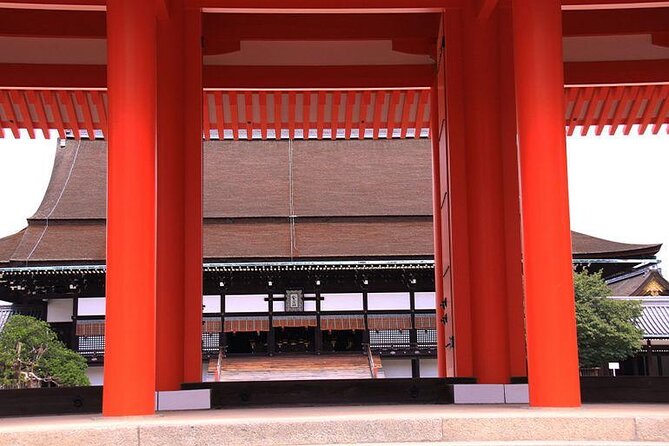
Kyoto Imperial Palace offers a broader cultural setting. It was the residence of Japan’s Imperial Family until 1868, when the emperor and capital moved to Tokyo. The spacious grounds let you place garden design within the story of the old capital, though this is not the same intimate garden experience as Honen-in or Gio-ji.
These imperial sites may involve more planning than a simple temple visit. The tour information does not promise reserved entry or explain special access requirements, so ask about current admission arrangements before settling on one. The guide can help you understand the choice, but you should not assume every entrance is included.
Arashiyama by bridge, bamboo, and villa garden
If you want scenery beyond temple courtyards, choose the Arashiyama group. Togetsukyo Bridge is the district’s best-known landmark. Its name means Moon Crossing Bridge, and the bridge dates back to the Heian Period, though the present structure was reconstructed in the 1930s.
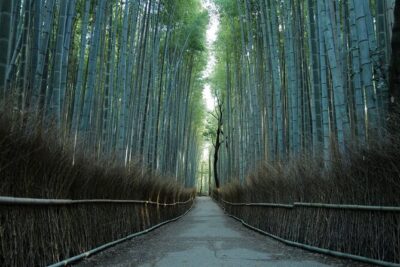
The Bamboo Forest Street offers a straightforward walk through tall bamboo groves. A light breeze can make the stalks sway overhead, giving the path its appeal. The bridge and bamboo route do not require an admission ticket, but they are open public sights rather than enclosed gardens, so they can feel less focused than a temple visit.
Okochi Sanso Garden sits behind the bamboo groves and was the former villa of actor Okochi Denjiro. The property includes several gardens and buildings, including living quarters. Its 30-minute suggested stop gives you time to see a more personal villa setting after the public bamboo path.
Gio-ji can also fit an Arashiyama plan. The advantage is variety: you can combine the bridge and bamboo with a moss garden or villa garden. The concern is distance. Kyoto’s sites are spread across the city, and the tour provides no private vehicle, so too many districts will turn your garden day into a transit day.
Other private tours in Kyoto
The far-flung choices: Botanical Garden and Byodoin
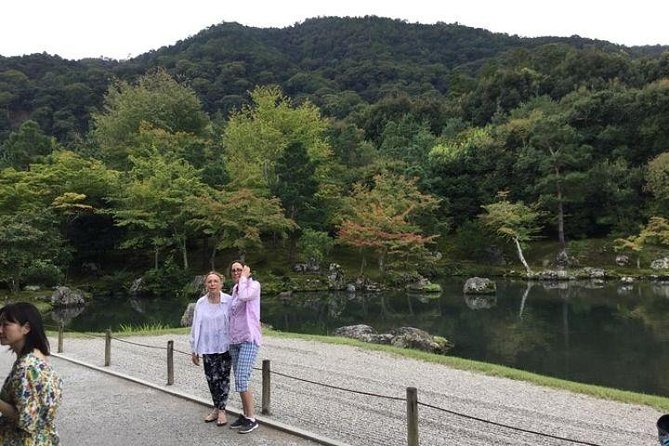
Kyoto Botanical Garden is one of the city’s most affordable and overlooked attractions. It gives you a change from temple design, with a broader plant-focused setting. Choose it if you want seasonal plants and room to walk rather than another famous religious site.
Byodoin Temple is in Uji city, within Kyoto Prefecture, so extra travel time is expected. Its Phoenix Hall is a National Treasure of Japan and a UNESCO World Heritage Site, making it a major cultural choice rather than a quick garden stop.
Byodoin can be highly worthwhile, but it is a poor match for a day already packed with western and northern Kyoto. If you choose it, accept that one distant site may replace another garden. The same principle applies to trying to combine Kinkakuji, Shugakuin, Katsura, and Arashiyama in one outing: the map may look manageable, but public transport takes time.
How the private format changes the day
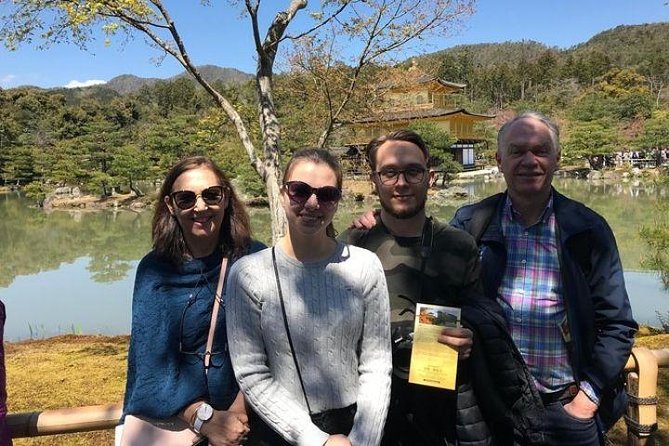
Only your group participates, which is the tour’s strongest practical advantage. You can ask why gravel is raked in a certain pattern, why a moss garden feels different from a dry garden, or how imperial villa design differs from Zen temple design.
The flexibility appears to be genuine. Kaeko handled an individual garden plan and a late location change. Shun was also able to adjust the itinerary several times during the day and kept the mood easy, even during rainy weather. That does not guarantee every last-minute request, but it shows why a private guide is useful when your priorities are still taking shape.
The guide is English-speaking and government licensed. That certification requires a good understanding of Japanese culture and history. You are not simply hiring someone to point out the next gate. You are paying for context, translation of customs, and help comparing places that can otherwise blur together.
The tour is described as walking-based, with pickup offered on foot within a designated area of Kyoto. There is no private vehicle. Expect to pay transportation fares yourself, and allow time for transfers between districts. Wear shoes suited to walking and temple paths, though the provided information does not specify a required dress code.
What is included, and what is not
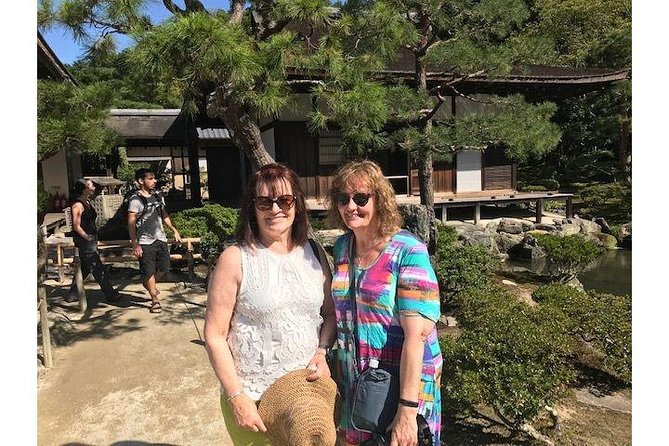
The licensed local guide is included, as is a customizable walking tour of three or four selected sites. Entrance tickets are not included, and neither are transportation fees, lunch, or personal expenses.
The phrase about guide entry fees means the guide’s admission is covered only at sights listed under the tour’s included selection. It does not mean your own entrance tickets are free. Ask for the expected ticket total before the day begins, especially if you choose several paid temples or villas.
The mobile ticket and confirmation at booking are convenient. Free cancellation is available until 24 hours before the start time. Changes or cancellations inside that window are not accepted, so make your final site choices early enough to avoid a costly surprise.
The experience is private, and most people can participate. Service animals are allowed, and the meeting point is near public transportation. Since the day involves walking, public transit, temple grounds, and uneven outdoor routes, you should still discuss any mobility concerns with the provider before booking.
Who should book this Kyoto garden tour?
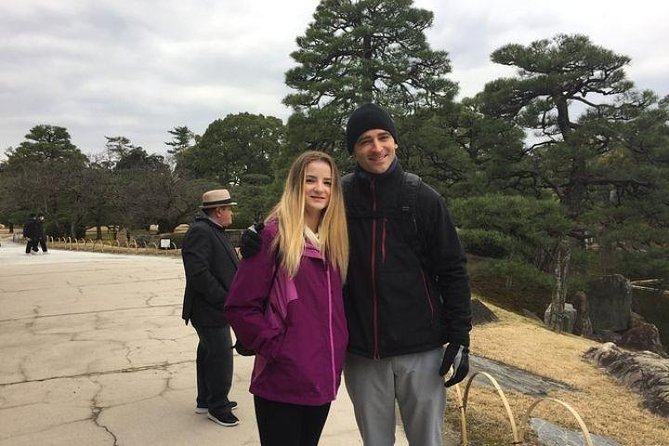
I would recommend it to you if gardens are a main reason for visiting Kyoto, especially if you want more than the standard Golden Pavilion photo. It also suits families or small groups who prefer their own pace and want to ask plenty of questions.
It is a good fit for repeat visitors who have already seen the major temples and want to build a day around Honen-in, Taizo-in, Daitoku-ji, Gio-ji, or the imperial villas. First-time visitors can also benefit, but I would limit the day to one or two famous sights plus quieter gardens.
I would be cautious if you want a fully escorted vehicle tour, a fixed route with every cost included, or a long, unhurried visit at each site. Three or four places in six hours is realistic, but adding distant Uji or several separate Kyoto districts can make the schedule tight.
The overall rating is 4.6 out of 5, with 90 percent recommended from 10 ratings. That is a positive signal, though not a large sample. The strongest praise centers on guide flexibility, personal attention, and the ability to adjust the plan around weather, timing, and individual garden interests.
Should you book it?
Book this tour if you want a private guide to help you compare Kyoto’s many garden styles and you are willing to pay admission and transit costs separately. Choose your must-see sites before the day, but leave a little room for your guide’s advice.
For the best balance, pair one famous sight such as Kinkakuji or Ryoanji with two quieter choices such as Taizo-in, Honen-in, Gio-ji, or Daitoku-ji. If you choose Byodoin, Katsura, or Shugakuin, build the day around that one district or distant site. This is a flexible garden day, not a race to collect every name on the list.
FAQ
How long does the tour last?
The tour lasts approximately six hours.
How many sites can I choose?
The included private walking tour allows you to choose three or four sites from the provided selection.
Is the itinerary fixed?
No. You select your must-see places and create a customized itinerary. The guides may also be able to accommodate changes during the day, subject to time and access.
Is transportation included?
No. Transportation fees are not included, and the tour does not provide a private vehicle. Pickup is on foot within a designated area of Kyoto.
Are entrance fees included?
No. Your entrance fees are not included. Guide entry fees are covered only for sights listed under the tour’s included selection.
Is lunch included?
No. Lunch and other personal expenses are not included.
Is this a private tour?
Yes. Only your group participates, and separate tour groups cannot be combined.
Can I cancel for a full refund?
Yes, if you cancel at least 24 hours before the experience start time. Cancellations or changes made less than 24 hours before the start time are not accepted for a refund.
More Private Tours in Kyoto
More Guided Tours in Kyoto

More tours in Kyoto we've reviewed



Guided, compared.
 ★ 5.0Kyoto Early Morning Tour with English-Speaking GuideFrom $68
 ★ 5.0Kyoto 6hr Private Tour with Government-Licensed GuideFrom $155
★ 4.9Kyoto: Early Morning Tour with English-Speaking GuideFrom $1015h 30m
★ 5.0Kyoto 6hr Private Tour with Government-Licensed GuideFrom $155
★ 4.9Kyoto: Early Morning Tour with English-Speaking GuideFrom $1015h 30m
 ★ 4.7Kyoto: Nijo-jo Castle and Ninomaru Palace Guided TourFrom $161 hour
 ★ 4.9Kyoto: Izakaya Bars Guided Walking TourFrom $253 hours
 ★ 5.0Kyoto Gion Night Walk & Geisha District Guided TourFrom $18