

Reviewed · TEA CEREMONY EXPERIENCES
Kyoto: Mindful Tea Ceremony in 100-Year-Old Teahouse
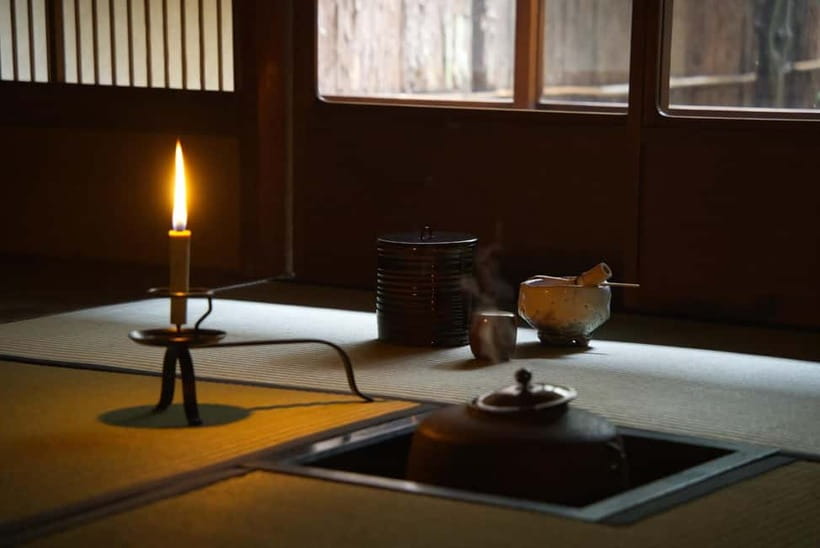
Kyoto’s Oboro tea ceremony is less about getting every movement right and more about learning to pay attention. In a 100-year-old teahouse, candlelight softens the room, the garden frames the quiet, and the sound of water heating becomes part of the experience.
I like two things right away: the relaxed instruction, which helps newcomers enjoy the tradition without feeling tested, and the small group size, capped at eight people. The seasonal sweets, chilled summer tea, and small handmade candle also give the 45-minute session a thoughtful shape.
The main consideration is that this is a quiet, seated experience. You must remove your shoes, wear socks, arrive on time, and sit comfortably for the session. It is not suitable for children under six, wheelchair users, or people with back problems.
In This Review
- Key points to know before booking
- Entering Oboro’s 100-year-old teahouse
- A welcome tea and a gentle change of pace
- Watching matcha become the center of the room
- Drinking matcha without feeling self-conscious
- Silence, candlelight, and the value of doing less
- Three stages that make the session feel like a journey
- What makes the English guidance useful
- Is $45 a fair price for 45 minutes?
- Who will enjoy this most?
- Practical details that make the visit smoother
- Should you book Oboro’s mindful tea ceremony?
- FAQ
- How long does the Oboro tea ceremony last?
- How much does the experience cost?
- Is the tea ceremony conducted in English?
- How large is the group?
- What is included in the booking?
- Are hotel pickup and drop-off included?
- What should I wear?
- Can I take photographs?
- What happens if I arrive late?
- Is the experience suitable for children and wheelchair users?
- What happens in summer?
- Can I cancel my booking?
Key points to know before booking
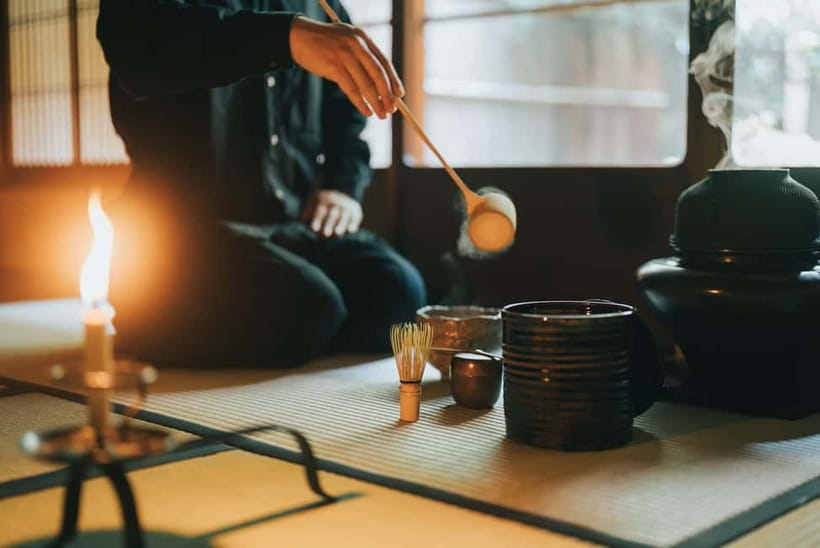
- Candlelight changes the pace: Oboro uses gentle lighting and spare décor to focus your attention on the tea, utensils, garden, and sound of simmering water.
- Small groups keep the lesson personal: With no more than eight participants, you can watch closely and ask questions in English.
- The setting carries real character: The ceremony takes place in a traditional Japanese house about 100 years old.
- The teaching is welcoming, not stiff: You learn the purpose of each step without facing a long list of rules.
- Summer tea is served cold: In warmer months, the ceremony uses chilled water and ice rather than hot preparation.
- You leave with a simple reminder: A small handmade candle lets you carry a little of the evening’s calm home.
Entering Oboro’s 100-year-old teahouse
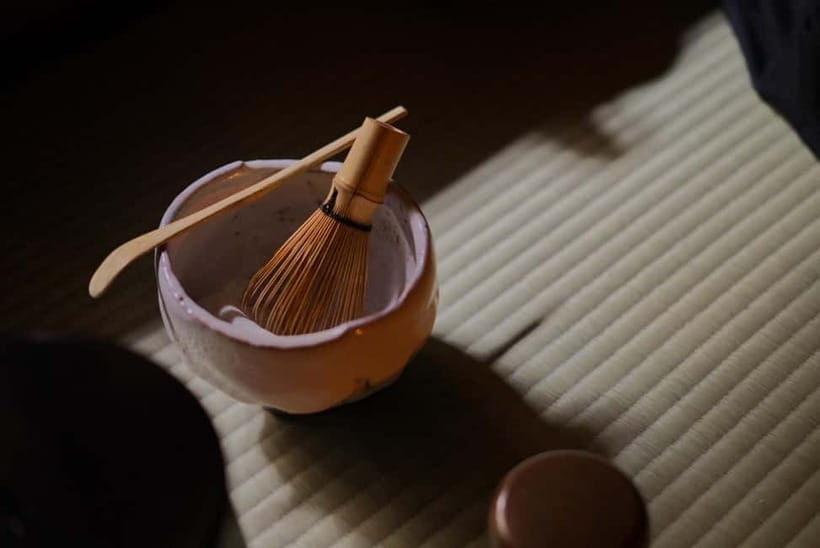
The setting does much of the work here. You arrive at Oboro, remove your shoes, and enter a softly lit room where candles replace bright overhead lights. That small change matters after a day of Kyoto sightseeing, especially if you have spent hours around crowded temples, busy shopping streets, and packed buses.
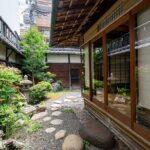
The house is traditional rather than polished in a modern, hotel-like way. Its age gives the ceremony a sense of place. You are not simply sitting in a room decorated to look Japanese. You are taking part in a tea experience inside an older Japanese home, with traditional interior details and a garden view through the teahouse window.
Your host welcomes you, stores belongings if needed, and explains the general flow. Hosts named Taku and Naoki have led sessions, and the English instruction is designed for people who may know little about tea ceremony customs. You do not need to arrive with any special background.
Arrive 10 minutes early. That gives you time to find the address, put away your belongings, remove your shoes, and settle before the quiet portion begins. Search for Oboro: Mindful Tea Ceremony on Google Maps if the meeting point is difficult to locate.
A few more Kyoto tours and experiences worth a look
A welcome tea and a gentle change of pace
The first part begins with a welcome tea and a seasonal sweet. This is not just a snack before the main event. It helps shift your attention away from schedules and toward taste, warmth, texture, and smell.
The pairing can be more interesting than a standard tourist refreshment. One welcome drink described in the experience information is a smooth cold green tea, served with an unusual snack. In summer, chilled tea and ice make practical sense, and the cold preparation gives the session a different character from the familiar hot bowl of matcha.
I like this opening because it gives you time to get comfortable before the formal preparation begins. You can listen to the host, look around the house, and start noticing how tea can be appreciated through more than flavor alone.
Do not expect a full meal. Meals are not included, and the sweets are meant to complement the tea rather than replace lunch or dinner. Plan to eat beforehand if you need something substantial.
Watching matcha become the center of the room
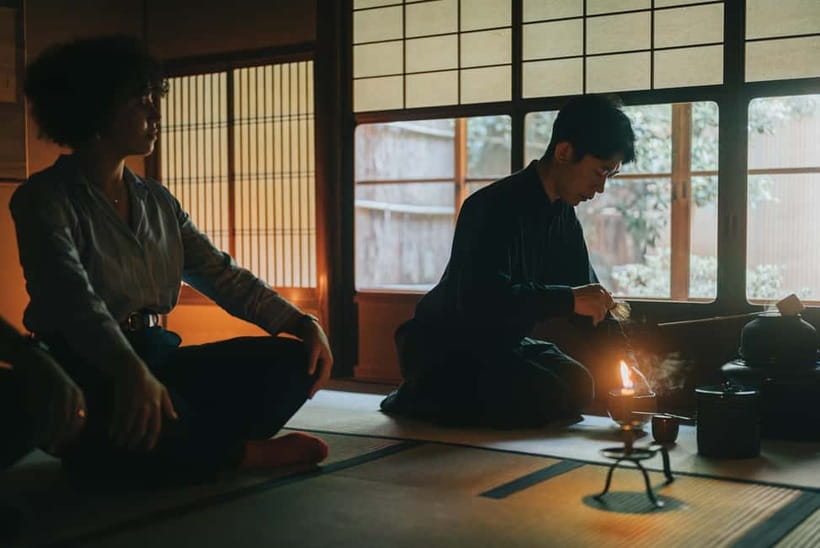
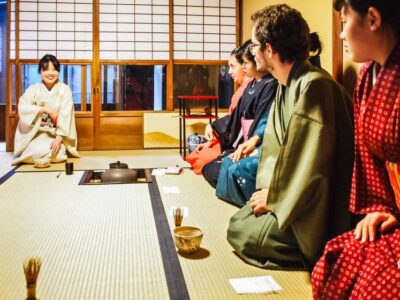
You then move into the main tearoom, where the design is intentionally simple. Minimal decoration keeps your attention on small details: the faint scent of matcha, the sound of water heating, the movement of the host’s hands, and the bowl placed before you.
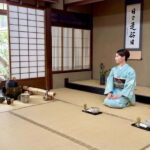
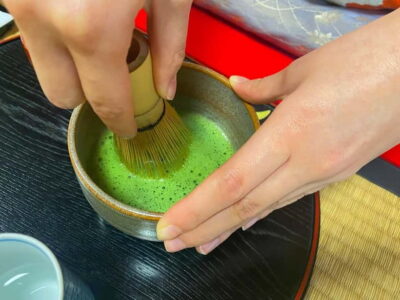
The host purifies the utensils, measures and prepares the matcha, whisks it, and presents the bowl with a graceful bow. Each action has a purpose, and the host explains that purpose in English. That context is important. Without it, a tea ceremony can look like a beautiful series of gestures. With it, you begin to see the care behind the order of events.
This is not a performance where you are expected to sit passively and guess what is happening. You can observe in silence, ask questions at suitable moments, or simply let the ceremony move at its own pace. The instruction is gentle, so you can take part without worrying about a mistake.
The ceremony’s formal roots are still present. You will handle the bowl with care and follow the host’s lead. But Oboro does not make newcomers feel as if they are taking an exam in etiquette. That balance is one of the strongest parts of the experience.
Drinking matcha without feeling self-conscious
When your bowl is ready, you lift it carefully, notice its warmth, and taste the matcha. The flavor is concentrated and grassy, with a texture that may be unfamiliar if your only experience with matcha has been sweetened café drinks.
If you normally dislike matcha, this setting may give you a fairer introduction. The tea is prepared with care, and the sweet served alongside it helps balance the taste. Still, matcha remains matcha. Do not book this expecting a sugary latte.
The host may also explain matcha quality and how to appreciate the drink. That makes the tasting more useful than simply receiving a bowl and copying a gesture. You learn to notice the tea itself, the temperature, the bowl, and the pause before drinking.
The ceremony is short enough to fit into a busy Kyoto itinerary, but it does not feel rushed. At 45 minutes, it gives you a focused cultural experience without taking half a day away from temples or museums.
Silence, candlelight, and the value of doing less
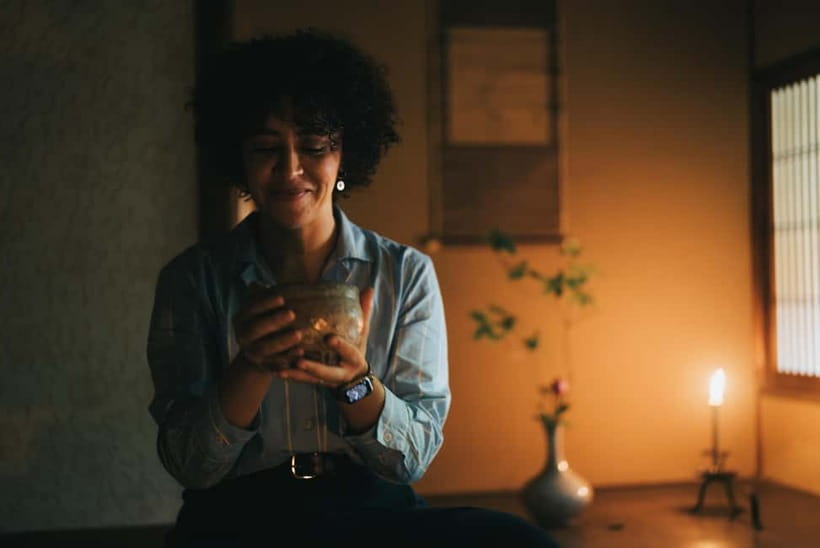
The word mindful can sound vague, but here it has a practical meaning. You are asked to slow down, keep the atmosphere quiet, and notice what is directly in front of you.
That can be surprisingly difficult in Kyoto, where many sights involve crowds, queues, traffic, and constant photo-taking. Oboro offers a deliberate contrast. The candlelight is low, the décor is restrained, and the garden beyond the window gives your eyes somewhere calm to rest.
Silence is part of the design. You should not treat the session like a social food tour or a lively cooking class. Conversation is possible, and questions are welcome, but the room asks for a quieter kind of attention.
Photography is allowed without flash. Take a few respectful photographs if you wish, but do not let the camera become the main activity. Flash photography and smoking are not allowed.
I especially like the way the experience links the ceremony to ordinary life. The point is not only to learn how a host prepares matcha. It is to practice pausing, breathing, and giving full attention to one small act. That idea can stay with you after you leave, even if you never prepare tea in the same way again.


Three stages that make the session feel like a journey
The exact layout can vary by session, but the experience moves through clear stages: arrival and welcome, the main tea room, and a final moment of reflection. One description of the ceremony presents three rooms as different phases of the experience, which adds to the sense of moving from everyday busyness toward quiet concentration.
The first space helps you arrive mentally. The welcome tea and sweet give you something pleasant and simple to focus on.
The main tearoom is more restrained. Here, the preparation takes center stage. The host’s movements, the utensils, the water, and the bowl become the details that fill the room.
The final stage is less formal but still meaningful. You receive a small handmade candle to take home. It is not an expensive souvenir, and that is part of its appeal. It gives you a physical reminder of the candlelit room and the slower pace you experienced there.
What makes the English guidance useful
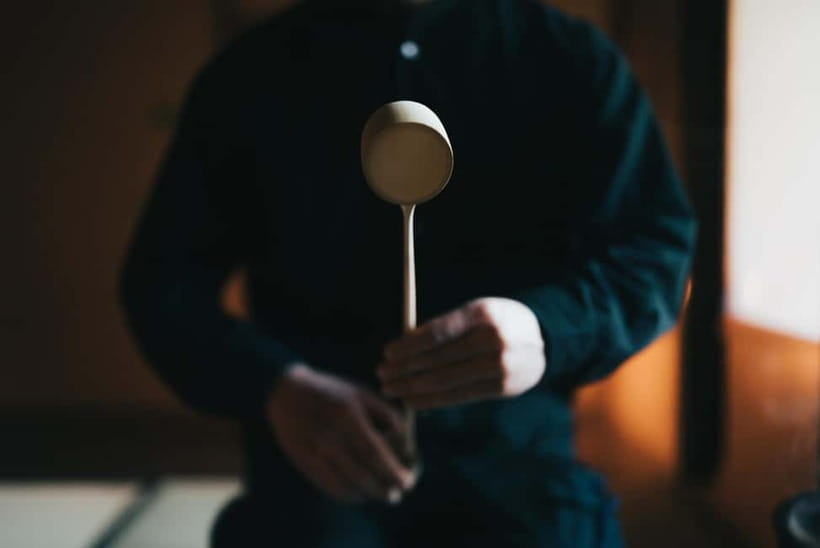
English instruction is included, and the hosts explain the history, etiquette, preparation, and meaning of the ceremony. The best part is that the explanation stays connected to what you are seeing.
You learn why a utensil is handled in a certain way, why the host purifies the equipment, and how the bowl is presented. You also gain some context about Japanese tea culture and the role of care, order, and presence within the ceremony.
The hosts have been described as warm, clear, and passionate about the tradition. Taku and Naoki are names associated with the experience, and one young tea master, aged 21 at the time of the session described, has been praised for presenting an old practice with energy and sincerity.
That youthful connection is worth noting. The ceremony does not feel like a museum display. It is a living practice being taught by people who care about keeping it meaningful for modern visitors.
You are also free to ask questions. If you are curious about matcha, the house, the tools, or the history of tea ceremony, use the small group setting to speak up. With a maximum of eight people, the session should feel more attentive than a large demonstration.
Is $45 a fair price for 45 minutes?
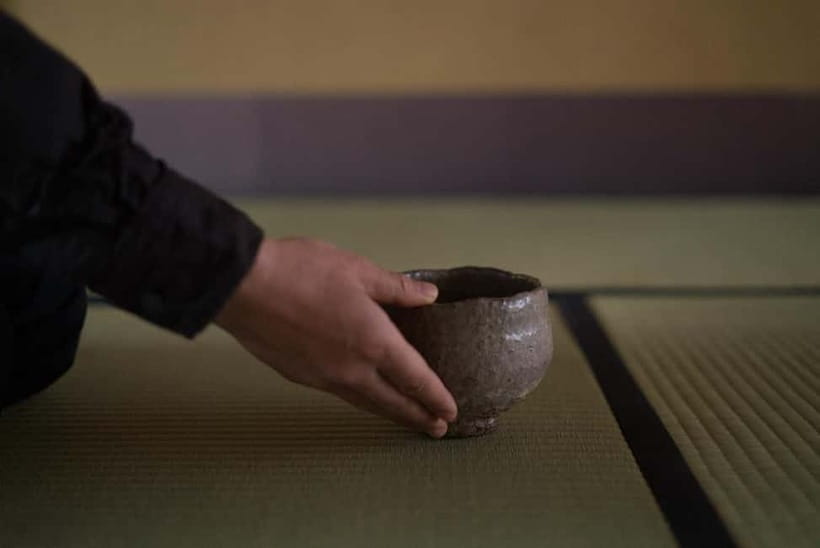
At $45 per person, this is not the cheapest way to taste matcha in Kyoto. You can find tea and sweets for less at a café. The value here comes from the setting, instruction, traditional equipment, English explanations, and the chance to take part in a carefully structured cultural practice.
You are paying for more than the drink. You get access to a 100-year-old house, a candlelit room, seasonal sweets, a guided ceremony, and a handmade candle to bring home. The small group limit also matters. A crowded demonstration would change the mood and make it harder to see the host’s movements.
For a first visit to Kyoto, the price is reasonable if you want cultural context rather than a quick refreshment. It is especially useful if you have already seen several major sights and want an experience that asks you to slow down.
The value is weaker if you are mainly looking for a large meal, a long workshop, or extensive hands-on practice. This is a compact introduction, not a full course in tea ceremony. You watch much of the preparation and take part in selected movements, but the 45-minute format naturally limits how much technique can be covered.
Free cancellation up to 24 hours in advance and reserve-now, pay-later booking also make it easier to fit into a changing Kyoto schedule. Those policies are practical, but the more important booking tip is to protect the appointment time. Anyone more than 10 minutes late cannot enter the session.
Who will enjoy this most?
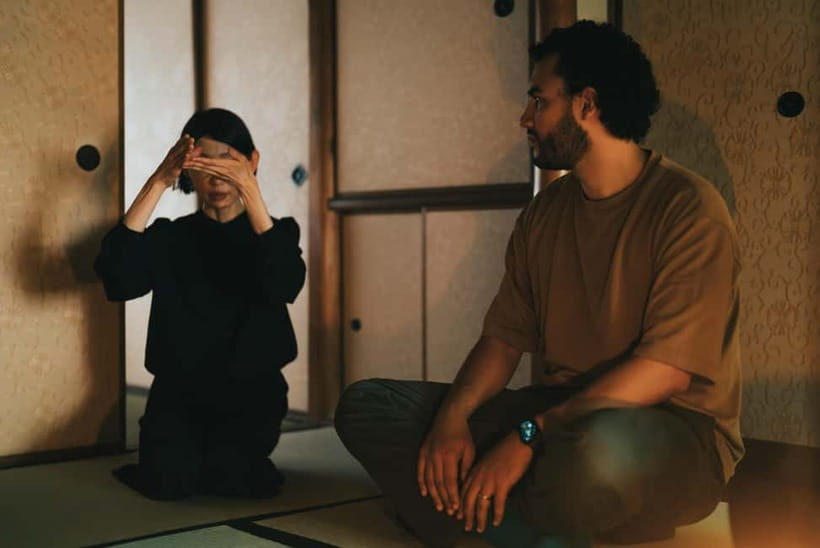
I would choose Oboro for a first-time visitor who wants a calm and understandable introduction to Japanese tea ceremony. It suits couples, solo visitors, friends, and parent-and-adult-child pairs who enjoy quiet cultural activities.
It also works well after a busy sightseeing day. The candlelight, garden view, and silence create a sharp break from the louder parts of Kyoto.
You should book it if you like:
- Traditional buildings and small cultural settings
- Clear English instruction
- Matcha, seasonal sweets, and careful presentation
- Meditation-like experiences without a formal meditation class
- Small groups rather than large guided crowds
- Learning the meaning behind rituals
Think twice if you dislike matcha, cannot sit comfortably, or want an active workshop. Shoes must be removed, socks are required, and the activity is not suitable for wheelchair users, people with back problems, or children under six.
The quiet rules also matter. If you want a lively, chatty tasting, this will feel too restrained. If you want 45 minutes of calm and a closer look at a Japanese tradition, the format is well judged.
Practical details that make the visit smoother
Wear comfortable clothes. There is no stated formal dress code, but loose, easy clothing will make the seated portion more pleasant.
Wear socks, since shoes must be removed. This is easy to overlook when you are planning a day of sightseeing, especially in warm weather.
Keep your phone quiet and avoid flash photography. The atmosphere depends on silence and low light, so bright screens and sudden flashes work against the experience.
In summer, expect tea prepared with chilled water and ice. This seasonal change is not a lesser version of the ceremony. It is a practical adaptation that keeps the drink refreshing in Kyoto’s heat.
Allow more time around the appointment than the listed 45 minutes. The activity itself lasts 45 minutes, but you need to arrive 10 minutes early and find the house without rushing.
Should you book Oboro’s mindful tea ceremony?
Yes, if you want an intimate, quiet, well-explained taste of Kyoto culture. The strongest reasons to book are the old teahouse, candlelit setting, small group, careful English guidance, and the chance to understand the meaning behind the host’s movements.
I would not book it for a full meal or a long practical lesson. I would book it as a pause in the middle of a busy Japan trip, especially if you want something more personal than photographing a famous temple.
The best time is when you can protect the full session and arrive calm. Put away your camera, wear socks, and let the bowl of matcha be the main event. At $45, it offers good value for a thoughtful cultural experience that stays with you through a small candle, a new appreciation for matcha, and a slower memory of Kyoto.
FAQ
How long does the Oboro tea ceremony last?
The activity lasts 45 minutes.
How much does the experience cost?
The price is $45 per person.
Is the tea ceremony conducted in English?
Yes. Expert instruction is provided in English.
How large is the group?
The experience is limited to eight participants.
What is included in the booking?
The booking includes English instruction, tea ceremony equipment, seasonal sweets, and the candlelight matcha experience.
Are hotel pickup and drop-off included?
No. Hotel pickup and drop-off are not included.
What should I wear?
Wear comfortable clothes and socks. Shoes must be removed before entering the session.
Can I take photographs?
Yes, photography is allowed without flash. Flash photography is not allowed.
What happens if I arrive late?
Arrive 10 minutes early. Participants who are more than 10 minutes late will not be allowed to enter the session.
Is the experience suitable for children and wheelchair users?
It is not suitable for children under six or wheelchair users. It is also not suitable for people with back problems.
What happens in summer?
In summer, the tea ceremony uses chilled water and ice for the tea preparation.
Can I cancel my booking?
Yes. You can cancel up to 24 hours in advance for a full refund. You can also reserve now and pay later.
More Tea Ceremony Experiences in Kyoto
More tours in Kyoto we've reviewed



Tea Ceremony Experiences, compared.
 ★ 4.9Kyoto: Tea Ceremony in a Traditional Tea House in KiyomizuFrom $4945 min
 ★ 4.9Kyoto: Tea Ceremony Ju-An at Jotokuji TempleFrom $291h 10m
 ★ 4.3Kyoto: 45-Minute Tea Ceremony Lesson ExperienceFrom $2245 min
 ★ 5.0World Heritage Kyoto & Nara Uji Authentic Matcha ExperienceFrom $129
 ★ 4.9Kyoto: Table-Style Tea Ceremony at a Kyo-MachiyaFrom $451h 30m
 ★ 5.0Kimono Tea Ceremony at Kyoto Maikoya, NISHIKIFrom $65