
Reviewed · TEA CEREMONY EXPERIENCES
Kyoto: Newly Opened Tea Ceremony – Sanjo Chasuian
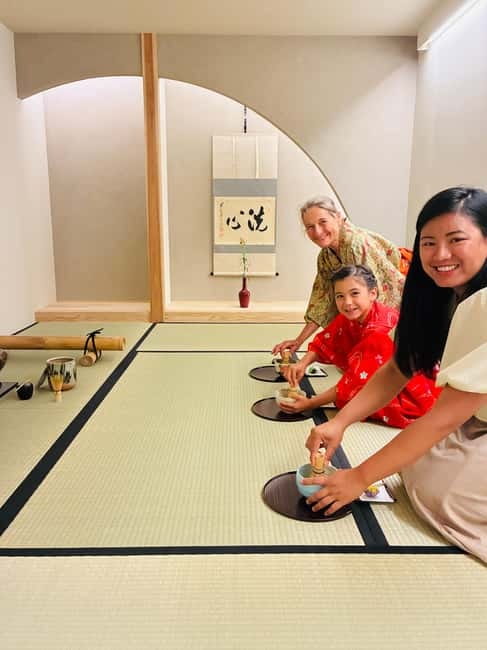
The most memorable part of Sanjo Chasuian is not simply drinking matcha. It is stepping through the nijiriguchi, a small crawl-in doorway meant to make you leave the outside world behind before entering the tea room. You begin with context, watch the host prepare tea, then take the whisk in your own hands.
I like two things right away: you receive two bowls of matcha, one prepared by the host and one made by you or a companion, and the seasonal sweet comes from a Kyoto confectioner with more than a century of history. The five-minute walk from Karasuma Oike Station also makes this an easy cultural stop in the middle of a sightseeing day.
The main caution is timing. The door is locked when the one-hour session begins, and even a one-minute delay means you cannot join or receive a refund. The shared plan is also a group session, so choose the private option if you have a child under six or need an interpreter.
In This Review
- Key points at a glance
- A one-hour introduction to Kyoto tea culture
- Finding Sanjo Chasuian near Karasuma Oike
- The first bowl, prepared by the host
- Choosing a bowl and whisking your own matcha
- The nijiriguchi and the quiet heart of the room
- What the shared group feels like
- How the $31 price compares
- Clothing, seating, and optional coats
- Who will enjoy this experience most
- Practical booking advice for Kyoto
- Should you book Sanjo Chasuian?
- FAQ
- Where is Sanjo Chasuian located?
- How long does the tea ceremony last?
- How much does the experience cost?
- How many people can join?
- Is the experience conducted in English?
- Do I make my own matcha?
- Is a Japanese sweet included?
- Do I need to bring anything?
- Is kimono rental included?
- Can children or wheelchair users join?
- What happens if I arrive late?
- Can I cancel the booking?
Key points at a glance
- Crawl through the nijiriguchi: Enter the tea room through a low, traditional doorway designed to create a clear break from ordinary life.
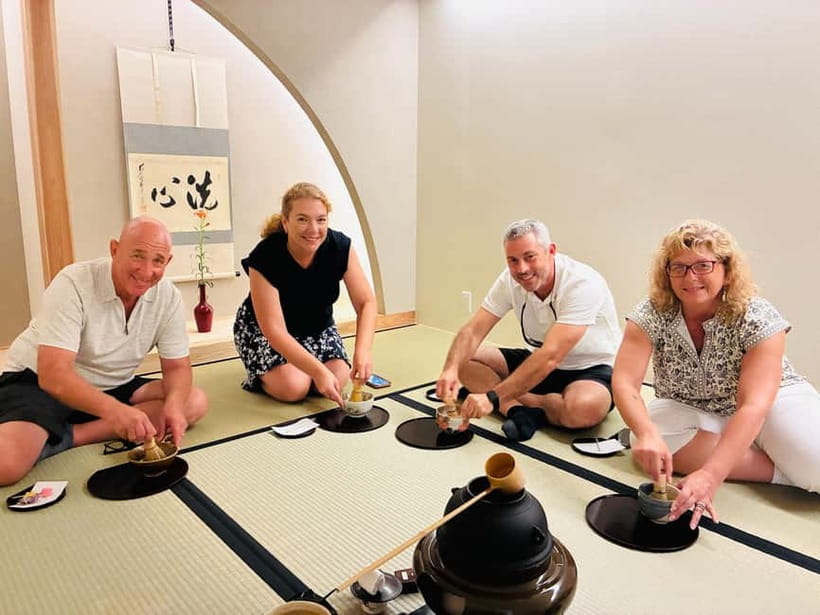
- Make your own matcha: Choose a tea bowl and whisk your second serving under the host’s guidance.
- Taste Kyoto wagashi: A seasonal Japanese sweet from a confectioner with over 100 years of history is included.
- English-led instruction: Hosts including Yuko, Reina, and Renna explain the customs, tools, gestures, and background in English.
- Convenient central location: Sanjo Chasuian is about five minutes from Subway Karasuma Oike Station and not far from the castle.
- Small, calm setting: Sessions are limited to 10 people, with chairs available for those who prefer not to sit on the floor.
A one-hour introduction to Kyoto tea culture
Sanjo Chasuian is designed for international visitors who want more than a quick cup of matcha but do not have time for a long formal ceremony. In one hour, you get an explanation, a demonstration, a serving prepared by the host, and a practical lesson of your own.
That format works well for a first meeting with tea ceremony. You are not expected to understand every gesture in advance. The host explains what will happen before the quiet part begins, so you can watch the ceremony without interrupting it with questions.
The tone is calm and respectful, but not forbidding. Hosts have been praised for being warm, patient, and clear in English. Yuko and Reina are named as particularly engaging instructors, while Renna is noted for explaining the process carefully and making the session easy to follow.
One small point to keep in mind: English ability can vary slightly from host to host. The guidance is provided in English, though one participant found a guide’s pronunciation a little difficult to follow. The practical demonstrations help, and you can ask questions during the explanation period.
A few more Kyoto tours and experiences worth a look
Finding Sanjo Chasuian near Karasuma Oike
The facility is about a five-minute walk from Subway Karasuma Oike Station, one of Kyoto’s most useful central subway stops. That makes the activity easy to place before lunch, after sightseeing, or between visits to central Kyoto attractions.
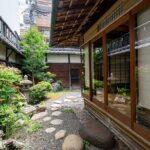
At the address, look for the large plate bearing the Sanjo Chasuian logo and name. Open the door, and staff will be waiting to welcome you. This is not the sort of appointment where you should wander around hoping to recognize a storefront from a small sign, so use the logo as your main landmark.
Plan to arrive early. Entry is allowed from five minutes before the scheduled start. That is enough time to find the door and settle in, but not enough time to build in a relaxed sightseeing detour immediately beforehand.
The strict start time matters because the ceremony aims to preserve a quiet setting. Once the session begins, the door is locked. Arriving one minute late means missing the activity with no refund, so I would treat the meeting time as a firm deadline rather than a suggestion.
The first bowl, prepared by the host
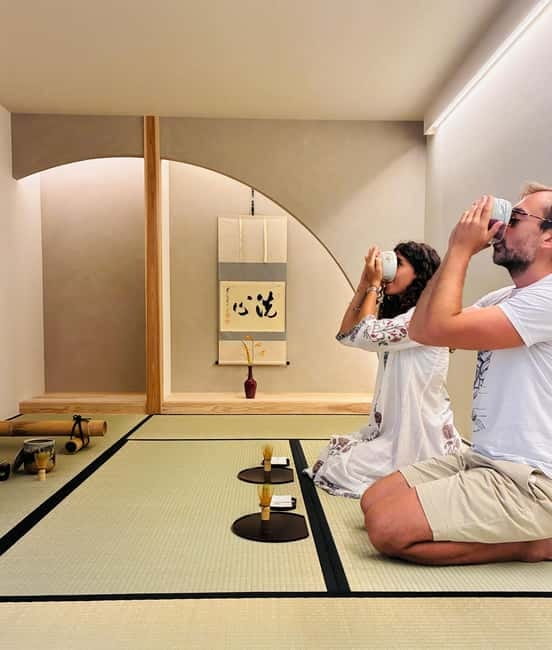
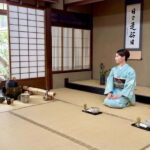
The session begins with an explanation of the tea ceremony’s history and meaning. You learn why the utensils, movements, space, and order of service matter. This opening is valuable because it gives shape to what you are about to see.
Without that background, a tea ceremony can look like a series of beautiful but mysterious hand movements. Here, the host explains enough for you to recognize the care behind each action. You can then watch the preparation with a better sense of what is happening.
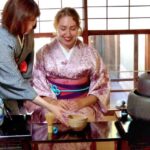
Next comes your first bowl of matcha, made by the host. It is served with a seasonal Japanese sweet, known as wagashi. The sweet is supplied by a Kyoto confectioner with more than 100 years of history, giving you a small taste of the city’s confectionery tradition alongside the tea.
The wagashi is not just a sugary extra. In the tea ceremony, the sweet helps balance the bitter edge of matcha. Its seasonal character also reflects an important Japanese habit: noticing the time of year through food, flowers, utensils, and presentation.
The tea is matcha from Kyoto, and you receive two servings during the experience. The first lets you sit back and observe. The second gives you a chance to understand the work involved.
Choosing a bowl and whisking your own matcha
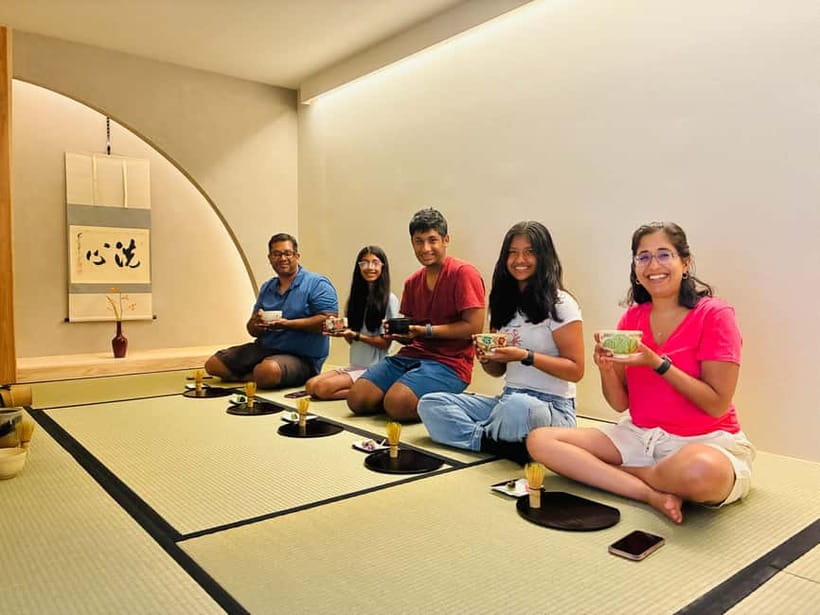
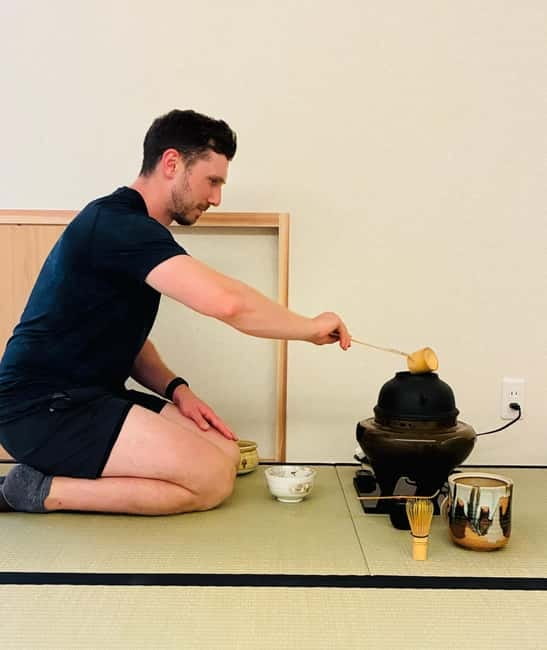
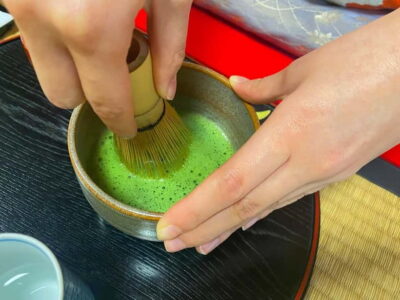
For the hands-on portion, you choose a tea bowl and learn how to prepare your own matcha. The host demonstrates the movements, then guides you as you whisk.
This is where the activity becomes more than a performance. You notice the rhythm required to turn powdered tea and hot water into a smooth drink. You also see why the ceremony values concentration. The task looks simple at first, but producing a good bowl takes more attention than many first-time participants expect.
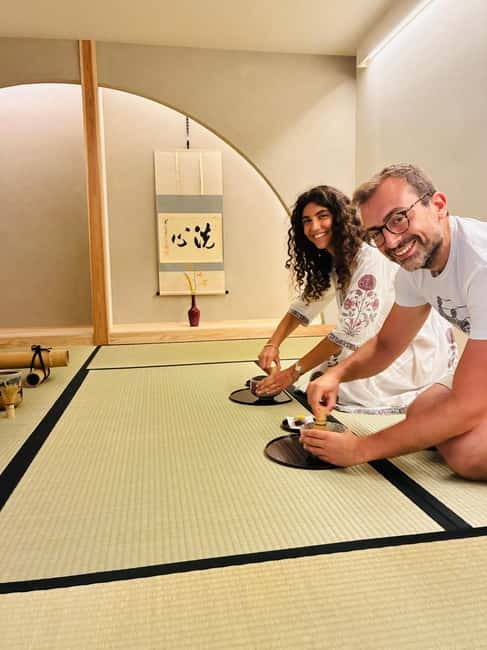
You can make the second bowl yourself or prepare it with a companion. That makes the experience suitable for couples, friends, and family members who want to take part together. The host may also take photos or videos while you prepare the tea, which is useful if you want a record without having to handle your phone during the demonstration.
The instruction is patient rather than competitive. You are not being tested on technique, and a slightly imperfect bowl is part of the fun. The point is to observe, try, and understand the meaning of the process.
Some people find the matcha stronger or more bitter than ordinary green tea. The included sweet helps, but you should not book this expecting a sugary café drink. The focus is on the ritual and the flavor of matcha itself.
The nijiriguchi and the quiet heart of the room
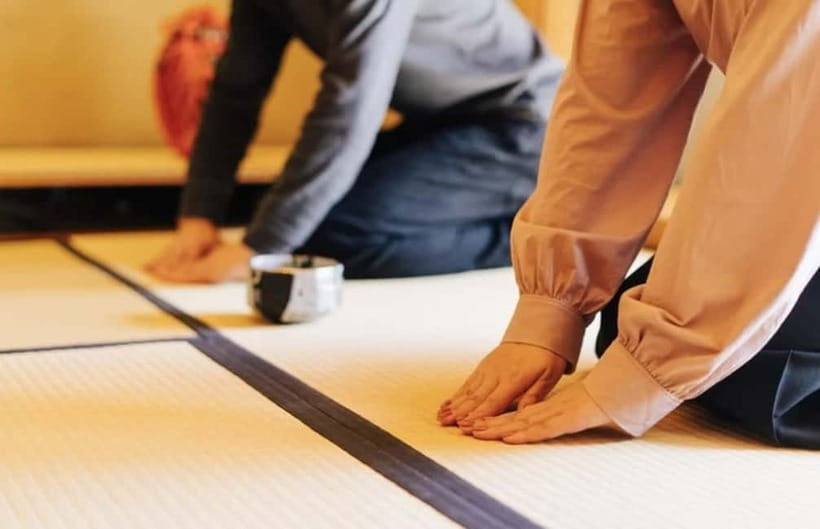
The nijiriguchi is one of the most distinctive features here. This low entrance requires you to crouch or crawl in, depending on your height and flexibility. It is a physical gesture, but it also carries symbolic meaning: you leave everyday status and distractions outside and enter the tea room with a more modest frame of mind.
For many visitors, this doorway will be the detail they remember most clearly. It turns an abstract idea about mindfulness into something physical. You do not simply hear that the ceremony asks you to slow down. You feel the transition as you lower yourself and cross the threshold.
The entrance also has practical limits. The experience is not suitable for wheelchair users, and the low doorway may be awkward for anyone with mobility problems. Chairs are available inside for people who prefer them, but that does not remove the need to manage the entrance itself.
Children under six are not suitable for the shared plan. Children under five, or anyone requiring an interpreter, must book the private plan, and an incorrect shared-plan booking cannot be used or refunded. These rules protect the quiet atmosphere, but they are important to check before paying.


What the shared group feels like
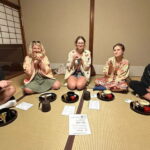
The shared plan is limited to 10 people and combines your session with other participants. A small group keeps the instruction personal without making the event feel like a private lesson.
You can expect a mix of listening, watching, and taking part. The host explains the customs to the room, serves the first tea, and then helps each person with the practical portion. The exact feel will depend on the number of people booked that day.
The quiet structure is part of the value. The host explains the ceremony and answers questions before the formal movements begin. Once the ritual starts, less conversation is needed, and the room can remain peaceful.
If you want the host’s full attention, need an interpreter, or are bringing a very young child, the private plan is the better choice. The shared plan is more suitable for adults and older children who can follow a calm, timed activity with a group.
How the $31 price compares
At $31 per person, this is a reasonably priced cultural activity for Kyoto, especially because it includes two bowls of Kyoto matcha and a seasonal wagashi. You are paying for instruction and access to a purpose-designed tea room, not only for a drink.
The strongest value comes from the balance between watching and doing. A short demonstration alone can feel passive. A self-guided matcha lesson alone may miss the meaning behind the custom. Sanjo Chasuian gives you both parts in a compact hour.
The price also works well for a busy itinerary. You do not need to commit half a day, and the central location reduces transport time. For visitors making a first visit to Japan, this is an efficient way to learn one important part of Japanese culture without sacrificing a major sightseeing block.
The value is less clear if you have already taken a formal tea ceremony elsewhere or mainly want a large meal and extended entertainment. This is a focused introduction, not a full-day cultural program. The matcha and wagashi are included, but no hotel transfer or transport to the venue is provided.
An opening discount was offered through September 15. Since that date may have passed, check the current price rather than assuming the discount still applies.
Clothing, seating, and optional coats
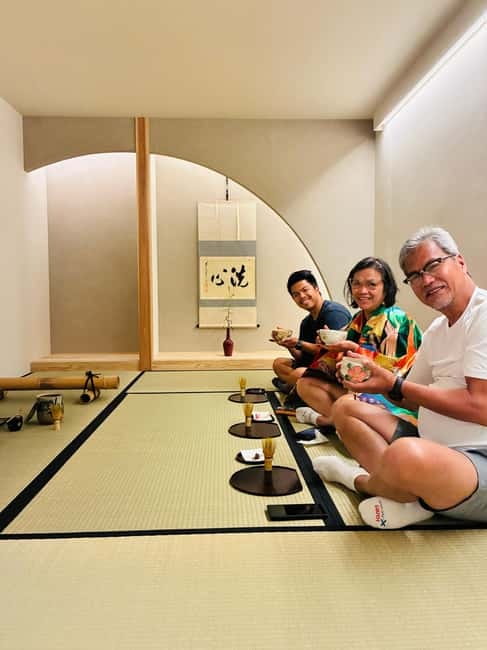
Bring or wear socks. This is required, and you should not rely on being able to borrow a pair at the facility.
Standard kimono rental and dressing are not included. You may request an optional uchikake experience, meaning a coat-style kimono, for ¥1,500 including tax. You cannot reserve it in advance, and quantities are limited, so treat it as a possible extra rather than a guaranteed part of the booking.
A few participants were able to wear traditional coats during the session, and staff helped adjust clothing when needed. Still, the published arrangement does not promise a full kimono dressing service. If wearing Japanese clothing is your main goal, read the offer carefully and ask the staff on the day.
Chairs are available if you prefer them. That is helpful for anyone who finds floor seating uncomfortable, though the nijiriguchi remains a consideration for people with limited mobility.
Who will enjoy this experience most
I would recommend Sanjo Chasuian to you if you want a clear first introduction to tea ceremony, especially if you value explanation as much as atmosphere. The English guidance makes the customs easier to understand, and the hands-on second bowl keeps the hour active.
It suits couples and friends particularly well because you can prepare the tea by yourself or with a companion. It also fits neatly into a central Kyoto schedule, thanks to its short walk from Karasuma Oike Station.
You will likely enjoy it if your sightseeing days have been packed with temples, trains, and meals. The hour offers a change of pace. You sit, watch, listen, taste, and focus on one small sequence of actions.
It is less suitable for wheelchair users, very young children, anyone who needs an interpreter but has booked the shared plan, or anyone likely to arrive late. It may also disappoint you if you expect a kimono rental, a long ceremony, or a private session at the shared-plan price.
Practical booking advice for Kyoto
Book a time that gives you a generous cushion before the start. Kyoto’s subway is convenient, but the final walk, finding the logo plate, and removing the rush from your arrival all take a few minutes.
Wear socks and comfortable clothing. You do not need to bring tea tools because bowls, matcha, and the whisking equipment are supplied.
The facility sells matcha, tea bowls, and selected tea items after the activity. Purchases are optional, and the experience does not require you to buy anything. If you enjoy the matcha you make, this gives you a chance to take a small reminder home.
Free cancellation is available up to 24 hours before the start, and you can reserve now and pay later. Those terms help if your Kyoto schedule is still changing, but they do not protect you from a last-minute late arrival. The strict entry rule still applies.
Should you book Sanjo Chasuian?
Yes, if you want a short, well-explained, English-led introduction to matcha and Japanese tea ceremony. The two-bowl format is the key advantage: you first see the host’s careful preparation, then discover for yourself how much focus the task requires.
Book it early in your Kyoto planning if you want a calm pause during a busy trip. Skip it if you need full wheelchair access, are bringing a child under six to a shared session, or want a full kimono rental and a longer formal ceremony.
For most first-time visitors, $31 is fair value for the instruction, seasonal sweet, central location, and chance to enter through a real nijiriguchi. Just arrive early, bring socks, and allow the tea room to set the pace.
FAQ
Where is Sanjo Chasuian located?
Sanjo Chasuian is in Kyoto, on Honshu, about a five-minute walk from Subway Karasuma Oike Station. Look for the large plate displaying the facility’s logo and name.
How long does the tea ceremony last?
The activity lasts one hour.
How much does the experience cost?
The listed price is $31 per person. An opening discount was offered until September 15, so check the current booking price before reserving.
How many people can join?
The small-group session is limited to 10 participants.
Is the experience conducted in English?
Yes. The guidance and explanations are provided in English for international visitors.
Do I make my own matcha?
Yes. You receive one bowl prepared by the host and make a second bowl yourself or with a companion.
Is a Japanese sweet included?
Yes. A traditional seasonal Japanese confectionery item from a Kyoto confectioner with more than 100 years of history is included.
Do I need to bring anything?
You must bring or wear socks. Tea bowls, matcha, and the equipment needed for the activity are provided.
Is kimono rental included?
No. Standard kimono rental and dressing services are not offered. An optional uchikake, or coat-style kimono, experience costs ¥1,500 including tax, is subject to limited quantities, and cannot be reserved in advance.
Can children or wheelchair users join?
Children under six are not suitable for the activity. Children under five must use the private plan, and anyone requiring an interpreter must also book the private plan. The experience is not suitable for wheelchair users.
What happens if I arrive late?
Entry is allowed from five minutes before the start. Once the session begins, the door is locked. Even one minute of lateness means you cannot join, and no refund is provided.
Can I cancel the booking?
You can cancel up to 24 hours in advance for a full refund. A reserve-now, pay-later option is also available.
More Tea Ceremony Experiences in Kyoto
More tours in Kyoto we've reviewed



Tea Ceremony Experiences, compared.
 ★ 4.9Kyoto: Tea Ceremony in a Traditional Tea House in KiyomizuFrom $4945 min
 ★ 4.9Kyoto: Tea Ceremony Ju-An at Jotokuji TempleFrom $291h 10m
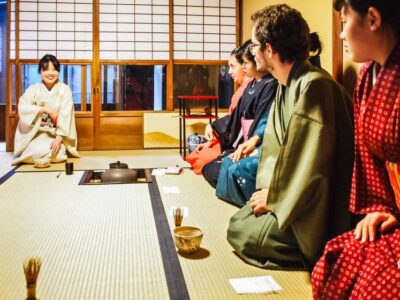 ★ 4.3Kyoto: 45-Minute Tea Ceremony Lesson ExperienceFrom $2245 min
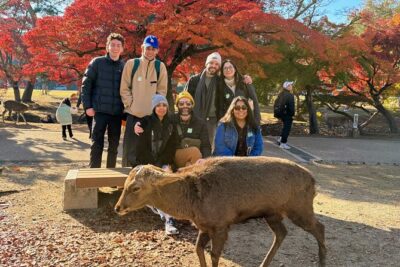 ★ 5.0World Heritage Kyoto & Nara Uji Authentic Matcha ExperienceFrom $129
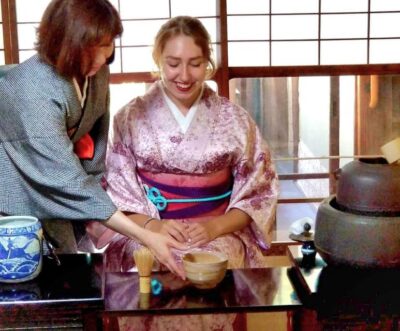 ★ 4.9Kyoto: Table-Style Tea Ceremony at a Kyo-MachiyaFrom $451h 30m
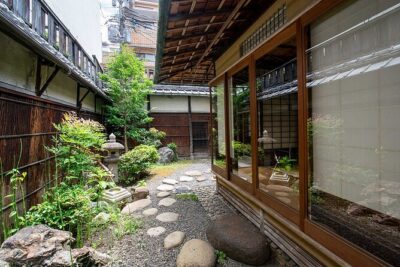 ★ 5.0Kimono Tea Ceremony at Kyoto Maikoya, NISHIKIFrom $65