
Reviewed · KYOTO FOOD TOURS
Kyoto: Nishiki Market Food Tour with Local Guide
Nishiki Market is where Kyoto’s food culture gets wonderfully close and personal. This five-block market packs more than 100 stalls and specialty shops into narrow lanes, and a local guide helps you make sense of the tempting but sometimes unfamiliar foods.
I like the chance to sample several seasonal Kyoto foods instead of guessing at one snack on your own. I also like the cultural thread: you learn how Buddhist vegetarian cooking, seasonality, and Kyoto’s formal kaiseki traditions shaped what you see in the stalls. The main drawback is simple: this is a walking and tasting tour through a crowded market, so it may feel tiring if you prefer a slow, quiet meal.
In This Review
- Key points to know
- Why Nishiki Market makes a good first food stop
- Entering the five-block food corridor
- Tasting seasonal foods instead of guessing
- Learning the Kyoto approach to food
- What the guide adds to the market
- A closer look at the market experience
- Who will get the most from the $64 price
- Practical advice before you book
- Is this Nishiki Market tour worth booking?
- FAQ
- Where does the food tour take place?
- How much does the Nishiki Market food tour cost?
- What is included in the tour?
- Is hotel pickup included?
- What language is the tour conducted in?
- Are vegetarian options available?
- What food traditions are discussed?
- How old is Nishiki Market?
- How large is Nishiki Market?
- Can I cancel for a full refund?
Key points to know
- Nishiki Market stretches for five blocks, with more than 100 food stalls and specialty shops.
- An English-speaking local guide explains what you are eating and how it fits into Kyoto food culture.
- Seasonal traditional foods form the heart of the tasting experience.
- Buddhist vegetarian cuisine receives special attention, giving the market more context than a basic snack crawl.
- Steven is praised for clear explanations and kindness, including helping a participant after a fall.
- Vegetarian tastings are available with advance notice, and cancellation is free up to 24 hours before the tour.
Why Nishiki Market makes a good first food stop
Kyoto can be a tricky city for food discovery. Menus may offer little English, shop counters can be small, and some local specialties are not obvious to first-time visitors. Nishiki Market solves part of that problem by gathering many food sellers in one long market corridor, but the sheer choice can still be a lot to take in.
This tour gives you a guide at your side while you move through Kyoto’s best-known food market. You are not simply shown a row of snacks. You are introduced to the ideas behind them: local seasonality, careful preparation, Buddhist food traditions, and the importance of presentation in Kyoto cooking.
Nishiki dates to the early 14th century. It began with fish shops and grew into a marketplace for fresh ingredients, prepared foods, seasonal produce, and handmade goods. That background matters because the market is not just a place built for sightseeing. It developed as part of the city’s everyday food system.
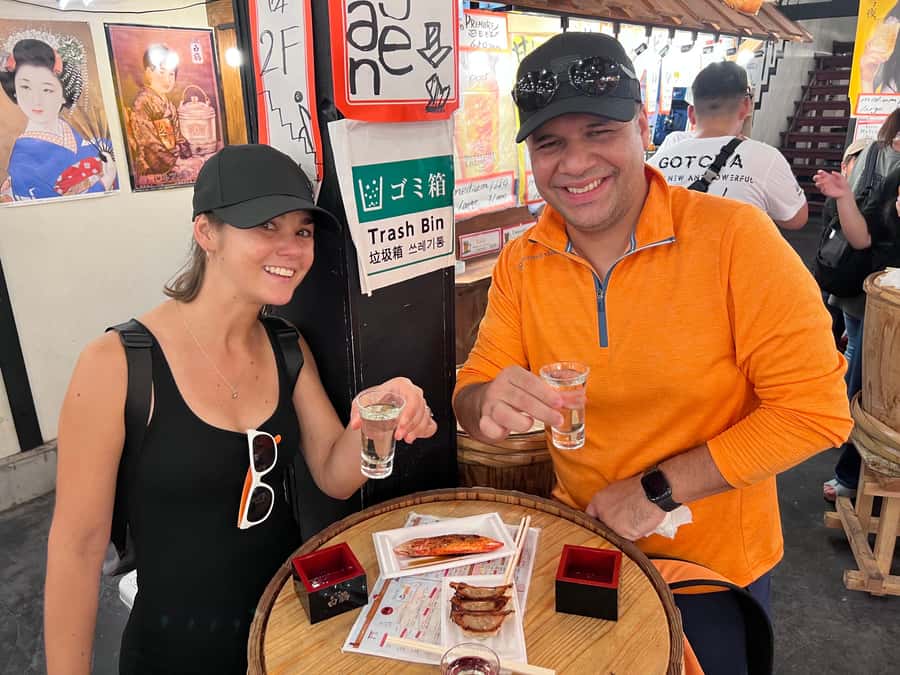
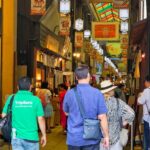
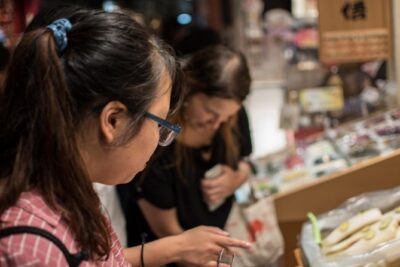
The setting is narrow, busy, and full of strong smells. Vendors call out their offerings, displays spill toward the walking route, and foods are often prepared close to where they are sold. You will get a lively look at Kyoto, but you should not expect a polished restaurant setting or a quiet tasting room.
A few more Kyoto tours and experiences worth a look

Entering the five-block food corridor
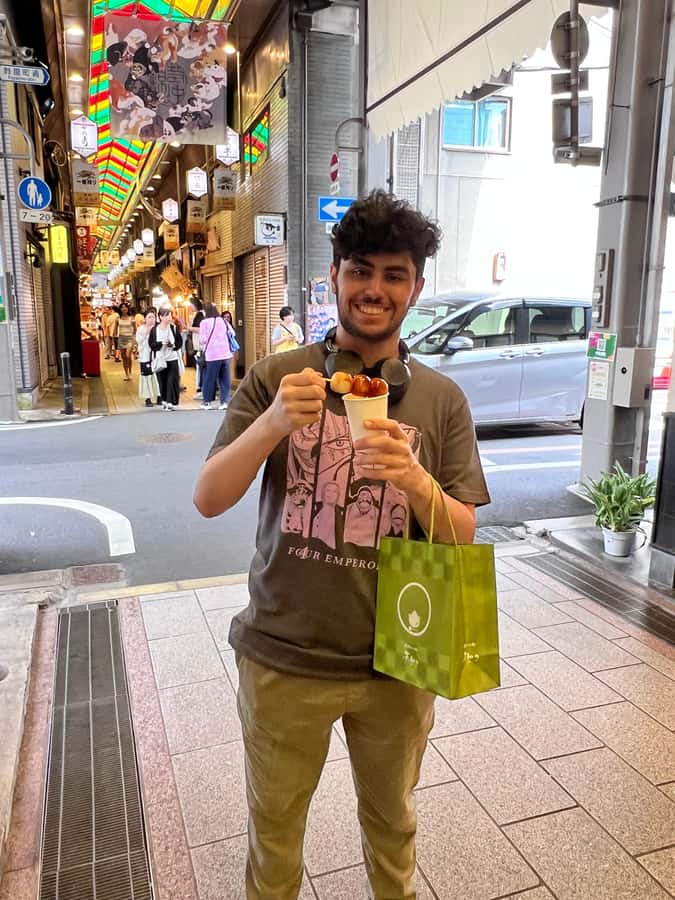
The tour begins with an introduction to Nishiki Market and its place in Kyoto’s food life. Your guide helps you understand the layout and points out a selection of stalls rather than leaving you to wander without direction.
That guidance is valuable from the first few minutes. You might recognize familiar items such as fresh produce or grilled food, but other dishes may be less easy to identify. A local guide can explain what a food is, how it is commonly prepared, and why it matters in Kyoto.
The market’s five-block length gives the experience a natural sense of movement. You walk from one type of seller to another, seeing how a traditional market can serve both daily cooking and special meals. The number of stalls also means the tour can focus on food rather than forcing you into a single shop.
There is a practical catch. The market’s narrow route can become uncomfortable when many people are moving through at once. Keep your belongings close, wear shoes with good support, and expect to stand while listening and tasting. A water bottle is worth carrying, especially if you are visiting in warm weather.
Tasting seasonal foods instead of guessing
The tastings are the core of the experience. You try a selection of traditional and seasonal foods chosen from the market, with the guide explaining what makes each one worth noticing.
Seasonality is one of the key ideas in Kyoto cooking. Rather than treating food as the same all year, Japanese cuisine often gives attention to what is fresh or appropriate for a particular time. That approach can affect ingredients, preparation, presentation, and even the way a dish is described.
For you, this means the exact tasting lineup may depend on what is available at the time of your visit. That is a strength if you like food that reflects place and season, but it also means you should not book this expecting one fixed menu. The experience is about discovering what the market offers on that day.
A guide also helps you slow down and notice details you might otherwise miss. You may learn why a food is prepared in a particular way, how it is served, or where it fits within Kyoto’s cooking traditions. The value is not just the number of samples. It is the explanation that turns a quick bite into a piece of local culture.
Food tastings are included in the $64 price, along with the guide and cultural information. That makes the cost reasonable for visitors who want several introductions in one outing, especially if they would otherwise buy random snacks without knowing what they are eating. It is less useful for someone who only wants the cheapest possible meal, since this is a guided cultural activity rather than a market lunch alone.
Learning the Kyoto approach to food
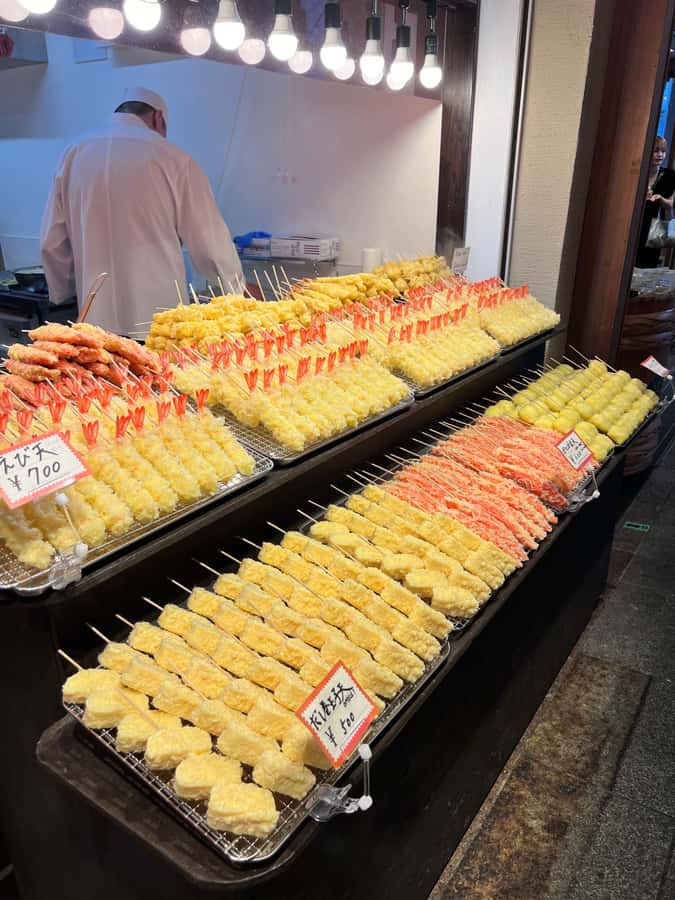
One of the strongest parts of the tour is its focus on how Kyoto thinks about food. You hear about Kyoto kaiseki, the city’s formal style of multi-course dining, and the care given to balance, timing, and presentation.
Kaiseki is not the same as grabbing a snack from a market stall, but the connection is useful. Both reflect the idea that ingredients, season, preparation, and appearance matter. The market gives you an informal, accessible way to see some of the values that also shape Kyoto’s more refined dining traditions.
You also hear about Buddhist vegetarian cuisine. Buddhist practice influenced food habits in Kyoto, including the use of vegetables and plant-based ingredients in careful, satisfying ways. This is especially helpful if you want to understand why vegetarian cooking has such a visible place in the city’s food culture.
The discussion keeps the tour from becoming a simple sequence of samples. You learn that Kyoto cuisine is shaped by religion, season, craftsmanship, and local customs. That wider view can improve the rest of your trip because restaurant menus and market foods begin to make more sense.
If you require vegetarian food, notify the provider ahead of time. Vegetarian options are available, but the advance notice matters. The supplied information does not promise that every tasting is vegetarian or that vegan requirements can be handled, so you should state your needs clearly when booking.
What the guide adds to the market
A market can be fun on your own, but a guide changes the pace and purpose. Instead of rushing from one eye-catching stall to the next, you receive explanations about the market’s past and Kyoto’s cooking methods.
Steven is the named guide associated with especially strong feedback. He is described as exceptionally well informed, clear about the market’s history, and able to explain how Kyoto food is cooked. Kindness is another repeated strength. On one outing, he helped when a participant fell, which suggests a guide who pays attention to the people in the group as well as the food.
That personal care matters in a market setting. You may need help understanding a vendor, deciding how to approach a tasting, or keeping up through a crowded passage. The tour is conducted in English, so you can ask questions and receive context without relying on a translation app.
The provider is Jacalize Co., Ltd. The information does not state the group size or the exact tour length, so you should confirm those details before booking if they affect your plans. Without that information, I would leave some space in your day rather than scheduling a tight connection afterward.
A few more Kyoto tours and experiences worth a look

A closer look at the market experience
Nishiki Market’s appeal comes from its variety. It grew from a small group of fish shops into a long marketplace with specialty food sellers and traditional products. You can expect to see fresh ingredients, prepared foods, seasonal produce, and artisanal goods along the route.
The market is also a place to watch food being handled and prepared. Displays are designed to catch your eye, while aromas and vendor calls add to the sense of movement. It is a direct look at food as a trade, not just as something presented on a restaurant plate.
Photography is encouraged, but ask before taking pictures of vendors or their stalls. That is more than a courtesy. Shopkeepers are working, and a market is still a place of business even when it is popular with visitors.
I would not approach Nishiki expecting a single grand food hall. Its character comes from small sellers, changing displays, and a tight walking route. Some stalls may appeal to you more than others. The guide’s role is useful because you can focus on the foods and stories that best explain Kyoto rather than trying to inspect every shop.
Who will get the most from the $64 price
At $64 per person, this tour makes the most sense for a first-time visitor who wants an introduction to Kyoto food without planning a full restaurant itinerary. The included tastings give you several chances to try local flavors, while the guide supplies the background that is difficult to find from a stall sign.
It also suits people who enjoy learning while they eat. The food is the hook, but the market’s history, kaiseki traditions, seasonal cooking, and Buddhist influence make up much of the experience.
You may find better value elsewhere if you already know Kyoto’s food scene, speak Japanese, or prefer to spend your time choosing your own snacks. The market is open to independent exploration, and some visitors will enjoy that freedom more than a guided route.
Families and older participants should think about the walking conditions. Comfortable shoes are important, and the tour involves moving through a busy market rather than sitting for long periods. The guide’s reported willingness to help is reassuring, but the experience still requires a reasonable level of mobility.
Practical advice before you book
Wear comfortable shoes. This is the most important preparation because you will walk through five blocks of market stalls and may spend time standing while the guide explains foods and traditions.
Bring a refillable water bottle. Food samples can be salty, sweet, or strongly flavored, and staying hydrated will make the tasting more comfortable.
Tell the provider about vegetarian needs in advance. The tour includes food tastings, but the exact foods depend on the market and season. Advance notice gives the guide a better chance to arrange suitable choices.
Plan to take photographs, but ask first when a vendor or stall is the subject. A quick gesture and polite request help keep the experience respectful.
The tour is offered in English. Hotel pickup and drop-off are not included, so you are responsible for reaching the market and continuing on afterward.
You can reserve now and pay later, which is useful if you are still arranging your Kyoto schedule. Free cancellation is available up to 24 hours before the tour. Last-minute bookings may be canceled, so do not wait until the final hours if this is important to your plans.
Is this Nishiki Market tour worth booking?
I would book this tour if you want your first visit to Nishiki Market to have some structure and meaning. The combination of seasonal tastings, market history, Kyoto cooking, and Buddhist vegetarian traditions gives you more than a snack stop.
The strongest reason to choose it is the guide. Steven is praised for clear food explanations and genuine kindness, and those qualities matter in a crowded market where good timing and simple explanations make a big difference.
I would skip it if you want a quiet sit-down meal, a fixed menu, or complete freedom to wander. For everyone else, $64 is a fair price for a guided introduction to one of Kyoto’s most important food centers, particularly if you value context as much as flavor.
FAQ
Where does the food tour take place?
The tour takes place at Nishiki Market in Kyoto, on Honshu, Japan.
How much does the Nishiki Market food tour cost?
The listed price is $64 per person.
What is included in the tour?
The price includes a local guide, food tastings, and cultural and historical information about Nishiki Market and Kyoto food traditions.
Is hotel pickup included?
No. Hotel pickup and drop-off are not included.
What language is the tour conducted in?
The tour is conducted in English.
Are vegetarian options available?
Yes, vegetarian options are available. You need to notify the provider in advance.
What food traditions are discussed?
The guide discusses Kyoto food culture, seasonal traditional foods, Kyoto kaiseki, and the influence of Buddhist vegetarian cuisine.
How old is Nishiki Market?
Nishiki Market dates back to the early 14th century.
How large is Nishiki Market?
The market extends for five blocks and includes more than 100 stalls and specialty stores.
Can I cancel for a full refund?
Yes. You can cancel up to 24 hours in advance for a full refund. Last-minute bookings may have to be canceled.
More Food Experiences in Kyoto

More Nishiki Market Tours in Kyoto
More Kyoto Food Tours in Kyoto

More tours in Kyoto we've reviewed


Kyoto Food Tours, compared.
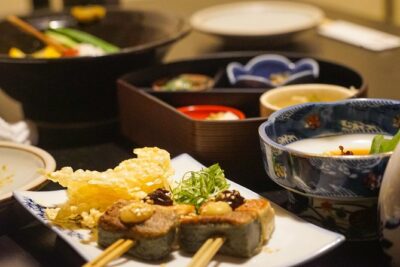 ★ 5.0Kyoto Night Foodie Tour in Gion (9+ dishes + 6 Sake tastings)From $163
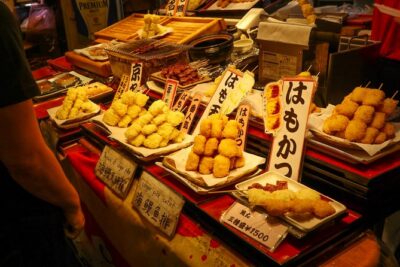 ★ 5.0Nishiki Market Brunch Walking Tour (7 Tastings + Brunch)From $68
 ★ 5.03-Hour Kyoto Insider Sake Brewery Tour with Tastings & PairingsFrom $84
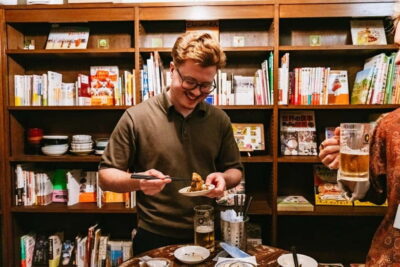 ★ 4.6Kyoto Night All-Inclusive Eats and Streets, Gion and BeyondFrom $101
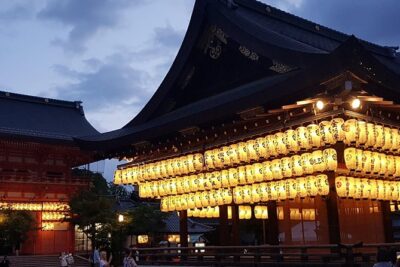 ★ 4.5Kyoto Nighttime All-Inclusive Eats and Streets, Gion and BeyondFrom $119
 ★ 5.0Kyoto Foodie Night TourFrom $102