
Reviewed · NARA DAY TRIPS
From Kyoto / Osaka: Kyoto Must-see Spots & Nara Park One Day Tour
Nara’s bowing deer and Kyoto’s red torii gates make this nine-hour day trip a smart choice when your Japan schedule is tight. You’ll also reach Arashiyama’s bamboo grove, Tenryu-ji, Togetsukyo Bridge, and several smaller sights without working out the train connections yourself.
I like the wide mix of sights, from free-roaming deer and Shinto shrines to a Zen temple and a playful Rilakkuma shop. I also like the steady stream of practical help from guides such as Amy, Fiona, Mia, Laura, and Tina, who have been praised for clear directions, lively explanations, and keeping large groups on time.
The tradeoff is simple: this is a fast group outing, not a slow, private walking tour. Some stops receive only 15 or 20 minutes, the bus can hold up to 45 people, and one report found the seats narrow and uncomfortable for larger bodies. You’ll see a lot, but you will not linger everywhere.
In This Review
- Key points at a glance
- Why this Kyoto and Nara route works
- Nara Park and the deer
- Fushimi Inari’s Senbon Torii
- Arashiyama’s bamboo grove and Nonomiya Shrine
- Tenryu-ji and the 500-yen decision
- Kimono Forest and Rilakkuma Tea House
- Togetsukyo Bridge and your final Arashiyama view
- Guides, group rhythm, and what the day feels like
- Practical details that shape your choice
- Who should book this day trip
- Should you book it?
- FAQ
- How long does the Kyoto and Nara tour last?
- What is included in the tour price?
- How much does Tenryu-ji cost?
- Is the Great Buddha in Nara included?
- Can I bring a stroller or large luggage?
- What is the cancellation policy?
Key points at a glance
- Feed Nara’s famously polite deer: Spend about an hour in Nara Park, where deer roam freely and may bow while hoping for a biscuit.
- Walk beneath Fushimi Inari’s red gates: The head shrine of Inari offers a memorable one-hour visit, though the full mountain route takes much longer.
- Cover Arashiyama’s major sights in one sweep: The bamboo grove, Nonomiya Shrine, Tenryu-ji, Kimono Forest, Rilakkuma Tea House, and Togetsukyo Bridge are all included in the planned route.
- Use the tour as a Kyoto and Osaka link: Some participants have used the outing as a transfer between the two cities, with Kyoto Station available as a drop-off option.
- Expect free time more than constant guiding: Guides explain the places and coordinate meeting points, then often let you explore independently.
- Pay extra for Tenryu-ji: The temple ticket costs 500 yen and is not included in the tour price.
Why this Kyoto and Nara route works
At $60 per person, the tour gives you a great deal of ground for one day. You are paying for transport, a guide, and the convenience of combining Nara with two major Kyoto areas. Admission is free at nearly every listed stop, so the only stated entrance charge is the 500-yen Tenryu-ji ticket.
That price makes the most sense if you are staying in Osaka, have limited time, or do not want to manage several train rides and local connections. Nara and western Kyoto are separate outings when done independently. This trip links them by air-conditioned vehicle, which saves planning time even if traffic can make the day feel tightly packed.
The experience has a 4.8 rating from 171 reviews, with 95 percent recommending it. The strongest pattern is not one particular attraction. It is the guides’ ability to keep a big, mixed group moving. Amy, Fiona, Mia, Laura, Tina, Theodore, Willa, Tracy, and others have been praised for energy, clear instructions, useful local tips, and help with meeting points.
You should expect a group format. The vehicle may carry as many as 45 people, and the guide cannot offer a private explanation at every shrine or temple. Several participants described the day as a bus ride between sights with independent time at each stop. That is not a flaw if your main goal is coverage. It matters if you want long talks, quiet contemplation, or a custom pace.
A few more Kyoto tours and experiences worth a look
Nara Park and the deer
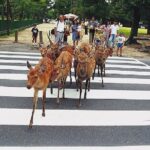
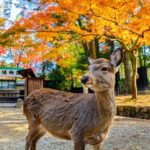
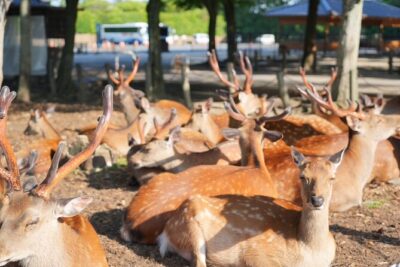
Nara Park is the day’s most playful stop. The park covers about 660 hectares and is known for its temples, open spaces, and deer that move freely among people. You receive about one hour here, with no admission fee for the park itself.
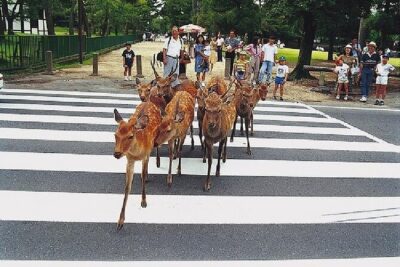
The deer are tame, but do not treat them like pets. They approach in search of food and may bow when they expect a biscuit. A family-focused visit can be a delight, especially for children, and one daughter was particularly taken with feeding them.
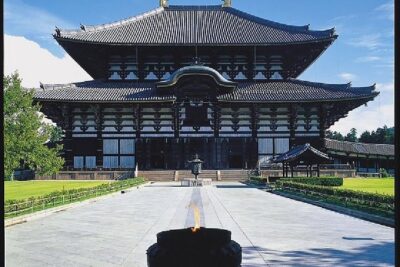
The hour goes quickly. You can enjoy the deer and walk through part of the park, but you should not expect to cover every temple or reach every major sight. The Great Buddha is not part of this tour. If that enormous bronze Buddha is a priority, plan a separate visit to Todai-ji rather than assuming Nara Park includes it.
This is an important distinction because Nara Park is large. The park name alone can sound as if it includes every famous Nara attraction. It does not. The schedule gives you a short introduction to the park and its deer, not a full Nara temple circuit.
Fushimi Inari’s Senbon Torii
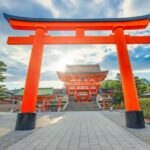
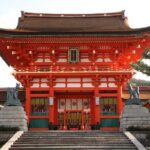
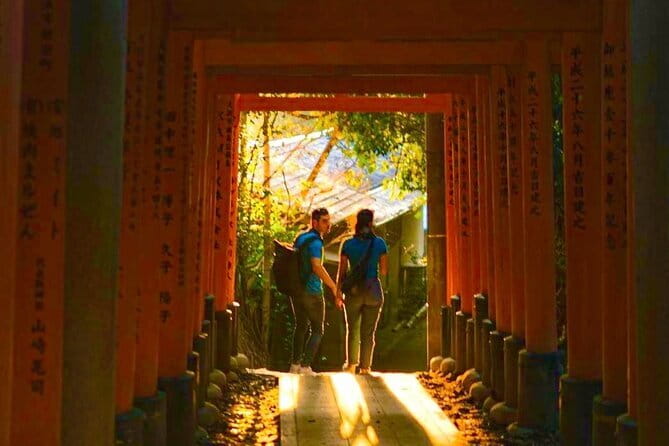
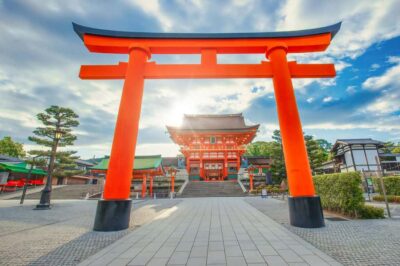
Fushimi Inari Taisha is the head shrine for Inari, the Shinto deity linked with rice. Japan has roughly 30,000 Inari shrines, and this is the one most visitors picture when they think of rows of orange-red torii gates.
You have about one hour and 10 minutes here. That is enough to enter the shrine grounds, see the famous Senbon Torii, and walk a meaningful section of the route. It is not enough to complete the full climb through the wooded mountain.
The gates are the main visual prize. Each one was donated by a person or business, and the repeated passageways create a strong sense of movement even when you only walk a short distance. The lower section is the most accessible part for a short visit, but it can also be the most crowded.
Wear shoes you can walk in comfortably. The route includes steps and slopes, and the schedule rewards people who move promptly. Keep an eye on the time rather than wandering upward without checking how far you have gone.
One useful lesson from the day’s feedback is that time allocation can feel uneven. One participant preferred more time at Fushimi Inari and less at the bamboo grove. If the torii gates are your main reason for booking, tell your guide early. You may not be able to change the schedule, but you can use your free time with a clear plan.
Arashiyama’s bamboo grove and Nonomiya Shrine
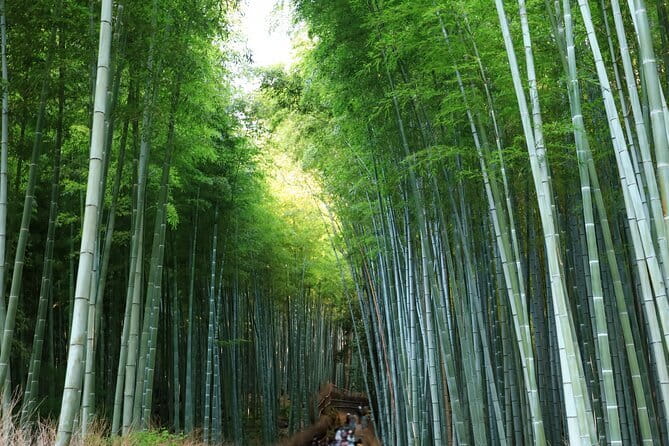
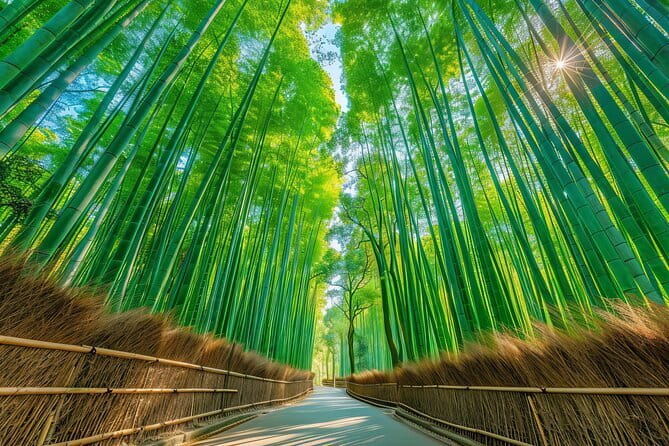
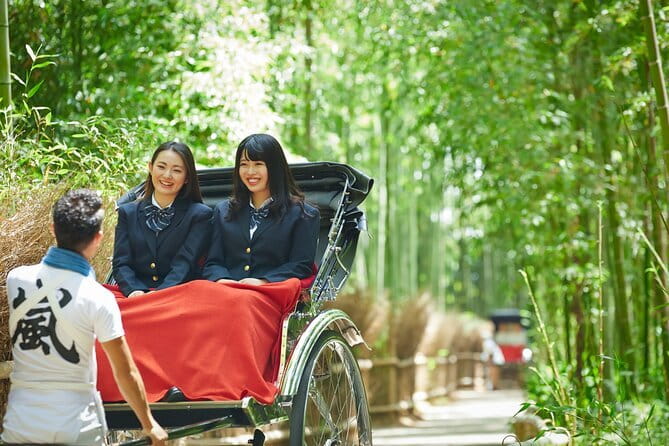
Arashiyama is a western Kyoto district famous for river views, old religious sites, and wooded paths. The tour gives you a very short orientation in Arashiyama, followed by about 50 minutes in the Bamboo Forest.
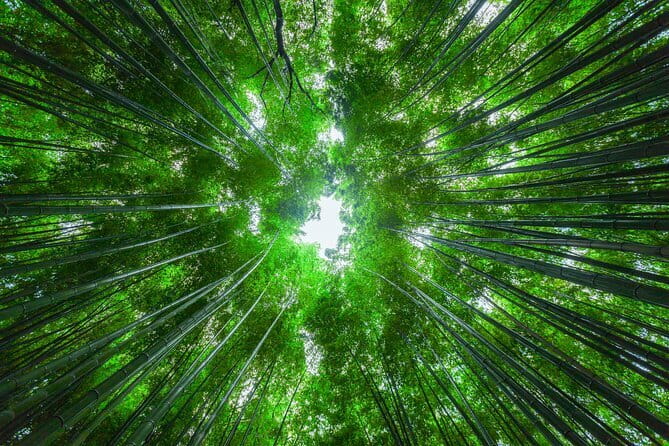
The bamboo stalks are tall, dense, and striking. This is one of Kyoto’s signature images, and it is easy to understand why the place is included. The path itself is not a long wilderness walk. It is a popular route through a compact section of bamboo, so you should expect other people and a quick visit rather than solitude.
The schedule gives the bamboo grove more time than several other Arashiyama stops. That suits you if getting the classic Kyoto photograph is high on your list. It may feel less satisfying if you care more about temples and gardens than the grove.
Nonomiya Shrine follows, with about 20 minutes. This small Shinto shrine is known for its black torii gate, a notable contrast to the red gates at Fushimi Inari. It is associated with women praying for marriage and with the old pilgrimage route toward the sacred world of Mount Hiei.
The stop is brief, but it adds texture to the day. You see that Kyoto shrines do not all share the same color scheme or scale. Nonomiya can also provide a calmer, more intimate moment after the larger Fushimi Inari grounds, though the surrounding Arashiyama area remains heavily visited.
Tenryu-ji and the 500-yen decision
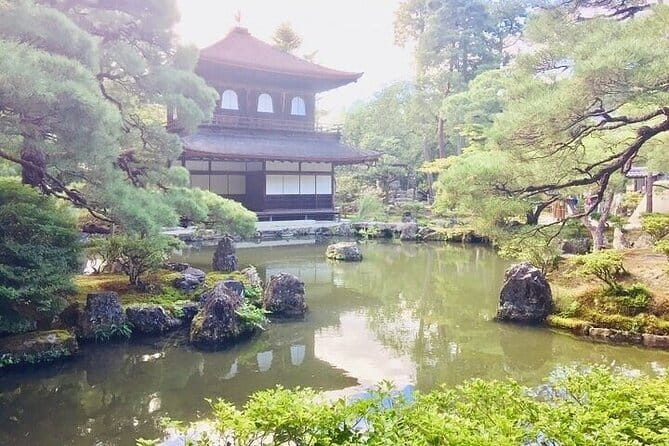
Tenryu-ji is the most substantial cultural stop in Arashiyama. This UNESCO World Heritage Site is ranked first among Kyoto’s five great Zen temples. Its garden and temple buildings offer a more reflective experience than the Kimono Forest or the Rilakkuma shop.
The planned visit is only about 20 minutes, and the 500-yen admission fee is extra. That short slot is the key issue. You can enter, see part of the grounds, and appreciate the garden, but you will need to move efficiently.
The schedule includes Tenryu-ji, yet some participants reported that they did not enter the temple. In practice, the exact use of this short stop may depend on the day’s timing and group movement. If Tenryu-ji matters greatly to you, ask the guide at the start of the Arashiyama portion whether interior admission is planned.
I would pay the 500 yen if the temple is open and you value gardens, Zen architecture, or UNESCO sites. I would skip the ticket if you prefer to spend your limited time at the bridge or bamboo grove. The tour gives you a taste of Tenryu-ji, not a leisurely temple visit.
A few more Kyoto tours and experiences worth a look


Kimono Forest and Rilakkuma Tea House
The Arashiyama Kimono Forest is a modern art installation near the train area. It uses about 600 clear acrylic cylinders, each roughly two meters tall, decorated with kimono fabric. The colors and patterns create a bright corridor that feels very different from the nearby bamboo and temple grounds.
You have about 20 minutes here. It is an easy photo stop, and it gives the day a useful change of mood. Still, the appeal is visual rather than historical. If you have to choose between this installation and extra temple time, you may prefer Tenryu-ji.
The Arashiyama Rilakkuma Tea House receives about 15 minutes. Rilakkuma means bear in a relaxed mood, and the café and shop use the character in a Kyoto-themed setting. The stop is free, but food and purchases are not part of the tour price.
This will delight fans of the character and families with children. If you are seeking traditional Kyoto, it may feel like a detour. The stop also leaves little time for a full café meal, so think of it as a quick look or shopping pause, not a proper tea break.
Togetsukyo Bridge and your final Arashiyama view
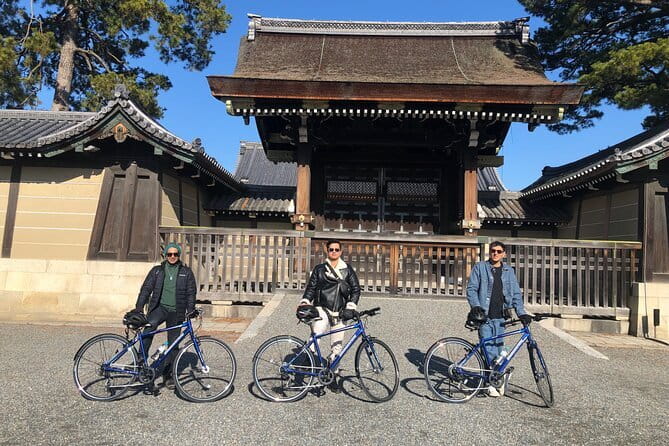
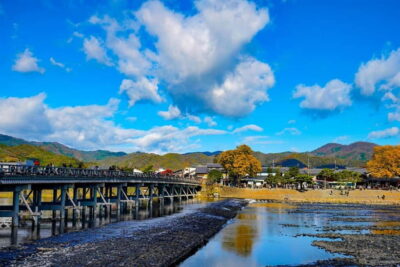
Togetsukyo Bridge is Arashiyama’s best-known landmark. The first bridge was built during the Heian Period, from 794 to 1185, and the current structure was most recently rebuilt in the 1930s. It crosses the Katsura River and frames the hills that give Arashiyama its scenic appeal.
The planned visit lasts about 15 minutes. That is enough to cross part of the bridge, take photographs, and enjoy the river setting. It is not enough for a long riverside walk or a relaxed meal in the district.
This final stop can be useful if you want a clear view of Arashiyama beyond the bamboo path. It also gives you a natural landmark after several compact cultural and shopping stops. Bring your camera, but keep the meeting time firmly in mind.
One participant used the final location as a starting point for an independent meal at sushi and unagi restaurants. That can work if your drop-off plan and timing allow it, but you should not assume the tour includes lunch. Lunch is explicitly excluded.
Guides, group rhythm, and what the day feels like
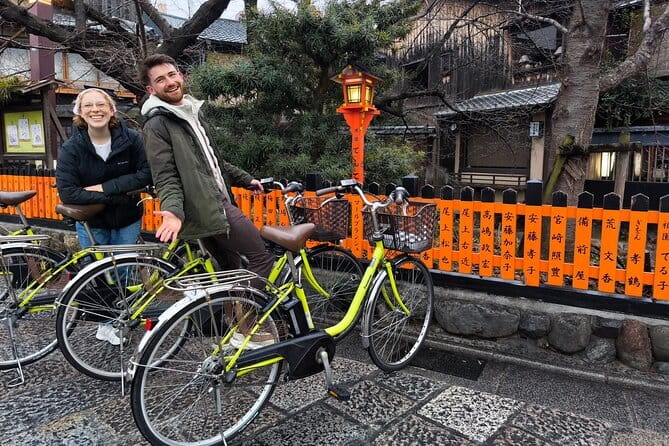
The guides are a major part of the experience. Amy has been praised for organization, energy, and steady communication. Fiona is known for lively explanations and even using a game to help people remember what they saw. Mia has helped families with mobility concerns, including arranging front bus seats and offering assistance.
Tina has sent meeting instructions, maps, and messages before and during the outing. Theodore and assistant Takashi have offered sightseeing and restaurant suggestions after the formal tour ended. These details matter because large group tours succeed or fail at meeting points.
You may hear a lot of information in a short time. One participant found the guide’s speaking pace too fast and preferred more direct commentary. That is fair criticism. The practical answer is to listen for the essential meeting time, meeting place, and return instructions first. You can then absorb the history at your own pace.
The tour often works more like guided transportation with brief introductions than a continuous walking lecture. That gives you freedom, but you must manage yourself. Stay aware of the guide, vehicle, and clock.
Practical details that shape your choice
The tour lasts about nine hours and starts from either Osaka or Kyoto. It includes an air-conditioned vehicle and a guide. Mobile tickets make the booking simple, and confirmation arrives when you book.
Tell the operator in advance if you have a stroller or large luggage. Also notify them at least one day ahead if you booked separately from relatives or friends and want to stay together in the same vehicle.
The bus may be narrow for some body types. If comfort is a major concern, a private vehicle or train-based itinerary may suit you better. On the other hand, the bus is a real advantage when you are carrying luggage or want a direct link between Osaka and Kyoto. Some people have used the tour as a transfer option, including a drop-off at Kyoto Station.
Dress for walking and changing conditions. One person advised bringing warm clothing because higher areas can feel colder. Comfortable shoes matter more than stylish ones here.
Free cancellation is available until 24 hours before the start time for a full refund. Cancellations or changes made inside that window are not accepted for a refund.
Who should book this day trip
I would choose this tour if you are visiting Japan for the first time, staying in Osaka, or trying to fit Kyoto and Nara into a short trip. Families can make good use of it because the deer are a clear hit with children, and the vehicle removes several transport chores.
It also suits you if you prefer a checklist of major sights with a friendly coordinator nearby. The guides have repeatedly helped with timing, directions, maps, restaurant suggestions, and special needs.
I would think twice if your ideal Kyoto day involves long temple visits, quiet lanes, or deep time in one neighborhood. The route is full, and Arashiyama alone could take most of a day. The same applies if you want to climb far into Fushimi Inari or visit the Great Buddha in Nara.
Should you book it?
Book this tour if breadth and ease matter more than a slow pace. For $60, you get transport, a guide, Nara’s deer, Fushimi Inari, and the main Arashiyama sights in one demanding day. That is strong value for a first visit or a short stay.
Skip it if you want full control over meals, temple time, and walking distance. The best way to enjoy this outing is to choose your priorities before boarding: deer in Nara, torii gates at Fushimi Inari, bamboo in Arashiyama, or Tenryu-ji’s garden. You cannot give every stop equal time, but with a clear plan and attention to the guide’s instructions, this is an efficient introduction to three of Japan’s most memorable places.
FAQ
How long does the Kyoto and Nara tour last?
The experience lasts approximately nine hours.
What is included in the tour price?
The price includes an air-conditioned vehicle and a guide. Lunch and the Tenryu-ji admission ticket are not included.
How much does Tenryu-ji cost?
The stated admission fee is 500 yen per person.
Is the Great Buddha in Nara included?
No. The tour visits Nara Park but does not include the Great Buddha.
Can I bring a stroller or large luggage?
You should tell the operator when booking if you plan to bring a stroller or large luggage.
What is the cancellation policy?
You can cancel at least 24 hours before the experience start time for a full refund. Cancellations or changes made less than 24 hours before the start time are not accepted for a refund.
More 1-Day Tours in Kyoto
More Nara Day Trips in Kyoto

More tours in Kyoto we've reviewed




Nara Day Trips, compared.
 ★ 5.0World Heritage Kyoto & Nara Uji Authentic Matcha ExperienceFrom $129
 ★ 4.7Kyoto/Osaka: Nara, Fushimi Inari Taisha, Arashiyama Bus TourFrom $529 - 10 hours
 ★ 4.4Osaka/Kyoto: Arashiyama, Nara & Fushimi Inari Shrine w/LunchFrom $61
 ★ 5.0Nara Early Morning Tour (Kyoto or Osaka Departure Available)From $61
 ★ 4.5Kyoto and Nara Day Trip from KyotoFrom $194
 ★ 4.5Nara Afternoon Tour from Kyoto or OsakaFrom $102