
Reviewed · PRIVATE
Kyoto Private 7-Hour Hidden Gems Tour with a Local – Unscripted
Kyoto is best when you can slow down and follow your own interests. This private seven-hour tour gives you a local host rather than a fixed route, so your day can center on old neighborhoods, shrine customs, food, gardens, or the small streets most group tours skip.
I like the personal planning before you arrive, and I like the freedom to adjust the day as you go. Masaya has been singled out for his clear English, strong local advice, and ability to shape a pleasant day around his guests. The main drawback is cost: at $251.52 per person, it makes the most sense for a small group that values flexibility.
You should also know what this is not. It is mainly a walking experience, with no private vehicle and no admission fees, meals, or drinks included. Public transport or taxis may be used, and those costs are discussed separately with your host.
In This Review
- Key points to know before booking
- A Kyoto day built around you
- Starting near Sanjo-ohashi Bridge
- Walking through Gion and its quiet lanes
- Learning shrine customs beyond the main gate
- Taking a slower break in a public garden
- Finding an old cobbled alley in central Kyoto
- What the private format changes
- Is $251.52 per person a fair price?
- Timing, transport, and practical comfort
- Who will get the most from this Kyoto experience?
- Should you book it?
- FAQ
- How long is the Kyoto private tour?
- Is this a private tour?
- Can I choose what to see?
- Will the host contact me before the tour?
- Is hotel pickup available?
- Where is the stated meeting point?
- Where does the tour end?
- Is transportation included?
- Are food, drinks, and attraction tickets included?
- Can I cancel for a full refund?
- Is the tour suitable for most people?
Key points to know before booking
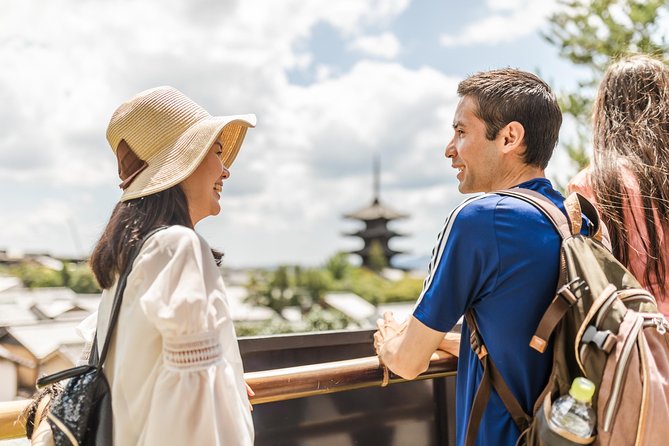
- Your interests shape the day: Share your must-sees, personality, and preferred travel style before meeting your host.
- Masaya may be your guide: He has been praised for fluent English, useful advice, and thoughtful itinerary planning.
- The route can mix icons and quiet corners: Expect options such as the Kamo River, Gion, a Shinto shrine, a public garden, and an old cobbled lane.
- Seven hours gives you breathing room: You can spend more time where you are interested instead of rushing from stop to stop.
- Walking is central: Wear comfortable shoes and allow extra money if your route needs trains, buses, or taxis.
- Hotel pickup is possible: Pickup can be arranged from a centrally located Kyoto hotel, although the stated meeting point is Starbucks near Sanjo-ohashi Bridge.
A Kyoto day built around you
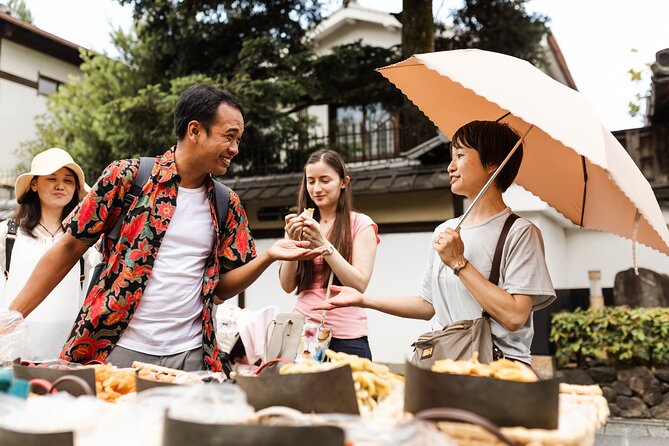
The best feature here is not one landmark. It is the chance to decide what kind of Kyoto day you want.
After booking, you complete a short questionnaire about your interests and preferences. Your host then contacts you to discuss the route and recommendations. That matters in Kyoto, where a first-time visitor may want famous sights, while a returning visitor may prefer old lanes, local food, shrine customs, or a quiet garden.
You can ask for history, culture, food, photography, or a mix. The route is not locked in stone, so the day can change as you explore. That flexibility is useful if one neighborhood catches your attention or if you discover that you want less time at major sights and more time in small streets.
The tour lasts about seven hours. That is long enough for a proper day out, but it also means you should be ready for a fair amount of walking. If you prefer a vehicle-based tour, this is not the right format.
Other private tours in Kyoto
Starting near Sanjo-ohashi Bridge
The stated meeting point is Starbucks Coffee at Sanjo-ohashi Bridge, at 113 Nakajimacho in Kyoto’s Nakagyo Ward. This gives you an easy place to meet before heading into the city, and the bridge itself can become part of the opening story.
Sanjo-ohashi is an old crossing over the Kamo River. It has long served as an entry to Kyoto’s eastern side and is linked with travel along the old Tokaido Road. Your host may use the bridge to explain how people once approached Kyoto and why river crossings mattered.
I like this as a starting point because it is more than a random café corner. You begin with a physical line between parts of the city, then move into neighborhoods where the older character of Kyoto is easier to see.
If you arrange hotel pickup, it must be from a centrally located hotel. Confirm that detail with your host before the day begins. The activity ends back at the meeting point, so plan your evening from there unless your host confirms another arrangement.
Walking through Gion and its quiet lanes
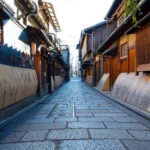
Gion is one of the most atmospheric parts of Kyoto, with wooden machiya houses, stone lanes, traditional teahouses, and a strong connection to geiko culture. It is also an area where a local guide can add value, since the appeal lies in details that are easy to miss while walking alone.
Your host may explain how the neighborhood works and point out less-used paths. You might hear about geiko traditions and the role of the old houses, rather than simply stopping for a quick photograph.
The tradeoff is that Gion can feel very different at different times of day, and the route is not guaranteed to include every particular lane or teahouse. This is a private plan, not a promise of a fixed checklist. Tell your host how much time you want in the district and if you want history, photography, architecture, or a quieter walk.
You should also treat the neighborhood with care. The experience is meant to offer local context, not turn residential streets into a stage. A good host can help you see the area without reducing it to a photo stop.
Learning shrine customs beyond the main gate
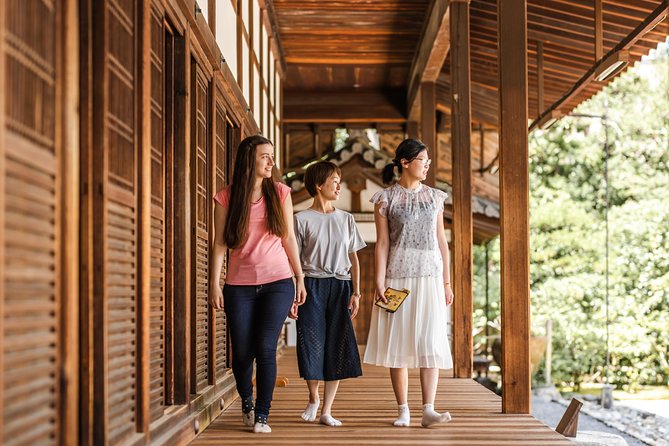
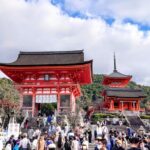
Another possible stop is a welcoming Shinto shrine known for bright lanterns, seasonal festivals, and several smaller shrine areas within its grounds. The name is not fixed in the supplied route, so you should confirm the exact shrine with your host during planning.
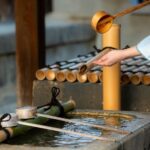
This part of the day can be especially useful if Japanese religious customs are new to you. Your host may show you how purification works and explain how to approach the shrine respectfully. Those small instructions can change the experience from simply looking around to understanding what you are seeing.
The shrine is open to all, but it remains a place of worship. I appreciate that this kind of stop can teach you how to behave, not just what to photograph. Ask your host if you want time for quiet observation rather than a fast walk through the grounds.
Admission is not included in the tour price, and tickets may apply at some attractions. The shrine portion may not require a ticket, but the supplied details do not promise that every suggested stop is free. Ask before finalizing the route.
Taking a slower break in a public garden
A large public garden may be included as a pause between busier parts of the city. It is known for tree-lined paths, ponds that reflect the surrounding scenery, and shaded benches. During cherry blossom season, it is especially popular with local residents.
This is a smart kind of stop on a seven-hour walking day. You get a chance to sit, snack, and reset rather than treating Kyoto as a string of landmarks. If you enjoy gardens or seasonal scenery, tell your host so the timing and length of the visit fit your interests.
Food is not included, but a casual snack stop may be possible. Bring your own budget for drinks or food, and ask your host where a suitable break fits the route. The garden is also a useful option for anyone who wants a less formal cultural experience.
The limitation is simple: a garden visit depends on the final itinerary and your priorities. If you want major temples above all else, this may receive less time. If you value a slower pace, it can be one of the day’s most welcome stops.

Finding an old cobbled alley in central Kyoto
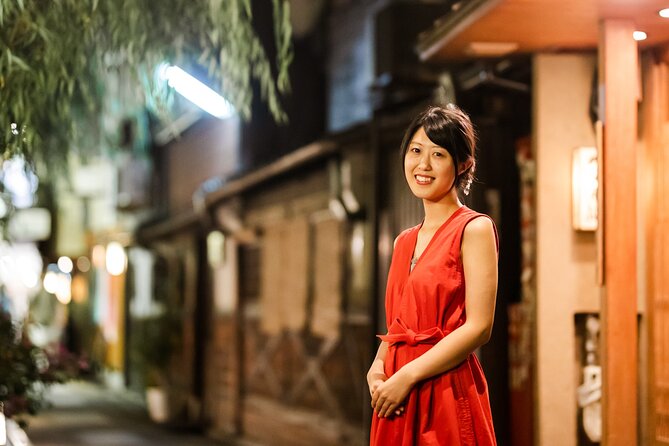
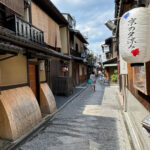
The sample route also includes a beautifully preserved cobbled alley in central Kyoto. Traditional inns, secluded gardens, and old-style buildings give it a calm, old-world feel.
A narrow lane like this can show you a side of Kyoto that a standard sightseeing schedule may pass by. You can focus on building details, small gardens, and the way older streets fit into the modern city.
Do not expect a large attraction with displays or a formal entrance. The pleasure is in walking slowly and looking closely. Your host may offer context, but the lane itself is the experience.
As with Gion, the exact alley is not fixed in the information provided. Discuss the route ahead of time if this type of setting is important to you. The pre-tour contact is your chance to make sure the day reflects your priorities.
What the private format changes
A private tour is most valuable when you use the flexibility. You are not sharing the day with strangers, and the host can adjust the pace to your group. You can ask for more explanation, pause for a snack, or move on from a stop that does not suit you.
The questionnaire is more than a formality. Give useful answers instead of writing only that you want to see everything. Say if you care about food, traditional neighborhoods, gardens, photography, history, or customs. Mention your preferred walking pace and must-sees.
Masaya is the only guide named in the supplied information. He has been praised for fluent English, extensive explanations, and practical advice. One five-star account describes his personalized approach during the full seven-hour day, while another highlights his help in shaping the schedule and arranging a pleasant outing. That makes direct communication with your host an important part of the experience.
Still, a private host cannot remove every Kyoto constraint. Streets can be crowded, weather can affect comfort, and some places may have entry fees or require transport. The value lies in having someone help you make good choices, not in getting every possible sight into one day.
Is $251.52 per person a fair price?
At $251.52 per person, this is a premium experience. You are paying for a private guide, a custom plan, direct contact before the tour, and about seven hours of personal attention. For a group of friends or family members who would otherwise book several separate activities, the price may feel reasonable.
For one person or a couple on a tight budget, the calculation is harder. Food, drinks, attraction tickets, and transport are extra. The activity is mainly on foot, and public transport or taxis may be needed between areas.
I would compare this price with the cost of a standard group tour, then ask what you actually need. If you want a fixed list of famous sights at the lowest possible cost, this may be too expensive. If you want an English-speaking local to help shape a day around your particular interests, the extra cost buys time and control.
Group discounts are available, so ask about them if you are booking for several people. The private format also means that your group alone participates, which can be valuable for families or friends with different interests.
Timing, transport, and practical comfort
You choose your preferred start time when booking, subject to arranging it with the provider. A flexible start is useful if you are adjusting to Kyoto after a long journey or want to avoid beginning at the busiest part of the morning.
Transportation is not included. The route is primarily walking, but your host may suggest public transport or a local taxi between sites. Discuss those costs after your reservation is finalized so the day does not bring surprises.
Wear comfortable shoes and bring water. Seven hours on Kyoto streets can be tiring even when the route is enjoyable. Since the pace can be adjusted, tell your host early if you want regular pauses or a shorter walking stretch.
Most people can participate, and service animals are allowed. The tour is near public transportation, but the supplied details do not give a precise accessibility plan for every street or stop. If you have mobility needs, discuss the route with your host before the tour.
The mobile ticket is convenient, and confirmation is received at booking. You can cancel for a full refund if you do so at least 24 hours before the start time. Changes or cancellations inside that period are not accepted for a refund.
Who will get the most from this Kyoto experience?
I would recommend this tour to first-time visitors who feel overwhelmed by Kyoto’s size and want help setting priorities. It is also a good match for returning visitors who have already seen the major sights and want a more personal day.
Families may like the ability to adjust the pace. Couples and small groups can shape the day around food, traditional streets, gardens, or customs. Anyone who enjoys asking questions will get more from a private host than from a guide who must keep a large group moving.
I would be more cautious if your main goal is a precise list of attractions with guaranteed entry. The sample stops are suggestions, not a fixed promise, and tickets are extra. I would also look elsewhere if you want a private car, since this is a walking tour with transport added only when needed.
Should you book it?
Book this Kyoto tour if you value personal planning, local advice, and a flexible walking day more than a low price. Tell your host exactly what you want before arrival, and use the seven hours to explore at a pace that suits your group.
Skip it if you want the cheapest way to see Kyoto’s headline sights or if you need a vehicle included. For the right group, the strongest reason to book is the combination of a custom route and direct help from a local host such as Masaya. That can turn a crowded sightseeing day into a more thoughtful look at neighborhoods, customs, gardens, and older streets.
FAQ
How long is the Kyoto private tour?
The experience lasts approximately seven hours.
Is this a private tour?
Yes. Only your group participates in the activity.
Can I choose what to see?
Yes. The tour is tailored to your interests, preferences, personality, and must-see places.
Will the host contact me before the tour?
Yes. After booking, you receive a short questionnaire, and your host contacts you to help plan the route and offer local recommendations.
Is hotel pickup available?
Hotel pickup can be arranged from any centrally located hotel.
Where is the stated meeting point?
The meeting point is Starbucks Coffee at Sanjo-ohashi Bridge, 113 Nakajimacho, Nakagyo Ward, Kyoto.
Where does the tour end?
The activity ends back at the meeting point.
Is transportation included?
No. The tour is mainly on foot. Public transportation or local taxis may be used at an additional cost.
Are food, drinks, and attraction tickets included?
No. Food, drinks, and tickets to attractions are not included.
Can I cancel for a full refund?
Yes, if you cancel at least 24 hours before the experience start time. Cancellations or changes made less than 24 hours before the start time are not refunded or accepted.
Is the tour suitable for most people?
Most people can participate, and service animals are allowed. Discuss specific mobility needs with your host because the route is primarily a walking experience.
More Private Tours in Kyoto
More tours in Kyoto we've reviewed


Private, compared.
 ★ 5.0Fushimi Inari Hidden Hiking Tour (Private Option Available)From $63
 ★ 5.0Private Kyoto Tour with a Local, Highlights & Hidden Gems, PersonalisedFrom $102
 ★ 5.0Kyoto 6hr Private Tour with Government-Licensed GuideFrom $155
 ★ 5.010 Must-see Spots in Kyoto One Day Private Tour (up to 7 people)From $179
 ★ 5.0Kyoto 4hr Private Tour with Government-Licensed GuideFrom $109
 ★ 4.8Kyoto: Private Tour with Local Licensed GuideFrom $1064 - 8 hours