
Reviewed · GUIDED
Kyoto Private tour with an Officially Certified Guide
Kyoto’s biggest draw is the way one day can move from vermilion shrine gates to a Zen garden, a shogun’s castle, and a bamboo path. This private Kyoto tour tries to pack many of those signature sights into six or seven hours, with a guide who can adjust the route to suit your interests.
I like the flexibility, since you can focus more on temples, old streets, food, or cultural activities. I also like the chance to visit both famous places and smaller experiences such as calligraphy, kimono dressing, tea, and a rickshaw ride. The drawback is simple: eight listed stops make for a fast and tightly timed day, and the tour’s current 2.5 out of 5 score from six ratings includes two serious no-show complaints.
In This Review
- Key points to know
- A full day built around Kyoto’s headline sights
- Fushimi Inari’s four kilometers of torii gates
- Kiyomizu-dera and the Higashiyama streets
- Ninenzaka, Sannen-zaka, and Hōkan-ji’s pagoda
- Nijo Castle and the sound of the nightingale floors
- Arashiyama’s bamboo and Tenryu-ji
- Kinkaku-ji, Kyoto’s golden finale
- Cultural activities that need to be requested
- What the private format really gives you
- The serious reliability warning
- Who should book this Kyoto day?
- Should you book it?
- FAQ
- Where does the Kyoto private tour take place?
- How long does the tour last?
- Is the tour private?
- Can the tour route be customized?
- Is hotel pickup available?
- What does the $110 price include?
- What is the cancellation policy?
Key points to know
- Eight major Kyoto stops include Fushimi Inari, Kiyomizu-dera, Nijo Castle, Hōkan-ji, Ninenzaka, Arashiyama, Tenryu-ji, and Kinkaku-ji.
- Your route can be customized, which matters because seeing every stop properly in one day is difficult.
- Oscar is named as a guide praised for his preparation and helpful manner, but guide assignment is not guaranteed.
- The $110 price covers the guide, while food, transport, some admission fees, and the guide’s transport cost extra.
- Private touring means only your group participates, with pickup offered and confirmation at booking.
- Confirm the meeting plan carefully, since two bookings reportedly ended with no guide appearing.
A full day built around Kyoto’s headline sights
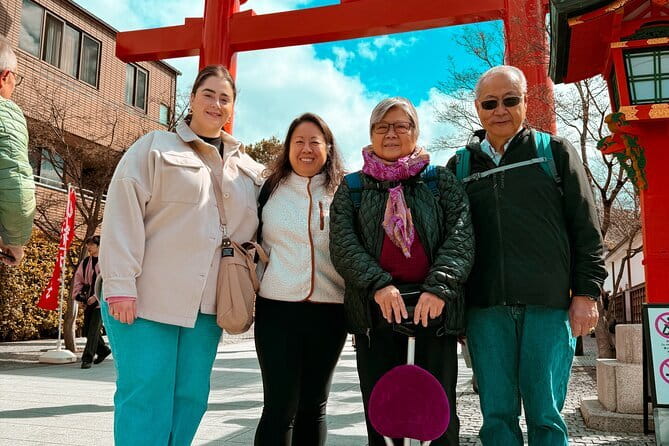
This experience is best understood as a private sightseeing framework rather than a slow cultural workshop. The published route covers nearly every place a first-time visitor puts on a Kyoto wish list, from the torii gates of Fushimi Inari to the gold pavilion at Kinkaku-ji.
That reach is useful. Kyoto’s famous sights are spread across different parts of the city, and a private guide can help you move between them without spending your day studying maps. You also avoid the pace and interests of a larger group.
Still, six to seven hours is not enough for a detailed visit to all eight stops. The listed timing adds up to roughly six hours, before allowing for transport, queues, traffic, and the time needed to get oriented. I would treat the schedule as a series of strong introductions. If one place matters most to you, ask for fewer stops and more time there.
The tour is priced at $110 per person. That is reasonable for a private guide if you are sharing the cost with several people and want a custom route. It is less compelling for a solo visitor or couple if you also add transport, temple admissions, food, and the guide’s transport fee.
Other guided tours in Kyoto
Fushimi Inari’s four kilometers of torii gates
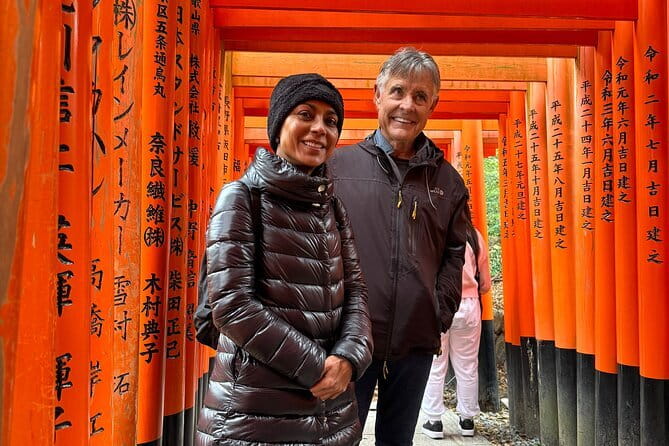
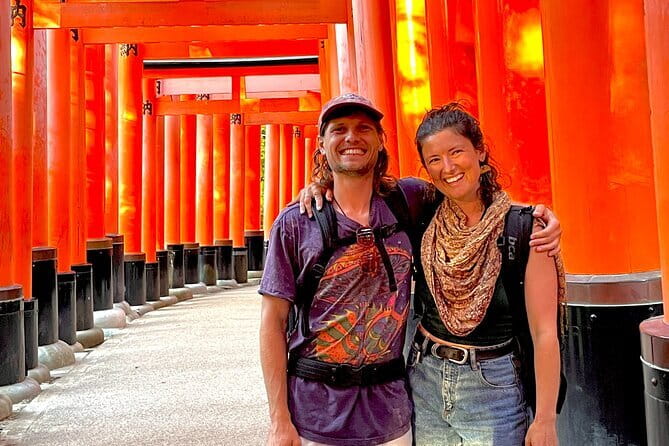
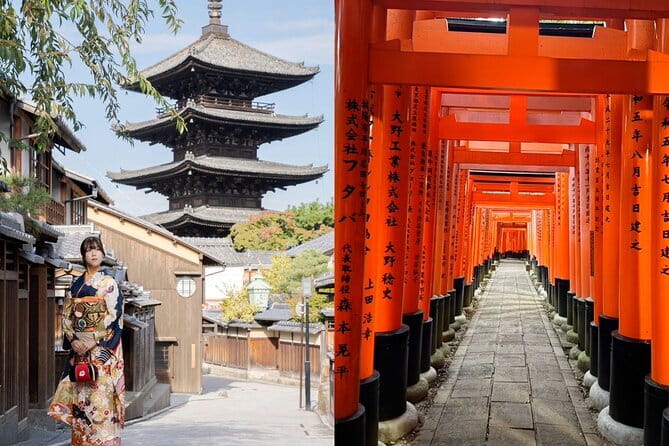
The day begins, or can begin, at Fushimi Inari-taisha, one of Kyoto’s most recognizable Shinto shrines. Its vermilion torii gates form a long route up the wooded slopes of Mount Inari, with the full path extending for more than four kilometers.
You do not need to walk the entire mountain route to understand the place. The first section gives you the famous tunnel effect, with gate after gate creating a striking passage through the trees. Stone fox figures appear along the way. Foxes are linked with Inari, the deity associated with rice, prosperity, and business success.
This is a good place for a guide to explain the difference between shrine customs and Buddhist temple practice. It is also a stop where your footwear and energy matter. The tour allows about an hour, so you should not expect to complete the full route. If you want the mountain walk, tell the guide early and consider dropping another stop.
Admission is listed as free. Fushimi Inari is easy to recognize, but the meaning behind the donated gates gives the visit more substance than a quick photo stop.
Kiyomizu-dera and the Higashiyama streets
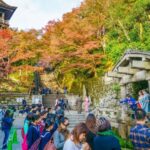
Kiyomizu-dera brings you into Kyoto’s eastern hills and offers one of the city’s classic views. The temple’s wooden main hall and broad veranda look across the city, with seasonal color making the setting especially appealing in spring and autumn.
The temple is also associated with the Otawa Waterfall. Three streams are linked with health, long life, and academic success. The usual appeal here is not just the view, but the chance to take part in a small ritual that connects the site with everyday hopes.
The temple grounds are free according to the supplied details, though the wider tour notes estimate about $8 for temple tickets. That inconsistency is worth clearing up before departure. Some areas or sites may require payment even when the main grounds do not.
The one-hour visit is enough for the principal hall and major viewpoints, but not for an unhurried look at every corner. Kiyomizu-dera can also be crowded, so a guide may help you make better use of the time. Ask for clear instructions about where the pickup point will be afterward, especially if you wander through the nearby streets.
Ninenzaka, Sannen-zaka, and Hōkan-ji’s pagoda
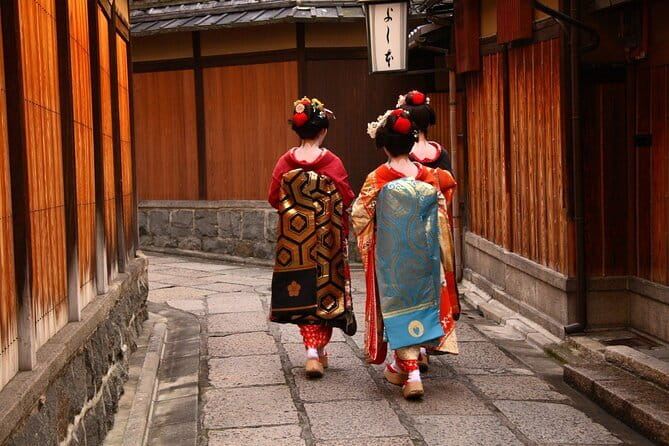
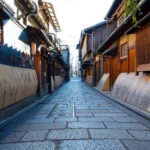
The nearby lanes of Ninenzaka and Sannen-zaka are among Kyoto’s most photogenic old streets. Stone paving, wooden machiya houses, shops, and small food stops give this part of Higashiyama a traditional feel.
I like this section because it connects a major temple with ordinary street life. You can browse, sample a snack at your own cost, and see how Kyoto’s old building style shapes the neighborhood. The lanes are also a natural place to ask your guide about geisha traditions, samurai stories, and the customs behind the area.
The schedule gives only thirty minutes here. That is enough to walk through and take photographs, but not enough for a relaxed meal or serious shopping. If you want tea, street food, or a longer look at the shops, ask to shorten another stop.
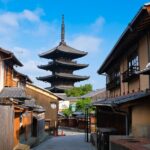
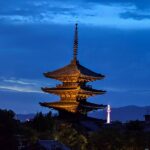
Hōkan-ji Temple, better known for its Yasaka Pagoda, is also allotted thirty minutes. The five-story pagoda rises 46 meters and dates back to the sixth century in its early origins. It gives you a strong sense of old Kyoto from the street, although the visit is brief. Admission is included for this stop.
Nijo Castle and the sound of the nightingale floors

Nijo Castle changes the mood of the day. Instead of a sacred mountain or temple district, you enter a fortified complex linked with the Tokugawa shoguns. Stone walls and moats show the defensive side of Japan’s feudal rulers, while the interiors feature painted panels, sliding doors, and gold leaf decoration.
The castle’s most famous feature is the nightingale floor. As you walk, the boards make a chirping sound designed to warn of unwanted movement. It is a small but memorable detail, and a guide can explain why security mattered inside a residence built for political power.
The gardens, including Ninomaru Garden, add a quieter counterpoint to the castle buildings. The tour allows about one hour, which should give you a useful first look without turning the stop into a long museum visit.
Admission is not included here. Since the tour gives a separate estimate of about $8 for temple tickets, do not assume that all entrance costs are covered. Ask the provider to clarify the exact admission total before you pay.
Other private tours in Kyoto
Arashiyama’s bamboo and Tenryu-ji
Arashiyama is on the western side of Kyoto, and reaching it from the eastern temples takes time. That is the biggest practical issue with this route. Fushimi Inari, Higashiyama, Nijo Castle, Arashiyama, and Kinkaku-ji are not clustered together, so transport can consume a noticeable part of your day.
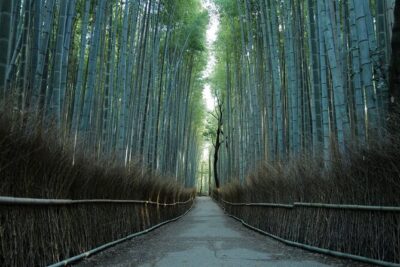
The Bamboo Forest Street stop lasts thirty minutes. The tall bamboo creates one of Kyoto’s most memorable walking settings, with narrow paths and green stalks rising on both sides. Thirty minutes is enough for a short walk and photographs, but the area may feel rushed if you expected a long, quiet stroll.
Tenryu-ji adds a Zen temple and garden to the Arashiyama visit. Its Sogenchi Teien garden includes ponds, arranged stones, and seasonal plantings, with mountain views beyond. The setting gives you a better sense of Zen design than the bamboo path alone.
Tenryu-ji admission is not included. The listed stop lasts another thirty minutes, so you will likely see the principal garden rather than spend time studying the temple complex. If gardens matter to you, I would ask to give Tenryu-ji priority over one of the shorter photo stops.
Kinkaku-ji, Kyoto’s golden finale
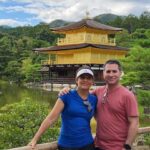
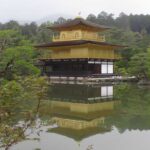
Kinkaku-ji, or the Golden Pavilion, is the most visually dramatic stop on the route. Its upper two floors are covered in gold leaf, and the building reflects in the pond below. The surrounding gardens keep the visit from becoming only a single-photo opportunity.
The pavilion began as a shogun’s retirement villa and later became a Zen temple. That change gives your guide a useful story to tell about power, private luxury, and religious use.
The one-hour allowance is generous compared with some of the other stops. You can follow the main path, view the pavilion from several angles, and pause in the gardens. Admission is listed as free in the stop details, but the general cost section says temple tickets run about $8. Again, confirm what is included. Clear pricing is especially important on a private tour, where small extra charges can add up.
Kinkaku-ji works well at the end because it leaves you with one of Kyoto’s strongest images. It is also a place where a guide can help you look past the gold and notice the relationship between the pavilion, pond, stones, and garden.
Cultural activities that need to be requested
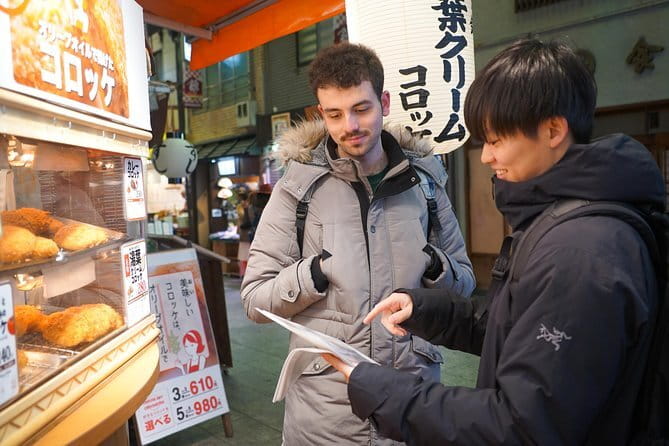
The description also includes tea in traditional tea houses, calligraphy, kimono dressing, clandestine art studios, street fare, rickshaw rides, and temples illuminated at night. These ideas sound appealing, but they are not listed as fixed stops with set times.
That distinction matters. You should not assume all of them are included in the $110 price. Food and drinks are excluded, and the tour summary does not provide separate prices for tea, a rickshaw ride, kimono dressing, or other activities.
The best use of the customization option is to choose one cultural activity that fits your interests. A visitor who wants local arts may prefer calligraphy and tea over a second major temple. Someone focused on photography might choose the pagoda, bamboo, and illuminated temples. Ask what can actually be arranged, what it costs, and how much sightseeing time it replaces.
What the private format really gives you
Only your group participates, so you can ask questions without holding up strangers. That is valuable in Kyoto, where the difference between a shrine and a temple, or between a religious ritual and a tourist photo, is not always obvious.
Pickup is offered, and the tour is near public transportation. The transport fee is estimated at $10, with another $5 to $8 for the guide’s transport. Those costs are separate from the tour price, so a group should plan for the full amount rather than the headline figure alone.
The private setup also lets you adapt the day if your group has mixed energy levels. You can spend more time at Kiyomizu-dera, walk only part of Fushimi Inari, or replace a stop with a cultural activity if the guide confirms it is possible.
The guide is the key to value. Oscar is specifically praised for being helpful and well prepared, but the information does not promise that he will lead every departure. If you want Oscar, request him before booking and receive confirmation in writing.
The serious reliability warning
The main concern is not the sightseeing plan. It is the operating record. The current rating is 2.5 out of 5 from six ratings, and two separate bookings describe a no-show at the agreed pickup time. One person spent about an hour and a half trying to reach the operator and had no tour afterward.
That is a major warning for a private experience in Kyoto. A guide who explains the city well can make this route worthwhile, but a missing guide turns the day into lost time and missed reservations.
The experience provider is Konnichiwa-japan. Confirmation is issued at booking, and free cancellation is available until 24 hours before the start time. Within 24 hours, cancellation changes are not accepted and the payment is not refunded. If the minimum number of participants is not met, the provider says you will be offered another date or experience, or a full refund.
Before the tour, I would confirm the guide’s name, pickup location, start time, phone contact, and transport plan. Save the confirmation and allow time to contact the provider before you leave your accommodation. This is not a small precaution given the reported no-show problems.
Who should book this Kyoto day?
I would consider this tour if you have only one full day in Kyoto and want a private overview of the major sights. It suits families, couples, and small groups that value a flexible guide and do not want to plan every train, bus, and walking connection themselves.
It also fits a group that wants to mix sightseeing with one cultural activity. The chance to request calligraphy, kimono dressing, tea, or a rickshaw ride makes the day more personal, provided those options are confirmed and priced in advance.
I would hesitate if you prefer slow temple visits, long meals, or extended walks. The route covers too much ground for a relaxed pace unless you cut several stops. I would also hesitate if you need dependable last-minute support and cannot tolerate the risk suggested by the no-show reports.
Should you book it?
Book this tour only after confirming the guide and the exact inclusions. The route is ambitious but useful, the private format is genuinely flexible, and Oscar appears to be a strong guide when assigned. The famous sights are well chosen, and the cultural options could make the day more personal than a standard sightseeing circuit.
The value is best for a group of three or more, since the guide fee is spread across several people. Ask to reduce the number of stops if you care about depth, and budget separately for transport, food, guide transport, and admissions.
My call: a promising private introduction to Kyoto with real flexibility, but not an easy recommendation because of the reliability record. Confirm every operational detail before committing, and choose it only if the provider gives you a clear, current answer.
FAQ
Where does the Kyoto private tour take place?
The tour takes place in Kyoto, Japan, with visits to Fushimi Inari-taisha, Kiyomizu-dera, Nijo Castle, Hōkan-ji Temple, Ninenzaka, the Arashiyama Bamboo Forest, Tenryu-ji, and Kinkaku-ji.
How long does the tour last?
The experience lasts approximately six to seven hours.
Is the tour private?
Yes. Only your group participates in the activity.
Can the tour route be customized?
Yes. The tour allows you to customize the experience based on your expectations and the time available.
Is hotel pickup available?
Pickup is offered. The supplied information does not specify exact pickup locations, so confirm the details when booking.
What does the $110 price include?
The price includes the guide. Food, drinks, personal expenses, temple tickets, regular transportation, and the guide’s transportation fees are not included.
What is the cancellation policy?
You can cancel at least 24 hours before the start time for a full refund. Cancellations or changes made within 24 hours are not accepted for a refund.
More Private Tours in Kyoto
More Guided Tours in Kyoto

More tours in Kyoto we've reviewed



Guided, compared.
 ★ 5.0Kyoto Early Morning Tour with English-Speaking GuideFrom $68
 ★ 5.0Kyoto 6hr Private Tour with Government-Licensed GuideFrom $155
★ 4.9Kyoto: Early Morning Tour with English-Speaking GuideFrom $1015h 30m
★ 5.0Kyoto 6hr Private Tour with Government-Licensed GuideFrom $155
★ 4.9Kyoto: Early Morning Tour with English-Speaking GuideFrom $1015h 30m
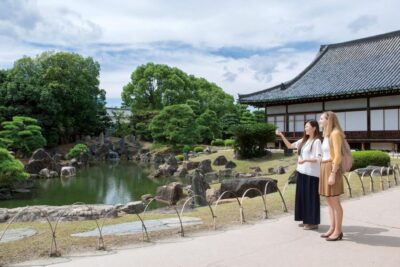 ★ 4.7Kyoto: Nijo-jo Castle and Ninomaru Palace Guided TourFrom $161 hour
 ★ 4.9Kyoto: Izakaya Bars Guided Walking TourFrom $253 hours
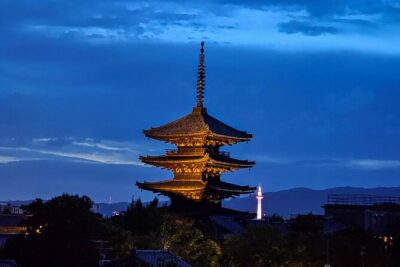 ★ 5.0Kyoto Gion Night Walk & Geisha District Guided TourFrom $18