
Reviewed · TEA CEREMONY EXPERIENCES
Kyoto: Tea Ceremony Experience in a Small Tea Room
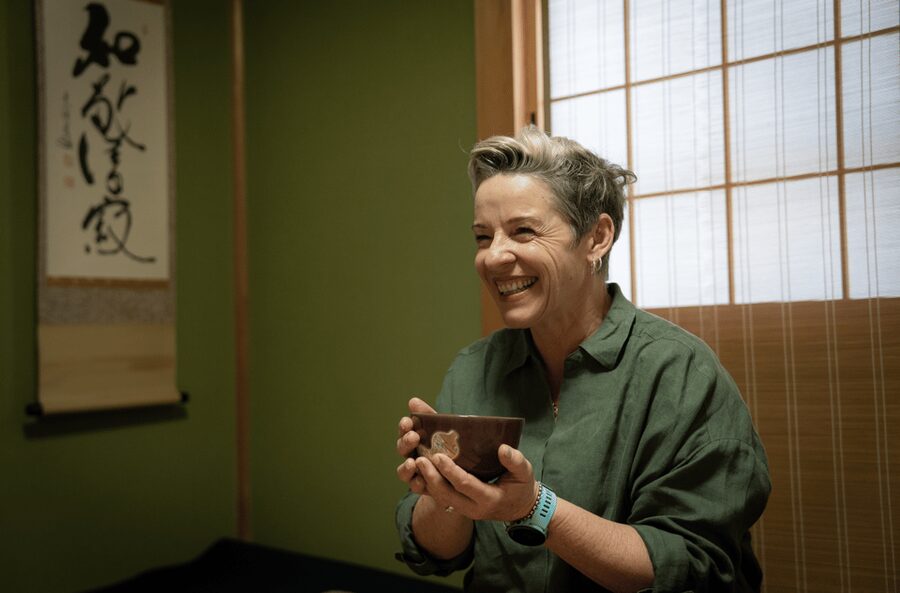
Kyoto’s tea ceremony can seem formal from the outside, but this one-hour session makes the tradition friendly and hands-on. You’ll learn from a teacher with 30 years of experience, then prepare your own matcha if you wish, with each movement explained in plain English.
I like the small group of up to six, which gives you room to ask questions and follow the ceremony closely. I also like the setting near Kamogawa Delta, a peaceful riverside area that pairs well with a walk before or after the tea.
The main consideration is time. At one hour, this is an introduction rather than a full study of tea culture, and the small Japanese house may be easy to miss. Look for the sign marked Tisato at the meeting point.
In This Review
- Key Points To Know Before Booking
- A Small Tea Room Near Kamogawa Delta
- What Happens During the One-Hour Session
- Making Matcha Yourself
- Why The Teacher Makes A Difference
- A More Personal Experience With Six People
- The Cultural Meaning Behind The Ritual
- How It Fits Into A Kyoto Day
- Is $38 A Fair Price?
- Who Will Enjoy This Most
- Practical Details That Matter
- Should You Book This Kyoto Tea Ceremony?
- FAQ
- How long does the tea ceremony last?
- How much does the experience cost?
- Is the tea ceremony conducted in English?
- How many people can join the session?
- Can beginners take part?
- Can I make my own matcha?
- What is included?
- Where is the meeting point?
Key Points To Know Before Booking
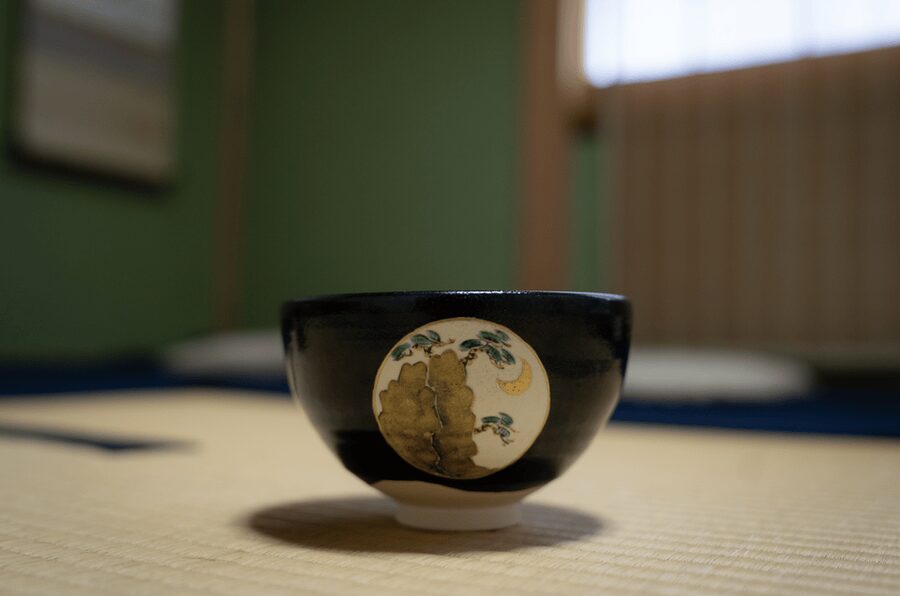
- Learn from an experienced teacher: Your instructor has more than 30 years of experience with Japanese tea ceremony.
- Make your own matcha: You can whisk and prepare the tea yourself under careful guidance.
- Keep the group personal: No more than six participants take part.
- Visit a quiet Kyoto neighborhood: The tea room is about a 15-minute walk from Kamogawa Delta and Demachiyanagi Station.
- Understand the ceremony, not just the tea: The session explains the movements, manners, and ideas behind the ritual.
- Enjoy a simple traditional pairing: Matcha is served with Japanese dried sweets.
A Small Tea Room Near Kamogawa Delta
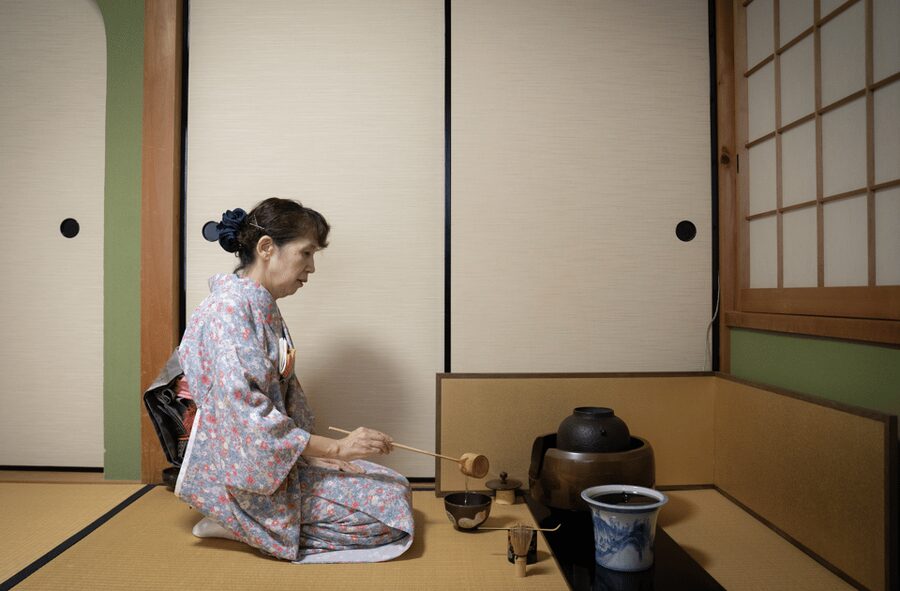
This experience takes place in a Japanese house near Kyoto’s Kamogawa Delta. That location matters. You are not being sent across town to a large attraction or a busy cultural center. Instead, the tea ceremony fits neatly into a day spent exploring northern Kyoto on foot.
Kamogawa Delta is where the Kamo and Takano rivers meet. It is a pleasant place for a quiet stroll, with open river views and space to pause. From there, the tea room is about a 15-minute walk. Demachiyanagi Station is also roughly 15 minutes away, giving you a useful transport point before or after the session.
You will need to look for a Japanese house with a sign saying Tisato. That detail is worth keeping in mind because a small residential-style entrance can be easy to overlook when you are watching maps or hurrying to an appointment. I would arrive with enough time to find the house without rushing.
The location also gives you options for the rest of the day. Demachiyanagi is a starting point for visiting Kibune Shrine and Rurikou Temple, according to the activity information. The tea ceremony works well as a calm pause before a temple outing, or as a gentle way to finish a morning of sightseeing.
A few more Kyoto tours and experiences worth a look
What Happens During the One-Hour Session
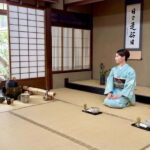
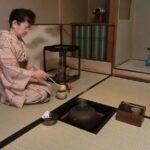
The experience is built around explanation and participation. You are not expected to know how to sit, bow, handle the tea equipment, or follow the order of the ceremony. The English-speaking teacher guides you through the process and explains why the steps matter.
That approach is important. A tea ceremony can feel intimidating if every movement seems governed by rules. Here, the goal is to lower those barriers and help you understand the purpose behind the actions. You can pay attention to the gestures, the quiet pace, and the care given to each object without worrying about getting everything right on the first try.
The precise order of the session is not specified, so you should not expect a minute-by-minute performance schedule. What is clear is that the hour includes the ceremony, instruction, matcha, traditional dried sweets, and the chance to prepare your own tea.
If you prefer to watch, you can focus on the teacher’s movements. If you like to learn by doing, you can take part in making matcha. That choice makes the activity suitable for people with different comfort levels. You can observe first, then try once the process makes sense.
Making Matcha Yourself
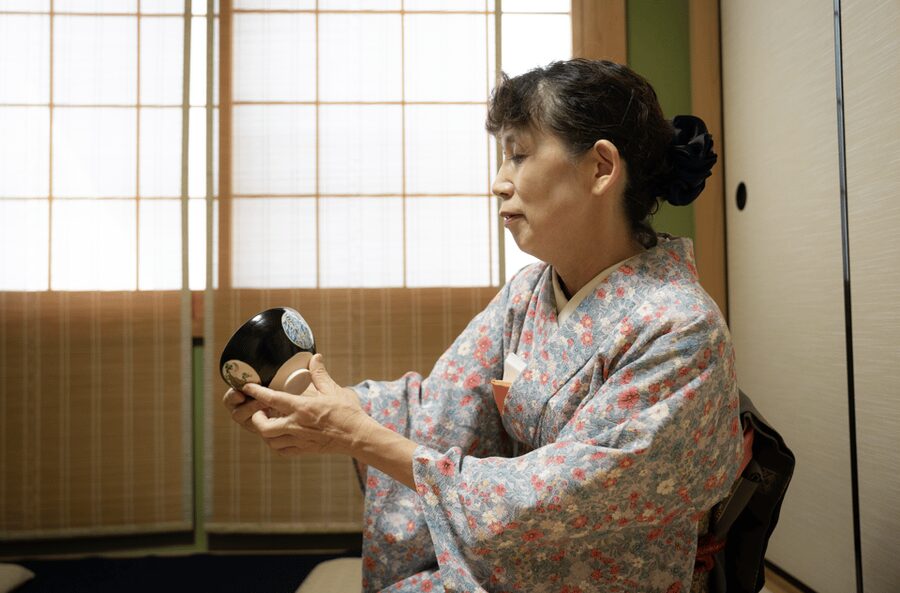
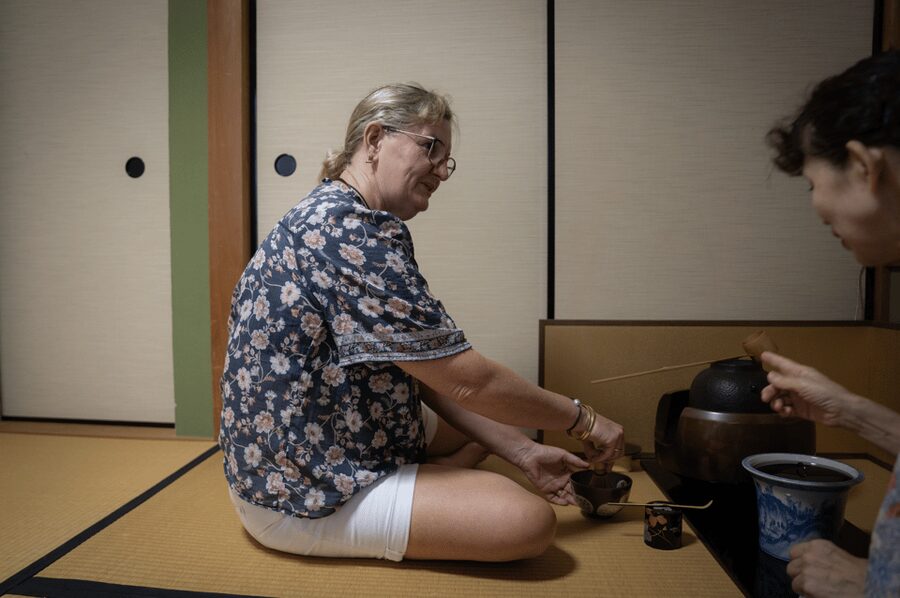
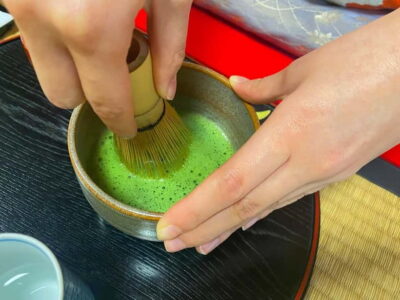
The hands-on part is the feature that gives this experience extra value. You will learn how to prepare powdered green tea with a bamboo whisk, following the teacher’s instructions and movements.
The preparation is not just a cooking lesson. The motions are tied to the calm, focused manner of the tea ceremony. You are asked to pay attention to small details rather than rush toward the finished drink. Even a short session can help you see why the ceremony is treated as an art rather than a casual cup of tea.
You should also know that matcha has a distinct taste. It is powdered green tea, so it is stronger and more direct than an ordinary brewed green tea. The dried sweets are served with it as a traditional partner, helping balance the tea’s flavor.
The experience gives you a chance to make your own tea, but it does not promise that every participant must do so. That flexibility is helpful if you are shy, unsure about the technique, or simply want to watch the teacher first.
Why The Teacher Makes A Difference
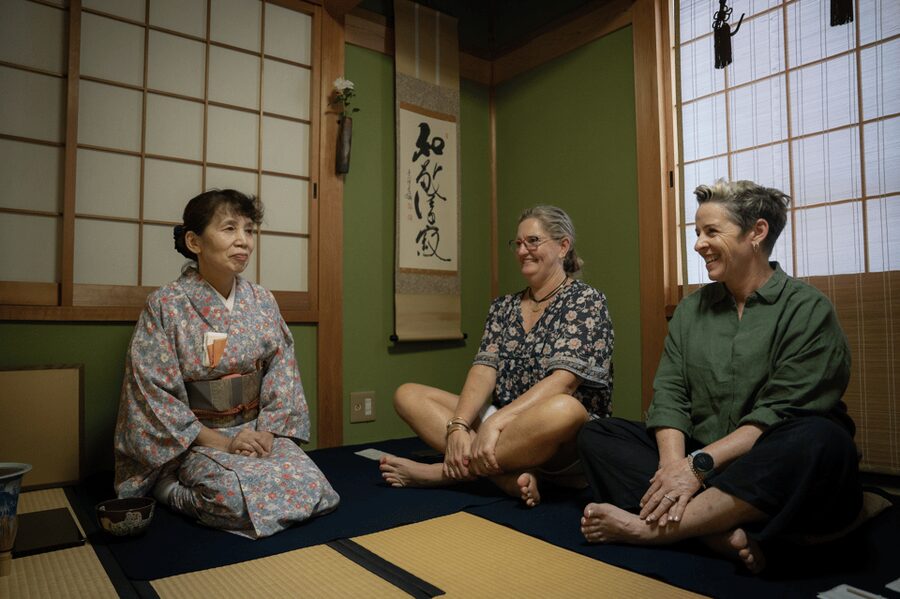
The instructor brings more than 30 years of experience to the session. That length of practice gives the class a strong foundation, especially for beginners who need clear demonstrations and patient correction.
Ms. Yamazaki is identified as the teacher in one of the available comments, and the feedback specifically highlights her kindness and patience. Those qualities matter in a tea room. You want enough guidance to understand the ceremony, but not so much correction that the experience becomes stiff or uncomfortable.
The session is offered in English, which makes it easier to follow the cultural explanations and ask questions. You are not simply watching an unfamiliar ritual in silence. You can learn what you are doing as you do it.
Several comments praise the clear explanations, the calm tone, and the sense that the ceremony felt genuine. The strongest pattern is not flashy entertainment. It is the teacher’s ability to make a traditional practice understandable and welcoming.
A More Personal Experience With Six People
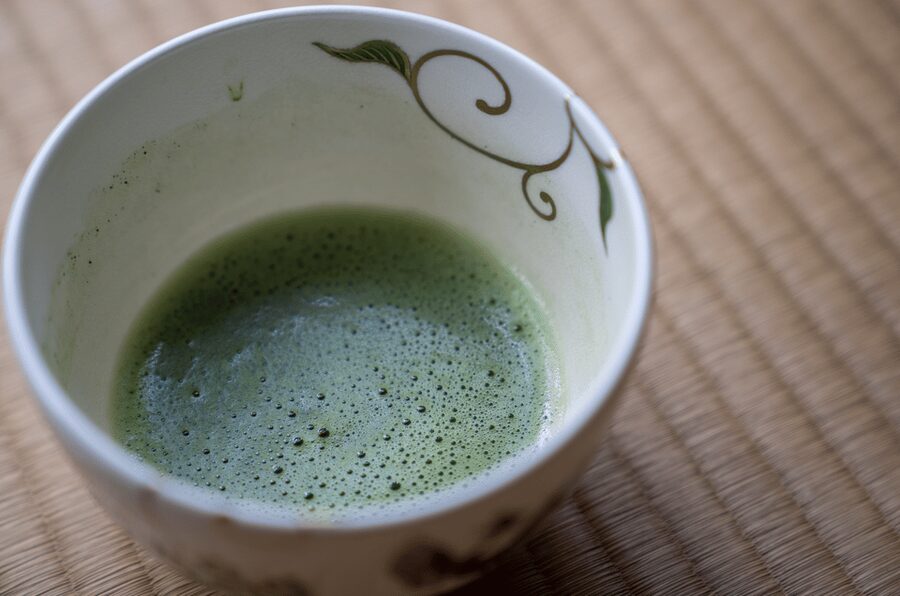
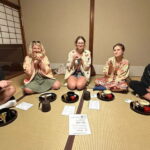
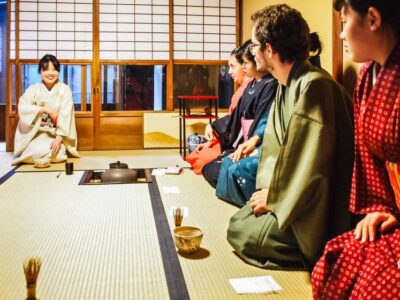
The group limit is six participants. That is a useful size for a tea ceremony because the room remains small and the instructor can keep an eye on each person’s preparation.
A larger group could make the session feel like a demonstration from a distance. With six or fewer, you have a better chance to see the equipment, hear the explanations, and receive help while whisking the matcha. You can also ask a question without needing to compete with a crowd.
Small groups do not guarantee total privacy. Other participants will still be present, and the atmosphere depends partly on the group that books the time. Still, the six-person limit is more intimate than a large class and suits the quiet subject well.
The setting is designed to welcome complete beginners. You do not need previous knowledge of tea ceremony, and the teacher’s role is to explain the process rather than assume you already understand it.

The Cultural Meaning Behind The Ritual
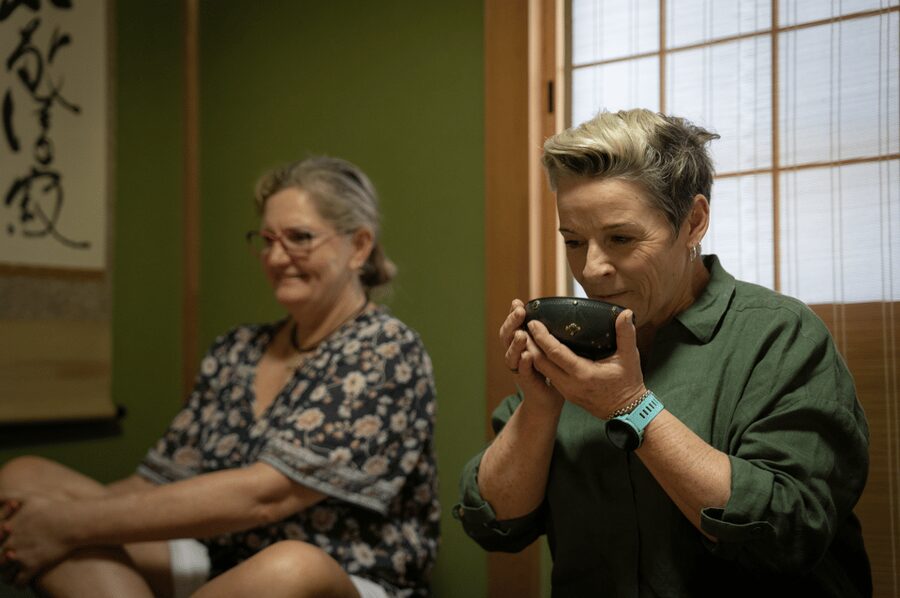
A tea ceremony is about more than drinking green tea. The careful pace, the handling of utensils, and the attention given to the guest all express ideas of respect, focus, and harmony.
This session introduces that cultural depth without making you study a long set of rules beforehand. The teacher’s explanations help connect the physical actions with the tradition behind them. You may come away noticing how much meaning can be placed in a simple act such as preparing and serving a bowl of tea.
That is the real reason to choose this activity over a quick matcha tasting. A tasting gives you a flavor. This session gives you a short lesson in a traditional way of presenting tea.
At the same time, keep your expectations in proportion. One hour cannot cover every school of tea, historical period, utensil, or regional custom. Think of it as a focused introduction, not a complete course in Japanese tea culture.
How It Fits Into A Kyoto Day
The tea room’s position near Kamogawa Delta makes planning fairly simple. You could begin at Demachiyanagi Station, walk along the riverside, attend the tea ceremony, and then continue toward another northern Kyoto sight.
The activity information also connects the area with routes toward Kibune Shrine and Rurikou Temple. You should check your own transport and opening details separately, but the location can serve as a useful link between several sightseeing plans.
I would avoid treating this as a rushed stop between major attractions. The value comes from slowing down. Give yourself time to reach the Japanese house, settle into the room, and enjoy the ceremony without watching the clock.
The one-hour length is convenient for most itineraries. It does not consume half a day, yet it is long enough to include instruction and participation. If you are building a packed Kyoto schedule, this duration makes the experience easier to fit in than a longer workshop.
Is $38 A Fair Price?
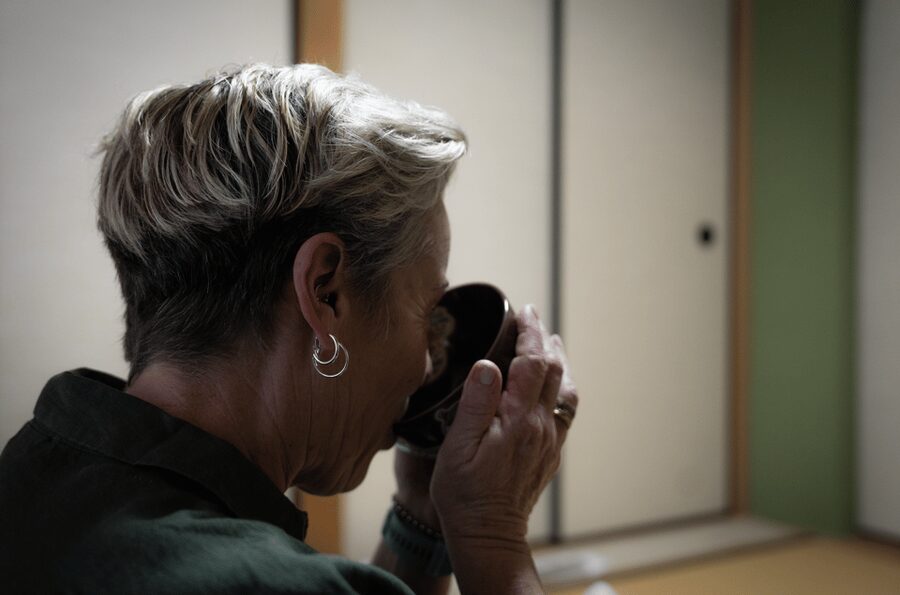
At $38 per person, the price is reasonable for a small, English-language cultural class in Kyoto. You are paying for direct instruction from a teacher with decades of experience, not just for a bowl of matcha and a sweet.
The group cap improves the value. A private lesson would cost more, while a large demonstration might offer less personal guidance. This session sits between those two options, giving you a personal introduction without the expense of booking a private ceremony.
The included items are simple: the tea ceremony, instruction, matcha, and traditional dried sweets. There is no suggestion of a meal, extended temple tour, or transportation. That makes the price easy to judge. Book it for the teaching and the setting, not because you expect a full sightseeing package.
I especially like the value for first-time visitors who want cultural context but do not want to commit to a long formal course. The hands-on matcha preparation adds something you cannot get from simply visiting a tea shop.
Who Will Enjoy This Most
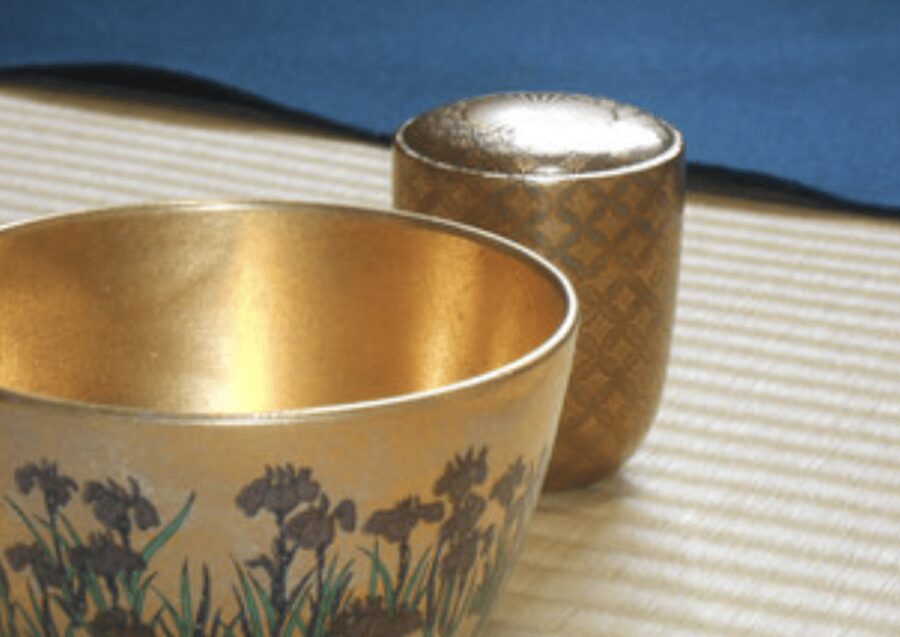
This experience suits you if you are curious about Japanese customs but have no previous tea ceremony experience. The English instruction and beginner-friendly approach remove much of the worry about making a mistake.
It is also a good choice for couples, solo visitors, and small groups who prefer a quiet activity. The six-person limit supports conversation and personal attention without turning the session into a private luxury outing.
Families may find the hands-on element appealing, though the information does not specify age requirements. If you are booking for children, check the current conditions first rather than assuming the session is designed for every age.
You may want to choose something else if your main goal is a long historical lecture, an elaborate meal, or a full-day cultural program. This is a compact introduction focused on tea preparation and the meaning of the ceremony.
Practical Details That Matter
The session lasts one hour and is led in English. Starting times vary, so you need to check availability for the date you want.
The meeting point is a Japanese house marked Tisato. Plan for a 15-minute walk from Kamogawa Delta or Demachiyanagi Station, and allow extra time to identify the entrance.
The experience allows free cancellation up to 24 hours before the scheduled start for a full refund. You can also reserve now and pay later, which helps if you are arranging several Kyoto activities before your schedule is fixed.
The group is limited to six people. Matcha and traditional dried sweets are included, as is the instruction from the tea teacher.
Should You Book This Kyoto Tea Ceremony?
I would book this if you want a quiet, personal introduction to Kyoto tea culture rather than a large performance. The teacher’s 30 years of experience, English explanations, and patient approach give beginners a clear path into a tradition that can otherwise seem closed or overly formal.
The best reason to choose it is the chance to prepare your own matcha in a small room near the Kamogawa Delta. You get cultural context, a calm setting, and a practical activity in one hour.
Skip it if you are looking for a broad tour of Kyoto’s temples or a substantial food experience. But if you can spare an hour and want to slow your pace, $38 is a fair price for a thoughtful lesson led by an experienced teacher.
FAQ
How long does the tea ceremony last?
The experience lasts one hour.
How much does the experience cost?
The listed price is $38 per person.
Is the tea ceremony conducted in English?
Yes. The instructor language is English.
How many people can join the session?
The group is limited to six participants.
Can beginners take part?
Yes. The experience is designed to welcome people with no previous tea ceremony knowledge or experience.
Can I make my own matcha?
Yes. You can prepare your own tea under the teacher’s guidance if you wish.
What is included?
The tea ceremony, instruction from an experienced teacher, matcha tea, and traditional dried sweets are included.
Where is the meeting point?
Enter the Japanese house marked with the sign Tisato. The location is about a 15-minute walk from Kamogawa Delta and Demachiyanagi Station.
More Tea Ceremony Experiences in Kyoto
More tours in Kyoto we've reviewed



Tea Ceremony Experiences, compared.
 ★ 4.9Kyoto: Tea Ceremony in a Traditional Tea House in KiyomizuFrom $4945 min
 ★ 4.9Kyoto: Tea Ceremony Ju-An at Jotokuji TempleFrom $291h 10m
 ★ 4.3Kyoto: 45-Minute Tea Ceremony Lesson ExperienceFrom $2245 min
 ★ 5.0World Heritage Kyoto & Nara Uji Authentic Matcha ExperienceFrom $129
 ★ 4.9Kyoto: Table-Style Tea Ceremony at a Kyo-MachiyaFrom $451h 30m
 ★ 5.0Kimono Tea Ceremony at Kyoto Maikoya, NISHIKIFrom $65