
Reviewed · FUSHIMI INARI TOURS
Kyoto: Half-day Guided Bike Tour with Fushimi Inari
South Kyoto makes a fine two-wheeled introduction to the city. In 210 minutes, you pedal from Toji and Higashi-Honganji through canal-side lanes, Gion, Tofukuji, and the orange torii gates of Fushimi Inari. It is a smart way to connect sights that feel scattered on foot.
I like the small group, limited to eight people, and the gentle pace that can adapt to the group. I also like the route itself: you get famous temples, but you also roll along the Takase Canal, Kamo River, and Gion backstreets instead of spending the whole morning on main roads. Guides including Jay, Julian, Indra, Sean, Mayco, and Juan have been praised for making the history clear and the ride easygoing.
The main consideration is physical. You need to ride confidently, and one recent participant covered more than 15 kilometers. People with back problems, children under 13, and anyone who cannot ride a bicycle should choose another Kyoto activity. An e-bike costs an extra 3,000 yen if you want help with the distance.
In This Review
- Key points to know before you book
- Why a bike works so well in South Kyoto
- Toji gives the ride a grand opening
- Higashi-Honganji adds a different temple mood
- The Takase Canal and Kamo River show everyday Kyoto
- Gion is best seen from the backstreets
- Tofukuji makes a fine photo stop
- Fushimi Inari is the big finish
- What the $77 price includes
- The pace, equipment, and physical demands
- Who will get the most from this tour
- Practical advice for a smoother ride
- Should you book this South Kyoto bike tour?
- FAQ
- How long does the Kyoto bike tour last?
- What sights does the tour visit?
- Is the tour guided in English?
- How large is the group?
- Are bicycles and helmets included?
- Can I use an e-bike?
Key points to know before you book
- The route links major South Kyoto sights efficiently: Toji, Higashi-Honganji, Gion, Tofukuji, and Fushimi Inari all fit into one guided ride.
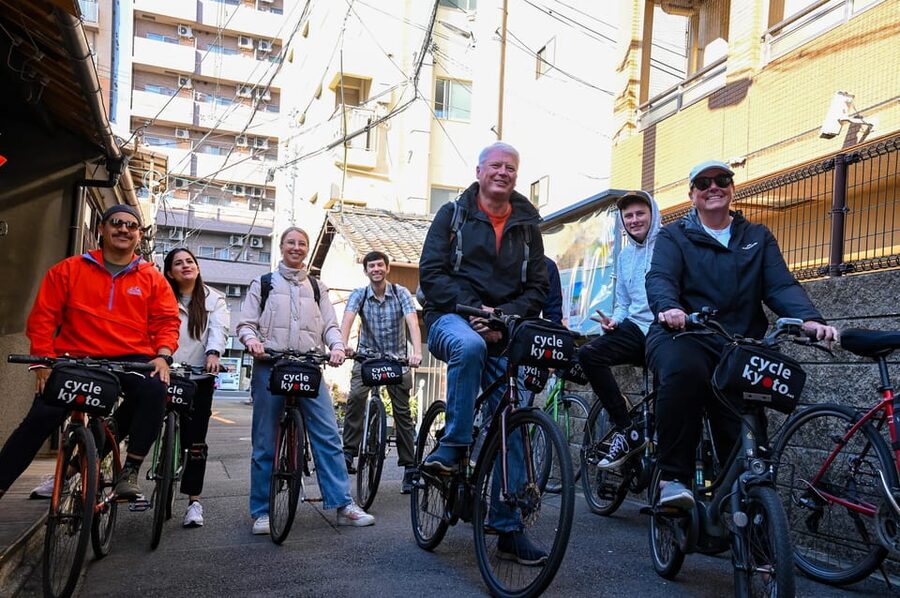
- The small group matters: With no more than eight participants, it is easier to hear the guide and adjust time at stops.
- You see Kyoto between the landmarks: The Takase Canal, Kamo River, and local lanes give the tour a more everyday feel.
- Fushimi Inari is a walking stop: You cycle to the shrine, then leave the bikes for a 45-minute visit among the orange torii gates.
- The ride is longer than the time suggests: Allow for more than 15 kilometers of cycling, with a gentle pace but several hours in the saddle.
- An e-bike is available: Request one in advance if possible and budget an additional 3,000 yen.
Why a bike works so well in South Kyoto
Kyoto’s major sights are spread across a broad city. Walking between them takes time, while buses can be crowded and slow. A bicycle gives you a useful middle ground: you cover more ground than on foot, yet still move through small streets and along waterways at street level.
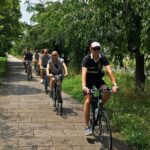
This is not a race or a hard cycling excursion. The schedule includes a 15-minute safety briefing, guided visits, photo stops, and short riverside visits. Still, you should expect a proper ride rather than a quick spin around the station.
The route is especially useful if you want a first look at southern Kyoto. You receive context at the temples, then see how the city changes as you move through residential streets, historic districts, and shrine grounds. The guide also handles the route, so you can pay attention to the city instead of checking your phone at every turn.
The group limit of eight is one of the tour’s strongest practical features. A guide can answer questions, keep the group together, and make small adjustments more easily than on a large coach excursion. Guides such as Jay, Julian, Indra, Sean, Mayco, and Juan have been singled out for clear explanations, patience, and an easy manner.
A few more Kyoto tours and experiences worth a look

Toji gives the ride a grand opening
The tour begins at Cycle Kyoto, near Kyoto Station, with bicycle pickup and a safety briefing. From Kyoto JR Station, go past Avanti, cross one set of traffic lights, pass the Daily Yamazaki convenience store, and take the next left. Give yourself enough time to find the meeting point without rushing into the briefing.
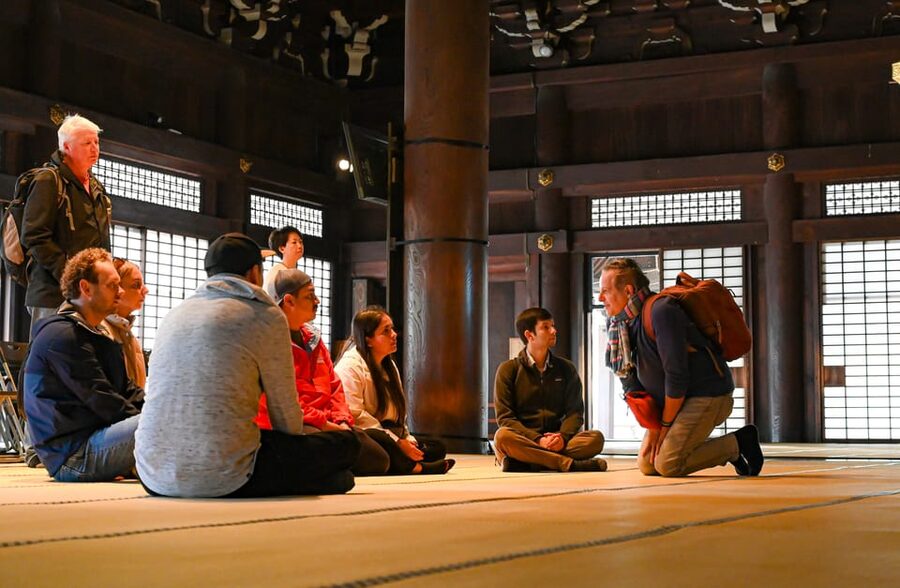
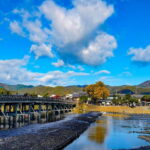
Your first major stop is Toji, described as Kyoto’s oldest temple and recognized as a UNESCO heritage site. The 35-minute guided visit gives you an early dose of the city’s temple architecture and religious traditions.
Toji is a strong choice for the opening stop because it immediately feels substantial. You are not beginning with a minor neighborhood attraction and building slowly toward the famous sights. Instead, the tour places one of Kyoto’s major temple sites at the front of the morning, when your attention is fresh.
Thirty-five minutes is enough for a guided introduction and time to look around, but not for a long, unhurried temple visit. If you enjoy spending extended time in gardens or studying architectural details, you may wish the stop were longer. The tradeoff is that the tour has several more places to reach.
Higashi-Honganji adds a different temple mood
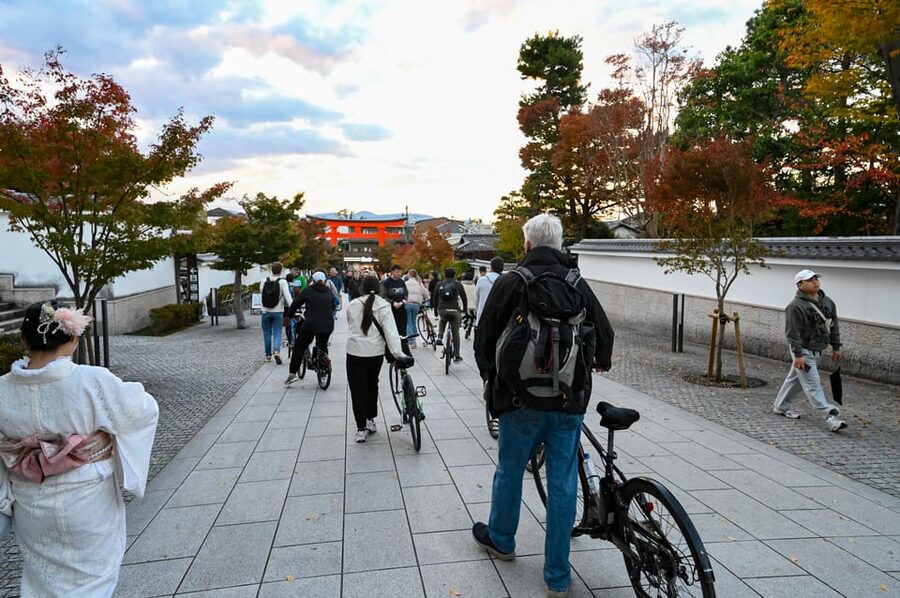
Next comes Higashi-Honganji, one of Japan’s largest temples, with another 35-minute guided visit. The stop broadens the morning beyond a single style of religious site.
That variety is valuable. Kyoto’s temples can blur together if you visit too many without context, but the guide can explain what makes each place distinct. You get a chance to compare the scale and atmosphere of Higashi-Honganji with Toji before leaving the central temple area.
The schedule is organized, not leisurely. You will need to listen during the explanation and make your photographs within the allotted time. If you are looking for a slow temple morning with no fixed rhythm, this will feel brisk. If you want to understand several important places in one outing, the structure works well.
The Takase Canal and Kamo River show everyday Kyoto
After the central temples, the route follows the Takase Canal for about 10 minutes. This is one of the tour’s most appealing changes of pace. The canal route moves you away from formal temple grounds and into the city’s quieter visual rhythm.
The canal stop is short, but it helps connect the sights. You are not simply being transported from one famous address to another. You see the waterways and lanes that shape the city between those landmarks.
The ride then reaches the Kamo River for about 15 minutes. The river provides open space and a welcome pause after the temple visits. It is also a good point to understand Kyoto as a city built around water, bridges, and neighborhoods rather than only shrines and temples.
Your experience here depends on weather and season. The supplied information advises checking conditions before departure and bringing warm clothing, comfortable clothes, sunscreen, and comfortable shoes. The tour can operate in less-than-ideal weather, but a wet or chilly ride will change how much you enjoy the riverside sections.
Gion is best seen from the backstreets
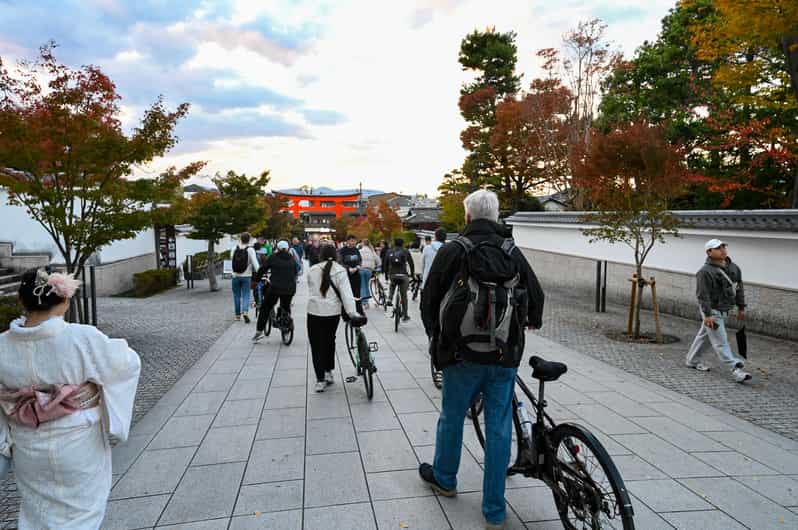
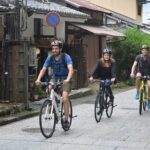
The ride continues into Gion, Kyoto’s famous geisha and teahouse district. The 30-minute guided tour focuses on backstreets rather than only the most obvious main approaches.
This is where a bicycle gives you a useful advantage. You can cover several lanes without wearing yourself out, and the guide can point out details that are easy to miss when you are navigating alone. The route is designed to show Gion as a neighborhood, not just as a photo backdrop.
Keep your expectations sensible. A 30-minute stop is an introduction, not a full study of Gion’s traditions or nightlife. You should also ride and walk respectfully, especially in areas connected with geisha and teahouses. The pleasure here comes from quiet observation and careful movement, not from treating the district like a stage set.
The backstreet section is also one reason this tour feels different from a standard temple checklist. You still see the famous places, but you travel through the spaces between them. That gives the morning a better sense of Kyoto’s scale and character.
Other cycling tours in Kyoto
Tofukuji makes a fine photo stop
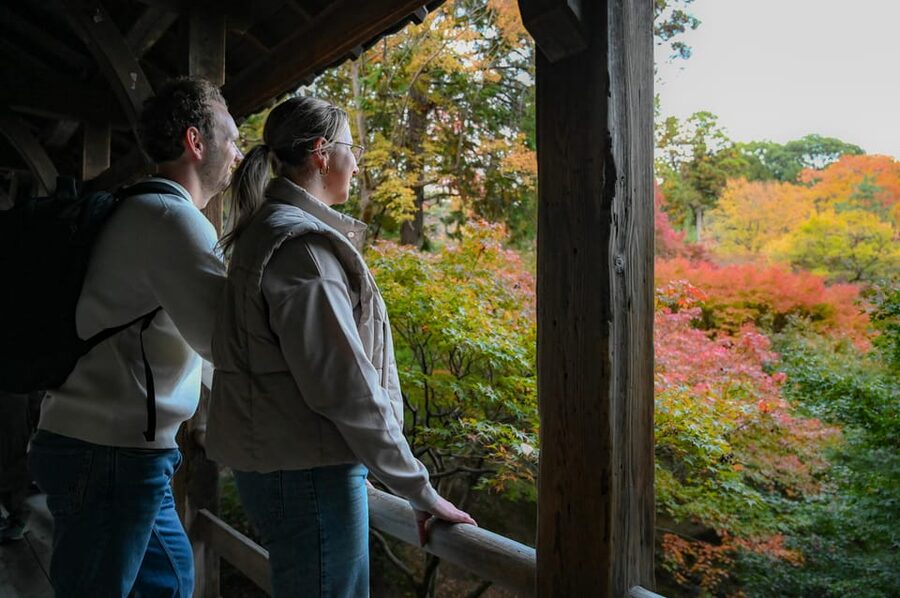
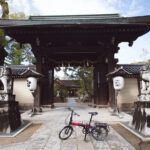
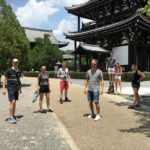
From Gion, you cycle toward Tofukuji Temple. The scheduled 30 minutes here are described as a photo stop, so this is a chance to admire the setting and take pictures rather than follow the same type of full guided visit offered at Toji or Higashi-Honganji.
Tofukuji is an important visual break in the route. After the lanes of Gion, the temple gives you another change in scale and setting. You can use the stop to photograph the architecture and surroundings, while the guide helps place the temple within the wider route.
The word photo stop is worth noting. If Tofukuji is high on your personal list, you may want more time than the schedule allows. The tour’s purpose is to show you a wide slice of South Kyoto, so each stop receives a defined portion of the morning.
The ride through the nearby local neighborhood is part of the appeal. You are not simply returning to a main road after the temple. You continue through ordinary streets before reaching the tour’s best-known shrine.
Fushimi Inari is the big finish
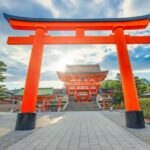
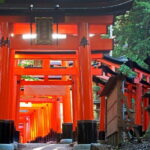
The final major stop is Fushimi Inari Taisha, with about 45 minutes for a guided visit. This is the longest stop on the route, and it needs the time. The shrine is famous for its long passages of bright orange torii gates, which climb through the wooded hillside.
You cycle to the shrine, park the bicycles, and walk among the gates. That change from riding to walking is important. Fushimi Inari is not something you can properly experience from a bicycle, and the 45-minute visit gives you a reasonable first look without turning the half-day tour into a full hiking trip.
Fushimi Inari is also one of Japan’s most visited attractions, so do not expect solitude. The advantage of arriving with a guide is that you do not have to work out the approach and basic orientation on your own. The limitation is time. You will see the lower section and famous torii, but this schedule is not designed for a long climb through the entire mountain route.
For many people, ending here is the right choice. The orange gates create a memorable final scene, and you can finish the walking portion before cycling back to Cycle Kyoto. If you want to hike deep into the shrine complex, plan a separate visit on another day.
What the $77 price includes
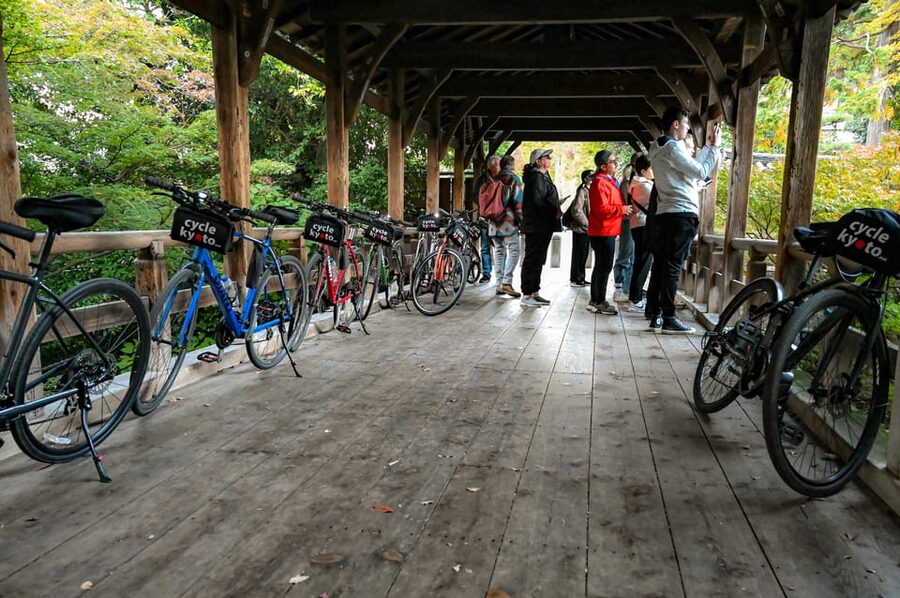
At $77 per person, this is not the cheapest way to see Kyoto’s temples. The cost includes the bicycle, helmet, water, and an English-speaking guide. More importantly, it combines transport between several sights with explanations at the places where context matters.
I see the value in the route rather than in any single admission-style attraction. You are paying for a three-and-a-half-hour outing that connects sites spread across South Kyoto, plus the use of a bike and the practical help of a local guide. The small group also makes the price easier to justify than a large, impersonal cycling excursion.
Meals are not included, so eat beforehand or plan food after returning. A small pouch on the bicycle is provided for personal items, but you should avoid bringing more than you need. The supplied information does not promise large storage, so a compact day bag is the sensible choice.
An e-bike is available for an additional 3,000 yen. I would consider that upgrade if you are unsure about riding more than 15 kilometers, if you are not used to cycling, or if the weather is warm. Strong cyclists may find the standard bicycle perfectly adequate.
The pace, equipment, and physical demands
The tour begins with a 15-minute safety briefing, and that is time well spent. Kyoto streets require attention, and you need to feel comfortable with the bicycle before heading into the city.
The bikes have been described as being in good condition, with several sizes and helmet choices available. That matters more than flashy equipment. Ask for the right size before setting off, and make sure the helmet feels secure.
You should wear clothing suitable for cycling, comfortable shoes, and clothing appropriate to the forecast. Sunscreen is sensible on bright days, while warm clothing matters during cooler seasons. Bring a camera if you want photographs, but keep your setup simple so it does not interfere with riding.
This is not suitable for people who cannot ride a bicycle, people with back problems, or children under 13. The public tour has a minimum age of 13. The route is described as gentle, but gentle does not mean effortless. You will be seated on a bicycle for several hours, with stops that break up the ride but do not remove the physical demand.
One useful sign of the tour’s flexibility is that a small group can adjust time at stops. A group of four, for example, may move at a comfortable pace and spend a little more or less time in places according to interest. Do not count on a completely private itinerary, but the eight-person limit gives the guide room to respond.
Who will get the most from this tour
I would choose this tour for a first or second visit to Kyoto if I wanted to see several South Kyoto highlights without spending a full day on buses. It suits people who enjoy light exercise, visual variety, and a guide who can explain cultural details along the way.
It is also a good fit if you have already seen central Kyoto on foot and want a different way to move through the city. The canals, river, Gion lanes, and local neighborhood sections add something that a temple-only day can miss.
You may prefer another plan if your main goal is long, quiet temple visits. The fixed schedule gives you breadth, not unlimited time at each site. You may also prefer to visit Fushimi Inari independently if you want to hike far beyond the lower torii gates.
The English-language guiding is a clear part of the experience. Guides named Jay, Julian, Indra, Sean, Mayco, and Juan have each been praised for clear explanations, patience, humor, or useful local detail. Your guide will vary, but the format gives you a chance to ask questions rather than simply follow a route.
Practical advice for a smoother ride
Meet at Cycle Kyoto near Kyoto JR Station and confirm the route from Avanti and the Daily Yamazaki convenience store before you leave. Wear your cycling clothes from the start, since changing later may not be convenient.
Check the weather before departure. Rain does not automatically ruin the tour, and a guide can adjust the pace, but wet streets and cold air make cycling less pleasant. Comfortable shoes matter because the tour includes walking at temples and Fushimi Inari.
Keep your luggage light. A small bicycle pouch is provided for personal items, but it is not a substitute for full luggage storage. Leave alcohol, drugs, and smoking materials out of the experience, since those are not allowed.
The tour lasts 210 minutes, but allow a little extra time around the start and return. Starting times vary, so check availability when booking. You can cancel up to 24 hours ahead for a full refund, and the reserve-now, pay-later option can help if your Kyoto schedule is still changing.
Should you book this South Kyoto bike tour?
Book it if you want an active half-day that combines major temples, Gion backstreets, riverside riding, and Fushimi Inari. The strongest reasons are the small group, the broad route, and the chance to see Kyoto between the headline attractions.
Skip it if you dislike cycling, have back trouble, need a slow and deeply detailed temple visit, or want to hike all the way up Fushimi Inari. For everyone else, $77 is a fair price for the bicycle, guide, water, and efficient route. Add the e-bike upgrade if distance or hills concern you, and you will have a practical, memorable introduction to South Kyoto.
FAQ
How long does the Kyoto bike tour last?
The tour lasts 210 minutes, or three and a half hours. It includes a safety briefing, cycling between stops, guided visits, photo time, and a return to Cycle Kyoto.
What sights does the tour visit?
The route includes Toji, Higashi-Honganji Temple, the Takase River, the Kamo River, Gion, Tofukuji Temple, and Fushimi Inari Taisha.
Is the tour guided in English?
Yes. The tour includes a live English-speaking guide.
How large is the group?
The tour is limited to eight participants, making it a small-group experience.
Are bicycles and helmets included?
Yes. Bicycle rental, a helmet, a guide, and water are included. Meals are not included.
Can I use an e-bike?
Yes. E-bikes are available upon request for an upgrade fee of 3,000 yen.
More Guided Tours in Kyoto
More Cycling Tours in Kyoto
More Fushimi Inari Tours in Kyoto
More tours in Kyoto we've reviewed




Fushimi Inari Tours, compared.
 ★ 4.8Kyoto: Fushimi Inari, Kinkakuji, Bamboo Grove 1 Day Bus TourFrom $122510 minutes - 9 hours
 ★ 5.0Fushimi Inari Hidden Hiking Tour (Private Option Available)From $63
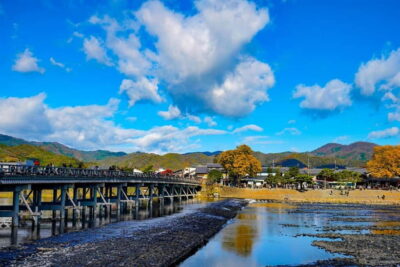 ★ 4.7Kyoto/Osaka: Nara, Fushimi Inari Taisha, Arashiyama Bus TourFrom $529 - 10 hours
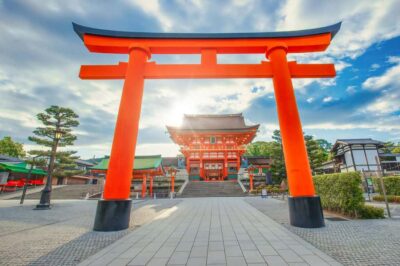 ★ 4.4Osaka/Kyoto: Arashiyama, Nara & Fushimi Inari Shrine w/LunchFrom $61
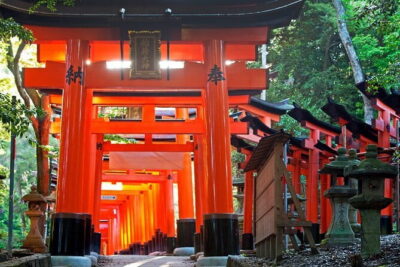 ★ 5.0Kyoto: Nijo, Kinkaku-ji, Arashiyama, Kiyomizu & Fushimi InariFrom $51
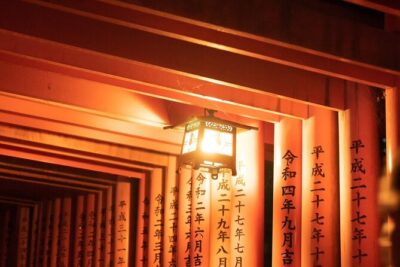 ★ 5.0Kyoto Fushimi-Inari Night Walking TourFrom $43