
Reviewed · GUIDED
Private Guided Traditional Buddhist Cooking in Japan
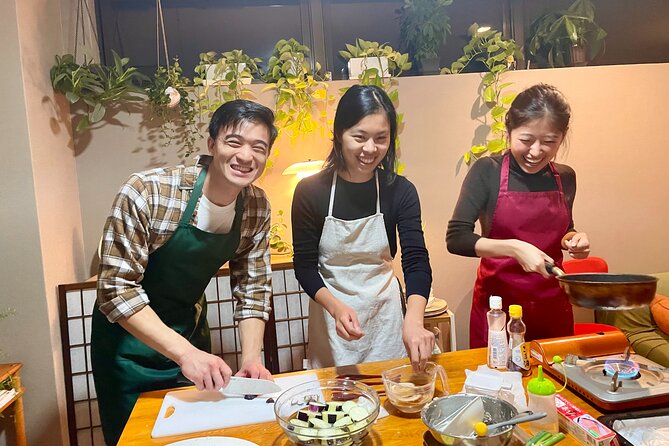
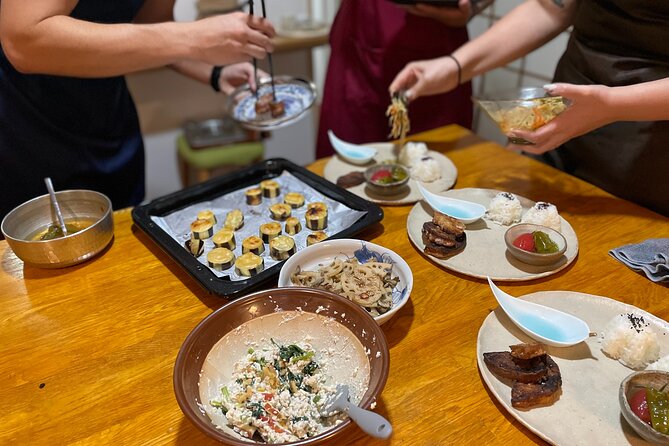
Kyoto’s Buddhist cooking is not temple austerity on a plate. It is careful, seasonal food built from tofu, vegetables, grains, seaweed, fermented ingredients, and a little kitchen skill. In this private class, Yukari guides you through seven vegan dishes, including miso-glazed eggplant, lotus-root kinpira, tofu salad, and wheat-gluten fried chicken.
I like two things here: you learn why the ingredients matter, not just how to chop them, and you receive the recipes so the class can continue in your own kitchen. The host’s warm teaching style also suits families, with past participants noting that even 11-year-old children stayed involved.
The main consideration is logistics. The class lasts about two and a half hours, begins at 10 a.m., and does not include private transportation. Three temples, Enkoji, Shisendo, and Ginkakuji, are named in connection with the experience, but the activity ends back at the cooking meeting point, so confirm exactly how those stops fit your schedule before booking.
In This Review
- Key points for deciding quickly
- What Shojin-ryori brings to the Kyoto table
- Meeting Yukari at 10 a.m. in Sakyo Ward
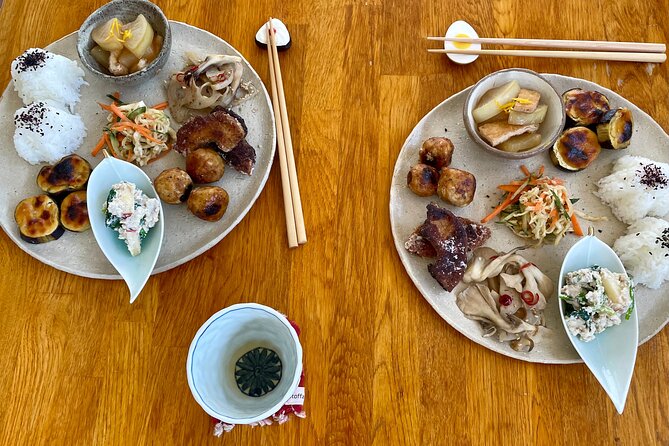
- Seven dishes, seven ways to use vegetables
- Simmered seasonal vegetables
- Dried daikon salad
- Lotus-root kinpira
- Nasu dengaku
- Shiraae
- Spicy teriyaki balls
- Vegetarian fried chicken using wheat gluten
- Two rice balls
- A class that works for families and curious beginners
- The temple names and what they mean for your day
- Is $70.94 a fair price?
- Who should book this cooking class?
- My call: book it for food, not for a promised temple tour
- FAQ
- Where does the cooking class begin?
- What time does the experience start?
- How long does the class last?
- Is the cooking class private?
- Is the food vegan?
- Can the class accommodate gluten-free participants?
- What dishes will I cook?
- Are ingredients and cooking equipment included?
- Are drinks included?
- Does the experience include transportation?
- Can I cancel for a full refund?
Key points for deciding quickly
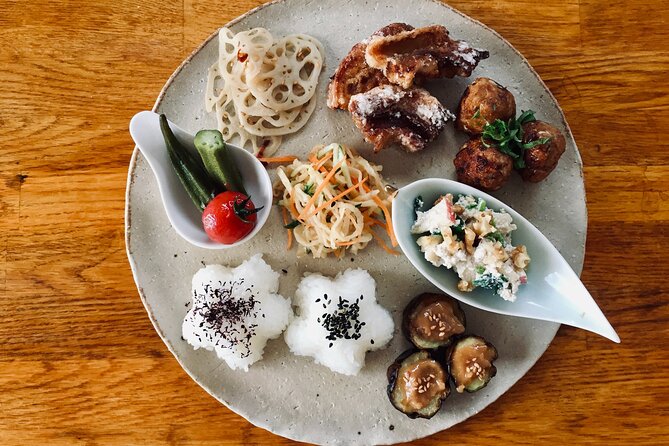
- Seven handmade vegan dishes: Cook seasonal vegetables, daikon salad, lotus root, eggplant, tofu salad, wheat-gluten fried chicken, and rice balls.
- Kyoto food culture in a home-style setting: Learn about Shojin-ryori and local ingredients rather than simply eating a prepared temple meal.
- Yukari teaches the class: Her cooking background includes writing books and articles about Japanese food, and she provides written recipes.
- Private participation: Only your group takes part, which gives you more room to ask questions and work at your own pace.
- A complete meal is included: Ingredients, water or tea, an apron, equipment, facility fees, and recipes are covered in the $70.94 price.
- Useful for plant-based eaters: The menu contains no meat or fish and can accommodate gluten-free needs if you request this in advance.
What Shojin-ryori brings to the Kyoto table
Shojin-ryori is traditional Buddhist cooking made without animal products. Its roots are tied to Buddhist temples, where avoiding harm to animals shaped both the ingredients and the cooking methods.
That does not mean the meal is plain. The appeal comes from drawing out the natural taste of each ingredient. A vegetable may be simmered gently, sliced thinly, seasoned with miso, or paired with tofu to create a different texture and flavor.
You will work with familiar Japanese staples such as soybeans, tofu, grains, seaweed, and fermented foods. Seasonal vegetables are central, and the menu shows how much variety can come from plants when you use several cooking methods.
I find this kind of class useful because it gives you a better way to read a Japanese menu. Afterward, names such as dengaku, shiraae, and kinpira are no longer just mysterious words on a restaurant menu. You understand the basic idea behind each dish and the role of ingredients such as lotus root, daikon, miso, and wheat gluten.
The class also offers something a temple restaurant cannot always provide: you handle the ingredients yourself. That makes the meal feel less like a performance and more like a shared kitchen lesson.
Other guided tours in Kyoto
Meeting Yukari at 10 a.m. in Sakyo Ward
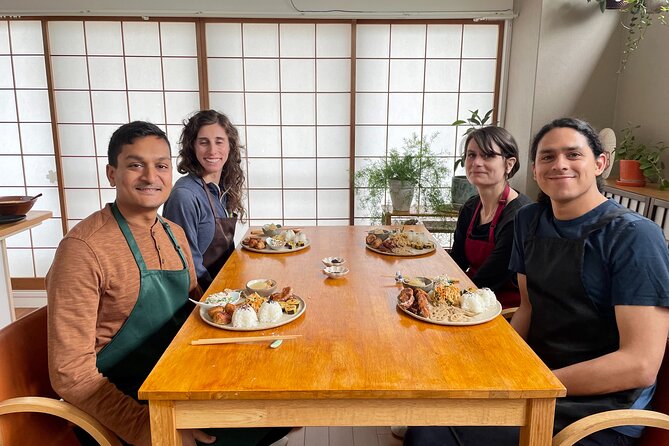
The class starts at 10 a.m. at Fairmont Building, 16 Ichijoji Nodacho, Sakyo Ward, Kyoto 606-8165. It is near public transportation, but private transportation is not included, so allow enough time to reach the address on your own.
You receive confirmation when you book, and the mobile ticket is convenient for keeping the details on your phone. The activity is private, so only your own group participates. That matters if you want to ask questions about ingredients, cooking techniques, or adapting recipes at home without trying to keep up with a large room.
Yukari begins by explaining Shojin-ryori and introducing distinctive local ingredients and products. This opening is important. Japanese cooking often depends on small details, such as how an ingredient is cut, how long it is simmered, or how strongly it is seasoned. A short explanation at the start helps you understand the choices you will make later.
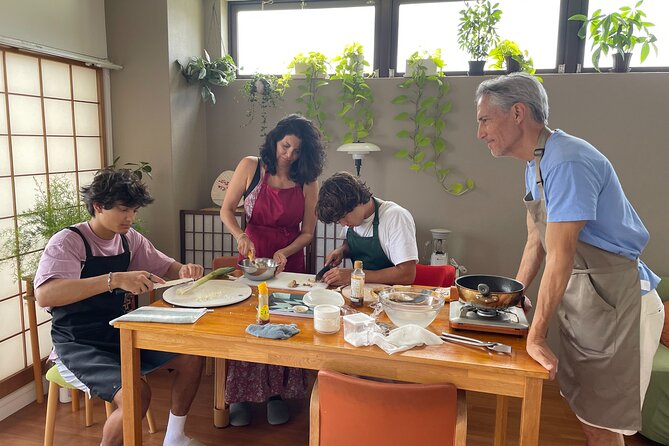
Then you put on an apron and begin cooking. The apron and all cooking equipment are included, so you do not need to bring special supplies. The class provides lunch ingredients, water or tea, utility charges, and the facility fee as well.
Seven dishes, seven ways to use vegetables
The menu is the heart of the experience. You will make several dishes rather than spending the entire class on one elaborate recipe. That gives you a broad introduction to Buddhist cooking and lets you compare different textures and seasonings in one meal.
Simmered seasonal vegetables
A simmered vegetable dish shows the quiet strength of Japanese home cooking. The goal is not to bury vegetables under sauce. It is to cook them so they become tender while keeping their own character.
This is one of the most useful lessons for home cooks. You learn that a few well-prepared ingredients can carry a dish without meat or fish. Because the vegetables are seasonal, the exact selection may vary.
Dried daikon salad
Dried strips of daikon bring a different texture to the meal. The ingredient is made from radish, but drying changes its bite and concentrates its flavor.
This dish gives you a look at how Japanese cooking preserves vegetables and uses texture as part of the meal. It is a practical contrast to the softer simmered vegetables.
Other private tours in Kyoto

Lotus-root kinpira
Kinpira usually involves thinly sliced vegetables cooked with a savory seasoning. Here, lotus root is the star.
Lotus root has a distinctive crisp texture and a pattern of small holes that makes the dish instantly recognizable. Preparing it thinly and braising it gives you a basic technique that can also be used with other vegetables.
Nasu dengaku
Nasu dengaku is eggplant coated with a miso-based glaze. It is one of the most appealing dishes for anyone who thinks vegan food will be lacking in flavor.
The miso supplies depth, while the eggplant becomes soft and absorbs the seasoning. This is a good example of Buddhist cooking’s modern appeal: a simple vegetable becomes the centerpiece through careful preparation rather than animal ingredients.
Shiraae
Shiraae is a mashed tofu salad. Tofu provides the creamy base, while vegetables add color and texture.
You will see how tofu can do more than replace meat. In this dish, it becomes a dressing and a source of body. The technique is also approachable, making it one of the recipes most likely to fit into a home kitchen after your trip.
Spicy teriyaki balls
These balls bring a sweeter and spicier note to the meal. They help show that the menu is not built around one narrow idea of temple food.
The dish adds contrast to the gentler vegetables and tofu. If you like familiar Japanese flavors but want a meat-free version, this may be one of the most immediately appealing parts of the meal.
Vegetarian fried chicken using wheat gluten
Wheat gluten provides the texture for a vegetarian version of fried chicken. It is a clever use of a plant ingredient and gives the menu a hearty dish without using meat.
This is also the item that requires the clearest dietary planning. The class can accept gluten-free participants, but wheat gluten itself is not gluten-free. If you need a gluten-free meal, tell the host before the class so the menu can be adjusted.
Two rice balls
Rice balls round out the meal and make the lunch feel complete. Rice is a basic part of Japanese cooking, but shaping and seasoning it gives you another simple skill to take home.
The final spread includes a good range: soft vegetables, crisp lotus root, creamy tofu, glazed eggplant, savory plant-based protein, and rice. That variety is why the class feels like a full meal rather than a string of small demonstrations.
A class that works for families and curious beginners
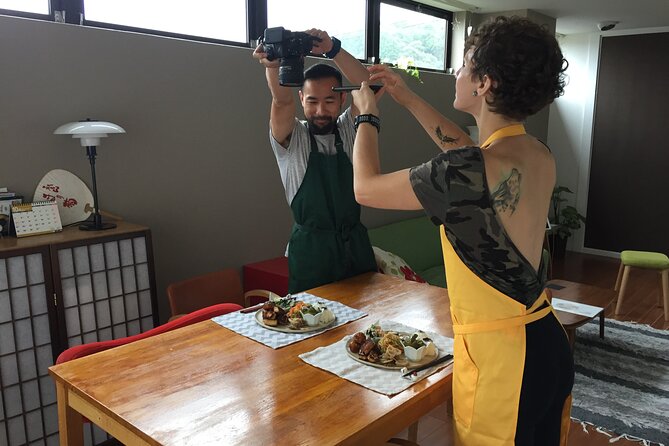
You do not need to be an experienced cook. The dishes are described as approachable, and the class is hands-on, so the value comes from doing the work rather than watching a chef move too quickly for you to follow.
The teaching style is one of the most praised parts of the experience. Yukari is described as patient, kind, and clear, with detailed explanations of both recipes and Japanese food culture. She also has experience writing about Japanese food, which adds useful context beyond basic instructions.
Families can make good use of the private format. An 11-year-old child was kept involved during the cooking session, and the shared work gave the family a meal they had all helped prepare. That does not guarantee every child will love every dish, but the menu offers enough jobs and variety to keep young cooks occupied.
Couples and small groups should also find the format comfortable. The private setting gives you time to chat while cooking and makes it easier to ask about ingredients you may not recognize. You are not simply being handed a finished plate and a short explanation.
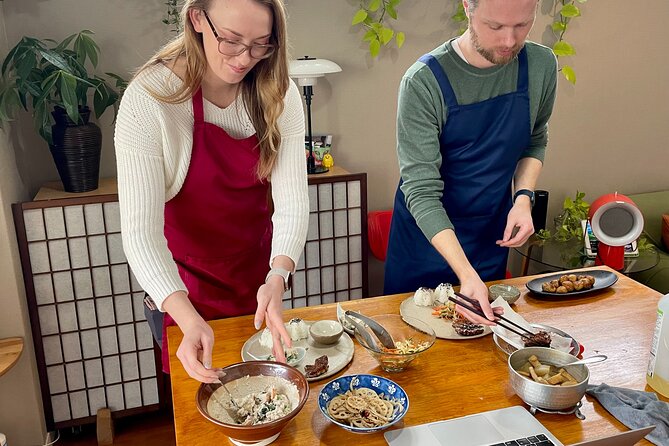
At the end, you eat the lunch you prepared. Water or tea is included. Recipes are also provided, so the practical benefit lasts beyond the meal. You can try to recreate the dishes later and contact Yukari with questions, according to the host’s stated follow-up offer.
The temple names and what they mean for your day
Enkoji Temple, Shisendo Temple, and Ginkakuji Temple are listed as the three stops connected with this Kyoto experience. Each name points to the northern Higashiyama and Sakyo Ward side of Kyoto, an area well suited to combining a cooking class with temple sightseeing.
There is an important planning point here. The cooking activity begins and ends at the Fairmont Building meeting point, and private transportation is not included. The supplied details do not explain whether the temples are visited before or after the cooking lesson, offered as nearby suggestions, or part of a separate portion of the experience.
Do not assume that a temple admission or guided walk is included simply because the names appear in the schedule. If seeing these places is essential to your day, ask the provider how the stops work and how much time you should allow.
That uncertainty is the one part of the plan I would clarify before paying. The food class itself is clearly described, while the connection between the cooking session and the temple names is less clear.
Is $70.94 a fair price?
At $70.94 per person, this is not the cheapest way to eat lunch in Kyoto. It is also more than the price of buying tofu, vegetables, rice, and miso at a supermarket.
But you are paying for more than ingredients. The price includes instruction, a private session, the use of equipment, an apron, water or tea, the facility fee, utility charges, and written recipes. You also get a structured introduction to a cooking tradition that can be difficult to understand from a restaurant menu alone.
The value is strongest if you want a cultural activity and a meal at the same time. Seven dishes give you a useful range of techniques, and the recipes make the experience more practical than a one-off tasting.
The value is weaker if you want a temple tour, a long sightseeing walk, or a large restaurant-style spread. Transportation is extra, and the temple portion needs clarification. You should also remember that the class lasts about two hours and 30 minutes, so it takes a substantial part of your morning and lunch period.
The activity is booked about 51 days ahead on average. That suggests you should not leave it until the last few days if the 10 a.m. start fits only one day of your Kyoto schedule.
Who should book this cooking class?
I would put this near the top of the list for vegetarians and vegans who want more than a meat-free substitution. The entire menu is based on Buddhist vegan cooking, and the class explains the tradition behind the food.
It also suits anyone who enjoys learning through food. You get hands-on practice, local ingredient guidance, and recipes that can be used after the trip.
Families may appreciate the private format and the range of simple tasks. Couples and small groups who prefer a quiet class over a crowded workshop should consider it for the same reason.
You may want to skip it if your main goal is sightseeing. The class is centered on cooking and eating, and no private transportation is included. You should also think twice if you dislike tofu, eggplant, daikon, lotus root, or plant-based meat substitutes, since these ingredients shape much of the menu.
The provider accepts service animals and the meeting point is near public transportation. If you need gluten-free cooking, contact Yukari in advance because wheat gluten appears in the standard menu.
My call: book it for food, not for a promised temple tour
Book this experience if you want to learn how Kyoto’s Buddhist food is made, eat a varied vegan lunch, and leave with recipes you can use at home. The strongest reasons to go are Yukari’s patient teaching, the seven-dish menu, and the chance to cook instead of simply watching.
Before booking, confirm how Enkoji, Shisendo, and Ginkakuji relate to the class. If those temple names are a major reason for choosing the activity, you need a clear answer about timing, admission, and transportation.
For a food-focused morning in Kyoto, $70.94 is a reasonable price for a private lesson with ingredients and equipment included. For a sightseeing tour with a cooking add-on, it may not match what you expect.
FAQ
Where does the cooking class begin?
It begins at Fairmont Building, 16 Ichijoji Nodacho, Sakyo Ward, Kyoto 606-8165, Japan.
What time does the experience start?
The start time is 10 a.m.
How long does the class last?
The activity lasts approximately two hours and 30 minutes.
Is the cooking class private?
Yes. Only your group participates in the private activity.
Is the food vegan?
Yes. Shojin-ryori is Buddhist cooking made without animal products, and the dishes in this class do not contain meat or fish.
Can the class accommodate gluten-free participants?
Yes, gluten-free requests can be accepted. You need to let the provider know in advance.
What dishes will I cook?
The menu includes simmered seasonal vegetables, dried daikon salad, lotus-root kinpira, nasu dengaku, shiraae, spicy teriyaki balls, vegetarian fried chicken using wheat gluten, and two rice balls.
Are ingredients and cooking equipment included?
Yes. Lunch ingredients, an apron, all equipment, utility charges, and the facility fee are included.
Are drinks included?
Yes. Water or tea is included with the meal.
Does the experience include transportation?
No. Private transportation is not included. The activity ends back at the meeting point.
Can I cancel for a full refund?
Yes, if you cancel at least 24 hours before the local start time. Cancellations or changes made less than 24 hours before the start are not accepted for a refund.
More Private Tours in Kyoto
More Guided Tours in Kyoto
More tours in Kyoto we've reviewed
Guided, compared.
 ★ 5.0Kyoto Early Morning Tour with English-Speaking GuideFrom $68
 ★ 5.0Kyoto 6hr Private Tour with Government-Licensed GuideFrom $155
★ 4.9Kyoto: Early Morning Tour with English-Speaking GuideFrom $1015h 30m
★ 5.0Kyoto 6hr Private Tour with Government-Licensed GuideFrom $155
★ 4.9Kyoto: Early Morning Tour with English-Speaking GuideFrom $1015h 30m
 ★ 4.7Kyoto: Nijo-jo Castle and Ninomaru Palace Guided TourFrom $161 hour
 ★ 4.9Kyoto: Izakaya Bars Guided Walking TourFrom $253 hours
 ★ 5.0Kyoto Gion Night Walk & Geisha District Guided TourFrom $18