
Reviewed · NARA DAY TRIPS
From Kyoto: Nara Private Tour with Hotel Pickup
Nara’s appeal is wonderfully direct: you walk among free-roaming deer, then enter Todai-ji, a temple large enough to make even seasoned sightseers stop and stare. This private six-hour trip from Kyoto adds a guide to the experience, so the temples and shrines become more than a parade of grand buildings.
I like the personal pace and the mix of places. You get Kofuku-ji, Nara Park, Todai-ji, and Higashimuki Shopping Street, with room for snacks or an added stop if you arrange it ahead of time. The main consideration is the price, $298 per person, plus transportation costs, which makes this best for people who value a private guide over the lower cost of an independent train trip.
In This Review
- Key points to know before booking
- Why Nara makes a strong side trip from Kyoto
- The 70-minute train ride from Kyoto
- Higashimuki Shopping Street, a useful start in Nara
- Kofuku-ji and its 669 origins
- Feeding deer in Nara Park
- Todai-ji and the 15-meter Great Buddha
- How the private guide changes the day
- Is $298 per person good value?
- Who will enjoy this six-hour Nara visit?
- Booking decision
- FAQ
- How long does the private Nara tour last?
- Does the tour include hotel pickup and drop-off?
- How long is the train journey from Kyoto to Nara?
- Which attractions are included?
- Are entrance fees included?
- Are transportation costs included in the price?
- What languages does the guide speak?
- Can the itinerary or starting time be changed?
Key points to know before booking
- The Great Buddha is the main event: Todai-ji houses a bronze Buddha about 15 meters tall, inside one of Japan’s most famous temples.
- Masa gets specific praise: He is described as patient, kind, flexible, and good at explaining the difference between temples and shrines.
- The deer are part of the experience: Nara Park gives you time to feed them, take photos, and walk through their open parkland.
- The day is private: You can ask for extra snack stops or an additional destination, but advance notice matters.
- The train ride takes time: The listed journey is 70 minutes each way, so the six-hour schedule includes a substantial amount of transit.
- Budget carefully: Entrance fees are included, but transportation, meals, drinks, and personal purchases are not.
Why Nara makes a strong side trip from Kyoto
Kyoto can fill several days with temples, gardens, and narrow lanes. Nara offers a different mood. It was Japan’s first permanent capital, and its major sights are grouped closely enough for a focused half-day visit.
The city’s big draw is the way culture and everyday life overlap. You can move from an old temple to a shopping street, then find deer wandering across a broad public park. That combination gives the trip more texture than a temple-only outing.
I especially like that this is not just a transfer to Todai-ji and back. The route includes Kofuku-ji, Nara Park, Higashimuki Shopping Street, and an additional 20-minute guided stop that is not named in the schedule. Your guide can also explain why one building is a Buddhist temple and another is a Shinto shrine, a distinction that can otherwise blur during a first visit to Japan.
The private format matters here. Nara’s famous sights attract plenty of people, and a guide can help you keep moving without losing the meaning of what you see. You also avoid being tied to the needs of a large group.
A few more Kyoto tours and experiences worth a look
The 70-minute train ride from Kyoto
The tour begins with pickup at your Kyoto hotel, followed by a listed 70-minute train journey to Nara. The same journey appears on the return, so you should expect about 140 minutes of the six-hour day to involve train travel.
That is not necessarily wasted time. It gives you a chance to rest, talk with your guide, and get a sense of how Nara fits into your Kansai trip. Still, you should understand the tradeoff. If you are already comfortable navigating Japanese trains and want to spend every minute in Nara, an independent visit may cost less and give you more control.
The tour includes hotel pickup and drop-off, which makes the start and finish easier. At the same time, transportation costs are listed separately from the included entrance fees. Confirm the transport arrangement and expected train cost when booking so the $298 price does not surprise you later.
Because the tour lasts six hours, starting time affects your day. Availability determines the departure options, and the guide asks you to send requests in advance. Same-day changes may be difficult, so do not wait until the morning of the tour to ask for a different route or extra stop.
Higashimuki Shopping Street, a useful start in Nara
The first Nara stop is Higashimuki Shopping Street, with about 20 minutes of guided time. This is a short visit, but it helps you get your bearings before the temples and park.
A shopping street also gives the day a more ordinary side. You can look at traditional shops and local food options rather than moving only from one formal monument to another. The schedule does not promise a meal, and meals and drinks are not included, so use this stop to notice possible snack choices or ask your guide where a later food break might fit.
Twenty minutes is enough for an introduction, not a leisurely shopping session. If you have a particular shop or food interest, mention it in advance. The guide has shown flexibility with snack stops, but the compact schedule means every extra pause affects the rest of the day.
Kofuku-ji and its 669 origins
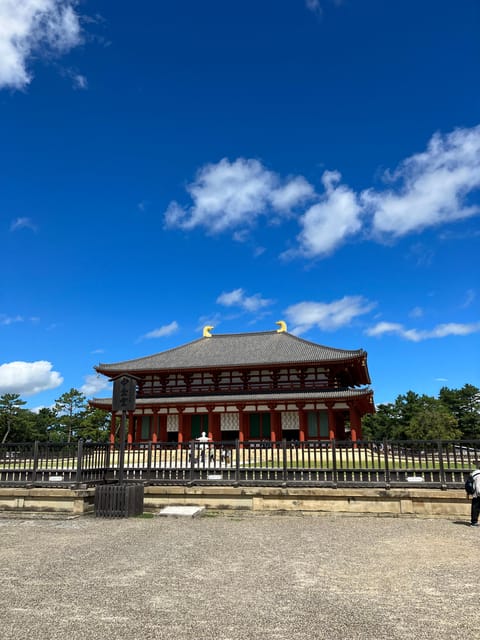
Kofuku-ji receives about 30 minutes of guided attention. It was originally built in 669 and is one of Nara’s Seven Great Temples. It is also part of the UNESCO World Heritage listing connected with Nara’s historic monuments.
I like this stop because it sets up the city’s religious importance before you reach Todai-ji. The wooden architecture and temple grounds offer a quieter beginning than the larger, more dramatic Buddha hall. Your guide can give the buildings a clear place in Nara’s story instead of leaving you to guess what you are looking at.
Thirty minutes is a brisk visit. You will have time to see the main setting and hear an explanation, but this is not designed for slow architectural study. If you want long photography breaks or detailed time at every building, tell your guide early and accept that another stop may need to be shortened.
The peaceful atmosphere is part of Kofuku-ji’s value. Even with a short schedule, it gives you a pause before Nara Park, where the mood becomes more playful and unpredictable.
Feeding deer in Nara Park
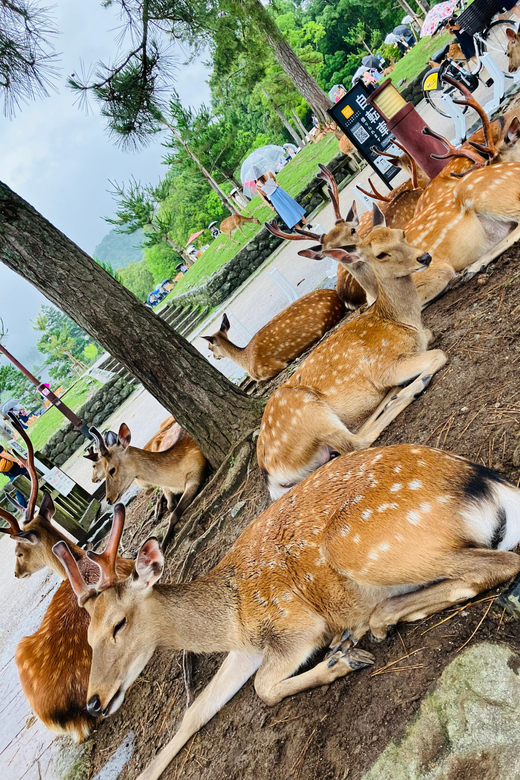
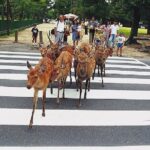
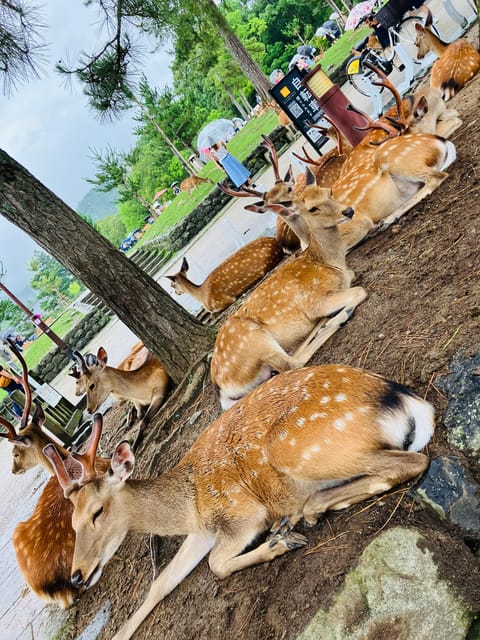
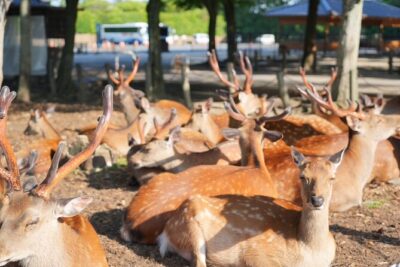
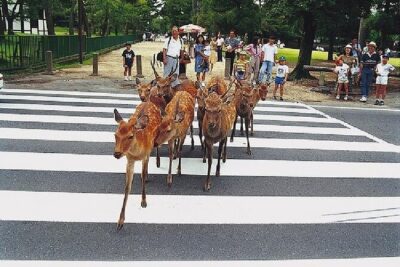
Nara Park gets about an hour, making it one of the most substantial stops. The deer are free-roaming and have been treated as sacred animals in Nara for centuries. They are traditionally viewed as messengers of the gods, which explains why they are such a central part of the city’s identity.
This is the stop most likely to create your favorite photographs. You can feed the deer, watch their behavior, and walk through the park with views toward the surrounding area. The experience is simple, but that is its charm. You are not just looking at an exhibit. The animals move through a public park and can come close as you explore.
Keep your belongings secure and follow your guide’s instructions around the deer. The supplied information does not specify the type of food provided or any detailed animal guidelines, so ask your guide what is appropriate before feeding them.
An hour gives you enough time for photos and a proper walk, though not an endless wander. If the deer are your top priority, this is the place to protect time. Families and visitors who enjoy wildlife will likely find the park more memorable than a second formal temple.
Nara Park is also the point where comfortable shoes and water matter most. You will be walking outdoors, and sunscreen is sensible in bright weather. The park’s open setting can feel calm, but the day still moves at a steady pace.
Other private tours in Kyoto
Todai-ji and the 15-meter Great Buddha
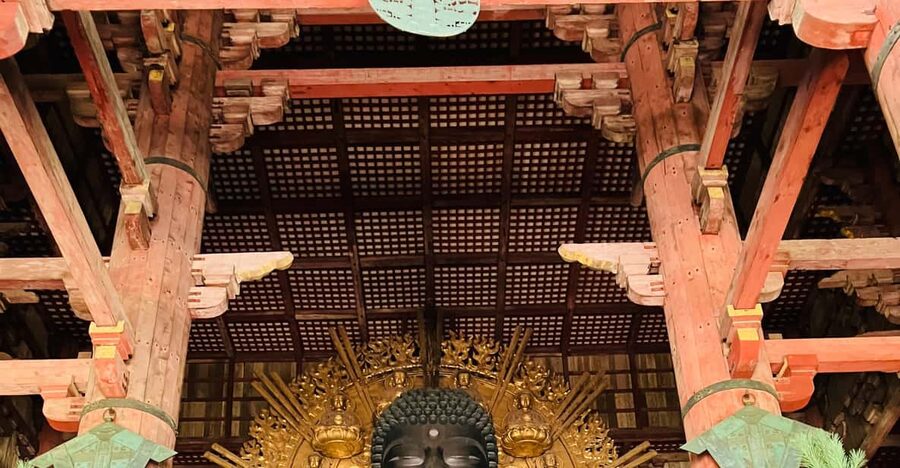
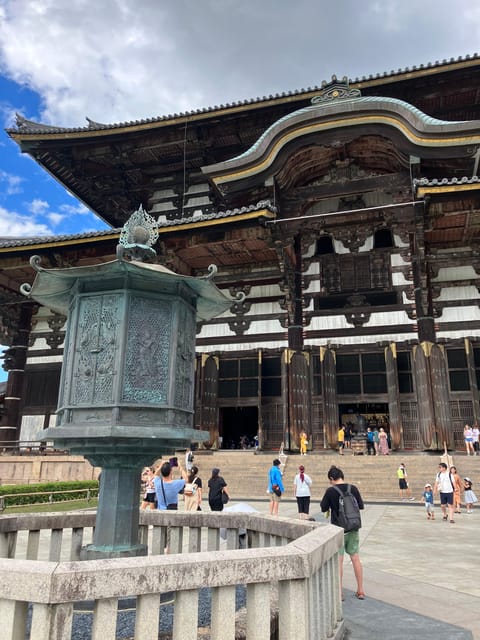
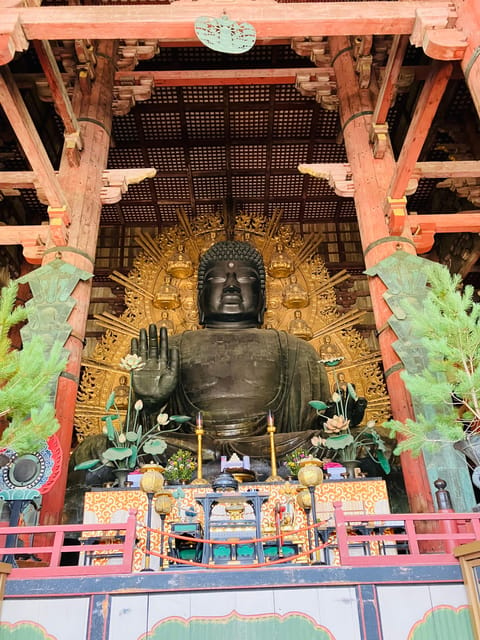
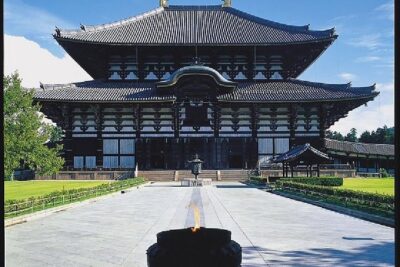
Todai-ji receives about an hour, and this is the tour’s most important temple visit. The complex is home to the Great Buddha, a bronze statue about 15 meters tall. That size is hard to grasp from a photograph. Seeing the figure inside the temple gives the scale real force.
Todai-ji was founded in the eighth century and became a major symbol of Buddhism in Japan. Your guide can explain how the temple fits into Nara’s role as the first permanent capital and why the Great Buddha matters beyond its impressive dimensions.
An hour is a sensible amount of time for a first visit. You can take in the main temple, spend time with the statue, and hear the essential background without turning the stop into a technical study of every structure. If you want quiet contemplation or extensive photos, crowds and the fixed schedule may limit you.
This is also where a private guide can add the most value. A large temple can overwhelm you with details, but a good explanation helps you notice what matters. Masa, the guide praised in the supplied feedback, is specifically described as patient and good at explaining the difference between temples and shrines. That kind of clarification can make the rest of your Japan sightseeing easier too.
Entrance fees to the named sites are included. The schedule and pricing information do not specify every admission detail, so confirm what is covered if the unnamed 20-minute stop has a separate ticket.
How the private guide changes the day
The group is private, with live guiding in English or Japanese. That means you are not sharing the pace with strangers, and you can shape the day around your interests within the available six hours.
Masa is named in the feedback and receives especially strong praise. The descriptions highlight his hospitality, patience, kindness, preparation, and flexibility. One group arranged an added destination ahead of time, and another took extra snack stops. These details matter more than a generic promise of personal service because they show how the day can work in practice.
The important phrase is ahead of time. The guide may be flexible, but same-day route changes can be difficult. Send questions and requests before the tour, especially if someone in your group has mobility needs, a strong food interest, or a particular Nara sight in mind.
A private guide is also useful for family groups and mixed-interest groups. One person can ask about architecture, another about religion, and another can focus on deer and photos. You can ask for explanations at your level instead of listening to a standard speech meant for everyone.
The tour is wheelchair accessible, which is useful information for anyone planning around mobility needs. You should still discuss your specific requirements before departure, since the day includes trains, outdoor paths, temple grounds, and several walking stops.
Is $298 per person good value?
At $298 per person, this is not the budget way to see Nara. A self-guided train trip will usually give you more independence and may cost less, although the provided information does not give an independent fare comparison.
The price makes more sense for a private group that wants hotel pickup, a live guide, and included entrance fees. You are paying for coordination as much as for sightseeing. Someone else helps connect the train journey, shopping street, temples, park, and return to Kyoto.
Transportation costs, meals, beverages, and personal expenses are not included. Plan for those separately. You should also bring water, and you may want money for snacks or local purchases along Higashimuki Shopping Street.
For a couple or small family that values convenience, the price can be reasonable if the guide’s help prevents wasted time and adds context. For a solo visitor or budget-minded pair, it is harder to justify unless a private experience is a high priority.
The strongest value comes from the guide’s flexibility. If you want only a basic route and do not need explanations, independent travel may suit you better. If you want to ask questions, adjust the pace, and make the day feel personal, the extra cost has a clearer purpose.
Who will enjoy this six-hour Nara visit?
I would recommend this tour to first-time visitors who want Nara’s essential sights without planning every train, temple, and walking connection. It also suits families, older visitors, and small private groups that prefer hotel pickup and a guide who can adjust explanations and breaks.
History and religious architecture fans will appreciate Kofuku-ji and Todai-ji, especially with context about Nara’s role as Japan’s first permanent capital. Nature lovers and photographers will probably rank Nara Park as the highlight.
The tour is less suitable if you want a long, unhurried day in Nara. Six hours includes two 70-minute train rides, and the stops are clearly timed. It also may not suit a strict budget, since the $298 fee is only part of the day’s cost.
Bring comfortable shoes, water, sunscreen, and a camera. Wear something practical for walking and be ready for a day that mixes indoor temples with outdoor park time.
Booking decision
Book this tour if you want a private, guided introduction to Nara and value a smooth day from Kyoto more than the lowest price. The mix of Todai-ji, Kofuku-ji, Nara Park, and a shopping street covers the city’s main appeal, while a guide such as Masa can add useful cultural explanations and handle small changes.
Skip it if you are confident using trains, prefer to set your own pace, or want several hours for less familiar Nara neighborhoods. For everyone else, the tour offers a practical first look at Japan’s old capital, with the Great Buddha and deer providing two very different reasons to remember the day.
FAQ
How long does the private Nara tour last?
The tour lasts six hours, including the journey from Kyoto to Nara and the return trip.
Does the tour include hotel pickup and drop-off?
Yes. Hotel pickup and drop-off are included, with Kyoto listed as the pickup location.
How long is the train journey from Kyoto to Nara?
The listed train journey takes 70 minutes each way.
Which attractions are included?
The route includes Higashimuki Shopping Street, Kofuku-ji, Nara Park, and Todai-ji. The Great Buddha is inside Todai-ji.
Are entrance fees included?
Yes. Entrance fees to all mentioned sites are included.
Are transportation costs included in the price?
No. Transportation costs are listed separately. Meals, beverages, and personal expenses are also not included.
What languages does the guide speak?
Live guiding is available in English and Japanese.
Can the itinerary or starting time be changed?
The guide will try to be flexible, but same-day changes may be difficult. Contact the guide in advance with requests or questions, especially if you want an extra destination or snack stop.
More Private Tours in Kyoto
More Nara Day Trips in Kyoto
More tours in Kyoto we've reviewed





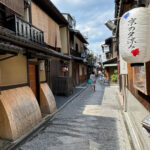
Nara Day Trips, compared.
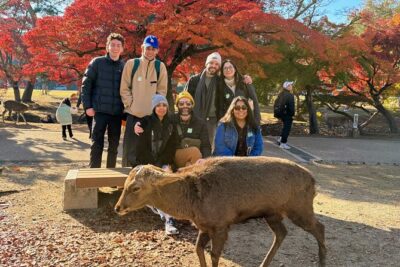 ★ 5.0World Heritage Kyoto & Nara Uji Authentic Matcha ExperienceFrom $129
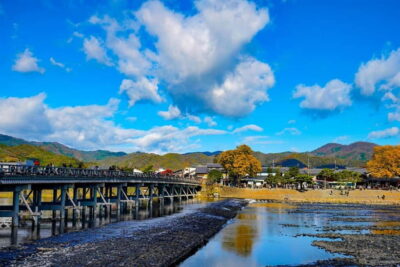 ★ 4.7Kyoto/Osaka: Nara, Fushimi Inari Taisha, Arashiyama Bus TourFrom $529 - 10 hours
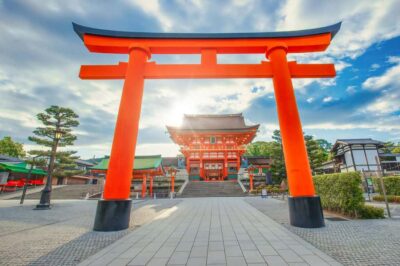 ★ 4.4Osaka/Kyoto: Arashiyama, Nara & Fushimi Inari Shrine w/LunchFrom $61
 ★ 5.0Nara Early Morning Tour (Kyoto or Osaka Departure Available)From $61
 ★ 4.5Kyoto and Nara Day Trip from KyotoFrom $194
 ★ 4.5Nara Afternoon Tour from Kyoto or OsakaFrom $102