
Reviewed · GION & GEISHA WALKS
Kyoto: Maiko, Samurai, or Kimono Rental and Tea Ceremony
Kyoto’s kimono and tea ceremony experience gives you two very different treats in one booking: time to dress up at Studio Shiki, followed by matcha and sweets at Akebonotei, just a three-minute walk away. The setting near Kiyomizu-dera makes it easy to add temples, pagodas, and old lanes before or after your appointment.
I like the choice of costumes, from maiko styling to samurai dress and regular kimono or seasonal yukata. I also like the short walk between the rental shop and tea room, plus the option to keep a rented kimono until 5pm.
The main caution is pace. Appointments are tightly linked, and arriving late can mean joining partway through or missing an activity. The tea ceremony is also a brief, tourist-friendly version, not a long formal lesson in Japanese tea practice.
In This Review
- Key points to know before booking
- Dressing up beside Kyoto’s Kiyomizu-dera
- The 90-minute gap between costume and tea
- What the matcha session includes
- Using your rental time around the Higashiyama sights
- Getting to Studio Shiki from Kyoto
- Is $77 a fair price?
- Family groups, small groups, and comfort
- The experience’s strongest points
- The tradeoffs you should understand
- Who should book this Kyoto activity?
- Should you book the Studio Shiki tea ceremony?
- FAQ
- Where does the activity take place?
- How long does the experience last?
- What costume options are available?
- What does the package include?
- Is hair styling included?
- How long can I keep the kimono?
- How far is the tea location from the rental shop?
- Can children participate?
- Are pregnant women allowed to join?
Key points to know before booking
- Three costume styles: Choose a maiko look, samurai style, or kimono and yukata rental.
- Matcha near Kiyomizu-dera: The tea room, Akebonotei, is about a three-minute walk from Studio Shiki.
- Rental time matters: A kimono can be enjoyed until 5pm, giving you time for nearby sights and photos.
- Hair styling costs extra: The optional styling fee is 1,650 yen.
- Family-friendly age limit: Children must be at least 5 years old, and groups are limited to families of up to four people.
- Plan your clock carefully: The costume appointment and tea session are scheduled 90 minutes apart.
Dressing up beside Kyoto’s Kiyomizu-dera
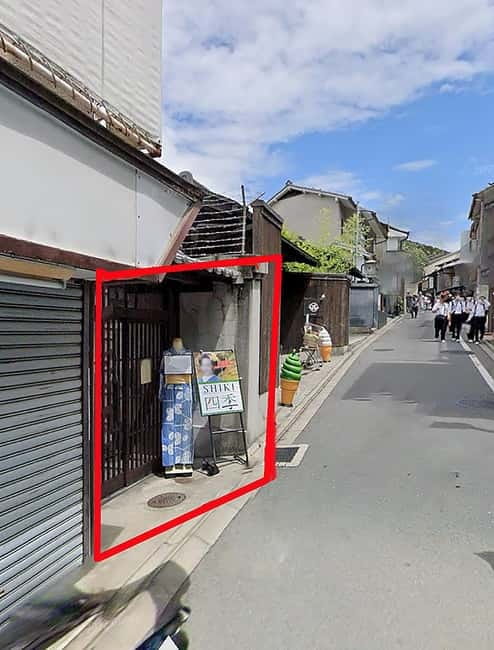
Studio Shiki, also known as Maiko Transformation Studio Shiki and Rental Kimono Shiki Sakura, sits close to one of Kyoto’s most popular sightseeing areas. The location is the biggest practical advantage of this booking. Once dressed, you are already near Kiyomizu-dera Temple, the Yasaka Five-Story Pagoda, Ninenzaka, Sannenzaka, Kodaiji Temple, Yasaka Koshindo, and Yasaka Shrine.
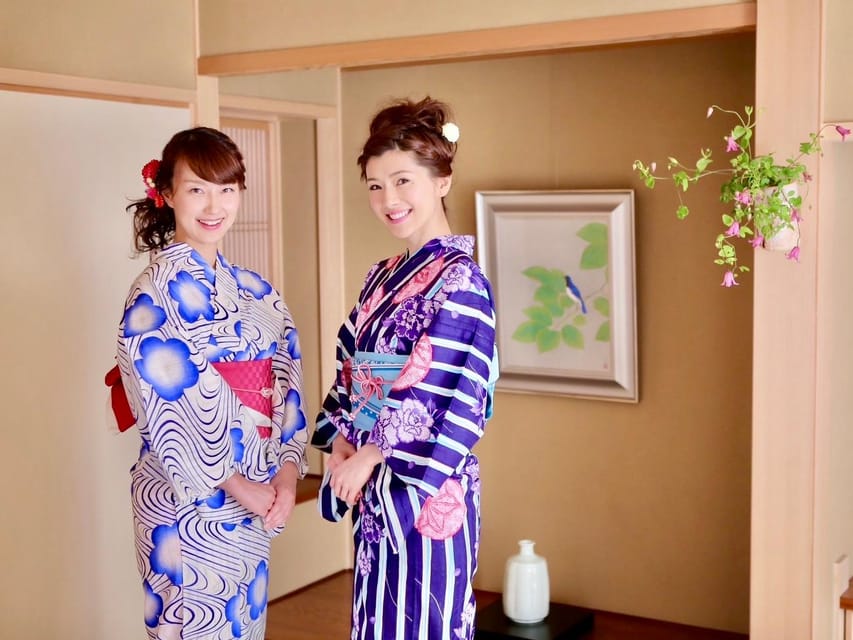
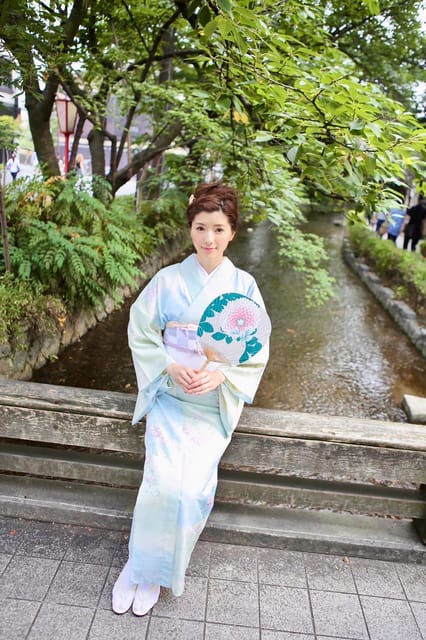
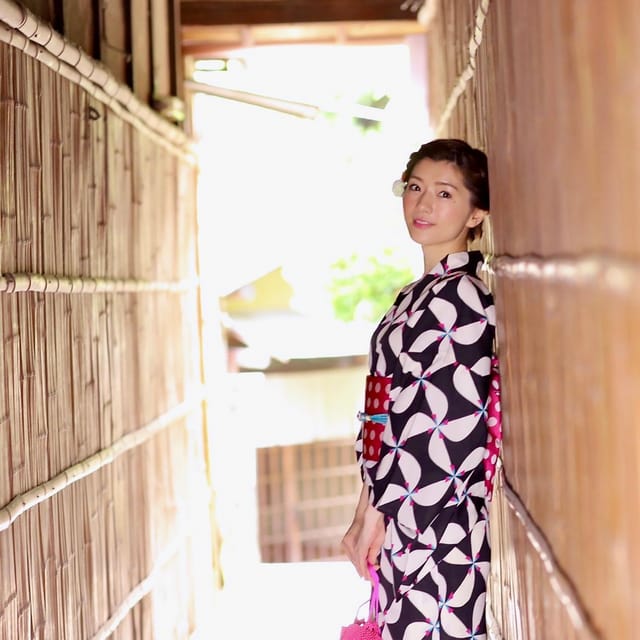
The shop is not simply a place to borrow clothing for a quick photograph. Your rental includes the kimono, obi, bag, underwear, and sandals. From June 1 through September 15, the seasonal yukata plan is available instead. Yukata are lighter summer garments, so this seasonal choice may be more comfortable in Kyoto’s hot months.
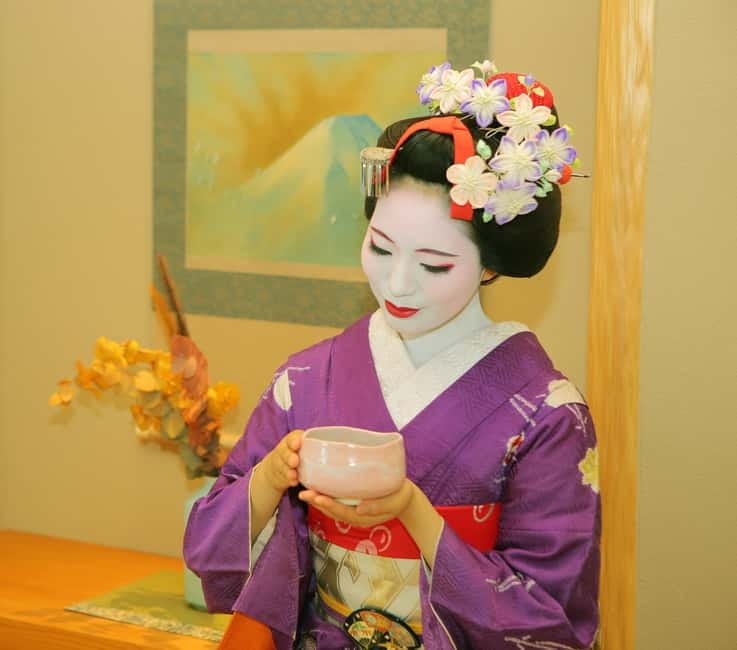
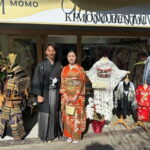
You can select a maiko costume for the traditional apprentice geisha look, dress in samurai style, or choose a more standard kimono or yukata plan. The supplied information does not promise a specific number of garments or a particular costume design, so keep your expectations sensible. The selection has been described as correct rather than enormous. You should have options, but this is not a costume museum with endless racks.
Hair styling is not part of the base price. It is offered separately for 1,650 yen. If you want a polished maiko appearance, or simply prefer not to arrange your own hair, add that cost and allow extra time. Since your tea appointment follows the rental appointment, this small add-on can affect your schedule.
A few more Kyoto tours and experiences worth a look

The 90-minute gap between costume and tea
The schedule is simple, but it rewards punctuality. Your tea ceremony begins 90 minutes after your kimono appointment:
- 9:00am costume appointment, 10:30am tea
- 10:00am costume appointment, 11:30am tea
- 11:00am costume appointment, 12:30pm tea
- 12:00pm costume appointment, 1:30pm tea
- 1:00pm costume appointment, 2:30pm tea
- 2:00pm costume appointment, 3:30pm tea
- 3:00pm costume appointment, 4:30pm tea
That gap is useful. It gives you time to finish dressing, walk to Akebonotei, and get settled. If the rental process takes longer than expected, though, the schedule can feel tight. The operator warns that lateness may mean joining halfway through or losing the tea session altogether.
I would arrive early, especially for a morning booking or a busy sightseeing day. Do not treat the appointment like a flexible café reservation. You need to be ready for the costume session and then move promptly to the tea parlor.
The walk itself is short, about three minutes, but Kyoto’s streets around Kiyomizu-dera can be crowded. Traditional sandals may also make the route slower than it sounds. Comfortable walking shoes are not part of the costume, so take your time and watch uneven pavement.
What the matcha session includes
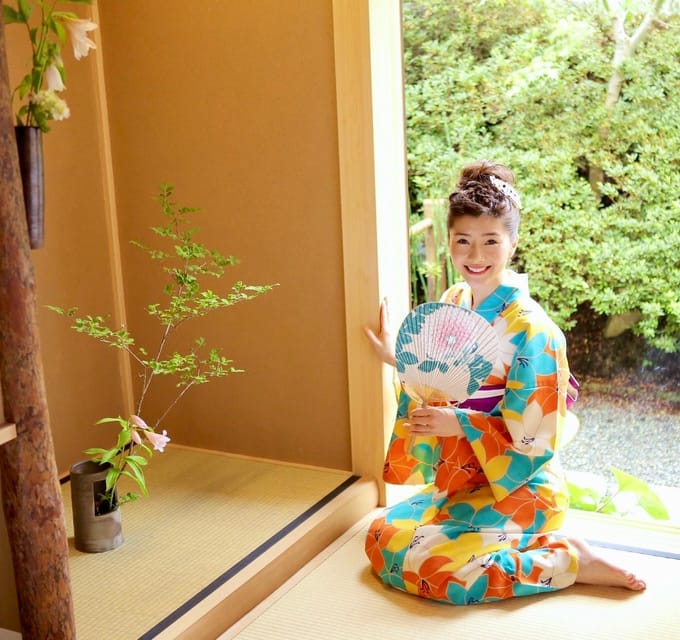
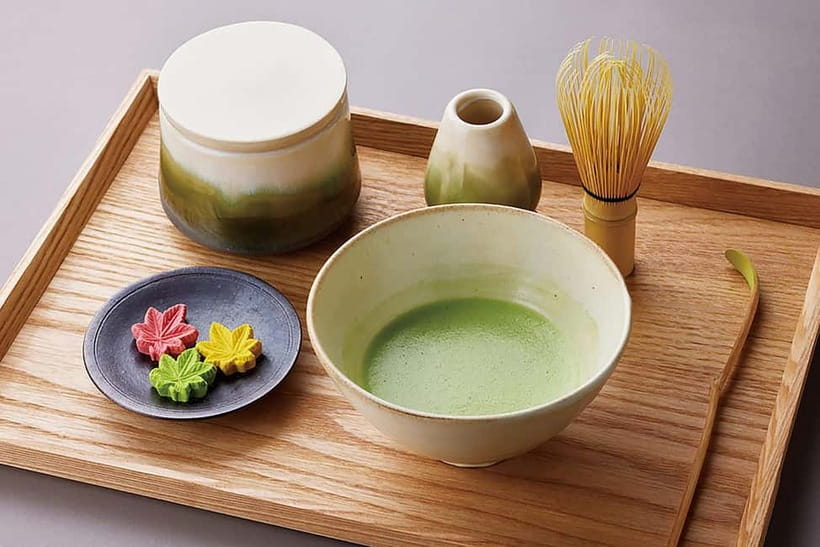
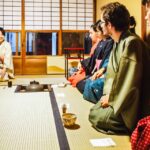
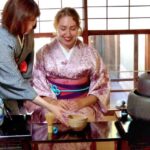
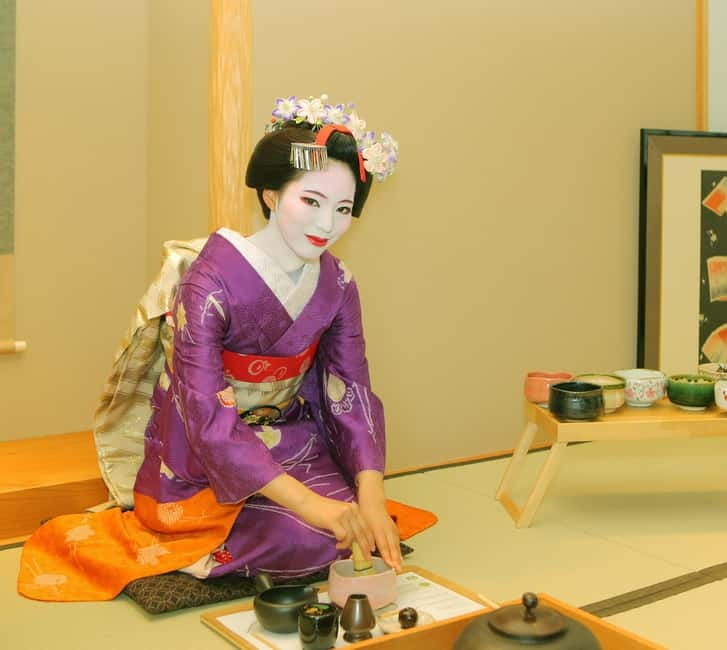
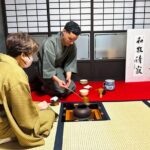
At Akebonotei, you take part in a matcha tea experience with sweets. This is a short introduction designed to fit into a sightseeing day. It gives you the basic pleasure of sitting in traditional dress, drinking matcha, and trying a Japanese sweet without committing to a long formal ceremony.
That format works well for families. One French family described the ceremony as a short version that worked nicely with children, and noted that the woman leading the session spoke English very well. The activity is limited to ages 5 and up, so younger children cannot join.
You can take part while dressed as a maiko, in samurai clothing, or in a kimono. That visual pairing is the heart of the experience. You are not only drinking tea. You are creating the sort of Kyoto memory that works well in family photos and keeps the cultural activity easy to understand.
Still, I would not book this expecting an extensive education in tea ceremony etiquette. The session is brief and built for sightseeing groups. Some people will find that convenient. If you want a slower, more formal tea lesson, this may feel too packaged.
Using your rental time around the Higashiyama sights

The best way to get value from the kimono rental is to use the nearby area before or after tea. The exact time you spend in the outfit depends on your appointment, but the rental can be kept until 5pm. That gives you a useful window for the Higashiyama district.
Kiyomizu-dera is the obvious choice. It is only a three-minute walk from the rental area, and the temple is one of Kyoto’s essential stops. The approach leads through the old streets of Ninenzaka and Sannenzaka, where the traditional setting makes sense with a kimono.
The Yasaka Five-Story Pagoda is another nearby photo stop. Yasaka Koshindo, Kodaiji Temple, and Yasaka Shrine also fit into the same general outing. Stylish cafés dot the area, so you can break up the walking with a drink or snack.
You should remember that kimono are not ideal hiking clothes. The obi can feel restrictive, sandals may tire your feet, and crowded streets require patience. Plan a compact route rather than trying to cover every shrine and temple in one afternoon.
For the strongest value, choose a booking time that leaves you with daylight after the ceremony. A morning rental gives you the longest sightseeing window. A 3pm costume session places the tea at 4:30pm, leaving little time before the 5pm return point. That late slot may work for a quick photo outing, but it is less useful for a full afternoon.
Getting to Studio Shiki from Kyoto
If you arrive by city bus, get off at the Kiyomizu-michi stop. The bus ride takes about 20 minutes, followed by a walk of about 10 minutes to the shop.
That final walk is important when planning your arrival. A 10am appointment does not mean you should reach the bus stop at 10am. Build in time for the bus, the walk, finding the shop, and possible crowds near Kiyomizu-dera.
The location is convenient for sightseeing, but it is not a quick stop beside Kyoto Station. The surrounding streets can be busy, and a group in formal clothing may move slowly. Save the meeting details on your phone and arrive with enough time to spare.
A few more Kyoto tours and experiences worth a look
Is $77 a fair price?
At $77 per person, the value depends on what you want from the day. The price includes the costume, obi, bag, underwear, sandals, matcha tea, and sweets. It also includes the convenience of arranging the rental and tea session together, with the two locations only three minutes apart.
That is a reasonable package if you would otherwise pay separately for kimono rental and a tea activity. The rental lasting until 5pm adds real value, especially if you plan to visit Kiyomizu-dera and the nearby streets in the same outfit.
The price is less appealing if you mainly want a few photographs and do not care about tea. The activity is plainly made for tourists, and some people may find the tea room too artificial or crowded. You are paying for a ready-made cultural activity in a prime Kyoto sightseeing area, not for a private ceremony with a tea master.
Hair styling is extra, at 1,650 yen. Admission fees are also not included for people who do not take part in the tea ceremony. Since the package includes the tea session, this second point is unlikely to affect most bookings, but it is worth checking who in your group is participating.
Family groups, small groups, and comfort
The experience can be booked by a family of four, with children from age 5. The activity information also describes a small group of up to six participants, so confirm the final group arrangement when booking if group size matters to you.
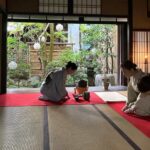
For a family, the format is easy to understand. Each person dresses up, everyone walks a short distance, and the group sits for matcha and sweets. The short ceremony is more manageable for children than a long formal event.
There are two firm restrictions. Pregnant women cannot take part, and children under 5 are not accepted. These are not minor details to discover at the shop, so plan another activity for anyone who cannot join.
The costume itself can also affect comfort. You may find the sandals and layered clothing tiring after several hours. That is another reason to keep your route near Kiyomizu-dera rather than planning a long cross-town itinerary.
The experience’s strongest points
The most praised part of this outing is its location. You are close to Kiyomizu-dera and not far from Gion, so the rental fits naturally into a classic Kyoto day. You do not need to spend half the afternoon crossing the city for the tea portion.
The second strength is the family setup. The tea experience is short, the walk is brief, and the activity gives children a clear role. They can choose a costume, see themselves dressed in it, and try matcha with a sweet.
The English support is also useful. The tea session has been led by a woman who speaks English very well, which can make the instructions easier to follow for first-time visitors.
The costume selection appears adequate, but not limitless. That is fine for most people. You are choosing a fun Kyoto activity, not seeking a museum-quality historical reconstruction.
The tradeoffs you should understand
This is a commercial experience in a busy tourist district. The maiko and samurai outfits are for a themed cultural activity, and the tea session is a shortened version. If you want a quiet, highly traditional ceremony, you may find the presentation too staged.
Timing is the practical weak spot. Some people have found the process hurried and the waiting time frustrating. I would not schedule a major temple visit with a strict timed entry immediately afterward. Give yourself room.
The tea room may also feel more like a café setting than a serene tea house. That will not bother everyone, especially families with limited time, but it matters if atmosphere is your main reason for booking.
Who should book this Kyoto activity?
I would recommend it to families with children 5 and older, first-time Kyoto visitors, couples who want photos in traditional dress, and anyone already planning to visit Kiyomizu-dera. It works particularly well as a half-day Higashiyama plan.
I would be more cautious if you dislike staged tourist activities, need a quiet setting, or want a detailed lesson in Japanese tea ceremony. You may prefer a longer specialist tea program instead.
Book a morning or early afternoon appointment if you want to make full use of the rental until 5pm. Add hair styling if the maiko look matters to you, and arrive early enough to protect the tea appointment.
Should you book the Studio Shiki tea ceremony?
Book it if you want a convenient, photo-friendly Kyoto activity that combines costume rental with matcha and sweets near Kiyomizu-dera. The location, family-friendly format, short walk, and rental time make it easy to fit into a busy day.
Skip it if you are seeking a quiet or deeply traditional tea ceremony. At $77, the package is fair when you use the kimono for sightseeing, but less convincing if you only want a quick costume change and a staged cup of tea.
FAQ
Where does the activity take place?
You begin at Studio Shiki, also called Maiko Transformation Studio Shiki and Rental Kimono Shiki Sakura. The matcha experience takes place at Akebonotei, about a three-minute walk away.
How long does the experience last?
The stated duration is between 150 minutes and 3 hours, depending on the selected starting time and schedule.
What costume options are available?
You can choose a maiko costume, samurai style, or a kimono rental. A yukata plan is available from June 1 through September 15.
What does the package include?
The package includes a kimono, obi, bag, underwear, sandals, the matcha tea ceremony experience, and sweets.
Is hair styling included?
No. Hair styling is not included. It is available for an additional 1,650 yen.
How long can I keep the kimono?
If you rent a kimono, you can enjoy it until 5pm.
How far is the tea location from the rental shop?
Akebonotei, where the matcha experience takes place, is about a three-minute walk from Studio Shiki.
Can children participate?
Children can participate from age 5. Children under 5 are not allowed.
Are pregnant women allowed to join?
No. Pregnant women are not permitted to take part in this experience.
More Kimono Experiences in Kyoto
More Tea Ceremony Experiences in Kyoto
More Gion & Geisha Walks in Kyoto


More tours in Kyoto we've reviewed






Gion & Geisha Walks, compared.
 ★ 4.7Kyoto Geisha Walking Tour: Gion District & Hidden GemsFrom $252 hours
 ★ 4.7Kyoto: Gion Geisha District Walking Tour – Stories of GeishaFrom $202 hours
 ★ 4.9Best of Kyoto: Gion, Geisha, Pagodas & CobblestonesFrom $242 hours
 ★ 4.5Night Walk in Gion: Kyoto’s Geisha DistrictFrom $211h 40m
 ★ 5.0Kyoto Night Foodie Tour in Gion (9+ dishes + 6 Sake tastings)From $163
 ★ 5.0Kyoto Gion Geisha District Walking Tour – The Stories of GeishaFrom $25