
Reviewed · TEA CEREMONY EXPERIENCES
Sencha-do the Japanese Tea Ceremony Workshop in Kyoto
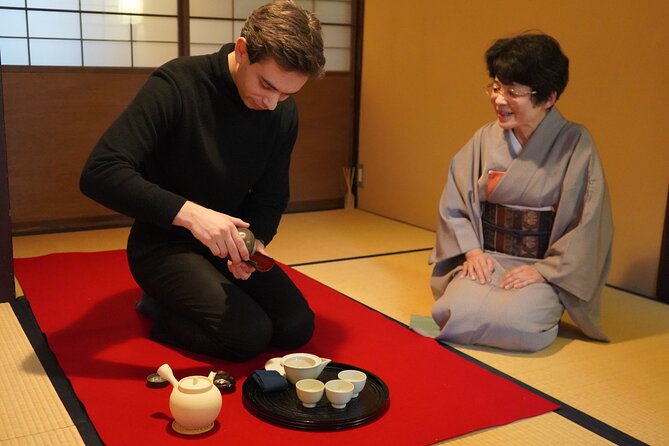
Kyoto has plenty of tea experiences, but this one does something many do not: you handle the utensils and brew the tea yourself. At the Higashi Abe school, a master demonstrates senchado, then guides you through the careful motions of preparing and serving sencha, a brewed green tea made from whole leaves rather than powdered matcha.
I like the small class size, capped at four people, and the patient, step-by-step teaching. I also like the chance to taste your own tea with wagashi sweets while learning about a tea tradition that many visitors never encounter. The main drawback is practical: the school can be hard to find using the supplied directions, so allow extra time around the Kitano area.
In This Review
- Senchado is a different Kyoto tea experience
- Entering the Higashi Abe school near Kitano
- Watching the senchado demonstration
- Handling the utensils and brewing your own tea
- Tasting sencha with wagashi
- Why the four-person limit matters
- What makes this different from a matcha ceremony
- Practical planning for the 90-minute class
- Who should book this Kyoto tea workshop?
- Should you book the Sencha-do workshop?
- FAQ
- How long does the Sencha-do workshop last?
- Where does the workshop take place?
- What is included in the price?
- Is transportation included?
- How many people can join the class?
- Can I take photographs during the workshop?
- Is the workshop suitable for most people?
- What is the cancellation policy?
Senchado is a different Kyoto tea experience
- You brew the tea yourself, rather than only watching a formal presentation.
- The class is limited to four people, giving you room to ask questions and practice.
- Kyo and the Higashi Abe school’s tea masters explain the ceremony, its history, and the meaning behind its movements.
- Senchado uses brewed sencha leaves, offering a useful comparison with Kyoto’s better-known matcha tradition.
- Wagashi sweets are included, giving you a classic pairing with the tea.
- Photography is welcome, so you can record the tools, gestures, and finished tea.
Entering the Higashi Abe school near Kitano
The workshop takes place at 東阿部流(雅翠庵), the Kyoto branch of the Higashi Abe school, at 668-12 Toriimaechō in Kamigyo Ward. The address is near public transportation and close to the Kitano area, including Kitano Tenmangu Shrine, so you can pair the class with sightseeing nearby.
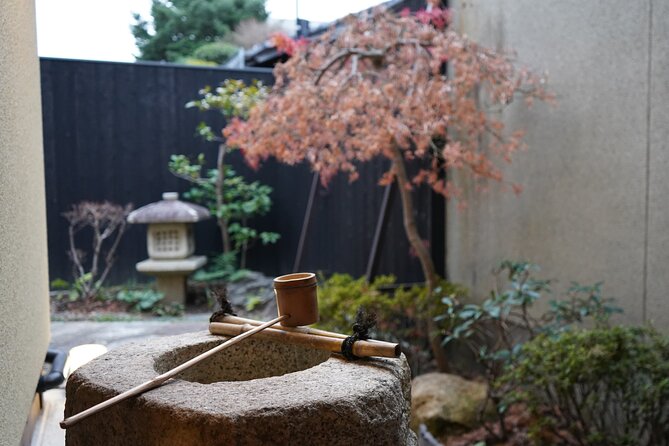
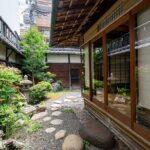
The setting is a traditional studio rather than a large attraction built for quick tours. That matters. Senchado depends on small movements, quiet attention, and the careful placement of cups and utensils. A compact school setting lets you see those details at close range.
Give yourself time to locate the entrance. One participant had trouble finding it from the online directions and needed local help. The school itself has been easy for some people to find, but the mixed reports make one point clear: do not arrive at the last minute. Save the Japanese address on your phone and check your route before setting out.
The activity begins and ends at the same meeting point. Private transportation is not included, so you must make your own way there and back. Since the class lasts about 90 minutes, it fits neatly into a half-day plan around Kitano, but it is not a convenient choice if you are trying to squeeze it between distant parts of Kyoto.
A few more Kyoto tours and experiences worth a look
Watching the senchado demonstration
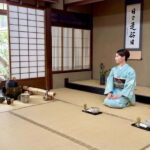
The first stage is a demonstration by the host. You watch the tea master prepare and serve sencha while explaining what is happening. This is not simply a performance to admire from across the room. The demonstration gives you a working model for the hands-on part that follows.
Senchado is highly ordered. The master pays attention to how the utensils are handled, where each item is placed, how the tea is brewed, and how it is presented. The pace may feel slow compared with an ordinary cup of tea, but that is part of the lesson. The ceremony treats brewing as a practice of care, not a race to produce a drink.
The instruction also places senchado in context. The school’s tradition is different from the matcha ceremonies most international visitors know. Matcha is whisked from powdered tea, while sencha is brewed from steamed tea leaves. That difference changes the tools, the preparation, and the flavor.
The class can also include background on the school and its family tradition. One particularly strong feature is the chance to hear about the history of this branch of tea from its own teachers. Kyo has been praised for patient and respectful instruction, and some sessions have been led by the school’s grandmaster. The exact teacher may vary, but the focus remains personal rather than scripted.
Handling the utensils and brewing your own tea
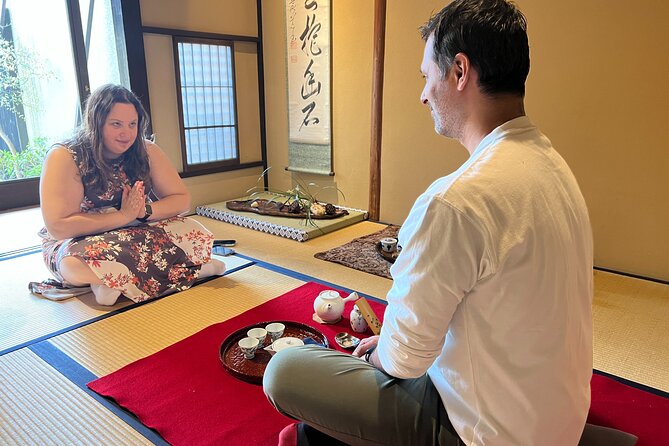
After watching, you take part. This is the point that separates the workshop from a standard tea ceremony viewing. You are allowed to touch the utensils, follow the master’s movements, and prepare sencha from the beginning.
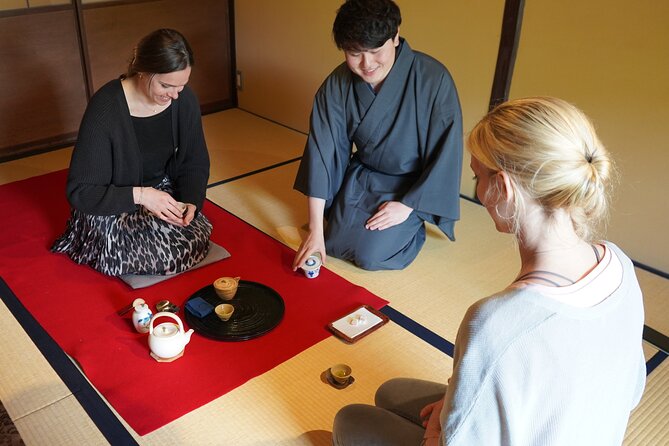
Expect close guidance rather than a quick demonstration followed by a free-for-all. The teacher shows you each step, then gives you time to repeat it. You learn how to prepare the tea, serve it, and pay attention to small details that affect both presentation and taste.
That hands-on format works well for families, couples, and solo visitors. Children can take an active role, and the small group makes it easier for the teacher to correct a movement or answer a question. Several people have found the experience especially personal for children because everyone gets a chance to perform part of the ceremony.
You should also adjust your expectations. In 90 minutes, you are receiving an introduction, not mastering senchado. The movements may look simple when the master performs them, but the class makes clear how much practice is needed to learn the full tradition. That is a useful lesson in itself. You leave with a better sense of the discipline behind the calm appearance.
The workshop is not only about getting the recipe right. Senchado places value on precision, attention, beauty, and the character of the tea. You learn to notice the relationship between the vessel, the gesture, the liquid, and the person being served.
Tasting sencha with wagashi
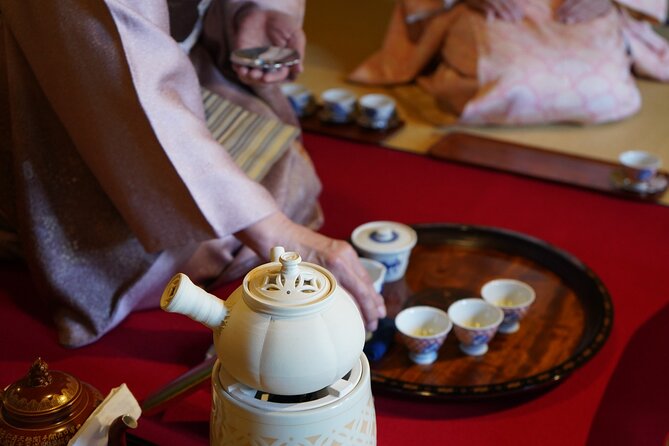
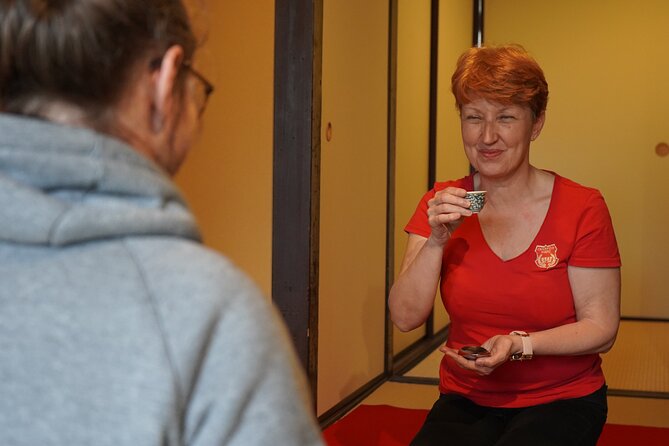
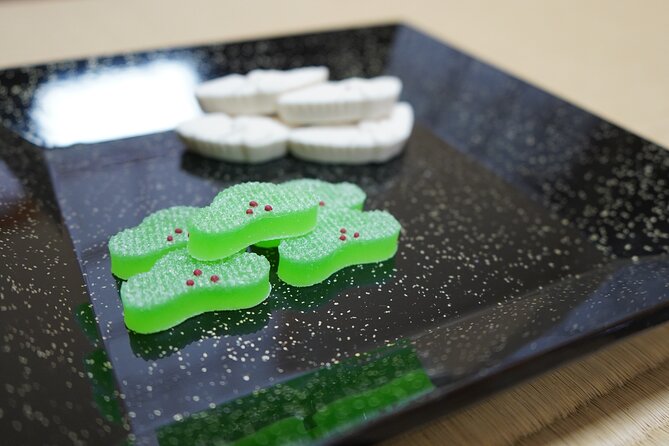
Once you have prepared the tea, you drink it with Japanese wagashi sweets. Green tea and Japanese sweets are included in the price, so there is no extra charge for the tasting portion.
This final step gives the ceremony a satisfying purpose. You have watched the master, practiced the procedure, and now taste the result. Sencha can be sweet and full of flavor, and it offers a different experience from the grassy, concentrated taste many people associate with matcha.
Wagashi provides the traditional sweet counterpoint. The pairing also gives the teacher a natural opening to discuss flavor and serving customs. You are not just handed a drink at the end of class. You understand more clearly how preparation and presentation shape the experience.
The tea is likely to appeal most to people curious about Japanese food and drink beyond the usual matcha stop. If your main goal is a dramatic historical show or a large-scale cultural performance, this may feel too quiet. If you enjoy learning how an everyday item becomes a refined ritual, the tasting is the right conclusion.
Why the four-person limit matters
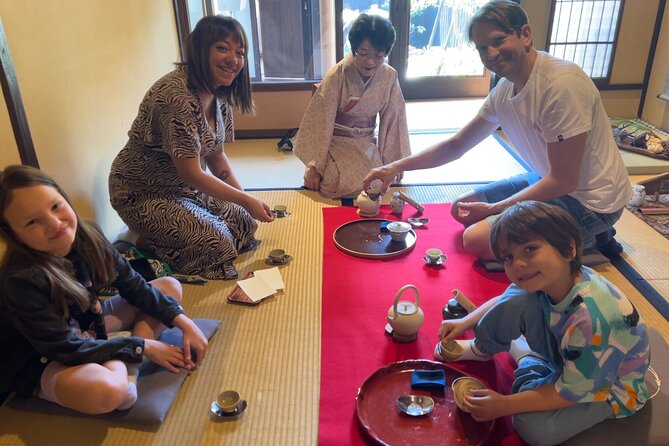
The maximum group size is four people. For a practical lesson, this is a major advantage. Each person has a chance to handle the tools, ask questions, and receive correction without waiting through a large group’s turn.
Small groups also suit the tone of the school. Senchado is built around focus and controlled movement. A packed room would make it harder to see the details and harder for the teacher to maintain a calm rhythm.
The tradeoff is availability. The experience is commonly booked about 23 days ahead, which suggests that you should not leave it until the final days of a Kyoto stay. Group discounts are available, but the supplied information does not specify the discount amount, so check the current booking terms if you are arranging the class for several people.
The stated price is $107.45 per person. That is not cheap for a 90-minute activity, especially when compared with a simple tea tasting. The value comes from the instruction, the access to the utensils, the small class, the cultural explanation, and the opportunity to perform the ceremony yourself. For someone who only wants to sample sencha, the cost may feel high. For someone who wants direct instruction from a tea school, it is easier to justify.
A few more Kyoto tours and experiences worth a look


What makes this different from a matcha ceremony
Many people arrive in Kyoto expecting tea culture to mean matcha. This workshop broadens that picture. Senchado uses brewed sencha leaves and has its own refined procedures, tools, and schools.
That distinction is not a minor technical point. It changes what you watch and what you do. Instead of whisking powder into a bowl, you learn how leaves are brewed and served with care. The tea’s flavor can be lighter, sweeter, and more layered than visitors expect from the word green tea.
The class also shows that Japanese tea culture is not one single ceremony. Different schools have different methods and traditions. The workshop gives you a clear introduction to the Higashi Abe school rather than presenting a generic version of Japanese customs.
That school-specific approach is a strength if you want cultural detail. It also means you should not treat this as a universal guide to every tea ceremony in Japan. You are learning one lineage and its way of expressing the practice.
Practical planning for the 90-minute class
The activity lasts approximately one hour and 30 minutes. Plan for the full period, since the demonstration, explanation, hands-on brewing, serving, and tasting all form one connected lesson.
Confirmation is provided when you book, and a mobile ticket is available. Most people can participate, and service animals are allowed. The activity is near public transportation, but private transport is not part of the experience.
Photography is welcome throughout the workshop. This is useful for recording the layout of the utensils and the teacher’s movements, but use good judgment during the quiet portions. Ask before using flash or moving around the room. The supplied information specifically invites photos, so you can plan to take pictures without treating the class as a no-camera ceremony.
The cancellation policy allows a full refund if you cancel at least 24 hours before the start time. Changes or cancellations inside that window are not accepted for a refund. The activity may also be canceled if poor weather affects the operation or if the minimum number of participants is not reached. In either case, you are offered another date or a full refund.
Who should book this Kyoto tea workshop?
I would choose this class for you if you want an activity that is hands-on, small, and rooted in a specific school. It suits curious families, couples, solo visitors, and anyone who wants more than a quick cup of tea and a photo.
It is especially useful if you have already seen matcha demonstrations and want to understand brewed Japanese tea. It also fits a Kitano sightseeing day, since the school is in that part of Kyoto and near Kitano Tenmangu Shrine.
You may want to skip it if you dislike formal procedures, have little patience for slow instruction, or want a private class with transportation included. The $107.45 price also deserves careful thought if your interest is limited to tasting sencha. This is a lesson in a cultural practice, not simply a snack stop.
Should you book the Sencha-do workshop?
Yes, if you value participation over spectacle. The strongest reason to book is simple: you do not merely watch the ceremony, you learn to perform it. The four-person limit, patient teaching, family background, and sencha with wagashi make the experience feel focused and personal.
Book ahead, save the Japanese address, and allow extra time to find the studio. If you want an accessible introduction to a lesser-known side of Kyoto’s tea culture, this workshop offers real substance in a manageable 90-minute format.
FAQ
How long does the Sencha-do workshop last?
The experience lasts approximately one hour and 30 minutes.
Where does the workshop take place?
It takes place at 東阿部流(雅翠庵), located at 668-12 Toriimaechō, Kamigyo Ward, Kyoto, Japan.
What is included in the price?
Green tea and Japanese sweets are included.
Is transportation included?
No. Private transportation is not included. You are responsible for reaching the meeting point and returning from it.
How many people can join the class?
The activity has a maximum of four participants.
Can I take photographs during the workshop?
Yes. You are welcome to take as many pictures as you like.
Is the workshop suitable for most people?
Most people can participate, and service animals are allowed.
What is the cancellation policy?
You can cancel up to 24 hours before the start time for a full refund. Cancellations or changes made less than 24 hours before the start are not accepted for a refund. If the activity is canceled because of poor weather or because the minimum number of participants is not reached, you are offered another date or a full refund.
More Workshops & Classes in Kyoto
More Tea Ceremony Experiences in Kyoto
More tours in Kyoto we've reviewed


Tea Ceremony Experiences, compared.
 ★ 4.9Kyoto: Tea Ceremony in a Traditional Tea House in KiyomizuFrom $4945 min
 ★ 4.9Kyoto: Tea Ceremony Ju-An at Jotokuji TempleFrom $291h 10m
 ★ 4.3Kyoto: 45-Minute Tea Ceremony Lesson ExperienceFrom $2245 min
 ★ 5.0World Heritage Kyoto & Nara Uji Authentic Matcha ExperienceFrom $129
 ★ 4.9Kyoto: Table-Style Tea Ceremony at a Kyo-MachiyaFrom $451h 30m
 ★ 5.0Kimono Tea Ceremony at Kyoto Maikoya, NISHIKIFrom $65