
Reviewed · TEA CEREMONY EXPERIENCES
Traditional Tea Ceremony in Kyoto
Kyoto’s tea tradition becomes much easier to understand when you see it through ryurei, a formal style created for welcoming foreign dignitaries. At a townhouse in central Kyoto, tea master Randy Channell Soei explains the gestures, tools, sweets, and etiquette behind chanoyu, then lets you prepare your own bowl of matcha.
I like two things here: you get real instruction rather than a quick ceremonial display, and everyone has a chance to make tea. The original Kyoto-grown matcha and sweets from well-known Kyoto makers add flavor and local character. The main consideration is the setting: it is a small space with benches, not a classic tatami room with low tables, so anyone expecting a highly traditional visual scene should adjust expectations.
In This Review
- Key points to know before booking
- Why ryurei makes this Kyoto tea experience different
- Meeting Randy Channell Soei in a Kyoto townhouse
- What happens during the 90-minute session
- Matcha, sweets, and the hands-on lesson
- The seating question: benches instead of tatami
- How much value do you get for $56.34?
- Who will enjoy this activity most?
- Timing, booking, and practical planning
- Should you book this Kyoto tea ceremony?
- FAQ
- Where does the tea ceremony take place?
- How long does the experience last?
- Who leads the tea ceremony?
- What is ryurei?
- Will I sit on tatami mats?
- Do I get to make my own matcha?
- Are tea and sweets included?
- Is transportation included?
- Can I cancel for a full refund?
Key points to know before booking
- Ryurei offers a more accessible tea ceremony: You remain on benches rather than sitting on tatami mats or kneeling at low tables.
- Randy Channell Soei leads the session: He is described as the highest-ranked tea master from outside Japan.
- You make your own matcha: The session includes instruction, preparation, and time to taste the tea.
- Kyoto sweets are part of the lesson: Traditional sweets from famous Kyoto makers accompany the tea.
- The experience lasts about 90 minutes: It takes place at ran Hotei64 in central Kyoto and ends at the same location.
- The group can reach 25 people: A larger group may mean less personal attention than a private lesson.
Why ryurei makes this Kyoto tea experience different
Many visitors picture a Japanese tea ceremony as a quiet room, tatami mats, low tables, and guests kneeling in formal positions. This experience uses ryurei, a style in which participants sit on chairs or benches at tables. That detail matters. You can focus on the movements and meaning without worrying about kneeling or getting up from the floor.
Ryurei dates back to the 1870s and was designed as a formal way to offer tea to foreign dignitaries. It still follows the careful manners of chanoyu, but the seating arrangement is more practical for international guests. You get a useful look at how Japanese hospitality was adapted for people unfamiliar with traditional floor seating.
I find that format especially helpful for a first tea ceremony. Instead of spending the session trying to copy an uncomfortable posture, you can watch how the tea is handled, how the sweets are served, and how each action shows respect.
That does not make the ceremony casual. The presentation remains formal, and Randy Sensei guides you through the customs that give the ritual its shape. You learn why the order of actions matters and how a bowl of tea can express welcome, care, and attention.
A few more Kyoto tours and experiences worth a look
Meeting Randy Channell Soei in a Kyoto townhouse
The activity takes place at ran Hotei64, at 1 Kamikawaracho in Nakagyo Ward. The address is near public transportation, though transportation to and from the activity is not included. You meet at the townhouse and return there at the end, so the plan is simple once you reach the venue.
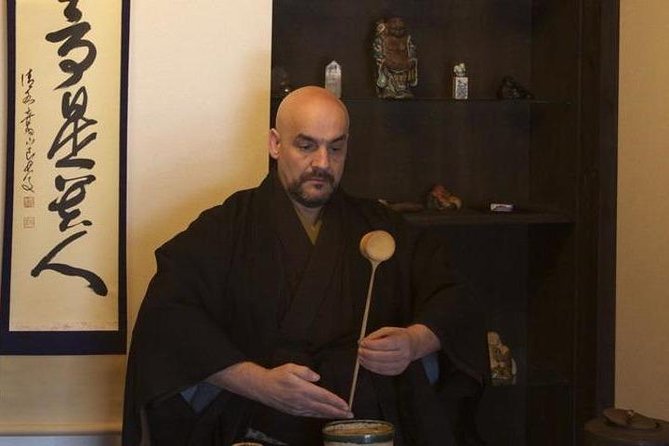
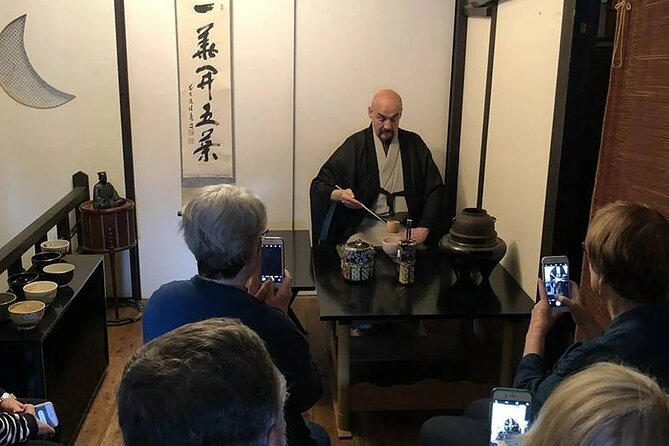
Randy Channell Soei is a distinctive guide for this subject. He is identified as the highest-ranked tea ceremony master from outside Japan, which gives the session an unusual international angle. You are not only learning the mechanics of matcha. You are also hearing from a foreign-born master who has reached a very high level in a tradition usually associated with Japanese practitioners.
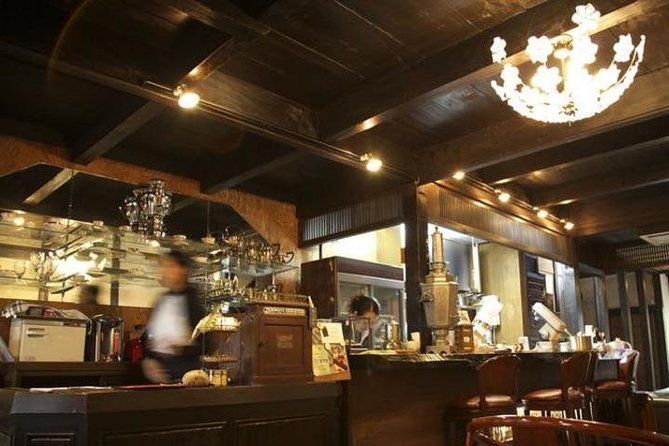
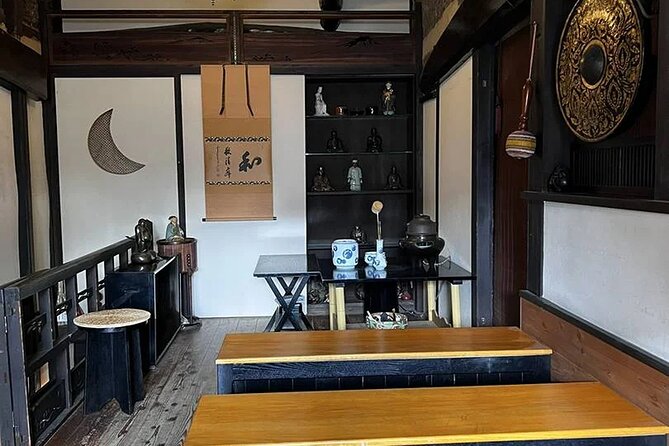
The setting has both strengths and limits. A townhouse gives the experience a Kyoto connection and keeps the event tied to the city’s traditional architecture. At the same time, the room is small. With a maximum of 25 people, the space may feel close rather than grand.
That size can affect the mood. If your ideal ceremony is a hushed, highly private meeting in a large historic tea room, this will not match the picture in your head. If you want a guided introduction where you can see and follow the steps, the compact room may work well.
What happens during the 90-minute session
The experience lasts about one hour and 30 minutes. The time is used for explanation, demonstration, tasting, and hands-on preparation rather than a quick cup of tea.
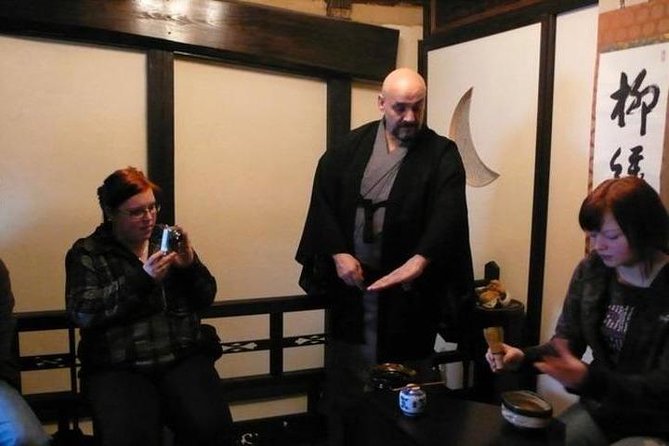
Randy begins by presenting the formal tea ceremony and its customs. You study the details that can be easy to miss when watching a ceremony without guidance. The lesson covers the role of matcha, the accompanying sweets, and the etiquette expected during the exchange.
This explanation is important because chanoyu is built from small actions. How you receive the tea, how you handle the bowl, and how you show attention all form part of the experience. Without context, those gestures can look mysterious. With instruction, they become a clear language of hospitality.
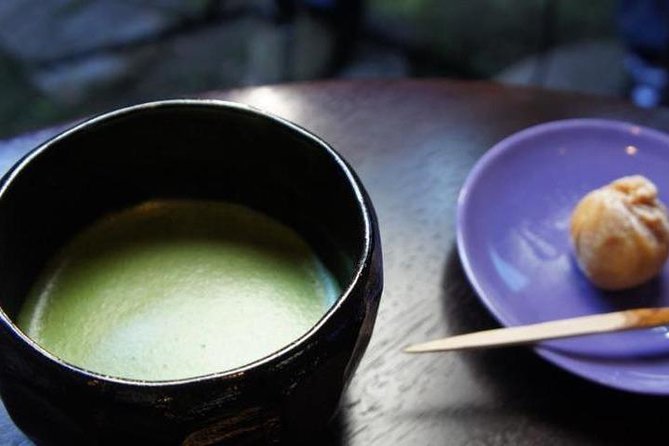
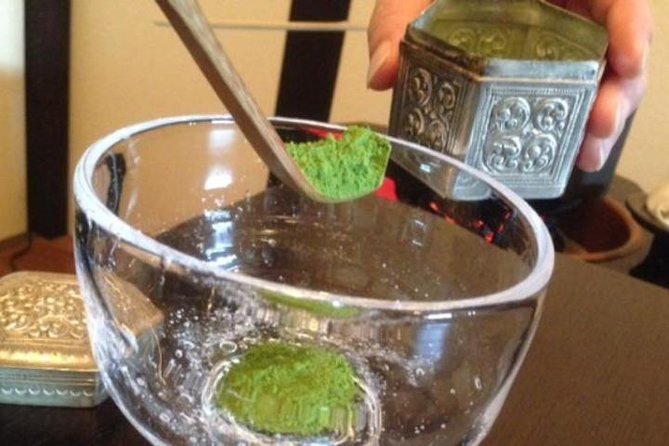
You also get to sample traditional sweets made by famous Kyoto confectioners. These are not just a snack before the tea. Japanese sweets are served with matcha because their sweetness balances the tea’s strong, grassy flavor. Tasting the two together helps you understand why both appear in the ceremony.
The activity then shifts from watching to doing. You prepare your own bowl of matcha under instruction. This is the part I would value most if you like practical experiences. You are not simply observing a master’s performance. You have to handle the tools, follow the sequence, and see how much care goes into producing a bowl that may look simple.
A group photo is included at the end or during the session. It gives you a small record of the experience without adding a separate photography cost.
Matcha, sweets, and the hands-on lesson
The tea served is Randy Sensei’s original Kyoto-grown matcha. That specific detail gives the tasting a local connection, although the provided information does not identify the farm or growing area within Kyoto.
Matcha is powdered green tea whisked into water, so you drink the leaf rather than steeping it and removing it. The result is more direct and intense than ordinary brewed green tea. If you have only tried sweetened matcha drinks, this ceremony gives you a better sense of the traditional form.
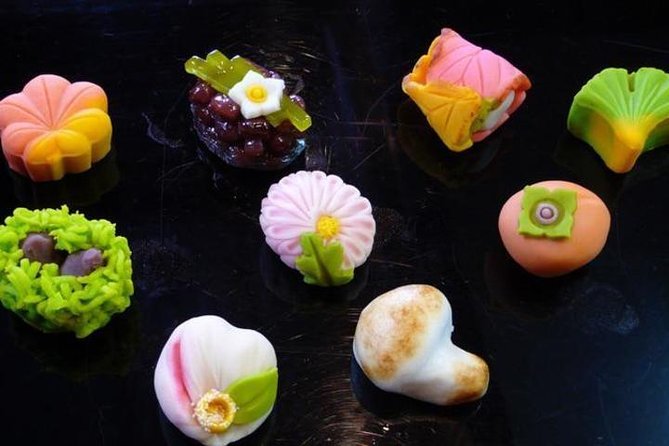
The sweets from Kyoto makers help make the tea easier to appreciate. Their sweetness offsets the matcha, while their appearance and serving style add to the formal rhythm of the ceremony. You should expect the sweets to be part of the etiquette lesson, not a large food tasting.
The practical preparation is a strong feature. You can watch Randy make tea, then try to copy the motions yourself. The experience includes making your own bowl, so even a beginner leaves with a clearer idea of how matcha is prepared.
One useful point from the feedback is that participants particularly valued learning how to make the tea. One person who had not previously cared much for matcha came away liking it after the lesson. That is a fair reason to choose this activity if you are curious but unsure about the flavor.
The seating question: benches instead of tatami
This is the detail most likely to shape your decision. You are not seated on tatami mats or at low tables. Instead, the experience uses benches.
For many people, that is a clear benefit. You do not need to kneel, and the format is easier for anyone who finds floor seating difficult. It also makes the activity more approachable for a mixed-age group or for people who want to concentrate on the lesson without physical discomfort.
The tradeoff is atmosphere. A bench-based ceremony may feel less like the classic image of a Japanese tea room. One piece of feedback described the venue as very small and the seating as less authentic than expected. That concern is reasonable if the room itself is a major part of your interest.
I would judge this experience by its teaching value rather than by its stage set. The ryurei format is not an accidental compromise. It is a recognized style with its own history, created in part to welcome visitors from abroad. Still, you should book it knowing that you are getting a formal tea lesson in an accessible setting, not a floor-seated ceremony in a spacious traditional room.



How much value do you get for $56.34?
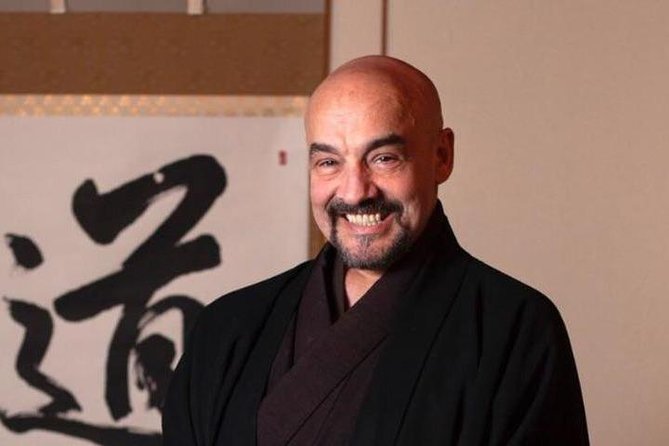
At $56.34 per person, the price is reasonable if you want instruction and participation, not just a taste of matcha. The fee includes the tea ceremony with Randy, Kyoto-grown matcha, traditional sweets, your own preparation of matcha, and a group photo.
The value comes from the time and access. A short tea tasting may give you a drink and a photograph. This session gives you an explanation of the custom, a guided demonstration, and a chance to repeat the process yourself.
The price also makes sense for visitors who want one cultural activity that fits into a busy Kyoto schedule. At 90 minutes, it does not consume half a day. You can combine it with other plans in Nakagyo Ward, provided you allow enough time to reach the meeting point.
Group discounts are available, which may improve the price for families or larger parties. The group can contain up to 25 people, so the best value depends partly on the size of your session. A smaller group may feel more personal, while a full group could make individual questions and close viewing harder.
Kimono rental is not included. Transportation is not included either. If you want to dress for the occasion, you need to arrange that separately, and you must make your own way to the townhouse.
Who will enjoy this activity most?
I would recommend this for a first-time tea ceremony visitor who wants a clear explanation of what is happening. You do not need prior knowledge of Japanese tea customs, and the chance to make matcha gives the session a practical purpose.
It also suits you if you are interested in hospitality and etiquette rather than only food and drink. The lesson explains how tea is offered as a carefully structured welcome. The ryurei format makes that idea easier to approach than a ceremony that expects floor seating and silent observation from the start.
Families and groups may appreciate the benches and the hands-on format. The group discount can help, though a party should remember that the maximum group size is 25 people.
You might choose another activity if your priority is wearing a kimono, sitting on tatami, or seeing an elaborate tea room. Kimono is not provided, and the venue is small. This is a teaching session with formal elements, not a full costume package or a grand architectural tour.
Matcha fans will find plenty to like, especially the Kyoto-grown tea and the chance to prepare a bowl. If you dislike green tea, the sweets may help balance the flavor, but the central purpose is still to learn about matcha rather than replace it with other drinks.
Timing, booking, and practical planning
This experience is often reserved about 61 days ahead, so it is sensible to plan early if your Kyoto dates are fixed. Confirmation arrives within 48 hours of booking, subject to availability.
The activity begins and ends at ran Hotei64, 1 Kamikawaracho, Nakagyo Ward, Kyoto. Since transport is not included, check your route before the start time and leave room for finding the townhouse.
A mobile ticket is available, which keeps entry simple. Free cancellation applies when you cancel at least 24 hours before the local start time. Cancellations or changes made less than 24 hours ahead are not accepted for a refund.
Most people can participate. The benches remove the need to sit on tatami or use low tables, but the information does not provide further accessibility details. If you need a specific accommodation, confirm it before booking.
Should you book this Kyoto tea ceremony?
Book it if you want a friendly, structured introduction to chanoyu, especially one that lets you prepare your own matcha. Randy Channell Soei’s unusual position as a foreign-born master, the ryurei format, Kyoto sweets, and local matcha give the session a clear identity.
Skip it if your main goal is a picture-perfect tea room, kimono rental, or floor seating on tatami. The small townhouse and bench seating may disappoint you in that case.
For most first-time visitors, I see this as a solid cultural activity at a fair price. You get more than a ceremonial cup of tea, but you should book it for the lesson and hands-on practice, not for a lavish setting.
FAQ
Where does the tea ceremony take place?
It takes place at ran Hotei64, 1 Kamikawaracho, Nakagyo Ward, Kyoto, 604-8374, Japan.
How long does the experience last?
The tea ceremony lasts approximately 1 hour and 30 minutes.
Who leads the tea ceremony?
Randy Channell Soei leads the experience. He is described as the highest-ranked tea ceremony master from outside Japan.
What is ryurei?
Ryurei is a formal style of Japanese tea ceremony that dates back to the 1870s. It was used as a way to show hospitality to visiting foreign dignitaries.
Will I sit on tatami mats?
No. You sit on benches rather than on tatami mats or at low tables.
Do I get to make my own matcha?
Yes. The experience includes instruction and the chance to make your own bowl of matcha.
Are tea and sweets included?
Yes. The price includes Randy Sensei’s original Kyoto-grown matcha and traditional sweets from Kyoto makers.
Is transportation included?
No. You need to arrange your own transportation to and from the meeting point. The activity ends back at the starting location.
Can I cancel for a full refund?
Yes, if you cancel at least 24 hours before the experience start time. Cancellations or changes made less than 24 hours before the start are not accepted for a refund.
More Tea Ceremony Experiences in Kyoto
More tours in Kyoto we've reviewed










Tea Ceremony Experiences, compared.
 ★ 4.9Kyoto: Tea Ceremony in a Traditional Tea House in KiyomizuFrom $4945 min
 ★ 4.9Kyoto: Tea Ceremony Ju-An at Jotokuji TempleFrom $291h 10m
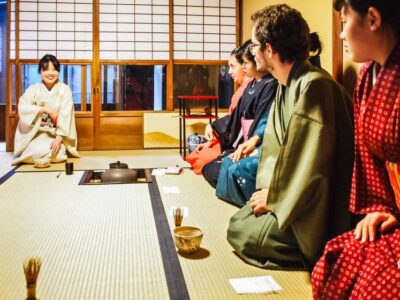 ★ 4.3Kyoto: 45-Minute Tea Ceremony Lesson ExperienceFrom $2245 min
 ★ 5.0World Heritage Kyoto & Nara Uji Authentic Matcha ExperienceFrom $129
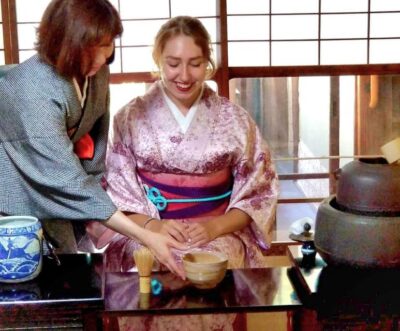 ★ 4.9Kyoto: Table-Style Tea Ceremony at a Kyo-MachiyaFrom $451h 30m
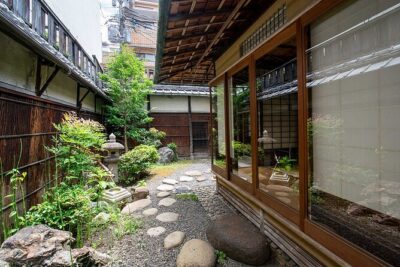 ★ 5.0Kimono Tea Ceremony at Kyoto Maikoya, NISHIKIFrom $65