
Reviewed · MORNING
[2.3km / 1.43mi] Kyoto East Early Morning Walking Tour
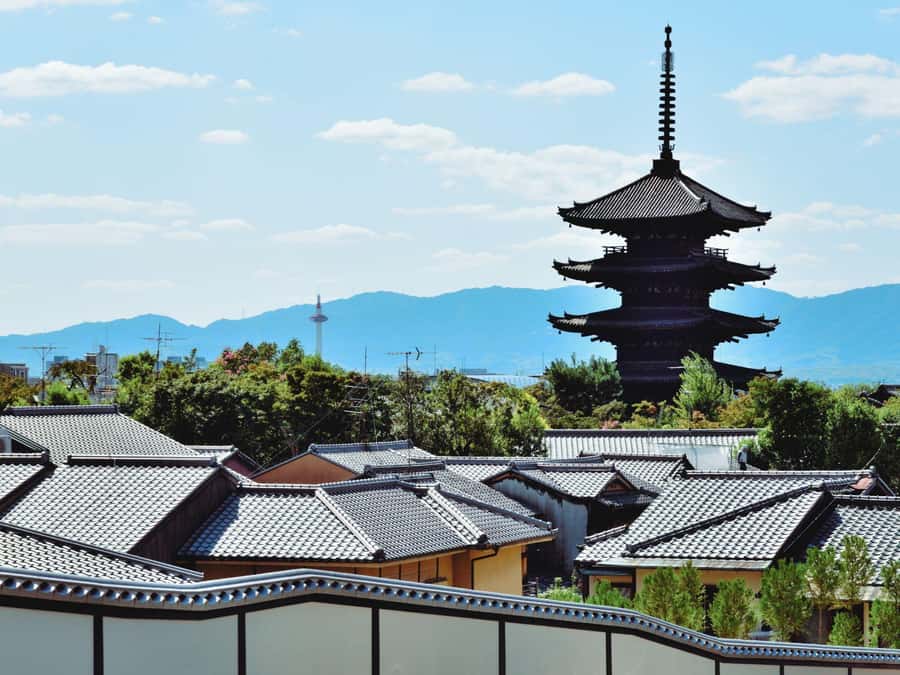
Kyoto is at its most pleasant before the city fully wakes up. This two-hour, 2.3km walk takes you through Higashiyama’s streets, slopes, and temple approaches while the morning light is soft and the crowds are still thin. You will see Kiyomizu-dera, Yasaka Shrine, and Sannenzaka while an English-speaking local guide explains the stories behind them.
I like the small maximum of six participants, which gives you room to ask questions. I also like the practical local advice, especially from Akari, a Kyoto native praised for her clear English and personalized suggestions for food, shopping, and further exploring. The main drawback is the early start and the physical effort: expect steps, slopes, and no help for wheelchairs or strollers.
In This Review
- Key points to know before booking
- Why an early Kyoto walk makes sense
- Walking through Higashiyama’s old streets
- Kiyomizu-dera and the uphill section
- Sannenzaka and the pleasure of moving slowly
- Yasaka Shrine and Kyoto’s living traditions
- What the guide adds to the experience
- What $20 gets you
- Who will enjoy this walk most
- Is the Kyoto East morning walk worth booking?
- FAQ
- How long is the Kyoto East Early Morning Walking Tour?
- Which Kyoto sights are included?
- Is the tour private?
- Is this a Gion geisha walking tour?
- What should I bring?
- Are entrance fees, food, and transportation included?
Key points to know before booking
![[2.3km / 1.43mi] Kyoto East Early Morning Walking Tour - Key points to know before booking](https://www.check-in-kyoto.com/wp-content/uploads/2026/08/2-3km-1-43mi-kyoto-east-early-morning-walking-tour-1.jpg)
- Kyoto before the crowds: The early morning timing gives you a quieter look at Higashiyama and works well in hot summer weather.
- A compact but active route: You walk about 2.3km, or 1.43 miles, over two hours, with slopes and steps along the way.
- Three major Kyoto sights: The route includes Kiyomizu-dera Temple, Yasaka Shrine, and Sannenzaka, plus other Higashiyama locations.
- A small English-speaking group: The tour is limited to six participants, so you can speak directly with your guide.
- Local advice from Akari: Ask about places to eat, shop, and explore after the walk.
- Not a geisha tour: This experience focuses on Higashiyama’s temples, shrines, streets, and culture, not Gion geisha.
Why an early Kyoto walk makes sense
![[2.3km / 1.43mi] Kyoto East Early Morning Walking Tour - Why an early Kyoto walk makes sense](https://www.check-in-kyoto.com/wp-content/uploads/2026/08/2-3km-1-43mi-kyoto-east-early-morning-walking-tour-2.jpg)
Kyoto’s famous Higashiyama district can feel very different depending on the hour. Later in the day, its narrow streets and temple approaches attract large numbers of sightseers. Early morning offers a calmer setting for noticing the old wooden facades, sloping lanes, stone steps, and quiet corners that are easy to miss when you are focused on moving through a crowd.
This tour is built around that early window. It does not try to cover all of Kyoto. Instead, it gives you a focused introduction to one of the city’s best-known historic areas, with enough time to hear stories rather than simply collect photographs.
The walk lasts about two hours and covers 2.3km. That is not a long distance on paper, but the route includes slopes and steps. I would think of it as a gentle urban hike rather than a flat stroll. Comfortable shoes matter, and carrying water is sensible, especially during the warmer months.
The early timing can also help with summer heat. One participant found the effort of waking up worthwhile because the morning was the best part of a hot summer day. That is useful advice. Kyoto’s humidity can make a later sightseeing walk tiring, while an early outing lets you handle the more active part of your day before temperatures rise.
Other walking tours we've reviewed in Kyoto
Walking through Higashiyama’s old streets
Higashiyama is the part of Kyoto many first-time visitors picture when they imagine the city. Its lanes lead uphill toward major religious sites, with traditional-looking buildings, shops, and stone-paved sections along the way. The charm is not just at the destination. Much of the pleasure comes from walking between the main stops.
Your guide leads you through scenic streets and backstreets, pointing out details and sharing local stories. The description does not promise a fixed list of every lane or a precise route order, so you should expect the path to follow the conditions and pace of the group. The central focus remains the Higashiyama area and its major sights.
A guide adds value here because Kyoto’s streets can look simple at first glance. A shrine gate, temple entrance, or traditional building may have a purpose or story that is not obvious from a quick photograph. The aim is to connect the places you see with Kyoto’s culture and past, rather than leave you with a string of pretty views and no context.
The small group size helps. With a maximum of six, you can ask why a place matters, request a food suggestion, or slow down briefly for a photograph without calling across a large crowd. This is also useful if you want advice shaped around your own interests instead of a standard speech delivered to a bus-sized group.
Kiyomizu-dera and the uphill section
![[2.3km / 1.43mi] Kyoto East Early Morning Walking Tour - Kiyomizu-dera and the uphill section](https://www.check-in-kyoto.com/wp-content/uploads/2026/08/2-3km-1-43mi-kyoto-east-early-morning-walking-tour-4.jpg)
Kiyomizu-dera is one of the major stops named for the walk. Its position on the eastern hills makes it an important part of the Higashiyama experience, but it also explains the need for good footwear. The route involves climbing slopes and steps, so reaching the temple area is part of the physical experience.
You should check the meeting instructions and the details of the stop carefully before booking if seeing the temple interior is essential to you. Entrance fees are not included, and the supplied details do not specify which admissions, if any, are covered during the walk. The tour clearly includes a visit to Kiyomizu-dera, but you should be prepared for possible extra costs if an entry ticket is needed.
Even if you are mainly interested in the streets around the temple, this stop gives you an early look at one of Kyoto’s best-known sights. The guide’s stories can help explain why the site matters and how it fits into the city’s religious and cultural identity.
The tradeoff is simple: Kiyomizu-dera is a major reason to choose this route, but the climb makes the walk unsuitable for people with mobility impairments. Non-folding wheelchairs, electric wheelchairs, and baby strollers are not allowed. Large bags and luggage are also not suitable for the experience.
Sannenzaka and the pleasure of moving slowly
Sannenzaka, also written as San-nen-zaka, is another named stop. This attractive sloping street is a natural fit for an early walking tour because it connects the scenery of Higashiyama with the practical challenge of moving uphill and downhill on old-style paths.
The street is well known, but an early visit can make it easier to appreciate its shape and details. You can take photographs, listen to the guide, and notice the relationship between the lane and the surrounding temple district without constantly stepping aside for a stream of people.
Sannenzaka is also a good place to ask about shopping and food. The tour includes local tips, and your guide can suggest places to look for after the walk. The information provided does not name specific restaurants or shops, so do not book this expecting a food tasting or shopping stop. Instead, think of the recommendations as a useful next-step plan for the rest of your morning.
The steps and slope deserve attention. If you have knee problems, limited balance, or trouble walking uphill, this may not be a comfortable choice. The distance is modest, but the route’s character makes it more demanding than a level 2.3km walk.
Yasaka Shrine and Kyoto’s living traditions
Yasaka Shrine is included among the tour’s main locations. It gives the walk a different setting from Kiyomizu-dera and Sannenzaka, allowing you to see more than one type of religious site within Kyoto’s eastern district.
A guide can help you understand the difference between a shrine and a temple, as well as the customs connected with each place. The tour is designed to explain Kyoto’s culture through local stories and fun facts, so this is the kind of stop where questions can make the visit more useful.
The experience is not a formal lecture. It is a walking tour, and the information is delivered along the route. If you enjoy learning while moving through a place, that format should suit you. If you prefer long periods of quiet sightseeing or detailed time inside each site, the two-hour schedule may feel brisk.
The listed route also includes other Higashiyama highlights. Since the exact order and length of each stop are not provided, you should not expect a timed itinerary with a fixed number of minutes at every location. The strength here is the overall walk, with the guide linking the streets and major sights into one morning outing.
A few more Kyoto tours and experiences worth a look

What the guide adds to the experience
The guide is central to this tour. It is offered in English, and the small group format gives you direct access to the person leading the walk.
Akari is identified as a Kyoto native, and her role goes beyond pointing out landmarks. She is described as patient, clear in English, and especially good at offering local and personalized recommendations. That matters in Kyoto, where a short conversation about your interests can shape the rest of your day.
You might ask for help choosing between temple visits, finding a place for lunch, or deciding where to shop. The tour specifically invites questions about food, shopping, and other places to explore. Use that time well. A local recommendation is often one of the most useful parts of a short orientation tour, especially when you are visiting Kyoto for the first time.
Repeat visitors can also get value from the guide. You may have already seen Kiyomizu-dera or Yasaka Shrine, but a local explanation can give familiar places a new layer of meaning. The tour is not only for first-time visitors, though beginners may find the introduction especially helpful.
The provider is Oh! Oh!kini Tours. The experience is conducted in English, and the advertised group limit is six participants. It is described as a small group experience, not a fully private tour, so expect to walk with other people.
What $20 gets you
At $20 per person, this is a modestly priced way to get two hours of guided orientation in one of Kyoto’s most visited districts. You are paying for an English-speaking guide, a small group, local context, and recommendations that can help shape the rest of your stay.
There are limits to the value. Food and drinks are not included. Transportation to and from the meeting point is not included, and this is a walking tour rather than a vehicle-supported outing. Entrance fees are also excluded, so budget separately for any admission required at the sites.
The value is strongest if you want more than directions and photographs. A self-guided walk through Higashiyama costs less, but it also leaves you to research the stories, identify the important details, and work out your next stops. For $20, the guide’s local perspective can save time and make the area easier to understand.
The early schedule is another part of the bargain. You give up some sleep, but you gain a cooler and quieter part of the day. After the tour, you can continue sightseeing, eat breakfast or lunch, or return to a favorite location on your own.
Who will enjoy this walk most
![[2.3km / 1.43mi] Kyoto East Early Morning Walking Tour - Who will enjoy this walk most](https://www.check-in-kyoto.com/wp-content/uploads/2026/08/2-3km-1-43mi-kyoto-east-early-morning-walking-tour-5.jpg)
I would choose this tour if you like walking, ask questions, and want a useful first look at Kyoto’s eastern historic district. It is a particularly good match for first-time visitors who want context before exploring the city independently.
It also suits repeat visitors who feel they have seen the main sights but want a local guide to add cultural background. Akari’s Kyoto connections and personalized suggestions are a strong reason to consider it if you value conversation over a memorized landmark list.
The tour is less suitable if you dislike early mornings, have difficulty with stairs, or want a relaxed, flat route. It is also not the right product if your main goal is a Gion geisha experience. The description gives a clear warning: this is not a Gion geisha walking tour.
Bring water and wear shoes you can comfortably use on slopes and steps. Leave large luggage at your accommodation. Baby strollers and the listed wheelchair types are not permitted, and the experience is not suitable for people with mobility impairments.
You can reserve and pay later, which keeps your plans flexible. Cancellation is available for a full refund up to 24 hours in advance. The meeting point and exact start time are not provided in the information here, so confirm those details before you set your morning transport plan.
Is the Kyoto East morning walk worth booking?
Book it if you want a short, affordable introduction to Higashiyama before the crowds arrive. The combination of Kiyomizu-dera, Sannenzaka, and Yasaka Shrine gives you the classic eastern Kyoto setting, while the small group and local guide keep the experience personal.
I would especially recommend it for an early riser, a first-time visitor, or anyone visiting Kyoto in hot weather. The main question is not the distance. It is your comfort with slopes, steps, and a morning start.
Skip it if you need step-free access, want a food tour, or are specifically searching for geisha-related sights in Gion. For everyone else who enjoys a guided walk with useful local advice, $20 is a fair price for two hours that can give the rest of your Kyoto visit better direction.
FAQ
How long is the Kyoto East Early Morning Walking Tour?
The tour lasts about two hours and covers approximately 2.3km, or 1.43 miles.
Which Kyoto sights are included?
The walk includes Kiyomizu-dera Temple, Yasaka Shrine, and Sannenzaka, along with other Higashiyama highlights.
Is the tour private?
It is a small group experience with a maximum of six participants. It includes other participants rather than being exclusively private.
Is this a Gion geisha walking tour?
No. The tour focuses on Higashiyama, including Kiyomizu-dera, Yasaka Shrine, Sannenzaka, local stories, and cultural information.
What should I bring?
Wear comfortable walking shoes and bring water. Large bags, luggage, baby strollers, smoking, non-folding wheelchairs, and electric wheelchairs are not allowed.
Are entrance fees, food, and transportation included?
No. Food and drinks, transportation to and from the meeting point, and entrance fees are not included.
More Morning in Kyoto
More Walking Tours in Kyoto
More tours in Kyoto we've reviewed



Morning, compared.
 ★ 5.0Kyoto Early Morning Tour with English-Speaking GuideFrom $68
★ 4.9Kyoto: Early Morning Tour with English-Speaking GuideFrom $1015h 30m
★ 5.0Kyoto Early Morning Tour with English-Speaking GuideFrom $68
★ 4.9Kyoto: Early Morning Tour with English-Speaking GuideFrom $1015h 30m
 ★ 5.0Nara Early Morning Tour (Kyoto or Osaka Departure Available)From $61
 ★ 4.6From Kyoto: Nara Guided Morning TourFrom $774 hours
 ★ 4.6Kyoto: Gion Night or Morning Walking Tour with Local SnacksFrom $46
 ★ 4.0Kyoto Morning Tour from Kyoto or OsakaFrom $87