
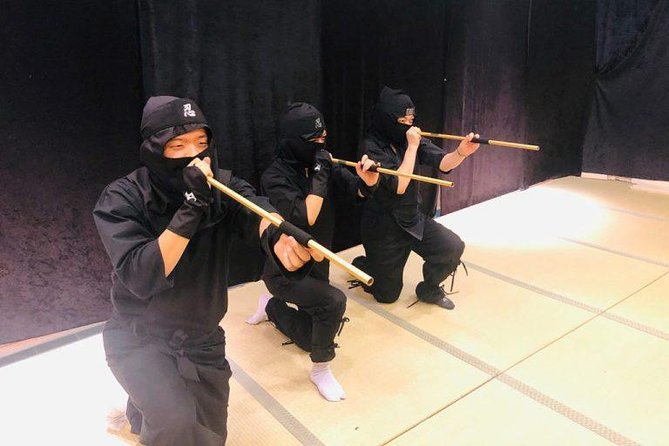
Reviewed · SAMURAI & KENDO EXPERIENCES
Ninja Experience (Family Friendly) at Samurai Ninja Museum KYOTO
The fun starts with the outfit. You put on ninja clothing, learn a few stealth ideas, and try shuriken throwing and a ninja blowgun. The activity also includes a samurai dress-up session, a sword demonstration, and access to the Samurai and Ninja Museum.
I like the hands-on format and the small group limit of four, which can make instruction feel more personal. I also like that children and adults can play along together. The main concern is value: at about $56.16 per person, some sessions feel brief, and the museum is in another building, so you need to understand the full route before you arrive.
In This Review
- Key points to know before booking
- What the Kyoto ninja experience is really like
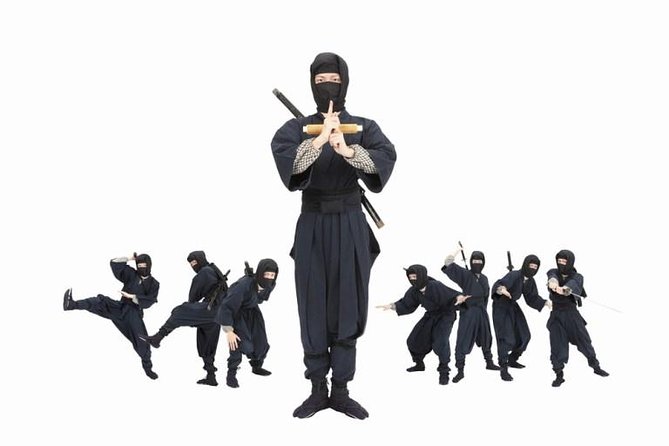
- Changing into a modern-day ninja
- Shuriken, blowguns, and simple sword skills
- The museum is a separate stop, not necessarily the same room
- How long should you allow?
- Meeting point and getting there
- Is $56.16 a fair price?
- Who will enjoy this most?
- What to ask when you arrive
- Cancellation and booking details
- My verdict: book it for family fun, not serious training
- FAQ
- How long does the Ninja Experience last?
- What activities are included?
- Is the museum in the same building?
- Can children join the experience?
- Is transportation included?
- How many people can join?
- Can I cancel for a refund?
Key points to know before booking
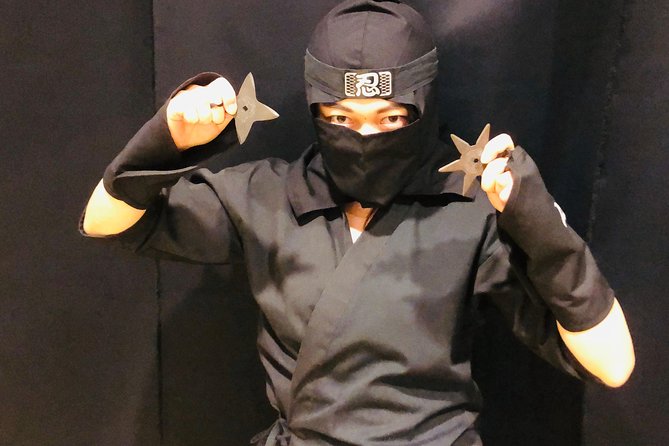
- Shuriken and blowgun practice: You get to throw ninja stars and fire a blowgun at a target.
- Ninja and samurai costumes: Rental clothing is included, with time for photos and a samurai dress-up session.
- Museum visit included: The Samurai and Ninja Museum is part of the ticket, but it is located in another building.
- Small maximum group: The activity accepts no more than four participants.
- Family-friendly age rule: Children under 3 cannot join the ninja activity, though they may enter the venue.
- Possible short activity: The practical training can feel much shorter than the advertised approximate two-hour visit.
What the Kyoto ninja experience is really like
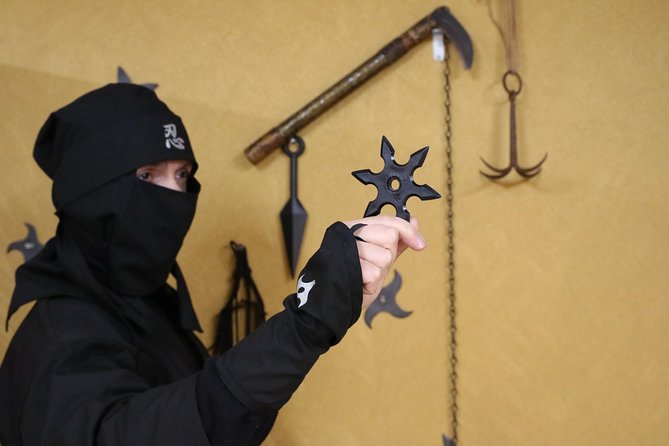
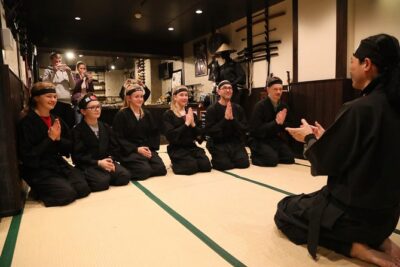
This is a playful introduction to ninja culture, not a serious martial arts class. You will put on a ninja outfit, hear about covert missions and ninja weapons, and try a few simple techniques under supervision.
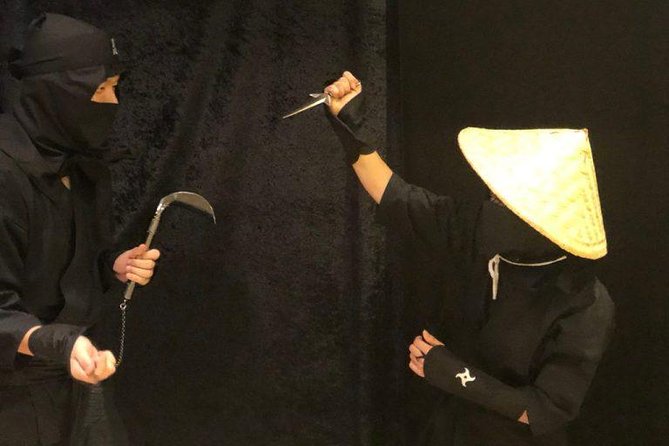
The most memorable parts are physical. You throw shuriken at a target and use a blowgun in the manner associated with ninja training. You may also learn simple sword techniques, although the precise balance between sword instruction, demonstrations, history, and costume time can vary.
The activity is designed for families, and that matters. You do not need prior martial arts experience. The tasks are simple enough for children who meet the minimum age, while adults can enjoy the odd pleasure of aiming at a target in full ninja clothing.
You should set your expectations correctly. This is entertainment with a historical theme. The weapons used for practice are not presented as a full combat course, and the ninja training is introductory. If you want a long lesson in Japanese martial arts, this will probably feel thin. If you want a cheerful Kyoto activity that gives your family something to do together, it makes more sense.
A few more Kyoto tours and experiences worth a look

Changing into a modern-day ninja
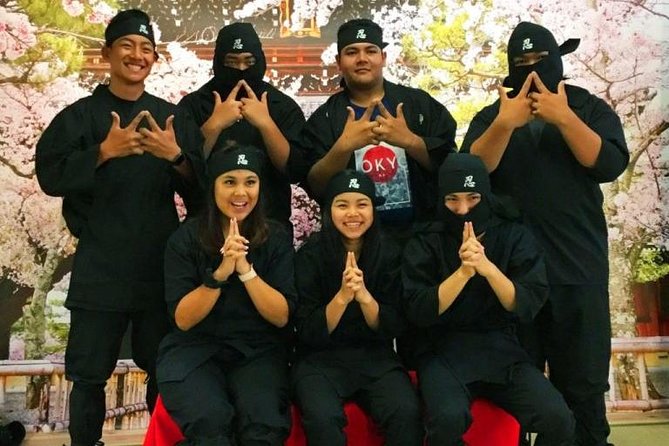
The costume rental is included, so you do not need to plan a special outfit. Changing clothes is part of the appeal, especially for children, and the session gives you a chance to take photos before the practical activities begin.
The costume also helps separate this from a standard museum visit. You are not only reading about ninja weapons behind glass. You are wearing the part, handling practice equipment, and taking part in a short sequence of activities.
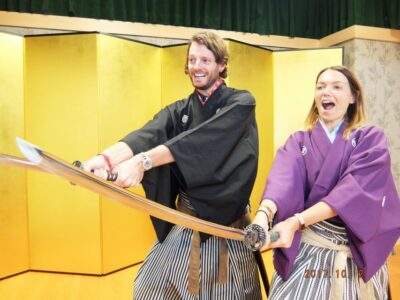
There is a samurai dress-up element as well. The experience information lists samurai clothing and a sword demonstration by a sword master as part of the ticket. The exact order is not clear, so ask the staff early whether the museum and samurai portion happen before or after the ninja session.
The costume time can be a plus or a drawback. Families usually appreciate it because it gives younger children another activity. Adults who care more about historical detail may see it as time taken away from the training.
Shuriken, blowguns, and simple sword skills
The practical portion focuses on three familiar ninja images: throwing stars, blowguns, and stealth.
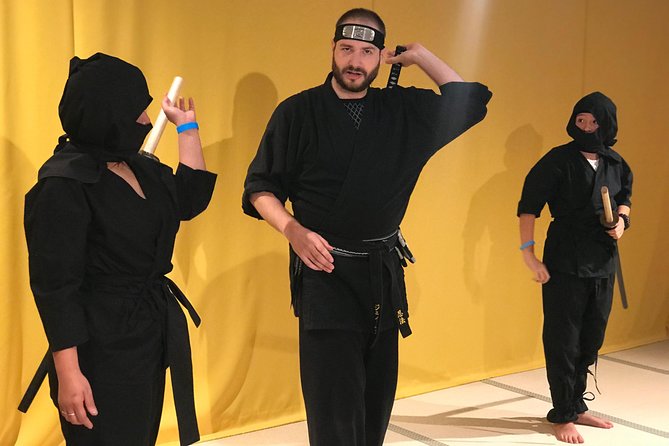
Shuriken throwing is the headline activity. You receive instruction, aim at a target, and throw the practice stars. It is a straightforward task, but it works well for mixed ages because everyone can try several times without needing a long lesson.
The blowgun is the other major activity. You use a tube to fire darts at a target, giving children a second chance to improve their aim. These activities are the reason many families book the experience, so pay attention to how much actual practice time is available on the day.
The tour also introduces simple sword techniques. A sword demonstration is included, described as being performed by a sword master. That demonstration can add a useful visual link between the museum displays and the training activities, though you should not assume it will become a full sword lesson.
Stealth techniques are also part of the teaching. Expect basic ideas about how ninja moved and worked covertly, rather than an advanced course in concealment. The value comes from connecting the fun tasks to the larger story of ninja missions and weapons.
The museum is a separate stop, not necessarily the same room
One detail deserves special attention: the Samurai and Ninja Museum is in another building. The museum visit is included in the ticket, but it is not simply a room you pass through at the end of the training.
That arrangement has caused confusion for some people. If the staff does not clearly direct you, you might assume the experience is finished after the shuriken and blowgun activities. Ask where the museum is and when you should go. Keep your ticket details available.
The museum adds context that the practical session cannot provide on its own. You can learn more about samurai and ninja weapons, see displays connected with feudal Japan, and place the costume and demonstrations in a wider setting.
Still, the museum portion may feel less structured than the booked training. One French-speaking participant described uncertainty about where to go and even thought the activity had ended. The useful lesson is simple: do not leave after the target practice unless you have confirmed that the museum portion is complete.
How long should you allow?
The experience is sold as approximately two hours. That total can include the ninja training, a history talk, dressing and photos, the samurai portion, the sword demonstration, and the museum visit.
The actual hands-on part may be much shorter. Some people have described only about 20 to 40 minutes of shuriken and blowgun practice. The provider has also explained that the wider program can include about 30 minutes of history and 15 minutes of dress-up and photos.
This explains why two people can leave with very different impressions of the length. If you count only active weapon practice, the session may feel brief. If you count the talks, costumes, demonstration, and museum visit, the overall outing is longer.
I would reserve about two hours for the complete experience, but I would not book it on the assumption that you will spend two full hours throwing stars and using the blowgun. Families with young children may appreciate the shorter activity. Adults expecting a substantial training course should plan for a compact introduction.
Other museum experiences in Kyoto

Meeting point and getting there
The starting point is 292 Higashidaimonjicho, Nakagyo Ward, Kyoto, 604-8043, Japan. The activity ends back at the meeting point, although the museum is in a different building during the visit.
The venue is near public transportation. Transportation to and from the attractions is not included, so you are responsible for reaching the meeting point and handling any movement between the experience site and museum.
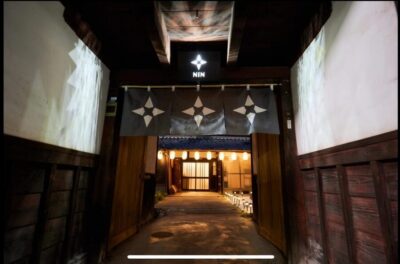
Give yourself time to find the correct entrance. Communication about the meeting place has not always been clear, and arriving at the wrong building could cost you part of a short session. The activity can sometimes accommodate a late arrival, but you should not rely on that. One family arrived about 20 minutes late and was still allowed to join, yet that is a courtesy rather than a promise.
The group maximum is four people. That is a useful limit for families or a small party, though the size of your particular session may vary. Children must be accompanied by an adult.
There is also an important building notice: the elevator is out of service from January 24, 2026 through February 19, 2026. If anyone in your party depends on elevator access, check the current arrangements before booking.
Is $56.16 a fair price?
At $56.16 per person, this is not a bargain activity if you judge it by the time spent throwing stars and firing darts. The practical training can be short, and the equipment is used for a light, introductory activity rather than a demanding martial arts class.
The price makes more sense if you use everything included: ninja clothing, the history presentation, shuriken practice, blowgun practice, simple sword instruction, a sword demonstration, samurai dress-up, and the museum visit.
The museum’s separate location is important to the value calculation. If you miss it, you have paid for a larger experience and received only the costume and target activities. Confirm the museum arrangement at the start.
I think the price is easiest to justify for a family that wants a themed activity with photos and a small amount of history. You are paying for the setting, costumes, staff time, and a shared memory, not just for access to practice equipment. A serious history fan or martial arts student may find better value in a longer museum visit or a dedicated lesson.
Who will enjoy this most?
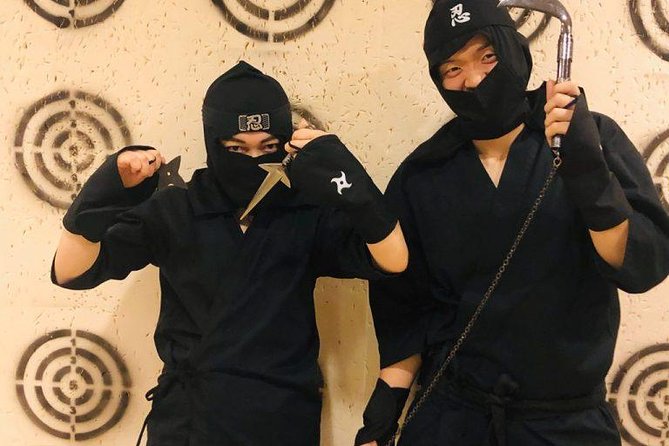
This activity suits families with children who are old enough to participate. It gives everyone a role, and the tasks are easy to understand. Children tend to enjoy the immediate reward of hitting a target, while adults can listen for the historical background and enjoy the costumes.
It also works for adults who have always wanted to play ninja for an hour. The playful quality is part of the deal. You should be comfortable with a bit of cosplay and a simplified presentation of feudal Japan.
The activity is less suitable if you want quiet museum time, detailed academic interpretation, or extended sword work. It is also not the right choice for a child under 3, since children below that age cannot join the ninja experience, even though they can enter the venue.
The format may suit a small party particularly well. With a maximum of four participants, you may get more direct attention than in a large group, though the supplied information does not promise a private session or a fixed instructor.
What to ask when you arrive
A few quick questions can protect your time and help you get the complete experience:
- Is the museum visit before or after the ninja training?
- Where is the separate museum building?
- How much time is scheduled for the history talk, costume photos, and weapon practice?
- Is the sword demonstration included in today’s schedule?
- Are the samurai costumes available to everyone in your group?
These questions are not signs that anything is wrong. They are practical, especially because the activity combines several elements in different places.
If you are visiting during a busy season, allow extra time at the meeting point. The provider has described cherry blossom season as an especially crowded period, and busy days may affect timing.
Cancellation and booking details
You receive confirmation at the time of booking, and free cancellation is available if you cancel at least 24 hours before the local start time. Cancellations made less than 24 hours before the start are not refunded, and changes within that period are not accepted.
Most people can participate, and the activity is near public transportation. Children need an accompanying adult. The maximum group size is four, which can help keep the session manageable.
My verdict: book it for family fun, not serious training
I would book this if you want a compact, cheerful Kyoto activity with costumes, target practice, and a museum connection. The best features are clear: you get to throw shuriken, use a blowgun, dress as a ninja and samurai, and see a sword demonstration without arranging several separate activities.
I would think twice if the $56.16 price is a concern or if you expect a full two-hour martial arts lesson. The active ninja training may last only part of the visit, and the separate museum location requires attention.
For the best experience, arrive early, confirm the museum route, and treat the session as a family introduction to ninja and samurai culture. If your group enjoys dressing up and trying simple skills, it should be good fun. If you want depth, allow room in your Kyoto schedule for a more substantial museum or cultural activity as well.
FAQ
How long does the Ninja Experience last?
The activity is listed as approximately two hours. That time can include the history talk, costume changes and photos, ninja practice, samurai dress-up, the sword demonstration, and the museum visit. The hands-on shuriken and blowgun portion may be considerably shorter.
What activities are included?
You can wear a ninja outfit, learn basic stealth ideas, throw shuriken, use a ninja blowgun, and learn simple sword techniques. The ticket also includes a sword demonstration, samurai dress-up, and a visit to the Samurai and Ninja Museum.
Is the museum in the same building?
No. The Samurai and Ninja Museum is in another building. Ask the staff where to go and confirm the museum portion before leaving the training venue.
Can children join the experience?
Children can join if they meet the activity’s age requirements and are accompanied by an adult. Children under 3 cannot join the ninja experience, though they can enter the venue.
Is transportation included?
No. Transportation to and from the attractions is not included. The meeting point is near public transportation, and the activity ends back at the meeting point.
How many people can join?
The activity has a maximum of four participants.
Can I cancel for a refund?
Yes, you can cancel for a full refund if you do so at least 24 hours before the experience start time. Cancellations or changes made less than 24 hours before the start are not accepted for a refund.
More Museum Experiences in Kyoto
More Samurai & Kendo Experiences in Kyoto
More tours in Kyoto we've reviewed








Samurai & Kendo Experiences, compared.
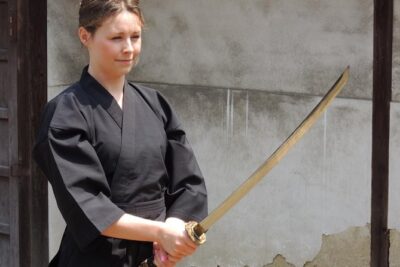 ★ 5.0Kyoto Samurai ExperienceFrom $119
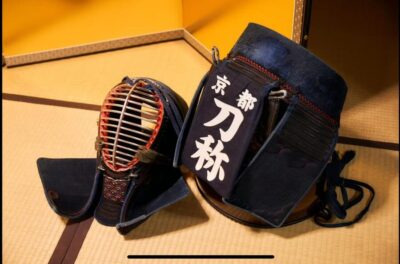 ★ 4.9Kyoto: Kendo and Samurai Experience with Uniform and GearFrom $1032 hours
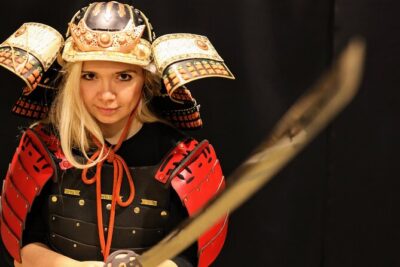 ★ 4.5Skip the lines Basic Ticket at SAMURAI NINJA MUSEUM KYOTOFrom $28
 ★ 4.9Kyoto: Samurai Class, Become a Samurai WarriorFrom $70
 ★ 5.0Ninja 1-hour Hands-on Lesson by Japanese master in Kyoto -EntryFrom $80
 ★ 4.8Kyoto: Ninja Weapon Forging ExperienceFrom $1482h 30m