
Reviewed · SAMURAI & KENDO EXPERIENCES
Samurai Sword Experience (Family Friendly)at SAMURAI MUSEUM KYOTO
Kyoto’s family-friendly Samurai Sword Experience gives you more than a quick costume photo. You dress in samurai clothing, hear an introduction to samurai history, watch a sword demonstration, and practice basic movements with a wooden sword. The setting also includes themed backgrounds for photos.
I like the patient, hands-on format, especially for children and teenagers who need an activity beyond temples. I also like the mix of history, dressing up, sword practice, ninja star throwing, and family photos. The main caution is that the session may feel too simple or too short for adults hoping to handle a real katana or receive serious martial instruction.
In This Review
- Key points to know before booking
- Putting on the armor at Kyoto Samurai Ninja Museum
- The history lesson before the sword work
- Watching the sword demonstration
- Ninja stars and the extra family fun
- Photo time in armor
- Who gets the best value for $65.39?
- Group size, timing, and the practical details
- What the mixed reactions mean for you
- Should you book the Samurai Sword Experience?
- FAQ
- Where does the Samurai Sword Experience begin?
- Where does the activity end?
- How long does the experience last?
- How much does it cost?
- Is the activity suitable for children?
- What will I wear?
- Will I use a real katana?
- Are there morning and afternoon time slots?
- How many people can join the activity?
- Can I cancel for a refund?
Key points to know before booking
- A two-hour family activity: The session combines a museum-style history introduction, costume time, sword instruction, and photo opportunities.
- Wooden sword practice: You learn basic sword movements after watching a demonstration, rather than conducting formal training with a live katana.
- Samurai armor and themed backdrops: The costume portion gives children and adults a clear photo moment, not just a quick fitting.
- A small advertised group: The experience is promoted as having no more than 10 people for a personal feel, but other booking information lists maximums of 17 and 4, so confirm the group size.
- Good for children and teenagers: Families have especially enjoyed the playful format, while some adults found it aimed too much at young children.
- Flexible timing: Morning and afternoon departures make it easier to fit around Kyoto sightseeing.
Putting on the armor at Kyoto Samurai Ninja Museum
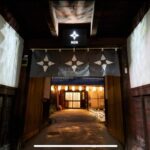
You meet at the experience floor of the Kyoto Samurai Ninja Museum, at 292 Higashidaimonjicho in Nakagyo Ward. The activity begins and ends at this same location, which keeps the plan simple. It is near public transportation, and confirmation arrives when you book.
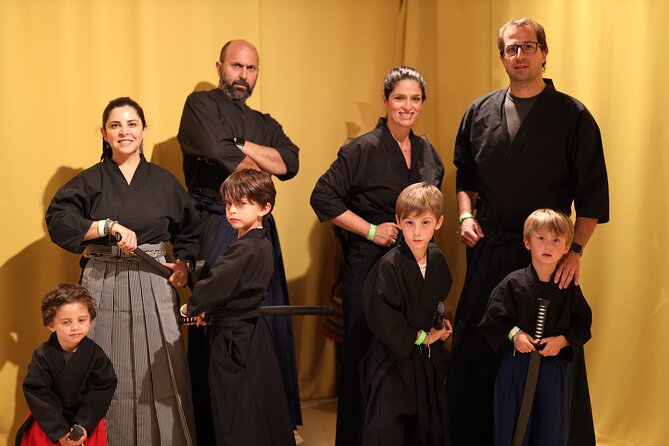
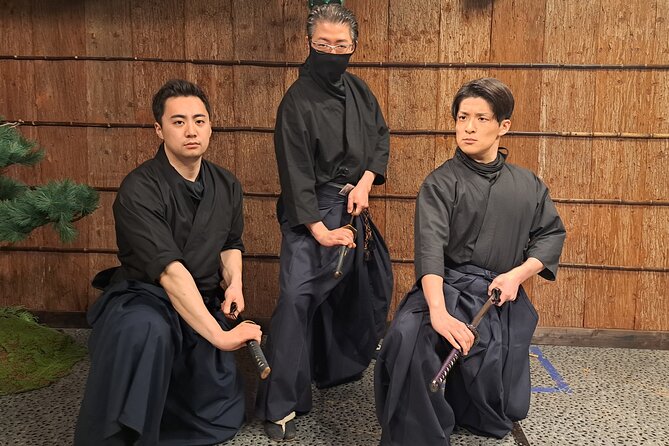
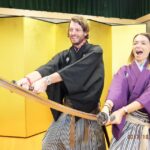
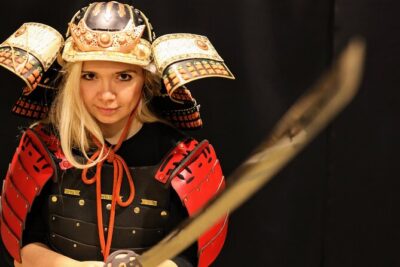
The first major part is getting into traditional samurai clothing. This is where the activity shifts from ordinary museum visit to hands-on entertainment. You are not simply looking at armor behind glass. You put on a costume and take part in the scene yourself.
Several samurai-themed backgrounds are available for photographs. That matters if you are booking this for children, since the costume moment gives them something concrete to remember and share. Adults can join in too, although the overall tone is playful rather than ceremonial.
The costume process can take a meaningful part of the two-hour session. One important practical point comes from the mixed experience reported by past participants: if fitting takes longer than expected, the actual sword lesson may feel brief. I would arrive ready to begin and keep the schedule in mind, especially if you have another timed booking afterward.
Children under three cannot enter the samurai venue. Families with toddlers should plan around that firm age rule rather than assume a child can wait inside with an adult.
A few more Kyoto tours and experiences worth a look

The history lesson before the sword work
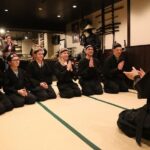
The experience includes an explanation of samurai history before the physical practice begins. This gives the activity some context and prevents it from becoming only a dress-up session.
You should expect a general introduction rather than an advanced historical lecture. The information is designed to support the activity, so it helps children understand what the clothing and sword represent. Several families especially appreciated the history portion, including one group that found it interesting even while the children took part in the more active elements.
This balance is useful in Kyoto. The city offers plenty of temples and formal cultural sites, but younger children can struggle with long periods of quiet observation. Here, they get a short lesson followed by something they can do with their hands.
The lesson may be the part adults value most if they approach the activity as a cultural introduction. If you already know a great deal about Japanese military history or sword schools, you may find the explanation basic. The supplied information does not identify a particular guide by name, so you should not book this expecting a specialist lecture from a named historian or sword master.
Watching the sword demonstration
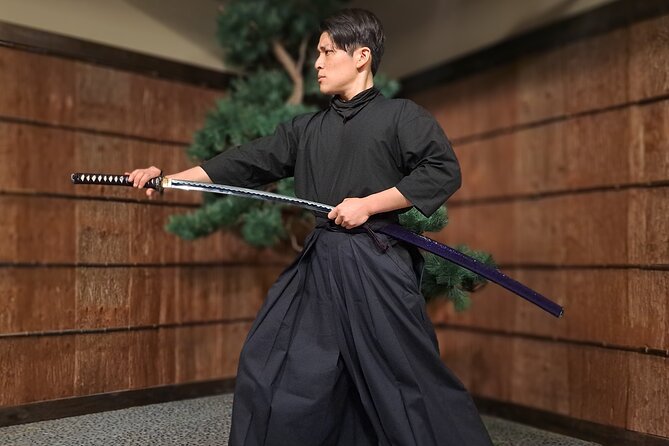
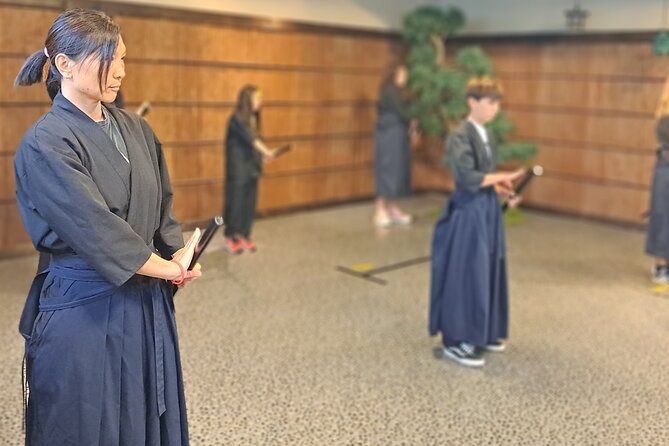
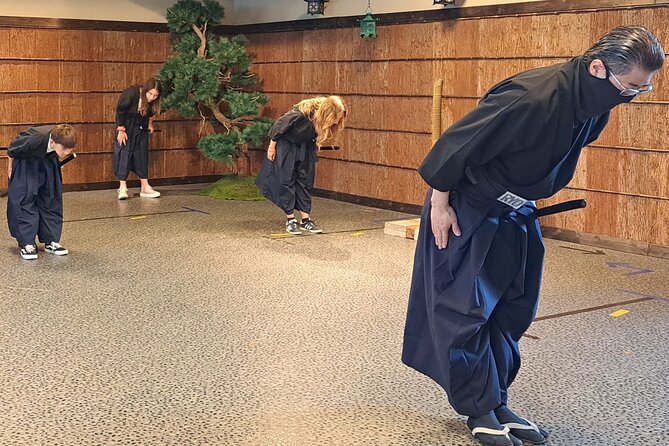
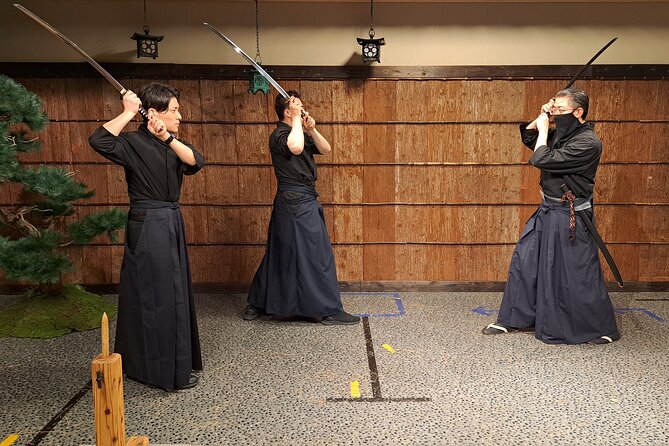
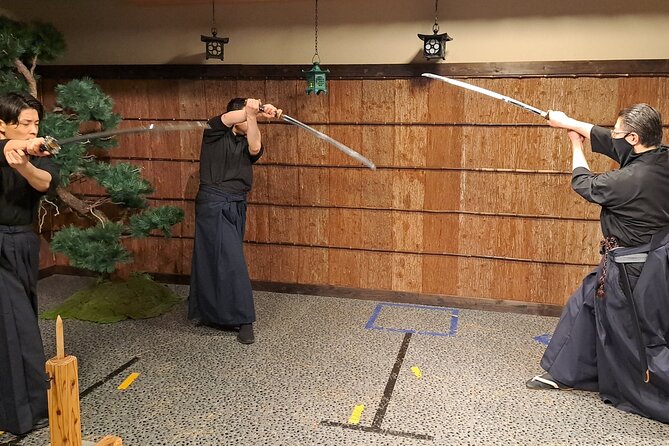
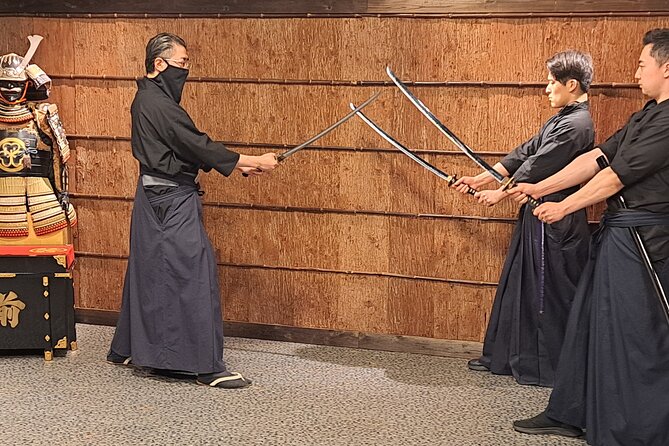
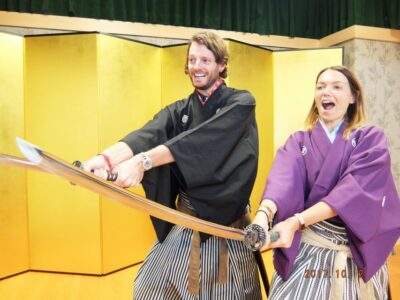
Before you try the sword movements, an instructor demonstrates how to swing the sword properly. This is an important safety and teaching step. You get to see the basic form first, then copy it with guidance.
The sword portion uses a wooden sword. That distinction matters. The experience description uses the language of wielding a katana and feeling like a real samurai, but the participant details and direct feedback make clear that the practical lesson is based on a wooden sword, not a live katana.
For a child, this is usually the right choice. A wooden sword allows the instructor to teach posture and movement in a controlled, approachable way. It also keeps the activity suitable for a broad family group.
You should think of this as a first taste of sword handling, not a formal martial arts class. The lesson introduces basic swinging technique. It does not promise extended drills, sparring, advanced sword forms, or instruction in a specific traditional school.
The quality of the instructor matters a lot here. One especially positive account praised a patient teacher who made the lesson enjoyable and easy to follow. That kind of patience is valuable when children are excited, distracted, or nervous about trying something new.
At the same time, the activity may not satisfy an adult who books it expecting a real steel blade. If your main goal is serious sword study, ask the provider for exact details before paying. This family session is better understood as safe cultural entertainment with a sword theme.
Ninja stars and the extra family fun
Some sessions also include ninja star throwing. This gives the activity another change of pace after the history talk and sword movements.
For children, that variety can make the two hours feel full. A family group with three teenagers found the instructor kept the activity fun for everyone, and another family described the combination of history, sword fighting, ninja star throwing, and cosplay as a strong fit for young children.
The word fighting should be taken in the light entertainment sense. The provided details do not promise combat training or contact exercises. You are learning simple themed activities under instruction, not preparing for a real duel.
This variety is one reason the experience works better for families than for adults seeking a focused sword lesson. Children can enjoy the costume, movement, photos, and ninja activity as separate highlights. Adults may see the same structure as scattered if they wanted a concentrated lesson with a longer practice period.
Photo time in armor
The photo portion is not an afterthought. You can pose in samurai armor in front of several themed backgrounds, which gives the family a chance to record the day in a more memorable way than a standard museum snapshot.
I would treat the photos as one of the main reasons to book, particularly if your children are excited by samurai stories or Japanese pop culture. The costume also helps shy children take part because there is no need to perform a long activity immediately. They can first look the part, pose, and then join the lesson.
The clothing is traditional samurai-style attire for the experience. The supplied details do not specify the exact costume pieces, sizing range, or whether every participant receives the same armor setup. If those details matter to you, contact the provider before booking.
You should also allow time for changing and fitting. The total duration is approximately two hours, but the exact balance between dressing, history, sword practice, photos, and other activities may vary.
Other museum experiences in Kyoto
Who gets the best value for $65.39?
At $65.39 per person, this is not a cheap casual photo stop. Its value depends on how much use your group will get from the full package.
For a family, the price covers roughly two hours of structured activity. You are paying for the venue, the introduction to samurai history, traditional clothing, the demonstration, hands-on wooden sword practice, themed photos, and family entertainment. If your children enjoy active cultural activities, that can be a fair use of money during a Kyoto trip.
The price is easier to justify when several family members participate. Parents and teenagers can dress up together, practice side by side, and share the photo session. The activity also fills a useful block of time during a long sightseeing day.
The value is weaker for an adult who mainly wants authentic sword instruction. The lesson is basic, the sword is wooden, and the tone is family-friendly. Some adults have found the experience too focused on small children, while others had fun with teenagers and enjoyed the history.
My practical test is simple:
- Book it if you want an interactive family activity with a Japanese cultural theme.
- Think twice if your priority is handling a real katana.
- Compare it with the venue’s adult-only option if you are traveling without young children.
- Ask about the exact session format if sword practice matters more to you than costume photos.
The experience is free to cancel up to 24 hours before the local start time. Inside that window, refunds are not available and changes are not accepted. That policy is reasonable, but Kyoto schedules can change quickly, so do not wait until the last day if your plans are uncertain.
Group size, timing, and the practical details
The activity is advertised with a maximum of 10 people, which suggests a more personal lesson than a large stage presentation. However, the supplied booking details also list maximum group sizes of 17 and 4 in different places. That inconsistency is worth noting. If a small group is important to you, confirm the expected number directly with Maikoya before booking.
Morning and afternoon time slots give you useful flexibility. You can place the activity before lunch, after a morning temple visit, or later in the day when children need a change from walking.
The activity lasts about two hours and returns you to the meeting point. It does not include transportation to another site, so you can plan your next Kyoto stop without arranging a separate return transfer.
Most people can participate, and service animals are allowed. The information does not provide a detailed mobility assessment, so anyone needing specific assistance should check with the provider. There is also an elevator outage scheduled from January 24 through February 19, 2026. If your visit falls during that period, ask how access to the experience floor will work before arriving.
Because the activity is near public transportation, it can fit neatly into a central Kyoto day. Still, leave enough time to find the museum and complete check-in. A late arrival could cut into costume and sword time, which are the parts you are paying to enjoy.
What the mixed reactions mean for you
The strongest pattern is clear: children and teenagers tend to get the most from this activity. Families have praised the fun instructor, the patient sword lesson, the history introduction, the cosplay, and the chance to throw ninja stars.
The weaker side is also clear. Some adults felt the experience was too short and too child-focused. One particularly disappointed participant felt that too much time went into uniforms, leaving less than 30 minutes for the main activity. That warning is useful even if your family is likely to enjoy the format.
The wording around a real samurai experience can also create the wrong expectation. You do receive hands-on sword practice, but it is not the same as handling an actual katana. The activity offers a controlled introduction with a wooden sword, plus costume and entertainment elements.
I would not judge the session by the standards of a specialist sword school. I would judge it as a family cultural activity in Kyoto. By that measure, the history, instructor-led demonstration, costumes, photos, and simple practice create a lively break from sightseeing.
Should you book the Samurai Sword Experience?
Book this experience if you are visiting Kyoto with children or teenagers who enjoy samurai, ninja, costumes, and active lessons. It gives your family a shared activity, and the two-hour format is long enough to feel like a proper outing without taking a whole day.
Adults traveling alone or with other adults should be more selective. The adult-only option may be a better fit, especially if you want less cosplay and more serious sword content. Before booking this family session, confirm the group size, the amount of actual sword practice, and the costume arrangements.
For the right audience, $65.39 buys a cheerful, structured introduction to samurai culture with plenty of photo appeal. For someone expecting authentic martial arts training, it may feel too light. Know which version you want, and this experience is much easier to judge fairly.
FAQ
Where does the Samurai Sword Experience begin?
It begins at the experience floor of the Kyoto Samurai Ninja Museum, 292 Higashidaimonjicho, Nakagyo Ward, Kyoto, 604-8073, Japan.
Where does the activity end?
The activity ends back at the meeting point.
How long does the experience last?
The experience lasts approximately two hours.
How much does it cost?
The listed price is $65.39 per person.
Is the activity suitable for children?
Yes. It is designed as a family-friendly activity for children and adults. Children under three cannot enter the samurai venue.
What will I wear?
You will wear a traditional samurai outfit and have the chance to pose in samurai armor.
Will I use a real katana?
The hands-on lesson described for this activity uses a wooden sword. The information does not promise use of a live katana.
Are there morning and afternoon time slots?
Yes. Morning and afternoon time slots are available.
How many people can join the activity?
The experience is advertised with a maximum of 10 people, but other supplied booking details list maximums of 17 and 4. Confirm the expected group size with the provider.
Can I cancel for a refund?
You can cancel up to 24 hours before the local start time for a full refund. Cancellations or changes made less than 24 hours before the start time are not accepted for a refund.
More Museum Experiences in Kyoto
More Samurai & Kendo Experiences in Kyoto
More tours in Kyoto we've reviewed








Samurai & Kendo Experiences, compared.
 ★ 5.0Kyoto Samurai ExperienceFrom $119
 ★ 4.9Kyoto: Kendo and Samurai Experience with Uniform and GearFrom $1032 hours
 ★ 4.5Skip the lines Basic Ticket at SAMURAI NINJA MUSEUM KYOTOFrom $28
 ★ 4.9Kyoto: Samurai Class, Become a Samurai WarriorFrom $70
 ★ 5.0Ninja 1-hour Hands-on Lesson by Japanese master in Kyoto -EntryFrom $80
 ★ 4.8Kyoto: Ninja Weapon Forging ExperienceFrom $1482h 30m