
Reviewed · MUSEUMS
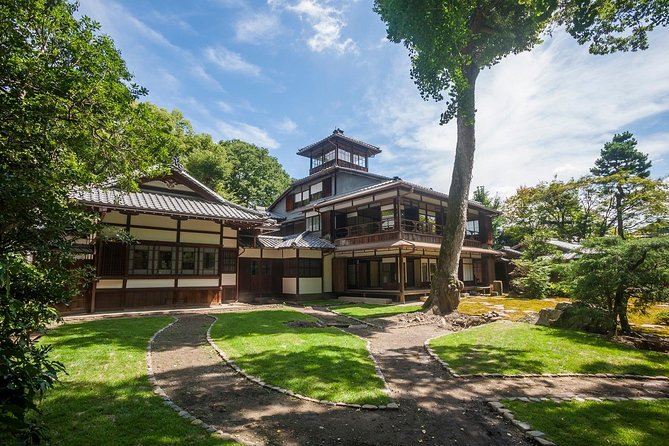
Family Mitsui House Museum with green tea admission ticket
The best part of this Kyoto visit is simple: you sit on tatami, sip matcha, and look across a garden where birds and the nearby river replace the city’s usual noise. The Old Mitsui Family Shimogamo Villa gives you a calm look at Meiji-era domestic architecture beside Shimogamo Shrine.
I like the carefully preserved mansion and the way the tea turns a basic admission ticket into a proper pause. I also like the seasonal garden, which changes from flowering plants to lotus and other quiet views. The catch is clear: your ticket covers only the first floor and garden, not the second floor, third floor, or tea-room area.
In This Review
- Key points to know
- Why this small Kyoto visit is worth your time
- Entering the Old Mitsui Family Shimogamo Villa
- The matcha moment on tatami
- Reading the first-floor rooms
- Walking through a garden that changes with the seasons
- What the $15 ticket really buys you
- Timing, access, and practical planning
- Who will enjoy this villa most
- Should you book the Family Mitsui House Museum ticket?
- FAQ
- Where is the Family Mitsui House Museum experience?
- What does the $15 ticket include?
- How long does the visit take?
- Which parts of the house can I visit?
- Is matcha served inside the historic house?
- Is the experience available with a mobile ticket?
- Are service animals allowed?
- Can I cancel for a full refund?
Key points to know
- Matcha on tatami: Drink green tea while seated in the traditional living area and looking toward the garden.
- A preserved Meiji-era villa: The house dates from 1880 and is designated an important cultural property.
- A quiet setting near Shimogamo Shrine: The mansion offers a break from Kyoto’s crowded central streets.
- First floor and garden access: You can inspect the main public rooms and walk outside, but the upper floors are excluded.
- About one hour: The visit works well as a short cultural stop rather than a full-day outing.
- $15 admission and tea package: The price is reasonable if you value the setting and the tea, though some visitors may want the more expensive ticket that includes the second floor when available.
Why this small Kyoto visit is worth your time
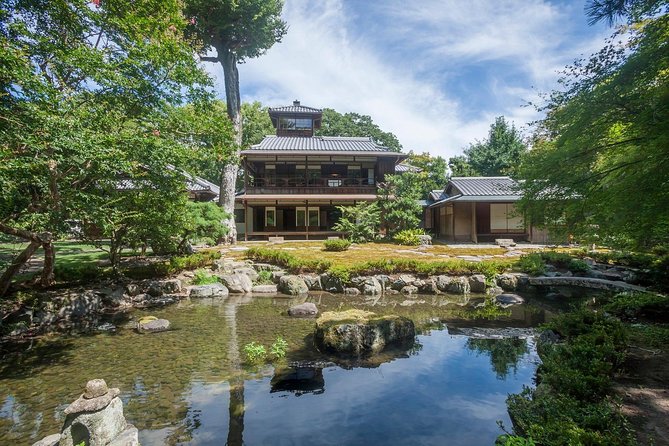
Kyoto has plenty of grand temples, famous gardens, and packed lanes. The Old Mitsui Family Shimogamo Villa offers something quieter. It is a large merchant family residence from 1880, yet the experience does not feel like a rushed museum visit. You see the first floor, step into the garden, and settle down with matcha.
That change of pace matters. The villa is in the city, but the grounds give you the sound of birds and the murmur of the river. You do not need a long guided program to appreciate it. The house, tatami rooms, garden, and tea provide the setting.
I especially like that the ticket combines admission with matcha. A normal admission visit can sometimes feel like a quick walk through rooms. Here, the tea gives you a reason to stop and look. You can notice the relationship between the building and the garden instead of simply moving from one display to the next.
The experience is also easy to fit into a Kyoto schedule. It lasts about an hour, so you can pair it with time at Shimogamo Shrine or another nearby stop. If you want a large museum with many exhibits and extensive English explanations, this is not the right choice. If you want a peaceful look at traditional architecture, it makes good sense.
A few more Kyoto tours and experiences worth a look



Entering the Old Mitsui Family Shimogamo Villa
The villa belonged to the Mitsui family, one of the great merchant families connected with Japanese commerce. The building dates to Meiji 13, or 1880, and its scale helps you understand the family’s position. This is not a tiny old house. It is a substantial residence, carefully maintained and open for public viewing.
The building’s protected status reflects how well the mansion has survived. You are not seeing a modern recreation designed to look old. You are looking at a preserved house where the proportions, rooms, tatami surfaces, and views toward the garden still shape the visit.
The public route focuses on the first floor. That limitation is important to understand before you book. You can see the interior of the main level and walk through the garden, but the second floor, third floor, and tea-room area are not included with this ticket.
Even with that restriction, the first floor gives you the core experience. The rooms let you study traditional Japanese domestic design at close range. The garden-facing spaces also explain why the matcha portion works so well. This is not tea served in a separate cafe with a generic view. You drink it within the house, facing the grounds.
The matcha moment on tatami
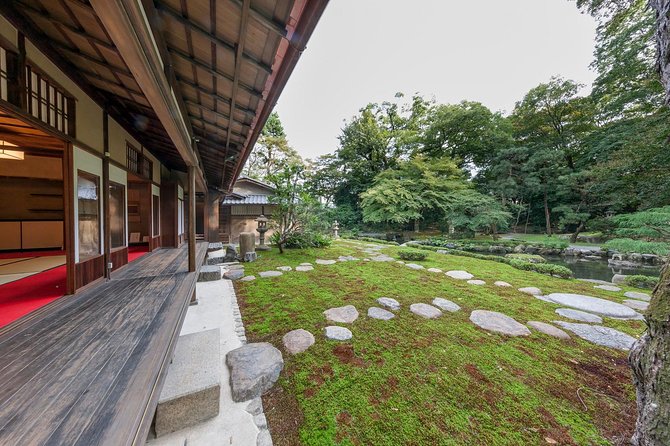
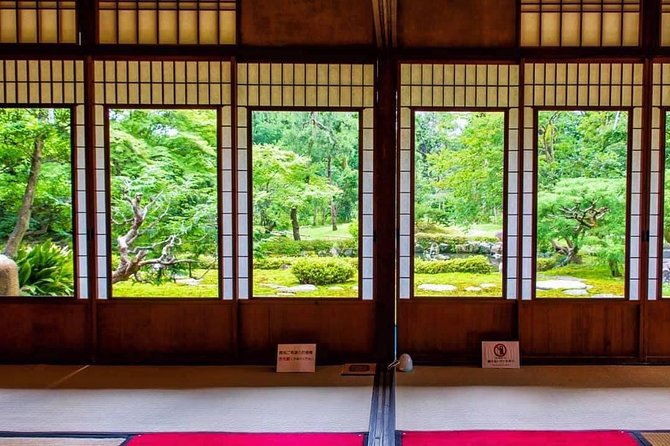
The tea is the emotional center of the visit. You sit on the tatami floor and drink matcha while looking out toward the garden. The setting encourages you to slow down, even if you have only allowed an hour.
I would not treat the tea as a full tea ceremony. The supplied details describe matcha served with the garden view, not a formal ceremony or a long demonstration. That distinction helps set the right expectation. You are paying for a quiet cultural moment inside a historic home, not for an elaborate performance.
The tatami seating may be less comfortable for anyone unused to sitting on the floor. Still, it is part of what makes the experience feel connected to the building. You are not simply holding a cup while standing in a gallery. You are using the room in the traditional way.
The garden gives the tea its changing character. On one visit, you might see flowering plants. At another time, the view may include lotus or other seasonal details. One particularly pleasant arrangement described by the supplied information includes looking at bellflowers while walking below and seeing lotus in bloom. The garden is not frozen into one perfect postcard view. Its appeal shifts with the time of year.
Take your time with this part. The tea is included in the $15 price, and the value comes from the combination of drink, architecture, and view. If you rush through the cup, you lose much of what makes the ticket different from ordinary admission.
Reading the first-floor rooms
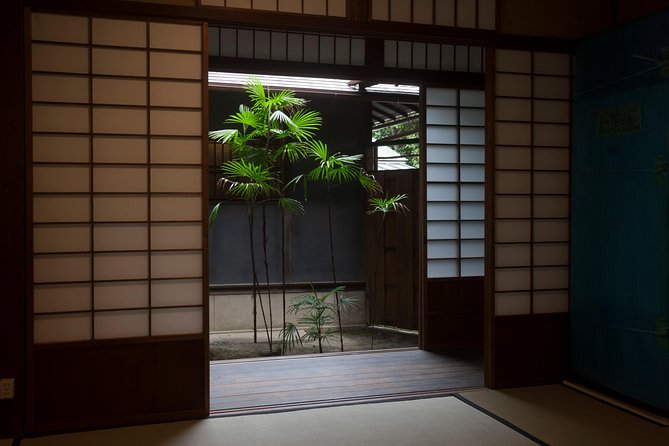
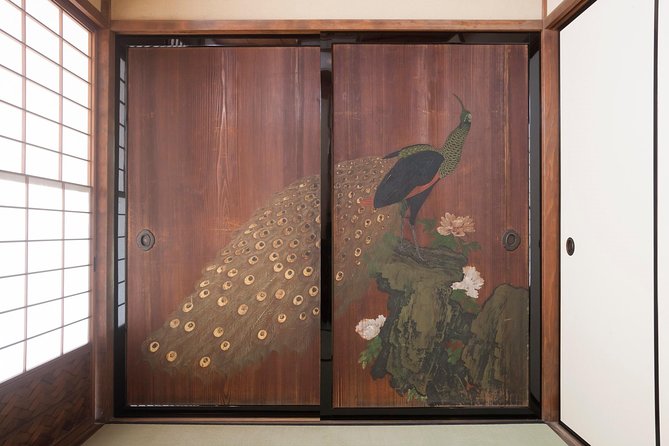
The first floor is where you get the clearest sense of the mansion’s scale and daily use. The preserved rooms are valuable because they show how the building frames movement, light, and garden views. You can pay attention to the low seating, the open feeling of the tatami rooms, and the way the garden becomes part of the interior experience.
The house also offers a useful counterpoint to Kyoto’s major religious sights. At a temple or shrine, the focus is often worship, ritual, or formal garden design. At the Mitsui villa, you are looking at a family residence and the culture of wealthy merchants during the Meiji period.
English information is limited beyond the standard leaflet. That is a practical drawback for anyone who wants detailed explanations of every room or architectural feature. You can still appreciate the spaces visually, but you may need to read slowly, use the leaflet carefully, or accept that some details will remain unexplained.
Staff members are described as polite and willing to explain things. That makes a difference, especially when you have a specific question. Still, this is not presented as a guided tour with a named guide or a long English talk. Plan for a largely self-directed visit with help available from the staff.
Walking through a garden that changes with the seasons
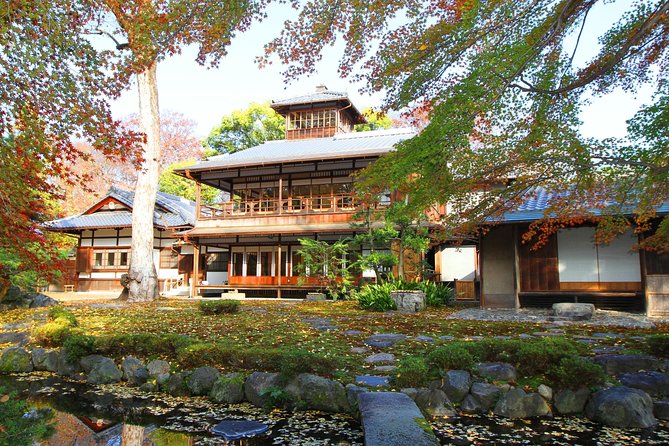
The garden is not a side feature. It is half of the experience. After looking through the first-floor rooms, you can walk outside and see the villa from another angle. The garden also helps explain the house’s location beside the river and near Shimogamo Shrine.
The strongest pleasure here is quiet observation. Sit with the matcha, then take a slow walk. Look at how the building meets the garden, notice the seasonal plants, and listen for birds. The atmosphere can feel surprisingly removed from the city, even though Kyoto remains close around you.
The garden’s seasonal changes are a good reason to return. Spring, summer, and later seasons will not present the same view. The available comments point to bellflowers and lotus at one visit, along with an interest in coming back throughout the year. That is useful advice if you already plan several Kyoto trips.
Do not expect a vast garden that takes hours to cross. The appeal is the relationship between the residence and its immediate grounds. You are visiting a historic home with a garden, not a major garden complex with a full day of paths.
Other museum experiences in Kyoto





What the $15 ticket really buys you
At $15, the admission and matcha package is fairly priced for a short Kyoto cultural stop. The value is strongest if you want three things at once: a preserved historic building, a garden view, and a traditional drink in a traditional room.
The duration is about one hour, so compare the price with your own travel style. If you measure value by the number of rooms or exhibits, the ticket may feel modest. If you value a peaceful break and a distinctive setting, it works better.
The main question is the upper floors. The standard ticket does not include the second floor, third floor, or tea-room area. One useful detail is that a different tea ticket may be available on the day if space remains, and that option can include access to the second floor. If the upper level matters to you, ask about that possibility before settling for the basic ticket.
I would not buy this ticket assuming you will see the whole house. Buy it for the first floor, garden, and matcha. Any extra access should be treated as a possible upgrade, not part of the promise.
Timing, access, and practical planning
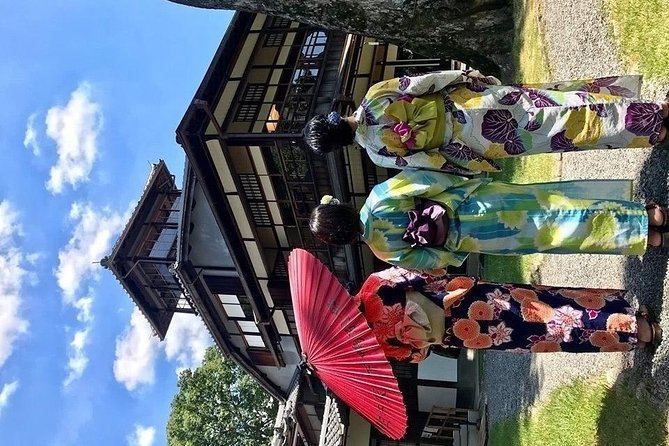
The experience is offered with a mobile ticket, and confirmation is received when you book. It is near public transportation, which makes it practical to add to a Kyoto day without arranging a special transfer. The villa is beside Shimogamo Shrine, so you can combine the two places if your schedule allows.
The listed opening information covers January 5 through March 31, 2026, with Monday hours shown as 9:00 a.m. to 5:00 p.m. Check the operating details for your chosen date before setting out, since the information provided does not establish the hours for every day or season.
Allow about an hour for the visit itself. You may want a little extra time if you plan to linger in the garden or ask staff questions. The short duration makes it a useful morning or afternoon stop, especially alongside Shimogamo Shrine.
Service animals are allowed, and most people can participate. The tatami seating is worth keeping in mind if sitting on the floor is difficult for you. The available information does not give detailed rules about photography, luggage, or accessibility inside every room, so ask staff on arrival if any of those points affect your plans.
Cancellation is free if you cancel at least 24 hours before the experience start time. Cancellations or changes made within 24 hours are not refunded or accepted, and the cut-off follows local Kyoto time.
Who will enjoy this villa most
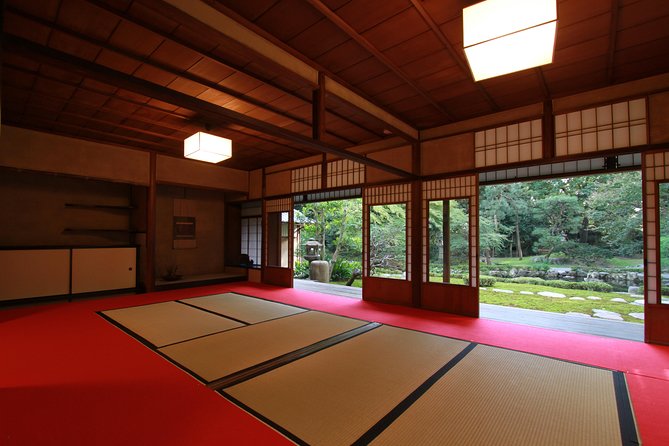
I would recommend this experience to you if you enjoy old houses, Japanese gardens, and small cultural visits that leave room for quiet. It suits anyone who would rather sit with a cup of tea than hurry through another major sight.
It is also a good choice for architecture lovers. The villa lets you see a large Meiji-era merchant residence in a preserved state, not just a temple or shrine. The building offers a different view of Kyoto’s past and of the city’s merchant culture.
The visit fits families and first-time Kyoto visitors who want a manageable cultural stop. Most people can participate, and the ticket is simple to use. The one-hour length also reduces the risk of tiring younger visitors.
You may want to skip it if you require a full English explanation, want access to every floor, or expect a formal tea ceremony. The limited English material and restricted upper-floor access are the two biggest concerns. Neither ruins the visit, but both affect the experience you are buying.
Should you book the Family Mitsui House Museum ticket?
Book it if you want a calm hour beside Shimogamo Shrine, with traditional architecture, a seasonal garden, and matcha served on tatami. The $15 price is sensible for that combination, and the quiet atmosphere is the main reward.
Do not book it expecting a complete tour of the mansion. The second and third floors and tea-room area are excluded, and the visit is largely self-guided. If upper-floor access becomes available through a different tea ticket on the day, ask about it before entering.
For me, the best reason to go is the chance to sit still in a real historic home and let the garden do the talking. Kyoto offers plenty of famous sights. This one gives you a little breathing room.
FAQ
Where is the Family Mitsui House Museum experience?
The Old Mitsui Family Shimogamo Villa is in Kyoto, beside Shimogamo Shrine and near public transportation.
What does the $15 ticket include?
It includes admission to the Old Mitsui Family Shimogamo Villa and matcha green tea.
How long does the visit take?
The experience lasts approximately one hour.
Which parts of the house can I visit?
This ticket includes the first floor and the garden. The second floor, third floor, and tea-room area are not included.
Is matcha served inside the historic house?
Yes. You can enjoy matcha while seated on tatami and looking toward the garden.
Is the experience available with a mobile ticket?
Yes. A mobile ticket is provided, and confirmation is received at the time of booking.
Are service animals allowed?
Yes, service animals are allowed.
Can I cancel for a full refund?
Yes, if you cancel at least 24 hours before the experience start time. Cancellations or changes made less than 24 hours before the start time are not accepted and are not refunded.
More Museum Experiences in Kyoto
More Tickets in Kyoto


More tours in Kyoto we've reviewed










Museums, compared.
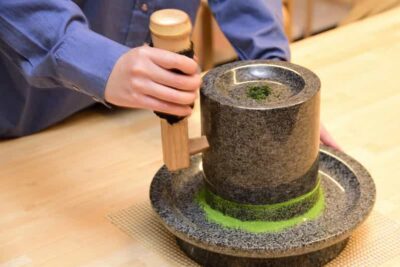 ★ 4.9Kyoto: Tea Museum Tickets and Matcha Grinding ExperienceFrom $231 hour
 ★ 4.5Skip the lines Basic Ticket at SAMURAI NINJA MUSEUM KYOTOFrom $28
 ★ 4.6Kyoto : Geiko Maiko Dance of Kyoto & Visits of Gion MuseumFrom $2515 min
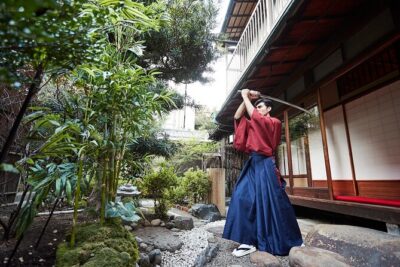 ★ 4.5Kyoto Sword Experience – includes Museum Ticket/Ninja ExperienceFrom $83
 ★ 4.8Kyoto: Samurai Ninja Museum guided tourFrom $281 hour
 ★ 4.5Ninja Experience (Family Friendly) at Samurai Ninja Museum KYOTOFrom $56