
Reviewed · NIJO CASTLE TOURS
Golden Pavilion, Nijo Castle, & Nishiki Market Half day tour
Kyoto’s past comes into sharp focus on this four-hour private tour. You move from the glittering Golden Pavilion to Nijo Castle’s samurai-era corridors, then finish at Nishiki Market, where you can pick your own lunch. Guide Roberto uses an iPad with his own visual explanations, a useful touch when names, dates, and power struggles begin to pile up.
I especially like two things here. First, the route connects famous sights that are often visited separately, so you get both beauty and historical context in one morning. Second, Roberto offers practical suggestions for the rest of your Kyoto stay and can take photos throughout the tour. The main consideration is cost: the $90 price does not include transportation, food, or the two attraction admissions, which total about 1,800 yen.
In This Review
- Key points to know before booking
- Why this four-hour route works well in Kyoto
- From Kyoto Station to the Golden Pavilion
- Nijo Castle and the sound of the nightingale floors
- Nishiki Market, Kyoto’s Kitchen
- Roberto’s visual teaching style
- What the $90 price really covers
- Timing, walking, and practical limits
- Who should book this Kyoto morning
- FAQ
- How long does the tour last?
- Where does the tour begin?
- How will I identify the guide?
- Are the entrance fees included?
- Is transportation included?
- What languages are available?
- Should you book the Golden Pavilion, Nijo Castle, and Nishiki Market tour?
Key points to know before booking
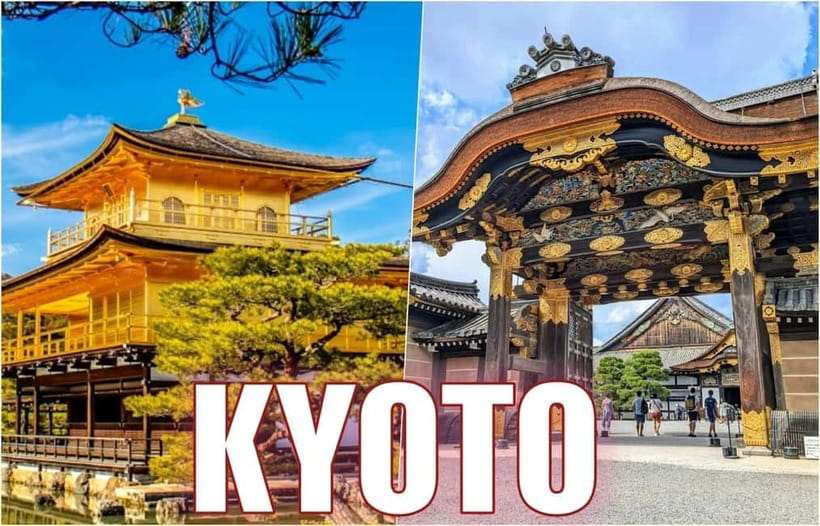
- Three major Kyoto stops in four hours: Kinkaku-ji, Nijo Castle, and Nishiki Market make this a brisk but useful introduction to the city.
- Guide Roberto leads the tour: He is a Kyoto City Certified Tourist Guide and offers explanations in English or Spanish.
- The iPad helps with context: Custom images make the stories of shoguns, samurai, and the Edo Period easier to follow.
- You finish at Nishiki Market: The tour ends before lunch, giving you the freedom to choose from the market’s many food stalls and shops.
- Public transportation is part of the day: Expect a bus ride, subway or train journeys, and walking between stops.
- Budget extra for admission and transit: The Golden Pavilion costs 500 yen, Nijo Castle costs 1,300 yen, and transportation is separate.
Why this four-hour route works well in Kyoto
Kyoto can feel scattered at first. Its major sights are spread across the city, and a morning that looks simple on a map can become a series of confusing bus changes and long walks. This tour gives you a fixed route from Kyoto Station to three very different places, with Roberto handling the practical side and explaining what you are seeing.
The tour starts at 8:30 a.m. and finishes around 12:30 p.m. That timing is useful if you want to keep your afternoon open for another neighborhood, a museum, or a slower meal. It also puts the Golden Pavilion first, before the day has progressed too far. Kinkaku-ji is one of Kyoto’s most photographed sights, so an early start helps you make the most of the visit, although it will not remove the possibility of crowds.
This is a private group experience, so the pace can be more personal than on a large coach tour. Roberto has received especially strong praise for his one-to-one attention, friendly manner, and ability to adjust to the group. One particularly nice extra is the possibility of a short video made during the day, something several people appreciated as a reminder of the visit.
A few more Kyoto tours and experiences worth a look
From Kyoto Station to the Golden Pavilion
Meet Roberto in front of the 7-Eleven at the JR Kyoto Station Building’s central entrance, on the Kyoto Tower side. He carries an iPad and a red card marked RBRT, making him easier to spot in the busy station area. Be precise about the meeting point, since Kyoto Station has several exits and large underground areas.
The first ride is a bus journey of about 35 minutes to Kinkaku-ji in northwest Kyoto. This transfer is not simply dead time. It shows you one of the practical realities of Kyoto sightseeing: major temples are not all connected by a single train line, and buses are often part of the most direct route.
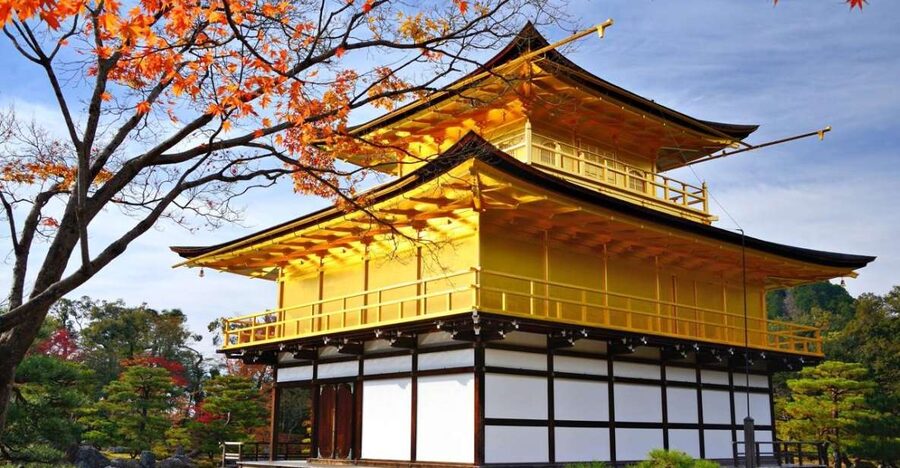
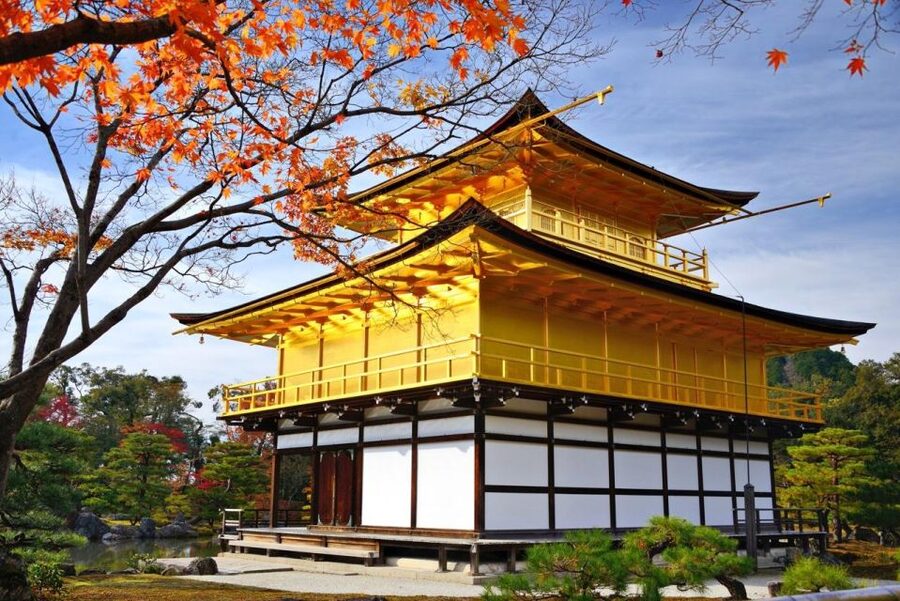
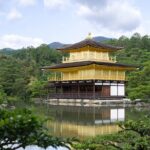
Kinkaku-ji, also called the Golden Pavilion, began as a villa for Ashikaga Yoshimitsu, a 14th-century shogun. After his death, it became a Zen Buddhist temple. The top two floors are covered in gold leaf, which catches the light and reflects in the pond beside the pavilion.
The building itself is not the only point. The setting is carefully composed, with the pavilion, water, trees, and surrounding temple grounds working together. Your visit includes about 90 minutes with a guided explanation, giving you time to take photographs and look beyond the famous front view.
The gold decoration can seem almost excessive at first. That is part of the point. It expressed wealth, authority, and religious devotion, and it helps explain how powerful figures used architecture to present themselves. Roberto’s iPad visuals should be useful here, especially when he is placing Yoshimitsu and the Ashikaga shogunate into the wider story of Japanese government.
There are places inside temples where photography is forbidden, so listen for instructions and do not assume every interior can be photographed. Comfortable shoes matter, even though this route avoids mountain climbs and very long stairways.
Nijo Castle and the sound of the nightingale floors
After Kinkaku-ji, you travel for about 20 minutes by subway or train toward Nijo Castle. The change in mood is striking. Kinkaku-ji is a temple complex designed around a reflective pond and formal beauty. Nijo Castle feels more political, built to show authority and protect the shogun.
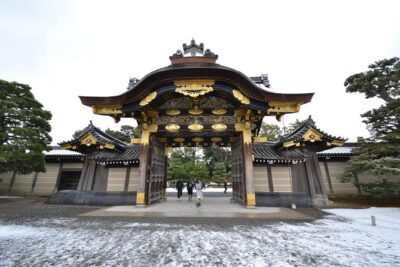
The castle is closely tied to the Edo Period, when the Tokugawa shoguns controlled Japan for more than two centuries. Here, Roberto explains the difficult relationship between the shogun, regional feudal lords, and the samurai class. He also covers the end of samurai rule and Japan’s move toward modernization.
This is where the tour’s historical theme becomes clearest. You are not just looking at painted rooms and ornate woodwork. You are seeing a place connected to the system that governed Japan, and to the transition that eventually brought that system to an end.
Nijo Castle is known for its impressive woodwork and detailed design, but its most memorable feature may be the nightingale floors. As you walk across them, the floorboards make chirping sounds. The feature acted as an early security measure, warning occupants when someone moved through the building.
The castle visit lasts about 95 minutes, slightly longer than the Kinkaku-ji stop. That extra time makes sense because there is more to explain indoors, from architecture to political ceremony. The experience requires steady walking and standing, though the tour does not involve long mountain paths or unusually steep climbs.
Nijo Castle admission is 1,300 yen, separate from the tour price. Keep this in mind when comparing the total cost with other guided options. You are paying for Roberto’s time and transport assistance, but you still need to cover the site fees yourself.
Nishiki Market, Kyoto’s Kitchen
The final transfer takes about 15 minutes, followed by roughly 10 minutes of walking to Nishiki Market. The tour ends at the market entrance around 12:30 p.m., just as many people are thinking about lunch.
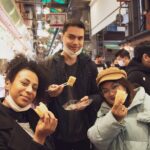
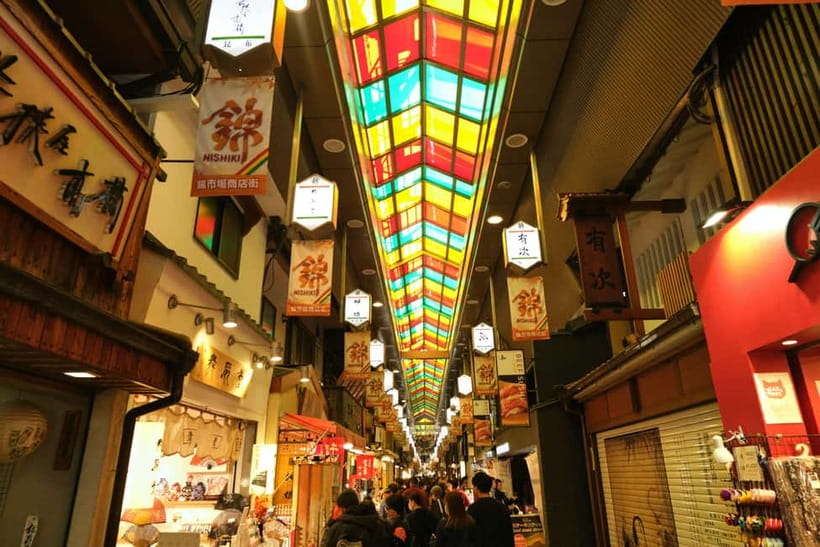
Nishiki Market runs along a narrow shopping street for about five blocks. More than 100 shops and restaurants sell food, ingredients, seafood, produce, knives, cookware, and other kitchen goods. It is a good place to see Kyoto’s food culture in a compact setting, but the narrow passage can feel crowded, especially at popular times.
Roberto explains how the market began and what role it plays in the city. After that, you are free to choose your own food. This is a smart place to end a morning tour because you are not locked into a set restaurant or fixed menu. You can browse, compare prices, and decide how much or how little you want to eat.
Food and drinks are not included. If you have dietary needs, the tour information does not promise specific accommodations, so you should plan to ask vendors directly. English explanations are available during the tour, and Nishiki is accustomed to international visitors, but individual food stalls may vary in how much English they speak.
I like this finish because it gives you a practical choice. Some guided tours end with a rushed goodbye near a station. Here, you receive an explanation of the market, then remain in a useful central area with lunch options and access to the rest of Kyoto.
Roberto’s visual teaching style
A strong local guide can make a major difference in Kyoto, where a beautiful building may have several names and a long chain of political connections. Roberto uses an iPad loaded with explanations and images he created himself. That gives him a way to show people, buildings, and historical moments rather than relying only on spoken dates.
This method is particularly helpful at Nijo Castle. The struggles between the shogun, feudal lords, and samurai are not always easy to understand from the architecture alone. Visual material can help you follow who held power, how the system worked, and why the samurai era eventually ended.
Roberto also speaks English and Spanish. His approach has been praised for being attentive, cheerful, and accommodating. If you want to ask about another Kyoto neighborhood, a later dinner, or sights for the following days, the tour is designed to include recommendations beyond the three scheduled stops.
Photography is another practical benefit. Roberto can take as many pictures of you as you wish, and he may create a short video from the day. If you are traveling as a couple or family, that means you do not have to rely entirely on selfies or ask passing strangers to frame the shot.
A few more Kyoto tours and experiences worth a look
What the $90 price really covers
At $90 per person, this is not the cheapest way to see the three sites. The tour price does not include the 500-yen Golden Pavilion admission, the 1,300-yen Nijo Castle admission, food, drinks, or public transportation. You should also allow for the transit cost between Kyoto Station, Kinkaku-ji, Nijo Castle, and Nishiki Market.
The value comes from the private format and the guide’s time. You are getting a four-hour route with a certified Kyoto guide, historical explanations, help using public transportation, photographs, and advice for the rest of your stay. If you would otherwise spend time working out bus and subway connections, the guided structure may justify the extra cost.
The tour also gives you a useful mix of experiences. Kinkaku-ji provides the iconic Kyoto image. Nijo Castle supplies the political and architectural story. Nishiki Market brings you back to everyday food and shopping. Paying for three unrelated admissions and arranging the route yourself may cost less, but it requires more planning and gives you less context.
For a solo visitor, the price may feel high compared with using a guidebook and public transit. For a couple or family that wants personal attention, the private arrangement can be more appealing. Since the guide does not need his own entrance fees or transport paid by you, there is no need to budget for an additional set of guide admissions.
Timing, walking, and practical limits
This is a half-day walking tour, not a bus ride where you remain seated between landmarks. You will walk through temple and castle grounds, board public buses and trains, and move through Nishiki Market. Comfortable shoes are essential.
The tour runs rain or shine. Kyoto’s weather can change, and some parts of the route are outdoors, so bring suitable clothing for the forecast. Large bags and luggage are not allowed, and baby strollers are not suitable for this experience.
The activity is not designed for wheelchair users, pregnant women, people with back problems, people with low fitness, or anyone who has difficulty walking and standing. The route does not include mountain climbing or very long stairways, but it still requires a reasonable level of mobility.
The pace is fairly full. Kinkaku-ji receives about 90 minutes, Nijo Castle about 95 minutes, and the remaining time goes to transfers and the market. You will see a lot, but you will not have hours to linger at each stop. That is the trade-off for fitting three major Kyoto sights into one morning.
Who should book this Kyoto morning
I would choose this tour if you are visiting Kyoto for the first time and want a clear introduction to its major sights. It is especially useful if you enjoy history but prefer explanations in plain language, supported by images and examples.
Families may appreciate the private format and the guide’s willingness to take photos. Couples who want a morning of sightseeing without managing transport may also find the arrangement convenient. English and Spanish speakers have a choice of tour language.
The experience suits someone who wants both famous landmarks and practical local guidance. Roberto can help you plan later days, and Nishiki Market gives you a natural place to continue independently after the tour ends.
I would hesitate if you prefer a slow visit with long stretches of free time, or if you already know Kyoto’s history and feel comfortable navigating buses and trains. The extra admissions and transit costs also mean you should compare the complete price, not just the advertised $90.
FAQ
How long does the tour last?
The tour lasts about four hours, from 8:30 a.m. to approximately 12:30 p.m.
Where does the tour begin?
It begins in front of the 7-Eleven at the JR Kyoto Station Building’s central entrance. Use the Kyoto Tower side exit.
How will I identify the guide?
Roberto will hold an iPad and a red card marked RBRT.
Are the entrance fees included?
No. Golden Pavilion admission is 500 yen, and Nijo Castle admission is 1,300 yen. These fees are paid separately.
Is transportation included?
No. The route uses a public bus, subway or train, and walking. Transportation costs are separate from the tour price.
What languages are available?
The tour is offered in English and Spanish.
Should you book the Golden Pavilion, Nijo Castle, and Nishiki Market tour?
Book it if you want a well-packed morning with a private guide, clear historical explanations, and help getting between three widely separated Kyoto sights. Roberto’s iPad material, photography help, and suggestions for the rest of your visit add practical value beyond simple transportation.
Skip it if your priority is saving money or lingering at one site for half a day. For everyone else, this is a strong first Kyoto outing, provided you budget for admissions and transit, wear comfortable shoes, and are ready to keep moving.
More Shopping Tours in Kyoto
More Nishiki Market Tours in Kyoto
More Nijo Castle Tours in Kyoto
More tours in Kyoto we've reviewed

Nijo Castle Tours, compared.
 ★ 4.7Kyoto: Nijo-jo Castle and Ninomaru Palace Guided TourFrom $161 hour
 ★ 5.0Kyoto: Nijo, Kinkaku-ji, Arashiyama, Kiyomizu & Fushimi InariFrom $51
 ★ 4.7Kyoto: Imperial Palace & Nijo Castle Guided Walking TourFrom $493 hours
 ★ 4.5Kyoto Imperial Palace & Nijo Castle Guided Walking Tour – 3 HoursFrom $55
 ★ 4.6Kyoto: Nijo Castle and Kyoto Imperial Palace Guided TourFrom $633 hours
 ★ 5.0Nijo Castle and Imperial Palace Visit with GuideFrom $79