
Reviewed · COOKING CLASSES
Private Kyoto Cooking Class with Aki in a Beautiful Wooden House
Kyoto has plenty of polished food tours, but this one takes you into Aki’s private home kitchen, where the focus is on everyday Japanese cooking rather than restaurant showpieces. You prepare several seasonal dishes, learn family techniques, and eat what you have made together.
I like the one-on-one format, since you can stop and ask questions without holding up a group. I also like the wooden house setting and the chance to learn dishes such as chikuzenni and braised burdock root, foods you may not see on a standard restaurant menu. The main drawback is the strict cancellation policy, plus some uncertainty about which drinks are included, so check those details before paying.
In This Review
- Key points to know
- A private Kyoto kitchen instead of a crowded class
- What you cook with Aki
- The meal is part of the lesson
- Why the wooden house setting matters
- Timing, meeting point, and getting there
- Price and what you receive for $95
- Who will enjoy this class most
- What the strongest praise tells you
- Important booking details before you pay
- Should you book Aki’s Kyoto cooking class?
- FAQ
- How long does the Kyoto cooking class last?
- What time does the class start?
- Where does the experience begin and end?
- Is hotel pickup included?
- Is the cooking class private?
- What dishes will be prepared?
- Is a vegetarian option available?
- Are drinks included?
Key points to know
- Aki leads a private, hands-on class in her beautiful Kyoto home.
- The cooking takes about one hour, followed by a shared meal made by your group.
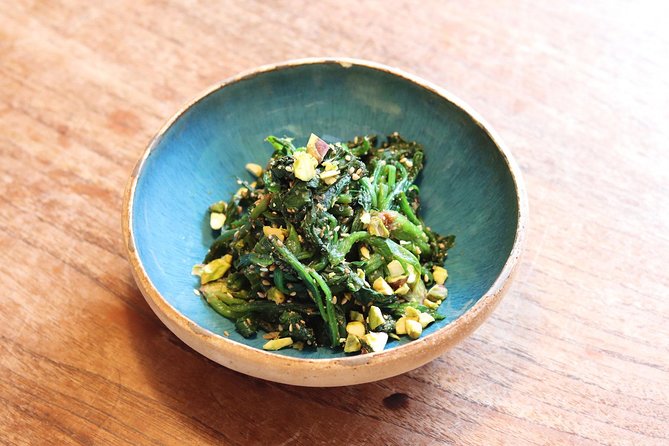
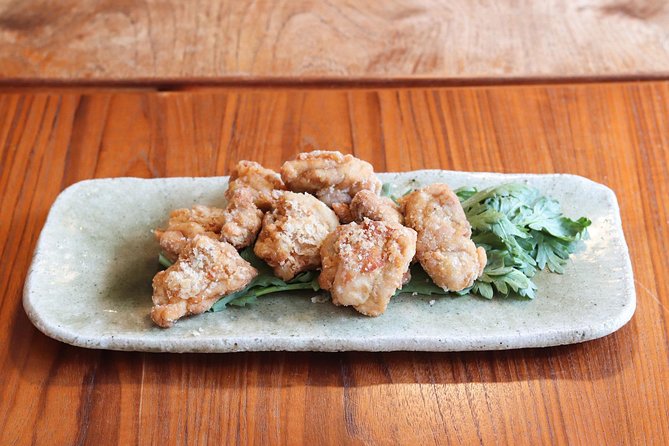
- Seasonal home-style dishes may include chikuzenni, braised burdock root, and miso soup.
- English recipes and instruction make the class useful after you return home.
- The three-hour experience begins at 10:30 a.m. and ends back at the meeting point.
- Vegetarian requests and allergies must be reported at booking, and the menu changes with the season.
A private Kyoto kitchen instead of a crowded class
The best reason to choose this experience is its scale. This is a private activity for only your group, not a large class where you watch a chef demonstrate while several strangers work around you. Aki can adjust her explanations to your questions and pace.
That matters in Japanese cooking. A small move, such as how to cut a root vegetable or season broth, can be hard to catch in a busy classroom. Here, you can ask why a step matters, what ingredient might replace another one, or how the dish fits into ordinary Japanese meals.
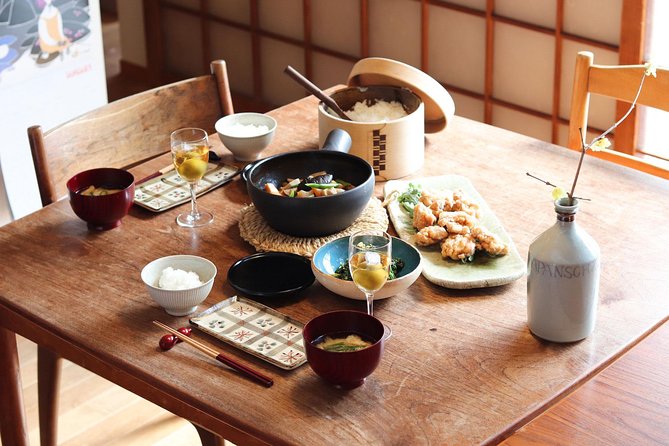
The class takes place in a beautiful wooden house in Kyoto. That setting gives the morning a more personal feel than a commercial cooking studio. You are not simply being handed a recipe. You are spending time in a home kitchen and learning food connected to Aki’s family traditions.
The experience is also a good choice if you want a slower morning. It begins at 10:30 a.m. and lasts about three hours, so you are not racing between several stops. Afterward, you finish where you started, with the rest of the day free for sightseeing.
Other cooking classes in Kyoto

What you cook with Aki
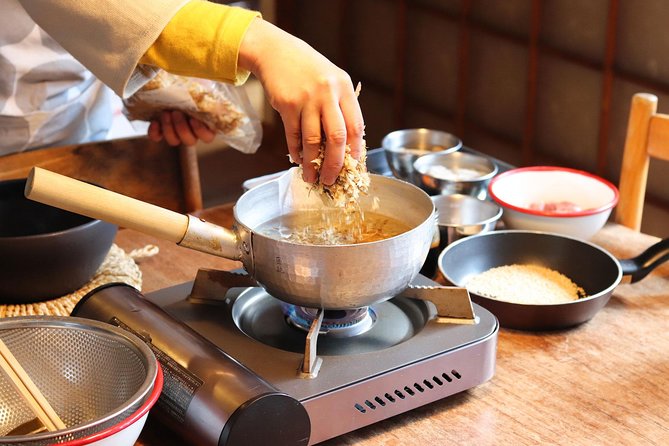
Aki provides recipes in English and guides you through the work. The cooking portion lasts about an hour, though the full visit includes conversation, cultural explanation, and the meal afterward.
The menu changes with the season. That is a plus if you care about how Japanese households actually cook, since the dishes are not fixed year-round. It also means you should not book this expecting one guaranteed list of foods.
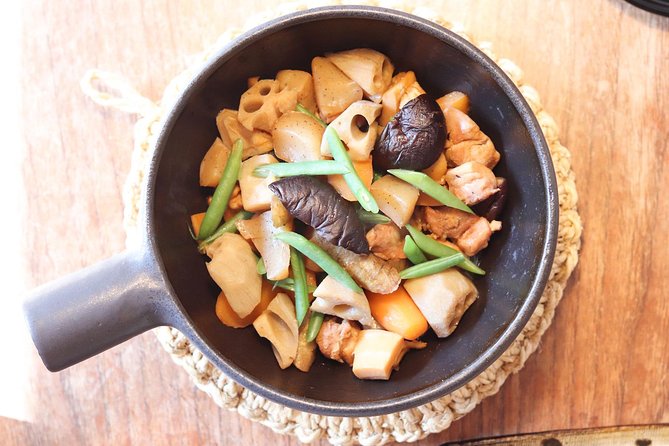
Possible dishes include chikuzenni, a braised chicken and vegetable dish, and braised burdock root. These are useful examples of the class style: comforting, carefully seasoned food that is more closely tied to home cooking than to the most familiar tourist menu.
Miso soup is another possible item. It may sound basic, but it is exactly the sort of dish where small choices matter. Aki can show you techniques and family tips that are easy to miss when you simply order soup at a restaurant.
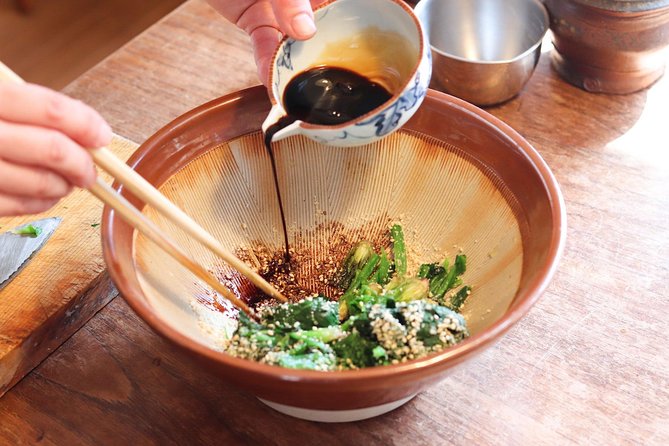
You take part in the preparation and cooking rather than standing back for a demonstration. That makes the class more useful for you if your goal is to repeat the recipes at home. You leave with English instructions and a better sense of how the separate ingredients come together.
The class is not designed as a formal culinary-school course. You should expect practical home cooking, not knife certification or a long lecture on Japanese cuisine. That is part of its appeal. The focus stays on food you can understand, prepare, and adapt.
The meal is part of the lesson
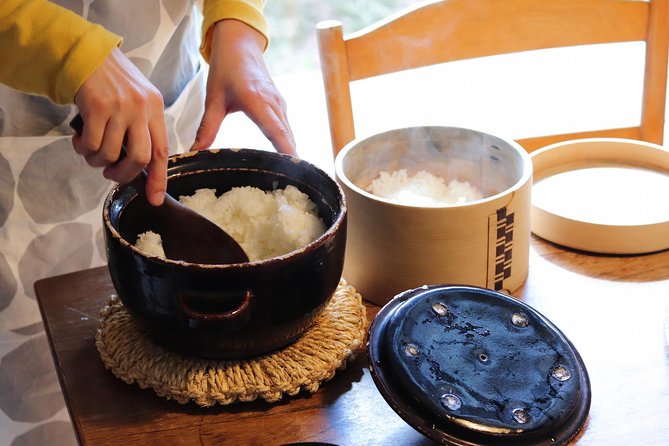
After roughly an hour of cooking, you sit down with Aki to eat the food you helped prepare. This shared meal gives the class a natural finish and lets you taste the results while the steps are still fresh in your mind.
I like this format because it avoids the rushed feeling of a class that ends as soon as the final ingredient hits the pan. You have time to enjoy the food and talk about what you made. The meal can also help you understand the difference between tasting one dish in isolation and eating several home-style dishes together.
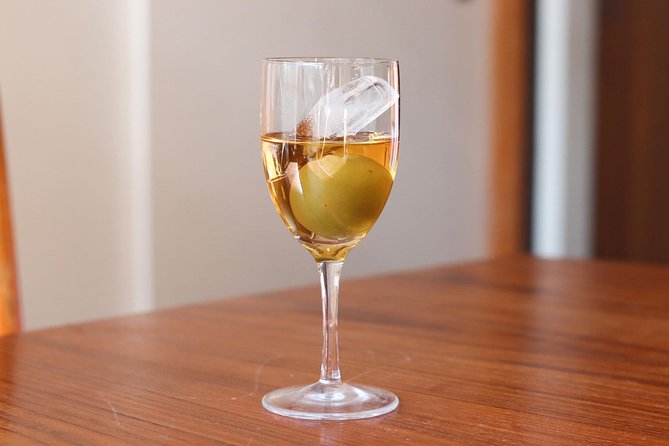
The information describes alcoholic drinks as included, while the included items specifically list non-alcoholic beverages. That is a detail worth confirming with the provider before booking, especially if drinks are part of your reason for choosing the class. The meal itself and beverages are included, but the exact drink selection is not clearly defined.
One useful practical point is that the class may produce a generous amount of food. Aki has been praised for preparing plenty to eat, with leftovers in some cases. Do not count on taking home a set amount, since portions will depend on the menu and your group, but you should not think of this as a tiny tasting.
Why the wooden house setting matters
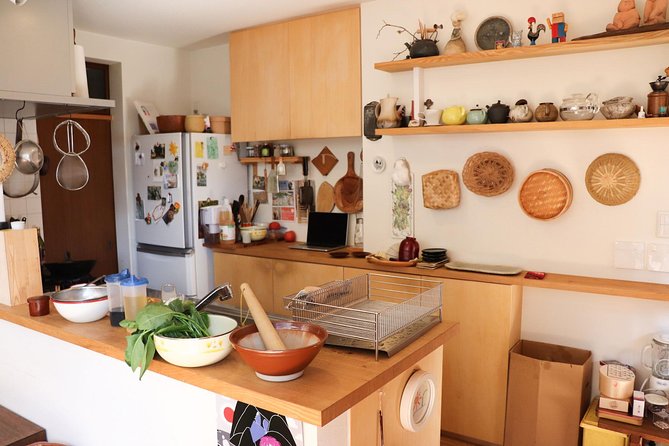
The house is not just a backdrop for photographs. A private home changes the tone of the visit. You get a look at cooking as part of daily life, rather than receiving a lesson in a room built only for visitors.
That setting may appeal to you if you have already seen Kyoto’s major temples and want an activity tied to local routines. Food can show a side of the city that sightseeing alone does not. Ingredients, preparation methods, and the order of a meal all offer small clues about Japanese family life.
The setting may be less suitable if you want a highly polished, restaurant-style event. A home class has a personal quality, but it may not feel as formal or standardized as a professional cooking school. The menu and rhythm are shaped by the host, the season, and your group.
Aki’s manner is another important part of the experience. She is described as kind, patient, and comfortable speaking English. She also offers recommendations for things to do later, which can be useful if this is one of your first mornings in Kyoto and you want to plan the rest of your day.
Timing, meeting point, and getting there
You meet at Ipponmatsu, Shimogamo Matsunokicho, in Kyoto’s Sakyo Ward. The postal code is 606-0816. The activity starts at 10:30 a.m. and ends back at the meeting point.
There is no hotel pickup or drop-off. You need to make your own way to the house, so allow extra time to find the exact meeting place. The area is near public transportation, but the supplied details do not identify a specific station, route, or walking time.
That makes the meeting instructions worth checking carefully after your booking is confirmed. A mobile ticket is provided, and confirmation is normally sent within 48 hours, subject to availability. Keep the address available on your phone and avoid arriving at the last minute.
The late-morning start works well with a relaxed Kyoto schedule. You can have a light breakfast, attend the class, and still have the afternoon for sightseeing. On the other hand, the activity takes three hours, so it is not a quick add-on before a noon reservation elsewhere.
Since the class returns to the starting point, you do not need to arrange a second pickup location. That is handy if you plan to continue exploring the same part of Kyoto afterward.
Other private tours in Kyoto


Price and what you receive for $95
At $95 per person, this is not the cheapest way to eat in Kyoto. You can buy a filling meal for far less, and a short cooking demonstration may cost less than a private class.
The value comes from the combination of instruction, a private host, recipes, a home setting, and the meal. You are paying for time with Aki, not just for the ingredients on the table. If you enjoy cooking or want a personal cultural activity, the price is reasonable for a three-hour private experience.
It is especially good value for a small group that wants its own schedule and questions. A private class usually costs more than joining a shared session, but you avoid waiting for other participants and can focus on dishes that interest you.
The value is weaker if you are mainly looking for a large number of dishes or a professional chef’s technical training. The cooking segment is about an hour, and the menu is seasonal rather than fixed. Read the experience as a home visit with cooking, not as a full-day food course.
The meal and non-alcoholic beverages are included, along with taxes, fees, and handling charges. Because the description also refers to alcoholic drinks, confirm what will actually be served before booking.
Who will enjoy this class most
I would choose this experience for you if you enjoy meeting local people, asking questions, and learning food you can make again. It suits couples, families, and small groups who want a private morning rather than a large activity.
It is also a strong pick for repeat visitors to Kyoto. If you have already covered the headline temples, a home cooking class gives you a different way to spend part of the day. The recipes and family techniques add something that a restaurant meal cannot.
Families with older children may also like the hands-on format, provided everyone is comfortable taking part in kitchen work. The private setup makes it easier to pause and explain steps, though the supplied information does not specify a minimum age.
Vegetarians can request a vegetarian option. You must provide details about allergies, dietary restrictions, or cooking preferences when booking. Do not wait until the morning of the class, since the menu depends on preparation in advance.
You may want to skip it if you dislike fixed start times, home-based activities, or seasonal menus. It is also not the right choice if you want hotel transport or a guaranteed list of dishes.
What the strongest praise tells you
The most consistent strengths are Aki’s hospitality, her English, and the amount of participation. You should expect to help with preparation and cooking, not simply watch.
Her patience matters because Japanese recipes can involve unfamiliar ingredients and methods. Clear English recipes give you something concrete to take away, while her explanations help you understand the reason behind each step.
The personal atmosphere is another major benefit. The class is designed to make you feel comfortable in the kitchen, and the private format gives you room to ask basic questions without embarrassment. That is useful if you have little cooking experience.
Aki’s local suggestions can also add value beyond the meal. She may be able to point you toward things to do later in the day, though those recommendations are an extra courtesy, not a formal sightseeing portion of the tour.
The small number of published ratings means you should not treat the perfect score as a guarantee that every group will have the same experience. Still, the praised elements are clear and practical: friendly instruction, good English, hands-on cooking, tasty food, and a relaxed home setting.
Important booking details before you pay
The cancellation information needs careful attention. One part of the booking information refers to a two-week cancellation policy, while the formal cancellation statement says the experience is non-refundable and cannot be changed for any reason. Because those terms conflict, ask the provider to confirm the rule that applies to your reservation.
Confirmation is sent within 48 hours, subject to availability. The activity is private, so only your group participates.
Service animals are allowed, and the home is near public transportation. No hotel pickup or drop-off is included. The experience ends at the same meeting point where you begin.
Tell the provider about allergies, dietary restrictions, and cooking preferences when you book. Vegetarian food is available with advance notice. Since the menu changes by season, ask about the planned dishes if a particular ingredient matters to you.
Finally, clarify the drinks. The description includes alcoholic drinks, while the inclusions list non-alcoholic beverages. That small mismatch is easy to settle before booking and worth settling in advance.
Should you book Aki’s Kyoto cooking class?
Book this class if you want a personal connection to Kyoto through home cooking, especially if you like learning by doing. Aki’s private kitchen, English recipes, seasonal dishes, and shared meal give you more than a standard restaurant visit.
The class is best for people who value time with a host over a packed sightseeing schedule. It offers a calm three-hour morning, useful cooking practice, and food that may not appear on ordinary restaurant menus.
Think twice if you need flexible cancellation, hotel transport, or a guaranteed menu. Also confirm the drink policy before paying. If those points work for you, this is a warm, practical choice for a small group seeking a more personal side of Kyoto.
FAQ
How long does the Kyoto cooking class last?
The experience lasts approximately three hours. The cooking portion takes about one hour, followed by the meal you helped prepare.
What time does the class start?
The class starts at 10:30 a.m.
Where does the experience begin and end?
You meet at Ipponmatsu, Shimogamo Matsunokicho, Sakyo Ward, Kyoto, 606-0816, Japan. The activity ends back at the meeting point.
Is hotel pickup included?
No. Hotel pickup and drop-off are not included. You must travel to and from the meeting point yourself.
Is the cooking class private?
Yes. Only your group participates in this private activity.
What dishes will be prepared?
The menu changes with the season. Possible dishes include chikuzenni, braised burdock root, and miso soup.
Is a vegetarian option available?
Yes. A vegetarian option is available, but you must request it when booking. You should also report allergies, dietary restrictions, and cooking preferences at that time.
Are drinks included?
The experience includes non-alcoholic beverages, and the description also refers to alcoholic drinks. Since the details do not fully match, confirm the exact drink arrangements before booking.
More Cooking Classes in Kyoto
More Private Tours in Kyoto
More Cooking Classes in Kyoto
More tours in Kyoto we've reviewed



Cooking Classes, compared.
 ★ 5.0Ramen Cooking Class at Ramen Factory in KyotoFrom $131
 ★ 4.9Kyoto: Ramen Cooking Class at a Ramen Factory with SouvenirFrom $1271h 30m
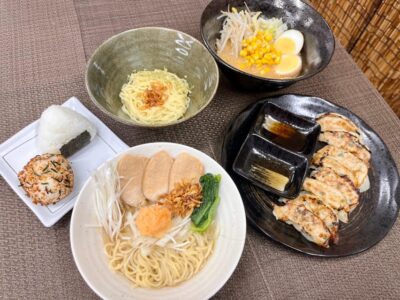 ★ 5.0Kyoto: Ramen, Gyoza, and Onigiri Cooking ClassFrom $901h 30m
 ★ 5.0Kyoto: Japanese Washoku Bento Small Group Cooking ClassFrom $582h 30m
 ★ 4.9Kyoto: Afternoon Japanese Izakaya Cooking ClassFrom $673 hours
 ★ 5.0Izakaya Style Cooking ClassFrom $71