
Reviewed · COOKING CLASSES
Kyoto: Cooking class, learning how to make authentic sushi
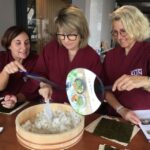
The best part of this Kyoto class is that you do not just watch a sushi chef work. You mix the shari, or seasoned sushi rice, shape your own pieces, add toppings, and eat what you have made. The class also lets you wear a traditional happi coat, giving the session a cheerful Japanese touch.
I like the careful introduction to vinegar rice and the chance to use special ingredients such as fatty tuna and red shrimp. I also like the friendly setup for beginners, with ingredients already cut and an English-speaking instructor on hand. The main drawback is value: at $113 per person, a 90-minute class producing eight sushi pieces and one simple roll may feel too basic for anyone hoping to learn advanced knife work or a wider range of dishes.
In This Review
- Key points at a glance
- What the 90-minute sushi class actually teaches
- Making shari, the part worth paying attention to
- Shaping nigiri and making the simple roll
- The happi coat and the Japanese-style presentation
- What $113 buys you in Kyoto
- Dietary choices and ingredient requests
- Reaching the school near Takeda Station
- Who will enjoy this class most
- Practical details before you reserve
- Should you book the Kyoto sushi class?
- FAQ
- Where is the sushi class held?
- How do I reach the meeting point?
- How long does the activity last?
- What food is included?
- Are drinks included?
- Can vegetarians and vegans take part?
- Can I request fish-cutting instruction?
- Is the class wheelchair accessible?
- Can I cancel for a refund?
Key points at a glance
- Learn the foundation first: You prepare sushi rice with a specially blended vinegar before shaping the sushi.
- Make eight pieces yourself: The class includes eight sushi pieces, plus one simple roll according to the recent class format.
- Wear a happi coat: Choose from various rental garments and take souvenir photos during the session.
- Dietary needs can be discussed: Vegetarian, vegan, Muslim-friendly, non-raw, gluten-free, and allergy-conscious options are available.
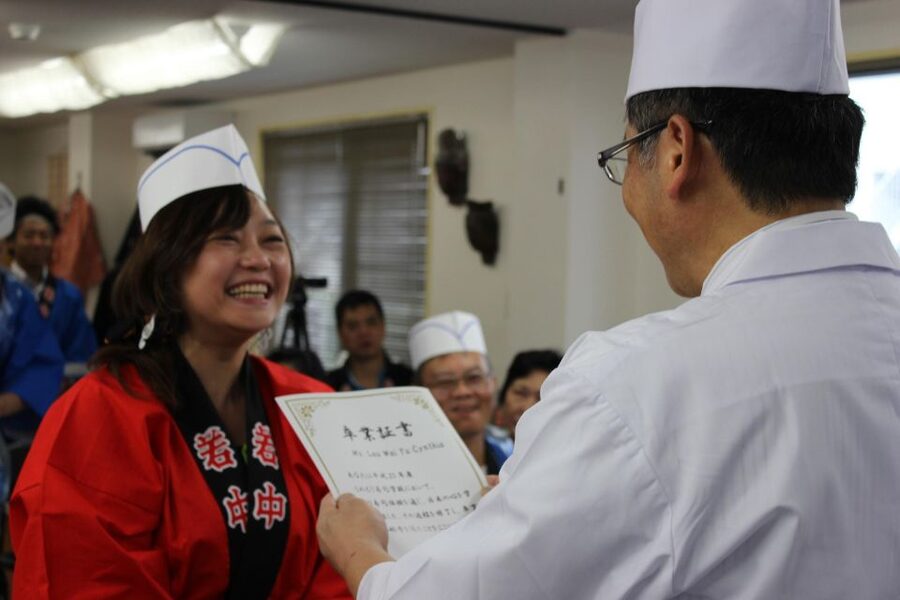
- Finish like a graduate: You receive a completion certificate and take part in a small graduation ceremony.
- Plan for stairs: The building is wheelchair accessible, but there is no elevator, and the class is held upstairs.
What the 90-minute sushi class actually teaches
This is a short, hands-on workshop rather than a full culinary course. The class begins with a lecture on sushi making, then moves quickly into preparation and assembly. Since the ingredients are already cut, you can spend your time learning the basic process instead of struggling with kitchen prep.
The first important lesson is shari, also called sumeshi. Sushi rice is not simply ordinary rice with vinegar poured over it. You mix freshly cooked rice with a special vinegar blend, and the class explains the trick to combining them properly. That step matters because the rice provides the structure, flavor, and texture for every piece that follows.
You then work with the prepared ingredients and toppings. The supplied choices may include green onion, ginger, and other seasonal items. You can select favorites, though the exact toppings change during the year. If you want to learn how fish is cut, ask the instructor. Fish cutting is not the core activity, but the staff will try to meet that request.
The class is designed for first-time sushi makers. You do not need professional knife skills, and the pre-cut ingredients keep the pace manageable. That is useful if you are booking this as a family activity with older children, a couple’s outing, or a relaxed break from temples and museums.
Still, set your expectations correctly. This is not a long lesson in fish anatomy, rice aging, or restaurant-level technique. One recent class format produced eight nigiri and one very simple roll, and a participant found the content too basic for the price. If you want a broad cooking course, you may finish wishing for more hands-on variety.
Other cooking classes in Kyoto

Making shari, the part worth paying attention to
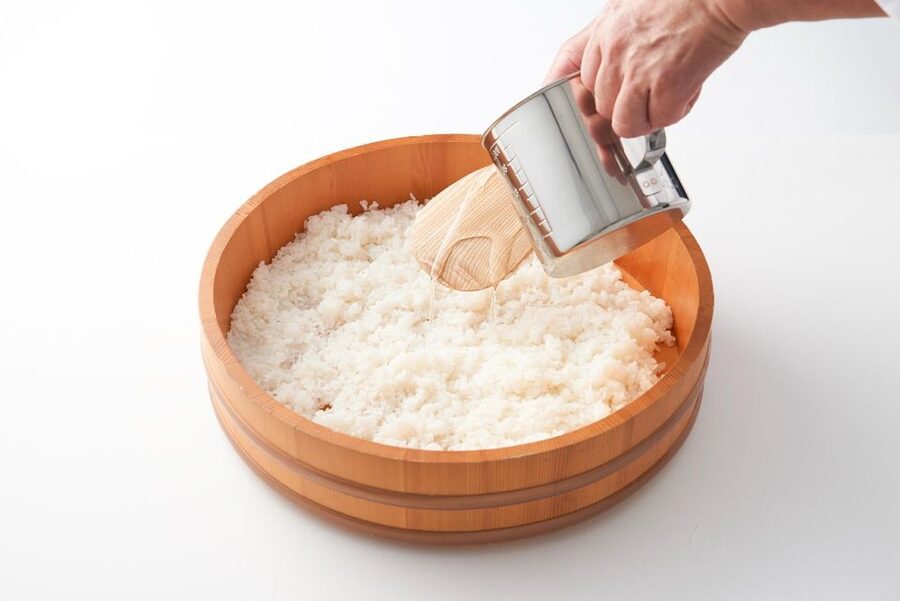
Many visitors focus on the fish, but the rice is the real lesson. The class takes time to show how sushi vinegar is mixed with freshly cooked rice. You learn that the rice must be combined with care, not mashed or stirred without thought.
This is one of the more useful parts of the class because it gives you a practical skill you can try at home. Even if your future sushi never looks perfect, understanding the balance between rice and vinegar will improve the result. The rice also gives you a better sense of why good sushi feels light rather than heavy.
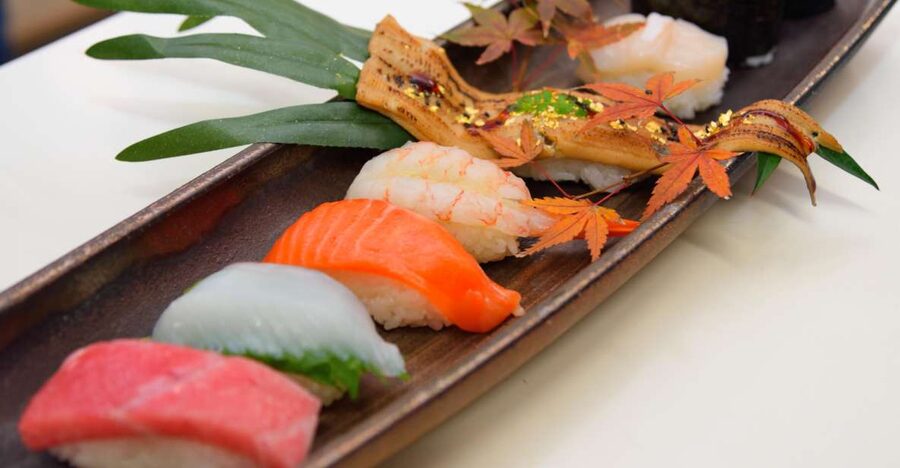
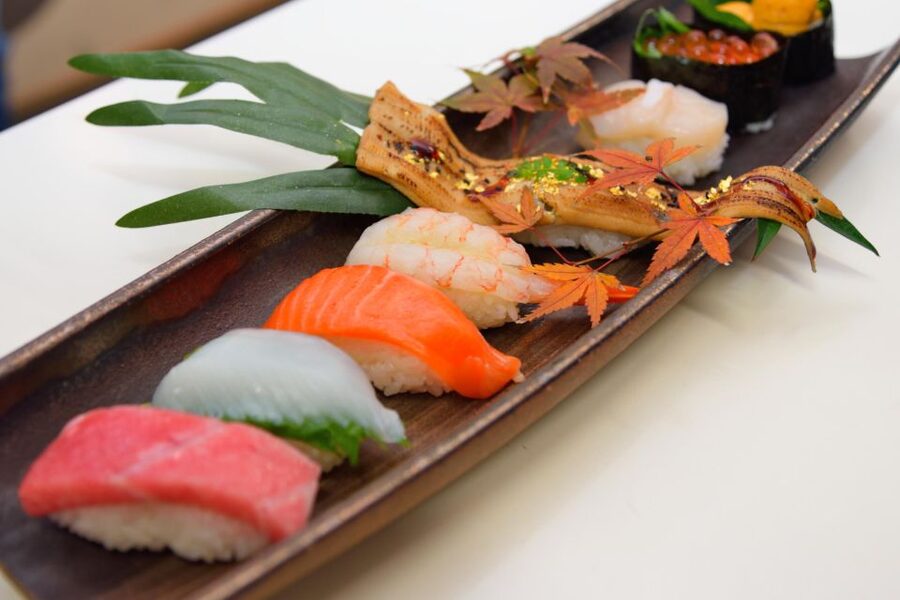
The wording of the class suggests a special vinegar blend, and the ingredients may include premium toppings. Fatty tuna and fresh red shrimp are specifically mentioned as possible ingredients. These are more appealing than a lesson built only around inexpensive vegetables, though seasonal changes mean you should not assume every topping will be available on your date.
The instructor handles the process in English and Japanese. That makes the class accessible to international visitors, though the exact amount of English explanation may vary with the group. If a technique interests you, ask questions as you go. The staff invites requests, especially for fish cutting and dietary adjustments.
Shaping nigiri and making the simple roll
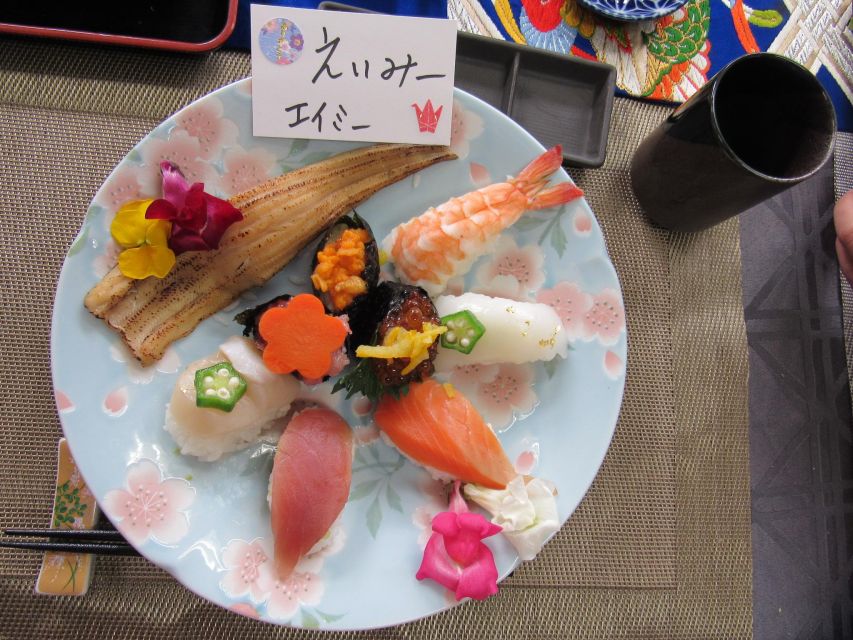
Once the rice is ready, you begin forming the sushi. The included food is eight pieces of sushi, and the class also includes a simple roll in the current format described by a recent participant. This gives you two basic styles to try, though it is not a large menu.
Nigiri looks easy until you try to make it neat. The rice must hold together without becoming a dense block, and the topping needs to sit properly on top. This is where the class works best as a shared activity. You get immediate practice, a clear goal, and a meal at the end.
The roll offers a change of pace, but it is described as very simple. That will suit you if you want a relaxed introduction rather than technical instruction. If you already make sushi at home or have taken cooking classes before, you may find the roll and the total number of pieces limited.
You eat the sushi you prepare yourself at the end. That makes the food part feel more personal than a standard tasting. It also means the finished plate is the reward for your work, not just something placed in front of you.
Drinks are not included. Warm udon is available as an optional menu, and other Japanese dishes such as tempura, tofu, and pork shabu-shabu can also be ordered separately. These extras may help if eight pieces and one roll do not make a full meal for you, but they increase the total cost.
The happi coat and the Japanese-style presentation
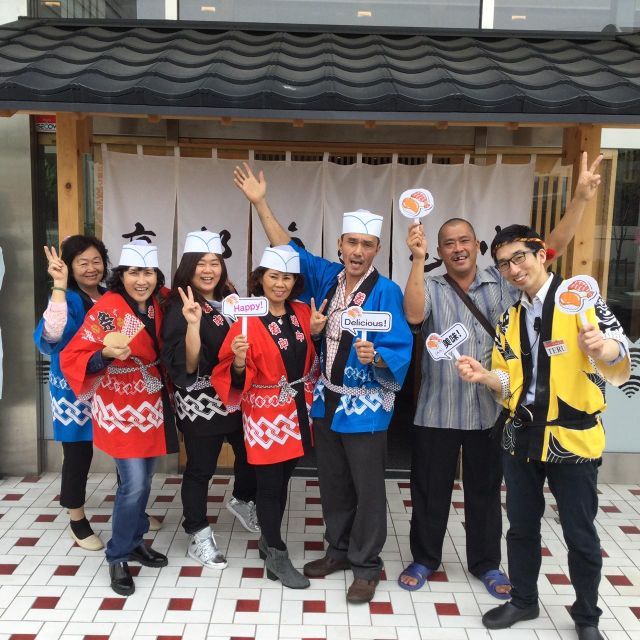
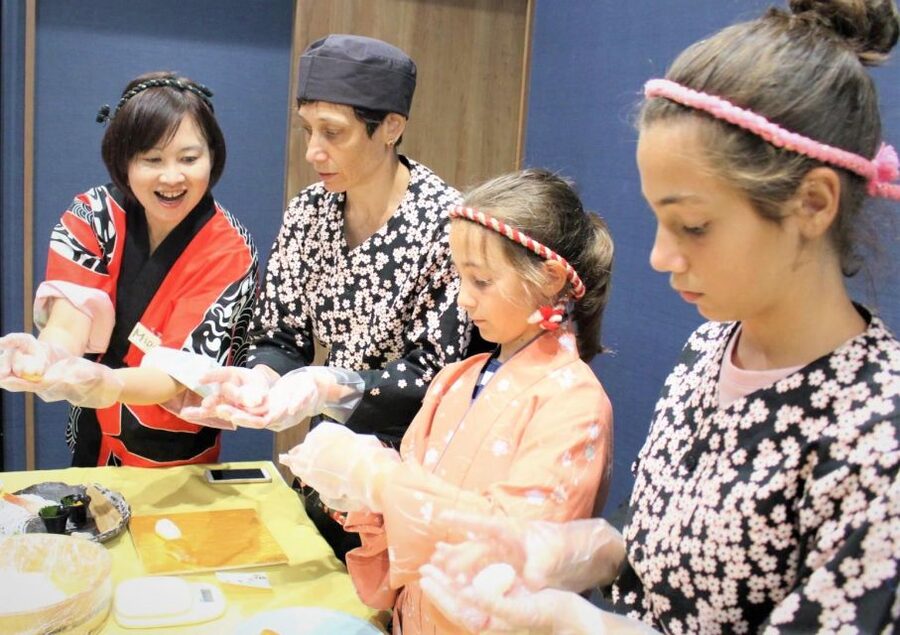
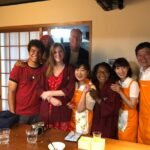
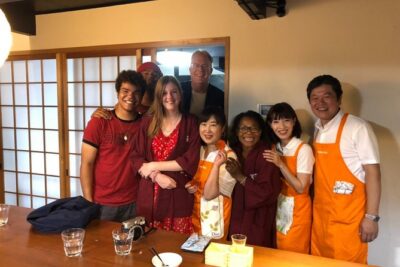
The traditional happi coat is more than a costume photo opportunity. It gives the class a clear Japanese setting and helps turn a basic cooking lesson into a cultural activity. Various rental garments are available, so you can choose what to wear for the session.
Souvenir photography is included. That is useful if you want a record of the class without asking another participant to take pictures. The clothing, photos, and graduation ceremony also make this a good choice for a special holiday outing, especially if you want an activity that feels different from sightseeing.
The tone is meant to be cheerful and welcoming. The class describes the chance to learn Japanese spirits while making sushi, which here refers to the atmosphere and customs of the activity rather than included alcohol. No drink is included, so do not expect a sake tasting as part of the $113 price.
At the end, you receive a certificate of completion. It is a playful touch, not a professional qualification, but it gives the class a tidy finish. Children under three are not allowed, while older children can take part if they can manage the activity and follow instructions.
What $113 buys you in Kyoto
At $113 per person, this is a premium-priced 90-minute class. The price includes the instructor, sushi lecture, eight sushi pieces, toppings, clothing rental, photos, and the completion certificate. It does not include drinks or optional dishes.
I see the value most clearly if you want a compact cultural activity with food, photos, and a bit of dress-up. You are paying not only for the ingredients, but also for a prepared setting, guidance in English, and a structured introduction that does not require previous cooking ability.
The value is weaker if your main aim is quantity or advanced technique. Eight pieces and one basic roll are not a large meal, and the class does not promise a long fish-cutting lesson. One participant felt the workshop was too basic for the price, and that is a fair warning for experienced home cooks.
For a first sushi class, the price may make sense if you value the setting and the ceremony. For a serious food student, I would compare it with longer classes before booking. The key question is simple: do you want a fun Kyoto activity with sushi making, or do you want a detailed professional cooking lesson?
Other cooking classes in Kyoto
Dietary choices and ingredient requests
The class makes a clear effort to handle different diets. Vegetarian, vegan, Muslim-friendly, non-raw, gluten-free, and allergy-conscious options are available. This is a strong practical point because sushi classes often assume that everyone wants raw fish.
You should communicate your needs before the class or as early as possible. The ingredients are prepared in advance, so the staff needs time to make suitable choices. The class does not provide special infant meals, which matters for families with very young children.
The standard session may include raw seafood, such as fatty tuna or red shrimp. If you do not eat raw fish, ask for the non-raw option rather than assuming you can simply skip the seafood. The available toppings can vary by season, so a particular substitute should not be treated as guaranteed unless the school confirms it.
Vegetarians and vegans should also ask about the exact toppings and possible ingredients in sauces or seasonings. The activity states that friendly menus are available, but it does not list a fixed vegetarian or vegan menu.
Reaching the school near Takeda Station
The meeting point is near Takeda Station, served by the Kintetsu and subway lines. Get off at the west entrance, take a city bus, and leave at the stop in front of Puls Plaza.
From there, walk down the street and turn right at the first corner. At the first corner after that, turn left, and the school should be on your right. These directions involve several turns, so I would leave extra time and keep the address or meeting details ready on your phone.
The location is near public transportation, which is helpful in Kyoto, where a short activity can otherwise consume a surprising amount of sightseeing time. Check the available start time when booking, and plan your route before leaving central Kyoto.
The class operates in all weather. Rain does not cancel it, so it can be a useful indoor plan on a wet day. The building has no elevator. Although staff can help elderly or disabled participants up the stairs, wheelchair users should confirm the practical arrangements in advance because the activity is described as wheelchair accessible but also requires stair access.
Who will enjoy this class most
I would recommend this activity to first-time sushi makers who want a light, social lesson. It also suits people who like food photography, cultural dress, and a clear activity with a beginning, middle, and end.
It can work well for:
- Couples looking for a shared activity
- Families with children over three
- Visitors who need vegetarian, vegan, Muslim-friendly, gluten-free, or non-raw options
- Anyone who wants an indoor Kyoto plan
- Beginners who prefer pre-cut ingredients
- People who want a certificate and souvenir photos
I would be more cautious if you are an experienced cook. The amount of food is modest, and the instruction may not go far beyond basic rice preparation, nigiri, and a simple roll. Ask about fish cutting if that is your priority, but understand that it is an optional request rather than the advertised center of the class.
The activity has received a mix of reactions, though the overall rating is 4.2 from nine reviews. The strongest praise focuses on the welcoming people, tasty food, and pleasant atmosphere. Lynda called the session amazing from beginning to end, while Zack praised both the food and the staff. Those comments fit the design of the class: it is built to be friendly and enjoyable, not demanding.
Practical details before you reserve
The class lasts 90 minutes, so it fits neatly into a Kyoto day. You can reserve now and pay later, which is useful when your temple visits and train plans are still shifting. Cancellation is free up to 24 hours before the activity for a full refund.
The instructor speaks English and Japanese. Pets are not allowed, though assistance dogs are permitted, and smoking is not allowed indoors.
Bring an appetite, but do not assume the included sushi is a full dinner. Eight pieces and one simple roll may be enough for a light meal, while optional udon or other Japanese dishes can add more food. Since drinks are extra, plan accordingly.
Seasonal toppings are part of the appeal, but they also mean the exact plate can change. If you have a strict allergy or avoid certain ingredients, contact the school before arriving rather than relying on the standard menu.
Should you book the Kyoto sushi class?
Book it if you want a friendly, beginner-level activity that combines sushi making, traditional clothing, photos, and a small graduation ceremony. The instruction on shari is useful, the prepared ingredients keep the class approachable, and the dietary flexibility is better than many casual food activities.
Skip it if you want a long, technical lesson or a large meal. At $113, the class asks you to value the cultural presentation and guided activity as much as the sushi itself. For a first introduction, that can be a fair trade. For an experienced cook, the eight pieces and basic roll may not justify the cost.
FAQ
Where is the sushi class held?
The class is in Kyoto on Honshu, near Takeda Station. The station is served by the Kintetsu and subway lines.
How do I reach the meeting point?
Leave Takeda Station through the west entrance. Take a city bus to the stop in front of Puls Plaza, walk down the street, turn right at the first corner, then turn left at the next first corner. The school is on your right.
How long does the activity last?
The sushi-making activity lasts 90 minutes.
What food is included?
The standard activity includes eight pieces of sushi and various toppings, such as green onion and ginger. A recent class format also included one simple roll.
Are drinks included?
No. Drinks are not included. Warm udon and other Japanese dishes are available as optional menus.
Can vegetarians and vegans take part?
Yes. Vegetarian and vegan-friendly menus are available. Muslim-friendly, non-raw, gluten-free, and allergy-conscious options are also available.
Can I request fish-cutting instruction?
Yes. You can ask to learn fish cuts, and the staff will try to meet your request. Fish cutting is not required for beginners.
Is the class wheelchair accessible?
The activity is described as wheelchair accessible, but the building has no elevator. Staff can help elderly or disabled participants use the stairs.
Can I cancel for a refund?
Yes. You can cancel up to 24 hours in advance for a full refund. Reserve now and pay later is also available.
More Workshops & Classes in Kyoto
More Cooking Classes in Kyoto
More Cooking Classes in Kyoto
More tours in Kyoto we've reviewed



Cooking Classes, compared.
 ★ 5.0Ramen Cooking Class at Ramen Factory in KyotoFrom $131
 ★ 4.9Kyoto: Ramen Cooking Class at a Ramen Factory with SouvenirFrom $1271h 30m
 ★ 5.0Kyoto: Ramen, Gyoza, and Onigiri Cooking ClassFrom $901h 30m
 ★ 5.0Kyoto: Japanese Washoku Bento Small Group Cooking ClassFrom $582h 30m
 ★ 4.9Kyoto: Afternoon Japanese Izakaya Cooking ClassFrom $673 hours
 ★ 5.0Izakaya Style Cooking ClassFrom $71