
Reviewed · GION & GEISHA WALKS
Kyoto: Geisha Dinner & Gion Cultural Walk
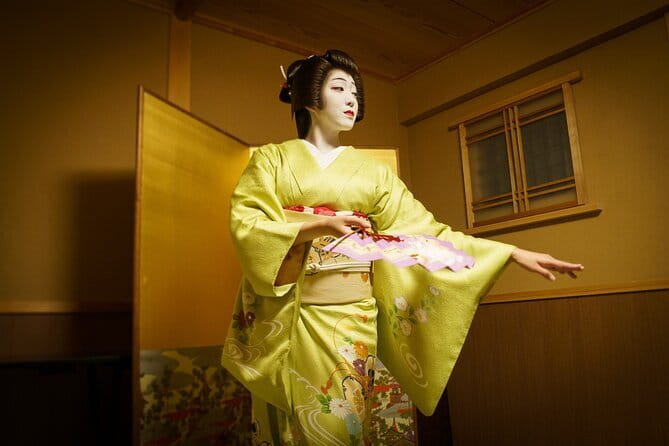
Kyoto’s geisha culture is best understood in an intimate setting, not from a distance behind a camera. This three-hour evening combines a walk through Gion Shirakawa and Hanamikoji Street with a kaiseki dinner and time with a geisha or maiko, who may dance, play traditional instruments, and talk with the group.
I like two things here. First, the small maximum of 10 people gives the evening a more personal feel than a large dinner show. Second, the package includes a full kaiseki course, two hours of geisha or maiko accompaniment, and unlimited included drinks. The main consideration is that attendance by a geiko or maiko depends on availability, and the group tour needs at least four participants to proceed.
In This Review
- Key points to know before booking
- Why This Gion Evening Feels Different
- Starting at Gion Shirakawa
- Walking Hanamikoji Street After Dark
- What the Kaiseki Dinner Adds
- Two Hours With a Geisha or Maiko
- Group Size, Timing, and the Four-Person Minimum
- What I Like Most About the Experience
- Points to Weigh Before Paying $274.35
- Who Should Book This Gion Dinner?
- Should You Book the Kyoto Geisha Dinner?
- FAQ
- How long does the Kyoto Geisha Dinner and Gion Cultural Walk last?
- Where does the tour begin?
- Where does the tour end?
- Is dinner included?
- Are drinks included?
- Will a geisha or maiko definitely attend?
- How many people can join the group?
Key points to know before booking
- Gion Shirakawa sets the scene: Spend about 30 minutes beside the canal, willow trees, wooden machiya houses, and traditional tea houses.
- Hanamikoji leads to dinner: The remaining two and a half hours take place around Kyoto’s best-known geisha district and the restaurant.
- Dinner is kaiseki: A multi-course Japanese meal is included, giving the evening more substance than a short performance with snacks.
- Two hours with a geisha or maiko: Expect traditional dance, musical instruments, and conversation, subject to availability.
- The group stays small: The maximum is 10 people, though at least four are needed for the outing to go ahead.
- Accessibility planning is possible: A wheelchair user received advance assistance and praised the communication from the operator and Sayaka.
Why This Gion Evening Feels Different
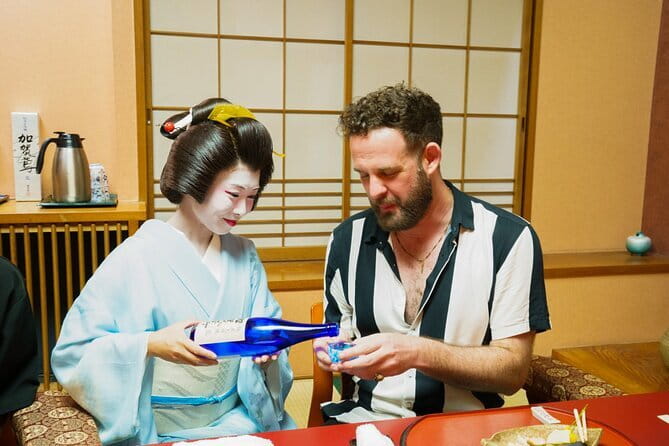
Many Kyoto evenings in Gion involve walking past closed wooden doors and hoping to catch a glimpse of a maiko on the way to an appointment. This tour gives you a planned introduction instead. You see the setting first, then sit down for dinner with a geisha or maiko in a controlled, respectful setting.
That matters because geisha culture can be difficult to understand from the street. The clothing is striking, but the real subject is the training behind the performance: music, dance, conversation, posture, etiquette, and the customs of the entertainment districts. Your guide explains that world while you enjoy the evening rather than trying to piece it together from signs or hurried photographs.
The experience is not cheap at $274.35 per person, so you should think of it as a special cultural evening rather than a simple meal. The price covers the kaiseki course, two hours of accompaniment, and unlimited included drinks. For you, the value depends on how much you want direct contact with Kyoto’s traditional performing arts.
A few more Kyoto tours and experiences worth a look

Starting at Gion Shirakawa
The meeting point is CACAO MARKET by MARIEBELLE KYOTO, at 165-2 Tokiwacho in Higashiyama Ward. From there, the tour begins with roughly 30 minutes around Gion Shirakawa. Admission is free, and the area itself works as a fine introduction to the district.
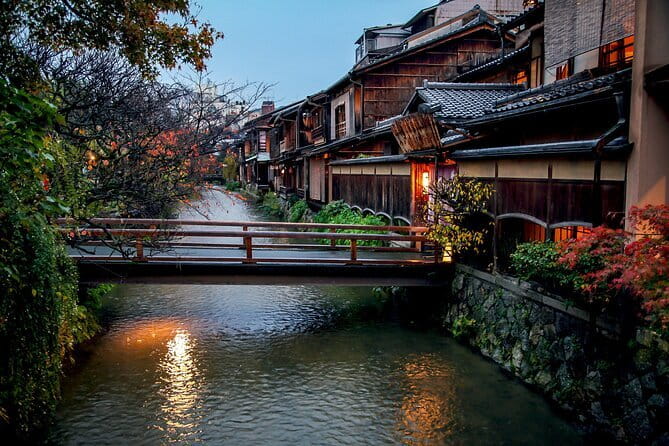
Gion Shirakawa follows the Shirakawa Canal, where willow trees frame the water and traditional wooden houses line the narrow streets. The setting is calm and photogenic, especially during cherry blossom season, when pink flowers appear along the canal. Even outside spring, the combination of cobblestones, timber buildings, and tea houses gives you a clear sense of old Kyoto.
I like this opening because it gives the evening a sense of place before dinner. You are not dropped straight into a restaurant with no context. Instead, you begin in one of the district’s most attractive corners and learn how the traditional buildings and streets connect to geisha culture.
Keep your expectations realistic. This is a short orientation walk, not a full walking tour of Gion. You have about half an hour here, so the value comes from the atmosphere and the guide’s explanation rather than a long list of sights.
Walking Hanamikoji Street After Dark
The tour then continues along Hanamikoji Street, with about two and a half hours allocated to this part of the evening and the restaurant visit. Hanamikoji runs through Gion from Sanjo-dori toward Kenninji Temple and is lined with preserved wooden machiya houses. Some are tea houses or high-end restaurants, many of which are not open for casual drop-in visits.
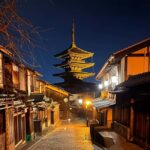
At night, lanterns cast a warm light over the street. You might see a geisha or maiko walking to an appointment, though the point of this tour is not to chase people or treat the district like a stage set. The street is valuable because it shows you the working environment behind the evening’s dinner.
Your guide can also help explain the difference between a geiko and a maiko. In Kyoto, geiko refers to a fully trained geisha, while maiko are apprentices still developing their artistic skills. The tour description promises insight into their lives, customs, training, and cultural role, so you should come ready to listen rather than simply watch.
The meeting and ending points are close to the relevant Gion venues. The evening ends at FamilyMart at 573-4 Gionmachi Minamigawa, described as being close to the geisha house used for the experience. Public transportation is nearby, which helps, though you should still allow time to find the first meeting point in Gion’s narrow streets.
What the Kaiseki Dinner Adds
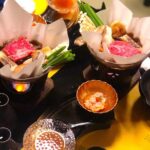
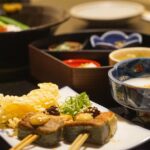
Dinner is a kaiseki course meal, not just a drink and a short demonstration. Kaiseki is known for carefully prepared, seasonal Japanese dishes presented in a series of courses. The supplied details do not specify the exact menu, so you should not book this expecting a particular fish, soup, dessert, or dietary arrangement unless the operator confirms it directly.
The meal gives the evening a natural rhythm. You have time to settle in, eat, listen, and speak with the geisha or maiko. That is more relaxed than a brief theater-style performance where everyone watches from fixed seats and leaves soon after the final song.
Drinks are included without a stated limit, while extra food and drinks are not included. The wording can seem slightly confusing, so read it as unlimited drinks within the included arrangement, with any additional items outside that arrangement charged separately. If you want more food or a different drink, plan to pay extra.
At this price, the dinner is a major part of the value. A simple neighborhood meal would cost far less, but it would not include the cultural presentation or the guide’s explanations. You are paying for the combination of food, access, interpretation, and time with the performers.
Two Hours With a Geisha or Maiko
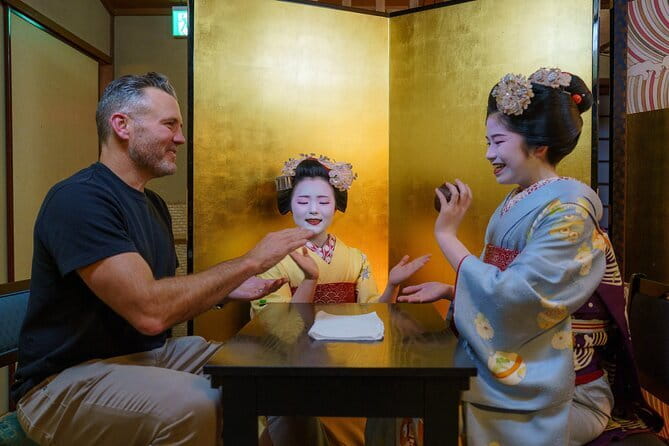
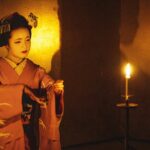
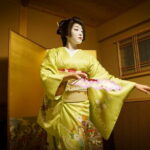
The centerpiece is up to two hours of accompaniment by a geisha or maiko. The planned program may include traditional dances, musical instruments, and elegant conversation. Your guide also explains the customs and significance of what you see, which helps prevent the performance from becoming a spectacle without context.
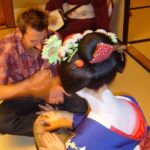
The conversation is especially important. Dance and music show one part of the work, but discussion lets you understand the discipline and social skills involved. You may learn about the training process, the role of the entertainment houses, and the etiquette surrounding these traditional arts.
There is one important condition: the operator cannot guarantee that a geiko or maiko will attend every time. Availability varies, and you will be notified in advance if the arrangement cannot be made. This is not a minor footnote. The direct meeting is the reason many people will consider paying $274.35, so check your messages before the evening and make sure you understand what happens if attendance is unavailable.
The guide’s role also matters. One wheelchair user reported excellent communication before the tour and specifically described Sayaka as kind and polite. That gives you a useful point of contact if you need to discuss mobility or other arrangements before booking. It does not mean every physical detail is guaranteed, so contact the operator early with precise needs.
Other walking tours we've reviewed in Kyoto

Group Size, Timing, and the Four-Person Minimum
The maximum group size is 10 people. That is small enough for the guide to keep the evening organized and for conversation to feel possible. It also means the tour is not a private dinner. You will share the experience with other members of the group, and the atmosphere can depend partly on how comfortable everyone is with conversation and cultural etiquette.
The group needs at least four participants. If fewer than four people are booked close to the date, the outing may not proceed. This is worth considering if your Kyoto schedule is tight or if the evening is tied to another reservation.
The advertised length is about three hours. That is enough time for the Gion walk, dinner, and the two-hour geisha or maiko portion, but it leaves little room for delay. Do not schedule a distant evening activity immediately afterward. The narrow streets and dinner format call for a relaxed pace.
The meeting point is near public transportation, and most people can participate. Gion is easy to reach in general, but its lanes and traditional buildings can make exact locations less obvious than a large station entrance. Keep the confirmation on your phone because the tour uses a mobile ticket.
What I Like Most About the Experience
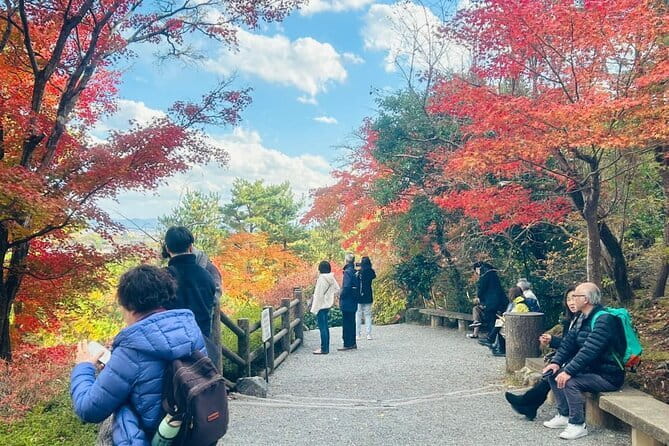
The strongest feature is the balance between place and performance. Gion Shirakawa and Hanamikoji Street are not random backdrops. They explain why Kyoto’s geisha culture developed in this part of the city and let you see the traditional architecture before sitting down to dinner.
I also like the time allocation. Two hours with a geisha or maiko is long enough to move beyond a quick appearance. You can watch the arts, hear the explanations, and take part in conversation without feeling rushed through the main event.
The small group helps, too. With no more than 10 people, the guide has a better chance of keeping everyone involved. This is particularly useful for a cultural activity where questions and careful listening are more rewarding than simply taking pictures.
The high satisfaction level, with a five-star rating from 14 reviews and a 100 percent recommendation figure, supports the idea that the evening delivers what it promises. The most praised points are the intimate atmosphere, the quality of the dinner, the direct time with the geisha, and the operator’s communication with a wheelchair user.
Points to Weigh Before Paying $274.35
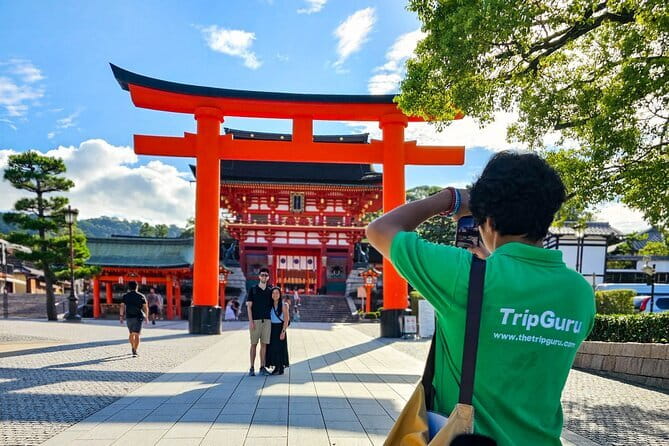
The price is the clearest drawback. At $274.35 per person, this is a major splurge, especially if you are traveling as a family or group. You should choose it for the rare cultural access, not because it is an economical way to eat dinner in Kyoto.
The geisha or maiko appearance is also subject to availability. If that part is essential for you, the advance notification policy matters. You may prefer to contact Travel Japan Together before booking and ask how often the arrangement changes, though no guarantee can be assumed.
The cancellation policy is strict. The booking is non-refundable and cannot be changed for any reason. That makes travel insurance or careful calendar planning sensible, though neither changes the operator’s stated terms.
Food preferences are another point to clarify. A kaiseki meal can include a range of ingredients and courses, but the supplied information does not list substitutions or allergy procedures. Contact the provider before paying if you have dietary restrictions.
Who Should Book This Gion Dinner?
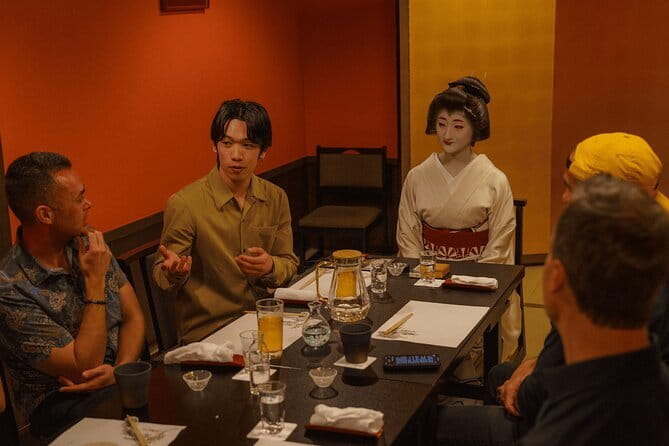
I would recommend this experience to you if Kyoto’s traditional arts are a top priority and you want more than a street sighting. It suits couples, small groups, and first-time visitors who would appreciate having the setting and customs explained in one evening.
It is also a strong choice for a special occasion. The kaiseki meal, lantern-lit streets, music, dance, and formal conversation create an evening with a clear sense of ceremony.
You may want to skip it if your main goal is low-cost local dining, independent exploration, or a guaranteed geisha appearance. You should also think twice if your schedule cannot absorb a possible change caused by the four-person minimum or performer availability.
For wheelchair users, the advance communication is encouraging. One guest received help arranging the experience and described it as almost barrier-free, but you should still provide your exact requirements before booking rather than relying on general accessibility wording.
Should You Book the Kyoto Geisha Dinner?
Book it if you are prepared to pay for a rare, guided cultural encounter and understand that performer availability is not guaranteed. The combination of Gion Shirakawa, Hanamikoji Street, kaiseki dinner, included drinks, and two hours of geisha or maiko accompaniment gives the evening real substance.
Before confirming, check three things: that your date allows for the four-person minimum, that you accept the non-refundable terms, and that the operator has confirmed any mobility or dietary needs. If those conditions work for you, this is one of the more focused ways to approach Kyoto’s geisha culture without treating it as a quick photo opportunity.
FAQ
How long does the Kyoto Geisha Dinner and Gion Cultural Walk last?
The experience lasts approximately three hours.
Where does the tour begin?
It begins at CACAO MARKET by MARIEBELLE KYOTO, 165-2 Tokiwacho, Higashiyama Ward, Kyoto, 605-0079, Japan.
Where does the tour end?
It ends at FamilyMart, 573-4 Gionmachi Minamigawa, Higashiyama Ward, Kyoto, 605-0074, Japan. This location is close to the geisha house used for the experience.
Is dinner included?
Yes. A kaiseki course meal is included.
Are drinks included?
Yes. Unlimited included drinks are part of the package. Extra drinks and food are not included.
Will a geisha or maiko definitely attend?
No. Attendance depends on geiko and maiko availability. If the operator cannot arrange attendance, you will be notified in advance.
How many people can join the group?
The maximum is 10 people. The group tour requires at least four participants and may not proceed if that minimum is not reached close to the tour date.
More Dining Experiences in Kyoto

More Walking Tours in Kyoto
More Gion & Geisha Walks in Kyoto
More tours in Kyoto we've reviewed


Gion & Geisha Walks, compared.
 ★ 4.7Kyoto Geisha Walking Tour: Gion District & Hidden GemsFrom $252 hours
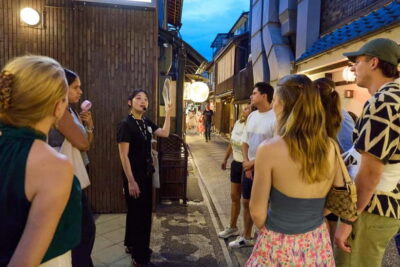 ★ 4.7Kyoto: Gion Geisha District Walking Tour – Stories of GeishaFrom $202 hours
 ★ 4.9Best of Kyoto: Gion, Geisha, Pagodas & CobblestonesFrom $242 hours
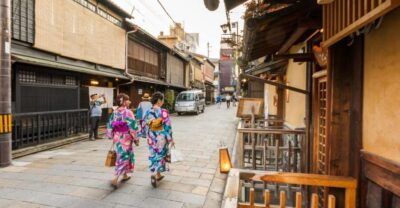 ★ 4.5Night Walk in Gion: Kyoto’s Geisha DistrictFrom $211h 40m
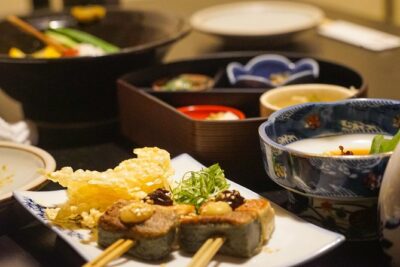 ★ 5.0Kyoto Night Foodie Tour in Gion (9+ dishes + 6 Sake tastings)From $163
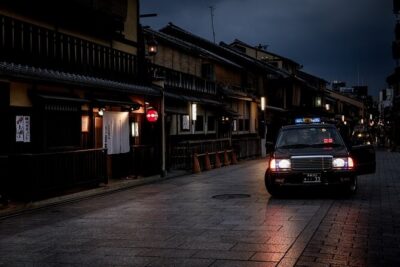 ★ 5.0Kyoto Gion Geisha District Walking Tour – The Stories of GeishaFrom $25