
Reviewed · LUNCH EXPERIENCES
Kyoto: Early Bird E-Bike Tour with Lunch
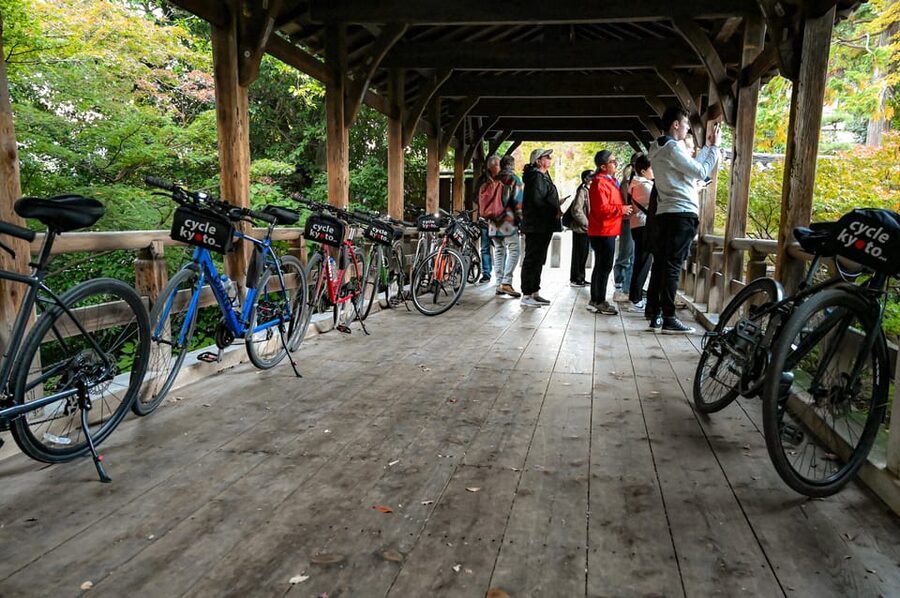
Kyoto’s famous sights are easier to appreciate from an e-bike before the tour buses arrive. This seven-hour morning ride links Fushimi Inari, Tofukuji, Ginkakuji, Nanzenji, Heian Shrine, Gion, and Higashi Honganji without making you depend on trains and taxis.
I like the early start, which gives you a calmer look at Fushimi Inari, and I like the small group, limited to eight people. Coffee at a local café and a proper sit-down lunch also make this feel like a full day out, not a rushed sightseeing circuit.
The main catch is simple: you need to be comfortable riding a bicycle for much of the day. Kyoto is not flat everywhere, and one past participant specifically advised choosing an e-bike because of the uphill sections.
In This Review
- Key points to know before you book
- Why an early e-bike start works so well in Kyoto
- Fushimi Inari and Tofukuji in the quiet morning
- Coffee at a local café, then north to Ginkakuji
- The Path of Philosophy and Nanzenji’s temple grounds
- Heian Shrine, the Shirakawa Canal, and Gion
- How hard is the seven-hour ride?
- Guides, group size, and the personal feel
- Is $135 a fair price?
- Who should book this Kyoto bike tour?
- Should you book the Cycle Kyoto early-bird ride?
- FAQ
- How long does the Kyoto e-bike tour last?
- What is included in the price?
- Where does the tour meet?
- How large is the group?
- Can I join if I do not know how to ride a bike?
- What should I bring?
Key points to know before you book
- Fushimi Inari before the crowds: Start at Kyoto’s famous orange shrine gates when the morning is still relatively quiet.
- A full east and south Kyoto route: Cover major temples, canals, river paths, Gion, and traditional streets in one day.
- Coffee and lunch are included: The breaks give your legs a rest and add a local café and restaurant stop.
- Small English-speaking group: With no more than eight participants, the guide can adjust the pace and answer questions.
- Well-maintained e-bikes: The bikes are designed to make Kyoto’s longer distances and hills manageable.
- A demanding but practical day: Expect around seven hours, with roughly 15 minutes for the safety briefing and many hours of riding and sightseeing.
Why an early e-bike start works so well in Kyoto
Kyoto’s best-known temples are spread across a wide area. You can connect them by public transport, but that often means walking to stations, waiting for buses, and backtracking. A bicycle gives you a much better sense of how the city fits together.
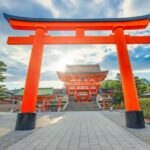
This tour begins at Cycle Kyoto, near JR Kyoto Station, and heads south. That is a smart direction because Fushimi Inari is one of the busiest sights in town. Arriving early gives you a better chance to see its torii gates and shrine grounds without the thickest crowds.
The e-bike matters here. You still pedal, but the motor takes the sting out of longer stretches and uphill roads. You should not treat it as a lazy sightseeing vehicle, though. You need to ride confidently, follow the guide, and stay alert on city streets.
The small group size is another real advantage. Eight people is enough for a sociable day but small enough for the guide to keep the group together. The guide can also make room for a photo stop or adjust the time at a particular sight, something that is harder with a large coach group.
Other cycling tours in Kyoto
Fushimi Inari and Tofukuji in the quiet morning
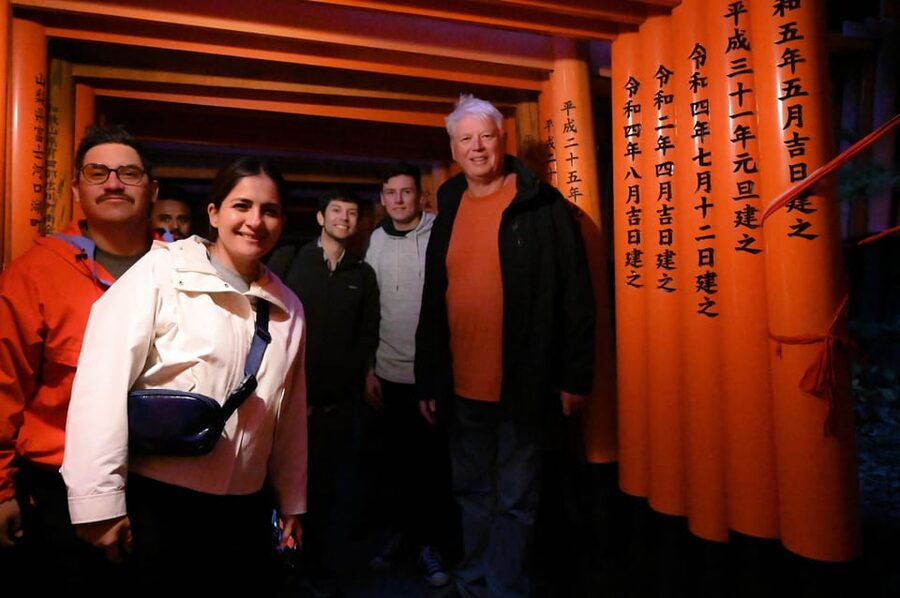
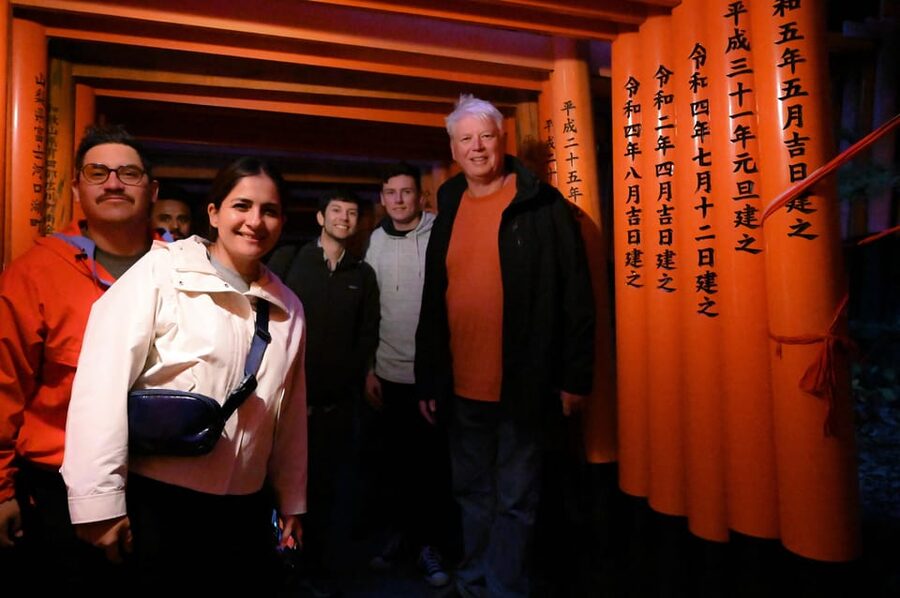
After a short 15-minute safety briefing, you ride to Fushimi Inari Taisha. The shrine is famous for its seemingly endless rows of orange torii gates, but the grounds also include smaller shrines, stone fox figures, wooded paths, and fine views as you climb.
The guided visit lasts about 45 minutes. That is enough to see the main features and get useful context without spending the entire day on the mountain. You can take photographs, but keep your pace moving because the group has several more stops ahead.
The early timing is the key point. Fushimi Inari is open around the clock, so an early visit is possible, and this tour uses that advantage. You will still see other people, but the experience should feel less hemmed in than a late-morning visit.
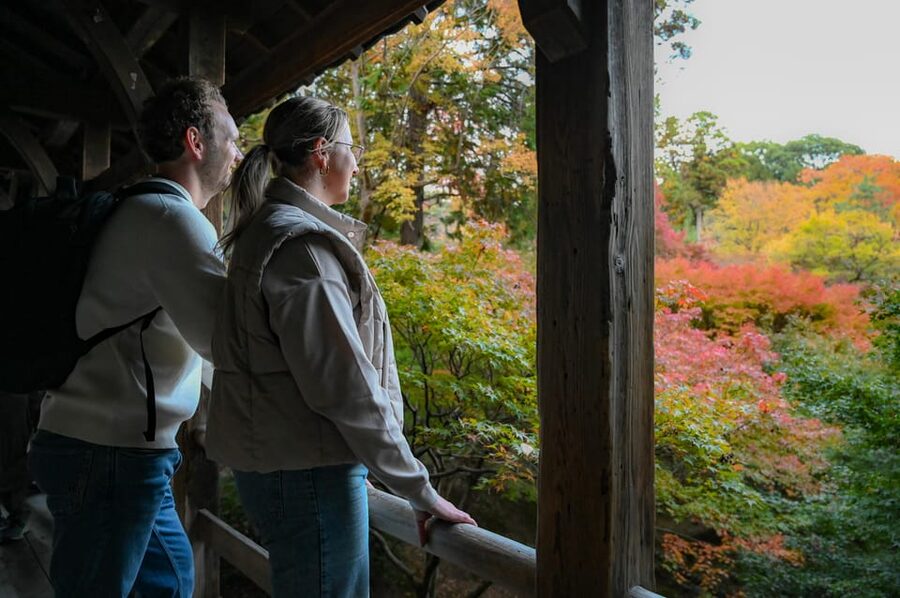
From there, the route takes you to Tofukuji Temple. Tofukuji is particularly known for its temple buildings, gardens, and autumn foliage, though the appeal is not limited to one season. Its broad grounds provide a welcome change after the close rows of shrine gates.
The schedule allows about 40 minutes around the Kamo River after the southern temple stops. Cycling beside the river gives you a less formal view of Kyoto. You will see open space, water, bridges, and city life rather than another temple enclosure. It is also a pleasant way to break up the morning.
Coffee at a local café, then north to Ginkakuji
A 20-minute coffee stop follows at one of the guide’s favorite local cafés. The supplied details do not name the café, so do not book this expecting a particular famous coffee shop. The value is in the pause and in having a guide point you toward a place they personally like.
Coffee is a small inclusion, but it improves the rhythm of the day. You have already ridden and visited a shrine and temple, and this is a chance to warm up, cool down, or simply sit for a few minutes before the longer northern section.
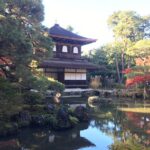
The route then follows the Kamo River and heads toward Ginkakuji, also called the Silver Pavilion. The temple is part of the UNESCO-listed Historic Monuments of Ancient Kyoto. Despite the English name, the pavilion is not covered in silver. Its restrained design, mossy grounds, and carefully shaped dry garden are the real attractions.
You spend about an hour at Ginkakuji with the guide. That is a useful amount of time because the grounds reward a slower look. Pay attention to the garden forms, the relationship between the buildings and hillside, and the contrast between the pavilion’s simple exterior and the polished details around it.
Ginkakuji can be busy, especially later in the day. The tour does not promise an empty temple, but arriving as part of a planned morning route helps you avoid wasting time figuring out tickets, directions, and transport.
The Path of Philosophy and Nanzenji’s temple grounds
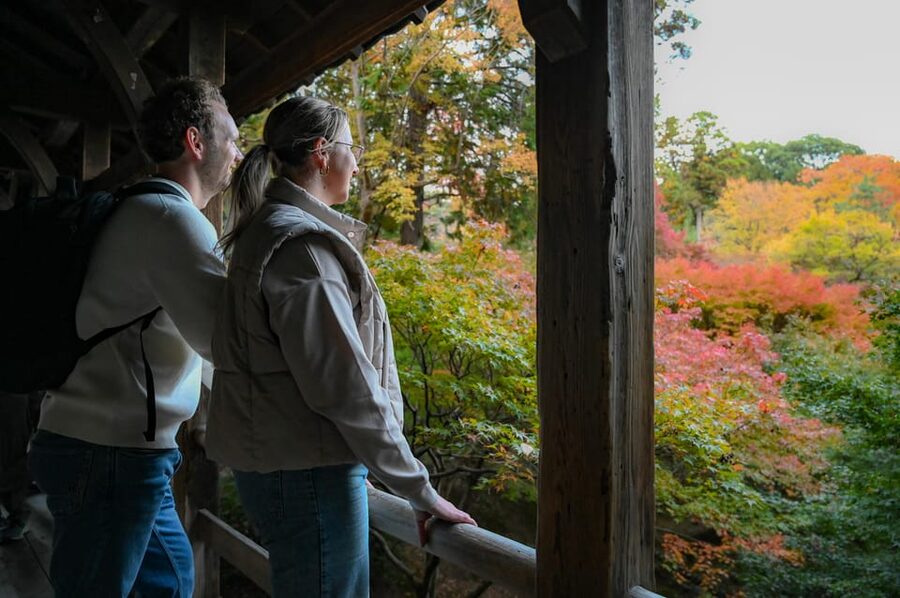
After Ginkakuji, you ride slowly south along the Path of Philosophy. This famous route follows a canal and is lined with trees, small shops, cafés, and residential streets. Its mood changes by season, with blossoms in spring and warm color later in the year, but the canal itself gives the ride a steady, peaceful shape.
The word slowly matters. This is not a race between landmarks. You will want time for photographs and for the simple pleasure of moving through one of Kyoto’s most attractive walking areas on two wheels. Be considerate of pedestrians, since the path can be shared and sections may feel narrow.
Nanzenji comes next, with about 35 minutes for a guided visit. The temple complex includes traditional gardens, ornate religious buildings, and the striking red brick aqueduct that crosses part of the grounds. That aqueduct is one of Kyoto’s more unexpected sights. It has a Western industrial look, yet it sits within a setting of old temple architecture and gardens.
The tour lists an additional 15-minute visit before the restaurant stop, followed by about 40 minutes for a sit-down lunch. The exact stop is not specified in the supplied details, but the route later includes Heian Shrine, so your guide will manage the timing across this central Kyoto section.
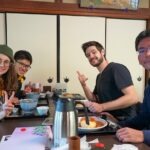
Lunch is included, which helps justify the $135 price. You are not buying only a bike rental and a guide. The day also includes morning coffee, water, a meal, helmet use, and access to a route that would be awkward to reproduce independently in one day.
Heian Shrine, the Shirakawa Canal, and Gion
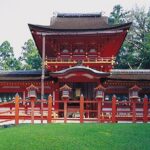
Heian Shrine receives about 30 minutes. Its large torii and broad grounds give you a different scale from the tighter temple lanes and wooded shrine paths earlier in the day. The shrine is a useful contrast in the itinerary, though the stop is shorter than the hour at Ginkakuji.
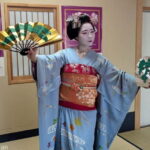
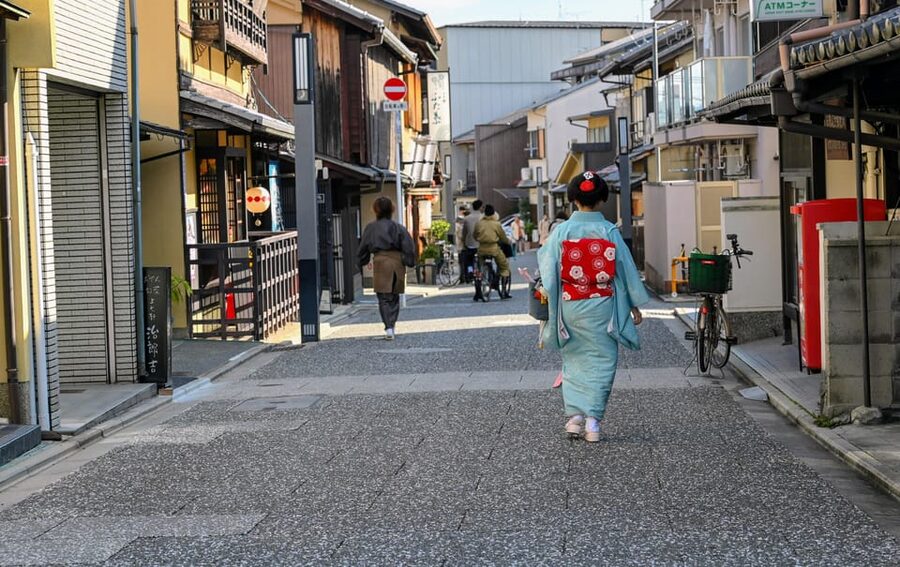
The final section heads south along the Shirakawa Canal and into Gion. This is one of the most atmospheric parts of the ride. The canal, traditional buildings, narrow lanes, and quiet corners create a strong sense of old Kyoto, though you should remember that Gion is also a living neighborhood, not an outdoor stage.
The guided Gion visit lasts about 50 minutes. Your guide can help you understand the area’s layout and point out details you might miss while walking alone. Ride slowly, respect signs and private entrances, and do not block narrow streets for photographs.
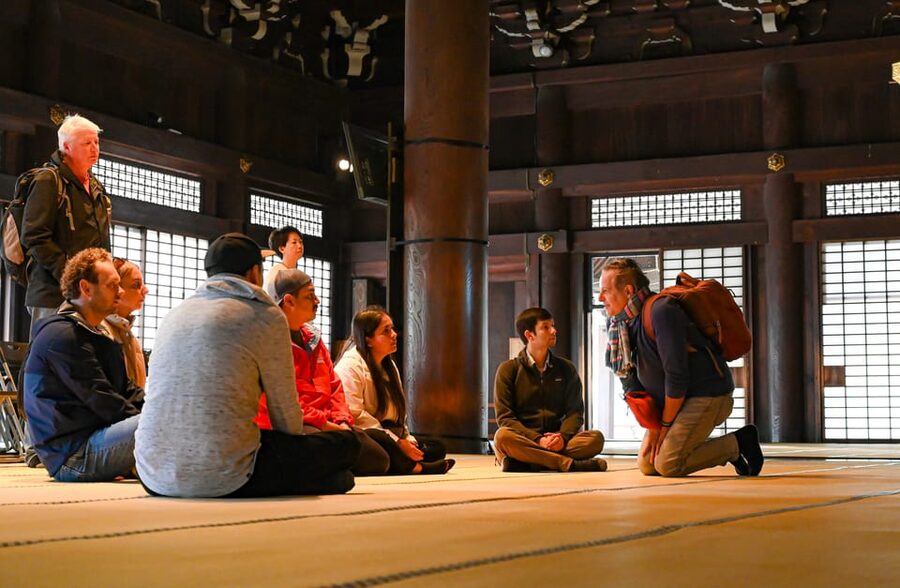
The route then continues toward Higashi Honganji Temple. This large temple complex near Kyoto Station provides a strong closing point before you return to Cycle Kyoto. The final guided visit is listed at about 50 minutes, so the day does not simply end with a quick pedal back to the starting point.
By the time you return, you will have seen religious sites from several traditions, river and canal routes, formal gardens, central neighborhoods, and Gion streets. That variety is one of the tour’s best features.
A few more Kyoto tours and experiences worth a look

How hard is the seven-hour ride?
The tour is manageable for a confident cyclist, but it is not a passive bus excursion. You should expect repeated riding between stops, city traffic, some uphill sections, and enough time on the bike that comfortable clothing matters.
The e-bike reduces the physical strain, but it does not remove it. A past participant found the day surprisingly easy to handle with an electric bike and specifically recommended using one because of the climbs. That is good advice for most people, even if you regularly cycle at home.
Wear shoes suitable for biking. Bring a hat, sunscreen, gloves, and warm clothing, since early mornings can feel cool and conditions may change during a long day. Carry water, though water is included, and bring a camera if you want photographs of the gates, canals, gardens, and street scenes.
This tour is not suitable for people who cannot ride a bike, pregnant women, or people with back problems. Arrive 15 minutes early for check-in and the safety briefing. The meeting point is reached from JR Kyoto Station by walking past Avanti, crossing at the traffic lights, passing the Daily Yamazaki convenience store, and taking the next left.
Guides, group size, and the personal feel
The tour is conducted in English. Guide quality matters a great deal on a day with this many stops, and the named guides connected with recent bookings include Julian, Indra, Carl, and Karl.
Julian is described as especially engaged and cheerful, with a strong ability to explain Japan beyond the basic facts. Indra is associated with useful commentary and a well-received lunch. Carl and Karl are both described as enthusiastic and well informed, with Carl in particular allowing flexibility for photographs, coffee, and time at different sights.
Names can change according to the day, so you should not book expecting one specific guide unless the operator confirms it. The consistent point is that this is intended to be a guided cultural ride, not a silent bike hire service.
A group capped at eight gives you a better shot at asking questions and hearing the explanations. It also means the pace is influenced by the whole group. If one person needs more time or has trouble with a hill, the day may move more slowly than a private tour.
Is $135 a fair price?
At $135 per person, this is not the cheapest way to see Kyoto. You could rent a bicycle separately and visit some of the same areas on your own for less. That approach would also leave you responsible for navigation, temple planning, food, and finding safe routes through unfamiliar streets.
The price looks stronger when you count the full package: e-bike, helmet, English-speaking guide, water, coffee, and sit-down lunch. You also get a carefully arranged seven-hour route that combines sights in south and east Kyoto without requiring you to solve the transport puzzle yourself.
I see the best value for a first-time visitor with only a short stay. The tour gives you a broad introduction in one day, and the guide’s explanations can add context that a quick look at a temple gate cannot provide.
It is less appealing if you dislike group schedules, already know Kyoto well, or want to spend several hours at one temple. This route covers a lot of ground, so each stop has a set window. You gain range, but you give up some freedom.
Who should book this Kyoto bike tour?
I would choose this experience if you:
- Ride a bicycle confidently and want to cover a wide part of Kyoto
- Have one full day for sightseeing and want a strong first look at the city
- Prefer active touring to sitting on a bus
- Want an English-speaking guide to explain temples and neighborhoods
- Like small groups and a mix of major sights and quieter routes
- Appreciate having coffee and lunch built into the day
I would skip it if you cannot ride, have back problems, are pregnant, or strongly dislike cycling in a city. You should also think twice if your ideal Kyoto day means lingering for hours at one garden or shrine.
Should you book the Cycle Kyoto early-bird ride?
Book it if you want a practical, active introduction to Kyoto and can handle a full day on an e-bike. The early visit to Fushimi Inari, the Path of Philosophy, Nanzenji’s aqueduct, the canal rides, and the small group make this more useful than a simple point-to-point sightseeing trip.
The best booking tip is to choose a day when you feel ready for seven hours outdoors. Wear proper cycling shoes, bring sun protection and a warm layer, and arrive early. At $135, the tour earns its price through the guide, meals, bike, and efficient route.
If you want flexibility above all else, rent a bike and plan your own day. If you want Kyoto’s major east and south sights tied together with good timing and local explanation, Cycle Kyoto is a sensible choice.
FAQ
How long does the Kyoto e-bike tour last?
The tour lasts seven hours, including the safety briefing, sightseeing stops, coffee break, lunch, and cycling time.
What is included in the price?
The price includes an e-bike rental, helmet, morning coffee, sit-down lunch, live English-speaking guide, and water.
Where does the tour meet?
You meet at Cycle Kyoto. From JR Kyoto Station, walk past Avanti, cross at the traffic lights, pass the Daily Yamazaki convenience store, and take the next left.
How large is the group?
The tour is limited to eight participants, making it a small-group experience.
Can I join if I do not know how to ride a bike?
No. The tour is not suitable for people who cannot ride a bike. It is also not suitable for pregnant women or people with back problems.
What should I bring?
Bring comfortable clothes and shoes suitable for biking, warm clothing, a hat, sunscreen, gloves, water, and a camera. You should arrive 15 minutes before the start time.
More E-Bikes in Kyoto
More Lunch Experiences in Kyoto
More Cycling Tours in Kyoto
More tours in Kyoto we've reviewed


Lunch Experiences, compared.
 ★ 5.0Bike Tour Exploring North Kyoto plus LunchFrom $106
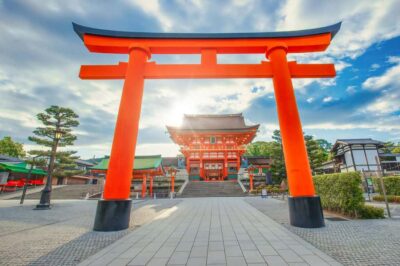 ★ 4.4Osaka/Kyoto: Arashiyama, Nara & Fushimi Inari Shrine w/LunchFrom $61
 ★ 5.0Kyoto Zen Meditation & Garden Tour at a Zen Temple with LunchFrom $110
 ★ 5.04.5-Hour Kyoto Bike Tour with Lunch and UNESCO Zen TemplesFrom $99
 ★ 4.8From Kyoto: Nara History Guided Half Day Bus Tour with LunchFrom $776 hours
 ★ 4.9Kyoto: Zen Meditation and Garden Tour at a Temple with LunchFrom $1074h 30m