
Reviewed · GION & GEISHA WALKS
Kyoto: Gion & Pontocho Food Tour with 13 Dishes
Kyoto after dark makes a fine dining room. This three-hour walk links Yasaka Shrine, Gion, and Pontocho with a spread of up to 13 Japanese dishes, including tempura, sashimi, tofu, and Japanese fried chicken. You eat at one restaurant and one izakaya, with two drinks included.
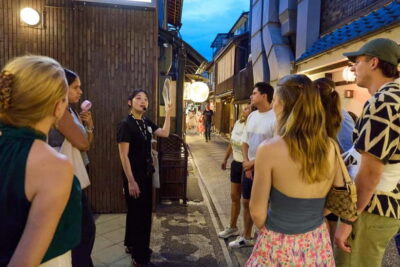
I like the small maximum of 10 people, which gives you a better chance to ask questions and keep up in narrow lanes. I also like the guide’s role as translator and local food navigator. Guides including Kohtaro, Yuna, Meiko, Moto, and Takuma have been praised for explaining food, customs, religion, and Kyoto neighborhoods in clear English.
The main drawback is timing. The 7 p.m. start suits dinner, but night is not the best time for spotting geisha, and you will see Gion mainly as an atmospheric evening district rather than in daylight. The price is also a serious dinner expense, though it includes a substantial amount of food and two drinks.
In This Review
- Key points to know before booking
- Why this Kyoto food tour works after dark
- Yasaka Shrine gives the evening a calm opening
- Gion shows Kyoto’s traditional side
- Pontocho brings the narrow lanes and nightlife
- The food: 13 chances to try something new
- Restaurant and izakaya: two different dining moods
- The guides make the biggest difference
- Price and value at $105.71
- Timing, meeting point, and practical details
- Who should book this Kyoto evening
- Should you book it?
- FAQ
- How long does the Kyoto food tour last?
- What time does the tour start?
- Where does the tour begin?
- Where does the tour finish?
- How many people can join the tour?
- How many dishes are included?
- What types of food might be served?
- Are drinks included?
- Is Yasaka Shrine included?
- Can I cancel for a full refund?
Key points to know before booking
- Up to 13 dishes: Expect a broad tasting menu with items such as crispy tempura, fresh sashimi, tofu, and Japanese fried chicken.
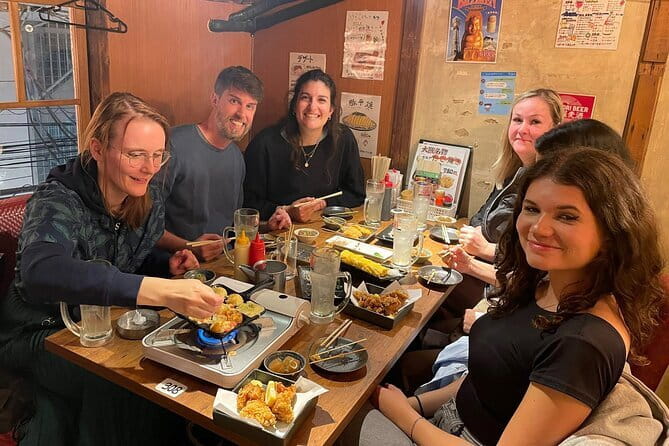
- Two different food settings: You eat at one restaurant and one izakaya, giving the evening more variety than a single sit-down meal.
- Three famous Kyoto areas: The route covers Yasaka Shrine, Gion, and Pontocho on foot.
- Small group format: The maximum is 10 people, useful in tight lanes and at compact Japanese dining spots.
- Two drinks included: You can choose alcoholic or non-alcoholic drinks, while extra drinks cost more.
- Strong guide element: The best part for many people is the explanation of food, local customs, language, and neighborhood history.
Why this Kyoto food tour works after dark
This is not simply a meal with a walk attached. The evening begins at FamilyMart 300 Gionmachi Kitagawa, near Yasaka Shrine, then moves through two of Kyoto’s most famous dining districts before ending near Kyoto-Kawaramachi Station.
That route gives you a useful introduction to central Kyoto. You get a shrine, traditional wooden buildings, narrow lanes, and two different eating environments in one compact outing. I especially like this format for a first night in the city, when you want someone else to handle the ordering and show you where to go.
Food can be a tricky part of a first visit to Japan. Menus may be difficult to read, restaurant entrances can be easy to miss, and an unfamiliar dish may arrive without much explanation. A guide who translates and explains what you are eating removes much of that guesswork.
The tour runs for about three hours and starts at 7 p.m. That makes it a true evening activity, not a late afternoon snack crawl. Eat a light lunch or early snack, since 13 small dishes plus drinks can add up to a full dinner.
The rating is 4.8 out of 5 from 81 ratings, with 98 percent recommending the experience. Those numbers point to a reliably well-received tour, especially for its guides, food selection, and relaxed walking pace.
A few more Kyoto tours and experiences worth a look

Yasaka Shrine gives the evening a calm opening
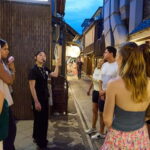
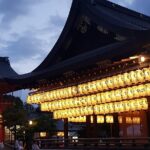
Yasaka Shrine is the first stop, with about 30 minutes set aside and no admission charge. Located in Gion, it is more than a convenient meeting-area landmark. The shrine was established more than 1,350 years ago and is known for its red main gate and paths lined with lanterns.
This opening matters because it puts the food in a cultural setting. You are not rushing straight from a station into a restaurant. Instead, you begin with a short look at one of Kyoto’s best-known Shinto sites, then hear about the area before dinner begins.
The shrine stop is also practical. If you arrive early, you can find the meeting point and settle in before the group sets off. The start point is near public transportation, and the tour finishes at Kyoto-Kawaramachi Station, so the route fits well into an evening in central Kyoto.
Do not expect a full temple or shrine lecture in 30 minutes. The stop is an introduction rather than a detailed religious tour. Its value is the setting, the lantern light, and the chance to understand why Gion is more than a row of restaurants.
Gion shows Kyoto’s traditional side
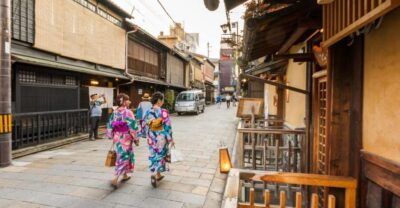
From Yasaka Shrine, the walk continues through Gion for about an hour. Gion is known for wooden machiya houses, teahouses, and streets such as Hanami-koji. The district has a polished, old-Kyoto appearance, but it is also an active neighborhood with restaurants and working businesses.
A guide helps here because the area can feel confusing. Some lanes are broad and easy to follow, while others are narrow and quiet. The guide can explain the difference between the public streets and the private spaces connected with traditional entertainment.
You may also hear about geisha culture. Keep your expectations sensible. The tour takes place at night, and one direct piece of practical advice is that night is not the ideal time to see geisha. Enjoy the architecture and mood first. Treat any chance sighting as luck, not as the purpose of the outing.
The evening walk through Gion is one of the tour’s strongest features for people who want context with their dinner. Guides have explained not only food but also Kyoto’s history, religion, language, and present-day culture. That wider conversation gives the district more meaning than a quick photo stop.
The tradeoff is that walking through Gion at night offers less detail than a daytime visit. Wooden facades and lanterns create atmosphere, but you may not see every architectural feature clearly. If Gion is a major priority, visit again during daylight.
Pontocho brings the narrow lanes and nightlife
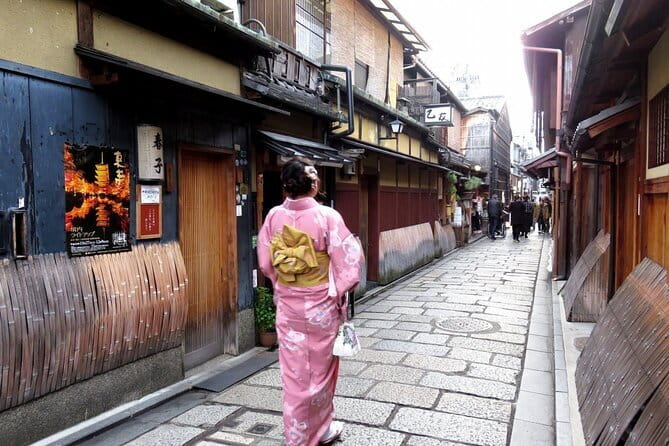
The final neighborhood stop is Pontocho, with about an hour allocated to this historic district. Pontocho runs between the Kamogawa River and Kiyamachi Street and is famous for its narrow alley and traditional wooden buildings.
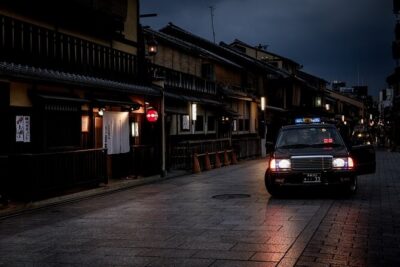
Pontocho is a particularly good match for an evening food tour. Restaurant doors open onto a tight lane, signs glow overhead, and the area is built around dining and nightlife. You get a sense of Kyoto’s evening rhythm without needing to choose a restaurant on your own.
The district is also compact, so a guide is useful when the group needs to move together. With a maximum of 10 people, the walk should feel more manageable than a large group squeezed into a narrow passage. That small-group limit is one of the tour’s practical strengths.
Pontocho is not a quiet museum district. It is a working dining area, and some venues may be busy. The tour’s format helps because your table arrangements are made in advance, but the setting remains lively and close-quartered. Anyone who prefers a slow, silent meal may find the pace and surroundings a little active.
The food: 13 chances to try something new
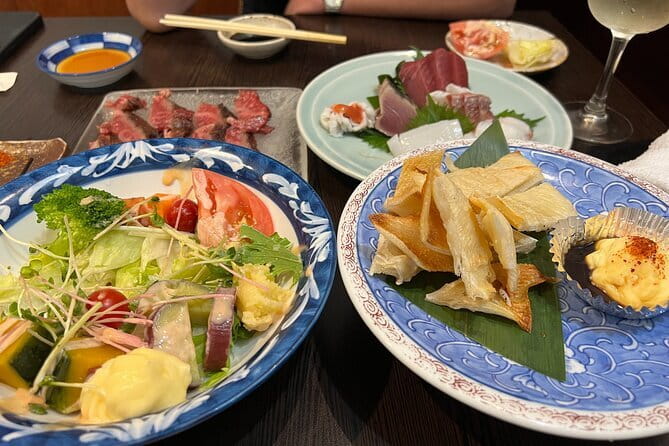
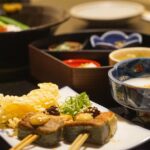
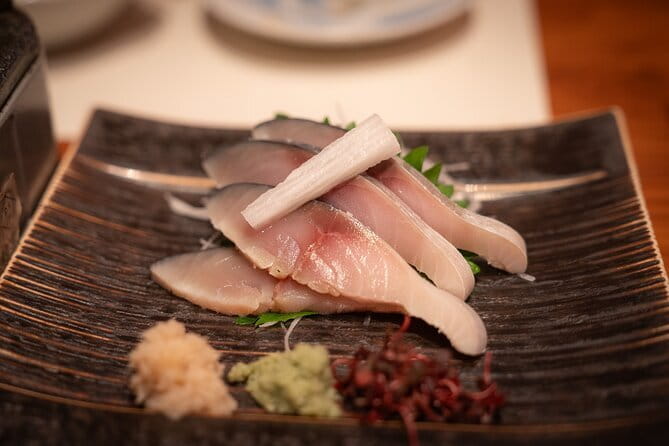
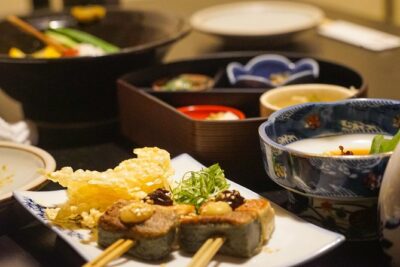
The included food is the main reason to book. You receive food at one restaurant and one izakaya, with up to 13 dishes in total. The exact menu can vary, but the stated examples include crispy tempura, fresh sashimi, tofu, and classic Japanese fried chicken.
That is a useful mix. Tempura gives you a light, crisp preparation. Sashimi introduces raw fish in a direct form. Tofu offers a milder and softer contrast, while Japanese fried chicken brings a familiar comfort-food note. The variety keeps the meal from becoming a single long tasting of similar flavors.
Some food stops are especially helpful for first-time visitors because the guide can explain what each dish is and how it fits Japanese dining culture. One guide was specifically praised for introducing dishes that the customer would not have thought to order independently. That is the real value of a food tour: not just eating more, but finding a few things you might otherwise skip.
The menu is described as a set meal of about 13 traditional Japanese dishes. You should think of these as tasting portions rather than 13 full restaurant entrees. Even so, the total is likely to function as dinner, particularly when combined with two drinks.
The tour is not designed for someone who wants complete control over every course. You are paying for a planned selection, and the experience works best if you are open to trying different textures and ingredients. The supplied information does not specify vegetarian, vegan, allergy, or dietary substitutions, so ask about those needs before booking rather than assuming they can be handled.
A few more Kyoto tours and experiences worth a look



Restaurant and izakaya: two different dining moods
Eating at one restaurant and one izakaya gives the night a useful change of scene. A restaurant setting can provide a more structured meal, while an izakaya is generally associated with shared dishes and casual evening drinking. Here, the two stops help the tour feel like a progression through Kyoto’s food culture rather than one fixed reservation.
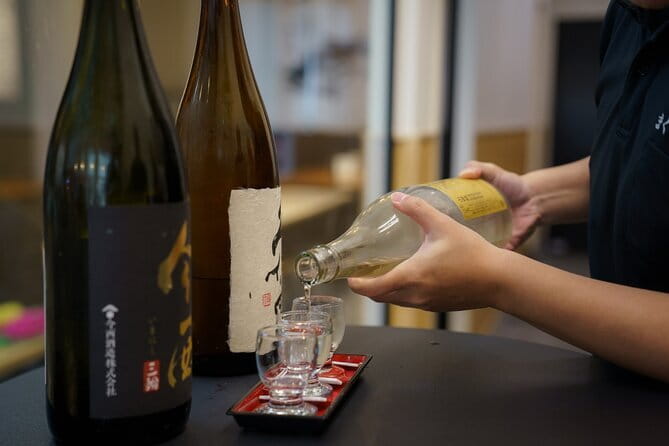
The included two drinks may be alcoholic or non-alcoholic. That flexibility is important if you do not drink alcohol, and it also means the tour is not built only for sake or beer drinkers. Extra drinks are not included, so anyone planning a long night of drinking should budget separately.
I like the fact that the food and drinks are bundled into the price. You do not have to make repeated payment decisions at every stop, and the guide can keep the group moving. The downside is that you have less freedom to replace included dishes with items you personally prefer.
The strongest praise has gone to the food selection and the guides who explain it. Yuna was singled out for the choice of traditional restaurants and wide range of food. Takuma was praised for answering questions about Japanese food, history, religion, and language. These details suggest that the guide can turn an ordinary dinner into a useful cultural lesson.
The guides make the biggest difference
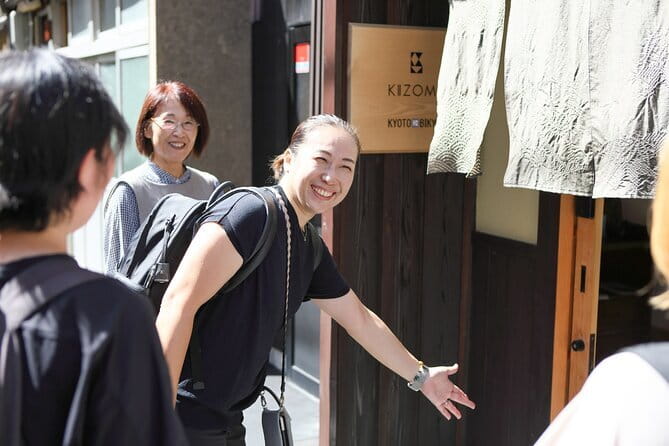
A food tour depends heavily on its guide, and this experience appears to benefit from strong personal guiding. Kohtaro has been described as friendly, engaging, and well informed about Kyoto, the local districts, and food. He also gave practical suggestions about where to buy matcha and when to visit popular places at quieter times.
That kind of advice can be worth as much as another dish. You can ask about the rest of your Kyoto schedule, get help understanding local habits, and leave with ideas for the next day. Meiko has also been praised for covering a lot of ground while explaining both old and modern Kyoto.
The guide names provided are not a guarantee of who will lead your departure. They show the range of guides associated with the experience, not a fixed assignment. Still, the repeated focus on friendly, clear English and local insight is encouraging.
The small group matters here. A maximum of 10 participants gives you a better setting for questions than a large coach-style excursion. It also lets the guide manage restaurant transitions and keep the walking portion relaxed.
Price and value at $105.71
At $105.71 per person, this is not a budget dinner. The price makes more sense when you count what is included: about three hours with a local guide, a walking tour through three major Kyoto areas, food at two venues, up to 13 dishes, and two drinks.
You are also paying for convenience. The guide handles translation, helps you navigate restaurant customs, and chooses the food stops. If you are new to Japan, that can prevent a string of uncertain ordering decisions and give you a stronger first meal in Kyoto.
The value is weaker if you already know Gion and Pontocho well, speak Japanese comfortably, and are happy choosing restaurants independently. You might spend less by eating on your own. The tour earns its price through access, explanation, and variety rather than through luxury.
I would compare it with the cost of a good dinner plus a private-feeling guided walk. The maximum of 10 keeps the experience more personal, though it is still a group tour. For a first evening, especially after arriving in Kyoto, the bundled format is convenient and reasonably easy to justify.
Timing, meeting point, and practical details
The tour begins at 7 p.m. at FamilyMart 300 Gionmachi Kitagawa, Kyoto 605-0073. The end point is Kyoto-Kawaramachi Station at Otabicho, Kyoto 600-8001. Both the start area and finish are near public transportation.
Arrive with enough time to locate the meeting point. The tour depends on a group departure, and a late arrival could be difficult once the walk begins. You receive confirmation when booking, and the ticket is mobile, so you do not need to print a paper voucher.
Most people can participate, according to the supplied conditions, but this is still a walking tour. You will move through Gion and Pontocho, including narrow lanes and restaurant entrances. Wear shoes you can walk in comfortably and avoid arriving overly full.
Free cancellation is available if you cancel at least 24 hours before the 7 p.m. start time. Inside that 24-hour window, the payment is not refunded and changes are not accepted. The cut-off follows Kyoto local time, so keep that in mind if you are booking from another time zone.
Who should book this Kyoto evening
I would recommend this tour to first-time visitors who want a guided introduction to Kyoto food without spending several hours figuring out menus and neighborhoods alone. It also suits curious eaters who want to try sashimi, tofu, tempura, and other traditional dishes in a planned sequence.
It is a good fit for couples, friends, and solo visitors who prefer a small group to a large sightseeing bus. The guide’s ability to answer questions about culture and daily life adds value for anyone who wants more than a meal.
I would be more cautious if you need a strict dietary plan, dislike raw fish, want to choose every dish yourself, or are mainly hoping to see geisha. The available information does not promise dietary adjustments, and the evening schedule is not ideal for geisha spotting.
Should you book it?
Book it if you want a ready-made Kyoto dinner with cultural explanation, especially on your first night in the city. The combination of Yasaka Shrine, Gion, Pontocho, two food venues, 13 possible dishes, and two drinks gives you a lot in three hours.
Skip it if your priority is a low-cost meal, a daytime look at Gion, or a highly customized menu. For everyone else, the strong guide feedback, small group size, and broad food selection make the $105.71 price easier to defend.
FAQ
How long does the Kyoto food tour last?
The tour lasts approximately three hours.
What time does the tour start?
The tour starts at 7 p.m.
Where does the tour begin?
The meeting point is FamilyMart 300 Gionmachi Kitagawa, Higashiyama Ward, Kyoto, 605-0073, Japan.
Where does the tour finish?
The tour ends at Kyoto-Kawaramachi Station in Shimogyo Ward, Kyoto, 600-8001.
How many people can join the tour?
The maximum group size is 10 travelers.
How many dishes are included?
The food portion includes up to 13 dishes at one restaurant and one izakaya.
What types of food might be served?
Examples include crispy tempura, fresh sashimi, tofu, and Japanese fried chicken. The exact menu is not specified.
Are drinks included?
Yes. Two drinks are included, and they may be alcoholic or non-alcoholic. Extra drinks are not included.
Is Yasaka Shrine included?
Yes. The tour includes approximately 30 minutes at Yasaka Shrine, with free admission.
Can I cancel for a full refund?
Yes, if you cancel at least 24 hours before the experience begins. Cancellations made less than 24 hours in advance are not refunded.
More Food Experiences in Kyoto

More Kyoto Food Tours in Kyoto
More Gion & Geisha Walks in Kyoto
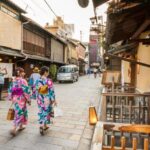
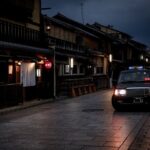
More tours in Kyoto we've reviewed
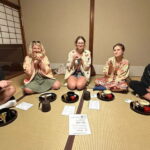

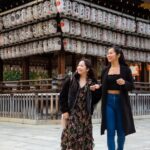


Gion & Geisha Walks, compared.
 ★ 4.7Kyoto Geisha Walking Tour: Gion District & Hidden GemsFrom $252 hours
 ★ 4.7Kyoto: Gion Geisha District Walking Tour – Stories of GeishaFrom $202 hours
 ★ 4.9Best of Kyoto: Gion, Geisha, Pagodas & CobblestonesFrom $242 hours
 ★ 4.5Night Walk in Gion: Kyoto’s Geisha DistrictFrom $211h 40m
 ★ 5.0Kyoto Night Foodie Tour in Gion (9+ dishes + 6 Sake tastings)From $163
 ★ 5.0Kyoto Gion Geisha District Walking Tour – The Stories of GeishaFrom $25