
Reviewed · HISTORICAL TOURS
Kyoto Highlights: Half Day Customized World Heritage Walking Tour
Kyoto’s best feature is its range, and this private four-hour tour lets you choose which part of the city fits your day. You can focus on castles and temples, explore Gion and Kiyomizudera, or head north to Kamigamo Shrine and the Kyoto Botanical Garden. I like the freedom to set the starting time and build the route around your interests.
I also like that your guide can help with local context rather than simply point out buildings. Guide Zied is specifically praised for explaining Japanese history and adapting the visit to places his group wanted to see. The main consideration is cost: at $125 per person, this makes the most sense for a small group that values a private guide, since entrance fees, transportation, food, and drinks are extra.
In This Review
- Key points at a glance
- A private way to shape your Kyoto day
- Central Kyoto: Gion, Kiyomizudera, and Nijo Castle
- Gion and the old lanes
- Kiyomizudera Temple and the city view
- Nijo Castle and the shogun’s world
- Northern Kyoto: gardens and older shrines
- Kyoto Botanical Garden
- Kamigamo Shrine
- Ota Shrine and its iris garden
- How the customization really helps
- What the $125 price buys you
- Who will get the most from this tour
- Practical planning before you go
- Should you book the Kyoto Highlights tour?
- FAQ
- How long does the Kyoto Highlights tour last?
- Is this a private tour?
- Can I choose the attractions?
- Can I choose the starting time?
- Are transportation and entrance fees included?
- What is the cancellation policy?
Key points at a glance
- Four private hours: Your group tours with its own guide, without joining a larger party.
- Choose the focus: Pick from central Kyoto, northern Kyoto, or a custom mix of heritage sites.
- Strong guide-led history: Zied is noted for clear explanations of Japan’s past and for adjusting the route to match guest interests.
- Several major sights are possible: Options include Nijo Castle, Kiyomizudera, Gion, Kamigamo Shrine, Ota Shrine, and the Kyoto Botanical Garden.
- Plan for extra costs: Transportation and admission fees are not included in the $125 price.
- Flexible timing: You select the tour’s start time, subject to availability at booking.
A private way to shape your Kyoto day
Many Kyoto tours hand you a fixed route. This one gives you a planning decision before you arrive: Which Kyoto do you want to see?
You might choose the central route, built around Gion, Kiyomizudera, and Nijo Castle. That combination gives you old streets, a major Buddhist temple, and a former shogun’s residence. Or you might head north, where the Kyoto Botanical Garden, Kamigamo Shrine, and Ota Shrine offer a calmer day with more open space and fewer headline sights.
The four-hour format is useful if you have limited time or want a focused introduction before exploring on your own. It is not long enough to cover every major site in Kyoto at a relaxed pace. That is the tradeoff. You get a personal route, but you need to keep the plan realistic.
A private tour also lets you ask questions as they come up. If you want more background on Shinto practice, Japanese feudal power, Kyoto architecture, or local customs, you can shape the conversation as you walk. The strongest published feedback specifically highlights Zied’s explanations of Japanese history and his willingness to accommodate requested stops.
Other walking tours we've reviewed in Kyoto
Central Kyoto: Gion, Kiyomizudera, and Nijo Castle
The central suggested route gives you the classic first-time Kyoto experience, though the three stops represent very different sides of the city.
Gion and the old lanes
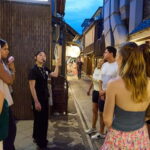
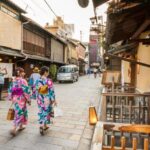
Gion is the atmospheric opening or closing point for a central route. Its traditional wooden machiya houses, teahouses, and small shops give you a sense of Kyoto’s older townscape. The area is also associated with geisha culture, which makes it an important place to discuss etiquette and the difference between a working cultural district and a tourist photo stop.
The tour allows about 30 minutes here. That is enough for a short walk and orientation, but not enough for an unhurried exploration of every lane. I would treat Gion as a chance to get your bearings, ask your guide what you are seeing, and enjoy the architecture. If Gion is your main interest, tell the guide before the tour so the route can give it proper weight.
There is no admission charge for walking through the district. You will, however, want comfortable shoes. Kyoto sightseeing often means uneven pavement, steps, and plenty of time on foot.
Kiyomizudera Temple and the city view
Kiyomizudera is one of Kyoto’s major Buddhist temples. Its famous wooden stage reaches out over the hillside and offers broad views across the city. The setting also gives you a useful lesson in how Kyoto’s temples relate to wooded slopes, old pilgrimage routes, and urban life below.
The scheduled stop is about 30 minutes, with admission not included. That short visit can work if you want an introduction, a few key views, and a clear explanation from your guide. It will feel rushed if you want to inspect every building or spend time at the temple’s many corners.
I would ask about the best order for this stop. Kiyomizudera is a major draw, so the amount of time you spend there should match your priorities. If you care more about temple design and religious traditions than shopping or city streets, you may want to reduce time elsewhere.
Nijo Castle and the shogun’s world
Nijo Castle gives the central route a political and architectural counterpoint. This UNESCO World Heritage Site is known for its feudal-era design and its nightingale floors, which make a chirping sound underfoot. That detail is memorable because it connects a physical feature of the building to security concerns in Japan’s warrior age.
The planned visit is about 30 minutes, and admission costs extra. Like Kiyomizudera, the castle deserves more time if you want a thorough look. In a short visit, your guide can help you focus on the main ideas rather than wander without context.
I like this stop for visitors who want more than scenic temple views. Nijo Castle helps explain political authority, courtly life, and the shift between public ceremony and private space. If your Kyoto interests lean toward architecture and history, make this a priority.
Other historical tours in Kyoto
Northern Kyoto: gardens and older shrines
The northern suggested route takes a different approach. It trades the central district’s famous concentration of sights for plant collections, shrine grounds, and a quieter pace.
Kyoto Botanical Garden
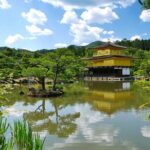
The Kyoto Botanical Garden is planned as a 30-minute stop, with admission not included. It offers a peaceful break from temple grounds and city streets, with seasonal flowers and a broad plant collection.
This is a good choice if you want variety during a half-day outing. Not every Kyoto visit needs to consist of one temple after another. A garden stop can slow the rhythm and give you space to appreciate seasonal changes, which matter greatly in Japanese culture.
The drawback is simple: if your Kyoto schedule is tight and this is your first visit, you may prefer a major historic site. The garden is best for people who enjoy plants, quiet walks, or a less concentrated route. Ask your guide how much time is practical based on the other stops you select.
Kamigamo Shrine
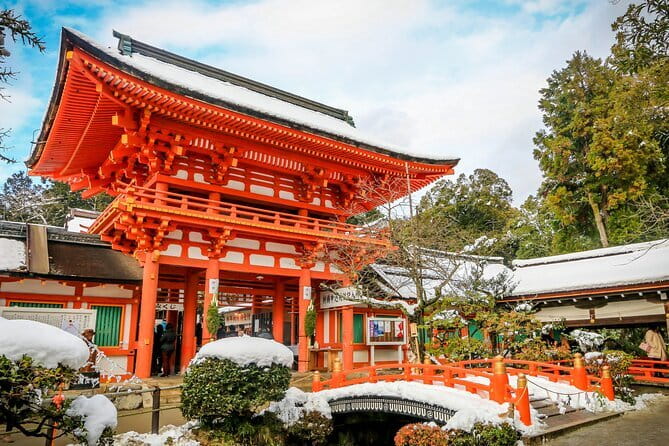
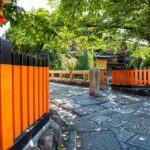
Kamigamo Shrine is one of Kyoto’s oldest Shinto shrines and a UNESCO World Heritage Site. Its traditional architecture and calm setting make it a strong northern Kyoto choice, especially if you want to understand Shinto spaces rather than see only famous Buddhist temples.
The visit is listed at about 30 minutes, with admission not included. The guide can help explain the role of shrine buildings, the approach to the grounds, and the differences between Shinto and Buddhist sites. Those details are valuable because Japanese religious sites can look quiet and simple at first glance, while their layout and rituals carry much of the meaning.
Kamigamo works best for visitors who want a slower, more reflective stop. It may not satisfy someone seeking a packed list of famous landmarks. Its appeal comes from the setting and age, not from a long checklist of exhibits.
Ota Shrine and its iris garden
Ota Shrine is another northern option. It is known for a picturesque iris garden, especially during the blooming season, and for wooded surroundings that create a quiet change from central Kyoto.
The planned stop is about 30 minutes, and admission is not included. The seasonal timing matters here. The iris garden is most appealing when the flowers are in bloom, so ask about conditions before making it a central part of your route.
Ota Shrine is a strong add-on for repeat visitors or for anyone who prefers smaller religious sites and natural settings. If this is your first and only day in Kyoto, you may want to compare it with Nijo Castle or Kiyomizudera before deciding.
How the customization really helps
The word customized matters most when you use it before the walking begins. You select attractions and set the starting time, so you should arrive with a short list of priorities rather than expect every possible sight to fit.
I would divide your choices into three levels:
- Must see: one or two places you would regret missing.
- Nice to see: stops that fit if time and location allow.
- Optional: places you would enjoy only if the route remains comfortable.
This prevents the common half-day problem of trying to cross the city for too many separate stops. Transportation is not included, and the tour is described as a walking experience, so the route’s geography matters. A private guide can adjust the plan, but no four-hour tour can erase travel time between distant sites.
The flexible start time can also help you fit the tour around another Kyoto activity. You might choose a morning start for a focused introduction or schedule it later around your own plans. The exact time depends on availability, so confirm it during booking.
What the $125 price buys you
The listed price is $125 per person. That is not the cheapest way to see Kyoto, especially since admission fees and transportation come separately. You are paying for a private four-hour service, a guide in your selected language, and the ability to shape the route.
For a couple or small family, that privacy can be worthwhile. You do not have to follow a fixed group pace, wait for strangers, or avoid questions because the guide needs to move on. You can spend more time at the stop that matters most to you and less time at one that does not.
The value is weaker if you already know Kyoto well and only need directions between sites. It is also less attractive if your budget is built around free outdoor sights. In that case, you would need to compare the private guide fee with the combined cost of public transportation, admissions, and your own research.
Remember the extra expenses. The tour does not include transportation, entrance fees, meals, drinks, or personal purchases. The $125 price is therefore the guide service, not an all-inclusive day out.
Who will get the most from this tour
I would recommend this experience to first-time Kyoto visitors who want a quick historical framework without surrendering control of the day. It also fits families or small groups with different interests, since the route can be adjusted instead of forcing everyone through the same fixed program.
It suits you particularly well if you:
- Want a private guide in your chosen language
- Prefer a flexible start time
- Need help choosing among Kyoto’s many major sites
- Want historical explanation at places such as Nijo Castle and Kamigamo Shrine
- Have a clear interest in either central or northern Kyoto
- Prefer a four-hour introduction rather than a full-day commitment
You may want another arrangement if you need a slow, detailed visit to several major attractions. Thirty minutes at a temple or castle is an introduction, not a full examination. You should also look elsewhere if you want transportation, entry tickets, or meals bundled into the price.
Practical planning before you go

Wear comfortable shoes and keep your route focused. Kyoto’s sights are spread across the city, and the tour does not include transportation. Ask the provider to confirm the meeting point and the final order of stops before the day begins.
Bring your priority list in advance. Tell the guide if your main interest is Japanese history, religious sites, gardens, traditional neighborhoods, or architecture. Zied’s reported strength is explaining Japan’s past and adjusting the tour to requested places, so direct questions should make the time more useful.
Admission fees are not included at Kyoto Botanical Garden, Kamigamo Shrine, Ota Shrine, Kiyomizudera, or Nijo Castle. The listed Gion visit has no admission charge, but you still need to budget for any personal spending there.
The tour is near public transportation, and most people can participate. It is a private activity, so only your group joins. Free cancellation is available up to 24 hours before the start time, while changes or cancellations inside that window are not accepted.
Should you book the Kyoto Highlights tour?
Book it if you want a private guide and a route built around your priorities, especially on a first Kyoto visit. The best value comes from using the guide for context and decision-making, not merely for navigation. Zied’s praised explanations of Japanese history add a useful human layer to the temples, shrine grounds, and castle rooms.
Think twice if you want an all-inclusive price or a leisurely visit to every major site. With four hours, extra admission costs, and transportation outside the price, you need to choose carefully. For a small group that wants flexibility, personal attention, and a practical introduction to Kyoto’s World Heritage sights, this is a sensible half-day option.
FAQ
How long does the Kyoto Highlights tour last?
The tour lasts approximately four hours.
Is this a private tour?
Yes. Only your group participates in the activity.
Can I choose the attractions?
Yes. The tour is customizable, and you can select attractions with help from your guide.
Can I choose the starting time?
Yes. You can set the preferred start time when arranging the tour, subject to availability.
Are transportation and entrance fees included?
No. Transportation and entrance fees are not included. Meals, drinks, and personal expenses are also separate.
What is the cancellation policy?
You can cancel at least 24 hours before the experience starts for a full refund. Cancellations or changes made less than 24 hours before the start time are not accepted.
More Historical Tours in Kyoto
More Walking Tours in Kyoto


More tours in Kyoto we've reviewed







Historical Tours, compared.
 ★ 5.0World Heritage Kyoto & Nara Uji Authentic Matcha ExperienceFrom $129
 ★ 5.0Kyoto Gion Historical Walking TourFrom $40
 ★ 5.0Historical Kyoto E-Bike TourFrom $99
 ★ 4.9Kyoto: Private 2.5 Hour Historical Walking TourFrom $802 hours
 ★ 4.8From Kyoto: Nara History Guided Half Day Bus Tour with LunchFrom $776 hours
 ★ 4.6Uji: UNESCO Heritage & Tea Ceremony Walking TourFrom $663 hours