
Reviewed · PRIVATE CAR WITH DRIVER
Private car tour Let’s uncover secrets of majestic Kyoto history
Kyoto’s best moments are not always found at its busiest landmarks. This private tour uses an air-conditioned minivan and a flexible route to connect Fushimi Inari, quiet Buddhist temples, small shrines, local sweets, and neighborhood restaurants in one long day. Guide Takashi Kikuchi leads the tour in fluent English and adjusts the pace for your group.
I like the chance to trade a crowded bus for your own private vehicle, especially in hot weather or with older family members. I also like the local flavor: ramen, kaiseki-style meals, Kyoto sweets, sake tastings, and even century-old pickle shops can become part of the day when the route allows.
The main drawback is time. The advertised stops cover a huge part of Kyoto, and seven hours is not enough for every place at a leisurely pace. Some visits may need to be shortened, and you should confirm the exact route, meal plans, and included admission costs before setting out.
In This Review
- Key points to know before booking
- Why a private car makes Kyoto easier
- Fushimi Inari and its endless red gates
- A quiet temple with a moss garden
- Ryoan-ji and the famous stone garden
- Adashino Nembutsu-ji and Otagi Nenbutsu-ji
- Arashiyama, Yasakanoto, and the route’s confusing detail
- Local food makes the day feel less scripted
- How much time do you really get?
- Price, group size, and overall value
- Who should book this Kyoto day?
- Final call: book it for flexibility, not for a checklist
- FAQ
- How long does the private Kyoto tour last?
- How many people can join the private tour?
- Is hotel pickup and drop-off included?
- Is the vehicle air-conditioned?
- Is lunch included in the price?
- Are admission fees included?
- Is the tour route flexible?
- Does the tour include food or dessert stops?
- What is the cancellation policy?
Key points to know before booking
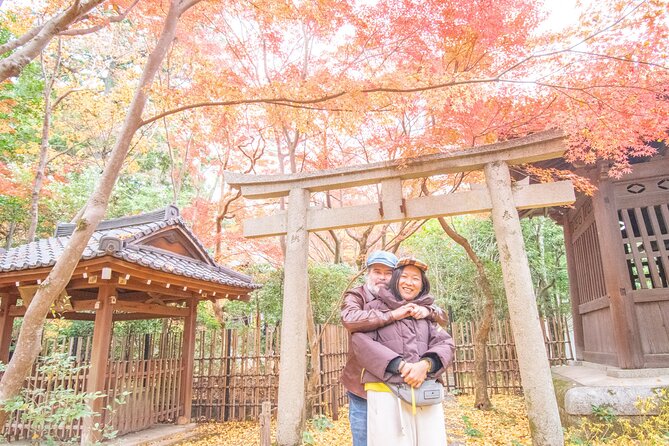
- Takashi Kikuchi provides the personal touch: He speaks fluent English, offers historical context, and can shape the day around your interests.
- A private minivan changes the pace: Your group of up to 10 avoids a large coach and can spend less time changing trains or finding taxis.
- The route mixes famous and quiet Kyoto: Fushimi Inari is the major draw, while smaller temples and shrines provide calmer visits.
- Local food can be part of the day: Lunch, dessert, sake, ramen, mochi, matcha, and pickles may be arranged depending on your requests and timing.
- Seven hours requires sensible choices: The listed route contains eight stops, so ask which sites will receive the most time.
- The price has conditions: The listed rate is $108.58 per person, while admission fees of up to ¥3,000 per person are not included.
Why a private car makes Kyoto easier
Kyoto’s sights are spread across several districts. Fushimi Inari is in the south, northern temples sit far away, and Arashiyama lies on the western edge of the city. Public transport works well for many individual stops, but combining all of these areas in one day takes planning, transfers, and patience.
This tour removes much of that work. Hotel pickup and drop-off are included, as are the air-conditioned vehicle and gas and parking costs up to ¥3,000 per day. You can focus on the temples instead of checking train times or squeezing onto a crowded bus.
That convenience is especially useful for a family group, a party of up to 10, or anyone dealing with summer heat. One person described traveling between sites in temperatures reaching 36 degrees as a major benefit of the air-conditioned car. Another family appreciated the ability to adjust the day around a senior member.
The vehicle is not just a ride between attractions. It gives you a practical way to cover more ground than a walking tour, while keeping the group together. The tradeoff is that Kyoto traffic and parking can affect the schedule. A car helps with distance, but it does not make the city’s roads magically empty.
Other private tours in Kyoto
Fushimi Inari and its endless red gates
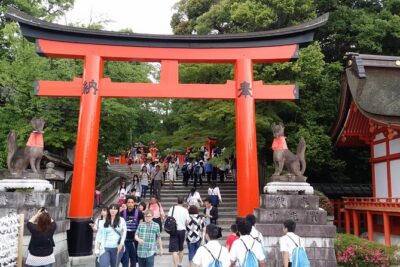
The day may begin at Fushimi Inari-taisha, Kyoto’s most famous shrine for its long corridors of orange torii gates. The first section is usually the busiest, with people stopping constantly for photographs. Continue farther uphill and the crowds can thin, with bamboo, trees, birdsong, and small shrine features replacing the tight stream of visitors.
The planned visit allows about two hours, which is sensible if you want more than a quick photograph. You do not need to climb the entire mountain to appreciate the site, but the route becomes more demanding as it rises. Ask Takashi how far the group will walk before you begin, particularly if your party includes children or anyone with limited stamina.
Admission to the shrine is free. Wear shoes suitable for slopes and steps, and bring water, especially during warm months. The value here comes from seeing how large the shrine grounds really are, not just from passing through the first gate-lined corridor.
A quiet temple with a moss garden
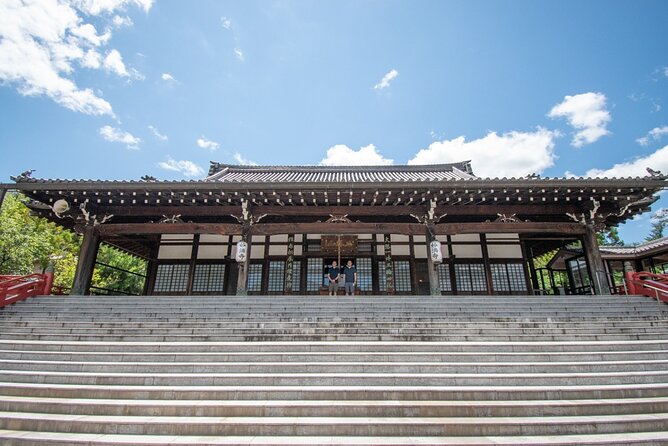
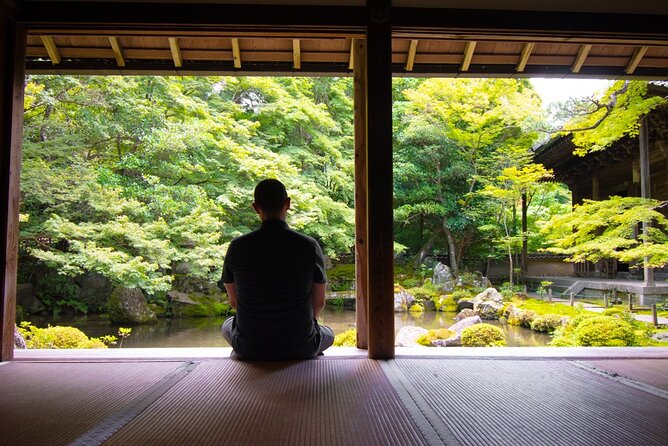
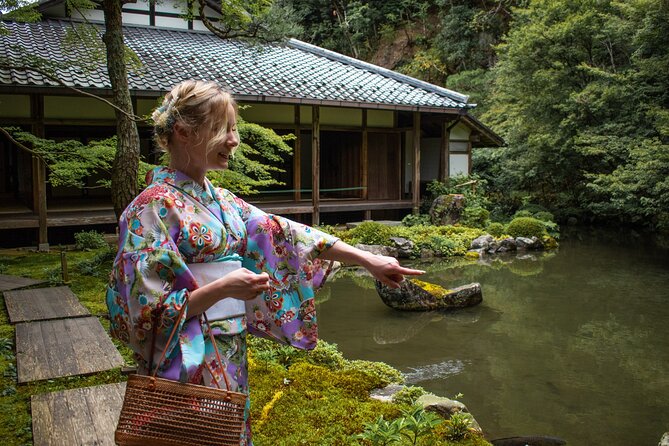
Kennin-ji is presented as a secret temple, with the name withheld until the tour. The appeal is a moss garden and a quieter setting than Kyoto’s headline attractions. You are allotted about an hour, enough to sit, look carefully, and hear the guide explain what makes the temple significant.
This sort of stop is where the private format earns its keep. A large bus group would be less suited to a small, peaceful temple, while your own party can take a slower look if the schedule permits. Several accounts of this tour describe smaller temples as the most memorable part of the day.
The temple is described as distant and inconvenient to reach independently. That is useful context: it may not be a place you would naturally add to a first-time Kyoto route, but the car makes it practical. Admission is listed as free, though the tour’s general admission charge of up to ¥3,000 per person should be confirmed before departure.
Ryoan-ji and the famous stone garden
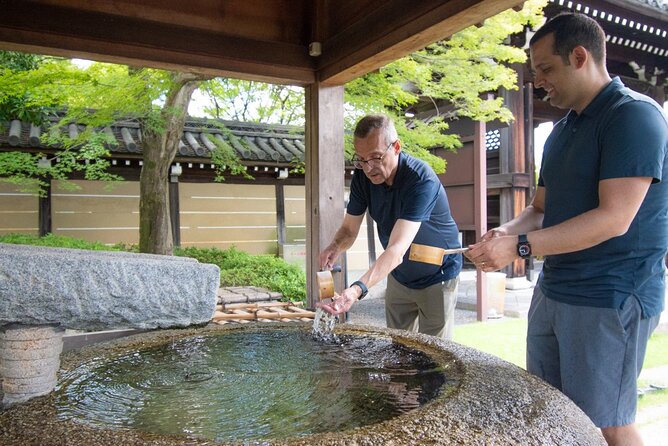
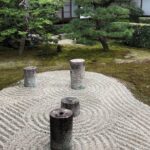
Ryoan-ji brings a more familiar name and a different kind of visit. Its dry garden uses carefully placed rocks and gravel, creating a spare scene that rewards quiet attention rather than a long checklist of objects.
The stop is planned for about an hour. That gives you time to see the garden, enter the temple grounds, and listen to Takashi’s explanation of Buddhist divisions and the temple’s place in Japanese religious history. The experience depends partly on your guide, since the garden itself is deliberately simple and can be easy to rush past.
Ryoan-ji is one of the more visited sites on this route, so do not expect the same solitude as at the smaller temples. Still, the private vehicle and flexible timing can make it a useful contrast to the more remote stops.
Adashino Nembutsu-ji and Otagi Nenbutsu-ji
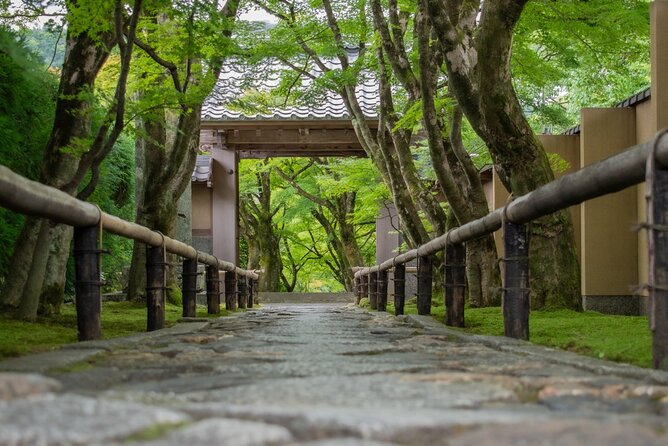
Adashino Nembutsu-ji receives about 30 minutes. Its story reaches back to an early community identified here as Hatashi, described as Korean-rooted, and the temple has endured after a fire in the eighth century. The short visit means you will need to listen closely and move with purpose.
Otagi Nenbutsu-ji also receives about 30 minutes. The grounds are associated with an artist skilled in tea ceremony and calligraphy, with a garden containing varied plants and tea-related objects. This is another smaller site that may appeal to you if grand halls and major tourist crowds are not the only reason you came to Kyoto.
The two short visits are best viewed as focused glimpses rather than full temple explorations. If you want time for photographs, gardens, and detailed explanations, ask Takashi to prioritize one over the other. The ability to make that choice is one of the clearest advantages of booking privately.
Other historical tours in Kyoto
Arashiyama, Yasakanoto, and the route’s confusing detail
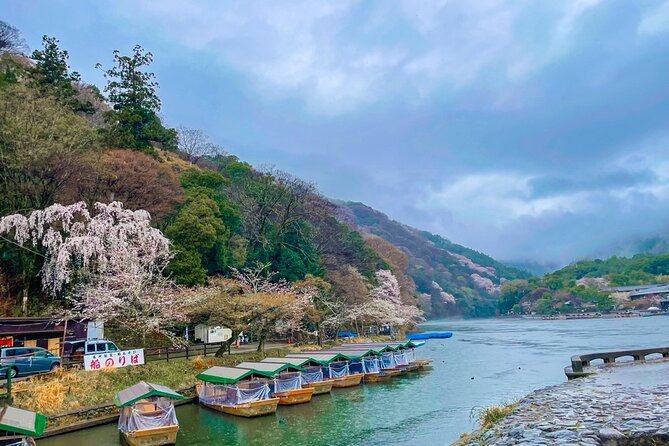
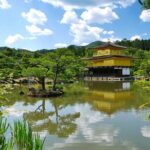
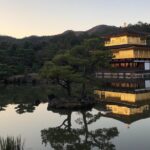
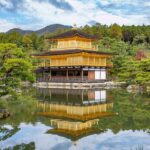
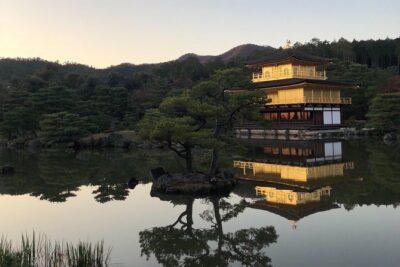
The stop labeled Yasakanoto includes a description of Kinkaku-ji, the Golden Pavilion, once associated with shogun Yoshimitsu Ashikaga and later converted into a temple. The Golden Pavilion is famous for its gold-leaf-covered upper floors and normally attracts substantial attention.
There is a detail you should clarify before booking: Yasakanoto and Kinkaku-ji are different place names, while the supplied description appears to combine them. Ask Takashi exactly which site is planned for your day. This is not a minor point if you have already arranged to see the Golden Pavilion separately.
The route also includes Monkey Park Iwatayama, though the description focuses on a local dessert shop selling Kyoto-style treats such as mochifu and yuzu or matcha shaved ice. That suggests the food stop may be connected with the Arashiyama portion rather than a full visit to the monkey park itself.
Again, confirm the details. A title can promise one site while the practical stop includes another. Good communication before the morning pickup will prevent disappointment, particularly if your group has a must-see temple.
Local food makes the day feel less scripted
Lunch is not included, but Takashi can suggest or arrange a local restaurant depending on your requests and the day’s timing. This flexibility has led to different kinds of meals: one couple requested a kaiseki-style lunch and was taken to a small, intimate restaurant, while another group ate ramen and considered it the best of their Japan trip.
You may also stop at a dessert shop for mochifu, a rice-based sweet with a texture different from standard mochi, or shaved ice flavored with yuzu or matcha. Other food experiences connected with the tour have included caramelized miso mochi, pickled mushrooms, bamboo, and sake in Kyoto’s brewing district.
These are valuable additions because they break up a temple-heavy schedule. They also give you a taste of everyday Kyoto beyond formal dining rooms and souvenir counters. The key phrase is depending on your requests and situation. Food stops are not a fixed, fully prepaid part of the tour, so tell Takashi what you want and confirm any costs.
One past itinerary included coffee and breakfast at a local cafe. Another included matcha and cookies in a garden. These details show how personal the route can become, but they should not be treated as guaranteed inclusions.
How much time do you really get?
The advertised duration is about seven hours. The listed route includes eight stops, with two hours at Fushimi Inari, one hour each at Kennin-ji, Ryoan-ji, and the Yasakanoto or Kinkaku-ji section, plus several 30-minute visits.
That is an ambitious plan. Driving between southern, northern, and western Kyoto takes time, and temple visits often involve walking from the vehicle to the entrance. Lunch adds another variable. In practice, you will likely need to choose between seeing many places briefly and seeing fewer places properly.
A half-day version has been handled as roughly three stops. That is useful guidance for planning: if you book a shorter option or request a relaxed pace, expect fewer locations. For the full day, decide in advance if your priority is famous Kyoto, quiet temples, food, photography, or a mix.
I would ask three direct questions before the tour:
- Which sites are definitely included on my date?
- How much time will we spend at each one?
- Are lunch, dessert, sake, and admission fees additional?
Those answers matter more than the number of locations on paper.
Price, group size, and overall value
At $108.58 per person, the tour can be good value for a group that would otherwise need several taxis, a hired vehicle, or a carefully planned series of train and bus journeys. The value improves as your party gets larger, since the same private vehicle and guide serve up to 10 people.
For one or two people, the price is harder to judge. You are paying for convenience, a private guide, hotel transportation, and the ability to change the route, not simply for entry to temples. If you enjoy independent planning and do not mind public transport, a private car may feel expensive.
Admission fees are not included, with a stated amount of up to ¥3,000 per person. Lunch is also extra. Gas and parking are included only up to ¥3,000 per day, so confirm how any additional costs would be handled.
The tour has a 4.8 rating from 45 reviews and a 93 percent recommendation figure. Those numbers point to a consistently strong experience, but one serious operational problem appears in the record: a booking was not correctly received, the guide failed to arrive, and the customer was refunded. The provider attributed that incident to a temporary booking-system problem and said it had been fixed. I would still send a confirmation message before the tour.
Who should book this Kyoto day?
This is a strong choice for families, couples, and small groups who want a private day without having to organize every transfer. It is especially suited to people who have already seen the major Kyoto sights, or who prefer quiet gardens, local restaurants, and smaller religious sites.
It also works well for a first visit if you want a guide to handle the logistics. Takashi can explain customs, temple practices, Japanese life, and local food in English. His flexibility is useful when someone in the group needs more rest or when the weather makes walking unpleasant.
You may not enjoy it as much if you want a fixed, tightly timed sightseeing program with every admission and meal prepaid. You should also reconsider if the Golden Pavilion, Monkey Park, or another specific site is essential until Takashi confirms the exact route.
The best approach is to treat this as a private Kyoto day that can be shaped around your group, not as a guaranteed checklist of eight complete visits.
Final call: book it for flexibility, not for a checklist
I would book this tour if my priority were a comfortable private vehicle, fluent English guidance, and access to quieter temples and local food stops. Takashi’s strongest contribution is personal planning, especially for families and groups with mixed interests.
Before paying, send your preferred sites, food wishes, walking limits, and any must-see attraction. Confirm the Yasakanoto and Kinkaku-ji wording, ask how many stops fit into seven hours, and budget separately for lunch and admission. If you do that, this tour offers a relaxed way to connect Kyoto’s famous sights with places you might not find on your own.
FAQ
How long does the private Kyoto tour last?
The tour lasts approximately seven hours.
How many people can join the private tour?
The private vehicle can accommodate a group of up to 10 people. Only your own group participates.
Is hotel pickup and drop-off included?
Yes. Pickup and drop-off at your Kyoto hotel are included.
Is the vehicle air-conditioned?
Yes. An air-conditioned vehicle is included, which can be especially useful during Kyoto’s hot weather.
Is lunch included in the price?
No. Lunch is not included. Depending on your request and the schedule, Takashi can suggest or stop at a local restaurant.
Are admission fees included?
No. Admission fees are not included. The additional admission amount is listed as up to ¥3,000 per person.
Is the tour route flexible?
Yes. The tour is described as private and personalized, with the ability to adjust the itinerary to your preferences. Ask in advance which stops can fit comfortably into seven hours.
Does the tour include food or dessert stops?
Takashi provides tips for local restaurants and dessert shops. Possible stops described for this experience include Kyoto sweets, mochifu, yuzu or matcha shaved ice, ramen, pickles, matcha, and sake, but these are not all guaranteed inclusions.
What is the cancellation policy?
You can cancel at least 24 hours before the local start time for a full refund. Cancellations or changes made less than 24 hours before the start time are not refunded or accepted.
More Private Car with Driver in Kyoto

More Historical Tours in Kyoto
More Private Tours in Kyoto
More tours in Kyoto we've reviewed

Private Car with Driver, compared.
 ★ 5.0Kyoto Private Car Tour – Full Day with Local Guide & Nara OptionFrom $170
 ★ 5.0Private car tour in Kyoto (up to 4)From $132
 ★ 5.0Private car tour in Kyoto (up to 9)From $375
 ★ 5.0Kyoto Day Trip using Private Car with English Driver (up to 5)From $548
 ★ 5.0Discover Ancient Nara: Private Car Tour from Kyoto or OsakaFrom $573
 ★ 5.0Kyoto Highlights: Arashiyama & Fushimi Inari by Private CarFrom $675