
Reviewed · TEA CEREMONY EXPERIENCES
Kyoto: Make Zen Garden and Taste Matcha in Pottery Shop
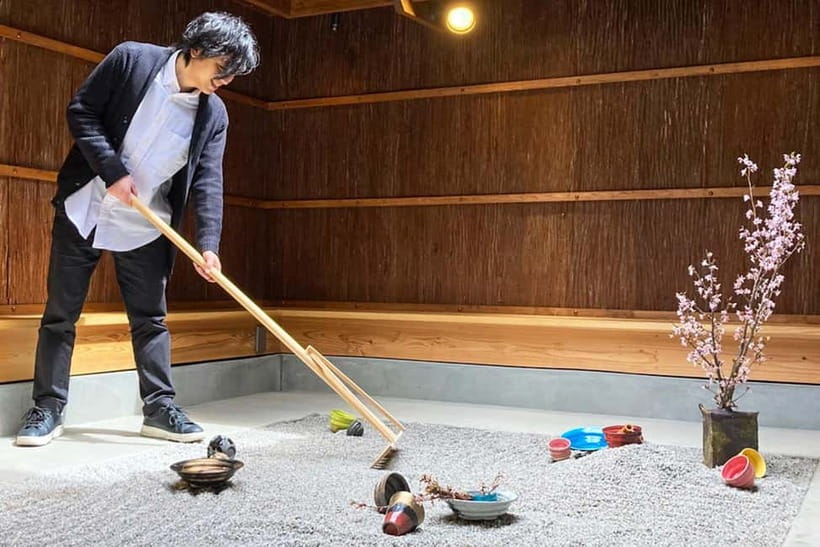
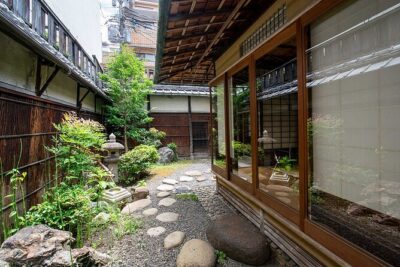
Kyoto’s Zen gardens are usually made for looking, not touching. Here, you get a small rake, sand, and decorations, then create your own karesansui garden in the courtyard of a renovated 100-year-old machiya. I like that this turns a familiar Kyoto sight into something you actively do, not just photograph.
I also like the compact setting and the thoughtful food pairing: Ippodo matcha and a seasonal Japanese sweet served beside your finished garden. The main drawback is the open-ended format. There is not much instruction, so a decisive, creative group may finish the garden quickly.
In This Review
- Key points to know before booking
- A hands-on Zen garden in the middle of Kyoto
- What happens during the 30-minute visit
- Why the machiya setting matters
- Matcha, wagashi, and a useful souvenir
- Location near Ippodo and the Imperial Palace Park
- Is $12 a fair price?
- Who will enjoy this most?
- How to fit it into a Kyoto day
- Booking and cancellation details
- Should you book the Ninshu pottery shop experience?
- FAQ
- Where does the Kyoto Zen garden experience take place?
- How long does the activity last?
- What do I do during the experience?
- Is matcha included in the price?
- Can I choose hot or iced matcha?
- What kind of sweet is served?
- How many people can join?
- Where is the shop located?
- Can I cancel for a refund?
Key points to know before booking
- Make your own miniature karesansui: Rake patterns in sand and arrange decorations in a garden normally viewed from a distance.
- Taste Kyoto tea and sweets: Enjoy hot or iced matcha from Ippodo with seasonal wagashi.
- Step inside a machiya pottery shop: The activity takes place in a renovated 100-year-old Kyoto townhouse.
- Keep the experience short: The session lasts about 30 minutes, making it easy to fit into a day of sightseeing.
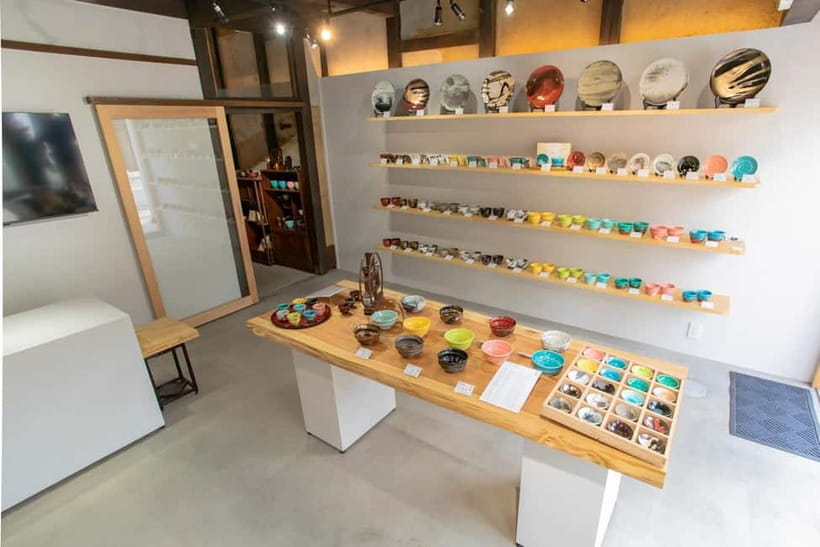
- Shop for useful souvenirs: Handmade pottery is dishwasher and microwave safe, a practical choice for taking Kyoto home.
- Expect a small group: The experience is limited to eight participants.
A hands-on Zen garden in the middle of Kyoto
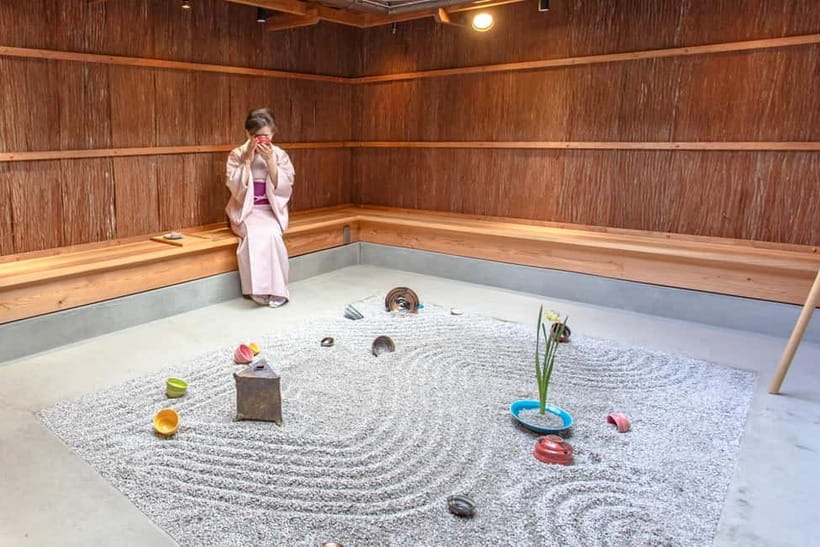
The heart of this activity is simple: you rake sand and decorate a miniature Zen garden of your own design. In a temple, a karesansui garden is arranged for quiet viewing. At Ninshu’s pottery shop, you can handle the rake and shape the scene yourself.
That change in perspective gives the activity its appeal. You start to notice how a line in the sand changes the whole arrangement. A few stones or other decorations can make the garden feel orderly, spare, or playful. You do not need artistic training, but you do need to make a few choices.
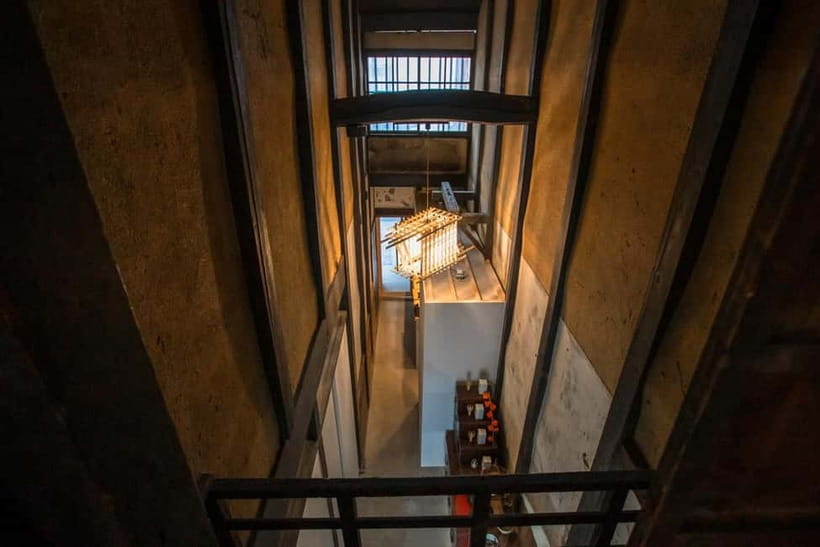
The setting helps. Rather than taking place in a large workshop or tourist center, the activity happens in the garden of a small pottery shop. The shop occupies a restored 100-year-old Kyoto townhouse, known as a machiya. That gives you a quick look at one of Kyoto’s traditional urban building types while keeping the experience close and personal.
This is not a full lesson in Japanese garden design. The format is more relaxed and free form. You receive the materials and make your own arrangement, with the hosts available to help. If you want a detailed explanation of Zen philosophy or the historical rules behind temple gardens, this will feel light. If you want a creative activity that connects directly with Kyoto culture, it fits well.
A few more Kyoto tours and experiences worth a look
What happens during the 30-minute visit
The visit moves in two clear parts. First comes the garden-making. You rake the sand and place decorative elements in the small garden area. The work can be completed quickly, especially if everyone in your group knows what they want to do.
That short length is useful. You can add the activity between visits to the Kyoto Imperial Palace Park, Ippodo, and the traditional shops along Teramachi Dori. You do not need to reserve half a day or reorganize your sightseeing around it. The tradeoff is that 30 minutes leaves little room for a long introduction, repeated attempts, or a slow workshop pace.
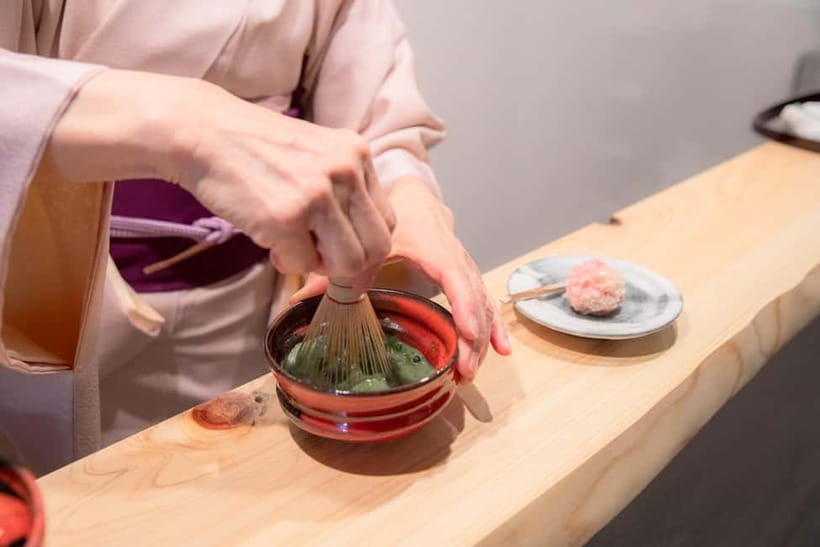
After the garden is ready, you sit in front of it for matcha and a Japanese sweet. This is the calmer part of the visit. The garden you just made becomes the backdrop for your tea, and you can take photos of yourself with the finished arrangement.
The matcha comes from Ippodo, one of Kyoto’s famous tea companies. You can choose hot or iced matcha, and the sweet is seasonal wagashi. The serving has also been described as a mochi cookie, so the exact style of wagashi may vary. The important point is that the tea and sweet are included, and the pairing gives you a small taste of a Japanese tea break without requiring a formal tea ceremony.
The hosts are friendly and helpful, but the activity does not depend on a long guided talk. That is good for a visitor who prefers freedom. It is less ideal if you want every step demonstrated in detail. I would approach the garden portion with a simple plan: make a few deliberate lines, place the decorations neatly, and leave enough time to enjoy the matcha.
Why the machiya setting matters
Kyoto’s machiya were built as combined homes and workspaces, often with a shop facing the street and living areas farther inside. This pottery shop gives you a brief look at that type of building while connecting it with a craft that remains useful today.
The experience is also located in an area with traditional homeware shops and antique stores. That makes it more than a stand-alone appointment. After your tea, you can continue along Teramachi Dori and browse nearby shops selling objects for daily life.
I like this combination because it links the garden, the tea, and the pottery. None of the parts is presented as a huge production. Instead, you see several small pieces of Kyoto culture in one place: a machiya, handmade ceramics, matcha, wagashi, and the careful arrangement of a dry garden.
Do not expect a large temple garden or a full-scale cultural museum. The garden is small, and the pottery shop is a working retail space. That modest scale is part of the charm, but it also sets the right expectation. You are getting a short, local-feeling activity, not a major temple visit.
Matcha, wagashi, and a useful souvenir
The tea portion gives the activity a pleasant finish. Ippodo is a well-known Kyoto tea company, and the matcha brings a strong local connection to the snack. You can drink it hot or iced, which is helpful if you are visiting on a warm day or simply prefer a cold drink.
The Japanese sweet is seasonal, so the exact flavor and shape may change. That is more interesting than receiving the same packaged snack all year. Wagashi is designed to pair with tea, often balancing the tea’s bitterness with sweetness. Here, the treat gives you something small to enjoy while sitting beside the garden you made.
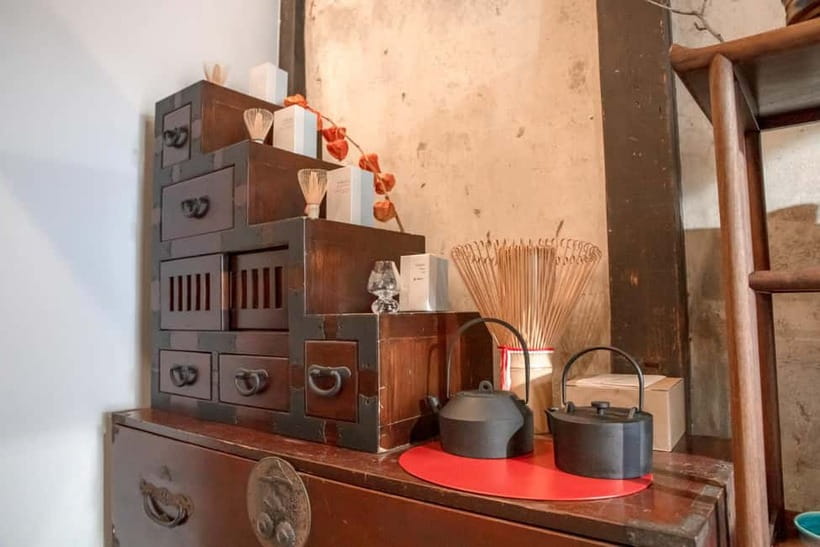
The pottery shop adds another practical option. Handmade pottery is available for purchase, and the pieces are dishwasher and microwave safe. That detail matters if you are shopping from overseas. Delicate ceramics that require hand washing can look attractive in a suitcase but spend most of their lives in a cupboard. Dishwasher and microwave safety make these pieces easier to use at home.
The activity fee does not include pottery purchases, so treat the shop as an optional extra. You can enjoy the garden and tea without buying anything. If you do want a souvenir, the shop gives you a chance to choose something connected to the place instead of picking up a generic Kyoto item.
I would inspect the size and weight before buying. The provided information confirms that the pottery is practical for dishwashers and microwaves, but it does not specify shipping services, luggage packing, or international delivery. If you plan to buy several pieces, ask the shop about transport before paying.
Location near Ippodo and the Imperial Palace Park
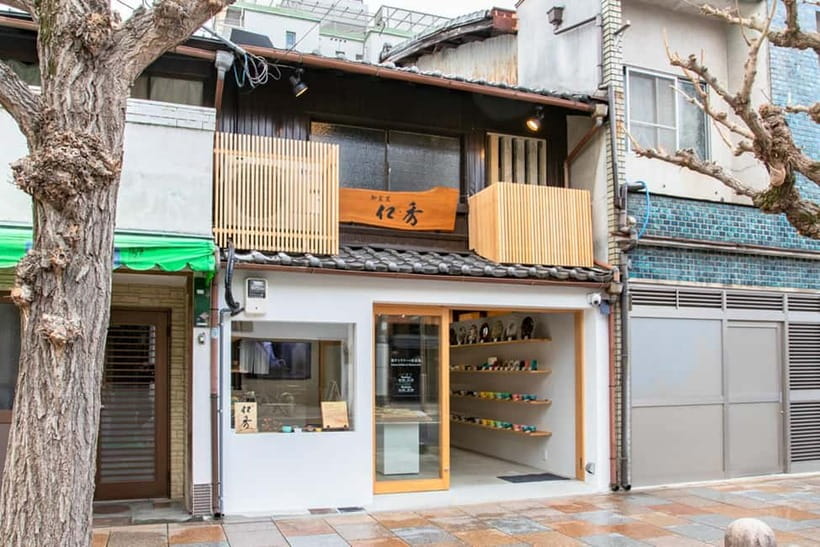
Finding the shop is fairly straightforward if you use the landmarks. It is two minutes north of Ippodo and about 100 meters south of Kyoto Imperial Palace Park along Teramachi Dori.
The closest listed subway stop is Kyoto Shiyakusho-mae Station on the Tozai Line, about an 11-minute walk away. Jingu-marutamachi Station on the Keihan Main Line is about a nine-minute walk away. The coordinates are 35.0157879, 135.7673992.
I would plan to arrive from the Ippodo side if that fits your route. The short walk makes this an easy addition after tea shopping or before exploring the Imperial Palace Park. The area also has antique and traditional homeware shops, so you can keep walking after the appointment rather than heading straight back to a major station.
Because the shop sits along a traditional shopping street rather than beside a major station entrance, leave enough time to identify the storefront. The location details are useful, but you should still check your route before setting out. The activity lasts only 30 minutes, so arriving late would take a noticeable portion of your time.




Is $12 a fair price?
At $12 per person, this is a good-value short activity if you want both a hands-on cultural moment and a small food tasting. The price includes the garden-making experience, matcha, Japanese sweets, reservation fees, and system fees.
The value comes from the combination. A cup of matcha alone would not make this a memorable stop, and a quick pottery-shop visit would be easy to overlook. Adding the garden activity gives you something to do, while the tea and sweet provide a clear ending.
Still, the price should be judged against the 30-minute duration. This is not an afternoon workshop. If you are measuring value by the amount of time spent, the activity is brief. If you are looking for an inexpensive break between larger Kyoto sights, the short format works in its favor.
I especially like it for an itinerary that already includes the Imperial Palace area. You can add it without paying for a long class or crossing the city. It is also a reasonable choice for a first visit to Kyoto when you want a little cultural variety but do not want to commit to a formal tea ceremony.
Who will enjoy this most?
This experience suits creative people who like making something with their hands. Children and adults can both understand the basic idea, though the supplied information does not give a specific minimum age. Families should consider how long their group will stay focused on a quiet, small-scale activity.
It also works for couples and friends who want a photo with a personal connection. You are not just posing beside a garden made by someone else. You can photograph your own finished arrangement while drinking matcha and eating wagashi.
The small-group limit of eight people is another plus. It keeps the shop from feeling like a large class and gives the hosts a better chance to answer questions. The experience can still feel quick if your group makes fast decisions, so do not book it expecting a slow, meditative workshop.
I would be less likely to recommend it to someone seeking a serious lesson in Zen garden construction, tea ceremony procedure, or pottery making. You do not make the pottery here, and the garden section is free form rather than a detailed technical class.
How to fit it into a Kyoto day
The location makes this easiest to pair with nearby sights. You can visit the Imperial Palace Park, walk south along Teramachi Dori, and stop at the pottery shop near Ippodo. The surrounding antique and traditional homeware shops give you reasons to continue exploring after the activity.
It also fits well before or after a tea-focused stop. Since Ippodo is only two minutes away, you can build a small afternoon around tea, ceramics, and Kyoto streets without spending the day on public transport.
Give yourself more time than the stated 30 minutes if you plan to browse the pottery shop or nearby stores. The garden and matcha portion is short, but shopping and walking can easily extend the outing. That extra time is not part of the formal activity, so factor it into your schedule rather than rushing to your next reservation.
The best approach is to keep your expectations precise. You are booking a compact cultural stop with a creative task, tea, a sweet, and a chance to shop. You are not booking a temple tour, a formal tea ceremony, or a pottery-making class.
Booking and cancellation details
You can cancel up to 24 hours before the activity for a full refund. You can also reserve now and pay later, which helps if your Kyoto plans are still changing.
Starting times depend on availability. Since the activity is limited to eight participants, check the available slot before planning your connecting sightseeing. The supplied details do not identify a specific guide by name or list a dedicated language for instruction, so contact the provider directly if language support is important to you.
Should you book the Ninshu pottery shop experience?
Book it if you want a low-cost, short activity that combines several Kyoto touches in one small setting. The strongest reasons are the chance to create a garden normally meant only for viewing, the Ippodo matcha and wagashi, and the useful dishwasher-safe pottery available for purchase.
Skip it if you want a long class, detailed instruction, or a major temple garden. The open-ended format means you need to bring your own ideas, and a quick group may finish before the experience feels fully relaxed.
For most visitors already planning to explore the Imperial Palace Park or Teramachi Dori, I would consider it an easy addition. At $12, the risk is low, the location is convenient, and the finished garden gives you a personal memory rather than another quick photograph.
FAQ
Where does the Kyoto Zen garden experience take place?
It takes place at Ninshu’s pottery shop in a renovated 100-year-old Kyoto townhouse, or machiya.
How long does the activity last?
The activity lasts 30 minutes.
What do I do during the experience?
You rake and decorate your own small Zen garden, then enjoy matcha and a Japanese sweet in front of it.
Is matcha included in the price?
Yes. The experience cost includes matcha and Japanese sweets.
Can I choose hot or iced matcha?
Yes. The matcha is available hot or iced.
What kind of sweet is served?
A seasonal wagashi, or Japanese sweet, is served with the matcha. The exact sweet may vary.
How many people can join?
The activity is a small-group experience limited to eight participants.
Where is the shop located?
It is two minutes north of Ippodo and 100 meters south of Kyoto Imperial Palace Park along Teramachi Dori.
Can I cancel for a refund?
Yes. You can cancel up to 24 hours in advance for a full refund.
More Tea Ceremony Experiences in Kyoto
More tours in Kyoto we've reviewed







Tea Ceremony Experiences, compared.
 ★ 4.9Kyoto: Tea Ceremony in a Traditional Tea House in KiyomizuFrom $4945 min
 ★ 4.9Kyoto: Tea Ceremony Ju-An at Jotokuji TempleFrom $291h 10m
 ★ 4.3Kyoto: 45-Minute Tea Ceremony Lesson ExperienceFrom $2245 min
 ★ 5.0World Heritage Kyoto & Nara Uji Authentic Matcha ExperienceFrom $129
 ★ 4.9Kyoto: Table-Style Tea Ceremony at a Kyo-MachiyaFrom $451h 30m
 ★ 5.0Kimono Tea Ceremony at Kyoto Maikoya, NISHIKIFrom $65