
Reviewed · GION & GEISHA WALKS
Kyoto Morning Highlights Tour: Fushimi, Kiyomizu-dera & Gion
Kyoto is at its most rewarding before the day crowds arrive, and this tour makes good use of those early hours. You begin beneath the famous thousand torii gates at Fushimi Inari, then move through Kiyomizu-dera and the old streets around Gion. The route packs several major sights into half a day without wasting time on long transfers.
I like the efficient use of trains and walking, and I like that the guide explains how to pray at Shinto shrines instead of simply pointing at buildings. The included photos are another useful touch, especially if you want pictures of the whole group. The main drawback is the walking: this is not a gentle sightseeing ride, and late arrivals cannot join or receive a refund.
In This Review
- Key points at a glance
- Why the early start matters at Fushimi Inari
- Kiyomizu-dera and the view across Kyoto
- Sannenzaka and Ninenzaka, Kyoto’s old lanes
- Hōkan-ji and Yasaka Kōshin-dō
- Yasaka Shrine and the Gion finish
- What the guide adds to the morning
- Is $100 a fair price?
- Who will enjoy this Kyoto walking tour?
- Practical preparation before you go
- Should you book it?
- FAQ
- How long does the Kyoto morning tour last?
- What sights are included?
- Where does the tour start?
- Where does the tour finish?
- Is transportation included?
- Is Kiyomizu-dera admission included?
- Is the tour private?
- What language is the tour conducted in?
- Is the tour suitable for wheelchair users or strollers?
- What happens if I arrive late?
- Can I cancel the booking?
Key points at a glance
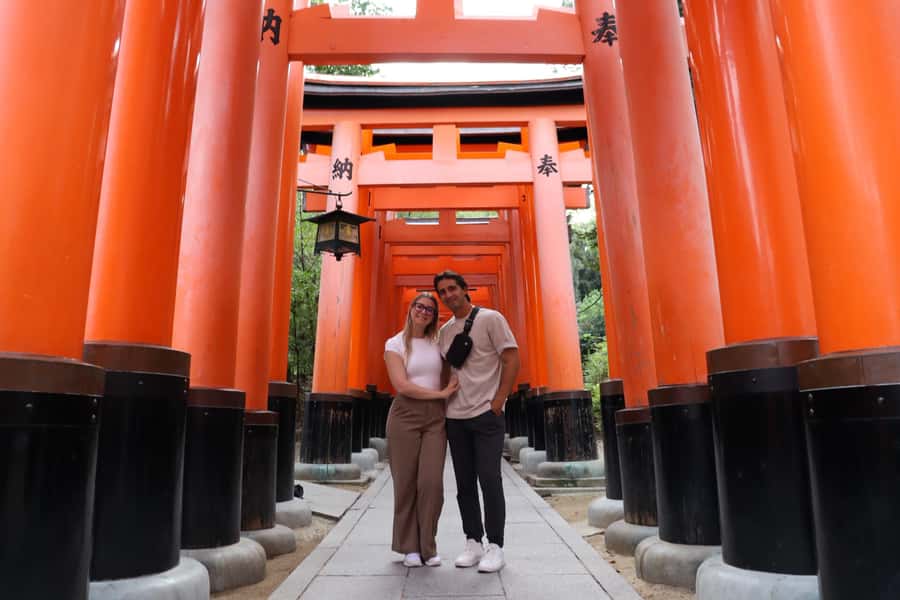
- Early Fushimi Inari visit: Walk through the shrine’s famous torii gates in the calmer morning light.
- Two major Kyoto icons: Kiyomizu-dera and Fushimi Inari anchor a route built around Kyoto’s best-known sights.
- Traditional streets on foot: Sannenzaka, Ninenzaka, Hōkan-ji, Yasaka Kōshin-dō, and Yasaka Shrine follow in one compact walking route.
- Cultural guidance: Learn Shinto and Buddhist customs, including proper shrine prayer, from an English-speaking local guide.
- Useful extras: Kiyomizu-dera admission, a traditional Kyoto sweet, Wi-Fi, and professional photos are included.
- Half-day efficiency: At $100 per person, the value depends on how much you want a guide, photo help, and a tightly organized morning.
Why the early start matters at Fushimi Inari
The tour begins at Kyoto Station or another selected meeting point, depending on the option you book. For a private tour, the available starting areas include Kyoto Station, the Statue of Izumo-no-Okuni near Shijo, Kawaramachi, and Gion, or the LAWSON store 100 near Gojo and Higashiyama.
From the starting point, you take a train for about 10 minutes to Fushimi Inari Taisha. That short ride matters. Kyoto’s headline sights are spread across the city, and using public transportation keeps this route practical instead of turning it into a long vehicle transfer.
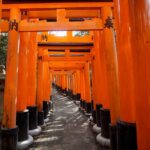
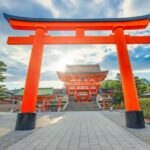
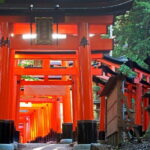
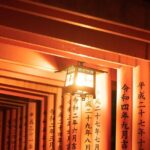
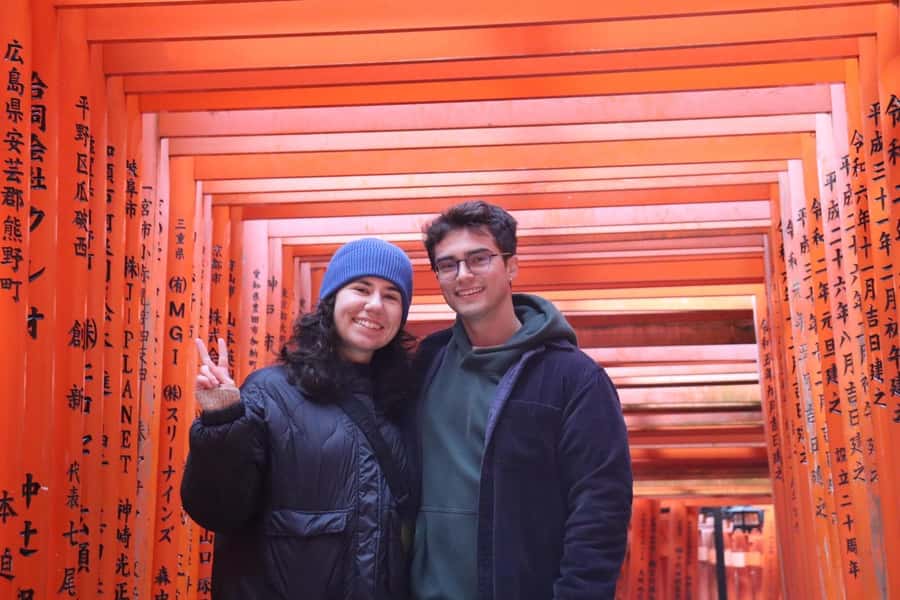
Fushimi Inari is known for its thousands of orange torii gates, donated over many years by individuals and businesses. The gates form covered paths up the wooded slopes behind the main shrine. On this tour, you spend about an hour here with a guide, stopping for photos and explanations as you go.
I especially like this first stop because it sets the tone for the rest of the morning. You are not simply checking off a famous photo spot. You learn how the shrine works, what the gates represent, and how to behave at a Shinto site. The early light also gives the gates a softer look, and the quieter conditions make it easier to listen and take photographs.
Do not expect to walk every trail on the mountain in one hour. Fushimi Inari is much larger than the portion most half-day tours can cover. The route gives you a strong introduction, but visitors who want the full summit walk will need to return on their own with several extra hours.
A few more Kyoto tours and experiences worth a look

Kiyomizu-dera and the view across Kyoto
After Fushimi Inari, another train ride of about 10 minutes brings you closer to Kiyomizu-dera. The itinerary then includes roughly 15 minutes on foot before reaching the temple.
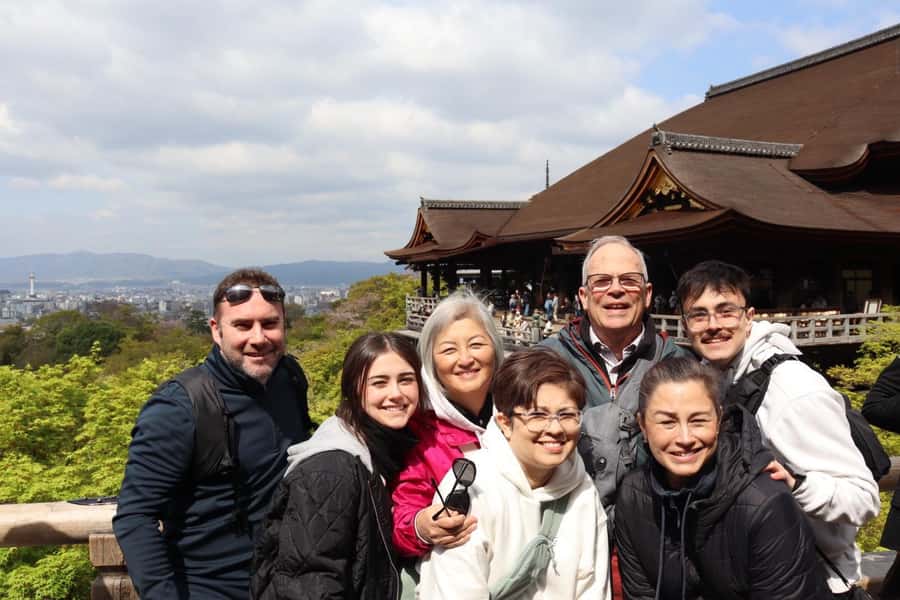
Kiyomizu-dera is one of Kyoto’s essential stops, known for its large wooden stage and views toward the city. You spend about an hour here on a guided visit, with time for sightseeing, photos, and the views along the approach.
The admission fee of 500 yen is included, which keeps the tour price easier to judge. More important, the guide gives the temple context that can be hard to find when you are moving quickly on your own. The tour also covers both Shinto and Buddhist places, so you can ask about the differences in customs and religious practice as the morning unfolds.
The approach to Kiyomizu-dera includes slopes and walking. Comfortable shoes are not optional here. You will also be visiting several busy outdoor areas, so this is best for someone who is comfortable staying on foot for much of a morning.
Sannenzaka and Ninenzaka, Kyoto’s old lanes
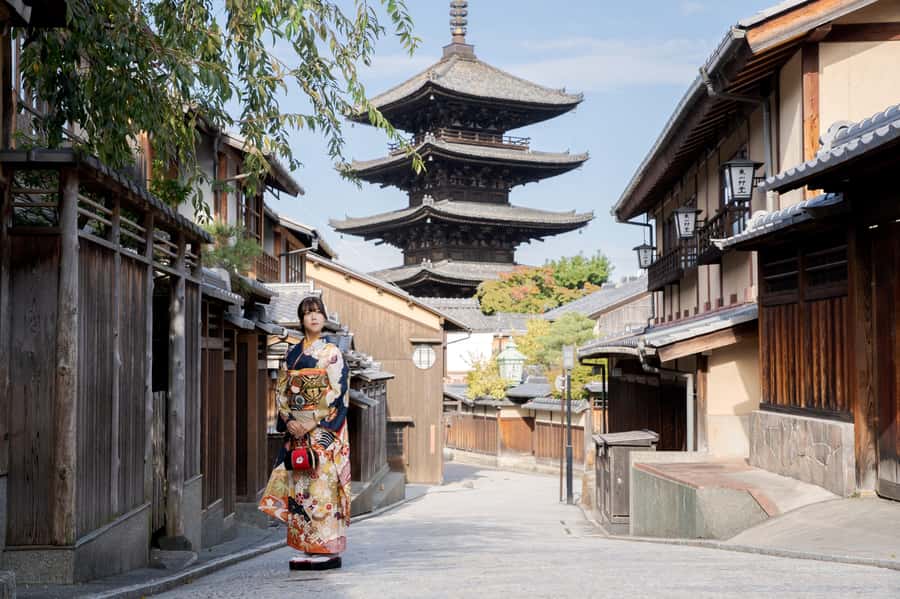
From Kiyomizu-dera, the tour continues on foot to Sannenzaka, with about five minutes of walking before a 15-minute stop. This is a chance to pause, take pictures, browse shops, and sample a traditional Kyoto sweet provided as part of the tour.
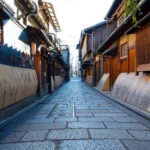
Sannenzaka and nearby Ninenzaka are known for their traditional wooden buildings, sloping lanes, and small shops. The route gives you about 10 minutes in Ninenzaka, enough for an introduction and a few photographs rather than a long shopping session.
I like this section because it connects the temple visit with everyday Kyoto details. You see how the old streets, shops, and religious sites fit together instead of treating each attraction as a separate island. If you want to buy gifts or snacks, keep your expectations modest. The scheduled time is short, so this is more of a guided look than an extended shopping stop.
The stone lanes can be uneven and crowded, particularly as the morning progresses. Strollers and baby carriages are not allowed on the tour, and the activity is not suitable for wheelchair users. Those restrictions reflect the route itself, which includes slopes, steps, and narrow historic streets.
Hōkan-ji and Yasaka Kōshin-dō
The next walking section takes about five minutes and leads to Hōkan-ji Temple, often recognized by its tall pagoda. The stop lasts about 15 minutes and includes sightseeing, explanations, and photo time.
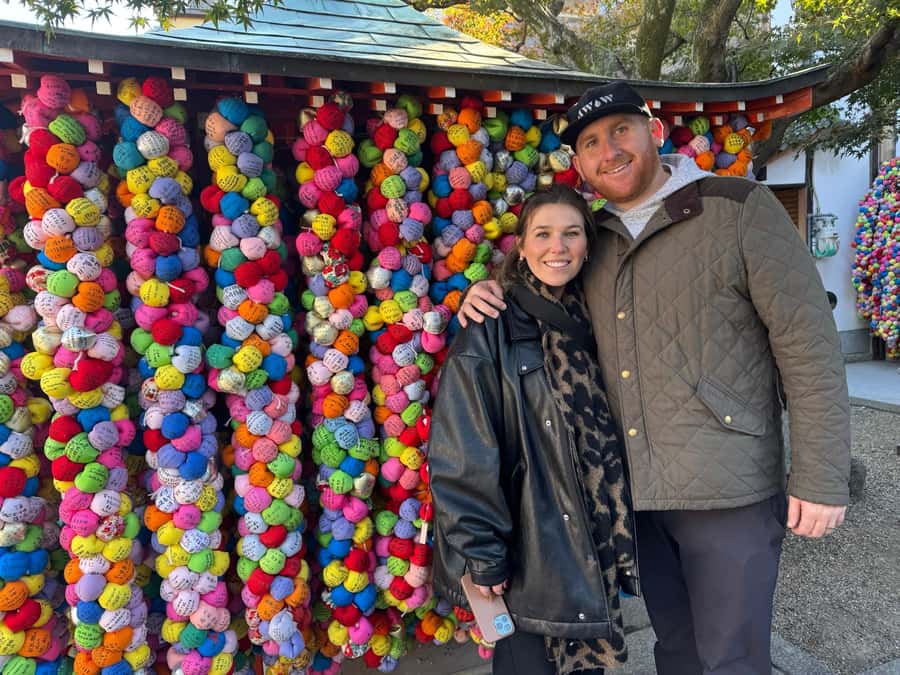
A further 15-minute visit follows at Yasaka Kōshin-dō Temple. Its colorful hanging balls make it one of the more distinctive photo stops in this part of Kyoto. The short visit works well with a guide because small details are easy to miss when you are moving between better-known sights.
This is also where the route feels less like a list of only the biggest attractions. Kiyomizu-dera and Fushimi Inari are major names, but the smaller temples and side streets help you see the character of eastern Kyoto. I would not book this tour expecting long, quiet temple meditation. It is a brisk introduction, with time divided among several locations.
The supplied highlights also refer to Kasuga Grand Shrine, but the detailed route provided for this experience does not include a stop there. If that shrine is important to your plans, confirm the exact route before booking rather than assuming it is part of this Kyoto morning itinerary.
Yasaka Shrine and the Gion finish
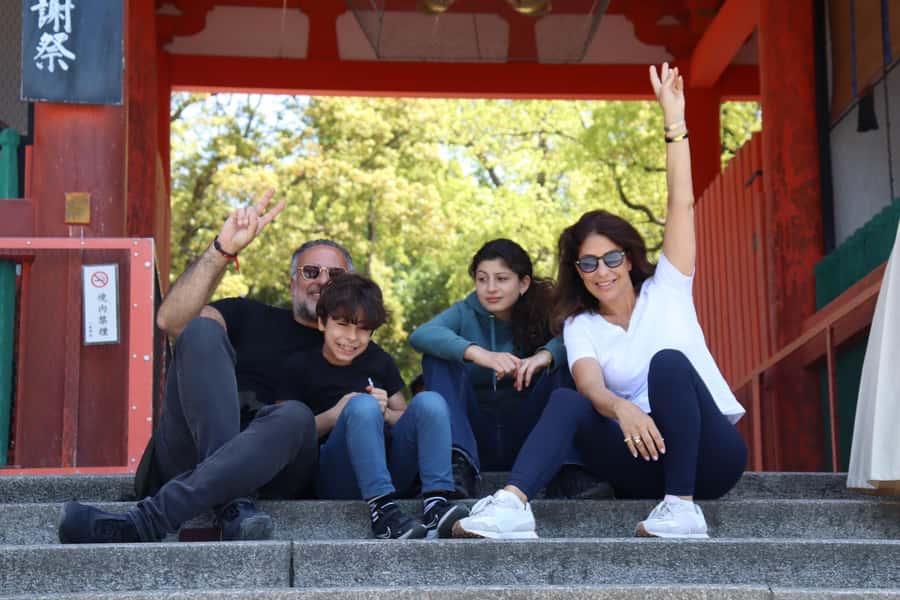
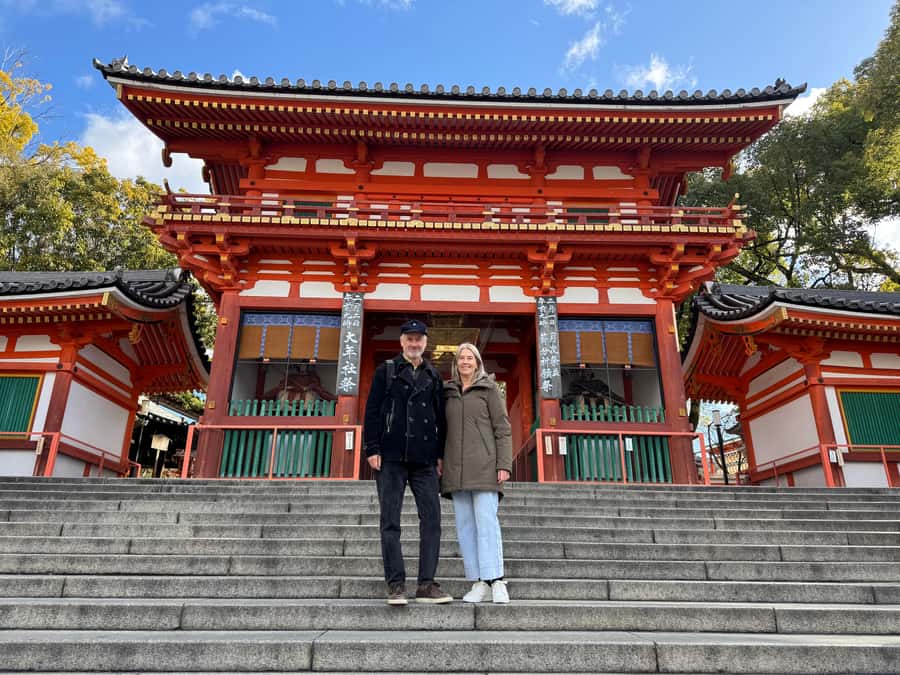
The final walking leg takes about 10 minutes before a 30-minute visit to Yasaka Shrine. The tour ends at Yasaka Shrine according to the route, giving you a useful position for continuing into Gion, Shijo, Kawaramachi, or nearby areas afterward.
Yasaka Shrine is a natural finish for this route. It sits at the edge of Gion and links the temple streets around Higashiyama with Kyoto’s older entertainment and dining districts. Your guide can explain shrine customs and help you understand how to approach the site respectfully.
One practical point needs checking when you reserve. The route identifies Yasaka Shrine as the finish, while the general meeting information says the activity ends back at the meeting point. The exact ending may depend on the option you choose, so confirm it with the provider if you need to catch a train or meet someone afterward.
The 30-minute stop is longer than the smaller temple visits, giving you more time for photographs and questions. It also means the tour does not simply rush you from one landmark to the next. Still, the full route remains tightly timed, so plan separate time if you want to explore Gion’s lanes, shops, or restaurants at length.
A few more Kyoto tours and experiences worth a look

What the guide adds to the morning
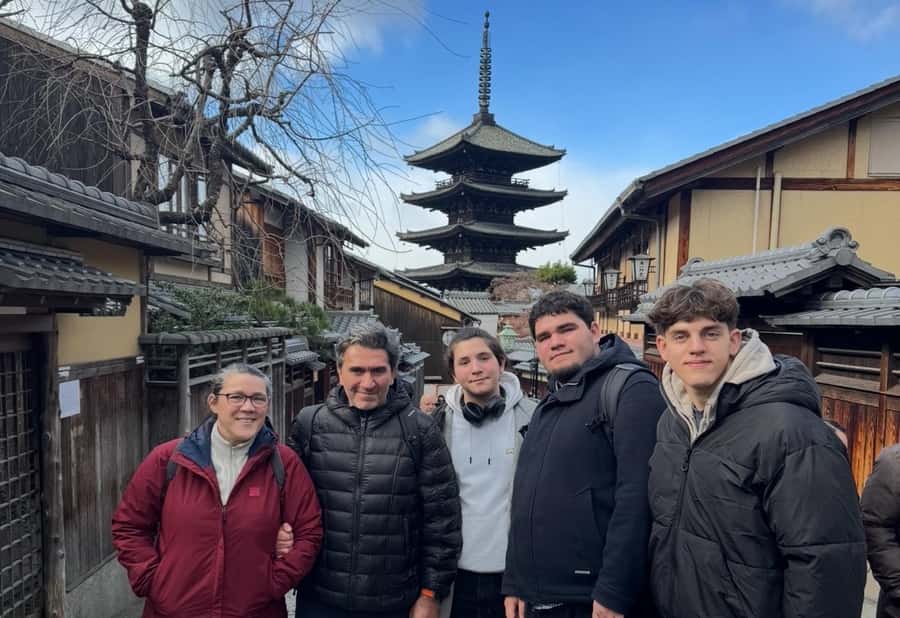
The tour is conducted in English by a local guide, and private or small-group formats are available. Ikki-san is specifically associated with several departures and is praised for explaining Shinto and Buddhist traditions, showing visitors how to pray at shrines, and answering questions in detail.
That kind of help is valuable in Kyoto. A shrine visit can otherwise become a quick photo stop, especially if you are unsure when to bow, how to use the purification fountain, or what the objects around the grounds mean. The guide also points out small details you might walk past alone.
Past feedback gives special emphasis to the guide’s English, friendly manner, cultural explanations, and photo skills. Those strengths are worth considering when comparing this tour with a self-guided morning. You are paying not only for transport planning, but also for interpretation and someone who can take photographs of you rather than leaving one person out of every group picture.
Professional photos are included, along with free Wi-Fi. The number and delivery method of the photos are not specified, so ask for details if that service is important to you. The guide may also offer practical tips for the rest of your Kyoto visit, which can be particularly helpful early in a Japan trip.
Is $100 a fair price?
The price is $100 per person. You also pay about 400 yen for public transportation, while meals, drinks, and personal purchases are separate. Kiyomizu-dera’s 500-yen entrance fee is included.
For a solo visitor or couple, $100 is not the cheapest way to see these places. You can reach Fushimi Inari, Kiyomizu-dera, and Yasaka Shrine independently with a transit card and a guidebook. The tour earns its price through its structure: an early start, a planned sequence, local explanations, shrine etiquette, photo help, and a half-day route that covers a lot without requiring you to study Kyoto’s transport system first.
The value improves if you choose a private or small group and care about questions, flexible conversation, and personal photos. It is less compelling if you are happy walking alone, already understand Japanese religious customs, or want to spend a long time at one shrine.
Reserve now and pay later is available, and cancellation is free up to 24 hours before the tour for a full refund. That gives you some useful flexibility, but the punctuality rule is strict. If you are late to the meeting point, you cannot join and will not receive a refund.
Who will enjoy this Kyoto walking tour?
I would recommend it most to first-time Kyoto visitors with limited time. In four and a half hours, you see the city’s most recognizable shrine, one of its major temples, old shopping lanes, several smaller religious sites, and the edge of Gion.
It also suits people who want cultural explanation rather than a sightseeing checklist. If you have wondered how Shinto prayer differs from Buddhist practice, or why certain shrine features appear where they do, the guide can make the morning more meaningful.
The tour is a good fit for photographers and families with older children who can manage a moderate amount of walking. The professional photos are a real advantage for couples and small groups.
I would be cautious about booking if you have limited mobility, need a wheelchair, plan to bring a stroller, or dislike hills and uneven lanes. It is also not ideal if you want a relaxed pace. The schedule is efficient, but each stop has a set time, and the morning includes several transfers and walking sections.
Practical preparation before you go
Wear shoes with good support. The route includes temple approaches, slopes, steps, and extended time standing outdoors.
Arrive early at the meeting point. At Kyoto Station, the guide waits near the central exit, by the yellow map next to the 7-Eleven, holding an OTAKU hopper sign. Detailed directions and images are sent after booking, but you should still allow time to find the correct exit.
Bring money or a transit card for roughly 400 yen in train fares. Food and drinks are not included, so have breakfast beforehand or carry something small if needed. The tour includes a sample of traditional Kyoto sweets, but that is not a substitute for a full meal.
For private tours, select your preferred meeting point when booking. If you do not choose one, the default is the Statue of Izumo-no-Okuni.
Should you book it?
Book this tour if you want a well-planned Kyoto introduction before the crowds build, especially if you value clear cultural explanations and good group photos. Ikki-san’s shrine guidance, the early Fushimi Inari visit, and the efficient route through Higashiyama give the experience more substance than a simple transport-and-photo outing.
Skip it if you want to explore slowly, climb all of Fushimi Inari, shop for hours in Ninenzaka, or avoid moderate walking. At $100 plus transit, it is a guided convenience rather than a budget attraction.
For a first morning in Kyoto, I find the strongest case is time. You see a great deal, learn how to approach the religious sites respectfully, and finish near Gion with the rest of the day still open.
FAQ
How long does the Kyoto morning tour last?
The tour lasts 4.5 hours. Check availability for the starting times offered on your chosen date.
What sights are included?
The route includes Fushimi Inari Taisha, Kiyomizu-dera, Sannenzaka, Ninenzaka, Hōkan-ji Temple, Yasaka Kōshin-dō Temple, and Yasaka Shrine.
Where does the tour start?
The standard meeting point is the central exit of Kyoto Station, near the yellow map beside the 7-Eleven and close to Kyoto Tower. Private tours may offer other meeting points.
Where does the tour finish?
The detailed route finishes at Yasaka Shrine. General meeting information says the activity ends back at the meeting point, so confirm the ending for your selected option before booking.
Is transportation included?
Public transportation is used, but the fare is not included. Expect to pay about 400 yen.
Is Kiyomizu-dera admission included?
Yes. The 500-yen entrance fee for Kiyomizu-dera is included.
Is the tour private?
Private and small-group options are available. The exact format depends on the option you select.
What language is the tour conducted in?
The live tour guide speaks English.
Is the tour suitable for wheelchair users or strollers?
No. The tour is not suitable for wheelchair users, and baby strollers and baby carriages are not allowed.
What happens if I arrive late?
If you are late for the meeting time, you cannot join the tour and will not receive a refund.
Can I cancel the booking?
Yes. You can cancel up to 24 hours in advance for a full refund. Reserve now and pay later is also available.
More Golden Pavilion & Temple Tours in Kyoto
More Fushimi Inari Tours in Kyoto
More Gion & Geisha Walks in Kyoto
More tours in Kyoto we've reviewed





Gion & Geisha Walks, compared.
 ★ 4.7Kyoto Geisha Walking Tour: Gion District & Hidden GemsFrom $252 hours
 ★ 4.7Kyoto: Gion Geisha District Walking Tour – Stories of GeishaFrom $202 hours
 ★ 4.9Best of Kyoto: Gion, Geisha, Pagodas & CobblestonesFrom $242 hours
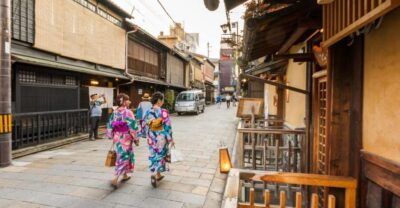 ★ 4.5Night Walk in Gion: Kyoto’s Geisha DistrictFrom $211h 40m
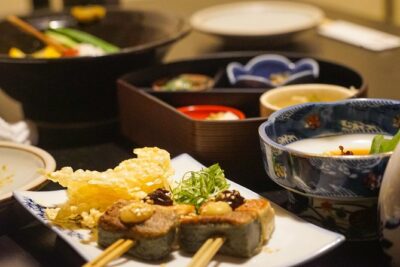 ★ 5.0Kyoto Night Foodie Tour in Gion (9+ dishes + 6 Sake tastings)From $163
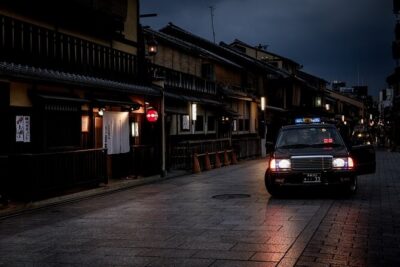 ★ 5.0Kyoto Gion Geisha District Walking Tour – The Stories of GeishaFrom $25