
Reviewed · TEA CEREMONY EXPERIENCES
Kyoto Ninenzaka: Tea Ceremony in Old Townhouse with Chairs
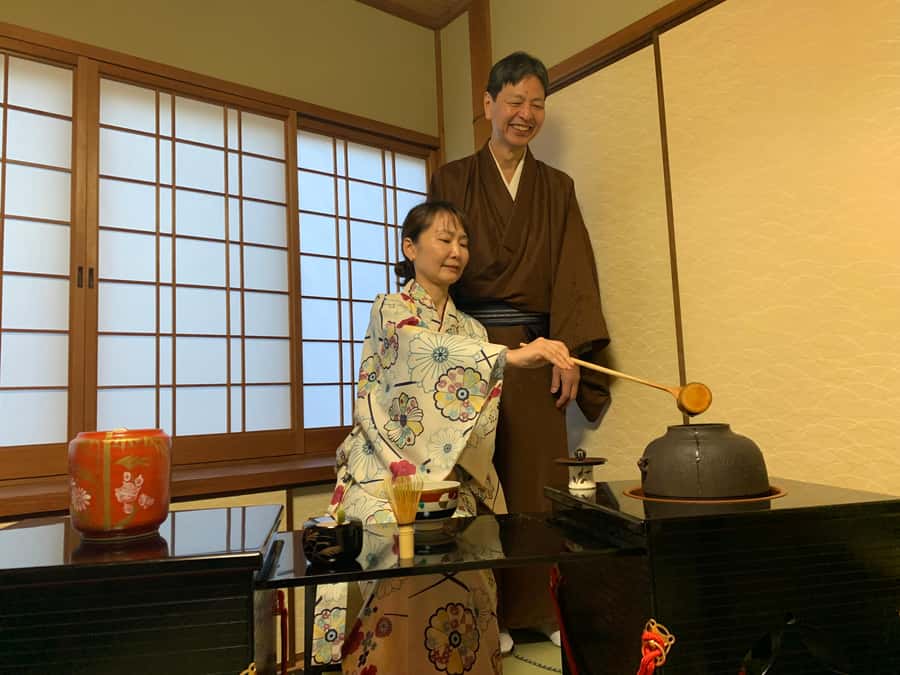
The real appeal here is the chance to see tea ceremony as a careful cultural practice, not a quick costume-and-photo stop. In a 150-year-old townhouse near Kiyomizu Temple, a tea master demonstrates each movement while an English-speaking guide explains the history, Zen ideas, tools, and etiquette behind it.
I like the use of premium Uji matcha and wagashi from a long-established Kyoto confectioner. I also like the standing ceremony format with tables and chairs, which makes this far easier than floor sitting for anyone with stiff knees. The main consideration is that the session lasts only 50 minutes, and the narrow townhouse stairs, no-video rule, and quiet atmosphere may not suit every visitor.
In This Review
- Key points at a glance
- Why this tea ceremony feels different
- Finding the townhouse near Ninenzaka
- What happens during the 50-minute session
- Tables and chairs make a real difference
- A closer look at the tea, sweets, and utensils
- The atmosphere: quiet, serious, and not staged for cameras
- Group size and the value of $21
- Who should book it
- Practical advice before you go
- Should you book this Kyoto tea ceremony?
- FAQ
- How long does the tea ceremony last?
- How much does the experience cost?
- Is the tea ceremony conducted in English?
- Do I need to sit on the floor?
- Are children allowed?
- What should I wear or bring?
Key points at a glance
- Uji matcha with a family tea-growing tradition: The matcha comes directly from a tea farmer whose family has cultivated tea since the Bunsei era, from 1818 to 1831.
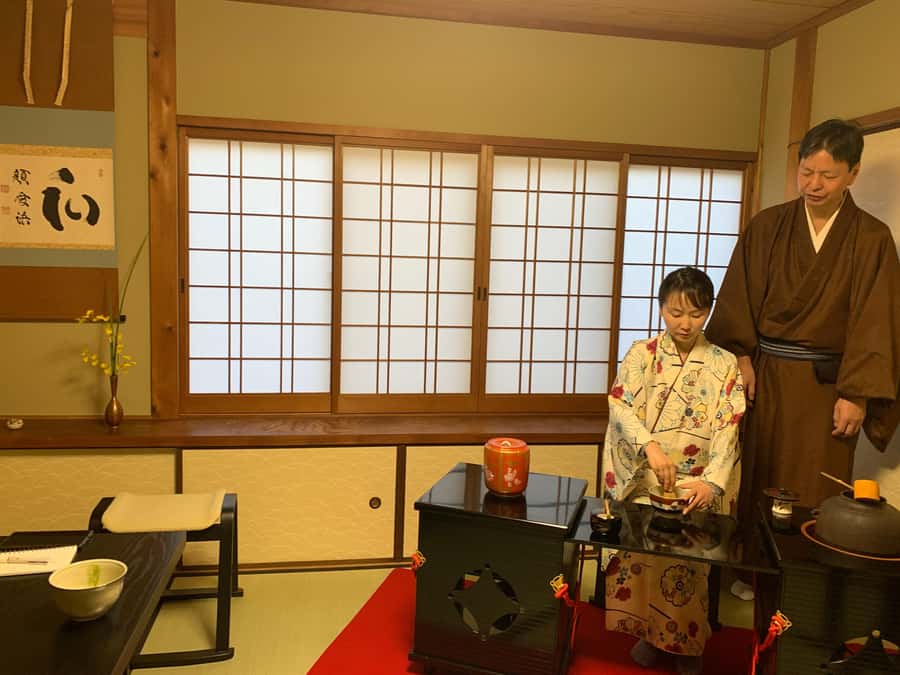
- A 150-year-old Ninenzaka townhouse: The renovated interior keeps the character of an old Kyoto home, with small rooms, low ceilings, and a calm setting.
- Tables and chairs instead of floor sitting: You can take part in a standing-style ceremony without kneeling on tatami.
- A hands-on tea lesson: You watch the formal preparation, then make your own matcha with traditional utensils.
- Kyoto wagashi with a long pedigree: Seasonal sweets come from an established Kyoto confectionery shop and are served with the tea.
- Small-group feel when numbers are low: Sessions described by participants included four and six people, though the facility can accommodate groups of up to 20.
Why this tea ceremony feels different
Many tea activities in Kyoto are designed as a first taste of Japanese culture. This one asks for a little more attention. The point is not simply to hold a bowl, stir green tea, and take a photograph. You are introduced to the ideas behind the ritual, including its connection with Zen, seasonal hospitality, quiet concentration, and respect for the objects used.
That difference matters. If you have only a passing interest in tea, the formal explanations may feel serious for a 50-minute activity. If you enjoy Japanese design, traditional arts, history, or small details, the structure gives the experience more meaning.
The hosts explain why the tea ceremony has so many measured gestures. You learn how utensils are used, how they are cared for, and how tea is served properly. The demonstration lets you watch the sequence before you try it yourself, so you are not expected to know the rules when you arrive.
The English support is an important part of the experience. Sessions may include a Japanese tea master with an English-speaking assistant or guide. Sakura has been praised for patient explanations and thoughtful answers, while another session included an Australian professor helping explain the practice alongside the Japanese tea master. The quality of translation can vary slightly by session, but the overall format is designed for English speakers.
A few more Kyoto tours and experiences worth a look
Finding the townhouse near Ninenzaka
The meeting point is near Kiyomizu Temple, at the end of the alley beside the Starbucks on Ninenzaka. This places you in one of Kyoto’s most famous old-town areas, but the exact entrance can be tricky to spot.
Use the written directions carefully rather than relying only on the map pin. One participant found that Google Maps pointed toward a different cultural activity provider. I would allow extra time, especially if you are coming through the crowded lanes around Kiyomizu Temple.
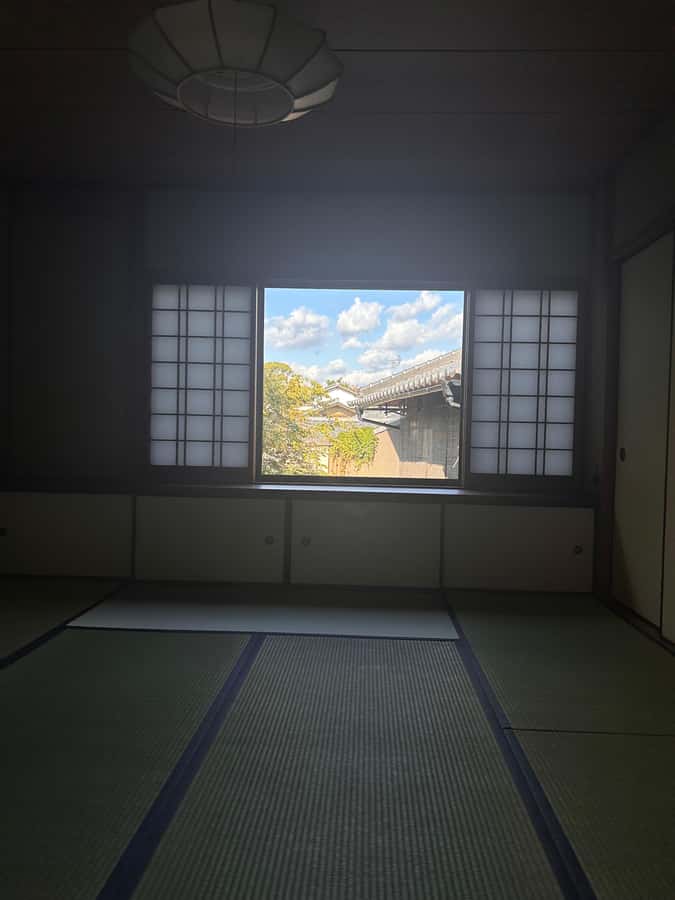
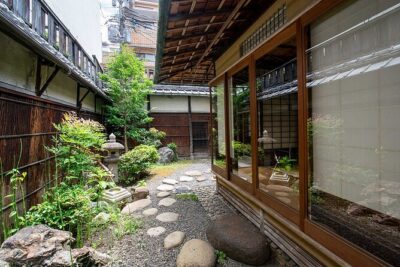
The location itself adds to the experience. You enter a traditional Japanese townhouse built roughly 150 years ago. The interior has been renovated, but it retains the feel of an old Kyoto residence. Expect small rooms, low ceilings, and a steep, narrow staircase.
The classroom has been arranged to feel brighter and more open than a formal tea room. That is a sensible choice for an international audience, though it does mean the setting is adapted rather than untouched. The atmosphere remains quiet, but this is not a private tea room hidden away from modern life.
What happens during the 50-minute session
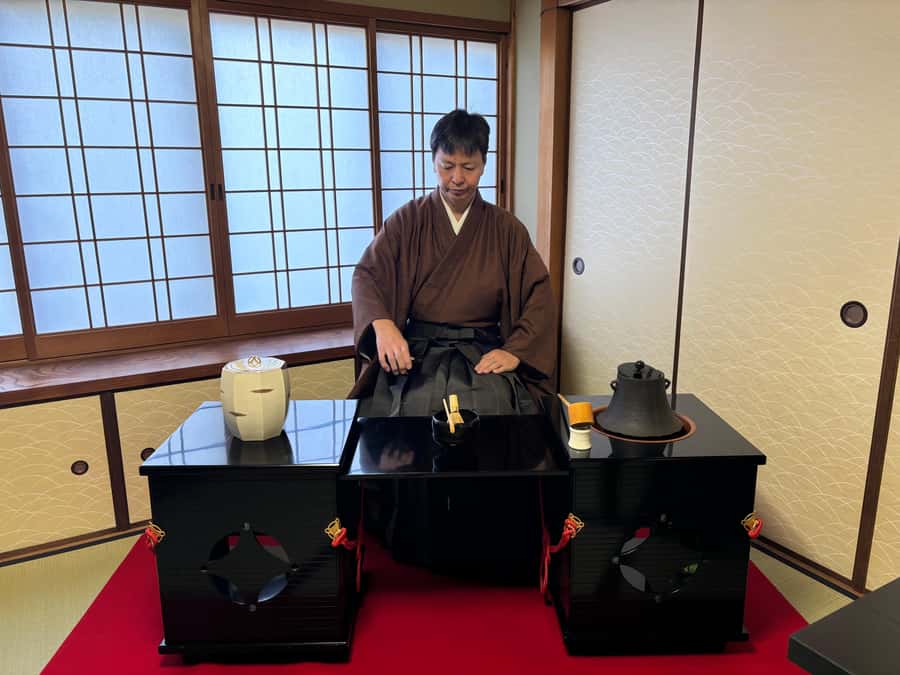
The short schedule is tightly planned. You begin with an introduction to the tea ceremony and its place in Japanese culture. The guide explains the relationship between tea and Zen, giving you enough background to understand why silence, movement, and attention matter.
Next comes the equipment. You see the tea bowl, whisk, scoop, and other utensils, with an explanation of what each item does and how it should be handled. This is one of the strongest parts for anyone interested in Japanese craft. A tea bowl is not just a cup, and the utensils are not treated as disposable props.
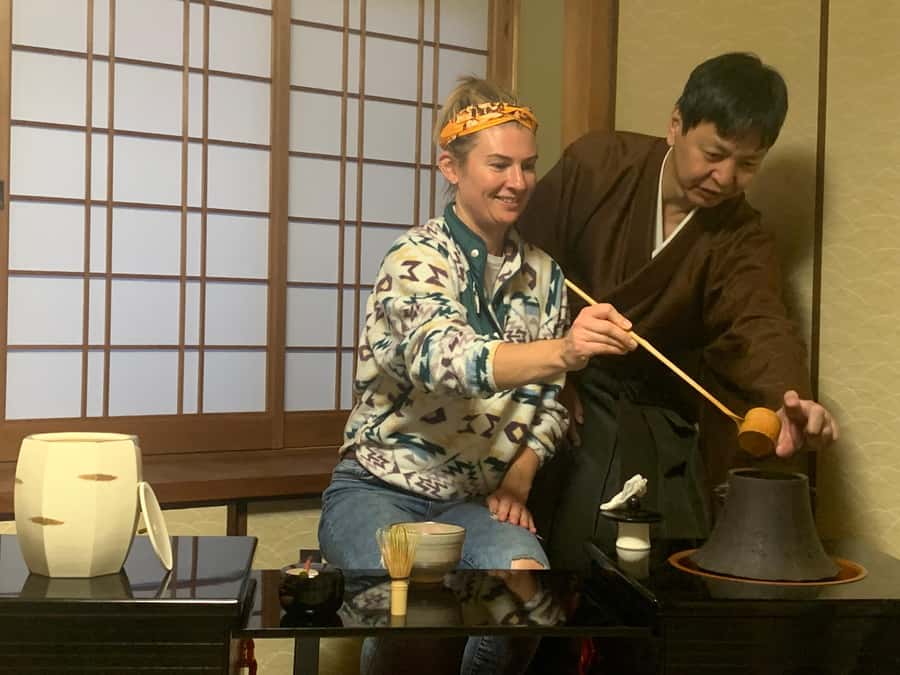
The tea master then demonstrates the preparation. Watch the sequence before worrying about your own technique. The movements are controlled and elegant, and the quiet room makes even simple actions feel deliberate.
You then prepare matcha yourself. The experience includes two cups of matcha, along with seasonal Japanese sweets. One cup gives you a chance to follow the instructions, while the second helps you appreciate the taste and method with a little more confidence.
The matcha is made from Uji tea, a major reason this activity offers good value at $21. The tea comes directly from a farmer whose family has been growing it since the early nineteenth century. That does not mean every cup will suit every palate. Proper matcha has a grassy, bitter, concentrated taste, and it may surprise you if you are used to sweetened green tea drinks.
The wagashi provides the balance. These delicate sweets are ordered from a long-established Kyoto confectionery shop. Their gentle sweetness is meant to prepare your palate for the tea, rather than serve as a separate dessert course. The seasonal design also shows how Japanese sweets connect food with the time of year.
The final part is for questions. You can ask about etiquette, Zen, tea tools, history, taste, or the meaning of specific actions. The value of this section depends partly on the group and the available time, but the format allows for more conversation than a simple demonstration.
Tables and chairs make a real difference
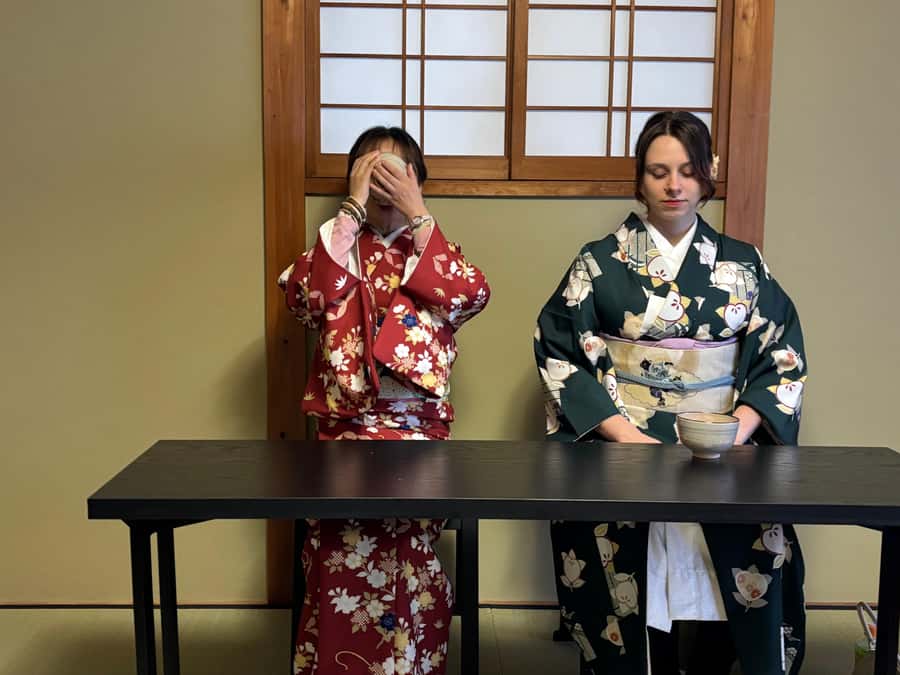
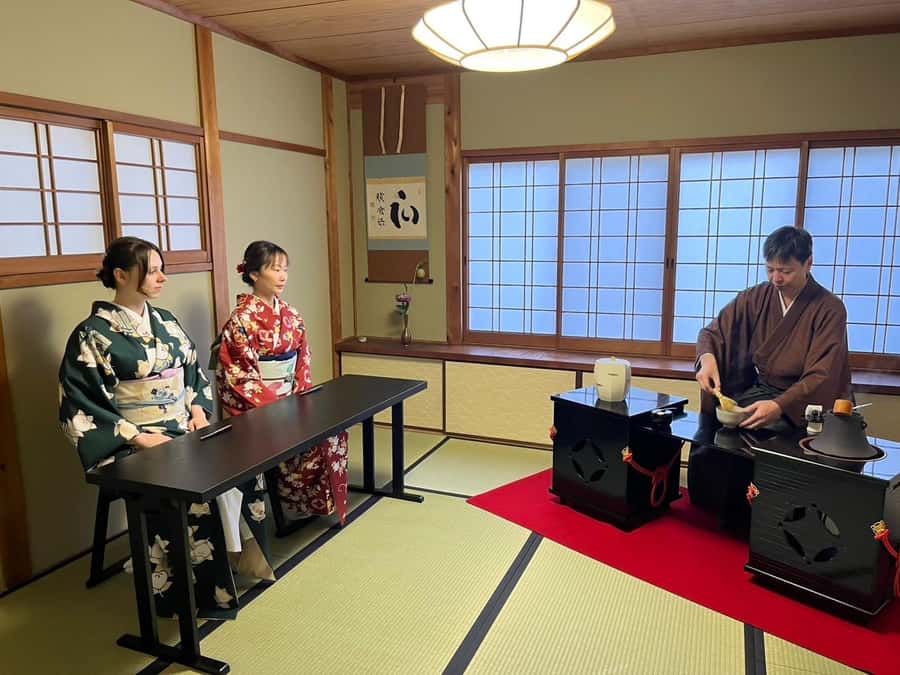
The experience uses a seated tea ceremony style with a stand, tables, and chairs. This is a major practical advantage. Traditional tea ceremonies often require kneeling or sitting on the floor, which can be uncomfortable or impossible for people with bad knees, limited flexibility, or a long day of sightseeing behind them.
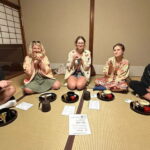
You still get the visual language of the ceremony, but without forcing your body into a position that distracts from the lesson. A participant with knee trouble specifically appreciated the chair setup, and another described the traditional room with tatami, tables, and chairs as an easy arrangement for the group.
Be clear about what this means. The format is accessible for people who find floor sitting difficult, but it is not designed for wheelchair users. The stairs are narrow and steep, and electric wheelchairs are not accepted. Anyone with mobility concerns should contact the provider before booking.
The room is also not suitable for loud conversation, large bags, or casual filming. The quiet is part of the design. The hosts ask you to avoid perfume and strongly scented products so you can notice the fragrance of incense, matcha, and sumi ink. That may seem strict, but subtle smells are part of the experience.
A closer look at the tea, sweets, and utensils
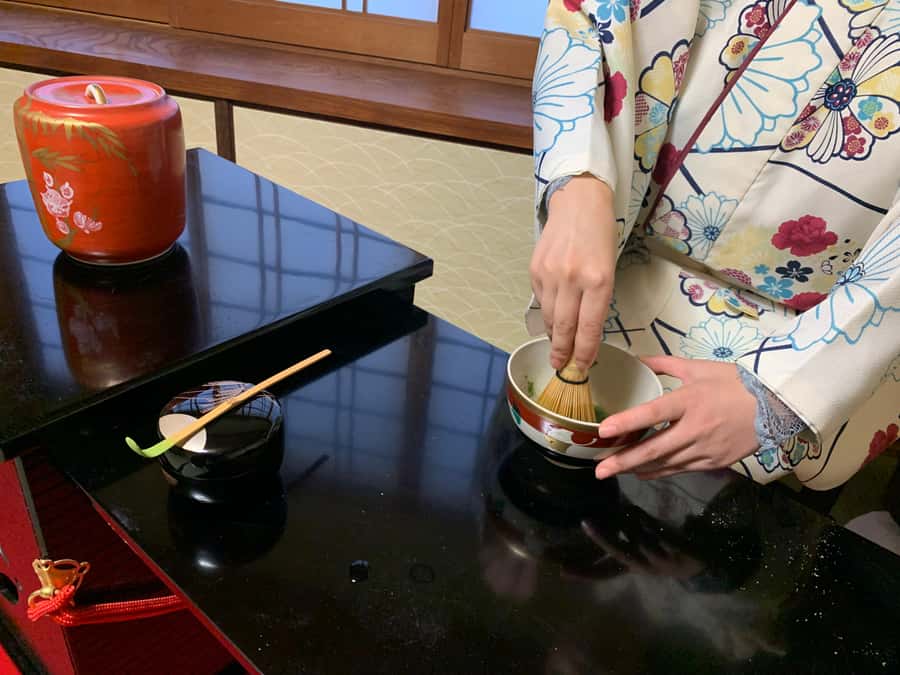
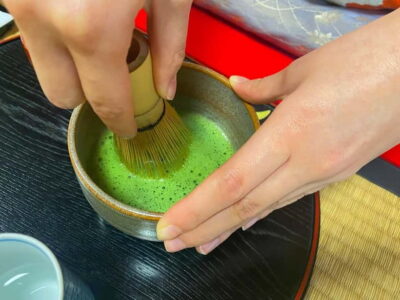
I would not judge the matcha by comparing it with a café latte. Uji matcha is finely powdered tea, whisked into water rather than steeped and removed. You drink the powder itself, which gives the tea a fuller body and a sharper finish.
The two-cup format lets you experience both the instruction and the pleasure of making tea. You learn the correct way to use the whisk and how to serve the tea, while also getting a better sense of how water, powder, and whisking affect the result.
The wagashi is a thoughtful inclusion. Kyoto has a long confectionery tradition, and these sweets are made to accompany tea. They are small, precise, and seasonal. If you usually find matcha too bitter, eat the sweet as instructed before sipping. It changes the balance.
The utensils add another layer. You are shown how to handle valuable tea bowls and why large jewelry can be a problem. Remove long necklaces, big rings, and bracelets before the session. They can scratch or strike the bowl, and the hosts specifically ask you to keep accessories small.
If you have long hair, tie it back. It is a practical point, but loose hair can fall toward the tea bowl while you prepare your drink. Socks are required, since shoes come off indoors and bare feet are not allowed. If you forget, socks can be purchased for 500 yen.

The atmosphere: quiet, serious, and not staged for cameras
The hosts want the tea to be enjoyed without outside distractions. Hats, professional cameras, flash photography, video recording, audio recording, and other electronic devices are not allowed. You also cannot bring drinks, food, large bags, or luggage into the activity.
That rule can disappoint people hoping for a full photo record. One participant found the filming restriction awkward. I see it differently, though with one qualification: the no-recording policy makes it easier to pay attention, but you should know about it before you arrive.
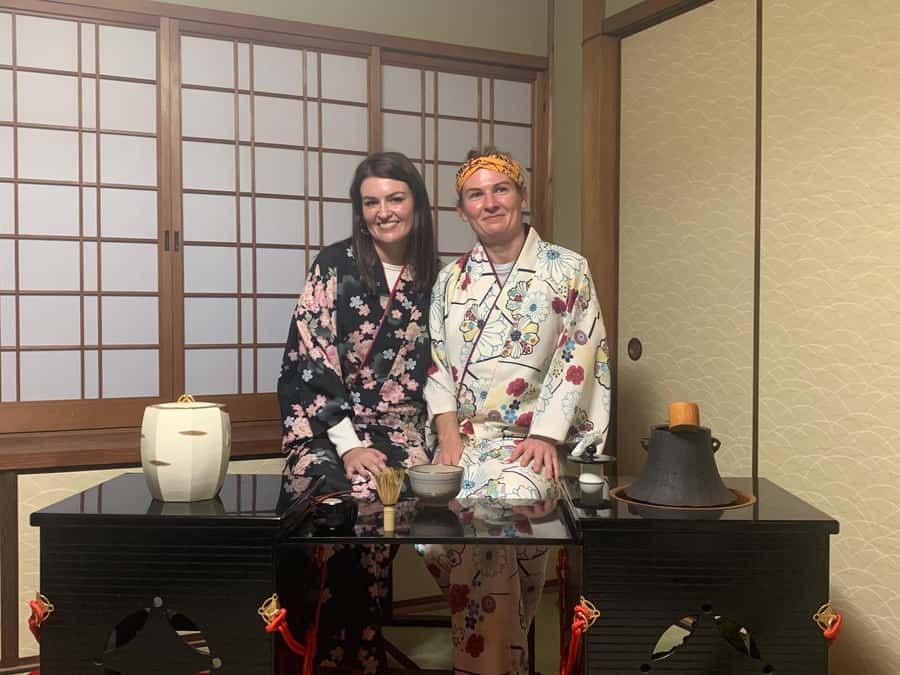
There may be a photo opportunity at the end, and kimono rental is available for an additional charge. A kimono can make the occasion feel special, but it is optional. You do not need one to understand the ceremony, and the activity itself does not include the rental.
The tone is respectful and sometimes solemn. That is part of its appeal, but it is not a comedy performance or a loud group activity. The hosts can be warm and friendly while still treating the ceremony seriously. The best approach is to arrive ready to listen and take part without rushing.
Group size and the value of $21
At $21 per person, this is a strong-value cultural activity in one of Kyoto’s most expensive sightseeing districts. You receive instruction from experienced hosts, a booklet, a demonstration, hands-on preparation, two cups of matcha, and seasonal sweets.
The price is especially fair because the tea and wagashi are not generic refreshments. The matcha is sourced through a family tea-growing tradition in Uji, and the sweets come from an established Kyoto confectioner. You are paying for teaching and ingredients, not just ten minutes of staged pouring.
Group size will affect the mood. The facility can handle up to 20 people, which would feel less personal than a small session. Recent sessions included four and six participants, creating room for questions and a quieter exchange with the tea master.
If you want a private ceremony, confirm the group arrangement before booking. If you are comfortable sharing the room, the small-group format offers a good balance between personal attention and a reasonable price.
The 50-minute length also works well in a Kyoto sightseeing day. You can fit it around Kiyomizu Temple, Ninenzaka, and the nearby old streets without losing half a day. The tradeoff is that the session cannot cover every branch, rule, or historical period of tea practice. Think of it as a focused introduction, not professional training.
Who should book it
I would choose this for you if you want to understand the meaning behind the ceremony, not simply wear a kimono and pose with a bowl. It suits people who enjoy Japanese aesthetics, traditional arts, history, food culture, or quiet demonstrations.
It is also a good pick if floor sitting worries you. The chair-based arrangement lets you take part comfortably, though the townhouse stairs still require care.
Families should note that children under 10 are not accepted. The quiet setting is intended for older participants who can follow instructions and respect the no-noise policy.
I would skip it if you dislike bitter tea, have no interest in explanation, or want a free-flowing photo session. The activity is built around concentration. Strong perfume, large accessories, filming, and casual electronic use all work against the atmosphere.
People hoping for a geisha performance should also choose another activity. This is a different side of tea ceremony, centered on the tea master, the tools, the philosophy, and the formal process.
Practical advice before you go
Book at least a day ahead if possible. Last-minute or same-day reservations may not always be accommodated as requested, and the session may be conducted in English in those cases.
Wear socks and comfortable clothing that makes it easy to remove shoes. Avoid perfume, strongly scented lotion, large jewelry, and see-through clothing. Leave luggage and large bags elsewhere, since they are not permitted.
Plan to arrive early because the alley near Ninenzaka can be confusing. Follow the written directions and look for the entrance near the Starbucks at the end of the side alley. Do not assume the map pin alone will guide you to the correct door.
If you want a kimono, ask about the paid rental before arrival. If you hope to buy matcha or tea utensils afterward, the venue may offer those for sale, but they are not part of the $21 price.
Cancellation is free up to 24 hours before the activity for a full refund. You can also reserve and pay later, which helps if your Kyoto schedule is still changing.
Should you book this Kyoto tea ceremony?
Book it if you want an intimate, educational introduction to tea ceremony with good ingredients, careful instruction, and chairs instead of floor cushions. The combination of Uji matcha, Kyoto wagashi, a historic townhouse, and a patient English-speaking guide gives the 50 minutes real substance.
Do not book it expecting a grand ceremonial production or a relaxed photography session. The townhouse is tight, the stairs are steep, and the rules are strict because the hosts want you to focus.
For $21 near Kiyomizu Temple, I think the value is excellent. You leave with more than a taste of matcha. You gain a clearer sense of why tea ceremony treats time, tools, guests, and seasonal details with such care.
FAQ
How long does the tea ceremony last?
The activity lasts 50 minutes.
How much does the experience cost?
The listed price is $21 per person.
Is the tea ceremony conducted in English?
Yes. English is available through the host or guide, and the activity is designed for English-speaking participants. Last-minute bookings may be conducted in English if the requested arrangement cannot be accommodated.
Do I need to sit on the floor?
No. The experience uses a standing-style tea ceremony with tables and chairs, making it suitable for people who find floor sitting difficult. The building does have narrow, steep stairs.
Are children allowed?
Children under 10 are not accepted.
What should I wear or bring?
You must wear socks because bare feet are not allowed. Avoid perfume and strongly scented products, and remove large jewelry such as long necklaces, big rings, and bracelets. Shoes, large bags, professional cameras, video recording, flash photography, and several other items are not allowed inside.
More Tea Ceremony Experiences in Kyoto
More tours in Kyoto we've reviewed



Tea Ceremony Experiences, compared.
 ★ 4.9Kyoto: Tea Ceremony in a Traditional Tea House in KiyomizuFrom $4945 min
 ★ 4.9Kyoto: Tea Ceremony Ju-An at Jotokuji TempleFrom $291h 10m
 ★ 4.3Kyoto: 45-Minute Tea Ceremony Lesson ExperienceFrom $2245 min
 ★ 5.0World Heritage Kyoto & Nara Uji Authentic Matcha ExperienceFrom $129
 ★ 4.9Kyoto: Table-Style Tea Ceremony at a Kyo-MachiyaFrom $451h 30m
 ★ 5.0Kimono Tea Ceremony at Kyoto Maikoya, NISHIKIFrom $65