
Reviewed · KYOTO FOOD TOURS
Kyoto: Nishiki Market Food Tour
Nishiki Market is where Kyoto’s food culture gets practical. You walk its centuries-old covered lanes, stopping at about 10 family-run shops for seafood, pickles, sweets, tea, and other local bites. This is not just a meal with scenery around it. Your guide explains what you are tasting and why the seasons matter in Japanese cooking.
I like the small group, limited to eight, and the chance to meet shop owners instead of simply scanning the market on your own. I also like that seasonal lunch and tastings are included, along with Japanese tea. The main drawback is the price: at $173 per person, this costs far more than wandering Nishiki Market independently and buying a few snacks.
- About 10 tasting stops: Sample local seafood, snacks, pickled foods, sweets, tea, and seasonal specialties.
- A guide makes the market readable: English-speaking guides explain ingredients, customs, and Kyoto’s food traditions.
- Small-group format: With no more than eight participants, it is easier to ask questions and stay together in the narrow lanes.
- Lunch is included: The experience goes beyond scattered samples with a seasonal and regional meal.
- Bring comfortable shoes: You will walk for three hours, and hotel pickup, transportation, extra food, drinks, and gratuity cost more.
- Plan ahead for the requirements: At least two people must book, and participants aged 10 and over need to provide passport information.
In This Review
- Why Nishiki Market Works Best With a Guide
- Meeting at Kawaramachi Before the Food Begins
- Walking Through the Kitchen of Kyoto
- Family Shops and Food With a Story
- What You Eat and Drink
- Is $173 a Fair Price?
- How the Small Group Changes the Experience
- Tips for Getting More From Nishiki Market
- Who Should Book This Food Tour?
- Booking Details to Know Before You Go
- Should You Book the Nishiki Market Food Tour?
- FAQ
- How long does the Nishiki Market food tour last?
- How many vendors does the tour visit?
- Is lunch included?
- What language is the tour offered in?
- Where does the tour meet?
- Is hotel pickup included?
- What should I bring or arrange before the tour?
Why Nishiki Market Works Best With a Guide
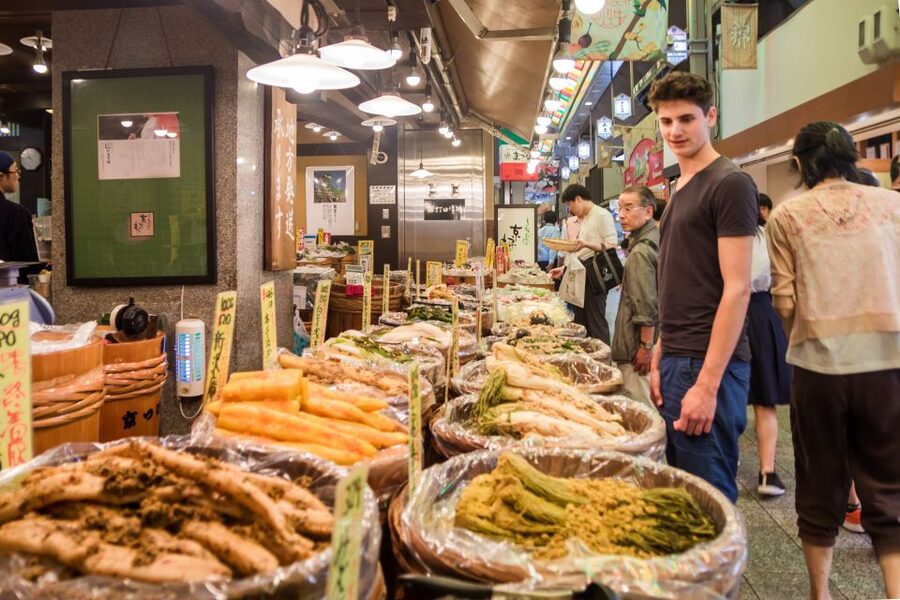
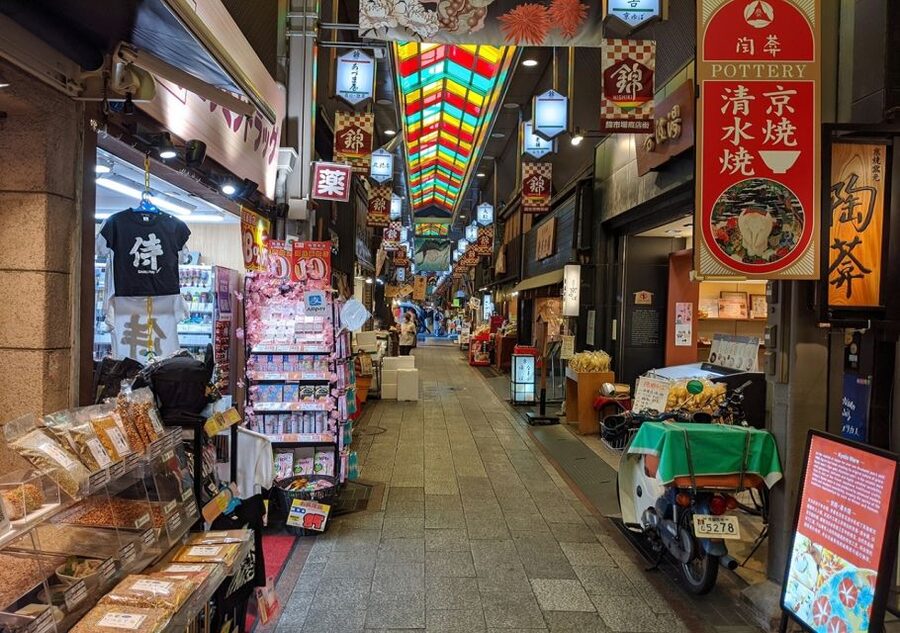
Nishiki Market is often called the Kitchen of Kyoto, and the name fits. It is a long food corridor packed with displays, counters, aromas, and small shops. You may see fresh seafood beside hand-roasted tea, pickled vegetables near sweets, and skewers grilling close to stalls selling ingredients used in home kitchens.
The challenge is that a market like this can be hard to read at first. You may recognize sushi or grilled seafood, but many of the products are less familiar. A guide can tell you what is ready to eat, what is commonly used at home, what changes with the season, and which small taste is worth your attention.
I would especially recommend this tour for a first visit to Kyoto or a first trip to Japan. It gives you a working introduction to Japanese food without asking you to decode every label or decide what to order at every counter. You still have shopping time, so the tour does not feel like a forced march from one sample to the next.
The guide also adds cultural context. Japanese cuisine is closely tied to the calendar, from seasonal produce to the way ingredients are prepared and presented. You learn about the traditions behind that seasonal focus, including the UNESCO recognition connected with Japanese cuisine.
Meeting at Kawaramachi Before the Food Begins
The meeting point is in front of Lacoste at Naramonochi 375, on Shijo-dori in central Kyoto. If you arrive by the Hankyu train line, get off at Kawaramachi Station and use Exit 9.
I would allow a little extra time to find the meeting point, especially if you are not used to Kyoto’s busy central streets. The location is not at Nishiki Market itself, which gives the guide a chance to gather the group before walking toward the market lanes.
Hotel pickup is not included. It can be arranged for an additional charge, but most people will need to make their own way to the starting point. Transportation costs are also separate from the tour price.
The activity runs for three hours, with starting times available according to the date you choose. That is long enough for a proper introduction without taking up your whole day. You can place it before another central Kyoto sight, or use it as a relaxed food-focused part of your schedule.
A few more Kyoto tours and experiences worth a look

Walking Through the Kitchen of Kyoto
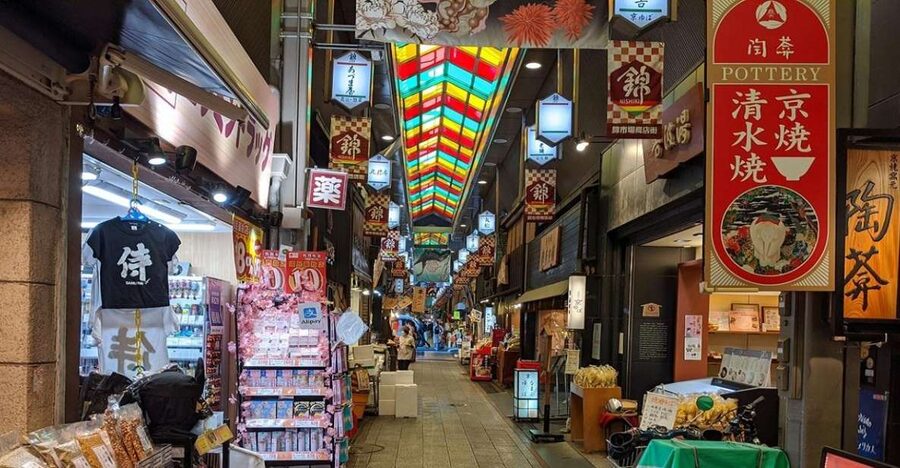
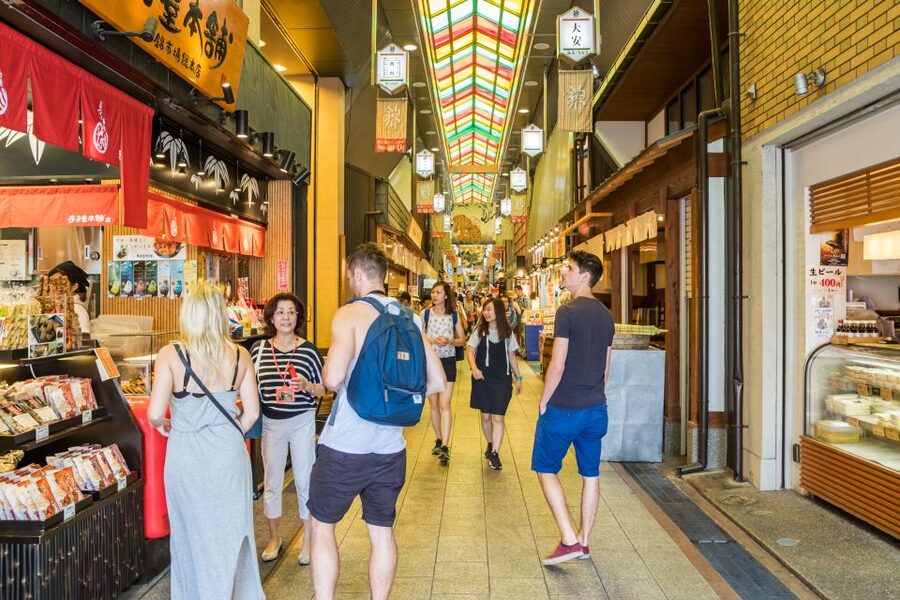
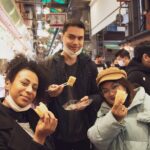
Once inside Nishiki Market, the pleasure comes from moving slowly and paying attention. The passageways are lined with goods that appeal to every sense. You smell grilled seafood and sizzling skewers, see colorful seasonal displays, and hear vendors speaking with customers in shops that have served local households for generations.
The tour visits roughly 10 vendors. That number matters because it gives you variety without turning the experience into one giant meal at the first stop. A bite of seafood can be followed by a local snack, a pickle, a sweet, or another specialty associated with Kyoto.
The exact food selection depends on the season and what is available. That is part of the point. You are not being promised the same fixed menu all year. The tour uses the market as it is on the day you visit, which gives you a better sense of how Japanese food changes through the year.
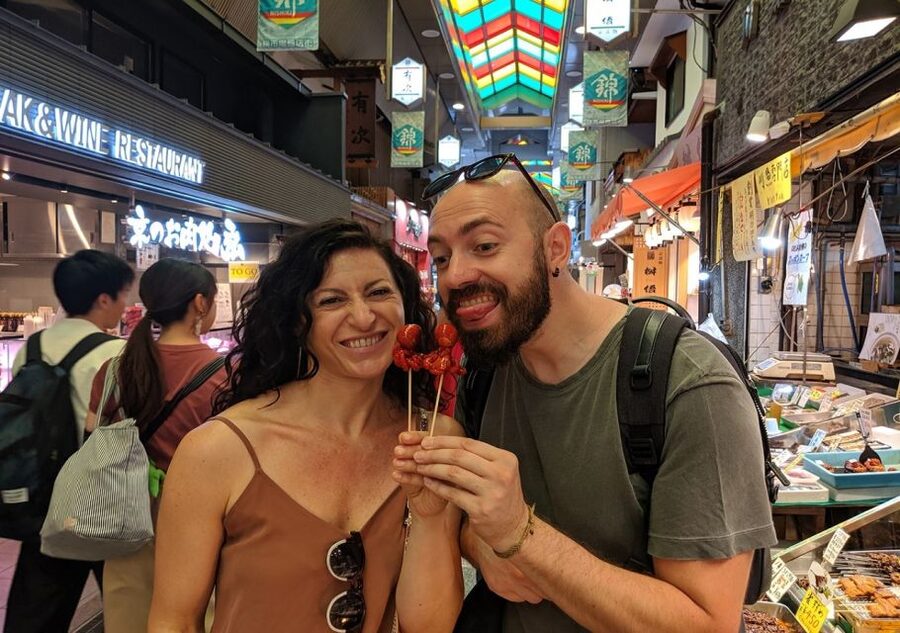
You should arrive ready to taste foods outside your usual routine. One participant became a fan of dried bonito after trying it here, while other food stops have included seafood, small savory dishes, traditional sweets, and tea. The experience is designed to introduce you to foods you might not choose on your own.
Family Shops and Food With a Story
The most valuable stops are not only about eating. You meet the people behind the counters and see the difference between a market product and an anonymous packaged snack.
Several guides have been praised for making those encounters easy and friendly. Raquel has been singled out for her professional, pleasant approach. Sanae brought historical detail to the walk, while Sae was noted for helping the group try many foods and learn along the way. Marie has also been appreciated for adding restaurant and food suggestions beyond the tour itself.
Guide assignments can change, so you should not book on the assumption that one particular person will lead your group. Still, the pattern is clear: the guide is central to the experience. You are paying for interpretation as much as for the food.
One useful distinction is the difference between information about Kyoto’s food culture and information about ordinary shopping habits. A past participant felt the tour could have offered more insight into how a local family might shop at Nishiki Market every day. That is a fair point. This is a guided tasting walk, not a detailed course in household meal planning or market commerce.
If your main interest is local life, ask questions. How is an ingredient used at home? Is it eaten as a snack or cooked into a meal? Is it tied to a festival or season? The small group makes those questions possible.
What You Eat and Drink
The included tastings form the core of the tour. Expect a mix of seasonal and regional items rather than one standard restaurant menu. Fresh seafood and local snacks are part of the experience, along with specialty products that show off Kyoto’s food traditions.
Japanese tea is included. That matters because tea is not just a drink to add at the end. It gives your guide another way to discuss preparation, everyday habits, and the care given to simple ingredients.
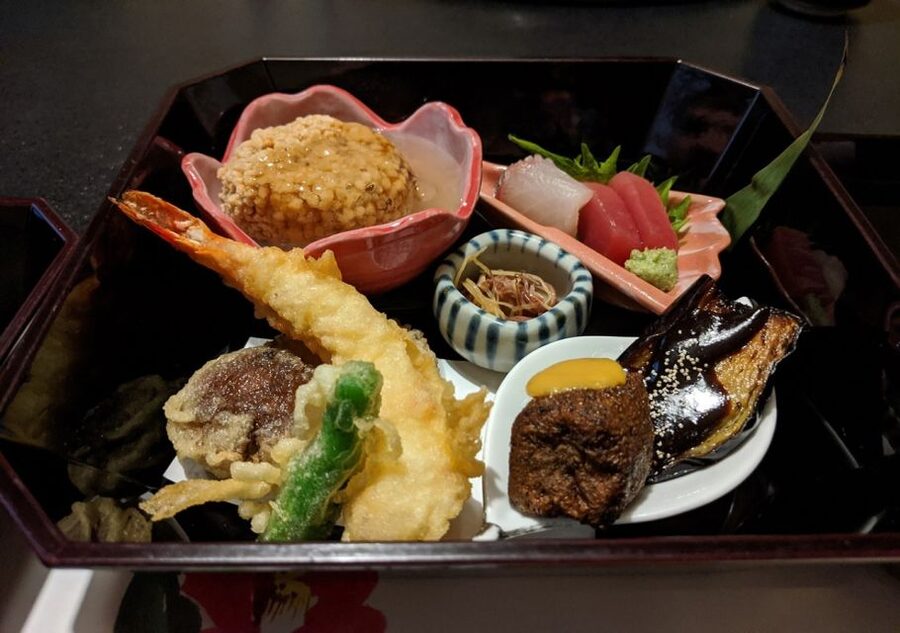
A seasonal lunch is also included. Earlier versions of the experience have featured a traditional restaurant meal, and that part was particularly appreciated because it turned the walk’s small samples into a more complete food experience. The provided details describe the meal as seasonal and regional, so the exact setting and menu may vary.
You can buy extra food or drinks at your own expense. I would keep some money available for this. Nishiki Market is full of tempting purchases, and the included tastings are not meant to stop you from shopping. Just remember that additional purchases are separate from the $173 tour price.
Dietary needs and allergies should be reported before you go. The information does not promise that every restriction can be accommodated, so be specific when you contact the provider. Do not wait until you are standing at the first stall.
Is $173 a Fair Price?
At $173 per person, this is a premium food tour. You can certainly spend less by entering Nishiki Market on your own, buying a few snacks, and stopping at a restaurant. If low cost is your main concern, independent exploring will win.
The price makes more sense if you value the guide and the range of included food. You receive three hours of walking, tastings at about 10 vendors, Japanese tea, a seasonal lunch, cultural explanations, and time to shop. A group capped at eight also gives you a better chance to hear the guide and ask questions than a large bus-style excursion.
I would compare it to paying for a food lesson rather than paying only for lunch. You are buying help with unfamiliar ingredients, access to family-owned stalls, and a clearer understanding of why Japanese cooking pays so much attention to season and presentation.
The value is strongest for first-time visitors, curious eaters, and people who want structure. It is weaker for confident market shoppers who already know Japanese food and prefer to browse alone. It is also worth checking your appetite before booking. Ten tasting stops plus lunch can be a lot over three hours.
A few more Kyoto tours and experiences worth a look
How the Small Group Changes the Experience
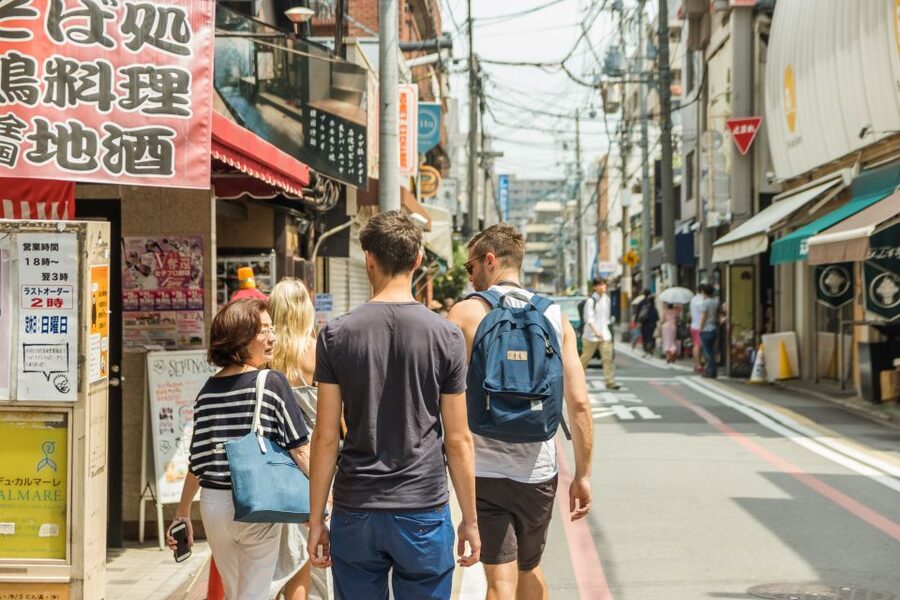
The group is limited to eight participants. That is a useful size for Nishiki Market, where the lanes can feel tight and stopping in a large cluster would be awkward.
A small group also helps with communication. You can hear the English-speaking guide’s explanations, ask about ingredients, and get recommendations suited to your interests. The guide can keep track of everyone without the distance that often separates you from a leader in a large group.
The tradeoff is that a minimum of two people is required for a booking. Solo visitors cannot assume they can reserve one place by themselves. If you are traveling alone, check availability and booking conditions before building your day around this experience.
Comfortable shoes are essential. Three hours on foot, with repeated stops and time in the market lanes, calls for practical footwear rather than something chosen only for appearance.
Tips for Getting More From Nishiki Market
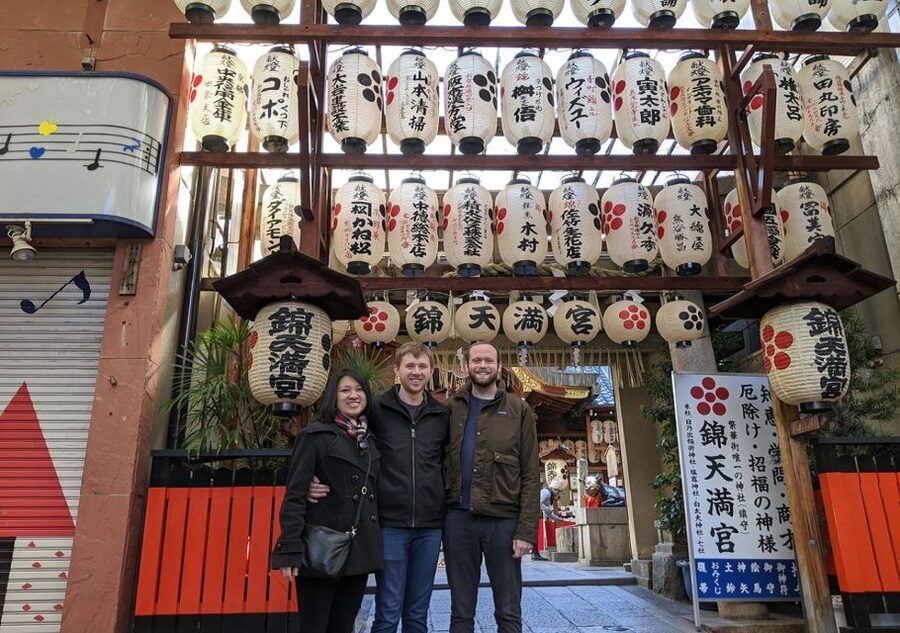
I would eat lightly before arriving, but not skip breakfast if you need it. The tour includes many tastes and lunch, so you want room to sample without arriving uncomfortably hungry.
Bring a way to record the names of foods and shops you like. The market moves quickly, and it is easy to forget which stall sold the item you want to find again later. Shopping time is included, so you can return to a favorite counter during the tour or note it for another visit.
Ask the guide to explain anything that surprises you. Dried ingredients, pickled vegetables, tea, and seafood can look simple while carrying a lot of cultural information. The more specific your questions, the more useful the tour becomes.
Do not treat the market as a standard restaurant. Some food is intended to be sampled in small portions, and the pleasure comes from variety. You are tasting your way through Kyoto rather than ordering one large dish.
Also keep an open mind about the pace. This is a walking tour through an active market, not a quiet seated meal. You will encounter vendors, shoppers, smells, and changing seasonal displays. That energy is part of the setting, but anyone seeking a calm, private lunch may prefer a restaurant reservation.
Who Should Book This Food Tour?
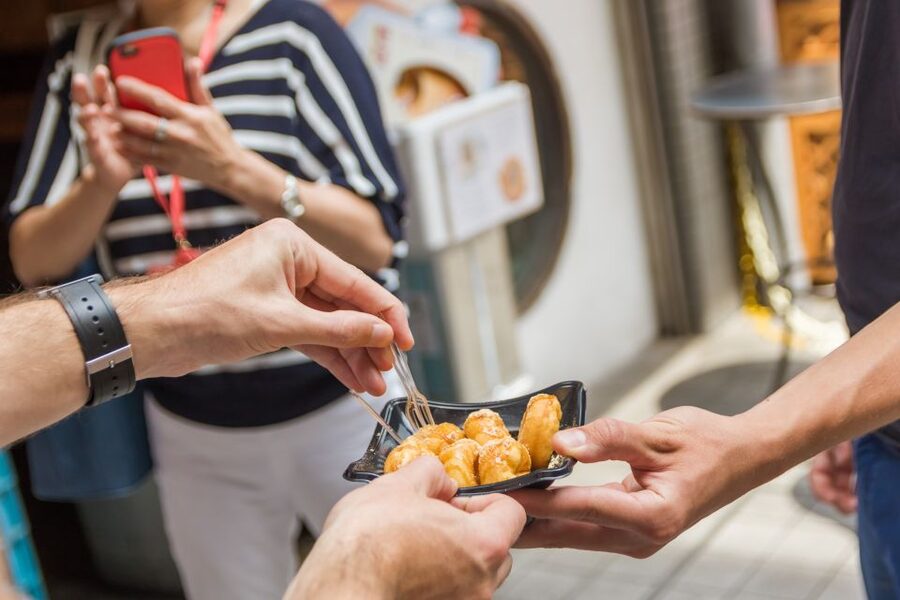
I would book this for you if you want an easy introduction to Kyoto’s food culture and do not want to guess your way through Nishiki Market. It is especially useful during a first Japan trip, when the guide’s explanations can turn unfamiliar products into memorable discoveries.
Families may appreciate the short duration and variety, though allergies and dietary needs should be discussed in advance. Participants aged 10 and over need to provide a copy of their passport information, so prepare that before the tour.
Food-focused visitors will get the most from it, as will anyone interested in seasonal cooking, traditional shops, and everyday ingredients. The tour also suits people who enjoy recommendations they can use for the rest of their Kyoto stay.
I would hesitate if you want a bargain, dislike group activities, or already know exactly what you want to eat at the market. In those cases, the guide and included meal may not justify the cost.
Booking Details to Know Before You Go
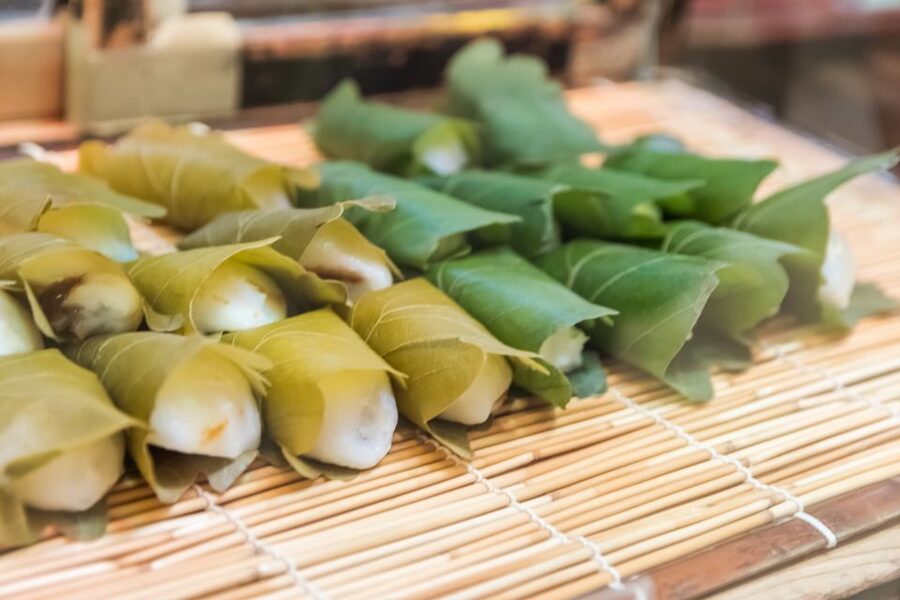
The tour is operated by Arigato Travel KK and is offered in English. Cancellation is free up to 24 hours before the start time, and you can reserve now and pay later, which helps if your Kyoto schedule is still changing.
Gratuity is not included. Hotel pickup is not included unless arranged for an extra charge, and you pay separately for transportation, extra food, and additional drinks.
The experience has earned a 4.9 rating from 21 bookings, with repeated praise for guides who are warm, prepared, and good at explaining food and culture. The strongest pattern is the personal quality of the guiding, so I would treat the guide as the main reason to choose this tour, not simply the number of tastings.
Should You Book the Nishiki Market Food Tour?
Book it if you want more than a snack crawl. For $173, you get a structured three-hour introduction to Nishiki Market, tastings from about 10 vendors, tea, a seasonal lunch, and a guide who can explain the ingredients and traditions behind the food.
Skip it if your priority is saving money or exploring at your own pace. Nishiki Market is accessible without a tour, and independent visitors can spend far less.
My practical call: choose this early in your Kyoto stay. You will learn what to look for, pick up food ideas for later, and gain a better sense of how season, craft, and daily eating fit together in Kyoto. Just wear good shoes, arrive hungry but not starving, and tell the provider about allergies before you go.
FAQ
How long does the Nishiki Market food tour last?
The tour lasts three hours and includes walking through Nishiki Market, food tastings, lunch, Japanese tea, cultural explanations, and shopping time.
How many vendors does the tour visit?
The experience visits around 10 market vendors. The food is seasonal and regional, so the exact items may change.
Is lunch included?
Yes. A seasonal and regional lunch is included, along with the market tastings and Japanese tea.
What language is the tour offered in?
The live tour guide speaks English.
Where does the tour meet?
The meeting point is in front of Lacoste at Naramonochi 375, Kyoto. From Kawaramachi Station on the Hankyu line, use Exit 9.
Is hotel pickup included?
No. Hotel pickup is not included, though it can be arranged for an additional charge. Transportation costs are also separate.
What should I bring or arrange before the tour?
Wear comfortable walking shoes, report any allergies or dietary requirements, and note that at least two people are required per booking. Participants aged 10 and over must provide a copy of their passport information.
More Food Experiences in Kyoto
More Nishiki Market Tours in Kyoto
More Kyoto Food Tours in Kyoto

More tours in Kyoto we've reviewed




Kyoto Food Tours, compared.
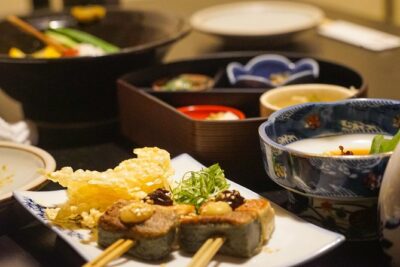 ★ 5.0Kyoto Night Foodie Tour in Gion (9+ dishes + 6 Sake tastings)From $163
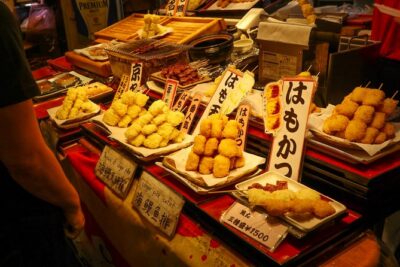 ★ 5.0Nishiki Market Brunch Walking Tour (7 Tastings + Brunch)From $68
 ★ 5.03-Hour Kyoto Insider Sake Brewery Tour with Tastings & PairingsFrom $84
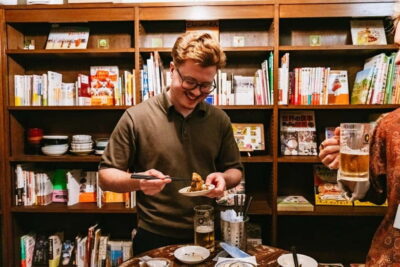 ★ 4.6Kyoto Night All-Inclusive Eats and Streets, Gion and BeyondFrom $101
 ★ 4.5Kyoto Nighttime All-Inclusive Eats and Streets, Gion and BeyondFrom $119
 ★ 5.0Kyoto Foodie Night TourFrom $102