
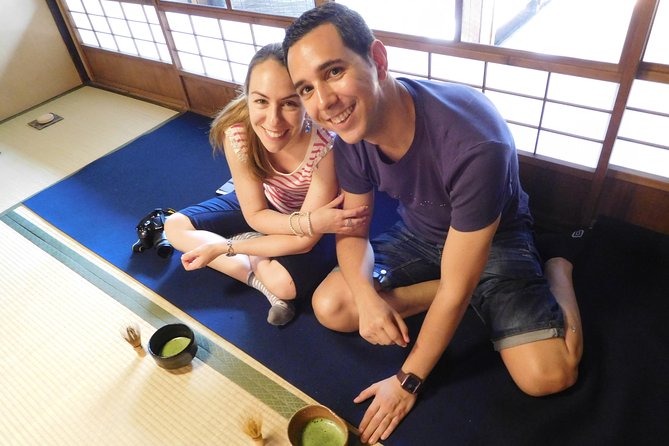
Reviewed · TEA CEREMONY EXPERIENCES
Tea Ceremony Experience in Traditional Kyoto Townhouse
Kyoto’s tea culture feels most real inside a machiya, one of the city’s old wooden townhouses. At Ami Kyoto, you get more than a cup of matcha: you learn how to prepare it, watch a formal demonstration, and hear why tea mattered to monks and samurai.
I like the small maximum of six people, which leaves room for clear instruction and questions. I also like the setting and the modest price of $27.59, especially since it includes matcha and sweets from a famous Kyoto confectionary. The main drawback is the short one-hour format. You get a focused introduction, not a long study of tea ceremony customs.
In This Review
- Key points at a glance
- Entering an 80-year-old machiya in central Kyoto
- Learning why matcha became a sacred ritual
- Watching the tea ceremony demonstration
- Making your own bowl of organic matcha
- The role of Japanese sweets
- Why the one-hour format can work well
- Group size, comfort, and who will enjoy it
- Is $27.59 good value?
- Practical booking advice for Kyoto
- Should you book the Ami Kyoto tea ceremony?
- FAQ
- Where does the tea ceremony take place?
- How long does the activity last?
- What is included in the price?
- Is hotel pickup included?
- How many people can join the activity?
- Is the experience suitable for most people?
- What is the cancellation policy?
Key points at a glance
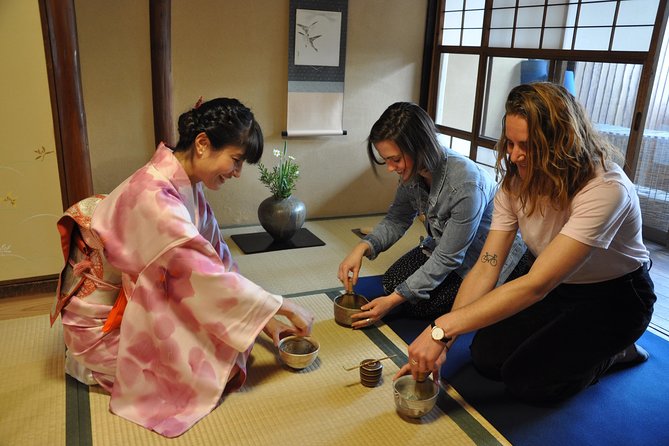
- An 80-year-old Kyoto machiya: Step inside one of the city’s traditional wooden townhouses, a setting that adds real character to the lesson.
- A hands-on matcha lesson: Learn how to prepare your own bowl instead of simply watching someone else make tea.
- A formal demonstration: The ceremony shows the graceful movements and careful steps that turn tea preparation into a ritual.
- Organic matcha and Kyoto sweets: Your tea comes from an organic farm and is served with Japanese confectionery.
- A six-person maximum: The small group size should make the explanations easier to follow and more personal.
- A one-hour cultural stop: This fits neatly into a busy Kyoto day and works well for first-time visitors.
Entering an 80-year-old machiya in central Kyoto
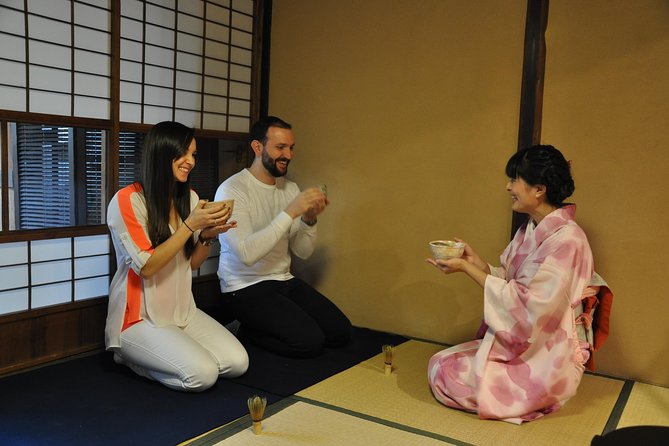
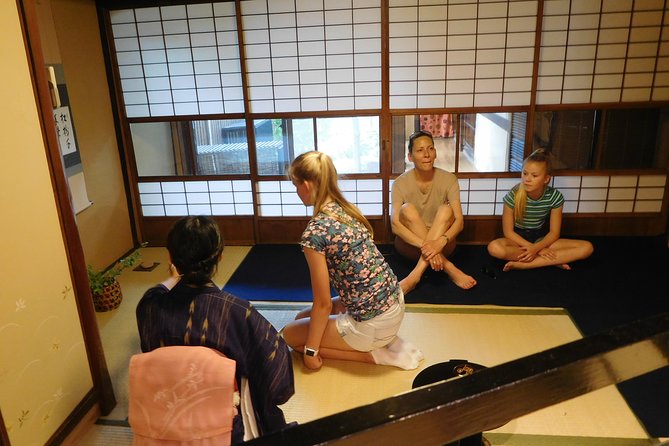
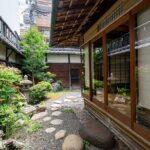
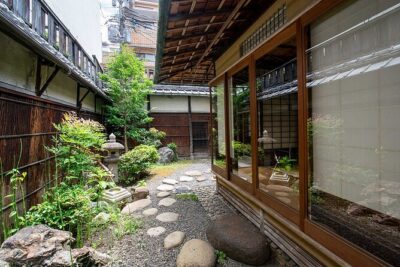
The setting is the first thing that gives this experience its appeal. Ami Kyoto occupies a traditional machiya, or Japanese townhouse, said to be about 80 years old. Kyoto once had many of these simple wooden homes. Far fewer remain in daily use, so spending an hour inside one gives the tea lesson a stronger sense of place.
A machiya is not a grand temple or museum. Its charm comes from its plain wooden design and quiet, domestic scale. That matters here. You are not learning about tea in a generic classroom. You are sitting in a space linked to the sort of urban life that shaped Kyoto for generations.
I like this kind of setting because it keeps the activity grounded. The ceremony becomes easier to understand when you can connect it with an actual Kyoto building rather than a modern venue dressed up for tourists. The townhouse is also a useful reason to book this experience if you have limited time and are unlikely to visit several traditional homes elsewhere in the city.
The address is 605 Nishidacho in Shimogyo Ward, Kyoto, postal code 600-8397. The meeting point is also the ending point. It is near public transportation, though the supplied information does not identify a particular station, so check your route before leaving.
A few more Kyoto tours and experiences worth a look
Learning why matcha became a sacred ritual
This is not only a demonstration of how to whisk green tea. The lesson also explains the background of the tea ceremony, including its links with monks and samurai. That context helps you see why the process has so many deliberate movements and why the tea is treated with such care.
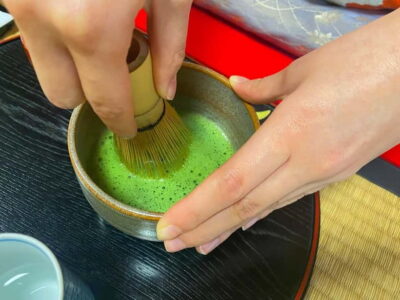
Matcha preparation can look simple from a distance. Powdered tea, hot water, and a bamboo whisk do not sound like a complicated combination. The details are in the method: how the tea is measured, how the water is added, and how the whisk is used to create the right texture.
The experience presents those details in a practical way. The explanations are described as clear and simple, which should help if you know little about Japanese tea customs. You will not need prior knowledge to take part.
I would pay attention to the contrast between ordinary tea drinking and the formal ceremony. One is a quick daily habit. The other gives importance to the room, the host, the guest, the utensils, and the act of serving. Even in a short class, that difference can change how you view the bowl in front of you.
Watching the tea ceremony demonstration
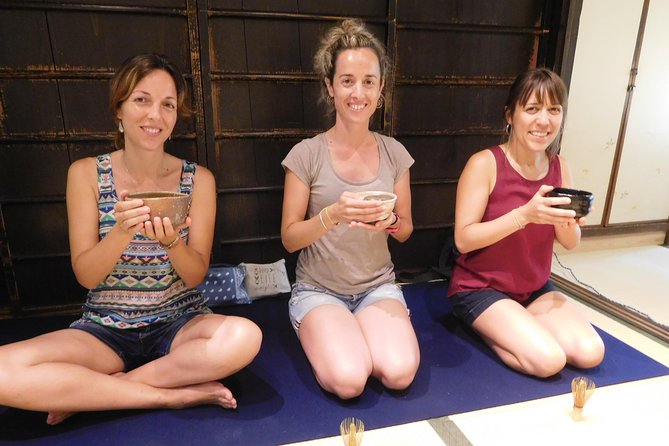
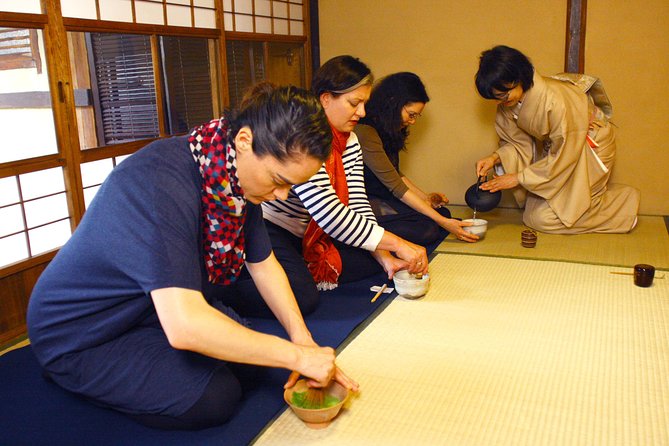
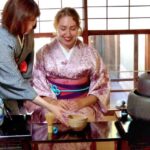
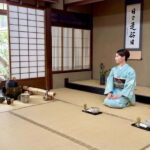
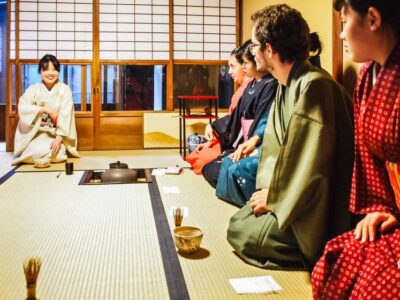
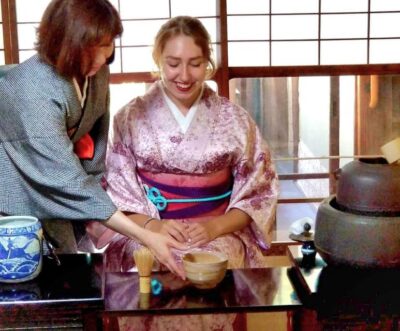
A personalized demonstration is part of the hour. You first see how the ceremony is performed, then use what you have learned when it is your turn to prepare tea. This order works well. You can watch the movements before trying to copy them.
The demonstration is described as thorough, with clear instruction rather than a rushed display. That is important because tea ceremony has a quiet rhythm. If the host moved quickly, you would see a series of gestures without understanding their purpose.
Look for the small points: the handling of the tools, the pace of the preparation, and the way the tea is presented. The value lies less in memorizing every rule than in noticing the care behind each step.
The hosts are described as kind and professional, and Kimi signs the replies from Ami Kyoto. That gives you a named point of contact, although the available information does not confirm that Kimi personally leads every session. The small group limit of six should also help the demonstration feel more direct than a large stage presentation.
One practical point: this is a cultural activity, not a performance with a long show schedule. The ceremony takes place within an hour that also includes instruction and your own preparation. If you want an extended, highly formal ceremony, this will probably feel brief. If you want a clear introduction that fits between sightseeing stops, the length works in its favor.
Making your own bowl of organic matcha
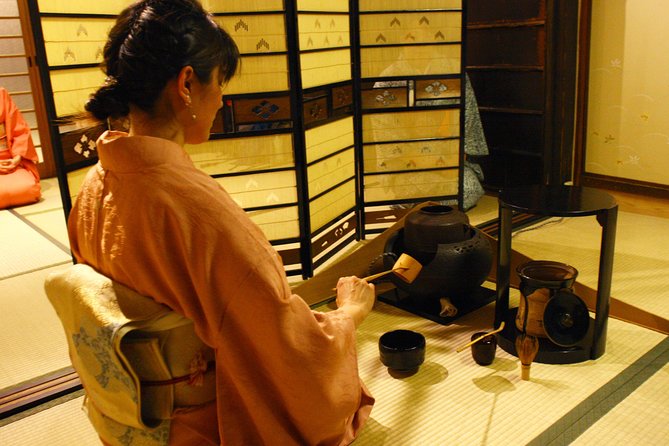
The hands-on section is where the activity earns its price. You are not simply given a bowl and told what you are drinking. You learn to make the tea yourself, using matcha sourced from an organic farm.
That practical element makes the lesson useful after you leave Kyoto. You may not recreate every part of the ceremony at home, but you will understand the basic process and the feel of whisking matcha. The lesson also gives you a better basis for judging matcha in cafés and tea shops during the rest of your Japan trip.
The activity includes one bowl of matcha green tea. Since the information does not specify how much time each participant gets to prepare tea, expect a shared workshop rather than an unlimited tasting session. The group size should make the hands-on portion easier to manage, but the hour still places a natural limit on how long you can practice.
Matcha has a strong, grassy taste that is not to everyone’s liking. The Japanese sweets help balance it. They are served with the tea and come from a famous Kyoto confectionary, giving you a classic pairing rather than a random snack.
The role of Japanese sweets
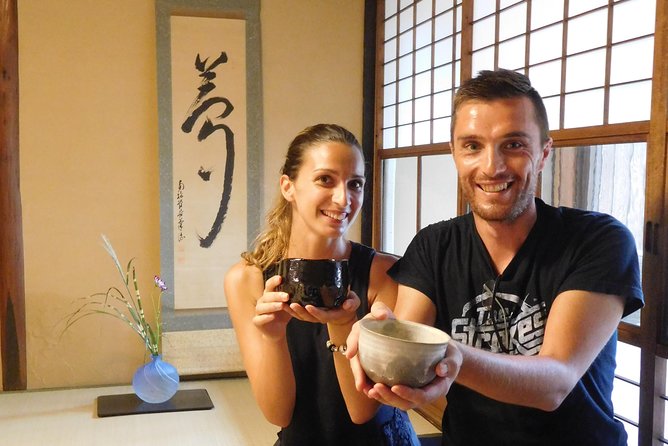
The sweets are a small but important part of the experience. Japanese confectionery made for tea is often designed to balance matcha’s bitterness, so the pairing teaches you something about how the ceremony works as a complete experience.
Take a bite before drinking the tea, then notice how the flavor changes. The supplied details do not name the confectionary or specify the type of sweets, so you should not expect a particular item. Still, the pairing gives the hour more substance than a lesson focused on tea alone.
I like that the sweets are included rather than treated as an optional extra. At $27.59 per person, the price covers the main cultural activity, a bowl of tea, and something to eat. That makes the cost easy to understand, particularly for visitors who want a traditional experience without committing to an expensive meal or a longer guided outing.


Why the one-hour format can work well
Kyoto can fill a day quickly with temples, gardens, markets, and walks. A one-hour tea session is easy to add to that schedule. You can make time for it without losing an entire afternoon.
The short duration also keeps the focus sharp. You learn the basic story, watch the demonstration, make tea, and taste the result. For a first encounter, that can be enough to give you a lasting sense of the ceremony.
The tradeoff is depth. You will not cover every school of tea, every utensil, or the full development of Japanese tea culture in 60 minutes. The experience is best viewed as an introduction, not a complete course.
I would book it early if it is important to your schedule. The activity is booked on average 19 days ahead, and confirmation is sent within 48 hours, subject to availability. That timing suggests you should not leave it until the day before, particularly if you are visiting Kyoto during a busy period.
Group size, comfort, and who will enjoy it
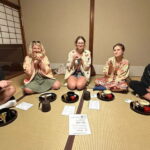
The maximum group size is six. That is one of the strongest practical features because tea ceremony instruction benefits from a calm room and the ability to see what the host is doing.
Parents and older children can take part, as the activity is suitable for most people. The clear explanations and simple format make it a good choice for families who want a cultural activity without a full-day commitment. The supplied information does not give a minimum age, so check before booking if you are traveling with very young children.
You should also consider your interest level. Matcha fans will get the most from the chance to prepare tea with guidance. If you dislike green tea or have little interest in ceremony, the townhouse and cultural background still offer value, but the tasting portion may not be the highlight of your day.
There is no hotel pickup or drop-off. You need to reach the meeting point at 605 Nishidacho yourself, then return to that same location when the activity ends. Because the address is near public transportation, it is suited to an independent Kyoto itinerary rather than someone seeking door-to-door service.
Is $27.59 good value?
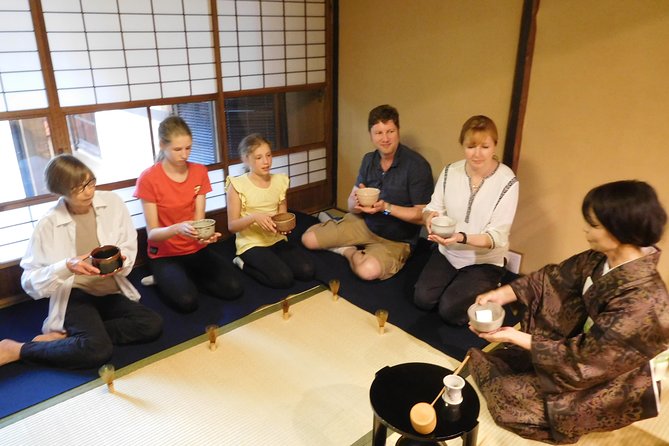
At $27.59, this is a reasonably priced cultural activity. You are paying for access to a traditional townhouse, instruction, a formal demonstration, hands-on preparation, matcha, and Japanese sweets. The small group limit adds value because the lesson should feel more personal than a large commercial presentation.
The price is especially fair if you are already planning to visit Kyoto’s major temples and want a different kind of experience. It offers a quiet hour indoors and a chance to take part, rather than simply look at another historic site.
The value is less clear if you want a long ceremony, a full meal, or a broad tea education. Those expectations go beyond what the one-hour format promises. Think of this as a well-priced introduction with a memorable setting.
The experience has a five-out-of-five rating from 19 reviews, with 100 percent recommending it. The strongest praise centers on kind, professional hosts, simple explanations, a thorough demonstration, and the fun of making tea. Those points match the activity’s main strengths: it is approachable, personal, and active rather than passive.
Practical booking advice for Kyoto
Wear something that lets you sit and move comfortably, though the supplied information does not state a required dress code or seating arrangement. Arrive with enough time to find the townhouse, since the experience lasts only about an hour and begins at a fixed meeting point.
The ticket is mobile, so you can present it from your phone. Confirmation arrives within 48 hours, subject to availability. Free cancellation is available until 24 hours before the start time. A cancellation made less than 24 hours before the start time is not refundable, and changes inside that window are not accepted.
Most people can participate. The information does not provide detailed accessibility notes, so contact Ami Kyoto before booking if you need specific arrangements.
Should you book the Ami Kyoto tea ceremony?
Book this experience if you want a short, affordable introduction to matcha in an authentic Kyoto setting. It suits first-time visitors, families, tea fans, and anyone who wants a quiet cultural stop between larger sightseeing plans.
I would be less likely to choose it if you already have a long tea ceremony booked elsewhere or want an advanced lesson. The hour is designed to give you the essentials, not exhaustive instruction.
For most visitors, the combination is appealing: an 80-year-old machiya, a hands-on matcha workshop, a formal demonstration, organic tea, and Japanese sweets for $27.59. It is a small experience, but it gives you something many temple visits do not: the chance to take part in a living Kyoto custom.
FAQ
Where does the tea ceremony take place?
The experience takes place at Ami Kyoto, located at 605 Nishidacho, Shimogyo Ward, Kyoto, 600-8397, Japan.
How long does the activity last?
The tea ceremony and matcha workshop last approximately one hour.
What is included in the price?
The experience includes one bowl of matcha green tea and Japanese sweets.
Is hotel pickup included?
No. Hotel pickup and drop-off are not included. You must travel to the meeting point yourself.
How many people can join the activity?
The activity has a maximum of six participants.
Is the experience suitable for most people?
Yes. Most people can participate, and the activity is near public transportation. Detailed accessibility information is not provided.
What is the cancellation policy?
You can cancel for a full refund up to 24 hours before the experience start time. Cancellations or changes made less than 24 hours before the start time are not accepted for a refund.
More Tea Ceremony Experiences in Kyoto
More tours in Kyoto we've reviewed






Tea Ceremony Experiences, compared.
 ★ 4.9Kyoto: Tea Ceremony in a Traditional Tea House in KiyomizuFrom $4945 min
 ★ 4.9Kyoto: Tea Ceremony Ju-An at Jotokuji TempleFrom $291h 10m
 ★ 4.3Kyoto: 45-Minute Tea Ceremony Lesson ExperienceFrom $2245 min
 ★ 5.0World Heritage Kyoto & Nara Uji Authentic Matcha ExperienceFrom $129
 ★ 4.9Kyoto: Table-Style Tea Ceremony at a Kyo-MachiyaFrom $451h 30m
 ★ 5.0Kimono Tea Ceremony at Kyoto Maikoya, NISHIKIFrom $65