
Reviewed · GION & GEISHA WALKS
Kyoto Magical Night English Tour: Gion & Fushimi Inari Shrine
Fushimi Inari’s red torii gates look especially striking after sunset, when the forest paths feel quieter and the shrine takes on a more reflective mood. From there, this 2.5-hour private walking tour links Kyoto’s major evening sights with Gion’s wooden streets, small shrines, and stone-paved lanes.
I like two things here: the guide explains how to behave at Shinto shrines instead of treating them as photo backdrops, and professional photos are included. Guides such as Ikki, Yui, Yuki, Mariko, Yuri, and Joi have been praised for clear explanations, friendly conversation, and useful Kyoto advice.
The main consideration is pace. You cover a lot of ground in a short time, and the tour uses public transportation plus plenty of walking. If hills, stone lanes, or a brisk walk are difficult for you, ask about the pace before booking.
In This Review
- Key points to know before you book
- Why Kyoto works so well after sunset
- One hour beneath the torii gates at Fushimi Inari
- Hanamikoji Street and Gion in short, atmospheric stops
- Yasui Konpiragu and the relationship stone
- Yasakanoto, Ninenzaka, and Sannenzaka
- Nene-no-Michi and the quieter side of Higashiyama
- Ending at Yasaka Shrine
- What the $26.43 price really buys you
- Pace, weather, and the practical side
- Who should book this Kyoto night walk?
- Should you book it?
- FAQ
- How long does the Kyoto Magical Night tour last?
- What places are included?
- Is the tour conducted in English?
- Is this a private tour?
- Are admission fees included?
- Is public transportation included?
- Are food and drinks included?
- What happens if I arrive late?
- Where does the tour start and finish?
- Can I cancel for a full refund?
Key points to know before you book
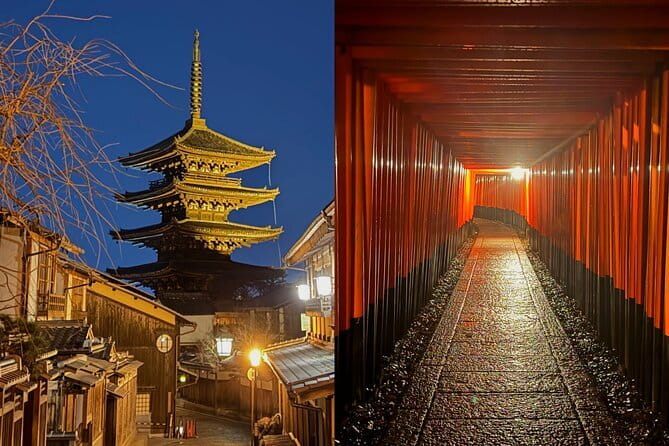
- Fushimi Inari after dark: Spend about an hour beneath the famous torii gates, with shrine customs and local stories explained along the way.
- A broad Higashiyama walk: Gion, Yasaka Pagoda, Ninenzaka, Sannenzaka, Nene-no-Michi, and Yasaka Shrine are packed into one evening.
- English-speaking local guide: Guides including Ikki, Yui, Yuki, Mariko, Yuri, and Joi have led the experience.
- Photos are included: Your guide takes professional photos during the walk and sends them after the tour.
- Good value at $26.43: Admission to the temples and shrines is included, though public transportation costs ¥480 per person.
- Private activity: Only your own group participates, making it easier to ask questions and adjust the conversation.
Why Kyoto works so well after sunset
Kyoto is not a city that needs a grand show to impress you. A wooden doorway, a stone lane, or a line of lanterns can do the job. At night, the old districts often feel calmer, and the contrast between bright shrine gates and shadowed streets gives the city a different character from its daytime crowds.
This tour uses that change in mood well. It begins at Fushimi Inari-taisha, one of Kyoto’s best-known Shinto shrines, then shifts to Gion and the Higashiyama area. The route is less about entering one major attraction and more about learning how several parts of old Kyoto fit together.
I particularly like the cultural angle. A good guide can explain the difference between a Shinto shrine and a Buddhist temple, show you how to pay your respects, and explain why certain objects and rituals matter. That turns a fast sightseeing walk into a useful introduction to Japan’s religious customs.
The experience is also a practical first-night choice. You get a quick sense of Kyoto’s layout, learn how to use local public transportation with your guide, and can ask for restaurant or neighborhood advice at the end. Several guides have helped with local recommendations, and one even assisted a group at a restaurant after the walk.
A few more Kyoto tours and experiences worth a look

One hour beneath the torii gates at Fushimi Inari
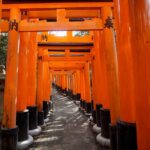
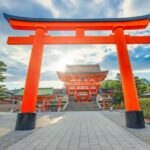
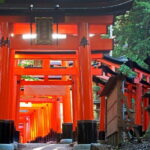
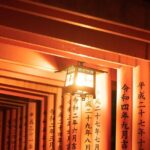
Fushimi Inari is the most visually powerful stop. Thousands of red-orange torii gates create long corridors up Mount Inari, with forest on both sides. The gates were donated by individuals and businesses, and they reflect prayers for prosperity and good fortune connected to Inari, the Shinto god of rice and commerce.
You spend about one hour here, which gives you enough time to experience the famous lower paths without pretending you can explore the entire mountain. That distinction matters. Fushimi Inari extends far beyond the first photo stop, so this tour offers an atmospheric introduction rather than a complete mountain hike.
Your guide can also show you the proper way to approach a Shinto shrine. Expect explanations about purification, offerings, bowing, and prayer. The point is not to turn the visit into a formal religious exercise, but to help you act respectfully and understand what you are seeing.
Nighttime has a clear advantage. The lower torii paths can be less crowded than during the day, and the gates appear more dramatic under limited light. The tradeoff is that photography can be harder, especially in poor weather. This is where the guide’s included photos are useful, since several guides have been praised for taking strong group and family pictures in evening conditions.
Bring coins if you would like to make a small offering or wish at one of the shrines. This tip comes directly from the practical side of the experience, though the tour does not supply food, drinks, or personal spending money.
Hanamikoji Street and Gion in short, atmospheric stops
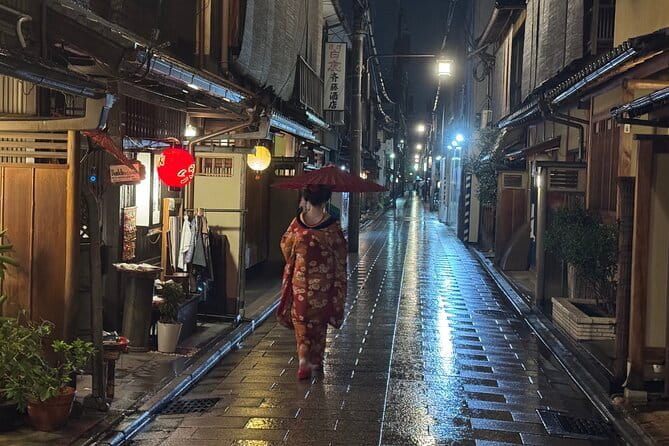
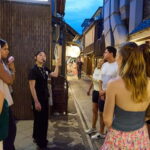
After Fushimi Inari, the route turns toward Gion, Kyoto’s best-known geisha district. Hanamikoji Street is lined with traditional wooden machiya buildings and teahouses. It is one of the places where you might glimpse a geisha or maiko, but you should treat that as a possibility, not a promise.
The listed time on Hanamikoji Street is about 10 minutes, followed by another 10 minutes in Gion. That is enough for orientation, photographs, and a brief explanation of the district’s role in Kyoto’s performing arts culture. It is not enough for a long restaurant stop, a detailed geisha performance, or a full district exploration.
That short timing is both a strength and a limitation. You can see several areas in one night, but you will not linger at each one. If your main goal is to study Gion’s architecture or seek out traditional entertainment, plan a separate visit during daylight or another evening.
Please keep your manners in mind here. Gion is a living neighborhood, not an open-air stage set. Follow your guide’s advice about photography and give people space. A respectful walk is more rewarding than chasing a picture.
Yasui Konpiragu and the relationship stone

Yasui Konpiragu is a small shrine with a very specific purpose. It is associated with cutting harmful relationships and finding better connections. Visitors pray for the end of negative ties, which can include more than romantic relationships.
The shrine is known for a large relationship stone with a hole through it. People write their wishes on paper and pass through the opening as part of the ritual. The tour allows about 10 minutes here, so you can hear the story, look around, and try the custom if you wish.
This stop adds something that the larger sights cannot. Fushimi Inari and Yasaka Shrine can feel monumental, while Yasui Konpiragu is personal and slightly playful. It gives you a glimpse of how Japanese religious practice can connect with everyday concerns.
Bring a few coins if you want to make a wish. The tour includes shrine admission, but personal offerings and any paper wishes are your responsibility.
Yasakanoto, Ninenzaka, and Sannenzaka
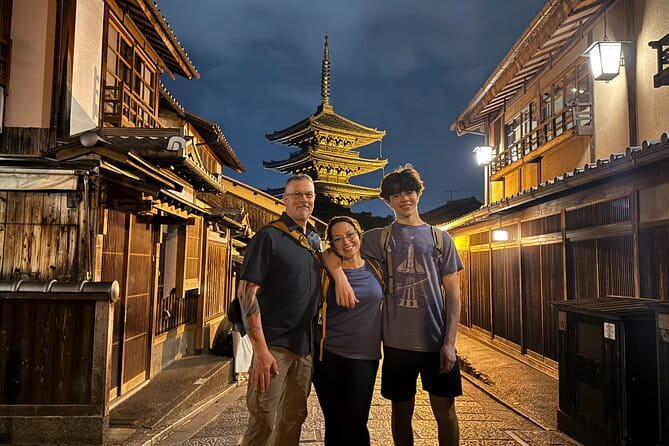
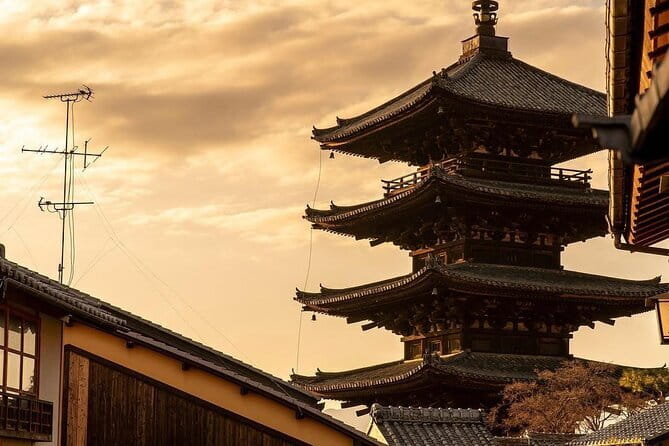
Yasaka Pagoda, also called Hokanji Temple, is one of Kyoto’s most recognizable structures. The wooden pagoda rises above the surrounding streets and gives this part of Higashiyama its unmistakable profile.
The stop lasts about 15 minutes. You should expect an exterior visit and time for photos rather than a long temple tour. The listing describes the pagoda as one of Japan’s oldest wooden structures and emphasizes its construction without nails. Your guide can put the building into the larger story of Kyoto’s architecture and religious traditions.
From there, the walk continues along Ninenzaka and Sannenzaka. These stone-paved lanes pass old wooden buildings, shops, and restaurants. In daylight, they are major shopping streets. At night, the closed storefronts and low light can make them feel more like a historic neighborhood than a retail district.
There is a practical warning here: stone paving and slopes can be tiring. The route includes plenty of time on foot, and one guide was praised for slowing down and taking breaks when older members of a group needed them. Still, the tour asks for moderate physical fitness, so wear shoes with good support.
A local superstition gives the slopes extra character. Your guide may explain why walking carefully on these streets is considered important. The exact lesson is easy to remember: watch your footing, especially when the lighting is low.
A few more Kyoto tours and experiences worth a look

Nene-no-Michi and the quieter side of Higashiyama
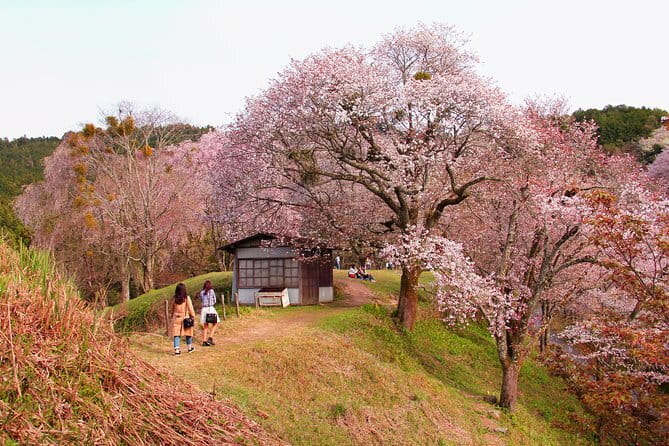
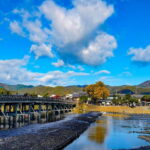
Nene-no-Michi is a peaceful route named after Nene, the wife of a powerful Japanese shogun. It passes historic temples and traditional streets, offering a slower stretch after the more famous Gion lanes.
The planned time is about 15 minutes. This is not a long garden visit or a formal temple admission. Instead, it is a pleasant walk through one of Kyoto’s most attractive old quarters, with room for your guide to point out details you might otherwise pass.
I like this part of the route because it helps break up the major sights. Kyoto can become a blur of gates, pagodas, and temple roofs when you visit too many places in one day. A quiet lane gives you time to notice the scale of the buildings and the way the old streets connect.
The route may also change slightly for private groups. One group was taken to Kodaiji Tenmangu to pray at Nade Ushi after mentioning a knee injury, and another group walked through Pontocho. Those examples suggest that guides can personalize the evening when time and conditions allow, but you should not book expecting those extra stops.
Ending at Yasaka Shrine
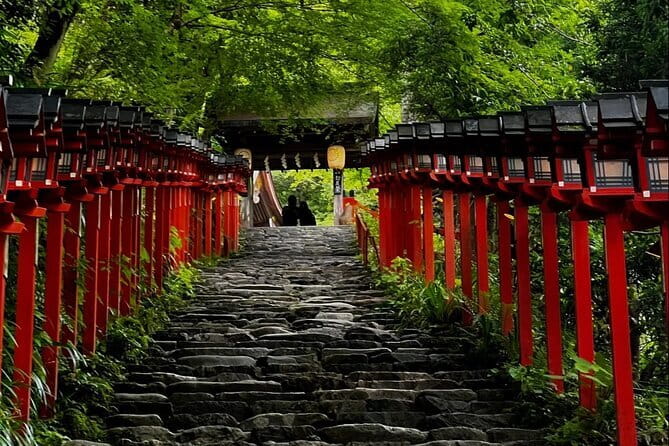
The final stop is Yasaka Shrine, the headquarters of roughly 2,300 related shrines across Japan. It is associated with prosperity and protection and has played an important role in Kyoto’s religious and festival life.
You have about 15 minutes here. The shrine makes a sensible ending because it brings together many themes from the tour: Shinto ritual, local worship, traditional architecture, and Kyoto’s connection to shrines throughout Japan.
The guide can show you how to offer a prayer and explain the customs you have encountered since Fushimi Inari. If this is your first visit to a Japanese shrine, that repetition is useful. You leave with a better sense of what to do on your own during the rest of your trip.
The tour returns to the original meeting point near the Statue of Izumo-no-Okuni in Kawabatacho. Since the activity ends back there, you should plan your onward dinner or train ride with that location in mind.
What the $26.43 price really buys you
At $26.43 per person, this is inexpensive for a private, guided Kyoto walk. The value is not in paid attraction tickets, since all listed temple and shrine admissions are free. The value comes from the guide’s time, translation, local context, route planning, and photography.
You also avoid the cost of arranging several separate visits. Fushimi Inari, Gion, and Higashiyama are not one compact attraction, and connecting them takes some local knowledge. The guide handles the movement between areas, while the tour includes the necessary public transportation fare as a separate charge of ¥480 per person.
Food and drinks are not included. That is reasonable for a short walking tour, but it means you should eat beforehand or plan a meal afterward. Guides have given restaurant recommendations, and one helped a group communicate with a restaurant host, which can be useful if you are tired or unsure where to go next.
The private format is especially good value for couples, families, or a small group that wants to ask plenty of questions. Group discounts are available, and a mobile ticket makes the booking easy to carry on your phone.
Pace, weather, and the practical side
The tour lasts about two hours and 30 minutes, but the route covers a lot. The stop times add up to a fast-moving evening, with one hour at Fushimi Inari and roughly 90 minutes divided among the Gion and Higashiyama sights.
You should be ready to walk, use public transportation, and spend time outdoors. Moderate fitness is required. Comfortable shoes matter more than stylish shoes here, especially on stone lanes and the approach to Fushimi Inari.
Late arrival is a serious issue. If you miss the meeting time, you cannot join the tour and will not receive a refund. Give yourself extra time to reach the Statue of Izumo-no-Okuni, since the meeting point is near public transportation but can still be hard to locate in a busy station area.
Rain does not automatically ruin the experience. One guide noted that wet weather can add atmosphere to the shrine gates and old streets. Still, carry suitable rain protection and expect slippery stone surfaces.
The tour has received a 5.0 rating from 97 reviews, with 100 percent recommendation shown in the supplied booking information. That is an unusually strong record, and the praise is consistent: guides are friendly, clear, patient, good with children and older adults, and skilled at taking photos. Your assigned guide may differ, so do not assume you will receive a specific person, but the repeated guide quality is a strong reason to consider the walk.
Free cancellation is available up to 24 hours before the start time. Changes or cancellations inside that window are not refunded.
Who should book this Kyoto night walk?
I would choose this tour for a first evening in Kyoto, especially if you want an introduction to shrines, temples, Gion, and basic local customs without spending a full day on a formal sightseeing program.
It also suits families. Guides have engaged children from ages five to 12, answered their questions, and taken family photos at several stops. Couples will appreciate the evening setting and the chance to have a guide take pictures rather than relying on self-timers.
Older adults can enjoy it if they are comfortable walking and taking occasional breaks. The private format helps, since your guide can pay attention to your pace more easily than a large group tour.
I would hesitate if you want a slow, in-depth visit at every site, a formal geisha experience, or a long climb up Mount Inari. This is a broad sampler with cultural explanation, not a full tour of each attraction.
Should you book it?
Book it if you want Kyoto’s famous sights connected by a friendly local guide, with shrine etiquette, useful stories, and good evening photos added to the route. At $26.43, the price is modest for a private experience, especially if two or more people share it.
Skip it if you dislike brisk walking or prefer to explore one district at a time. For most first-time visitors, though, this is a smart way to get your bearings, see Fushimi Inari in a quieter mood, and finish with the lantern-lit charm of Gion and Higashiyama.
FAQ
How long does the Kyoto Magical Night tour last?
The tour lasts approximately two hours and 30 minutes.
What places are included?
The route includes Fushimi Inari-taisha Shrine, Hanamikoji Street, Gion, Yasui-Konpiragu, Yasakanoto and Yasaka Pagoda, Ninenzaka and Sannenzaka, Nene-no-Michi, and Yasaka Shrine.
Is the tour conducted in English?
Yes. The experience includes a passionate local English-speaking guide.
Is this a private tour?
Yes. Only your group participates in the activity.
Are admission fees included?
Yes. Admission fees for all temples and shrines visited during the tour are included.
Is public transportation included?
No. Public transportation costs ¥480 per person and is not included in the tour price.
Are food and drinks included?
No. Food and drinks are not included.
What happens if I arrive late?
If you are late for the meeting time, you cannot join the tour and will not receive a refund.
Where does the tour start and finish?
The meeting point is at the Statue of Izumo-no-Okuni in Kawabatacho, Higashiyama Ward, Kyoto. The tour ends back at the meeting point.
Can I cancel for a full refund?
Yes. You can cancel at least 24 hours before the start time for a full refund. Cancellations or changes made less than 24 hours before the experience are not accepted or refunded.
More Night Walks & Ghost Tours in Kyoto



More Fushimi Inari Tours in Kyoto
More Gion & Geisha Walks in Kyoto

More tours in Kyoto we've reviewed




Gion & Geisha Walks, compared.
 ★ 4.7Kyoto Geisha Walking Tour: Gion District & Hidden GemsFrom $252 hours
 ★ 4.7Kyoto: Gion Geisha District Walking Tour – Stories of GeishaFrom $202 hours
 ★ 4.9Best of Kyoto: Gion, Geisha, Pagodas & CobblestonesFrom $242 hours
 ★ 4.5Night Walk in Gion: Kyoto’s Geisha DistrictFrom $211h 40m
 ★ 5.0Kyoto Night Foodie Tour in Gion (9+ dishes + 6 Sake tastings)From $163
 ★ 5.0Kyoto Gion Geisha District Walking Tour – The Stories of GeishaFrom $25