
Reviewed · TEA CEREMONY EXPERIENCES
Kyoto: Wazuma Magic Show & Uji Matcha: Private Experience
Wazuma magic happens just 30 centimeters from your eyes, in a small Kyoto tea room where every gesture matters. This is not a stage show with rows of seats and a distant performer. Your group gets the room, the host, and the full attention of an art said to be practiced by fewer than ten remaining masters.
I like the private six-seat setting, which makes the sleight of hand feel personal rather than packaged. I also like the calm second half: a bowl of fragrant Uji matcha with English guidance, giving the hour a pleasant change of pace. The main drawback is simple: at $98 per person, this is a short, specialized experience, not a budget activity or a broad tour of Kyoto.
In This Review
- Key points
- Wazuma in a Six-Seat Gion Tea Room
- The First 30 Minutes: A Traditional Magic Performance
- Why the Private Format Matters
- The Second 30 Minutes: Uji Matcha and a Change of Pace
- Is $98 a Fair Price?
- Fitting It Into a Kyoto Day
- What the Experience Does Best
- The Limits You Should Know Before Booking
- Who Will Enjoy This Most?
- Should You Book the Wazuma and Matcha Experience?
- FAQ
- Where does the Wazuma magic show take place?
- How long does the experience last?
- How is the hour divided?
- Is the experience private?
- Is English guidance provided?
- Is transportation included?
- How early should I arrive?
- Can I take photos during the show?
- Is the activity suitable for wheelchair users?
- Can I cancel for a full refund?
Key points
- Wazuma at close range: Watch a rare Japanese magic tradition performed only a few centimeters away.
- Private Gion tea room: Your group has an intimate room with a maximum of six seats.
- Two-part one-hour format: The experience includes 30 minutes of magic and 30 minutes of Uji matcha.
- English guidance: An English-speaking host or greeter helps explain the experience and tea.
- Quiet cultural setting: This suits visitors who prefer a small, polished activity to a crowded attraction.
- Practical limits: Transportation is not included, wheelchair access is not available, and flash photography is prohibited.
Wazuma in a Six-Seat Gion Tea Room
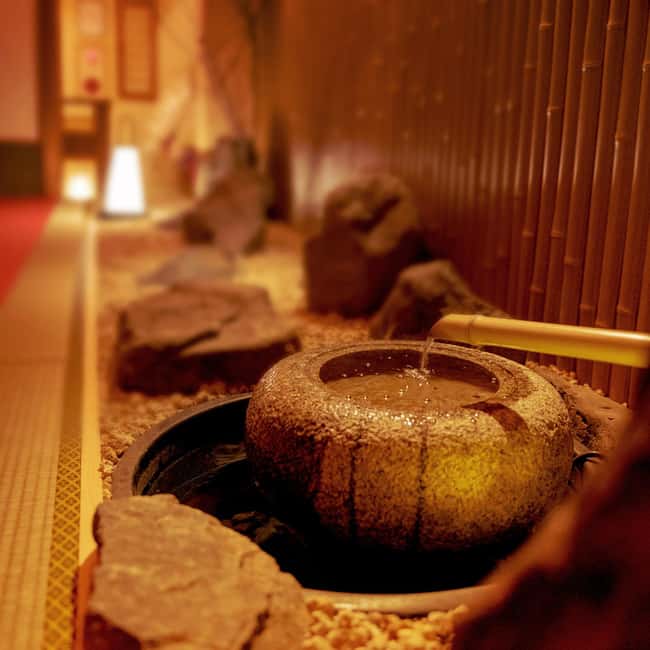
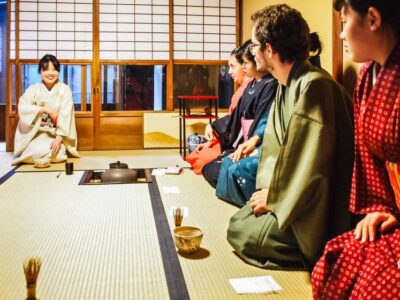
The most unusual part of this Kyoto experience is its scale. You are not watching magic from the back of a theater. The show takes place in a traditional tea room in Gion, with only six seats available. That close arrangement lets you notice small hand movements, objects appearing to change, and the performer’s timing.
Wazuma is described as a Japanese illusion art with a thousand-year history and official recognition as an intangible cultural heritage. The important point for you is not just the age of the tradition. It is the rarity. Fewer than ten masters are said to remain, so this offers a look at a form of entertainment that most visitors will never encounter during a standard Kyoto itinerary.
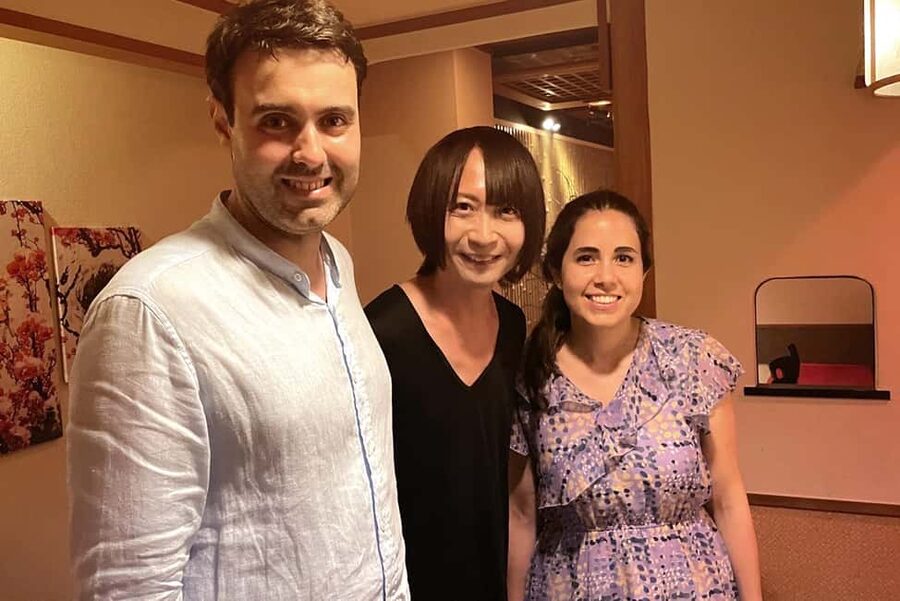
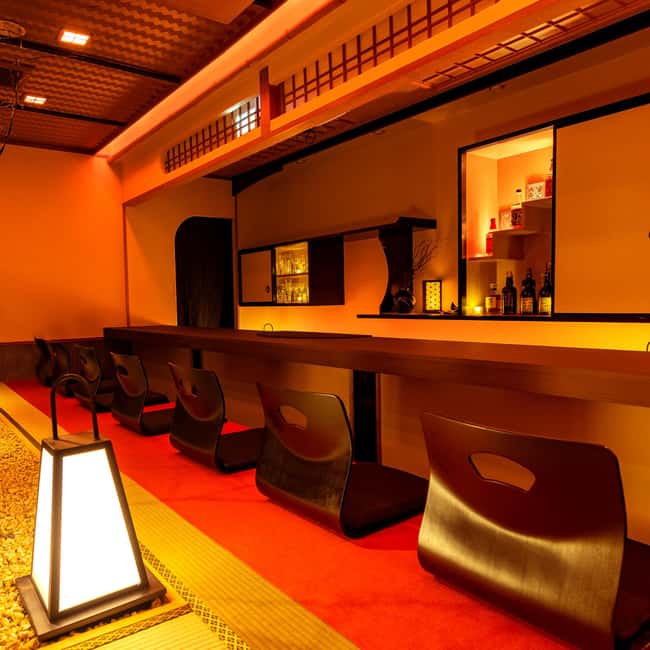
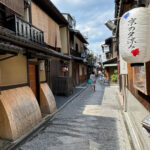
The room itself is part of the experience. You enter a discreet space in a quiet alley, rather than a large performance venue. The setting gives the show a salon-like feel, with the performer close enough to involve members of your group in the action.
That closeness can be a benefit and a small challenge. If you enjoy participation, you may appreciate being part of the sleight of hand. If you prefer to watch quietly from a distance, the private format may feel more direct than expected. The available feedback describes the performance as interactive, theatrical, and full of personality, so you should expect more than a silent demonstration.
A few more Kyoto tours and experiences worth a look
The First 30 Minutes: A Traditional Magic Performance
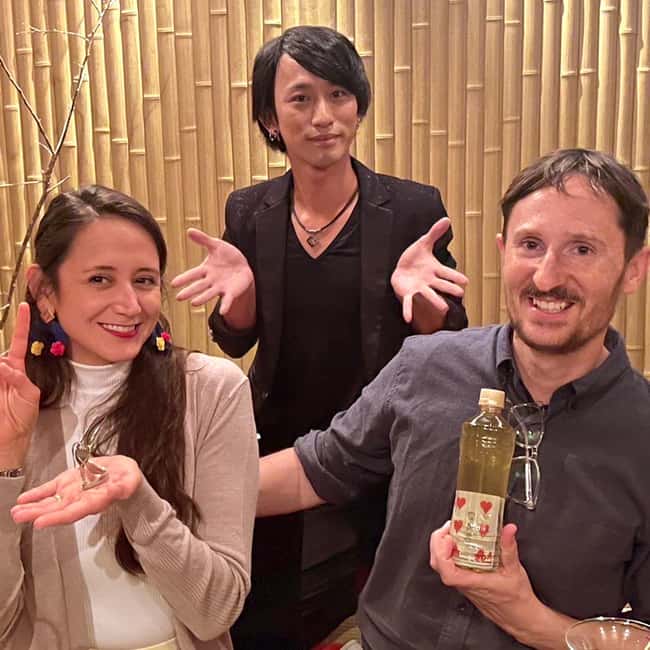
The show lasts 30 minutes. That is enough time to create a focused experience, but it is not a full evening of theater. I see the short length as a good fit for a busy Kyoto schedule. You can place it between sightseeing in Gion, an early dinner, or another appointment without giving up half a day.
The magic is performed at very close range. This matters because Wazuma depends on precision. From nearby, you can pay attention to the performer’s fingers, pauses, and small movements instead of simply watching an object appear on a distant stage.
The performance is also designed for a private group only. You do not share the room with a large audience, and the show is reserved in advance. That gives your party a quieter setting and lets the presentation feel more personal. The small audience is especially useful for couples, families, or friends who want something they can experience together without the noise of a busy attraction.
The English host or greeter provides guidance in English. The supplied information does not name the performer or host, so you should not book this expecting a particular named guide. What is clear is that the experience is intended to be accessible to English-speaking visitors.
Flash photography is not allowed during the show. That rule protects the performance and keeps the room free from sudden bursts of light. You should plan to watch rather than document every trick. The small room also makes good manners important: arrive on time, keep phones discreet, and follow the host’s instructions.
Why the Private Format Matters
Many Kyoto cultural activities take place in larger groups. That can make them easier to arrange, but it also means you may spend much of the time looking over other people’s shoulders. Here, the maximum of six seats changes the mood.
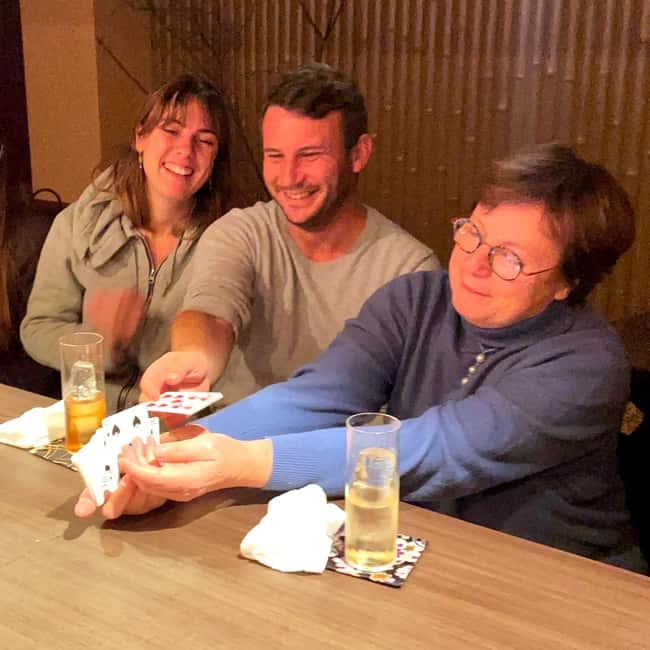
I like the fact that the entire space is reserved for one group. You can pay attention without a crowd around you, and the performer can bring members of your party into the action. One couple described being part of the slight of hand itself, which gives you a sense of how close the presentation can feel.
The private arrangement also makes this a better choice for a special occasion than for a casual filler activity. The tea room, the traditional performance, and the small audience create a polished setting. It is still only one hour, though, so you should keep your expectations in proportion. You are buying an intimate cultural encounter, not a full introduction to Japanese theater or Kyoto’s history.
If your group includes young children, think about their attention span and comfort with a quiet tea-room setting. The information provided does not give a minimum age or child policy, so you should confirm those details before booking if that affects your plans.
The Second 30 Minutes: Uji Matcha and a Change of Pace
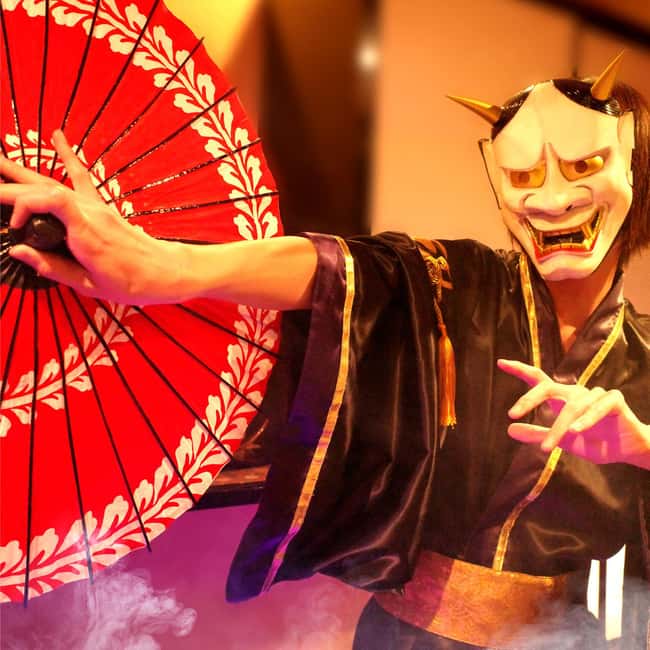
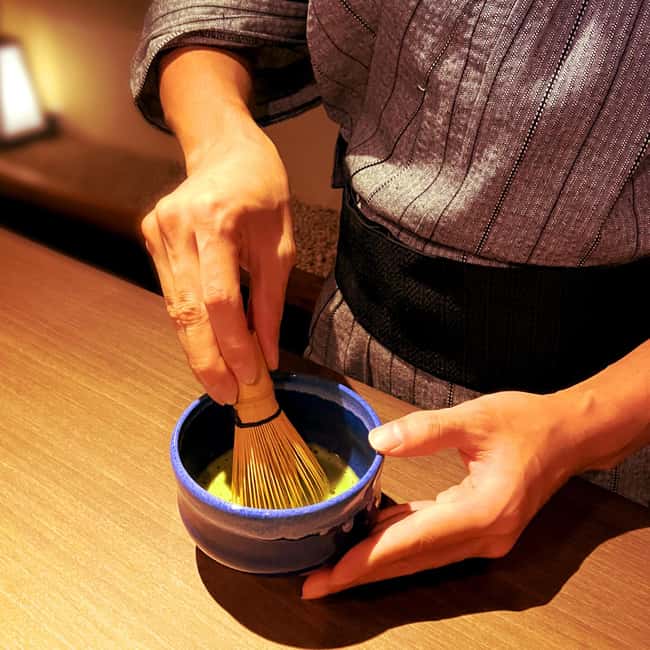
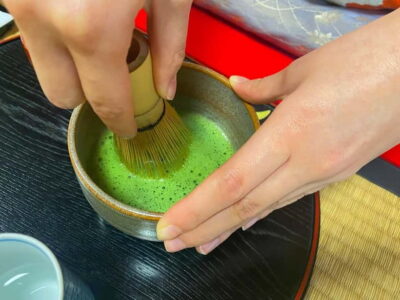
After the magic, the experience shifts to tea. You receive a hand-whisked bowl of Uji matcha, with clear English guidance. This second half slows the hour down and gives you time to appreciate a different part of Japanese culture.
Uji, near Kyoto, is well known for matcha. Here, the focus is not on visiting a tea field or learning a long formal ceremony. It is a compact tea-time experience after the performance. You can expect the matcha to provide a quiet contrast to the energy and surprise of the magic show.
That contrast is one of the strongest features of the format. The first half is theatrical and interactive. The second half is calm and sensory, centered on the taste and preparation of the tea. One piece of feedback specifically praised the mix of entertainment and tradition, and that pairing makes sense. You get a memorable show without ending the experience in a rush.
The tea portion lasts 30 minutes, so it has room to feel like more than a quick drink. At the same time, it is not presented as a full-day tea school. If you already know Japanese tea ceremonies, you may find the format brief. If you are new to matcha, the English explanation should help you understand what you are tasting and why the preparation matters.
The matcha is included, as is the magic show. Personal expenses beyond the listed experience are not included. The supplied information does not specify a snack, a full meal, or additional tea servings, so you should not count on those when planning your day.
Is $98 a Fair Price?
At $98 per person, this is expensive when measured against the clock. One hour is not much time, especially in a city where you can spend far less on a temple, garden, or ordinary cup of tea.
The value comes from what the hour contains. You are paying for a private room, a rare performance tradition, a very small audience, an English-speaking host, and Uji matcha. A larger magic show could charge less, but it would not offer the same close setting. A standard tea stop might also cost less, but it would not include Wazuma.
I would judge the price by the type of day you want. If you are looking for the cheapest way to fill an hour, skip it. If you want a distinctive cultural appointment in Gion, the private format makes the cost easier to understand. Couples celebrating a special trip, repeat visitors who have already seen Kyoto’s major temples, and people interested in traditional performing arts are the best match.
The experience also avoids some hidden costs. Transportation is not included, but the activity ends back at the meeting point, so you are not paying for a separate transfer or being moved between several sites. You will need to arrange your own way to the tea room and budget for transport to and from the area.
A few more Kyoto tours and experiences worth a look
Fitting It Into a Kyoto Day
The activity takes place in Gion, one of Kyoto’s most atmospheric districts. The exact starting time depends on availability, so check the schedule before building the rest of your day.
You should arrive five minutes before the start time. A staff member will wait in front of the building shortly before the meeting time. This is worth taking seriously. The show is by reservation only, and a small private performance cannot handle late arrivals as easily as a large attraction.
Because the activity lasts one hour and ends at the meeting point, it is easy to pair with nearby plans. You might schedule it before dinner or after an afternoon in Gion. Do not treat the time as flexible, though. The show and tea are arranged as two connected half-hour sections.
The meeting instructions are fairly simple, but the tea room is described as discreet and located in a quiet alley. I would allow extra time to find the building, particularly if you are unfamiliar with Gion’s lanes. The supplied information does not give a detailed walking route or a nearby station, so check the meeting location carefully before setting out.
This is also a good rainy-day option. The performance and tea take place indoors, and the experience does not depend on clear weather. You still need to get to the venue, but once inside, the hour is protected from Kyoto’s heat, rain, or winter cold.
What the Experience Does Best
The strongest feature is the combination of rarity and intimacy. Kyoto offers many well-known cultural activities, but Wazuma is not something you will see at every major tourist site. The small room makes the tradition feel immediate.
The performance also has a human quality. The feedback describes it as captivating, theatrical, and full of personality. That suggests the value is not limited to the mechanics of the tricks. The performer’s presence and the audience’s involvement help shape the show.
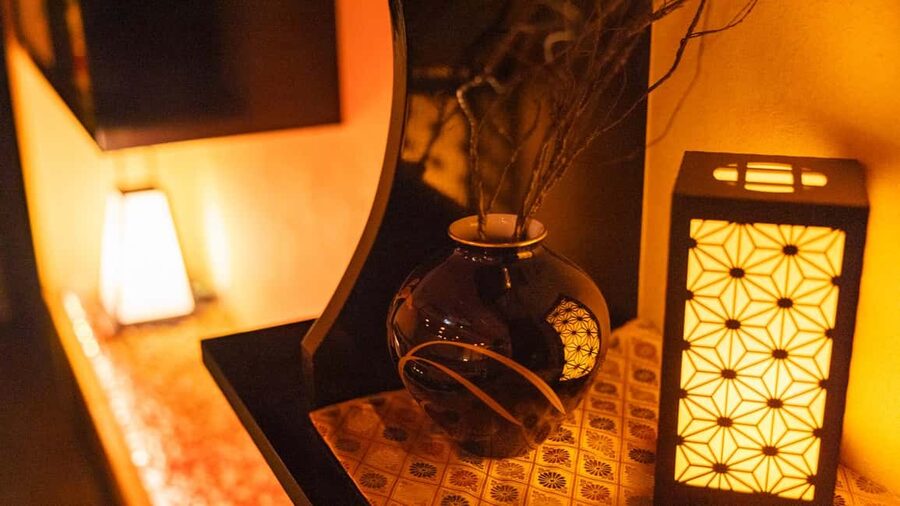
The tea room receives praise as well. Its beauty and setup support the performance without overwhelming it. You are not moving through several locations or trying to absorb a long lecture. The hour stays focused.
The matcha provides another strength. Some cultural activities can feel like a string of unrelated demonstrations. Here, the tea follows the magic in a natural way. After the lively first half, you get a quiet drink and English guidance. That makes the experience easier to remember as a whole.
The Limits You Should Know Before Booking
The experience is not suitable for wheelchair users. The traditional tea-room setting may also require flexibility with seating, although the supplied information does not give specific details about the seating arrangement. If access is important for anyone in your party, ask the provider before paying.
There is no transportation included. You need to reach the Gion meeting point on your own, and the staff member will meet you in front of the building five minutes before the start.
The show is reservation only, with a maximum of six seats. That is good for privacy, but it can reduce schedule flexibility. If your dates are fixed, check availability early rather than assuming you can fit it in at the last minute.
The activity is also not designed for people seeking a long historical lecture or a complete tea ceremony. You receive English guidance, but the experience is centered on watching the magic and enjoying the matcha. If you want a full-day cultural class, this will feel too brief.
Finally, flash photography is prohibited. You may need to put the camera away during the performance, which is a fair trade for keeping the show intact. The room is small enough that constant photography could distract both the performer and your group.
Who Will Enjoy This Most?
I would recommend this to couples, friends, and small families looking for something unusual in Kyoto. It is particularly well suited to people who have already visited the major temples and want a cultural activity with a more personal scale.
It also works for visitors who value atmosphere over quantity. You will not see several landmarks or cover a large part of the city. Instead, you spend one hour in a quiet room with a rare art form and a carefully prepared bowl of matcha.
This is a good pick for a special trip, an anniversary, or a day when you want a break from walking. The intimate room and private booking give it a sense of occasion.
I would hesitate if your budget is tight, your schedule is packed, or your main goal is a long tea ceremony. The $98 price makes sense only if the private Wazuma performance is the main attraction for you. The matcha is a thoughtful second half, but the magic is what justifies the booking.
Should You Book the Wazuma and Matcha Experience?
Book it if you want rare Japanese performance art in a private Gion setting and you are happy to pay for a short, polished appointment. The six-seat room, close-up magic, English guidance, and Uji matcha create a memorable hour without crowds or hurry.
Skip it if you need wheelchair access, want transportation included, or prefer a longer and less expensive activity. For everyone else, this is one of Kyoto’s more distinctive cultural choices, especially for a return visit or a special evening plan.
FAQ
Where does the Wazuma magic show take place?
The show takes place in a traditional tea room in Kyoto’s Gion area.
How long does the experience last?
The full experience lasts one hour.
How is the hour divided?
The activity includes a 30-minute traditional Japanese magic show followed by 30 minutes of Uji matcha tea time.
Is the experience private?
Yes. It is reserved for one private group only, with six seats available.
Is English guidance provided?
Yes. The host or greeter provides English guidance.
Is transportation included?
No. Transportation to and from the activity location is not included.
How early should I arrive?
You should arrive five minutes before the show starts. A staff member will wait in front of the building shortly before the meeting time.
Can I take photos during the show?
Flash photography is not allowed during the performance.
Is the activity suitable for wheelchair users?
No. The activity is listed as not suitable for wheelchair users.
Can I cancel for a full refund?
Yes. You can cancel up to 24 hours in advance for a full refund. You can also reserve now and pay later, according to the booking terms.
More Private Tours in Kyoto



More Uji & Matcha Trips in Kyoto
More Tea Ceremony Experiences in Kyoto
More tours in Kyoto we've reviewed





Tea Ceremony Experiences, compared.
 ★ 4.9Kyoto: Tea Ceremony in a Traditional Tea House in KiyomizuFrom $4945 min
 ★ 4.9Kyoto: Tea Ceremony Ju-An at Jotokuji TempleFrom $291h 10m
 ★ 4.3Kyoto: 45-Minute Tea Ceremony Lesson ExperienceFrom $2245 min
 ★ 5.0World Heritage Kyoto & Nara Uji Authentic Matcha ExperienceFrom $129
 ★ 4.9Kyoto: Table-Style Tea Ceremony at a Kyo-MachiyaFrom $451h 30m
 ★ 5.0Kimono Tea Ceremony at Kyoto Maikoya, NISHIKIFrom $65