
Reviewed · TEA CEREMONY EXPERIENCES
Nerikiri and Matcha Making Class in Kyoto
The best part of this Kyoto class is that you do not simply watch a tea ceremony or sample a sweet. You make five nerikiri designs yourself, using different shaping methods and tools, then prepare matcha to enjoy with them. It is a calm, hands-on look at one of Japan’s most delicate food traditions.
I like the small maximum of eight people, which gives the instructor room to guide each person. I also like the practical finish: you take leftover sweets home, receive two versions of the nerikiri dough recipe by email, and leave with skills you can try again. The main drawback is that the dough is prepared before class, so you learn the shaping and finishing work rather than the full process from bean to confection.
In This Review
- Key points to know before booking
- What nerikiri tells you about Kyoto sweets
- Meeting at Matsugasaki Station
- The first lesson: preparing the nerikiri dough
- Five designs and a set of shaping tools
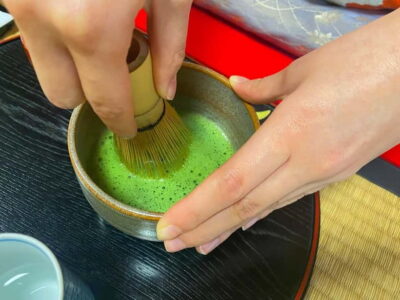
- Making matcha at the table
- A quiet class with room for personal instruction
- Tasting your work and packing the rest
- Is $84.92 a fair price?
- What makes this activity different from a formal tea ceremony
- Who will get the most from the class?
- The final call: book it for the making, not just the tasting
- FAQ
- Where does the nerikiri and matcha class begin?
- What time does the class start?
- How long does the experience last?
- Where does the class end?
- How many nerikiri designs will I make?
- Is the nerikiri dough prepared during the class?
- Can I take nerikiri home?
- Who can attend the class?
Key points to know before booking
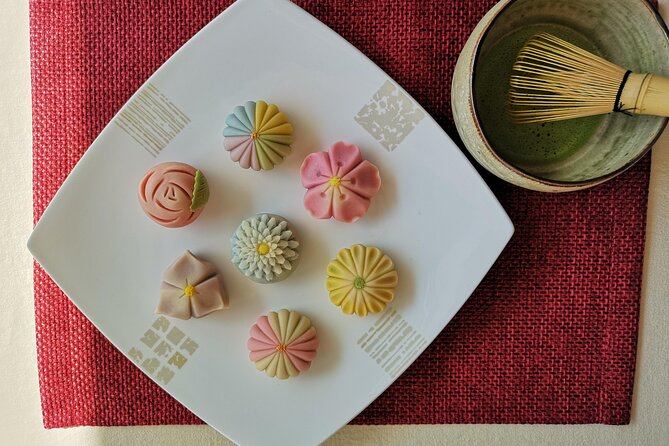
- Five different nerikiri designs: Learn several shaping techniques instead of making one repeated sweet.
- Matcha is prepared table-style: You make the tea yourself, then taste it with your confections.
- Small class size: The group is limited to eight people, useful for a careful craft that needs close instruction.
- Extras go home with you: A container is provided for the nerikiri you do not eat during class.
- Recipes arrive after the class: Provide an email address if you want the two dough recipes.
- Plan around firm booking terms: The experience is non-refundable and cannot be changed after booking.
What nerikiri tells you about Kyoto sweets
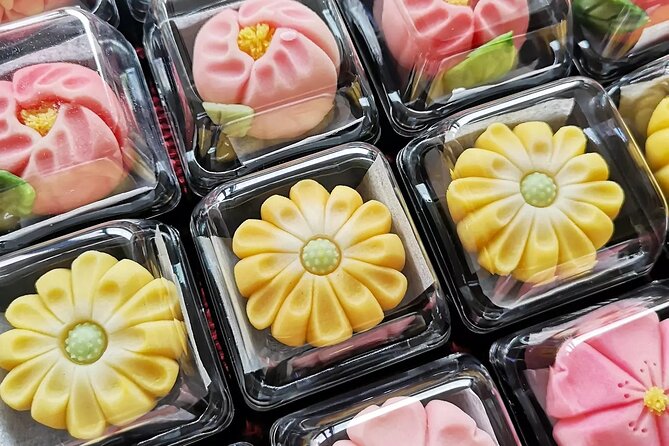
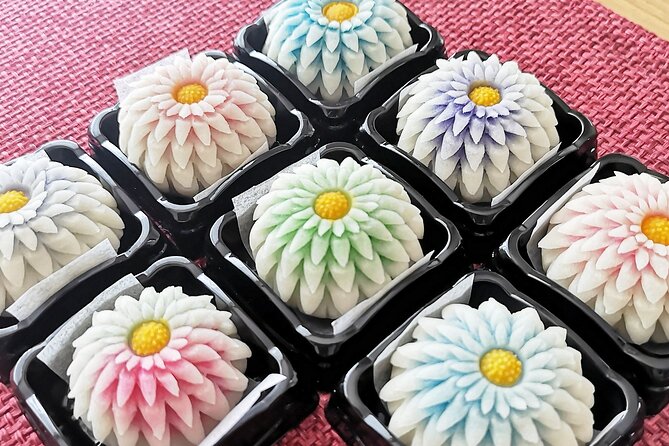
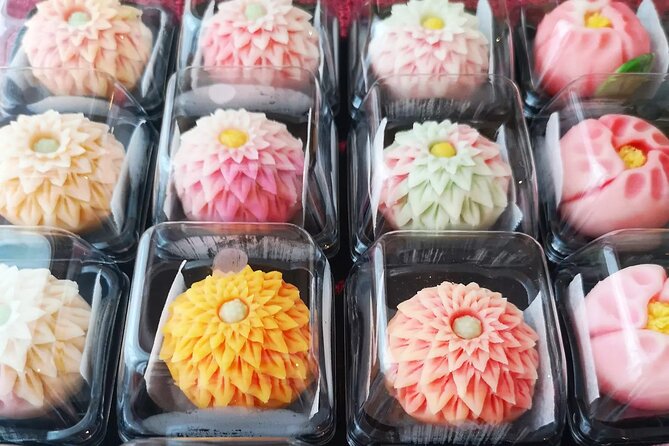
Nerikiri is a Japanese confection traditionally served with tea. It is made mainly from sweet white beans and shaped into small, decorative forms. The appeal is visual as well as culinary. A finished nerikiri can look like a tiny flower or another carefully formed seasonal image, though the supplied details do not promise exact designs for each class.
That makes this more than a dessert lesson. You are learning how Japanese confectionery treats shape, color, proportion, and presentation as part of the tea experience. The sweets are small, but the work is precise. A thumb pressed in the wrong place can alter the whole form, which is why step-by-step guidance matters.
I also like the pace suggested by the class. The full session lasts about two and a half hours, and the mood is described as peaceful and therapeutic. That is a useful contrast to Kyoto’s busier sightseeing stops. You sit down, work with your hands, and focus on a task that rewards patience rather than speed.
A few more Kyoto tours and experiences worth a look
Meeting at Matsugasaki Station
The class begins at 10:00 am at Matsugasaki Station, at Matsugasaki Rokunotsubocho in Sakyo Ward. The activity ends back at the same meeting point, and the location is near public transportation.
This is practical for planning a morning. You are not asked to arrange private transportation, and you have a clear return point after the lesson. Still, allow enough time to reach the station before 10:00 am. The class takes place in a private home, according to the experience details, so careful attention to the meeting instructions matters.
The home setting is part of the character of the activity. It is not a large cooking school with a parade of stations. The setting helps create the personal feel that makes this kind of craft lesson work, but it also means space is limited. Only people taking the class may attend. There is no room for spectators, friends waiting inside, or family members who are not participating.
The first lesson: preparing the nerikiri dough
The instructor begins by explaining how nerikiri dough is made. The actual dough is prepared in advance, so you will not spend the class cooking or mixing the base from scratch.
That is both a strength and a limitation. It keeps the class focused on the part most people want to practice: shaping attractive sweets with the right texture and finish. It also makes the two-and-a-half-hour schedule manageable. On the other hand, anyone hoping to learn every step of the confection from raw ingredients will need to recognize that this class does not provide the complete kitchen process.
The instructor will explain the dough process, and you receive two versions of the nerikiri dough recipes by email after the class. You need to provide an email address if you want them. This follow-up is valuable because the techniques are easy to understand in person but harder to remember later, especially when you are trying to reproduce the texture at home.
Five designs and a set of shaping tools
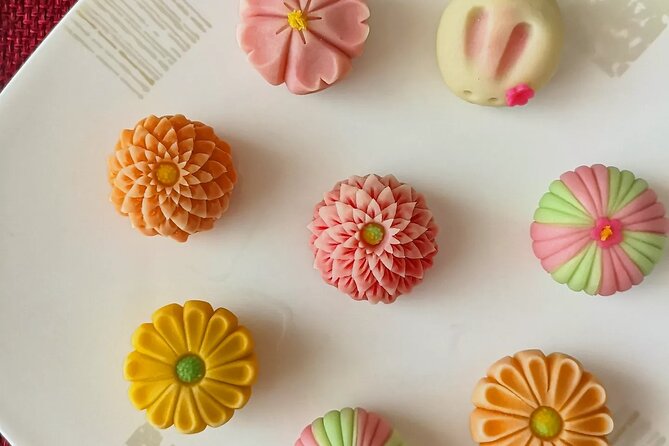
The central part of the class is making five nerikiri designs. You learn how to shape them with different techniques and use various nerikiri tools. This gives the session a useful sense of progression. You are not simply decorating one sweet and calling it done. You work through a group of forms, each calling for a slightly different approach.
The shaping may feel delicate at first. That does not mean it is out of reach. The available feedback describes the process as delicate but very doable with guidance, and that is the right expectation. You should be ready to follow precise instructions and adjust your hands as you go. This is a craft lesson, not a casual activity where rough results are part of the joke.
A careful instructor makes a real difference here. The class information says each design is explained and demonstrated step by step, and the experience has been described as precise and well organized. You will want that structure when handling small pieces of dough and using tools that may be unfamiliar.
The five designs also give you something to compare. You can see how a small change in pressure, cutting, pinching, or shaping affects the finished sweet. That is useful if you hope to continue making nerikiri after your Kyoto visit.
Making matcha at the table
After the sweets are shaped, you make matcha tea in a table-style format. You are not only handed a bowl of tea to drink. The class includes the act of preparing it, followed by tasting your matcha with the nerikiri.
This pairing is central to the experience. Nerikiri’s sweetness is traditionally balanced by matcha’s stronger, more bitter flavor. The class lets you understand that relationship directly, rather than treating the confection as an isolated snack.
The table-style format also makes the activity approachable. You do not need to present yourself as an expert in formal tea ceremony etiquette. The focus is on learning the preparation and enjoying the result. If your main interest is a formal tea ceremony, this is not the same thing. If you want a practical introduction to matcha and the sweets served alongside it, the format is a good fit.
A few more Kyoto tours and experiences worth a look

A quiet class with room for personal instruction
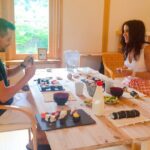
The maximum group size is eight people. That number matters because nerikiri shaping involves small details that are easy to miss from across a crowded room. A limited group should make it easier to watch the demonstration, ask for help, and get corrections while you work.
The class is also held in a home, which gives it a more personal setting than a standard food workshop. The experience details describe the instructor welcoming participants into her home and creating a comfortable atmosphere. That warmth is one of the strongest reasons to choose this activity over a larger, more commercial class.
There is a trade-off. A home class has limited space, so only registered participants can enter. Do not plan to bring a companion who wants to watch. Everyone present must be taking part, and participants must be older than 10.
The age rule makes this suitable for older children, teenagers, and adults who can handle a careful, focused activity. The available information does not give a reduced child price or a separate children’s format, so check the booking details carefully if you are arranging a family outing.
Tasting your work and packing the rest
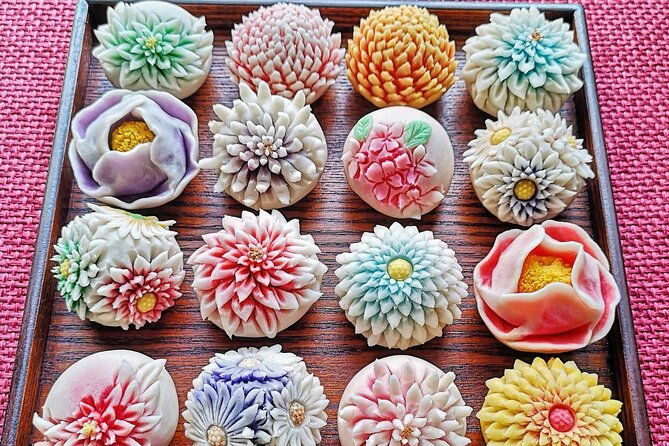
The class ends with matcha and nerikiri tasting. This is when the separate parts of the lesson come together: the sweets you shaped, the tea you prepared, and the visual details you worked to create.
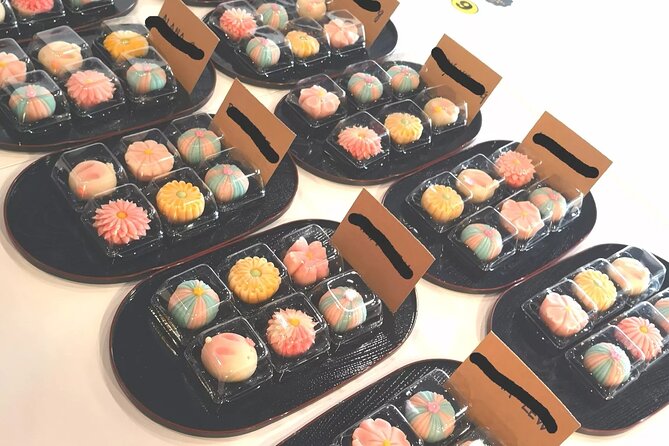
You can take the remaining nerikiri home in a provided container. That small extra is useful. Five sweets may be more than you want to eat during the final tasting, and carrying them away gives you a chance to share them or enjoy them later. The container also means you do not need to plan ahead and bring special packing.
Keep in mind that nerikiri is a delicate confection. The class information confirms that you can take the rest home, but it does not state how long they keep or whether refrigeration is needed. Ask the instructor about storage if you will not eat them soon.
Is $84.92 a fair price?
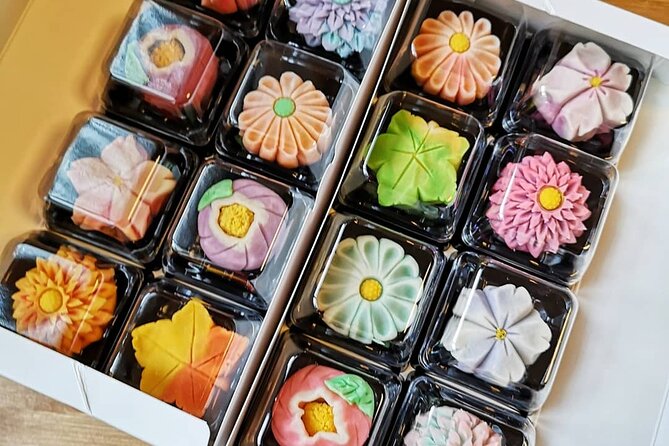
The listed price is $84.92 per person. That is not a bargain snack stop, but it covers a two-and-a-half-hour small-group lesson, five handmade nerikiri, matcha, a take-home container, instruction, and recipe follow-up.
I see the value in the amount of time and personal attention. You are paying for guided practice, not just food. A class limited to eight people can offer a more useful learning experience than a cheaper, larger demonstration where you never handle the ingredients.
The price makes the most sense if you care about Japanese food culture, hands-on crafts, or learning a skill you can repeat at home. It may feel high if you mainly want to taste nerikiri or drink matcha. Kyoto has other ways to do that, and this class asks you to spend a full morning working carefully.
The advance booking pattern is also worth noting. The class is booked an average of 29 days ahead, which suggests you should not leave it until the last minute if the date matters to you. Confirmation arrives within 48 hours of booking, subject to availability.
Because the experience is non-refundable and cannot be changed for any reason, choose your date with care. If your Kyoto schedule is uncertain, this strict policy adds risk to the purchase.
What makes this activity different from a formal tea ceremony
A formal tea ceremony and this class serve different purposes. A ceremony places more weight on established procedures, setting, manners, and observation. Here, you are making the sweets and preparing matcha yourself.
That hands-on approach is the main distinction. You leave with a clearer sense of the work behind the food, not just an impression of the finished ritual. The class also gives you five designs to practice, which adds a creative element missing from a simple tea tasting.
At the same time, do not book this expecting a complete traditional tea ceremony. The format is table-style, and the stated activities are nerikiri instruction, matcha preparation, and tasting. It is best understood as a confectionery and tea workshop with cultural context.
Who will get the most from the class?
I would recommend this for you if you enjoy quiet, focused activities and want something more personal than a standard sightseeing stop. It suits anyone curious about Japanese sweets, matcha, food presentation, or crafts that reward careful handwork.
It is also a good choice for repeat visitors to Kyoto who have already seen major temples and want a different kind of morning. You do not need to spend the session rushing from one landmark to another. Instead, you learn a small skill and take part in a food tradition.
Families with children older than 10 may find it appealing, provided every person attending is booked into the class. Couples and small groups should appreciate the home setting and the chance to make something together.
I would hesitate to recommend it if you dislike detailed handwork, want a fast activity, or expect to prepare the dough from the beginning. I would also think twice if your schedule may change, since the strict cancellation terms leave no room for a refund or amendment.
The final call: book it for the making, not just the tasting
Book this class if you want to learn how five nerikiri designs are shaped, prepare matcha at the table, and enjoy a calm morning in a small Kyoto home setting. The combination of personal instruction, take-home sweets, and two recipes gives the $84.92 price a reasonable basis.
Skip it if you only want a taste of Japanese sweets or if you need flexible booking terms. The prepared dough means this is not a full confectionery course, but for hands-on shaping and a thoughtful introduction to nerikiri and matcha, it offers a focused and distinctive Kyoto experience.
FAQ
Where does the nerikiri and matcha class begin?
The class begins at Matsugasaki Station, Matsugasaki Rokunotsubocho, Sakyo Ward, Kyoto, 606-0915, Japan.
What time does the class start?
The start time is 10:00 am.
How long does the experience last?
The activity lasts approximately 2 hours and 30 minutes.
Where does the class end?
The activity ends back at the meeting point.
How many nerikiri designs will I make?
You will learn to make five nerikiri designs using different shaping techniques and various nerikiri tools.
Is the nerikiri dough prepared during the class?
The instructor prepares the nerikiri dough before class. The dough-making process is explained, and two versions of the recipes can be sent by email after the class if you provide an email address.
Can I take nerikiri home?
Yes. You can take the remaining nerikiri home, and a container is provided.
Who can attend the class?
Participants must be older than 10. Only people participating in the class may attend because space is limited, and the group can have a maximum of eight people.
More Workshops & Classes in Kyoto
More Tea Ceremony Experiences in Kyoto
More tours in Kyoto we've reviewed



Tea Ceremony Experiences, compared.
 ★ 4.9Kyoto: Tea Ceremony in a Traditional Tea House in KiyomizuFrom $4945 min
 ★ 4.9Kyoto: Tea Ceremony Ju-An at Jotokuji TempleFrom $291h 10m
 ★ 4.3Kyoto: 45-Minute Tea Ceremony Lesson ExperienceFrom $2245 min
 ★ 5.0World Heritage Kyoto & Nara Uji Authentic Matcha ExperienceFrom $129
 ★ 4.9Kyoto: Table-Style Tea Ceremony at a Kyo-MachiyaFrom $451h 30m
 ★ 5.0Kimono Tea Ceremony at Kyoto Maikoya, NISHIKIFrom $65