
Reviewed · SAMURAI & KENDO EXPERIENCES
Kyoto : Family-Friendly Sword Lesson at Samurai Ninja Museum
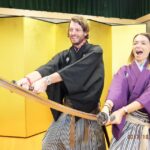
Kyoto’s Samurai Ninja Museum offers more than a quick costume photo. You’ll put on hakama, armor, and a helmet, then learn how to handle a katana through a short lesson and movement sequences. The best part is the mix of hands-on sword practice and museum time, which gives the costumes some useful context.
I like the way the experience gives children and adults a shared activity, and I like the small-group format advertised for up to 10 participants. English-speaking instructors such as Ken, Raito, Nobu, and Jukia have led sessions, with particular praise for clear teaching and friendly energy.
The main consideration is that this is a staged cultural activity, not formal martial-arts training. The session can also be more crowded than expected, since the venue information allows up to 22 people even though the activity is described as a small group.
In This Review
- Key points to know before you book
- Putting on hakama, armor, and a samurai helmet
- The katana lesson: simple movements with real structure
- Samurai and ninja museum time after the lesson
- Shuriken practice and the playful side of the visit
- Photo backgrounds that make the costume worthwhile
- Why the $66 price can make sense
- Group size, access, and family fit
- What the two-hour schedule feels like
- The best fit, and who may want something else
- Should you book this Kyoto samurai experience?
- FAQ
- How long does the samurai experience last?
- How much does the experience cost?
- Is the sword lesson taught in English?
- What clothing and equipment are included?
- Can I try ninja weapons?
- Can children take part?
- Is transportation included?
- Can I cancel for a full refund?
Key points to know before you book
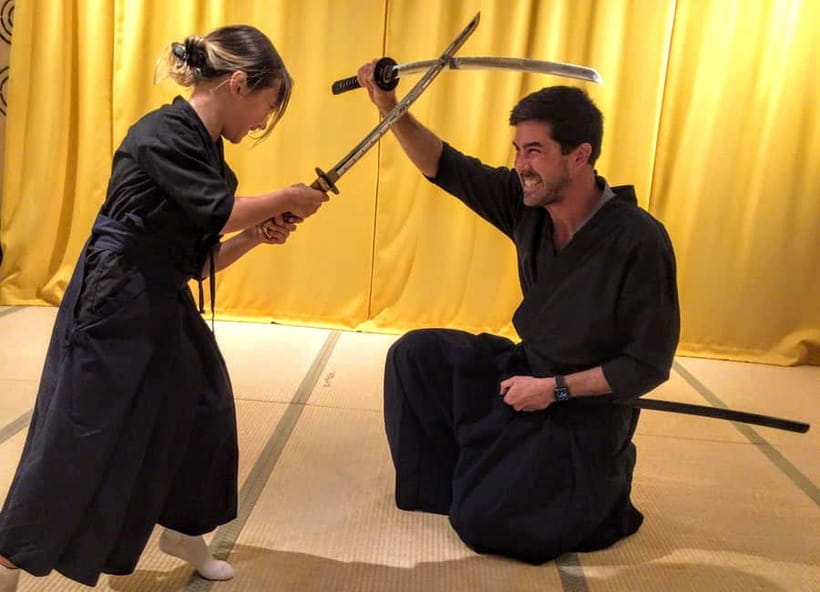
- You learn two kata-style movement sequences: A recent session with instructor Ken included two short sets of katana movements, giving the lesson more structure than a simple sword swing.
- The costume is part of the activity: Hakama, samurai armor, and a helmet are provided, so your photographs have the full look rather than just a rented robe.
- The museum visit adds context: After the sword lesson, you visit the Samurai Ninja Museum and learn about samurai and ninja traditions.
- Ninja weapons are included: You can try throwing shuriken at a target, adding a playful second activity after the katana lesson.
- It works well for families: Children under 3 cannot enter, but older children can take part alongside adults.
- Plan on two hours plus your own transport: Travel to and from the venue is not included, though the location is near public transportation.
Putting on hakama, armor, and a samurai helmet
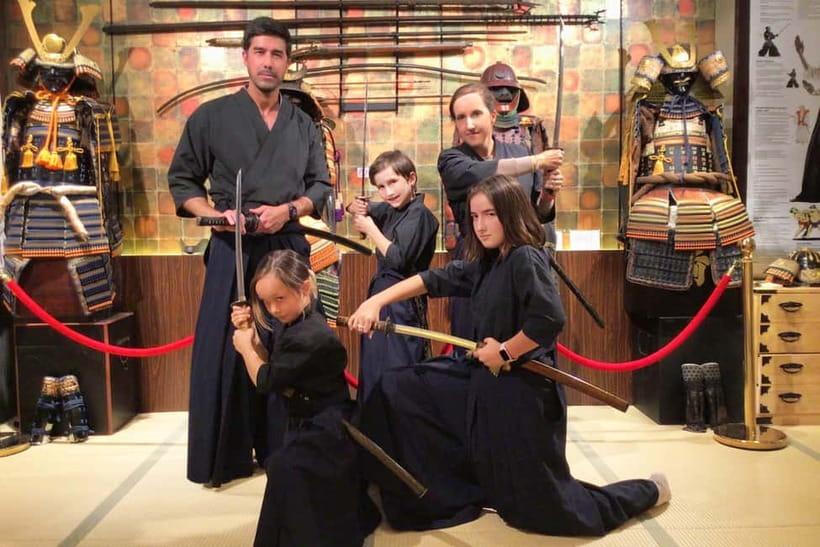
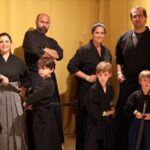
The experience begins with the transformation itself. You change into traditional samurai clothing, including hakama, then add armor and a helmet. That preparation matters because it turns a basic demonstration into a role-playing activity that works especially well for families.
You do not simply watch someone swing a sword while standing in everyday clothes. You take part in the visual language of the lesson, from the clothing to the staged backgrounds used for photographs. Children get an obvious thrill from this, while adults tend to appreciate the chance to make a memorable family picture that feels different from the usual Kyoto sightseeing shot.
The outfit is included in the $66 price, as are the helmet and armor. Since these items are part of the booking, you do not need to arrange a costume rental separately. The supplied information does not specify changing-room arrangements, clothing sizes, or whether you can wear the outfit outside the venue, so treat it as clothing for the class and photographs rather than a full day rental.
The costume also has a practical effect on the pace. Dressing and preparation take time, so the two-hour session is not two hours of constant sword instruction. That is not a problem for most families, but it helps set the right expectation.
A few more Kyoto tours and experiences worth a look
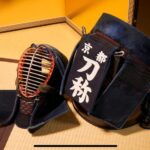

The katana lesson: simple movements with real structure
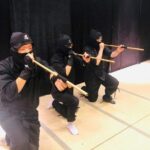
The instructor begins with a demonstration of how to swing the sword properly. You then try the movements yourself, under guidance in English. This sequence is important: you first see the motion, then repeat it, rather than being handed a prop and left to pose.
The lesson includes basic katana work and, in at least one recent session, two kata-style sequences. Kata means a set pattern of movements, so you can expect something more organized than random practice. The goal is not to train you as a swordsman in two hours. It is to give you a safe, memorable introduction to the form and discipline associated with samurai performance.
I would pay attention to the instructor here. The strongest part of the experience depends on how clearly the movements are shown and corrected. Raito has been singled out as an experienced teacher, while Ken received praise for dressing the group and teaching the two movement sequences. Nobu and Jukia have also led highly rated sessions.
The class is likely to appeal to adults who enjoy a little structure. You get a short lesson, a demonstration, and a chance to repeat the pattern. At the same time, the activity remains accessible to children, since the focus is on participation and presentation rather than physical strength.
You should still remember that a katana is a real-edged historical weapon in its traditional form, even if this activity is designed for visitors. Follow every instruction, wait for the teacher’s signal, and keep your attention on the group. The information provided does not describe the exact sword type, safety equipment, or age rules beyond the ban on children under 3, so the instructor’s directions matter.
Samurai and ninja museum time after the lesson
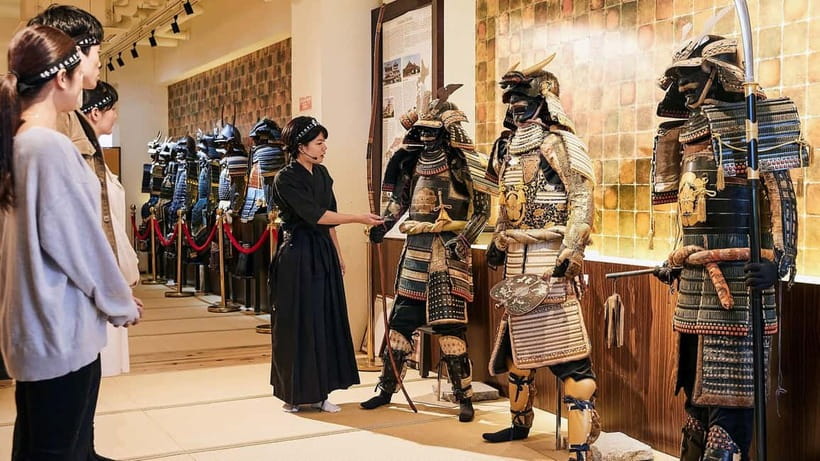
The museum portion gives the activity a second layer. After the sword lesson, you visit the Samurai Ninja Museum for a guided look at samurai and ninja material. The supplied details do not list the exact exhibits, so I would not book this expecting a particular suit of armor, named sword, or historical object.
What you can count on is a guided museum visit connected to the lesson. That link is useful. You have just handled a katana and put on samurai clothing, so the museum helps place those images in a broader Japanese setting. It keeps the experience from being only a costume session.
The museum visit also breaks up the activity. Families often need a change of pace, and moving from sword practice to viewing displays and listening to an English-speaking guide can help. The guided format means you do not need to know much about samurai culture before arriving.
Still, the museum section may feel short if your main interest is Japanese history. The experience is built as entertainment and instruction for a general audience, not as a long museum tour. You get an introduction, not a full study of medieval Japan, military classes, or sword-making.
That balance is worth considering when you compare the price with other Kyoto activities. At $66 per person, you are paying for a combined lesson, costume use, museum access, and staged photographs. If you want a serious museum visit, a dedicated cultural-history tour may give you more depth. If you want your family to do something together, the combined format makes better sense.
Shuriken practice and the playful side of the visit
The ninja weapons trial changes the tone from formal sword practice to lighthearted target throwing. Shuriken, often called ninja throwing stars, are used at a target as part of the activity. This gives children another clear goal after the katana lesson, and adults can join in without needing previous experience.
I like this section because it makes the experience feel varied. You are not repeating one action for two hours. You move from clothing and demonstration to katana practice, museum viewing, and ninja target work.
The details do not state how many throws each person receives or what type of shuriken is used. That means you should think of it as a short included trial, not an extended weapons workshop. The activity provides the chance to try ninja weapons, but not a detailed lesson in ninja techniques.
For families, this can be the moment when younger participants become most engaged. The sword lesson requires listening and repeating movements. Target throwing gives an immediate, playful task. Keep your expectations modest, though. The focus is on safe participation and fun photographs, not on scoring or competition.
Photo backgrounds that make the costume worthwhile
Photography is built into the experience rather than added as an afterthought. You can pose with swords in front of studio and samurai-themed backgrounds, wearing the provided hakama, armor, and helmet. You can also take pictures in samurai and ninja clothing after the museum portion.
This is one of the strongest practical reasons to choose the activity. Kyoto offers plenty of temples and gardens, but a family photograph in samurai dress is a very different souvenir. The staged background also avoids the problem of trying to find a suitable location while wearing a costume in a crowded city street.
The photographs are self-directed in the sense that the activity includes themed photo opportunities, but the supplied information does not promise a professional photographer or edited images. Bring a phone or camera if you want your own pictures, and confirm on arrival how photography is handled.
The photo portion may appeal more to some family members than the museum section. That is fine. The experience has several entry points: children can enjoy the costumes and weapons, adults can follow the cultural explanation, and everyone can leave with a shared picture.
I would not choose this solely for a polished studio portrait unless that is confirmed before booking. The guaranteed feature is access to the settings and costumes, not a stated package of professional photographs.
Other museum experiences in Kyoto
Why the $66 price can make sense
At $66 per person, this is not the cheapest two-hour activity in Kyoto. Its value comes from combining several pieces that would otherwise be separate: a sword lesson, use of hakama, armor and helmet, a museum visit, ninja weapons practice, and themed photo opportunities.
For a family, the price is easier to justify if everyone takes part. You are buying an organized group activity, not simply admission to a museum. The instructor manages the lesson, the venue supplies the costume elements, and the experience has a clear sequence from preparation to practice and photographs.
The value is weaker if you only want to look at samurai objects. In that case, much of the fee goes toward the costume and hands-on session. It is also less suitable if you already have extensive martial-arts experience and want advanced sword instruction.
The booking terms add some useful flexibility. You can cancel up to 24 hours before the activity for a full refund, and you can reserve now and pay later. Starting times vary, so you need to check availability for your date. Transportation is not included, which means you should budget both time and the cost of reaching the venue.
The activity offers skip-the-ticket-line access, which may help at a busy attraction. The exact benefit depends on the conditions at the venue that day, but it is useful when you have a tightly planned Kyoto schedule.
Group size, access, and family fit
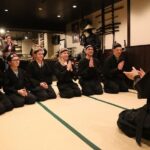
The activity is described as a small group limited to 10 participants, which is a good size for a lesson involving costumes and sword movements. A smaller class gives the instructor more opportunity to watch each person and keep the sequence moving at a comfortable pace.
There is also a separate maximum of 22 people in the venue information. Because those figures do not match, I would check the confirmed group size if a private or very small class is important to you. Ten people and 22 people create different experiences, especially when everyone is changing clothes and posing with props.
The venue is wheelchair accessible and stroller accessible, and it is near public transportation. Those points make the activity easier to fit into a Kyoto day, though the details do not explain the changing area, floor surfaces, or how much standing and movement the sword lesson involves. If you use a wheelchair or stroller, contact the operator with specific mobility questions before booking.
Children under 3 cannot enter the samurai venue. Older children can participate, and the activity is clearly designed to include adults and children together. You should expect some listening, standing, posing, and controlled movement, so the best fit is a child who can follow an English-speaking instructor’s directions.
English is the listed language. That makes the lesson practical for many international families, especially when the instructor is explaining sword handling and movement order.
What the two-hour schedule feels like
The precise minute-by-minute timetable is not provided, but the experience has a clear shape:
- You arrive at the venue and prepare in samurai clothing.
- You add the hakama, armor, and helmet for the full costume.
- The instructor demonstrates basic katana handling and swinging.
- You practice sword movements, with some sessions including two kata sequences.
- You visit the Samurai Ninja Museum with a guide.
- You try ninja weapons at a target.
- You pose for photographs in themed samurai and ninja settings.
The order may vary, but the range of activities keeps the session from feeling one-note. It also means you should not expect two uninterrupted hours of sword work. The lesson is one part of a broader cultural and entertainment package.
Allow extra time around the two-hour activity for getting to the venue and continuing to your next stop. Since transport is excluded and starting times vary, avoid booking a major attraction immediately afterward with no buffer.
The best fit, and who may want something else
I would choose this for a family that wants an activity with a strong visual element and a simple cultural introduction. It is especially suitable if your children enjoy dressing up, trying new activities, and taking photographs.
It also fits adults who want something light and memorable during a Kyoto visit. You do not need prior sword experience, and the instructor-led format gives the activity enough shape to feel like a lesson rather than a photo booth.
I would hesitate if you want advanced martial-arts training, a long museum study, or a quiet historical tour. The costumes, staged settings, and ninja target work show that this is designed for participation and fun. That is not a flaw, but it should match what you want from the day.
The high praise has centered on the instructors and the friendly, engaging class atmosphere. That makes the guide an important part of the experience. If you can identify the instructor when booking, names such as Ken or Raito may be useful, but guide availability can change.
Should you book this Kyoto samurai experience?
Book it if you want a two-hour family activity that combines costumes, a beginner sword lesson, museum context, ninja target practice, and photographs. The $66 price is reasonable when you plan to use all those elements, especially with children who might not enjoy a long conventional museum tour.
Skip it if your main goal is serious sword study or detailed samurai scholarship. Also check the expected group size if a small class matters to you, since the published capacity information gives both 10 and 22 participants.
For most families, the best reason to book is the mix of activities. You get a guided introduction, a chance to wear the full outfit, and a distinctive Kyoto souvenir in the form of photographs. Just treat it as a playful cultural lesson, follow the instructor closely, and leave room in your schedule for transport.
FAQ
How long does the samurai experience last?
The activity lasts two hours.
How much does the experience cost?
The listed price is $66 per person.
Is the sword lesson taught in English?
Yes. English is the listed language, and the instructor leads the demonstration and lesson in English.
What clothing and equipment are included?
The experience includes use of hakama, a samurai helmet, and samurai armor. It also includes the samurai sword lesson and themed photo opportunities.
Can I try ninja weapons?
Yes. A ninja weapons trial is included, with target throwing using shuriken described as part of the experience.
Can children take part?
Children can participate, but children under 3 cannot enter the samurai venue.
Is transportation included?
No. Transportation to and from the activity is not included.
Can I cancel for a full refund?
Yes. You can cancel up to 24 hours in advance for a full refund. You can also reserve now and pay later.
More Workshops & Classes in Kyoto



More Museum Experiences in Kyoto
More Samurai & Kendo Experiences in Kyoto
More tours in Kyoto we've reviewed




Samurai & Kendo Experiences, compared.
 ★ 5.0Kyoto Samurai ExperienceFrom $119
 ★ 4.9Kyoto: Kendo and Samurai Experience with Uniform and GearFrom $1032 hours
 ★ 4.5Skip the lines Basic Ticket at SAMURAI NINJA MUSEUM KYOTOFrom $28
 ★ 4.9Kyoto: Samurai Class, Become a Samurai WarriorFrom $70
 ★ 5.0Ninja 1-hour Hands-on Lesson by Japanese master in Kyoto -EntryFrom $80
 ★ 4.8Kyoto: Ninja Weapon Forging ExperienceFrom $1482h 30m