
Reviewed · HISTORICAL TOURS
Private Guided Historical Sightseeing Tour in Kyoto
Kyoto’s best-known sights are spread across the city, and this private tour tries to connect seven of them in four hours. You move from the orange torii gates of Fushimi Inari to Kiyomizu-dera, old Gion lanes, Nishiki Market, and Pontocho, with a local guide explaining what you are seeing. I like the broad sweep and the private format, which lets the guide adjust the pace and route. I also like that strong guides such as Julian, Johannes, Robert, Ricardo, Andrea, Diego, and Ken have made the temples and customs easier to understand.
The serious drawback is not the sightseeing. It is the uneven tour operation. Several bookings ended with no guide, no working phone number, or poor communication about meeting times. The experience can be excellent once the right guide appears, but you should confirm the details before setting aside your only free morning in Kyoto.
In This Review
- Key points before you book
- What this Kyoto tour is trying to do
- Fushimi Inari and its orange torii gates
- Kiyomizu-dera and the wooden terrace
- Kennin-ji, Kyoto’s quieter Zen pause
- Yasaka Shrine at the edge of Gion
- Nishiki Market for a taste of central Kyoto
- Pontocho Alley and the Kamogawa side of Kyoto
- Gion, where old Kyoto meets modern crowds
- The guides can make or break the day
- Is $85 a fair price?
- Who will get the most from this tour?
- My call: book only after direct confirmation
- FAQ
- How long does the Kyoto historical sightseeing tour last?
- Is this a private tour?
- Which places are included on the route?
- Is hotel pickup available?
- How much does the tour cost?
- Are entrance tickets included?
- Can most people participate?
- What happens if I need to cancel?
Key points before you book
- Seven major stops in four hours: The route covers Fushimi Inari, Kiyomizu-dera, Kennin-ji, Yasaka Shrine, Nishiki Market, Pontocho, and Gion.
- Private attention: Only your group takes part, so the guide can adapt the pace and explain the places that interest you most.
- A useful first look at Kyoto: You see religious sites, food streets, and traditional districts rather than spending the whole tour in temples.
- Guide quality matters: Julian, Johannes, Robert, Ricardo, Andrea, Diego, Ken, Oscar, and others have been praised for history, culture, patience, and restaurant advice.
- Allow for communication problems: Meeting times, pickup details, and guide contact have not always been handled well.
- Four hours is tight: Expect an introduction to each place, not a leisurely visit with time to explore every corner.
What this Kyoto tour is trying to do
At $85 per person, this is priced as a compact private introduction rather than a full-day cultural tour. The value comes from having someone explain Kyoto while you cover a lot of ground. If you are in town for only a short stay, that can be useful. You get a quick sense of how shrines, Buddhist temples, food markets, geisha districts, and old merchant streets fit together.
The route also gives you a practical orientation to eastern and central Kyoto. Fushimi Inari and Kiyomizu-dera anchor the southern and eastern part of the city, while Gion, Pontocho, and Nishiki Market bring you toward the central districts. The exact transport may vary. One successful outing used trains, walking, and taxis, and another guide collected the group at its hotel.
Because the tour is private, you are not locked into a large group’s speed. Ricardo adjusted the walk for four older people, while other guides adapted the route to personal interests. That flexibility is a real advantage in Kyoto, where a short walk can become tiring in crowded lanes and temple areas.
The tradeoff is depth. Seven stops in about four hours gives you roughly 30 minutes at most places, with one hour in Pontocho. That is enough for orientation, photos, and a focused explanation. It is not enough to study temple buildings, browse every market stall, or walk far up Mount Inari.
Other guided tours in Kyoto

Fushimi Inari and its orange torii gates
Fushimi Inari-taisha is an energetic opening to the day. The shrine is famous for its long corridors of orange torii gates climbing the lower slopes of Mount Inari. Even with only 30 minutes, you can see why it is one of Kyoto’s essential sights.
A guide can explain the Shinto setting and the meaning of passing through shrine gates. One highly praised guide also used the tour to explain Shinto customs in a clear way, which is far more useful than simply taking pictures and moving on.
The short stop has a clear limit. You will not have time to walk the entire mountain trail, and you should not expect a quiet visit at the most popular gate sections. Still, this is a strong first stop because it gives you a visual symbol of Kyoto and a basic understanding of Japanese shrine practice.
Wear comfortable shoes. The itinerary moves quickly, and even a short walk here may include steps or uneven ground. The tour includes admission according to the supplied details, although you should confirm exactly what is covered before departure because one booking record gave conflicting information about admissions.
Kiyomizu-dera and the wooden terrace
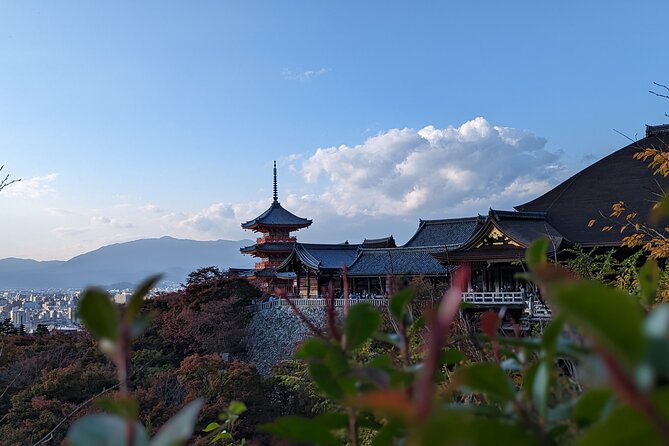
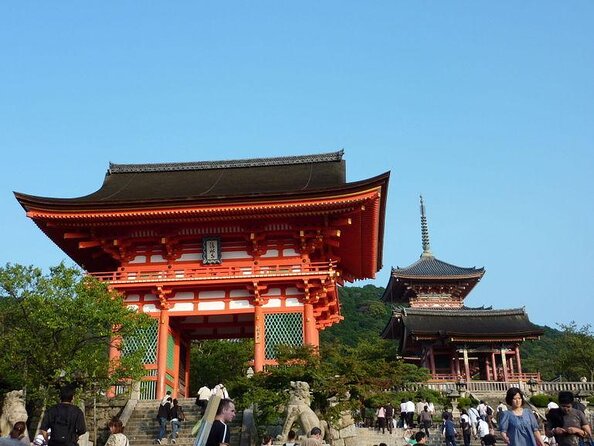
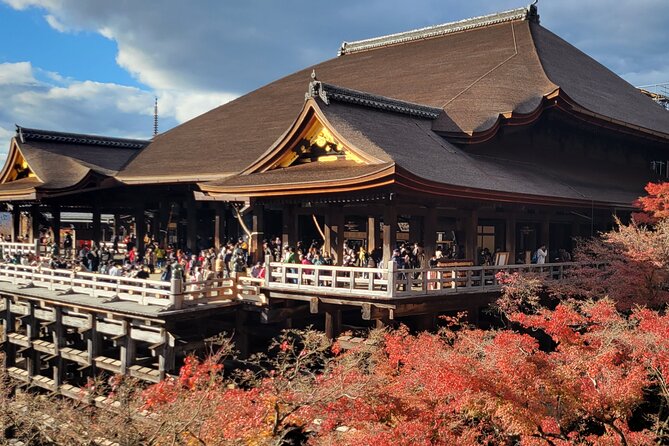
Kiyomizu-dera is one of Kyoto’s great set pieces. Its wooden terrace projects from the hillside, offering an impressive view across the city and surrounding hills. The temple is also a UNESCO World Heritage site, and its buildings, approach, and religious traditions give a guide plenty to explain.
The 30-minute visit is best treated as a highlights stop. You can take in the terrace, hear the basic story of the temple, and see the approach streets around one of Kyoto’s most visited religious sites. A good guide will help separate the important details from the crowd and point out why the site matters.
This is also one of the places where timing matters. With half an hour, you may feel rushed if the approach is crowded or if you want time for shops and photos. I would not book this tour expecting a slow, reflective temple visit. Book it if you want a well-explained first look and plan to return later on your own.
Kennin-ji, Kyoto’s quieter Zen pause
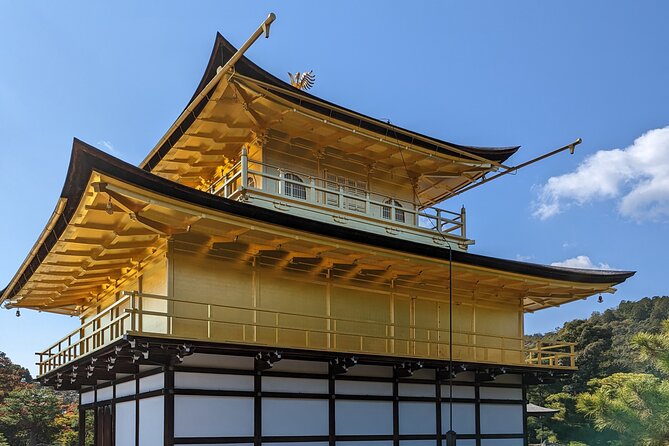
Kennin-ji offers a change of mood after the larger, busier sights. This Zen temple sits in the Gion area and provides a more restrained setting for learning about Japanese Buddhism, temple design, and quiet contemplation.
The scheduled 30 minutes can work well here. You do not need a long walk to get a sense of the temple, and a guide’s explanation can give meaning to details you might otherwise overlook. Robert was specifically praised for explaining the history and culture of the places visited, and this is the sort of stop where that skill matters.
Do not expect a long meditation session or an exhaustive look at the temple grounds. The tour is moving through a city, not spending half a day at one complex. Kennin-ji works as a calm interlude and a useful counterpoint to the more famous sites.
Yasaka Shrine at the edge of Gion
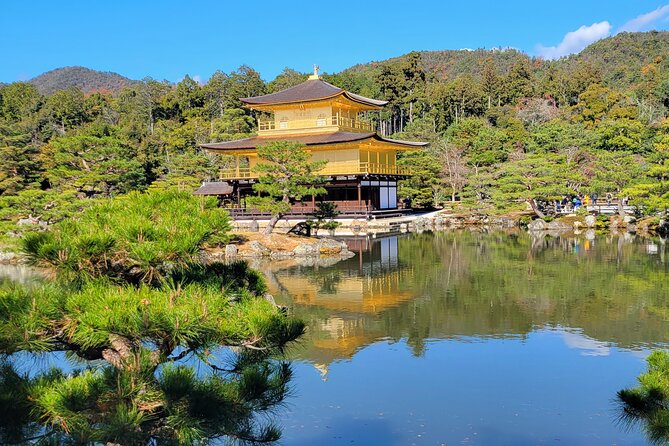
Yasaka Shrine connects the religious and urban sides of Kyoto. It is a major Shinto shrine at the eastern end of the Gion district, and its gates and grounds can feel lively as people come to pray, take photographs, or pass through on their way into the old neighborhood.
Your guide can put the shrine into the larger story of Kyoto’s festivals and religious life. The 30-minute stop is enough to see the main setting and ask questions, especially in a private group where you do not need to wait for a large party to gather.
The shrine is not an isolated retreat. Its location means you are close to streets, shops, and crowds. That is part of its appeal. You get to see how a functioning shrine sits within daily city life rather than treating religion as something separated from the modern city.
Other private tours in Kyoto

Nishiki Market for a taste of central Kyoto
Nishiki Market is the food-focused part of the route. Its narrow shopping street is lined with stalls and small food businesses, creating a concentrated introduction to Kyoto’s ingredients, snacks, and cooking traditions.
Half an hour is enough to walk through a section and sample the atmosphere, but it is not enough for a serious food crawl. If you see something you want to buy, ask your guide how much time you have before stopping. The private format may let you pause briefly, but the schedule still has four more districts and landmarks to cover.
This is one of the best places to ask practical questions. A guide can point out local foods, explain unfamiliar items, and suggest restaurants for later. Andrea was praised for answering questions and offering restaurant recommendations, while Johannes helped one group try street food during the walking tour.
Keep your expectations grounded. The tour does not promise a meal or a formal tasting. Nishiki Market is a short food-market visit within a wider sightseeing route, not a dedicated culinary experience.
Pontocho Alley and the Kamogawa side of Kyoto
Pontocho receives the longest scheduled stop, one hour. The narrow alley runs near the Kamogawa River and is known for traditional restaurants, evening dining, and its connection to Kyoto’s geisha culture.
This is a good place for a guide to explain how old entertainment districts functioned and how to behave respectfully around performers and residents. The lane is atmospheric, but it is also narrow and busy. You will get more from it if you look beyond the restaurant fronts and listen to the local context.
The extra time makes Pontocho the most flexible part of the route. You may have room for a slower walk, questions, and a brief look at nearby streets. Still, the tour does not state that a meal is included, so plan to eat separately unless your booking confirms otherwise.
One guide also helped a group spot an authentic geisha. That kind of encounter is never guaranteed, and it is important not to treat people in Gion or Pontocho as photo props. A respectful guide can help you understand the difference between seeing a traditional performer at a distance and intruding on private life.
Gion, where old Kyoto meets modern crowds
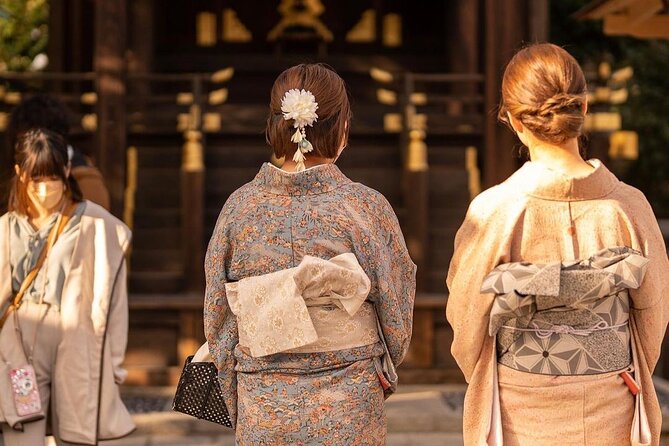
Gion is the final scheduled stop, with 30 minutes to walk through its traditional streets and learn about geisha culture. The district is best appreciated slowly, but this short visit gives you a useful first orientation to its wooden buildings, lanes, and social traditions.
The guide’s role is especially important here. Without context, Gion can look like a collection of photogenic streets. With a good explanation, you begin to understand the work, training, and etiquette connected with Kyoto’s geisha world.
A half-hour will not cover the entire district. You also need to accept that Gion is a working neighborhood, not an open-air show. Follow local rules, avoid blocking lanes, and ask before taking close photographs. The tour can introduce the area, then you can return at a quieter time if you want a longer walk.
The guides can make or break the day
The strongest part of this experience is the guide-to-group connection. Julian was praised for passion and strong English. Johannes was described as kind, engaging, and well informed, with the ability to explain Shinto and help with street food. Robert received repeated praise for history and culture, while Ricardo adjusted the pace for older people.
Oscar provided a short, efficient introduction for people with limited time. Andrea answered questions and recommended restaurants. Diego’s hotel pickup was especially useful because it reduced the chance of getting lost before the tour began. Ken was praised for warmth, cultural knowledge, and empathy.
Those details point to what you should want from the experience: clear explanations, flexible pacing, and help connecting the sites to everyday Kyoto. The tour is much more than a taxi ride between famous addresses when the guide is attentive.
There is also a major warning. Several bookings involved a guide who never arrived. In other cases, the meeting time differed between the app and the guide, messages went unanswered, or the listed phone number did not work. One group joined 30 minutes late after the organizer shared details too slowly. These are not minor annoyances when you have limited time in Kyoto.
Contact the provider before the tour and confirm the start time, pickup point, guide name, and a working contact method. Save the information outside the booking app. If you are staying at a hotel, ask specifically if pickup is confirmed. The tour offers pickup, but you should not assume it has been arranged unless you receive clear confirmation.
Is $85 a fair price?
The answer depends on how much you value explanation and convenience. At $85 per person, the tour can be fair for a private half-day introduction, especially if your group wants a flexible pace and help with transport. You are paying for a guide’s time, not simply entrance to seven sites.
The value is weaker if you want long visits, extensive food tasting, or a detailed look at every temple. Four hours is short, and the schedule leaves little room for delays. You will see many addresses, but some visits will feel like quick snapshots.
Admission information needs checking. The tour details say admission tickets are included at the listed stops, while one booking experience reported that admissions were not included. Confirm this before paying and keep any written answer. That small step prevents an unpleasant surprise.
Free cancellation is available up to 24 hours before the start time. Changes made within 24 hours are not accepted, and late cancellations are not refunded. Poor weather or failure to meet the minimum number of participants can lead to a new date, another experience, or a full refund.
Who will get the most from this tour?
I would consider it for a first day in Kyoto, a short stay, or a group that wants an efficient introduction before exploring alone. It suits people who enjoy asking questions and prefer a private guide to a fixed large-group schedule.
It is also a good fit for groups with mixed walking speeds. The private setup gives the guide room to adapt, as Ricardo did for an older group. Families and friends may appreciate choosing how much time to spend on food, temples, or traditional districts.
I would be cautious if you have only one unmovable day in Kyoto and cannot tolerate operational risk. I would also choose a slower, single-area tour if your main goal is serious temple study, a full food experience, or a long walk through Gion.
My call: book only after direct confirmation
The sightseeing plan is smart. It connects Kyoto’s major religious sites with Nishiki Market, Pontocho, and Gion, and the best guides have made the city far easier to understand. At $85, that can be useful value for a private four-hour overview.
The provider’s communication record is the deciding concern. I would book only after confirming the exact time, meeting point or hotel pickup, guide contact, and admission terms. If those details arrive clearly, this can be a rewarding first look at Kyoto. If communication remains vague, choose a more dependable option and visit these places independently.
FAQ
How long does the Kyoto historical sightseeing tour last?
The tour lasts approximately four hours.
Is this a private tour?
Yes. Only your group participates in the activity.
Which places are included on the route?
The scheduled stops are Fushimi Inari-taisha Shrine, Kiyomizu-dera Temple, Kennin-ji Temple, Yasaka Shrine, Nishiki Market Shopping District, Pontocho District, and Gion.
Is hotel pickup available?
Pickup is offered, and one guide collected a group at its hotel. Confirm your pickup location directly before the tour because pickup arrangements have not always been communicated clearly.
How much does the tour cost?
The listed price is $85 per person.
Are entrance tickets included?
The tour details indicate admission tickets are included at the listed stops. However, one booking experience reported that admissions were not included, so confirm this point before departure.
Can most people participate?
Yes. The additional information states that most people can participate, and the tour is near public transportation.
What happens if I need to cancel?
You can cancel at least 24 hours before the local start time for a full refund. Cancellations or changes made less than 24 hours before the start time are not accepted for a refund. If poor weather or an insufficient minimum number causes the tour to be canceled, you will be offered another date or experience, or a full refund.
More Historical Tours in Kyoto
More Private Tours in Kyoto
More Guided Tours in Kyoto

More tours in Kyoto we've reviewed




Historical Tours, compared.
 ★ 5.0World Heritage Kyoto & Nara Uji Authentic Matcha ExperienceFrom $129
 ★ 5.0Kyoto Gion Historical Walking TourFrom $40
 ★ 5.0Historical Kyoto E-Bike TourFrom $99
 ★ 4.9Kyoto: Private 2.5 Hour Historical Walking TourFrom $802 hours
 ★ 4.8From Kyoto: Nara History Guided Half Day Bus Tour with LunchFrom $776 hours
 ★ 4.6Uji: UNESCO Heritage & Tea Ceremony Walking TourFrom $663 hours